
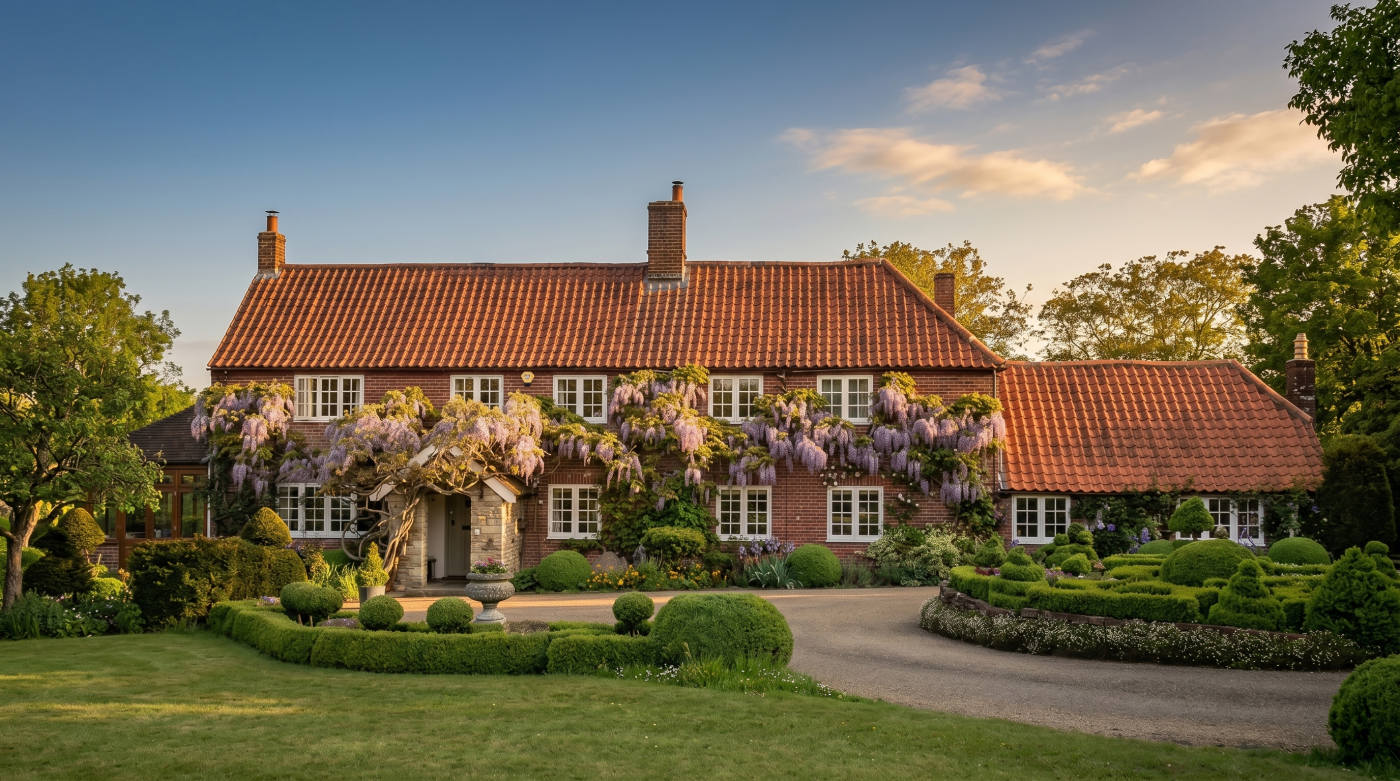
“Like-for-Like” Means More Than Copying the Original
Few phrases are used more frequently during period home renovations than like-for-like replacement, yet few are as widely misunderstood. Many homeowners assume it simply means installing a new window that looks exactly like the one being removed. While appearance certainly matters, architects tend to view the concept in much broader terms. Their objective is not to create an exact replica of every physical detail but to preserve the architectural qualities that give a building its character.
Historic buildings are defined by more than individual components. The proportions of openings, the rhythm of windows across a façade, the depth of reveals, the relationship between glazing and surrounding masonry and the craftsmanship of the original design all contribute to the way a building is experienced. These elements work together to create an architectural language that is often more significant than the precise profile of a moulding or the dimensions of a single glazing bar.
For this reason, like-for-like replacement is better understood as an exercise in architectural continuity rather than straightforward duplication. A thoughtfully specified replacement respects the scale, balance and visual harmony of the original building while recognising that modern manufacturing, building performance and contemporary expectations have inevitably evolved. The aim is to ensure that the new window feels entirely at home within the architecture, supporting the building’s identity rather than drawing attention to itself.
Architects therefore begin by asking what should be preserved rather than what should simply be copied. They study the qualities that define the building, identifying which characteristics are essential to its architectural integrity and how these can be carried forward through sensitive design.
Seen in this way, like-for-like replacement becomes a design philosophy rather than a manufacturing instruction. It is about protecting the spirit of a building while allowing it to continue serving the needs of modern life with quiet confidence and lasting authenticity.
Original Does Not Always Mean Best
When renovating a period home, it is easy to assume that every original window should be preserved exactly as it exists. Original fabric undoubtedly carries historical and architectural value, but age alone does not determine quality. Many historic buildings have evolved over centuries, accumulating repairs, alterations and replacements that reflect changing tastes, technologies and patterns of occupation. What appears to be original today may, in fact, represent just one chapter in a much longer architectural story.
Architects therefore begin by understanding the building rather than making assumptions based solely on age. Existing windows are assessed for their contribution to the overall character of the property, alongside their condition, craftsmanship and relationship to the wider architectural composition. Some may be exceptional examples of their period, while others may have been introduced during later alterations that no longer complement the building as effectively. The objective is to distinguish between elements that define the architecture and those that simply happen to have existed for many years.
Equally important is recognising that historic buildings were never intended to remain static. Improvements have always formed part of their evolution, whether through advances in construction, changing domestic needs or sympathetic restoration. Sensitive replacement can therefore become another stage in that ongoing process, provided it respects the architectural qualities that make the building distinctive.
This does not diminish the importance of original craftsmanship. Rather, it encourages a more thoughtful understanding of authenticity. Preserving architectural integrity is often about retaining the proportions, rhythm and design language of the building instead of replicating every surviving detail regardless of its significance or condition.
By looking beyond the simple distinction between original and new, homeowners can approach replacement with greater confidence. The best decisions are guided not by age alone, but by a careful appreciation of what genuinely contributes to the character, longevity and future of the building.
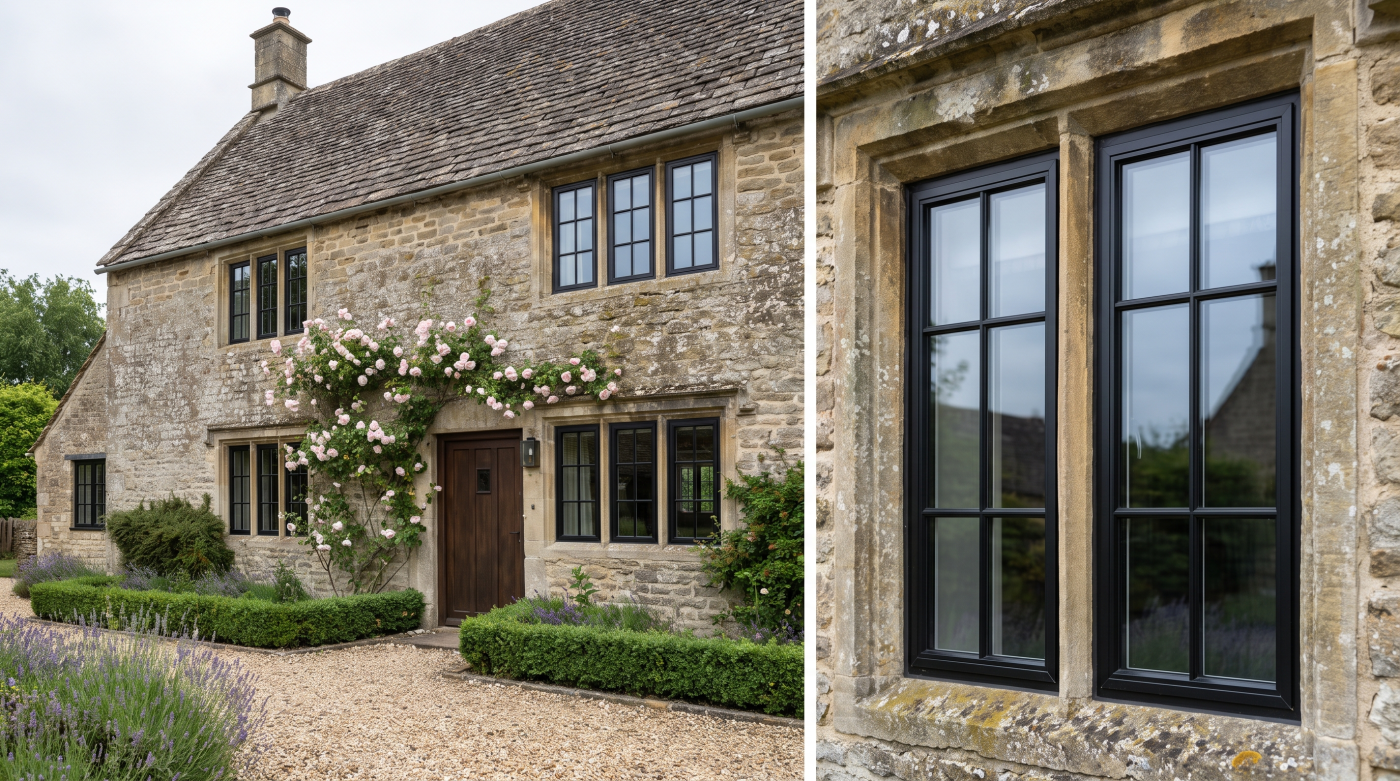
Proportion Is Usually More Important Than Exact Detail
When homeowners compare replacement windows, attention often centres on individual details such as mouldings, glazing bars or decorative profiles. While these features certainly contribute to the appearance of a window, architects generally begin somewhere else. Their primary concern is proportion. The size of the opening, the relationship between frame and glass, the balance of solid and void, and the rhythm created across the façade usually have a far greater influence on the architectural character of a building than the precise shape of an individual profile.
Historic architecture relies upon these relationships. Georgian houses, for example, are celebrated for their disciplined symmetry and carefully ordered proportions, while Victorian homes often introduce a more varied but equally deliberate composition. Windows are integral to these architectural languages, establishing the cadence of an elevation and helping define the identity of the building. If these proportions change, even subtly, the overall character can shift in ways that are immediately perceptible, despite individual details appearing historically accurate.
This is why architects study the building as a complete composition before considering the finer points of specification. The width of frames, the depth of reveals, the arrangement of glazing bars and the scale of individual panes all work together to create visual harmony. A replacement window that faithfully reproduces decorative mouldings but alters these broader relationships may ultimately feel less authentic than one that preserves the original proportions while incorporating discreet contemporary improvements.
This emphasis on proportion also explains why successful like-for-like replacement is rarely about exact replication. The goal is to retain the architectural balance that gives the building its identity, allowing new windows to sit comfortably within the existing design rather than drawing attention to themselves.
Ultimately, it is these carefully judged relationships that people respond to, often without consciously recognising why. When proportion is respected, replacement windows feel entirely natural within the architecture, preserving the quiet elegance and coherence that define the finest period homes.
Modern Performance Can Respect Historic Character
One of the most persistent misconceptions surrounding like-for-like replacement is that preserving historic character requires rejecting modern improvements. Homeowners are sometimes left with the impression that replacing older windows means choosing between architectural authenticity and everyday comfort. Architects rarely see the decision in such absolute terms. Instead, they explore how contemporary performance can be integrated in ways that support, rather than compromise, the long-term future of a historic building.
Buildings are ultimately designed to be lived in. Comfortable interiors, effective weather protection, improved acoustic performance and better thermal efficiency all contribute to the continued use and care of older homes. A period property that performs well is more likely to be maintained, appreciated and passed on to future generations than one that struggles to meet modern expectations. In this sense, carefully considered improvements can become part of responsible conservation rather than an alternative to it.
This requires a balanced approach to specification. Architects consider how glazing interacts with the wider building, recognising that windows form part of a much larger environmental strategy alongside ventilation, insulation and traditional construction methods. The objective is not simply to maximise technical performance, but to improve the experience of living in the home while preserving the architectural qualities that define its identity.
Advances in glazing technology have made this balance increasingly achievable. Improvements in thermal insulation, weather resistance and acoustic comfort can often be introduced while maintaining the proportions, sightlines and visual character that are fundamental to a successful like-for-like replacement. From the outside, the building continues to express its original architectural language, while inside it becomes noticeably more comfortable and enjoyable to occupy.
Seen from this perspective, like-for-like replacement is not about recreating the limitations of the past. It is about preserving the enduring qualities of historic architecture while allowing buildings to evolve in ways that ensure they remain relevant, practical and cherished for many decades to come.
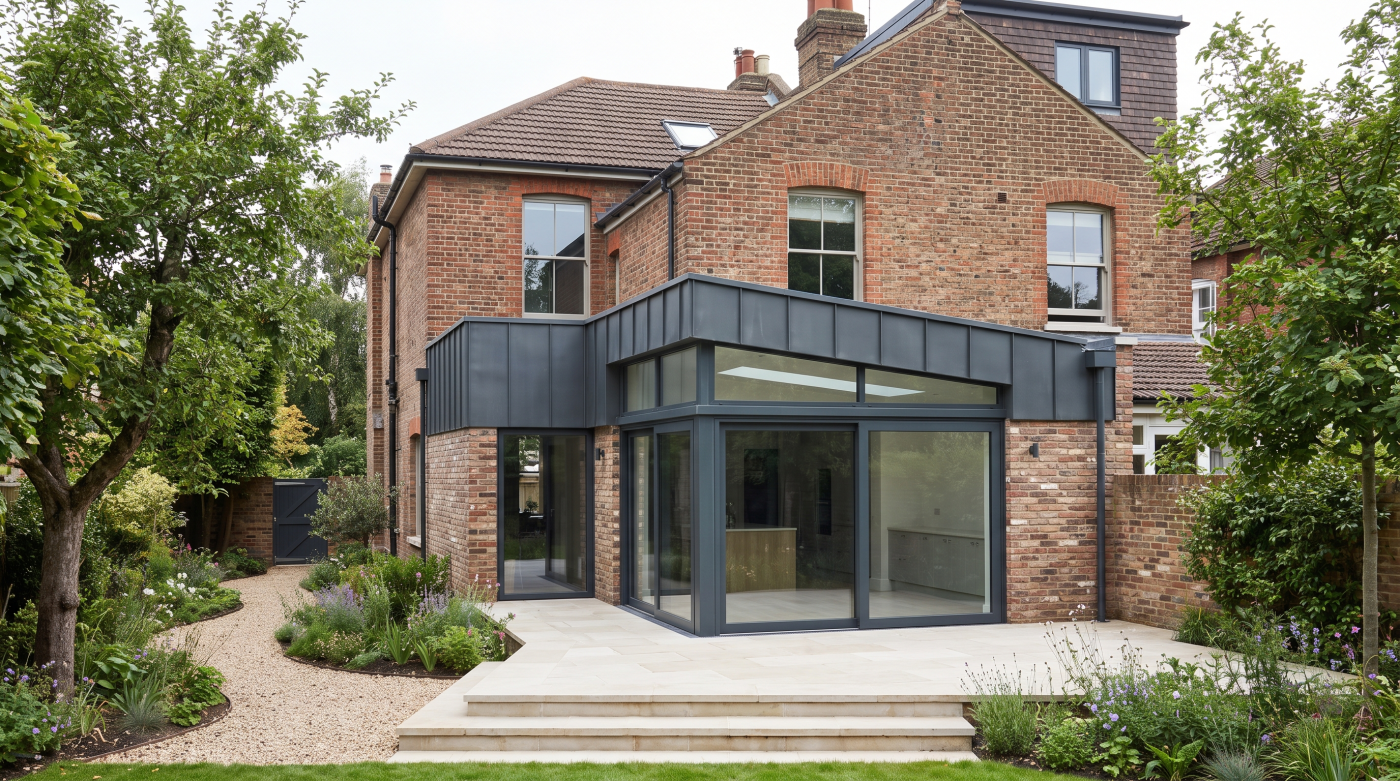
Good Replacement Starts With Understanding the Building
Architects rarely begin a window replacement project by comparing products or materials. Their first task is to understand the building itself. Every period property has its own architectural character, history and relationship with its surroundings, and these qualities should shape every subsequent design decision. Like-for-like replacement is therefore not a matter of finding a visually similar window, but of recognising what gives the building its identity in the first place.
This process starts with careful observation. The proportions of the façade, the rhythm of the windows, the depth of reveals, the quality of craftsmanship and the relationship between the building and the wider streetscape all provide valuable clues about the architectural intent of the original design. Architects also consider how the property has evolved over time, identifying which features are fundamental to its character and which may have resulted from later alterations that sit less comfortably within the overall composition.
Only after this broader assessment do discussions about glazing systems and frame materials become meaningful. A replacement window should respond to the architecture rather than dictate it. Decisions about sightlines, opening styles, glazing bar arrangements and detailing are informed by the character of the building, ensuring that every element contributes to a coherent architectural whole rather than appearing as an isolated upgrade.
This approach also helps homeowners move beyond assumptions based on style alone. Two houses built in the same period may require entirely different responses because their proportions, setting or architectural significance differ. Successful specification is therefore rooted in understanding rather than imitation.
By placing the building at the centre of the decision-making process, like-for-like replacement becomes an exercise in architectural stewardship. The aim is not simply to install new windows, but to ensure that every intervention strengthens the character, longevity and integrity of the home, allowing it to continue evolving with quiet confidence and lasting authenticity.
Heritage Is About Character, Not Perfection
There is a common assumption that conserving a period home means returning every element to a perfect version of its original state. In reality, historic buildings rarely tell such a simple story. They bear the marks of changing tastes, evolving technologies and successive generations of occupants, each contributing to the character that makes the building unique. Architects therefore see heritage not as the pursuit of perfection, but as the careful management of change over time.
This perspective encourages a more thoughtful understanding of authenticity. Small variations in materials, evidence of traditional craftsmanship and the gentle patina that develops through decades of use all contribute to the richness of historic architecture. These qualities remind us that buildings are living structures rather than static artefacts. Attempting to erase every sign of age or recreate an imagined moment of perfection can sometimes diminish the very character that conservation seeks to protect.
Like-for-like replacement follows the same philosophy. The objective is not to disguise every intervention or create an indistinguishable copy, but to ensure that new work respects the architectural language of the building. Sensitive replacements acknowledge that contemporary craftsmanship belongs to its own time while maintaining the proportions, balance and design principles that define the original architecture. The result feels authentic because it supports the building’s continuing story rather than pretending that nothing has changed.
Architects often describe this approach as one of honesty and restraint. Repairs, replacements and improvements should be carefully considered, allowing the building to evolve naturally without overwhelming its established character. Every intervention becomes another layer in the history of the home, contributing to its long-term future with quiet confidence.
Ultimately, heritage is not measured by the absence of change but by the quality of the decisions that guide it. Buildings that continue to evolve thoughtfully retain their architectural integrity, ensuring that their character remains both genuine and enduring for generations to come.
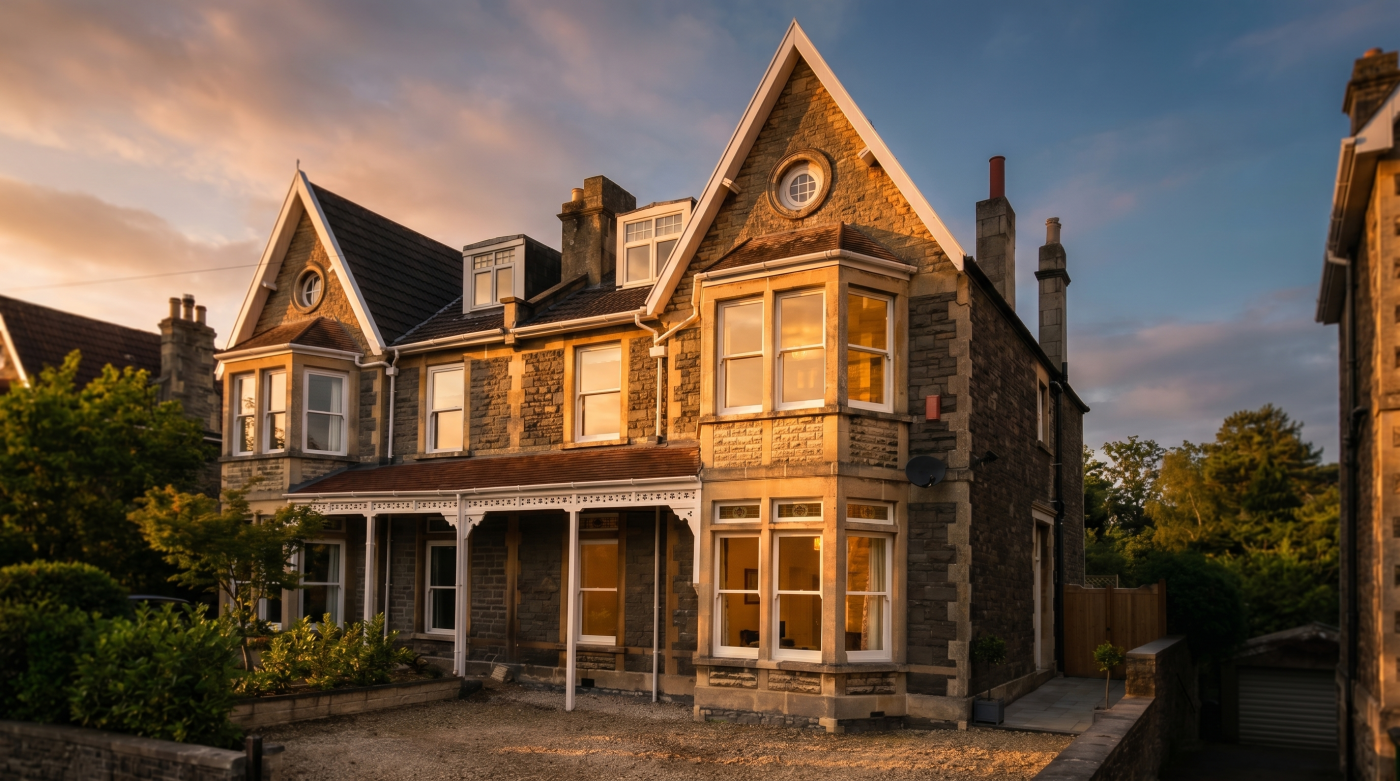
Architects Think About the Whole Elevation
When replacing windows in a period property, it is tempting to assess each opening individually. A homeowner may focus on a single bay window, a damaged sash or one elevation that receives the harshest weather. Architects, however, take a much broader view. They understand that every window contributes to the overall composition of the building, and that even carefully detailed replacements should be considered in relation to the entire façade rather than in isolation.
Historic architecture relies upon visual harmony. The spacing of openings, the alignment of heads and cills, the balance between solid walls and glazed areas and the repetition of proportions across an elevation all combine to create a sense of order. These relationships are often so well resolved that they pass unnoticed, yet they are fundamental to the character of the building. Altering one element without considering the wider composition can subtly disrupt this balance, even if the replacement window appears appropriate when viewed on its own.
This is particularly important in terraces, semi-detached houses and buildings that contribute to a wider streetscape. Individual windows do not simply define a single property; they help establish the rhythm and coherence of an entire row of buildings. Architects therefore consider how replacement windows relate not only to the house itself but also to neighbouring properties and the architectural character of the surrounding area.
Like-for-like replacement is ultimately about preserving these relationships. Decisions regarding proportions, sightlines, glazing bar arrangements and frame dimensions are evaluated according to how they support the building as a complete architectural composition. The aim is to ensure that every replacement contributes to a façade that feels balanced, coherent and entirely natural.
By thinking beyond individual products and considering the whole elevation, architects create replacement schemes that quietly reinforce the identity of the building. The success of the project is measured not by the windows themselves, but by the enduring strength and harmony of the architecture they help preserve.
The Best Replacements Are Almost Invisible
The finest replacement windows in period homes are rarely the ones that attract attention. Instead, they sit so comfortably within the architecture that they feel as though they have always belonged there. This quiet success is not the result of imitation alone but of careful observation, thoughtful specification and a deep understanding of the building’s architectural character. When every decision has been guided by these principles, the replacement becomes almost invisible, allowing the building itself to remain the focus.
Architects often describe this as designing with restraint. Rather than seeking to make a statement, they aim to preserve the qualities that already make a building distinctive. The proportions of the openings, the rhythm across the façade, the relationship between glazing and masonry, and the balance of light and solid all continue to work together as intended. New windows support these relationships without drawing unnecessary attention to themselves, ensuring that the architectural composition remains coherent and harmonious.
This approach also creates a more enduring form of design. Windows chosen because they faithfully respect the architectural language of a building are far less likely to feel dated than those selected to reflect a passing fashion. Their success lies in their appropriateness rather than their novelty. As materials weather and the building continues to evolve, they become another natural layer in its history rather than an obvious intervention from a particular moment in time.
For homeowners, this offers perhaps the most reassuring understanding of like-for-like replacement. The objective is not to recreate the past with absolute precision, nor to introduce contemporary features simply because they are new. It is to ensure that the character of the building remains intact while quietly improving the experience of living within it.
Ultimately, the best replacement windows are those that allow the architecture to speak for itself. They preserve the spirit of the building with such confidence and subtlety that most people notice only what truly matters: a beautiful period home that continues to feel authentic, balanced and entirely at ease with its own history.