
Steel-Look Windows Are Inspired by a Distinct Architectural Tradition
Steel-look windows have become one of the defining features of contemporary residential design, appearing in everything from kitchen extensions to country house renovations. Their slim sightlines, elegant proportions and ability to maximise natural light have made them particularly popular among homeowners seeking a modern yet understated aesthetic. However, their appeal is often viewed purely as a design trend, rather than as part of a much longer architectural story.
The original steel windows that inspire today’s designs emerged during the late nineteenth and early twentieth centuries, finding their place in factories, warehouses, public buildings and, later, progressive domestic architecture. Advances in steel manufacturing allowed for exceptionally slender frames that admitted generous amounts of daylight while creating the refined geometric appearance that remains so recognisable today. As Modernist architecture gained influence, these clean lines became closely associated with simplicity, functionality and carefully considered design.
Understanding these origins is important because steel glazing was never intended to be a universal architectural language. It belongs to a particular tradition, one that reflects industrial innovation and twentieth-century design rather than the architectural vocabulary of every historic building. This does not mean steel-look glazing is unsuitable for heritage homes, but it does mean its success depends upon how thoughtfully it is introduced and how well it responds to the character of the existing architecture.
Architects therefore begin by asking what story a building already tells before considering whether steel-look glazing should become part of its next chapter. In some homes, it provides a beautifully restrained contemporary counterpoint that enhances the original architecture. In others, a different approach may feel more natural and authentic.
By recognising steel-look windows as an architectural tradition in their own right, rather than simply a fashionable product, homeowners can make decisions that are guided by context, proportion and longevity instead of passing trends. The result is architecture that feels considered, balanced and ultimately timeless.
Not Every Period Home Tells the Same Story
The phrase period home encompasses an extraordinary range of architectural styles, each shaped by the social, cultural and technological influences of its time. A Georgian townhouse, a Victorian villa, an Arts and Crafts cottage and a converted stone barn may all be considered historic properties, yet they express fundamentally different architectural ideas. It follows that a glazing solution which enhances one building may feel entirely out of place in another.
Architects begin by understanding the character of the individual building rather than applying a fashionable design language across every project. Georgian architecture is typically defined by disciplined proportions, symmetry and restrained detailing, qualities that encourage similarly measured interventions. Victorian homes often display greater richness and complexity, while Arts and Crafts properties celebrate handcrafted materials and a closer relationship with the surrounding landscape. Rural farmhouses and converted agricultural buildings introduce yet another architectural vocabulary, where simplicity and robust materials often take precedence over formal symmetry.
Steel-look glazing can respond successfully to many of these contexts, but rarely in the same way. In a contemporary extension to a Georgian home, slim-framed glazing may provide an elegant contrast that clearly distinguishes new architecture from old. Within a converted industrial building, it may reinforce an existing architectural language that has always embraced steel and large expanses of glass. In other settings, however, the same approach could compete with the character of the original building rather than complement it.
This is why architects resist universal solutions. They assess the proportions of the existing architecture, the relationship between old and new, and the overall narrative of the renovation before considering specific glazing systems. The objective is not to introduce a desirable product but to strengthen the architectural integrity of the home.
Ultimately, successful heritage renovation begins with the building itself. When specification is guided by context rather than fashion, steel-look glazing becomes one possible design response among many, chosen because it belongs naturally within the wider architectural story.
Contrast Can Strengthen Historic Architecture
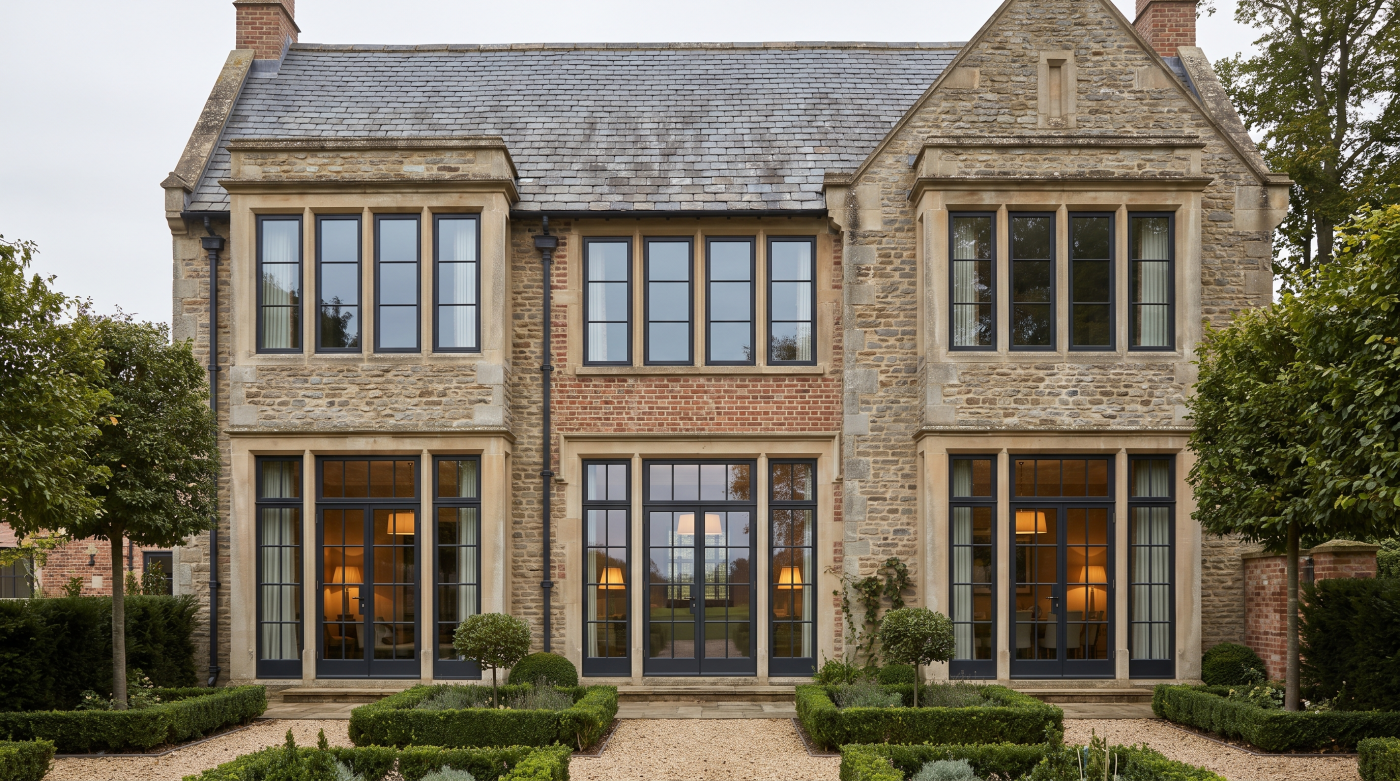
One of the most enduring debates in heritage renovation is whether new additions should imitate the original building or express their own identity. While there is no universal answer, many architects favour an approach based on honest contrast rather than historical imitation. Instead of attempting to blur the distinction between old and new, they seek to create a respectful dialogue in which each period of the building’s evolution remains clearly legible.
Steel-look glazing often lends itself well to this philosophy. Its refined sightlines and understated appearance allow contemporary interventions to feel light and elegant without competing for attention. Used within a carefully designed extension or garden room, it can provide a subtle architectural counterpoint to traditional masonry, timber detailing or historic façades. The original building remains the focal point, while the newer elements quietly acknowledge that they belong to a different era.
This approach is not about creating dramatic contrasts for their own sake. Successful contemporary architecture respects the scale, proportions and material character of the existing building even as it introduces new forms of expression. The relationship between old and new should feel balanced rather than confrontational, with each enhancing the qualities of the other. Restraint is often more powerful than boldness, allowing contemporary glazing to complement historic architecture without overwhelming it.
Architects frequently describe this as allowing a building’s history to remain visible. Rather than disguising new work as something old, they celebrate the fact that buildings evolve over time. Each carefully considered intervention becomes another chapter in the architectural story, reflecting today’s design values while respecting those that came before.
When specified with this level of sensitivity, steel-look glazing becomes far more than a stylistic feature. It helps establish a clear and confident relationship between heritage and contemporary living, demonstrating that thoughtful contrast can strengthen the architectural integrity of a historic home rather than diminish it.
Proportion Matters More Than Material
When discussions about steel-look glazing begin, attention often turns quickly to materials. Homeowners compare aluminium with steel, explore different finishes and consider the appearance of individual systems. Architects, however, are usually asking a different set of questions. Before considering what a frame is made from, they examine its proportions, how it relates to the architecture and whether it contributes to a balanced composition. In many cases, these qualities have a greater influence on the success of a project than the material itself.
Historic architecture is built upon proportion. The relationship between solid walls and glazed openings, the width of frames, the rhythm of vertical and horizontal divisions and the overall scale of each elevation all work together to create a sense of harmony. Introducing contemporary glazing without understanding these relationships can subtly alter the character of a building, even when the materials themselves appear sympathetic.
Steel-look glazing is often valued for its exceptionally slim sightlines, but slender frames alone do not guarantee good design. The spacing of glazing bars, the dimensions of individual panes and the relationship between the glazing and the surrounding architecture all require careful consideration. A beautifully proportioned window can feel entirely appropriate within a heritage setting, while one with poorly judged divisions or oversized panels may appear visually disconnected from the building it is intended to complement.
Architects therefore evaluate glazing as part of the wider architectural composition rather than as an isolated feature. Every line contributes to the overall rhythm of the façade, while every opening influences how light enters the building and how the architecture is experienced from both inside and out. These subtle relationships often determine whether contemporary interventions feel calm and timeless or simply fashionable.
Ultimately, successful steel-look glazing is rarely defined by the material alone. It succeeds because its proportions respect the scale, rhythm and architectural language of the building, allowing contemporary design to enhance historic character through careful composition rather than visual impact.
Internal Steel-Look Screens Can Transform Living Spaces
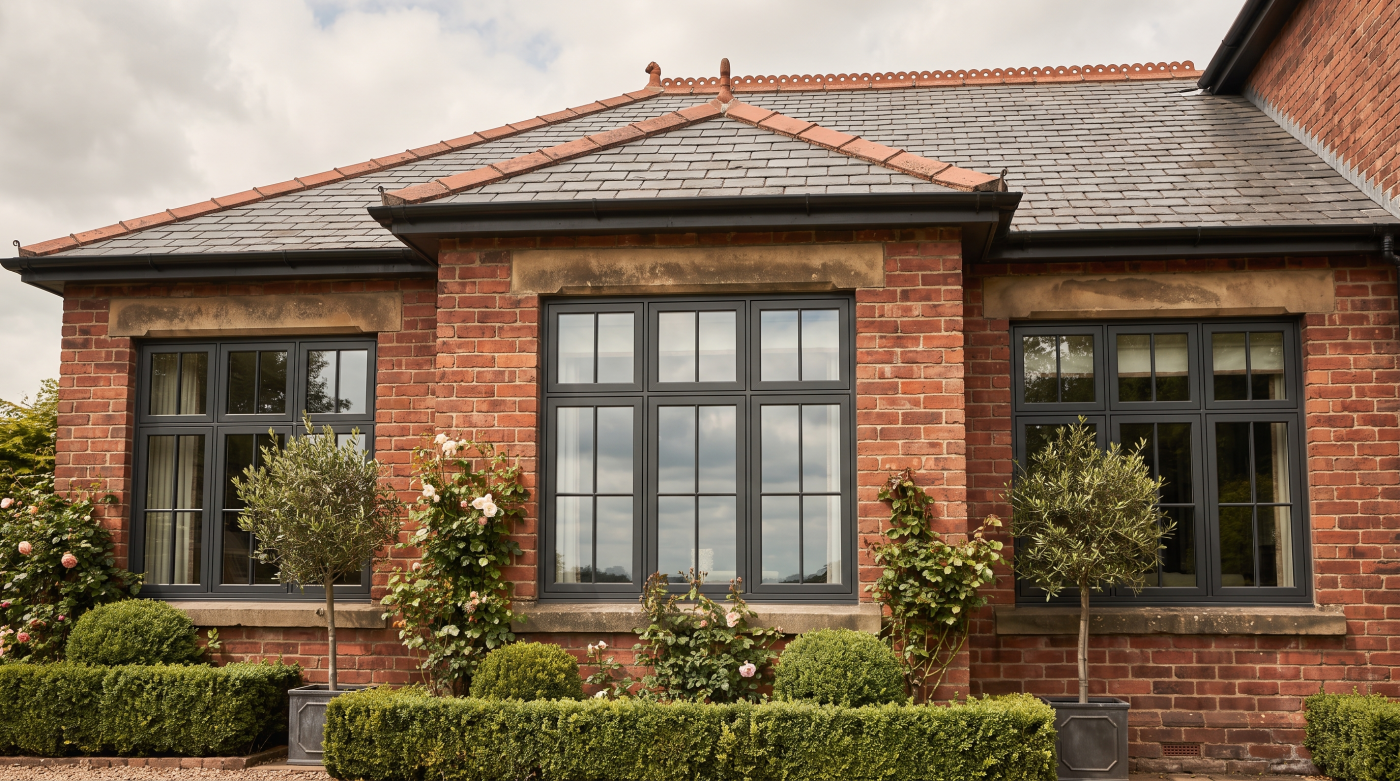
While steel-look glazing is often associated with external windows and doors, some of its most successful applications are found inside the home. Internal glazed screens have become an increasingly popular way of introducing contemporary design into heritage properties, offering a means of redefining spaces without compromising the qualities that make older buildings so appealing. Rather than altering the external character of a period home, they create new relationships between rooms while allowing the original architecture to remain largely untouched.
Architects frequently use internal glazing to balance openness with enclosure. Traditional homes often feature a series of distinct rooms, each with its own scale and atmosphere. Although completely open-plan layouts can sometimes undermine this sense of character, carefully positioned glazed screens allow spaces to remain visually connected while preserving their individual identity. Natural light can travel more freely through the home, yet each room retains a clear sense of purpose and proportion.
This approach is particularly effective in renovations where modern patterns of living need to coexist with historic architecture. A kitchen can remain connected to a hallway, a study can borrow light from an adjacent room, or a living space can feel more expansive without the need to remove original walls entirely. The result is an interior that feels brighter and more adaptable while continuing to respect the building’s original layout.
The restrained aesthetic of steel-look glazing also complements many heritage interiors because it introduces definition without unnecessary visual weight. Slim frames create elegant lines that organise space rather than dominate it, allowing original features such as cornicing, fireplaces, timber floors and masonry to remain the primary focus.
When thoughtfully integrated, internal steel-look screens demonstrate that contemporary design need not rely on dramatic structural change. Sometimes the most effective interventions are those that improve the experience of everyday living through light, connection and carefully considered spatial relationships, quietly enhancing the architecture without competing with its history.
Performance Should Be Considered Alongside Aesthetics
The appeal of steel-look glazing is often immediate. Its slender frames, elegant geometry and understated appearance can transform both contemporary extensions and carefully considered heritage renovations. Yet architects rarely make specification decisions based on appearance alone. Beautiful glazing should also contribute to a home that is comfortable, practical and enjoyable to live in throughout the year. Design and performance are not competing priorities but complementary parts of the same architectural solution.
This broader perspective begins with understanding how glazing influences everyday experience. Thermal comfort, natural ventilation, acoustic performance and daylight all shape the quality of a living environment. A room that feels consistently comfortable, remains quiet despite its surroundings and enjoys generous natural light is often experienced very differently from one where these qualities have been overlooked. Glazing therefore plays a far greater role than simply framing views or defining elevations.
Architects consider these factors together rather than in isolation. The size and orientation of glazed openings, the relationship between fixed and opening elements, solar gain and the overall environmental strategy of the building all influence how a space performs over time. The objective is to create interiors that are as comfortable in winter as they are during warmer months, while maintaining a strong connection with the surrounding landscape.
Longevity is equally important. Heritage renovations are typically intended to last for decades rather than follow short-lived design fashions. Choosing glazing that combines refined aesthetics with robust performance helps ensure the building continues to meet changing expectations without compromising its architectural integrity. Durable materials, thoughtful detailing and high-quality specification all contribute to this long-term perspective.
Ultimately, the most successful steel-look glazing is never defined solely by how it appears on the day it is installed. Its true value lies in how quietly it supports daily life, enhancing comfort, light and wellbeing while remaining entirely consistent with the wider architectural vision of the home.
Architects Specify Steel-Look Glazing as Part of a Bigger Design Story
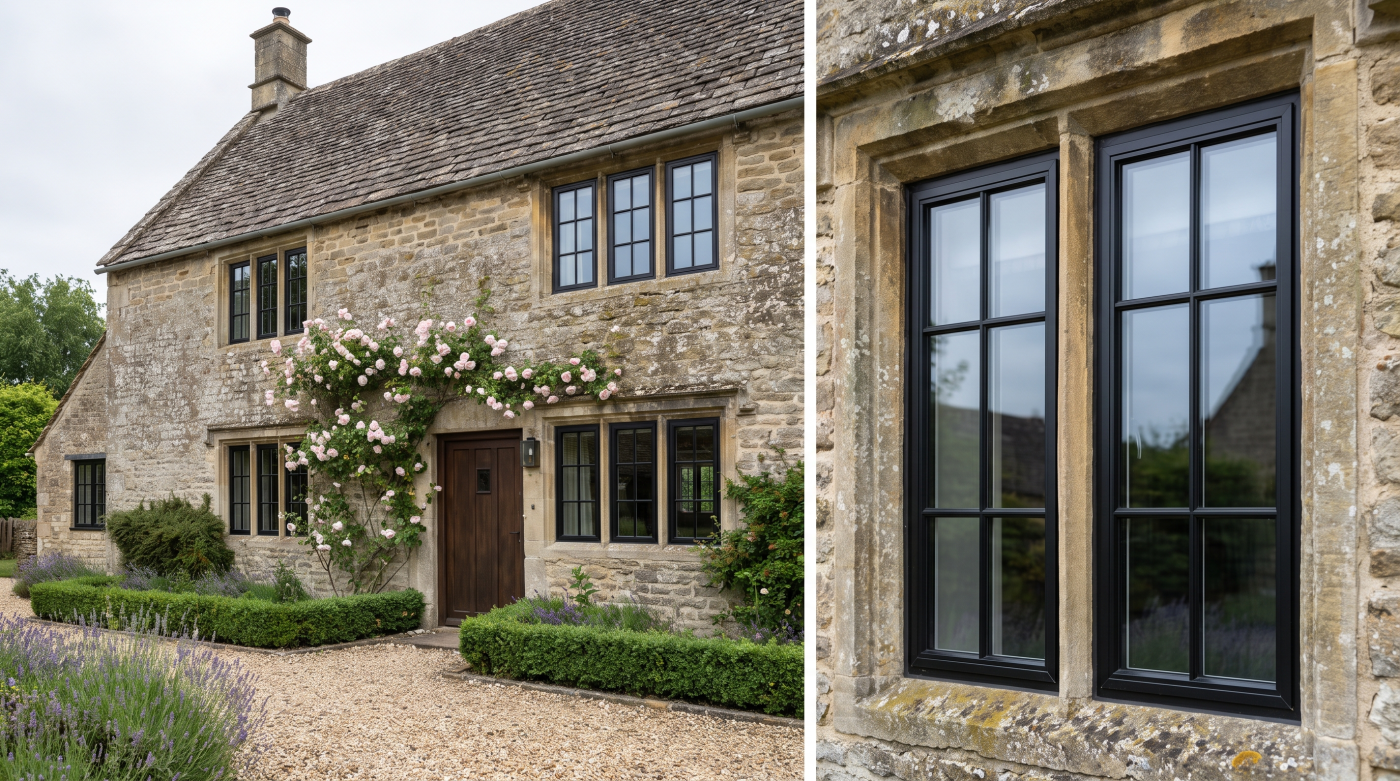
Although steel-look glazing often becomes one of the most visible features of a renovation, architects rarely view it as the starting point for a project. Their focus is on creating a coherent architectural narrative in which every element contributes to a shared design vision. Windows and doors are therefore specified not because they are fashionable or visually striking, but because they support the experience of the building as a whole.
This broader perspective begins by understanding how people will live within the home. The relationship between existing rooms and new extensions, the way daylight moves through the building, connections with gardens and the sequence of spaces from arrival to everyday living all influence the specification of glazing. Steel-look frames may provide the appropriate architectural language in one part of the project, while more traditional glazing better serves another. The objective is always to create harmony rather than consistency for its own sake.
Material selection is considered in the same way. Brick, stone, timber, metal and glass each play distinct roles within the architectural composition, and their relationships are carefully balanced. Steel-look glazing often succeeds because of its visual restraint, allowing it to define spaces without dominating them. Its slim profiles can strengthen connections between interior and exterior while remaining secondary to the architecture itself.
Landscape also forms part of this wider design story. Carefully positioned glazing frames views, draws natural light deep into the plan and establishes a dialogue between the home and its surroundings. Rather than treating the garden as something beyond the building, architects use glazing to make landscape an integral part of the everyday living experience.
When viewed through this lens, steel-look glazing becomes one carefully considered element within a much larger architectural composition. It is successful not because it attracts attention, but because it quietly reinforces the qualities that make the entire project feel coherent, balanced and enduring. The finest renovations are remembered for the way they feel as complete pieces of architecture, not for any single product specified within them.
The Best Steel-Look Projects Feel Timeless Rather Than Trend-Led
Few architectural features have enjoyed the recent popularity of steel-look glazing. Its appearance has become familiar in magazines, design journals and social media, often presented as the defining element of a contemporary renovation. Yet the projects that continue to impress long after fashions have changed are rarely those that followed a trend. Instead, they are the ones where glazing was chosen because it was the most appropriate architectural response to the building itself.
Architects design with longevity in mind. They recognise that a home should feel as considered in twenty or thirty years as it does on the day a project is completed. This means looking beyond current fashions and focusing instead on qualities that have enduring value: balanced proportions, honest materials, careful detailing and a clear relationship between old and new. Steel-look glazing succeeds when it supports these principles rather than relying on its visual identity alone.
Restraint is often the defining characteristic of timeless architecture. Slim-framed glazing does not need to dominate every elevation or become the focal point of a renovation. In many of the most successful heritage projects, it appears only where it serves a clear architectural purpose—framing a garden view, defining an extension or introducing natural light into a carefully planned interior. Elsewhere, more traditional glazing may remain entirely appropriate, allowing different elements of the building to respond to their own context.
This measured approach creates homes that feel authentic rather than designed around a single aesthetic. Contemporary interventions retain their own identity while respecting the scale, craftsmanship and architectural language of the original building. Nothing appears forced, and every element contributes to a coherent whole.
Ultimately, the finest steel-look projects are remembered not because they embraced a fashionable style, but because they strengthened the architecture with confidence and restraint. When design is guided by context instead of trends, the result is a home that feels elegant, enduring and entirely at ease with both its history and its future.