
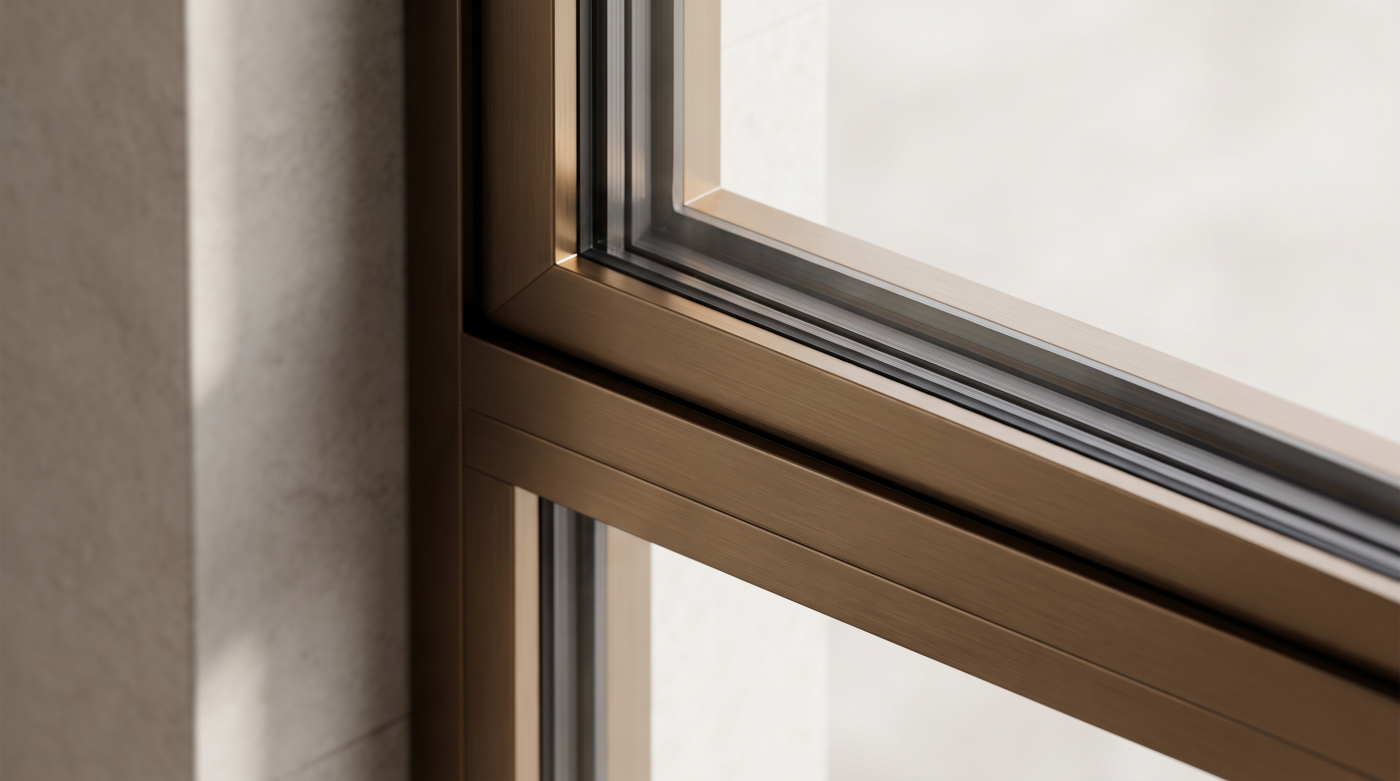
Comfort Is About More Than Temperature
When homeowners think about improving the comfort of their home, attention often centres on insulation, heating efficiency and reducing energy bills. While these are all important considerations, comfort is shaped by far more than temperature alone. The sounds that enter a home throughout the day—from passing traffic and aircraft to nearby conversations and general urban activity—have a significant influence on how a space feels to live in. Architects increasingly recognise that a truly comfortable home should provide not only warmth and natural light, but also a sense of calm.
Modern life has made this issue more relevant than ever. Many homes now serve multiple purposes, functioning as workplaces, places of relaxation and family living environments simultaneously. As a result, unwanted external noise can affect concentration, disrupt sleep and reduce the enjoyment of spaces that have otherwise been carefully designed. Even intermittent sounds that seem relatively minor can become noticeable over time, particularly in open-plan homes where quiet environments are valued throughout the day.
This is where glazing plays an important role. Windows are the primary connection between the interior and the outside world, allowing daylight, views and ventilation to enrich everyday living. They also influence how sound enters the building. Rather than treating acoustic performance as a specialist upgrade, architects increasingly consider it alongside thermal efficiency, daylight and ventilation as one of the essential qualities of high-performing residential design.
Importantly, acoustic comfort is not about creating silence. Homes should remain connected to their surroundings, preserving the sense of place that makes each location unique. The objective is instead to reduce intrusive or distracting noise so that the interior feels calmer, more comfortable and better suited to modern living. Achieving this balance requires thoughtful specification rather than simply adding heavier materials.
Ultimately, the best windows improve the overall experience of living in a home. They help regulate temperature, admit generous natural light and, when carefully specified, create quieter interior spaces that support wellbeing every day. Acoustic glazing is therefore not simply about reducing noise—it is about enhancing the quality of everyday life through architecture that performs as beautifully as it looks.
Not All Noise Is the Same
One of the most common misconceptions about acoustic glazing is that all unwanted noise behaves in the same way. In reality, sound varies considerably depending on its source, frequency and intensity. Architects understand that reducing external noise begins with identifying what type of sound a home is exposed to, as different environments place different demands on the glazing specification. A property overlooking a busy road presents a very different acoustic challenge from one located beneath a flight path or close to a railway line.
Traffic noise is among the most familiar forms of environmental sound. It is typically continuous, combining engine noise, tyre contact with the road surface and occasional acceleration or braking. Other locations may experience more intermittent disturbances, such as trains passing, aircraft overhead or nearby schools and public spaces becoming active at particular times of day. Even in quieter rural settings, agricultural machinery or seasonal activities can occasionally influence the acoustic character of a property.
The way these sounds are perceived also differs. Lower-frequency sounds tend to travel further and can be more difficult to reduce, while higher-frequency noises behave differently as they pass through the building envelope. Architects therefore avoid assuming that a single glazing specification will provide the best solution in every situation. Instead, they consider the specific acoustic environment surrounding the home before determining how the glazing should contribute to overall comfort.
This context-led approach reflects the wider philosophy of architectural design. Every site possesses its own characteristics, and successful buildings respond to those conditions rather than applying standard solutions indiscriminately. Acoustic performance should be specified in the same thoughtful way as daylight, solar gain or ventilation, ensuring that the windows are appropriate for the environment in which they will perform.
Ultimately, understanding the nature of external noise is the first step towards creating a quieter home. Acoustic glazing is most effective when it responds to the specific sounds affecting a property rather than attempting to address every type of noise in exactly the same way. Careful specification allows the glazing to complement both the architecture and its surroundings, creating interior spaces that feel noticeably calmer without disconnecting the home from the world outside.
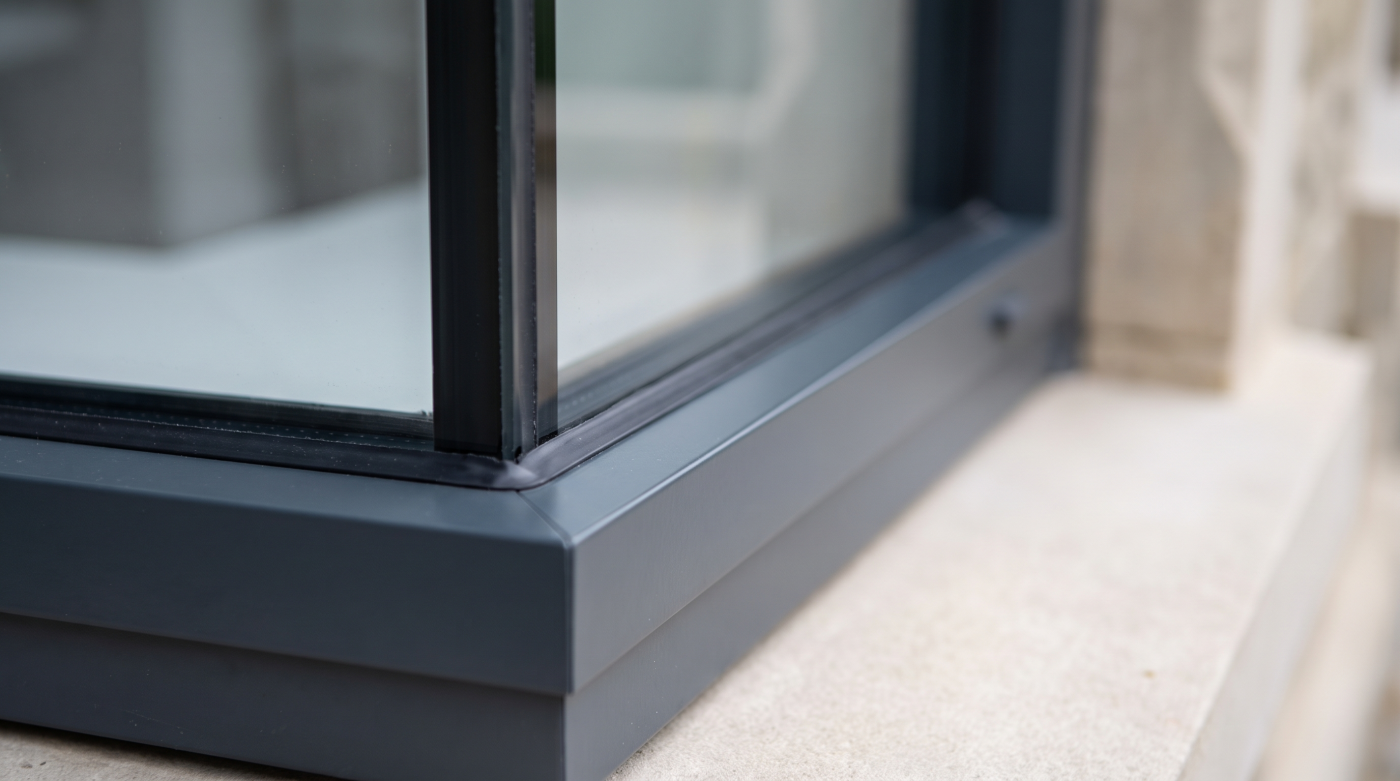
Acoustic Glazing Is More Than Thicker Glass
It is often assumed that reducing external noise is simply a matter of installing thicker glass. While glass thickness does influence acoustic performance, it is only one part of a much more sophisticated approach. Architects and glazing specialists understand that effective noise reduction depends on how the entire glazing unit has been engineered. Rather than relying on additional mass alone, modern acoustic glazing combines carefully selected materials and dimensions to interrupt the way sound travels through the window.
One of the key principles is that different glass thicknesses respond differently to sound. Using panes of identical thickness can allow certain sound frequencies to pass through more readily, whereas combining glass of varying thicknesses helps disrupt this transmission across a broader range of frequencies. This asymmetrical approach is often far more effective than simply increasing the overall weight of the glazing while maintaining identical pane sizes.
Specialist laminated glass can also play an important role. By incorporating a carefully engineered interlayer between two sheets of glass, the glazing is able to absorb and dampen vibrations that would otherwise pass more easily into the interior. Combined with appropriate cavity dimensions between the panes, this creates a glazing unit that is specifically designed to reduce the transmission of external noise while continuing to provide excellent thermal performance and clear views.
Architects therefore specify acoustic glazing according to the particular demands of each project rather than applying a standard solution. The objective is to achieve the right balance between sound reduction, energy efficiency, daylight, structural performance and aesthetics. Every glazing specification represents a considered response to the location, the architecture and the way the home will be lived in.
Ultimately, acoustic glazing is not defined by thicker glass alone but by intelligent engineering. The interaction between glass thickness, laminated construction, cavity dimensions and overall glazing design determines how effectively unwanted sound is reduced. This thoughtful approach allows modern windows to create noticeably quieter interiors without compromising the elegance, natural light and architectural quality that homeowners expect from premium glazing.
The Entire Window Influences Noise Reduction
While acoustic glazing is often discussed in terms of the glass itself, architects understand that sound reduction depends on the performance of the entire window. A carefully specified glazing unit can only achieve its full potential when it is supported by a well-engineered frame, high-quality seals and precise installation. Every component contributes to how effectively unwanted noise is reduced, reinforcing the principle that modern windows should always be viewed as complete architectural systems rather than collections of individual parts.
The frame plays an important role because it supports the glazing while maintaining consistent alignment and compression around the opening. Modern frames are designed to create tight, continuous seals that limit the small air gaps through which sound can easily travel. Even minor imperfections around the perimeter of a window can influence acoustic performance, making precision manufacturing and accurate installation just as important as the glazing specification itself.
Opening styles also affect how a window performs acoustically. Different configurations create different sealing arrangements, and these influence how effectively external noise is controlled. Architects therefore consider the intended function of each window alongside its location within the building, balancing ventilation, accessibility, aesthetics and acoustic comfort to achieve the most appropriate solution for the space.
Professional installation completes the system. A window must be securely integrated into the surrounding structure so that gaps between the frame and the building fabric are carefully managed. This not only supports thermal efficiency and weather resistance but also prevents unwanted sound paths from developing around an otherwise high-performing glazing system. Careful detailing at these junctions ensures that the performance designed into the window is fully realised once it becomes part of the completed home.
Ultimately, excellent acoustic performance is never delivered by the glass alone. It is achieved through the careful coordination of glazing, frame design, sealing and installation, with each element reinforcing the others. By considering the window as a complete architectural assembly, homeowners can better appreciate why thoughtful specification consistently delivers quieter interiors than focusing on any single component in isolation.
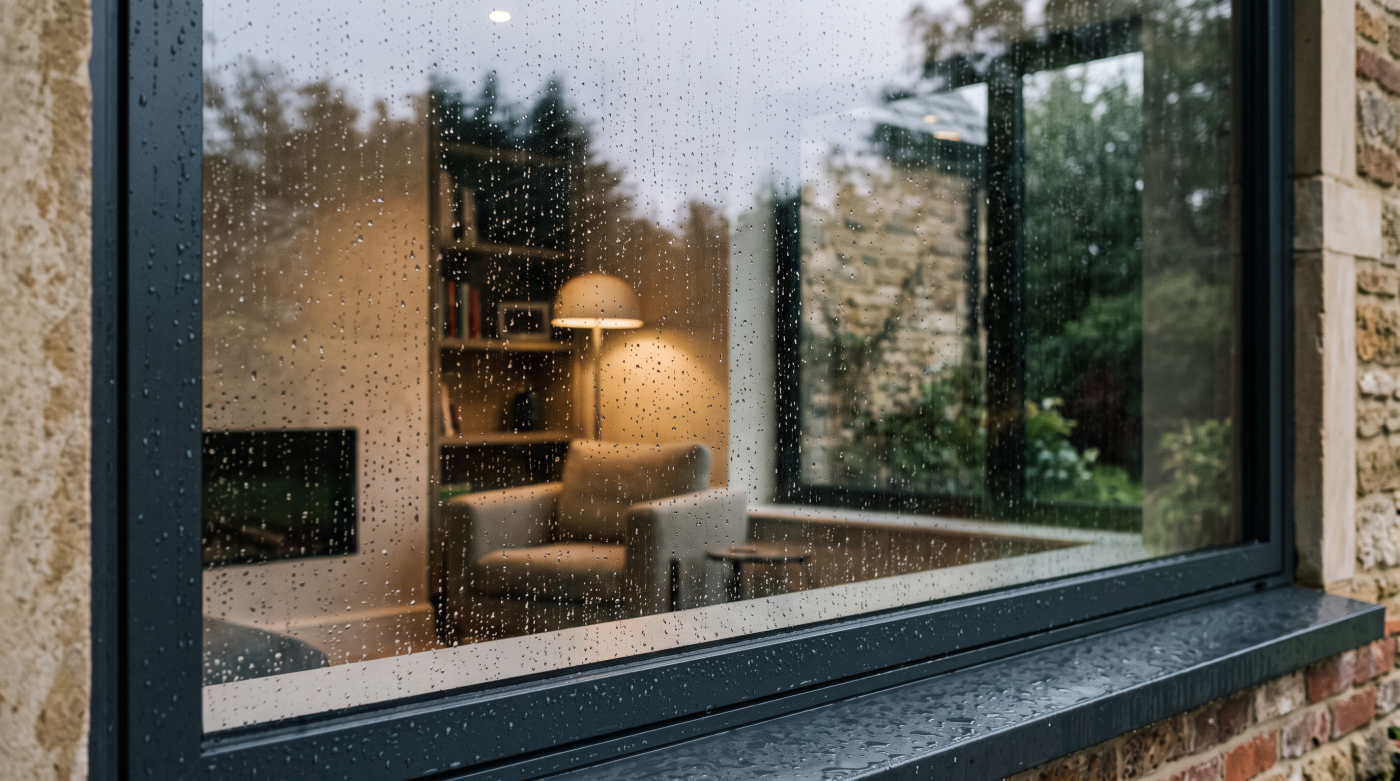
Every Home Requires a Different Solution
There is no single acoustic glazing specification that is right for every property. The level and type of external noise vary considerably from one location to another, meaning the most effective solution is always influenced by the character of the site as well as the architecture of the home. Architects approach acoustic performance in much the same way they consider daylight, solar gain or ventilation—by responding to the specific conditions of each project rather than applying a universal standard.
A home overlooking a busy road, for example, faces very different challenges from a rural property where occasional agricultural machinery or seasonal activity may be the primary source of disturbance. Properties close to railway lines, flight paths or schools each experience their own distinctive acoustic environment, with noise arriving at different frequencies, durations and times of day. Understanding these characteristics allows the glazing specification to be tailored to the realities of how the home is experienced rather than relying on assumptions.
The architecture of the building also influences the solution. Large areas of glazing, open-plan living spaces and expansive garden-facing elevations all affect how sound moves through the home and how occupants perceive external noise. In heritage properties, improving acoustic comfort may need to be carefully balanced with planning considerations and the preservation of historic character. Contemporary homes, meanwhile, often seek to maximise openness without compromising the calmness of interior spaces. Each project therefore requires thoughtful coordination between architectural ambition and environmental performance.
This context-led approach reflects the wider philosophy of premium residential design. Rather than selecting glazing from a standard specification, architects consider the relationship between the building, its surroundings and the daily lives of the people who will occupy it. Acoustic performance becomes one part of a carefully balanced design strategy that supports comfort alongside energy efficiency, natural light and architectural quality.
Ultimately, the most effective acoustic glazing is the specification that responds intelligently to its environment. By considering the unique characteristics of both the site and the home, architects create quieter interiors that feel naturally suited to their surroundings, demonstrating that successful glazing design is always shaped by context rather than by a one-size-fits-all solution.
Quiet Homes Feel Different to Live In
The value of acoustic glazing is often difficult to appreciate until it has been experienced. Unlike a new kitchen or a striking architectural feature, its greatest contribution is not something homeowners necessarily see. Instead, it changes the atmosphere of a home in subtle but meaningful ways, creating interiors that feel calmer, more comfortable and better suited to the rhythms of everyday life. Architects understand that these sensory qualities are an essential part of good residential design, even though they are rarely the first characteristics discussed during a renovation.
Reducing unwanted external noise can have a noticeable effect on how spaces are used throughout the day. Living rooms become more relaxing, bedrooms provide better conditions for restful sleep and home offices feel more conducive to concentration. Conversations become easier without the need to compete with passing traffic, while moments of quiet are less frequently interrupted by the sounds of the surrounding environment. These improvements often become most apparent not because the home feels silent, but because it feels more settled.
This enhanced sense of comfort is particularly valuable as homes continue to serve multiple functions. Many people now work remotely for part of the week, spend more time at home during the day or simply place greater value on environments that support wellbeing. Acoustic performance therefore contributes to the overall quality of living in much the same way as natural light, thermal comfort and good ventilation. Together, these elements create homes that respond thoughtfully to both physical and emotional needs.
Architects increasingly regard noise reduction as an investment in everyday experience rather than a specialist technical upgrade. While its benefits may not be immediately visible, they are encountered repeatedly through ordinary moments: reading without distraction, enjoying a conversation, sleeping undisturbed or simply appreciating the quiet between the sounds of daily life. These cumulative experiences shape how comfortable a home feels over many years of occupation.
Ultimately, acoustic glazing improves quality of life by creating environments that support comfort in ways that often go unnoticed once they become familiar. The most successful projects are those in which quieter interiors feel entirely natural, allowing the architecture to foster calmness without drawing attention to the engineering that makes it possible. That understated contribution is precisely why acoustic glazing remains one of the most underrated aspects of modern residential design.
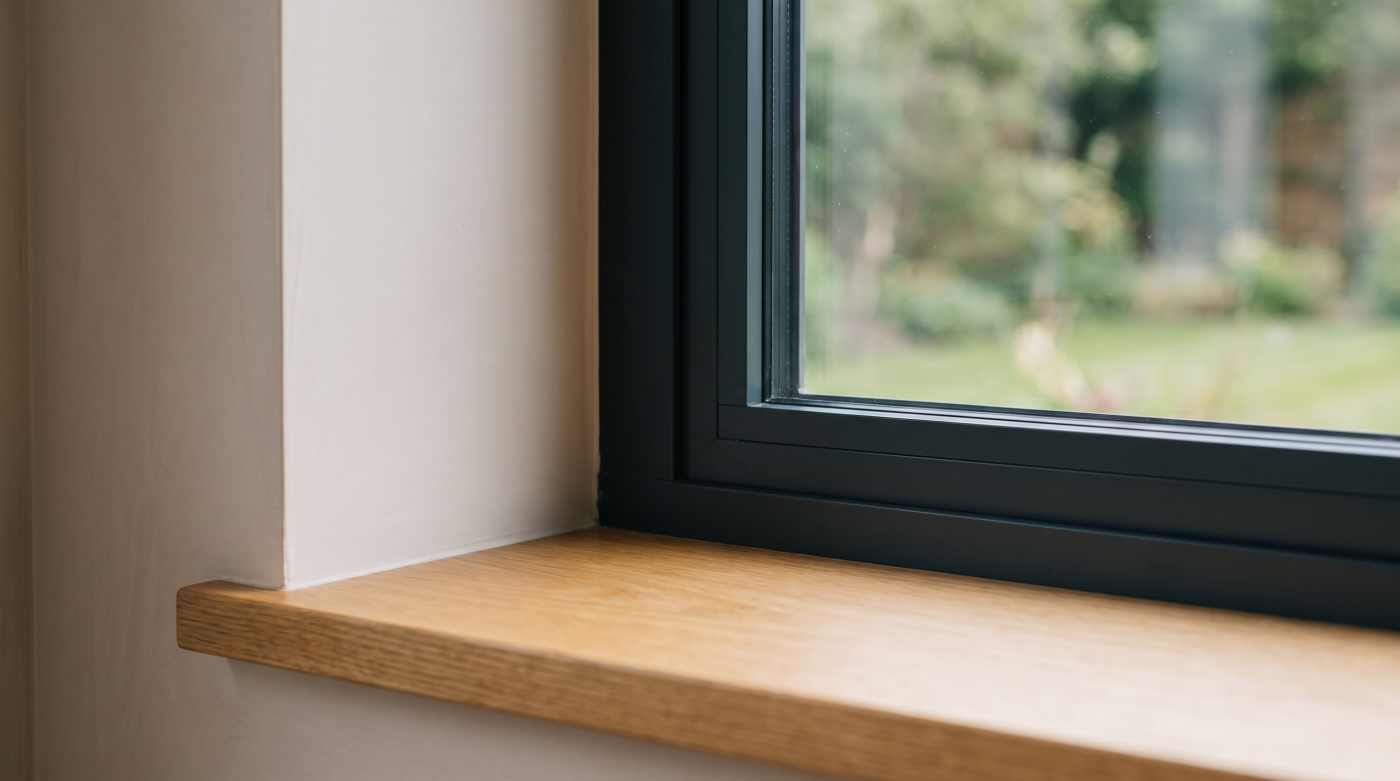
Acoustic Performance Can Complement Beautiful Design
There is a common perception that improving acoustic performance requires visible compromise. Heavier-looking windows, bulky frames or smaller areas of glazing are often assumed to be the inevitable price of creating a quieter home. Contemporary architectural glazing demonstrates that this need not be the case. Advances in engineering allow modern windows to reduce unwanted noise while preserving the elegant proportions, generous daylight and refined detailing that define high-quality residential architecture.
Architects rarely view acoustic performance as an isolated objective. Instead, it is considered alongside thermal efficiency, natural ventilation, structural performance and aesthetics as part of a balanced design strategy. A window should contribute to a calm interior environment, but it should also frame views, maximise daylight and complement the architectural character of the building. These qualities are developed together rather than treated as competing priorities, allowing the finished home to perform well without sacrificing visual refinement.
This balance is particularly important in projects where architecture plays a central role. Contemporary extensions often rely on expansive glazing and slim sightlines to strengthen the relationship between interior spaces and the landscape beyond. Heritage renovations, meanwhile, require windows that respect established proportions and historic detailing while improving everyday comfort. In both situations, carefully specified acoustic glazing can support quieter interiors without altering the architectural intent that gives the project its identity.
The result is a home that feels both connected and protected. Occupants continue to enjoy open views, abundant natural light and seamless visual links with the surrounding environment, while experiencing noticeably less intrusion from unwanted external noise. Good acoustic design therefore enhances the experience of architecture rather than diminishing it, allowing performance and beauty to reinforce one another.
Ultimately, homeowners should not have to choose between elegant design and everyday comfort. Modern acoustic glazing demonstrates that thoughtful specification can achieve both simultaneously, integrating noise reduction discreetly within beautifully engineered windows. By allowing architectural quality to remain the defining feature while acoustic performance works quietly in the background, contemporary glazing creates homes that are as peaceful as they are visually compelling.
Good Specification Creates Lasting Comfort
The true value of acoustic glazing is rarely measured on the day it is installed. Its greatest contribution becomes apparent over months and years, as quieter interiors support the routines of everyday life without demanding attention. Architects understand that the best-performing elements of a home often work almost invisibly, improving comfort through thoughtful specification rather than obvious features. Acoustic glazing is a good example of this principle, quietly enhancing the experience of living while allowing the architecture itself to remain centre stage.
Throughout this guide, one theme has remained consistent: effective acoustic performance is achieved through integration rather than individual components. The type of external noise, the glazing specification, the frame, the seals, the installation and the wider design of the building all contribute to the final result. No single feature can deliver exceptional performance on its own. Instead, each element supports the others, creating a window that responds intelligently to the specific conditions of its location.
This whole-system approach also reflects the broader philosophy of premium residential design. A well-specified window should provide excellent thermal efficiency, security, durability and acoustic comfort while preserving generous daylight, elegant proportions and strong connections to the landscape beyond. These qualities are not separate objectives but interconnected aspects of a home that has been designed to perform well over the long term.
For homeowners planning a renovation or self-build project, this means looking beyond simple product comparisons. The most successful decisions are made by considering how the glazing will contribute to the overall quality of the home rather than focusing on individual technical features in isolation. Careful specification allows the architecture, the environment and the daily lives of the occupants to work together in a way that feels balanced, comfortable and enduring.
Ultimately, acoustic glazing is underrated because its greatest success lies in what it quietly removes rather than what it visibly adds. By reducing unwanted noise without compromising architectural quality, it creates homes that feel calmer, more restorative and more enjoyable to live in every day. Like the best architecture itself, its value is experienced continuously, becoming an effortless part of the background that allows life inside the home to take centre stage.