
Why Good Glazing Is Difficult to Judge at First Glance
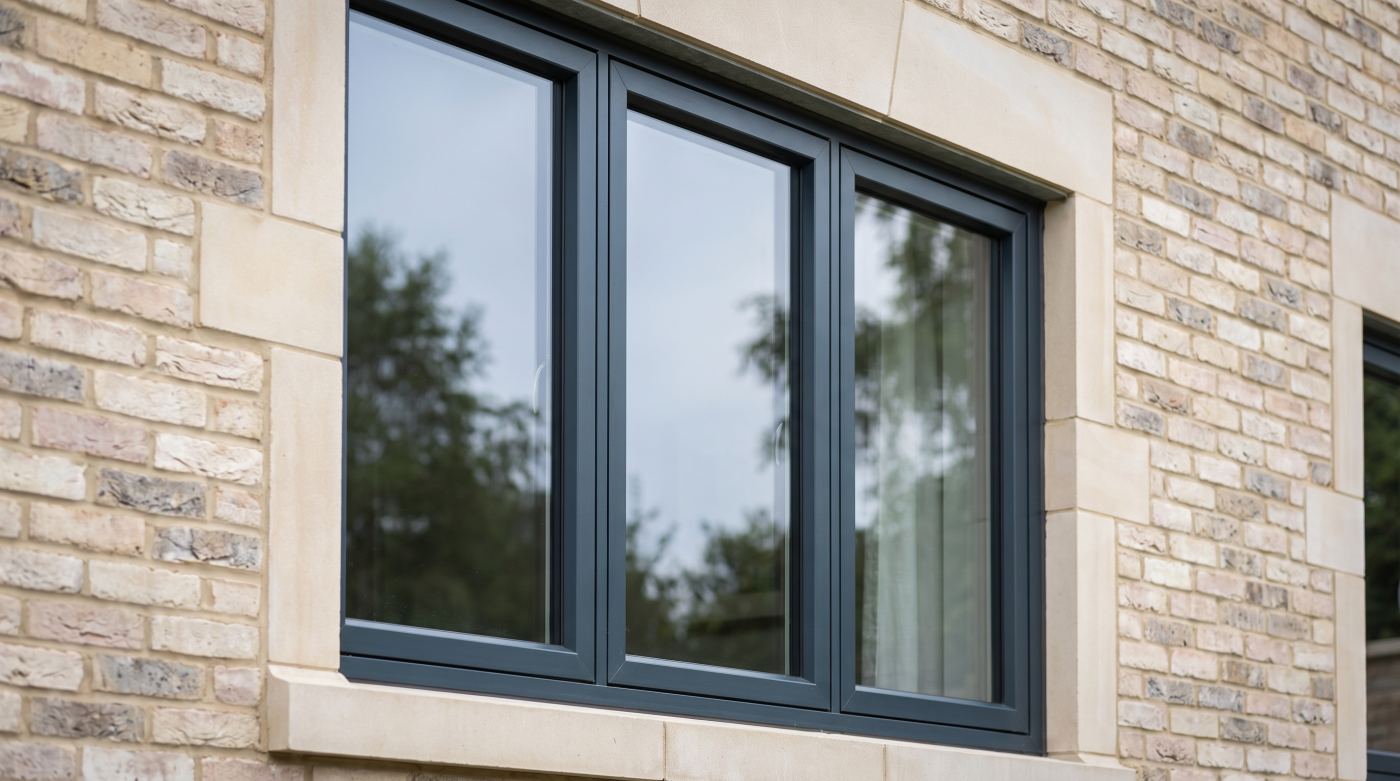
One of the most persistent misconceptions in residential architecture is that high-quality glazing can be recognised simply by looking at it. Modern manufacturing has made it possible for products at very different levels of engineering and performance to share remarkably similar visual characteristics. Slim sightlines, contemporary finishes and expansive areas of glass are no longer exclusive to the most carefully designed systems. Viewed in a showroom, on a website or even from across a completed project, two glazing systems may appear almost identical, despite being built to very different standards.
This is one reason architects rarely make decisions based on appearance alone. They understand that what is immediately visible represents only a small part of the overall specification. The true measure of quality lies in how a glazing system performs once it becomes part of the building itself. Its ability to maintain comfort through changing seasons, resist weather exposure, operate smoothly after years of daily use and integrate seamlessly with the surrounding construction are all qualities that cannot be judged from first impressions.
There is also an important distinction between visual quality and architectural quality. A well-finished frame may create an impression of craftsmanship, but it reveals little about the precision of its manufacturing, the integrity of its thermal design or the durability of its components. Many of the features that determine long-term performance—including frame construction, weather sealing, hardware engineering and manufacturing tolerances—remain almost entirely hidden once the installation is complete.
For homeowners embarking on a renovation or self-build, this can make specification feel unnecessarily complicated. Yet the solution is not to become an expert in window manufacturing. Instead, it is to understand the principles that professionals use when evaluating glazing. By looking beyond appearance and considering how a system has been designed, engineered and integrated into the wider building, it becomes far easier to distinguish genuine quality from a convincing lookalike. That shift in perspective forms the foundation of every well-considered glazing specification.
What Architects Actually Mean by “Quality”
When architects talk about quality, they are rarely referring to a product’s appearance in isolation. Instead, they are considering how successfully it contributes to the overall performance, longevity and integrity of the building. A glazing system is expected to do far more than admit natural light or frame a view. It must respond to structural loads, changing weather conditions, thermal demands and the practical realities of daily occupation, often while supporting the architectural ambitions of the project itself.
This broader definition of quality explains why professionals tend to look beyond marketing claims or headline specifications. A beautifully finished frame may attract attention, but lasting quality is the result of careful engineering, precise manufacturing and thoughtful detailing working together. Consistency is particularly important. Every opening should perform in the same way, every moving component should operate with confidence, and every junction should contribute to the overall durability of the building envelope. These are characteristics that emerge from disciplined design and manufacturing processes rather than cosmetic refinement.
Architectural quality also reflects how well a glazing system integrates with the wider building. Windows and doors do not exist independently; they form part of a carefully balanced composition involving insulation, structure, ventilation, weather protection and aesthetics. A well-specified system should complement these elements rather than compromise them. This holistic approach is one reason architects often begin by understanding the building and its objectives before considering individual products. The context determines what quality should look like for that particular project.
Perhaps most importantly, genuine quality is measured over decades rather than months. It is revealed through reliable operation, stable thermal performance, resistance to wear and the ability to continue enhancing the experience of the home long after the excitement of completion has faded. In architecture, quality is not defined by the impression a glazing system creates on the day it is installed, but by the confidence it continues to inspire many years later. That long-term perspective is what distinguishes thoughtful specification from simply choosing something that looks the part.
The Hidden Engineering Behind Premium Glazing
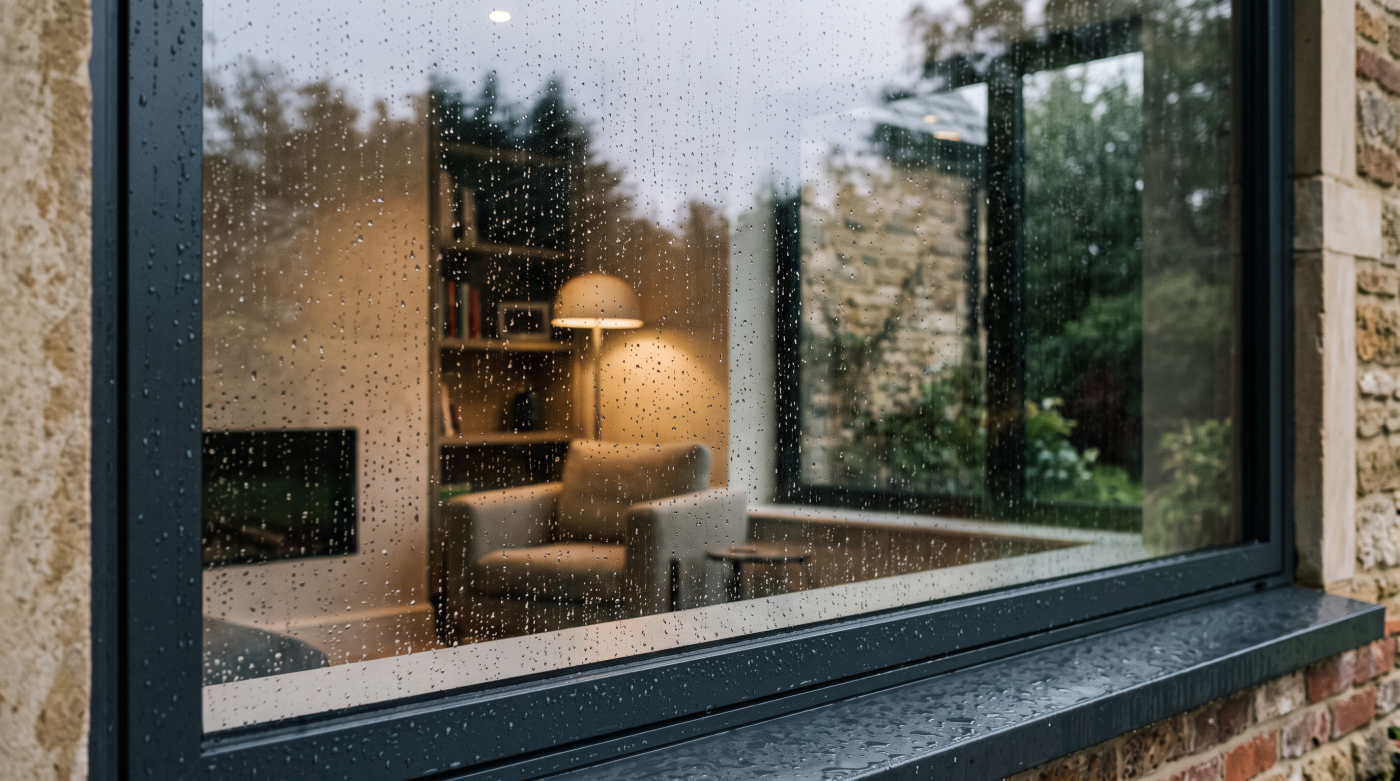
Much of what distinguishes premium glazing is never intended to be seen. Once installed, the most important elements of a glazing system disappear behind finished walls, plaster lines and carefully detailed junctions, leaving only the visible frame and glass. Yet it is these concealed aspects of engineering that often determine whether a window or door continues to perform as intended over decades of use.
Frame construction is one of the clearest examples. Two aluminium windows may appear almost identical from the outside, yet differ significantly in the way their profiles are designed, assembled and reinforced. The geometry of the frame, the quality of the thermal break, the precision of corner joints and the overall rigidity of the system all influence how it responds to structural movement, changing temperatures and repeated operation. These are not features that attract attention in a showroom, but they have a lasting impact on comfort, durability and reliability.
Attention to detail extends throughout the system. The design of drainage channels helps manage rainwater before it can become a problem. Compression seals and gaskets contribute to weather resistance while maintaining smooth operation over time. Hardware is engineered to carry substantial loads repeatedly without compromising alignment, even as large glazed panels become increasingly common in contemporary architecture. Equally important are the manufacturing tolerances achieved during production. Small variations measured in millimetres can affect how accurately components fit together, influencing everything from airtightness to the effortless feel of opening and closing a door.
This emphasis on hidden engineering explains why professionals rarely judge glazing on aesthetics alone. A refined appearance is undoubtedly desirable, but it tells only part of the story. The real difference between an average glazing system and an exceptional one often lies beneath the surface, in the accumulated effect of thoughtful design decisions, rigorous manufacturing standards and precise engineering. These qualities may never be immediately visible, yet they shape the everyday experience of living with the building long after the initial impression has faded.
Why Installation Quality Matters as Much as the Product
Even the most carefully engineered glazing system cannot fulfil its potential if it is poorly integrated into the building. Architects often describe windows and doors as components of the building envelope rather than standalone products, because their performance depends not only on how they are manufactured but also on how they are surveyed, detailed and installed. A high-quality product installed without sufficient care may ultimately deliver a less successful outcome than a more modest system that has been specified and fitted with precision.
The installation process begins long before the first frame arrives on site. Accurate surveys establish the relationship between the glazing and the surrounding structure, taking account of construction tolerances, structural movement and the sequencing of other trades. These early decisions influence how effectively the glazing will connect with insulation, waterproofing, external finishes and internal linings. Good installation is therefore not simply about fixing a frame into an opening; it is about ensuring that every interface contributes to the building’s overall performance.
Particular attention is paid to continuity. Air leakage around the perimeter of a frame can undermine thermal performance, while poorly detailed junctions may introduce unwanted draughts, moisture or condensation. Effective weather sealing must work alongside appropriate drainage, and insulation should continue seamlessly around openings to minimise thermal bridging. These details are often concealed once construction is complete, yet they play a significant role in the comfort and resilience of the finished home.
This is why experienced architects and specification partners consider installation expertise to be inseparable from product quality. They evaluate not only the glazing system itself, but also the knowledge, coordination and attention to detail required to integrate it successfully within the wider construction. The most successful projects are those where engineering, specification and installation are treated as parts of a single process, resulting in glazing that performs as intended from the day it is installed and continues to do so for many years thereafter.
Living With Glazing: The Differences That Only Appear Over Time
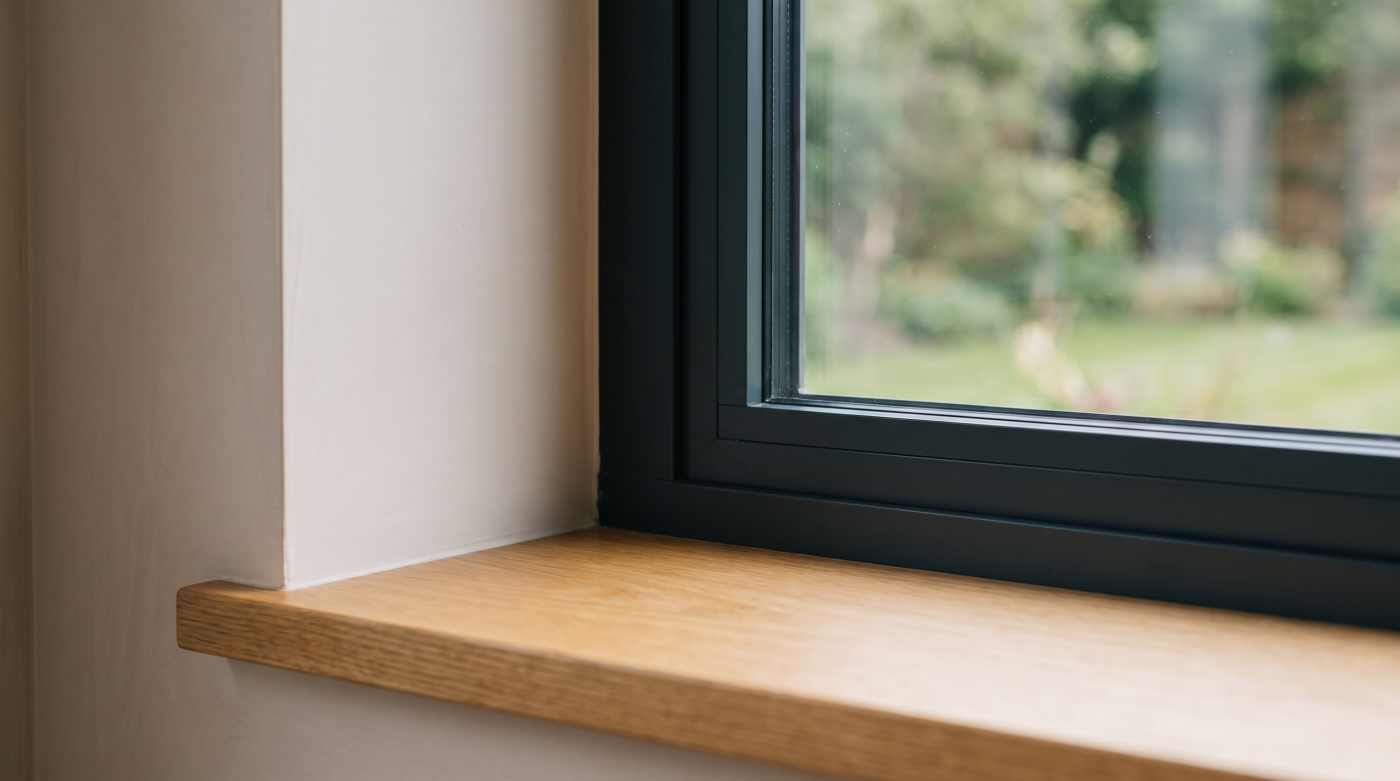
The true measure of a glazing system is rarely apparent on the day it is installed. Freshly completed projects tend to showcase aesthetics above all else, with clean lines, expansive glazing and carefully finished details creating an immediate visual impact. Yet architecture is experienced over years rather than weeks, and it is through daily living that the more meaningful differences between glazing systems begin to emerge.
Comfort is often the first of these. A well-specified glazing system contributes to a stable internal environment, reducing cold surfaces in winter, limiting unwanted solar gain during warmer months and helping to maintain consistent temperatures throughout the home. These qualities are subtle rather than dramatic, but they shape how comfortable a space feels throughout the changing seasons. Similarly, thoughtful engineering and effective sealing can reduce external noise, creating quieter interiors that enhance the experience of everyday life without drawing attention to themselves.
Operation also becomes increasingly important over time. Large sliding doors and expansive glazed panels should continue to move smoothly after thousands of cycles of use, while hinges, handles and locking mechanisms should retain their precision despite repeated operation. Equally, finishes should withstand prolonged exposure to sunlight and weather without premature deterioration, and glazing should remain stable despite the continual expansion and contraction that accompanies seasonal temperature changes. These characteristics are not immediately obvious during a brief showroom demonstration, yet they often define long-term satisfaction.
Maintenance provides another perspective on quality. Well-designed systems anticipate routine use, allowing components to be adjusted, serviced or replaced where necessary while preserving the integrity of the installation. This approach reflects an understanding that buildings evolve over time and that glazing should support decades of occupation rather than simply perform well during its warranty period.
For this reason, experienced specifiers tend to think beyond the point of purchase. They consider how a glazing system will contribute to comfort, reliability and ease of ownership throughout the life of the building. In many respects, the most significant qualities are those that become almost invisible, quietly supporting everyday living without demanding attention. It is this sustained performance, rather than an impressive first impression, that ultimately distinguishes genuinely high-quality glazing from a convincing lookalike.
Why Specification Matters More Than Brand Recognition
It is natural for homeowners to begin their research by comparing brands. Well-known names often carry a sense of reassurance, and manufacturers invest considerable effort in demonstrating the quality of their products. Yet architects rarely begin the specification process this way. Their first question is not which brand to choose, but what the building requires. Only once those requirements are clearly understood does it become possible to identify the most appropriate glazing system.
Every project presents its own set of circumstances. A contemporary extension with expansive south-facing glazing will have different priorities from a listed townhouse in Bath or a rural self-build in Wiltshire. Orientation, exposure to prevailing weather, structural design, planning constraints, thermal performance objectives and the way the home will be occupied all influence the specification. A glazing system that performs exceptionally well in one context may be entirely unsuitable in another, not because it lacks quality, but because it has been applied without sufficient regard for the wider architectural intent.
This is why experienced professionals place such importance on specification. The process brings together the design ambitions of the project with the practical realities of construction and long-term performance. Decisions about frame material, glazing configuration, opening styles, solar control, acoustic performance and detailing are considered collectively rather than in isolation. The objective is not simply to select an excellent product, but to create a glazing strategy that complements the building as a whole.
Seen in this light, brand recognition becomes only one part of a much broader conversation. Manufacturers undoubtedly vary in their engineering philosophies, product ranges and technical capabilities, but no single system is universally the right answer. Successful projects are achieved through careful alignment between the building, the brief and the specification. When that alignment is established first, product selection becomes a logical outcome rather than the starting point. It is this disciplined approach that enables architects to deliver homes that perform as beautifully as they appear, both on completion and for many years beyond.
Questions Professionals Ask Before Recommending Any Glazing System
One of the clearest differences between a product-led approach and a specification-led approach is the questions that are asked at the outset. Homeowners often begin by exploring styles, materials or manufacturers, understandably searching for inspiration before making decisions. Architects and experienced glazing specialists, however, typically begin somewhere quite different. Their priority is to understand the project itself, because the success of any glazing system depends on how well it responds to the building rather than how impressive it appears in isolation.
The conversation usually starts with context. Is the property a listed building or a contemporary new build? Does it sit within a conservation area, or is it exposed to strong prevailing weather? How is the house oriented in relation to the sun, and which rooms are expected to receive the greatest amount of natural light? These considerations shape everything that follows, influencing decisions about thermal performance, solar control, ventilation, frame design and glazing configuration long before individual products are discussed.
Professionals also seek to understand how the building will be lived in. A family home designed for everyday durability may have different priorities from a retirement property focused on comfort and ease of maintenance, or a self-build aiming to achieve exceptional levels of energy performance. Budget is naturally part of the discussion, but it is considered alongside long-term value rather than as an isolated constraint. A thoughtful specification weighs initial investment against durability, maintenance, operational performance and the expected lifespan of the building.
Perhaps the most valuable question of all is what the project is trying to achieve architecturally. Some homes prioritise uninterrupted views, while others seek to preserve historic character or create highly efficient building envelopes. Understanding these ambitions allows every subsequent decision to support a coherent design strategy. In this sense, specification is less about choosing windows and doors than it is about solving architectural problems. The better the questions at the beginning of the process, the more appropriate and enduring the final glazing solution is likely to be.
Looking Beyond the Showroom
Showrooms have an important role in the specification process. They allow homeowners and professionals to experience materials, finishes and operating mechanisms in a way that photographs cannot replicate. Seeing a large sliding door move effortlessly or comparing different frame profiles side by side can provide valuable insight. Yet a showroom visit should be regarded as the beginning of the evaluation, not its conclusion. The environment is carefully controlled, the products are presented in ideal conditions and the complexities of a real building are necessarily absent.
The most informed decisions are made by looking beyond what is immediately visible. Architects and experienced specifiers place considerable value on evidence that demonstrates how a glazing system performs in completed projects over time. They examine technical documentation, review independent performance data and consider how manufacturers approach engineering, testing and product development. Just as importantly, they assess the experience and capability of the teams responsible for surveying, specification and installation, recognising that successful outcomes depend on expertise as much as the product itself.
Completed projects often provide the most meaningful source of reassurance. They reveal how glazing integrates with architecture, how fine details have been resolved and whether the finished building delivers the qualities it promised at the design stage. Conversations with architects, builders and homeowners can also offer valuable perspective, highlighting aspects of comfort, usability and long-term reliability that are difficult to appreciate during a brief showroom visit.
Ultimately, distinguishing quality glazing from a convincing lookalike is not about learning to identify a particular frame profile or recognising a familiar manufacturer. It is about adopting the same mindset that guides experienced professionals. By evaluating engineering, specification, installation and long-term performance alongside appearance, homeowners can make decisions with far greater confidence. The result is not simply the selection of a well-made glazing system, but a considered investment in the enduring quality, comfort and character of the home itself.