
What a Window Seal Actually Does
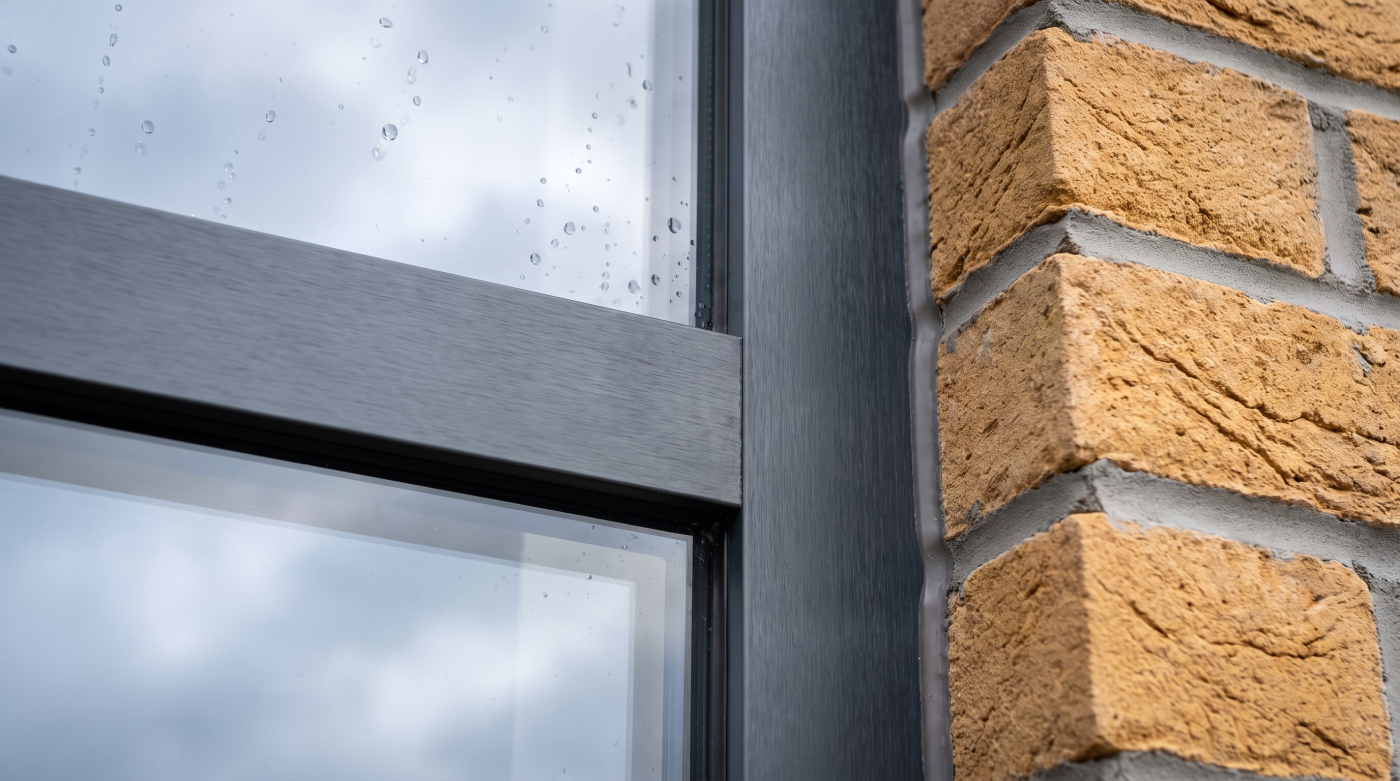
When people think about windows, their attention naturally focuses on the visible elements: the glass, the frame or the overall design. Yet one of the most important components is almost entirely hidden from view. The perimeter seal around an insulated glazing unit performs a critical role in maintaining the performance of modern double and triple glazing, ensuring that the unit functions as an integrated system rather than simply two or three panes of glass assembled together.
Within every insulated glazing unit is a carefully controlled cavity that separates the panes of glass. This space is designed to provide thermal insulation and is commonly filled with an inert gas, such as argon, to reduce heat transfer more effectively than air alone. The edge seal is responsible for protecting this cavity throughout the life of the glazing. It prevents moisture from entering, helps retain the insulating gas and maintains the stable internal environment that allows the unit to deliver consistent thermal performance and clear visibility.
Although relatively small in physical size, the seal is continually subjected to demanding conditions. Daily fluctuations in temperature cause the glass and surrounding materials to expand and contract, while wind, rainfall, ultraviolet light and changing atmospheric pressures place additional stresses on the perimeter of the unit. Throughout these cycles, the seal must remain flexible enough to accommodate movement while continuing to provide an effective barrier against air and moisture infiltration.
This means the edge seal is not simply an adhesive holding the glass together. It is an engineered component that contributes directly to the efficiency, durability and longevity of the entire glazing system. When it performs as intended, the insulated glazing unit remains dry, thermally efficient and optically clear. Understanding this role is fundamental to appreciating why seal failure has such a significant impact on window performance and why the causes of premature failure extend far beyond the seal itself.
Natural Ageing Versus Premature Failure
Like every component within a building, insulated glazing units are designed with a long but finite service life. They are expected to withstand years of changing weather conditions, seasonal temperature fluctuations and continual environmental exposure while maintaining their thermal performance and clarity. Over time, however, the materials that form the edge seal inevitably experience gradual ageing. This is a normal characteristic of any engineered building component and should not, in itself, be viewed as a defect.
The distinction that matters is between natural ageing and premature failure. A well-manufactured insulated glazing unit that has been correctly specified and installed may continue to perform effectively for decades before the edge seals begin to lose their original properties. During this period, the seals are continually accommodating subtle movements in the glass and frame, resisting moisture ingress and retaining the insulating gas within the cavity. Eventually, the cumulative effects of time and environmental exposure will influence their performance, just as they do with roofing materials, sealants and other elements of the building envelope.
Premature failure, however, occurs when this deterioration happens significantly earlier than would reasonably be expected. Rather than resulting from age alone, it is often the consequence of additional stresses placed upon the glazing unit throughout its life. These may include repeated thermal movement, unsuitable specification, installation deficiencies or environmental conditions that accelerate wear beyond normal levels. In many cases, no single event is responsible. Instead, several relatively small influences combine over many years until the integrity of the seal is gradually compromised.
Recognising this difference changes the way window performance is assessed. Instead of assuming that every failed seal represents an unavoidable consequence of ageing or an isolated manufacturing issue, professionals consider the broader context in which the glazing has been operating. Understanding whether deterioration reflects the natural progression of a well-used component or the effects of avoidable stresses is the first step towards making informed decisions about maintenance, repair and future specification.
How Thermal Movement Places Seals Under Constant Stress
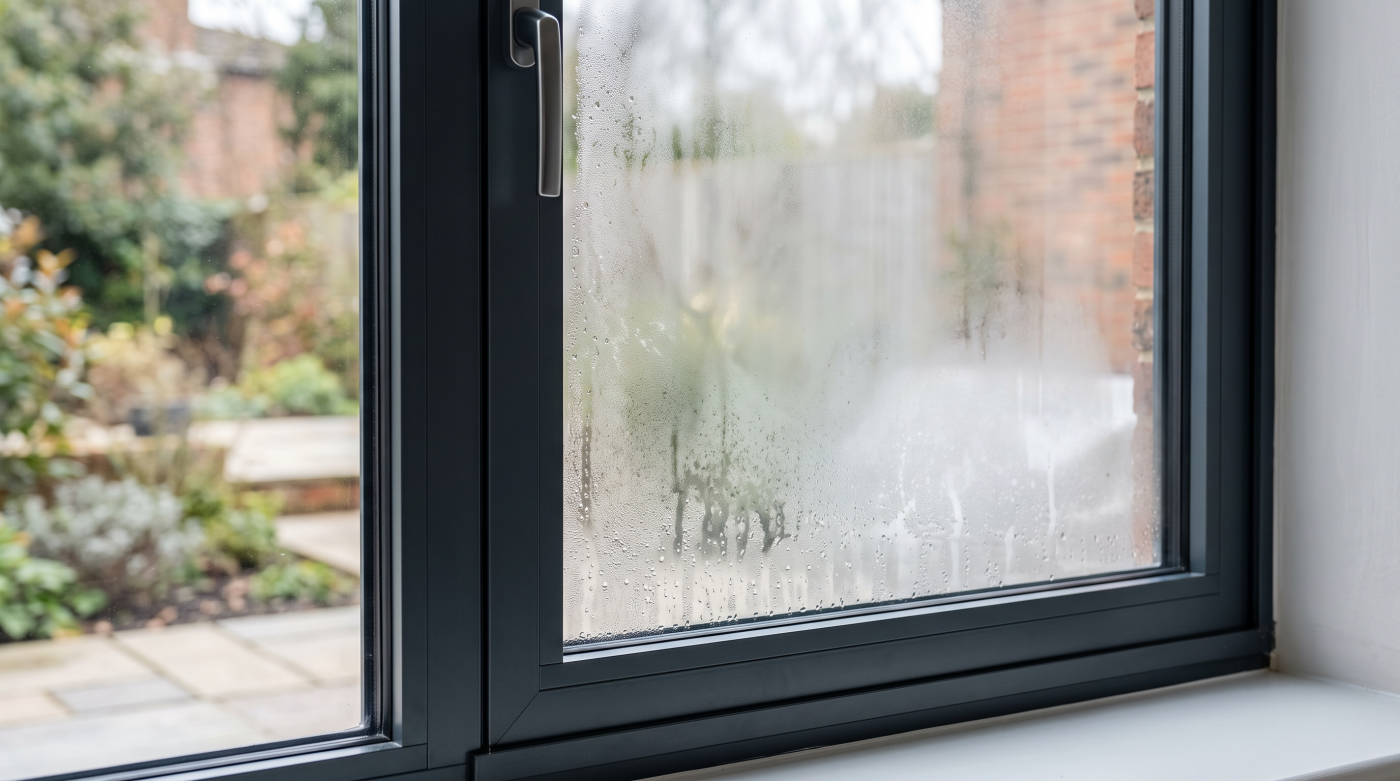
Although buildings often appear solid and unmoving, they are in a continual state of subtle movement. Every day, changes in temperature cause construction materials to expand as they warm and contract as they cool. This process is usually imperceptible to occupants, yet it has an important influence on the long-term performance of modern glazing. Insulated glazing units are designed to accommodate these repeated cycles, but over many years they place continual demands on the edge seals that protect the cavity between the panes.
Glass itself expands and contracts in response to temperature, while the surrounding frame may respond at a different rate depending on its material and construction. During periods of strong sunlight, particularly on south- and west-facing elevations, the external pane can become significantly warmer than the internal pane, creating temperature differences across the glazing unit. Seasonal weather changes, cold winter mornings and hot summer afternoons all contribute to these continual fluctuations, causing the glazing system to experience thousands of small movement cycles throughout its service life.
The edge seal must absorb these movements while maintaining an airtight barrier against moisture and preventing the insulating gas from escaping. It is therefore expected to be both resilient and flexible, performing consistently despite being subjected to repeated mechanical stress. This demanding role explains why seal performance is assessed over decades rather than months, and why long-term durability depends as much on the quality of engineering as on the materials themselves.
In most well-specified glazing systems, these movements are anticipated during design and do not present a problem. Difficulties arise when additional stresses are introduced through unsuitable specification, poor installation or unusually demanding environmental conditions. Thermal movement is therefore not the cause of premature seal failure in isolation. Rather, it is one of the constant background forces acting upon every insulated glazing unit, making thoughtful specification and careful installation essential to ensuring that these everyday movements remain well within the limits the glazing was designed to accommodate.
Why Installation Quality Matters
An insulated glazing unit leaves the manufacturer as a carefully engineered component, but its long-term performance depends just as much on how it is integrated into the building. Even the highest-quality glazing cannot perform as intended if it is subjected to unnecessary stresses during installation. For this reason, architects and experienced glazing specialists view installation not as the final stage of a project, but as an essential part of the specification itself.
The process begins long before the glass arrives on site. Accurate surveying ensures that openings are correctly measured and that suitable tolerances are allowed for the natural movement of both the building and the glazing system. If a window is forced into an opening that is too small, installed out of square or subjected to uneven structural loading, additional stresses can be transferred directly to the insulated glazing unit. While these stresses may not produce immediate problems, they can contribute to accelerated wear over many years of continual expansion, contraction and environmental exposure.
Equally important is the way the surrounding installation manages water and movement. Modern glazing systems rely on carefully considered drainage paths and weatherproof detailing to prevent prolonged moisture exposure around the frame and sealed unit. Correct positioning, appropriate packers and precise alignment all help distribute loads evenly while allowing the window to respond naturally to changing temperatures. These details are largely invisible once installation is complete, yet they play a significant role in protecting the integrity of the edge seals throughout the life of the glazing.
This illustrates why professionals rarely separate product quality from installation quality. The longevity of an insulated glazing unit is influenced by the complete system, from manufacture and specification through to surveying and installation. When each stage is executed with care, the edge seals are allowed to operate within the conditions for which they were designed, supporting reliable thermal performance and reducing the likelihood of premature failure. Conversely, avoidable installation stresses can shorten the lifespan of even the most carefully engineered glazing.
Environmental Conditions That Accelerate Seal Failure
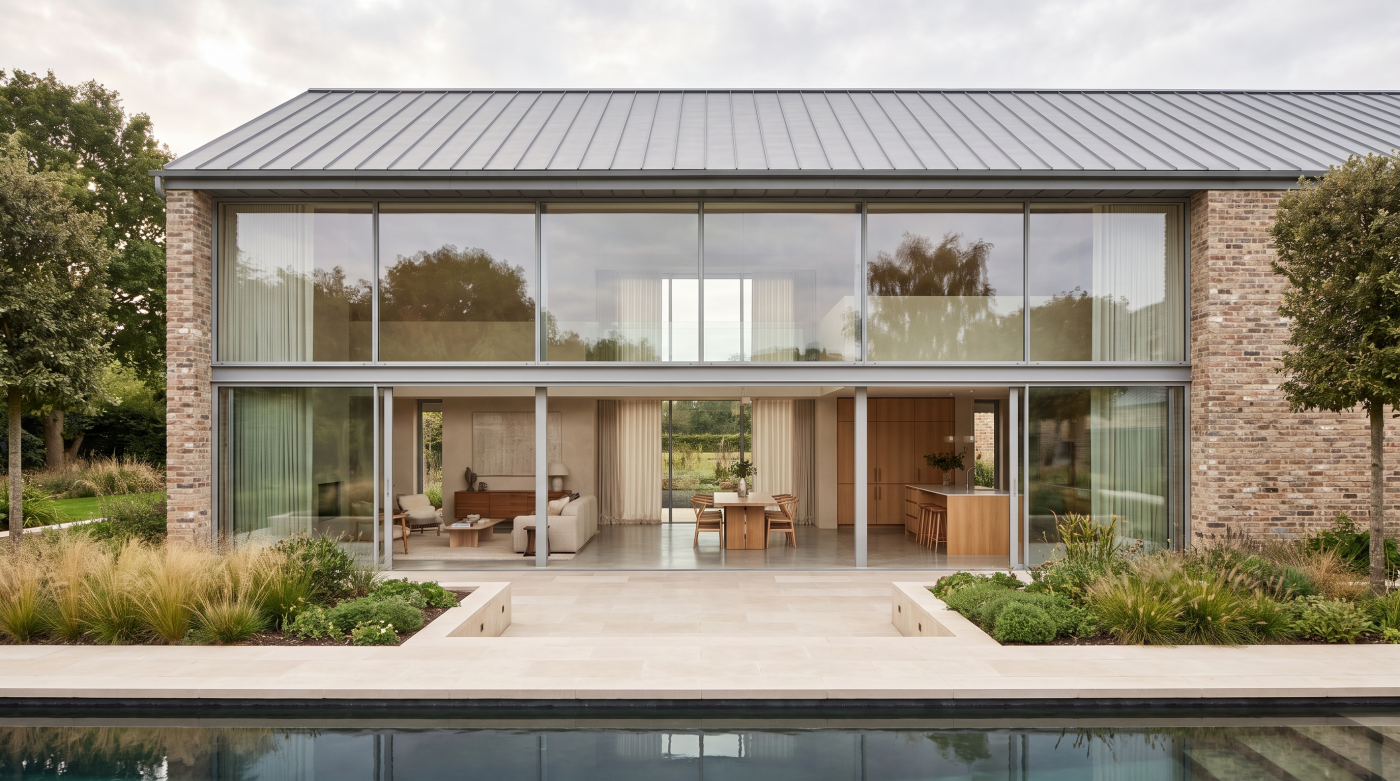
Every building exists within its own environmental context, and the conditions surrounding it have a direct influence on the long-term performance of its glazing. While insulated glazing units are designed to withstand decades of exposure to the elements, some locations place considerably greater demands on their components than others. Understanding these environmental influences helps explain why two apparently identical windows can experience very different service lives.
One of the most persistent factors is exposure to sunlight. Ultraviolet radiation and repeated heating from direct solar gain cause continual cycles of expansion and contraction within both the glass and the surrounding frame. South- and west-facing elevations often experience the greatest thermal variation, placing the edge seals under regular mechanical stress throughout the year. Although these movements are anticipated during the design of modern glazing, greater environmental loading inevitably contributes to the gradual ageing of the sealing system over time.
Weather exposure also plays an important role. Buildings situated in open countryside, on elevated sites or in coastal locations may experience stronger winds, driving rain and greater fluctuations in temperature than more sheltered urban properties. Persistent exposure to moisture and wind loading increases the demands placed on the window assembly, while airborne salt in coastal environments can create particularly challenging conditions for external building components. Even urban pollution and airborne contaminants may contribute to the gradual deterioration of exposed materials over many years.
These environmental influences should not be viewed as exceptional circumstances but as part of the normal context in which glazing operates. The objective of good architectural specification is not to eliminate these natural forces, but to anticipate them. By selecting glazing systems appropriate for the building’s location, orientation and exposure, professionals ensure that the insulated glazing unit is equipped to perform reliably within its intended environment. In this way, long-term durability is achieved not by resisting the environment entirely, but by designing for it from the outset.
The Role of Specification in Long-Term Performance
When discussing the longevity of insulated glazing units, it is tempting to focus on the product itself. Yet experienced architects rarely begin there. Their first consideration is whether the glazing has been specified appropriately for the building, because even a well-engineered system will perform best when it is matched to the demands of its environment and the objectives of the project. Good specification is not simply about selecting a premium product; it is about ensuring that every element of the glazing system is suited to the conditions in which it will operate.
This process starts by understanding the building. A contemporary home with expansive south-facing elevations presents different performance requirements from a period property undergoing sensitive renovation. Likewise, a coastal residence exposed to salt-laden winds requires different considerations from a sheltered suburban extension. Orientation, structural design, thermal performance targets, planning constraints and anticipated patterns of occupation all influence the specification of the glazing system. These decisions determine not only how the windows will perform on completion but also how well they will withstand the gradual stresses of everyday use over many years.
Specification also extends beyond the insulated glazing unit itself. Frame design, drainage strategies, ventilation, fixing methods and the interaction between the glazing and the surrounding building fabric all contribute to long-term durability. When these elements are considered collectively, unnecessary stresses on the edge seals can be reduced, helping the glazing perform within the conditions it was engineered to accommodate.
This broader perspective illustrates why architects regard specification as a process rather than a product selection exercise. The objective is to create a balanced glazing solution that responds to the architecture, the environment and the expected lifespan of the building. By making informed decisions at the earliest stages of a project, it becomes possible to support not only immediate performance but also the long-term reliability of the insulated glazing unit. In this way, careful specification becomes one of the most effective ways to protect against premature seal failure and preserve the quality of the building envelope for decades to come.
Can Early Seal Failure Be Prevented?
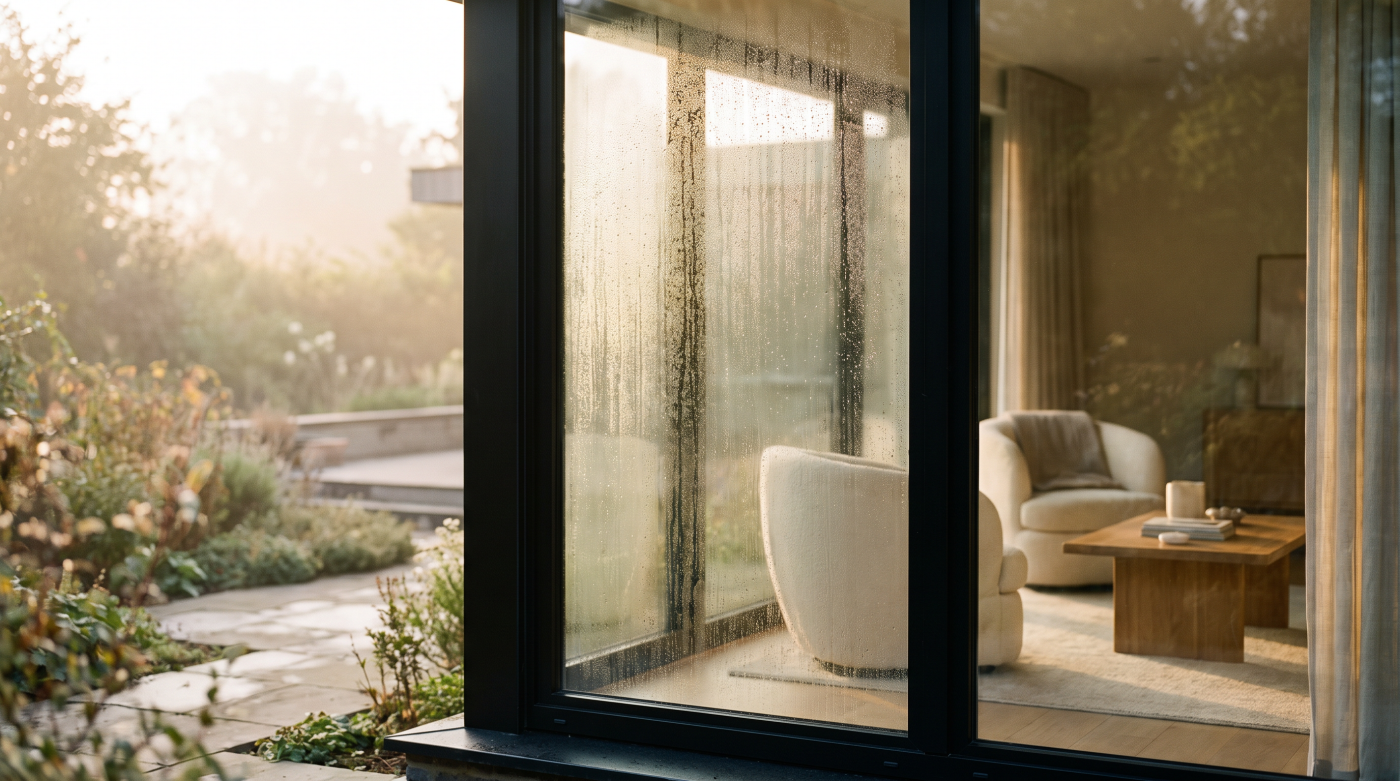
No insulated glazing unit is immune to ageing, and no edge seal is designed to last indefinitely. However, there is an important distinction between natural deterioration over the course of many years and failure that occurs significantly earlier than expected. While it is impossible to prevent the effects of time entirely, many of the factors that contribute to premature seal failure can be reduced through informed decisions made during specification, installation and ongoing building maintenance.
The process begins with selecting a glazing system that is appropriate for the demands of the project. Rather than choosing windows solely on appearance or headline performance figures, experienced professionals consider how the glazing will respond to the building’s orientation, structural design, environmental exposure and long-term performance objectives. A well-matched specification allows the insulated glazing unit to operate within the conditions for which it was engineered, reducing unnecessary stress on the sealing system throughout its service life.
Equally important is the quality of installation. Accurate surveying, careful alignment and correctly detailed drainage all help ensure that the glazing is properly supported and protected from avoidable movement and prolonged moisture exposure. These details are often hidden once the project is complete, yet they play a significant role in allowing the edge seals to perform consistently over many years. Small inaccuracies introduced during installation may not be immediately visible, but they can gradually increase the cumulative stresses acting on the glazing unit.
Routine maintenance also has a part to play. Keeping drainage paths clear, ensuring window hardware continues to operate correctly and addressing any developing issues before they become more significant all contribute to the overall health of the window system. Ultimately, though, the greatest safeguard against premature seal failure is a specification-led approach that considers the glazing as an integral part of the building envelope. By combining thoughtful design, appropriate engineering and skilled installation, homeowners can maximise the lifespan of their glazing and reduce the likelihood of avoidable failures long before they become visible.
Thinking About Glazing as a Long-Term Building System
Window seal failure is often discussed as though it were an isolated fault, yet from an architectural perspective it is more accurately understood as one part of the broader lifecycle of a building. Every component within the building envelope is expected to perform under continual environmental stress, responding to changing temperatures, weather conditions and patterns of occupation over many years. Insulated glazing units are no different. Their long-term performance is determined not by a single material or detail, but by the way engineering, specification, installation and maintenance work together throughout the life of the building.
This broader perspective explains why experienced professionals rarely assess glazing in isolation. A failed seal prompts wider questions about the condition of the window system, the suitability of the original specification and the environmental demands placed upon the building. In many cases, the glazing has delivered decades of reliable service before natural ageing begins to affect its performance. In others, avoidable stresses introduced during specification or installation may have shortened that lifespan. Understanding these wider influences allows decisions to be based on evidence rather than assumption.
Viewing glazing as a long-term building system also encourages a more balanced approach to maintenance and future investment. Rather than focusing solely on the immediate symptom of a misted sealed unit, homeowners can consider how the windows continue to contribute to thermal comfort, energy efficiency, natural light and the overall character of the home. Where intervention becomes necessary, the objective should be to restore the performance of the building envelope rather than simply replace an individual component.
Ultimately, the longevity of modern glazing is not determined by the edge seal alone. It reflects the quality of every decision made from the earliest stages of design through to installation and long-term care. By understanding the real reasons window seals fail early, homeowners are better equipped to recognise the value of thoughtful specification and informed maintenance, ensuring that glazing continues to support comfort, durability and architectural quality for many years to come.