
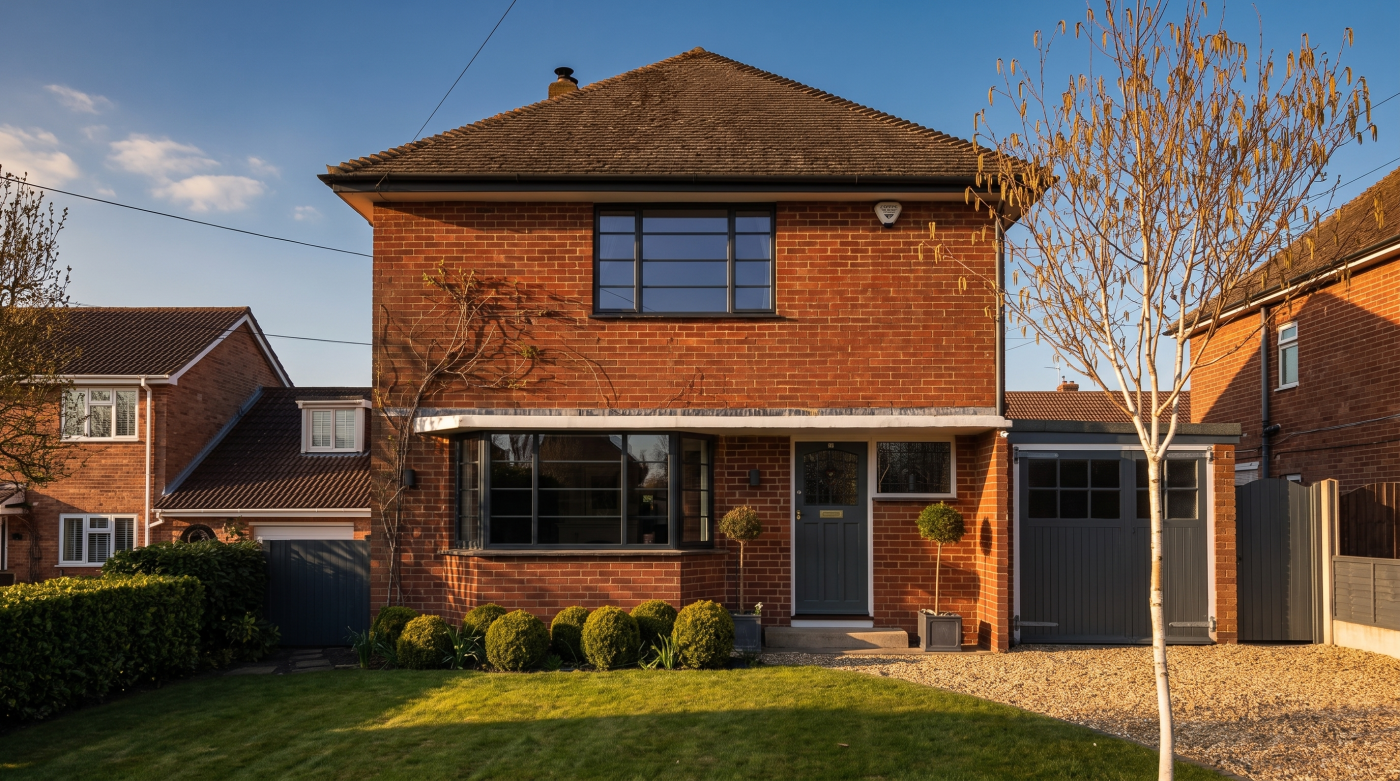
Why Price Is Only One Part of the Decision
When homeowners receive several glazing quotations, it is entirely understandable that the first comparison is often the final figure at the bottom of the page. Price provides an immediate and measurable point of reference, particularly when the quotations appear to describe similar products. However, architects rarely begin their evaluation in this way. Instead, they consider what each proposal will deliver over the lifetime of the building, recognising that the true value of a glazing system extends far beyond its initial cost.
Windows influence almost every aspect of how a home performs. They affect natural light, thermal efficiency, acoustic comfort, weather resistance, security and the relationship between interior spaces and the surrounding landscape. These qualities continue to shape the experience of living in the property for decades, making the initial purchase only one stage in a much longer investment. A quotation that appears more economical today may ultimately prove less valuable if compromises have been made in specification, engineering or installation.
Professional design teams therefore think in terms of whole-life performance rather than upfront expenditure. Their objective is not to minimise cost at all costs, but to achieve the best balance between architectural quality, durability and long-term value. Every specification decision is considered in the context of how the building will perform over many years, reducing the likelihood of avoidable maintenance, premature replacement or compromised comfort later in the building’s life.
For homeowners, adopting this broader perspective changes the way quotations are interpreted. Rather than asking which proposal costs the least, it becomes more useful to ask which one most effectively supports the ambitions of the project and the future of the home. Price remains an important consideration, but it should be understood alongside performance, specification and longevity. Viewed in this way, a glazing quotation becomes an investment in the building’s long-term success rather than simply a short-term financial decision.
Lower Prices Often Reflect Different Specifications
When one glazing quotation is noticeably less expensive than another, it is tempting to assume that both proposals offer the same solution at different prices. In practice, this is rarely the case. Architects understand that significant price differences are often the result of different specifications rather than different levels of commercial competitiveness. Before comparing costs, they first identify exactly what has changed between the proposals.
A glazing specification is made up of numerous interrelated decisions. The framing system, glass composition, hardware, thermal performance, security certification and engineering requirements all contribute to the overall solution. A lower quotation may specify a different aluminium system, a less demanding glass specification or alternative hardware that meets a different level of performance. These changes are not necessarily inappropriate, but they do mean that the quotations are describing different products with different capabilities and long-term characteristics.
The challenge is that many of these differences are not immediately visible. Two windows may appear almost identical once installed, yet perform differently in terms of insulation, weather resistance, acoustic comfort or durability. Likewise, engineering designed to support larger openings or slimmer sightlines often involves greater manufacturing precision, even though the finished appearance may seem deceptively simple. Architects therefore evaluate what lies behind the specification rather than relying solely on what can be seen.
For homeowners, this reinforces the importance of understanding why one quotation costs less than another. A lower price should prompt further questions rather than immediate conclusions. Asking how the specifications differ, what level of performance is being proposed and whether any compromises have been made provides a far more meaningful basis for comparison. Only when the underlying specifications are fully understood can the financial differences between quotations be assessed fairly. In many cases, the apparent saving reflects a different solution rather than a better value proposition, making specification the foundation of every informed purchasing decision.
Installation Quality Has Long-Term Consequences
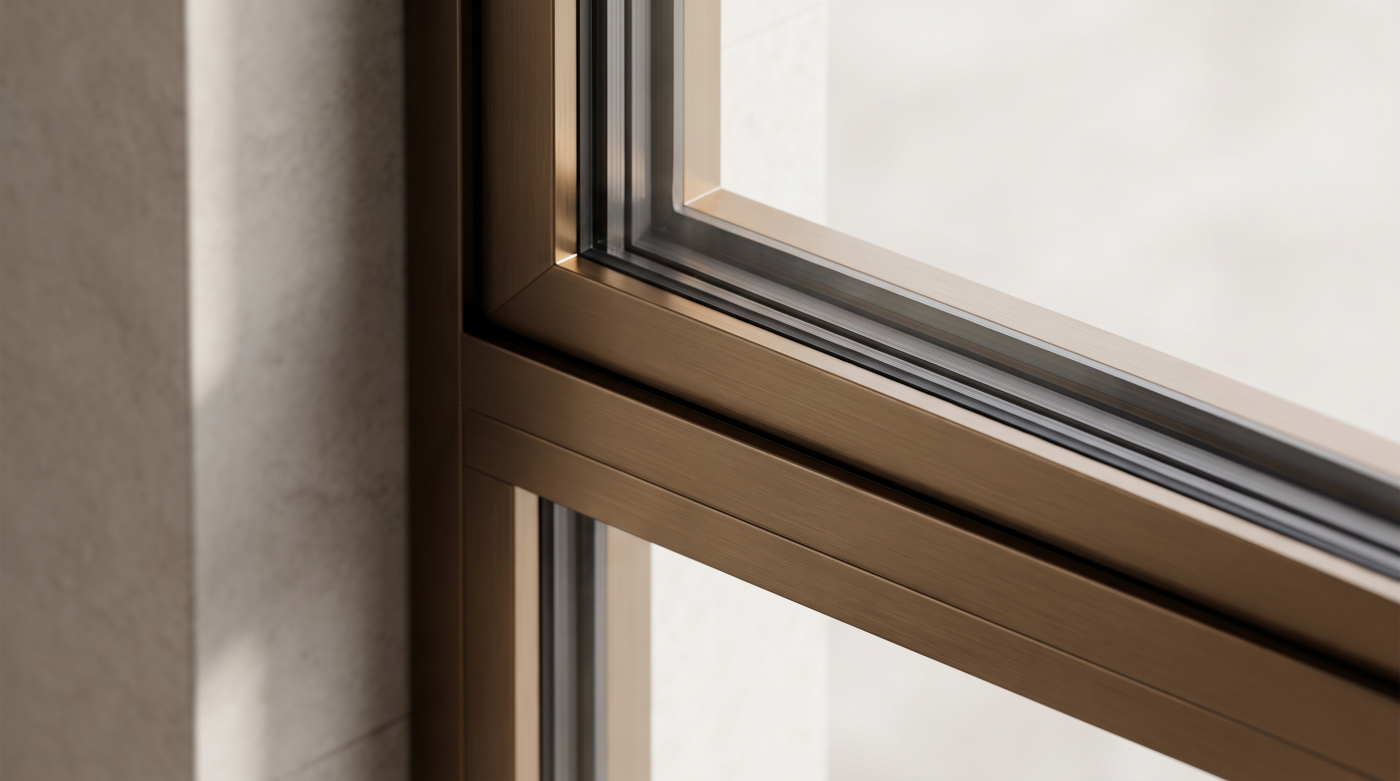
A glazing system can only perform as well as it has been installed. Regardless of the quality of the frames, glass or engineering behind the product, poor installation can undermine the performance of even the most carefully specified system. For this reason, architects regard installation as an essential part of the overall specification rather than a separate service carried out after the design has been completed. The value of a glazing project depends not only on what is supplied, but also on how it is integrated into the building.
Installation demands accuracy at every stage. Window openings must be prepared correctly, frames aligned precisely and weatherproofing details executed to exacting standards. Large glazed elevations, minimal sightlines, flush thresholds and bespoke architectural details often require specialist techniques and careful coordination with surrounding construction. Achieving these refined architectural outcomes relies as much on craftsmanship on site as it does on engineering in the factory.
The consequences of poor installation are rarely immediate, but they can become increasingly apparent over time. Air leakage, water ingress, operational issues and unnecessary wear may all stem from inaccuracies during installation rather than faults with the glazing system itself. Conversely, a well-installed system supports reliable operation, consistent thermal performance and long-term durability, allowing the glazing to perform as it was originally designed.
Architects therefore assess installation with the same level of attention as the products being specified. They look beyond assurances of fitting to understand the expertise of the installation team, the methods being employed and how the work will be coordinated with the wider construction programme. For homeowners, this reinforces an important principle: installation should never be viewed as an opportunity to reduce costs. It is a fundamental part of the investment, ensuring that the architectural ambitions of the project are successfully realised and that the glazing continues to deliver comfort, performance and reliability throughout the lifetime of the building.
Durability Is Difficult to See on Day One
One of the greatest challenges when comparing glazing quotations is that many of the differences in quality are invisible at the point of installation. On the day a project is completed, two window systems may appear remarkably similar. Both may have clean lines, smooth finishes and contemporary aesthetics. Yet architects understand that the true measure of quality is revealed not during handover, but through years of daily use and exposure to changing weather conditions.
Durability is the result of countless engineering and specification decisions working together. The quality of the frame system, the precision of the manufacturing process, the performance of the hardware and the resilience of seals and finishes all contribute to how a window performs over time. These characteristics are rarely obvious during an initial viewing, but they influence how reliably the glazing operates, how well it withstands the elements and how effectively it maintains its appearance throughout its service life.
Daily operation provides a useful illustration. Windows and doors may be opened and closed thousands of times over the course of their lifetime. Hardware that feels smooth and robust from the outset is more likely to continue performing consistently after years of regular use, while carefully engineered systems are designed to maintain alignment, weather resistance and ease of operation despite continual movement and seasonal changes. These long-term qualities represent a significant part of the overall value of the glazing, even though they cannot easily be identified from a quotation or showroom display.
Architects therefore evaluate durability as a fundamental component of specification rather than an optional enhancement. They recognise that buildings are designed to last for generations, and that glazing should support this ambition through dependable performance and lasting reliability. For homeowners, this perspective encourages a longer-term view of investment. The real difference between two quotations may not become apparent on the day the windows are installed, but in the years that follow, when quality engineering quietly continues to deliver comfort, confidence and dependable performance.
Performance Pays You Back Every Day
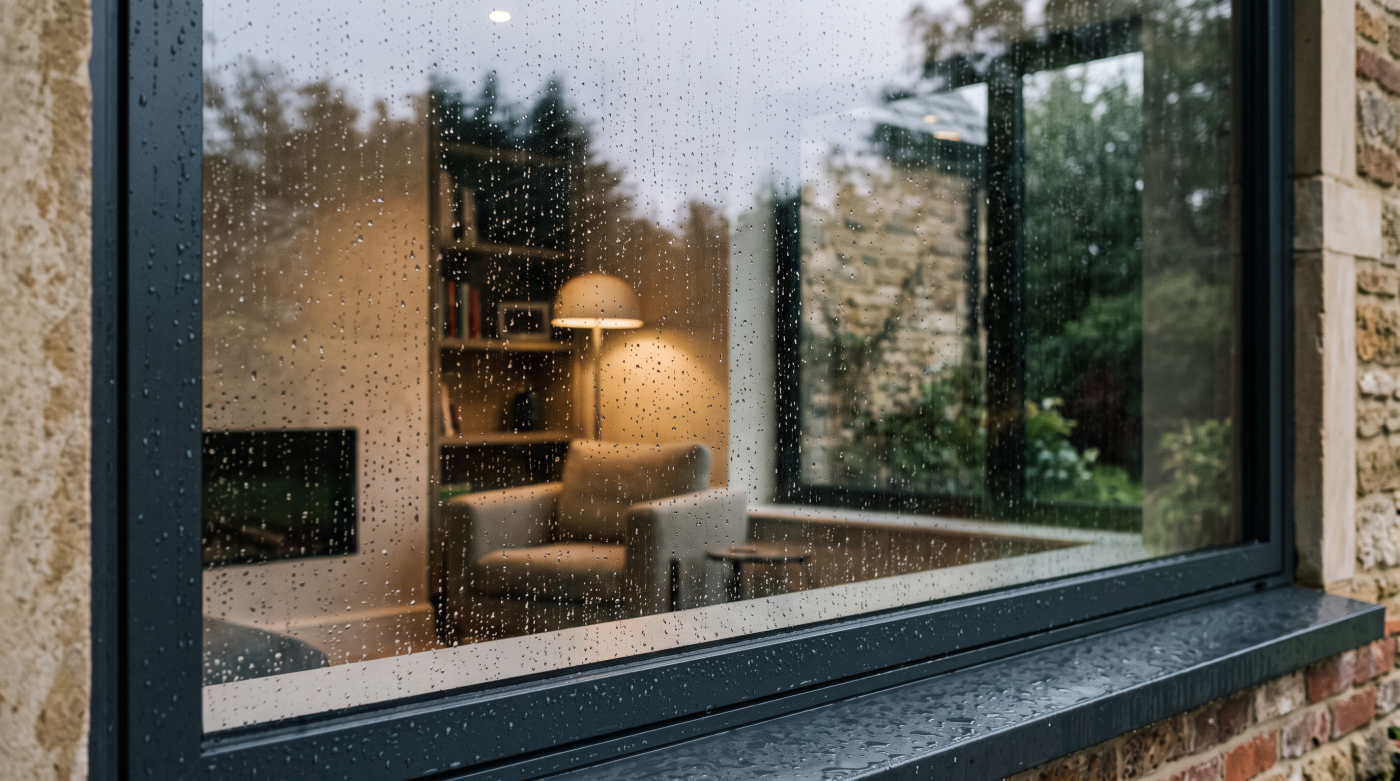
The value of a glazing system is not measured solely on the day it is installed. Its greatest contribution is often experienced quietly over the years that follow, influencing the comfort, efficiency and enjoyment of the home every single day. Architects understand that well-specified glazing is an integral part of the building’s performance, shaping how the interior responds to changing seasons, varying weather conditions and the routines of everyday life.
Thermal performance is one of the most obvious examples. Carefully specified glazing helps maintain more consistent internal temperatures, reducing unwanted heat loss during colder months while managing excessive solar gain when the weather is warmer. Equally important are factors such as acoustic performance, which can create calmer internal environments in busy locations, and carefully considered glazing configurations that maximise natural daylight while preserving comfort throughout the home. These qualities are not luxury additions but fundamental elements of good architectural design.
Performance also influences how a building feels to live in. Smooth operation, reliable weather resistance and thoughtfully designed opening arrangements all contribute to a more enjoyable daily experience. Large sliding doors that move effortlessly, well-engineered windows that ventilate effectively and glazing that supports comfortable internal environments become part of the normal rhythm of the home. Because these benefits are experienced gradually rather than all at once, they are often overlooked when quotations are compared purely on initial cost.
Architects therefore regard performance as an investment that continues to deliver value long after construction has been completed. Rather than assessing glazing simply as a building product, they consider how it contributes to the quality of life within the finished home over many decades. For homeowners, this broader perspective highlights why specification matters so much. The benefits of high-performing glazing are realised not through dramatic short-term savings, but through years of dependable comfort, efficiency and architectural enjoyment, making performance one of the most enduring returns on the original investment.
Professional Advice Has Value Too
When comparing glazing quotations, it is easy to focus on the products being supplied and the cost of the installation. However, one of the most valuable elements of any successful project is often less visible: the expertise that shapes the specification before manufacturing even begins. Architects recognise that professional guidance is not an additional service but an essential part of achieving the right outcome, helping to ensure that every decision supports the wider architectural ambitions of the building.
A well-considered glazing specification is rarely the result of selecting products from a catalogue. It is developed through careful evaluation of the property’s design, orientation, planning requirements and performance objectives. Decisions surrounding frame systems, glass specification, opening configurations and installation methods are interconnected, and changing one element can influence many others. Professional advice helps navigate these relationships, ensuring that the completed solution performs as intended while remaining appropriate for the character and function of the home.
This guidance also helps reduce risk before construction begins. Identifying potential challenges during the specification stage is considerably more effective than resolving them once manufacturing or installation is underway. Whether coordinating with architects, builders or structural engineers, experienced technical input can improve communication across the project team, minimise misunderstandings and support a smoother construction process. The value lies not simply in answering questions, but in helping avoid problems that might otherwise affect programme, performance or cost.
For homeowners, this expertise should be viewed as an important part of the overall investment rather than an invisible overhead. The confidence that comes from informed specification, clear technical advice and collaborative project planning often contributes as much to the success of a glazing project as the products themselves. Architects understand that exceptional buildings are created through thoughtful decision-making at every stage, and professional guidance plays a central role in that process. In many cases, the advice received before a window is ever manufactured becomes one of the most valuable contributions to the long-term quality and performance of the finished home.
Why Architects Rarely Choose the Cheapest Option
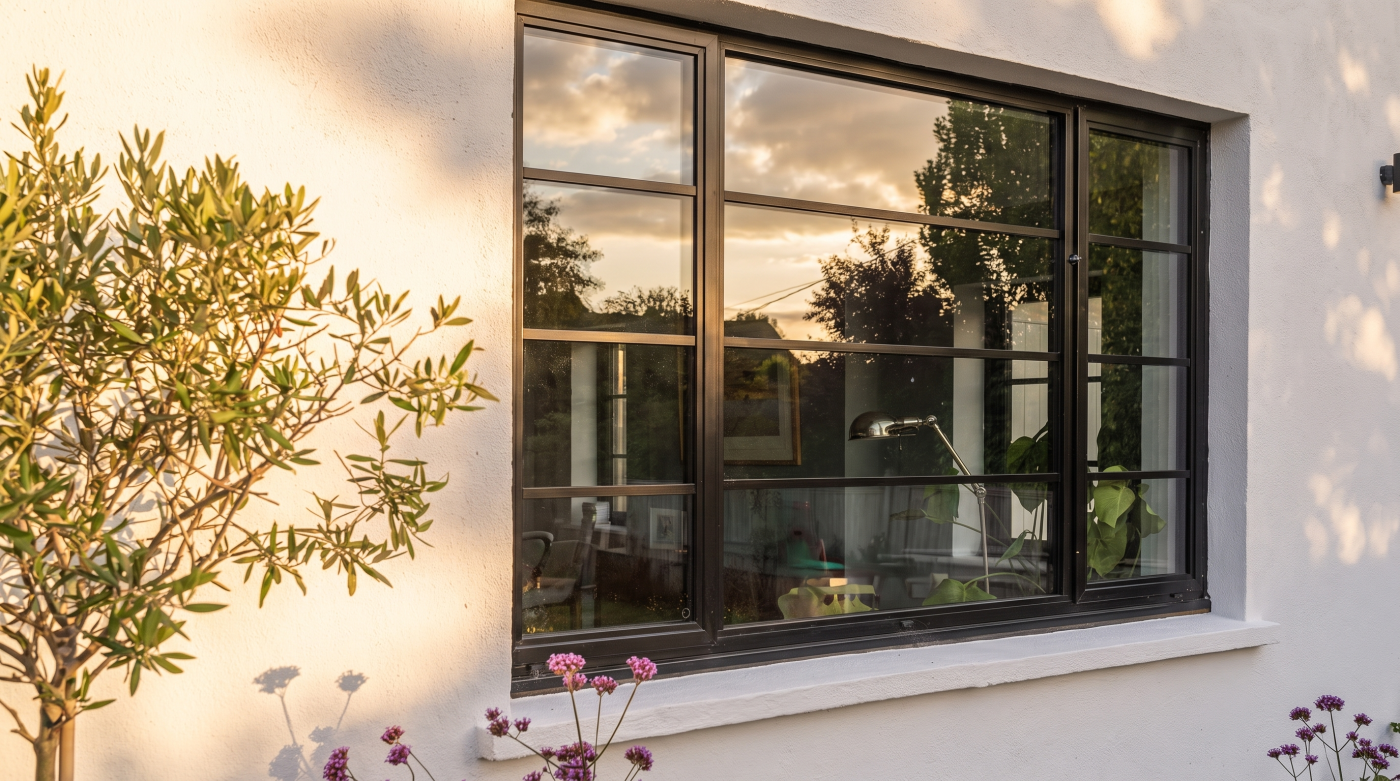
Architects are entrusted with making decisions that will influence the quality and performance of a building for decades. While cost is always an important consideration, it is rarely treated as the defining factor when evaluating glazing proposals. Instead, architects seek the solution that most effectively fulfils the design objectives of the project, balancing performance, durability, practicality and long-term value against the available budget. The aim is not to identify the lowest quotation, but the most appropriate one.
This approach reflects the complexity of architectural decision-making. Every glazing specification affects multiple aspects of a building, from thermal efficiency and weather resistance to daylight, comfort and visual character. A proposal that reduces costs by simplifying the specification may also alter how the building performs or compromise elements of the original design intent. Architects therefore consider the broader implications of each decision, recognising that apparent savings at the outset can introduce limitations that remain throughout the life of the property.
Risk management also plays an important role. Reliable engineering, proven installation methods and carefully considered specification help reduce uncertainty during construction and support dependable long-term performance. Choosing a proposal simply because it is the least expensive may increase the likelihood of unforeseen issues, additional remedial work or compromises that become apparent only after the building is occupied. Professional teams therefore assess quotations in terms of confidence as well as cost, favouring solutions that demonstrate a clear understanding of the project’s requirements.
For homeowners, this perspective offers a valuable way of approaching an important investment. Rather than viewing the decision as a search for the lowest price, it becomes an opportunity to identify the proposal that best supports the future of the home. Architects understand that value is created through informed specification and thoughtful execution, not through minimising expenditure alone. The quotation that represents the strongest long-term investment is often the one that most successfully balances quality, performance and architectural ambition, even if it is not the least expensive option.
Investing for the Lifetime of the Building
The true value of a glazing project cannot be measured on the day the installation is completed. Windows become part of the fabric of a building for many decades, quietly influencing its performance, comfort and architectural character throughout their service life. Architects therefore view glazing as a long-term investment rather than a short-term purchase, assessing every specification decision according to the contribution it will make over the lifetime of the property.
This perspective encourages a different way of evaluating quotations. Instead of asking which proposal costs the least today, architects consider which solution is most likely to continue performing reliably in the years ahead. Durability, thermal efficiency, weather resistance, ease of operation and thoughtful engineering all contribute to the lasting quality of the building. These characteristics may not be immediately obvious when comparing quotations, yet they shape the everyday experience of living within the home long after the construction team has left the site.
Well-specified glazing also supports the wider architectural ambitions of a project. Carefully considered windows enhance natural light, strengthen the relationship between interior and exterior spaces and contribute to the overall performance of the building in every season. When specification, manufacturing and installation have been approached with equal care, the glazing becomes an integral part of the architecture rather than simply another building component. The investment continues to reward the homeowner through comfort, reliability and enduring design quality rather than requiring attention through avoidable maintenance or premature replacement.
For homeowners, this long-term perspective provides a more balanced framework for making important decisions. Price will always remain an important consideration, but it should be viewed alongside performance, longevity and the quality of the completed home. The quotation that delivers the greatest value is rarely defined by its position on a spreadsheet alone. Instead, it is the proposal that most effectively supports the building’s future, allowing the architecture to perform as intended and ensuring the investment continues to provide lasting benefits for many years to come.