
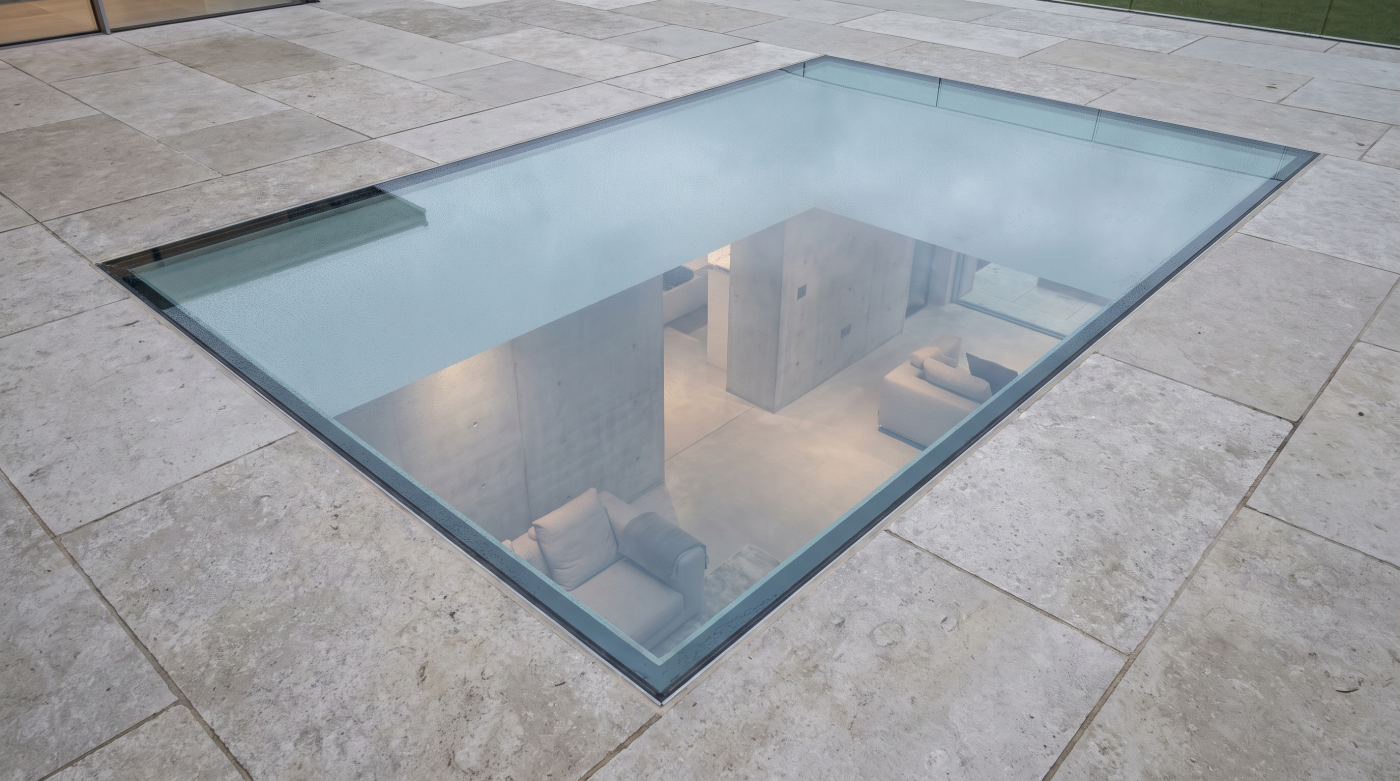
How Self-Cleaning Glass Actually Works
The name “self-cleaning glass” can make the technology sound more dramatic than it really is. The glass does not actively clean itself, and there is no hidden mechanism removing dirt from the surface. Instead, a specialist coating changes the way certain deposits and water behave on the external face of the glass.
With common self-cleaning glass technologies, the process works in two stages.
First, daylight interacts with the coated surface and helps break down certain types of organic material that have accumulated on the glass. This happens gradually rather than instantly, which is why self-cleaning glass should not be imagined as a surface where dirt simply disappears as soon as sunlight reaches it.
The second part involves water.
On conventional glass, rain tends to form individual droplets across the surface. Self-cleaning coatings can create what is known as a hydrophilic surface. Despite the technical-sounding name, the principle is straightforward: water spreads more evenly across the glass rather than behaving only as separate droplets.
When sufficient rain reaches the pane, that water can then help carry loosened material away from the surface. The way the water spreads can also influence the marks left behind as the glass dries.
This explains why the technology depends partly on its environment. The coating needs appropriate exposure to daylight and water for the intended process to work effectively. A pane positioned beneath a deep roof overhang, for example, may experience very different conditions from an exposed rooflight receiving regular daylight and rainfall.
It also explains one of the biggest misconceptions about self-cleaning glass.
The coating is not physically scrubbing the pane.
It cannot be expected to remove every substance that lands on the glass. Heavy deposits, construction contamination, mineral residues and other stubborn marks may still require manual cleaning using methods appropriate for the particular coated product.
Different manufacturers can also use different coating technologies and specify particular requirements for cleaning, handling and exposure. The exact characteristics of the proposed glass should therefore be confirmed from verified manufacturer documentation.
The useful way to think about self-cleaning glass is not as glass that somehow washes itself.
It is glass whose external surface has been engineered to allow daylight and water to do more of the cleaning work for you.
What It Cleans Well — and What It Doesn’t
Self-cleaning glass is most effective when expectations match what the coating has actually been designed to do. It can help reduce the accumulation of certain types of everyday organic dirt and make it easier for rainwater to carry loosened material away, but it cannot remove every substance that reaches the glass.
Light, everyday grime is where the technology can be particularly useful. Organic deposits that build gradually on an exposed external surface can be affected by the coating’s interaction with daylight, allowing subsequent rainfall to help wash material from the pane. Over time, this can reduce how quickly the glass begins to look dirty compared with an equivalent surface without the coating.
The limitations become clearer when contamination is heavier or fundamentally different.
Bird deposits, for example, may be too substantial to disappear quickly through the normal self-cleaning process. Pollen, leaves and other environmental debris can still accumulate depending on the location of the glazing. Grease and unusual airborne contaminants may also behave differently from the organic material the coating is intended to help break down.
Construction contamination deserves particular attention.
Building dust, sealant residue, cementitious material and other site deposits should not be treated as something a self-cleaning coating will simply deal with once the project is finished. Protecting glazing during construction and carrying out appropriate post-installation cleaning remain important regardless of whether self-cleaning glass has been specified.
Mineral deposits can create another challenge. Where water dries on the surface and leaves dissolved minerals behind, those residues are not necessarily removed by the same process that helps deal with organic dirt. Local water conditions and the way the glass is rinsed or cleaned can therefore influence the final appearance.
Periodic manual cleaning may still be necessary.
When that happens, the fact that the glass has a specialist surface coating becomes important. Abrasive tools, unsuitable chemicals or cleaning methods that are incompatible with the product should be avoided. The correct care instructions should always come from the manufacturer of the particular self-cleaning glass being used.
This is why “self-cleaning” is better understood as maintenance reduction rather than maintenance elimination.
The coating can help with the routine accumulation of certain dirt under suitable conditions. It cannot compensate for every environmental contaminant, heavy deposit or construction-related mark that reaches the pane.
The real benefit is not that the glass never needs attention.
It is that, in the right application, it may need that attention less often.
Where Self-Cleaning Glass Makes the Most Sense
The strongest argument for self-cleaning glass is not necessarily that the building contains a lot of glass. It is that some of that glass may be difficult, inconvenient or expensive to reach once the building is finished.
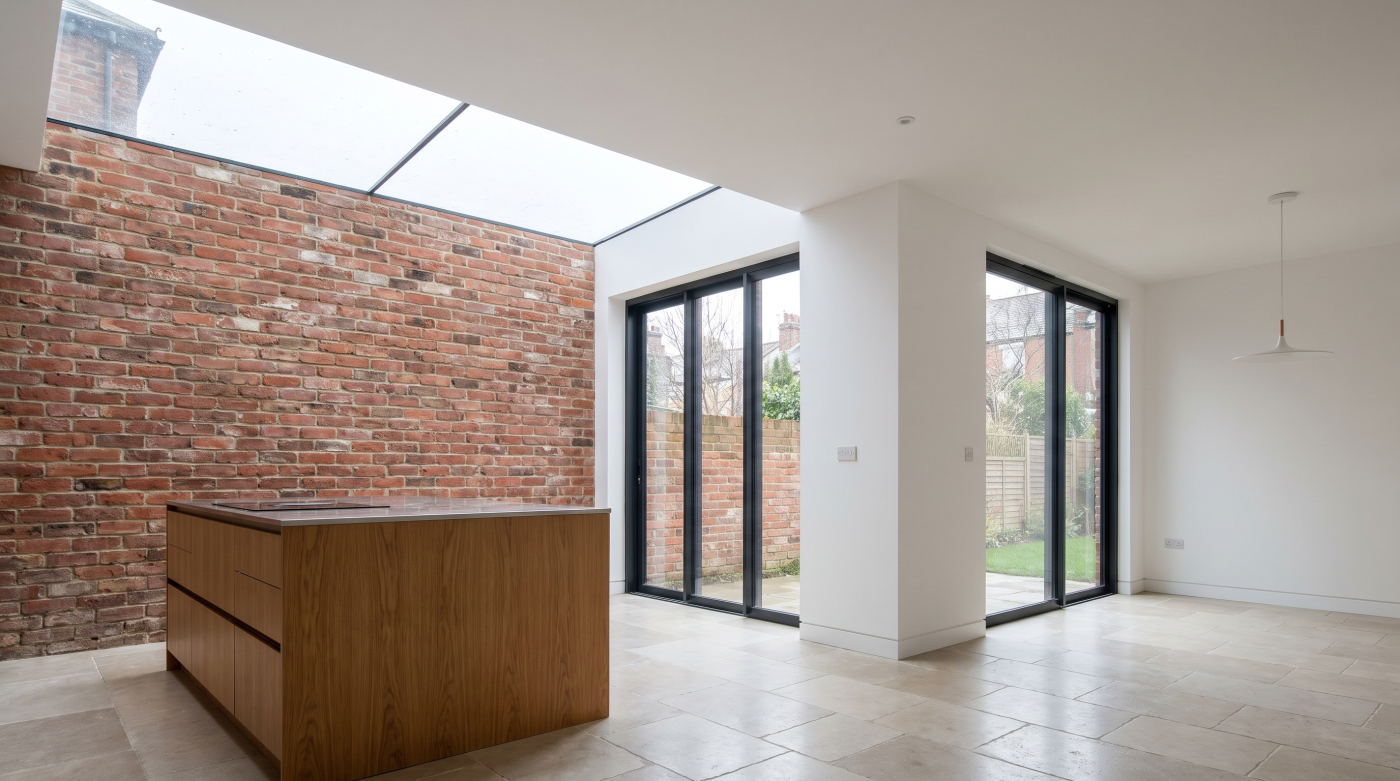
A conventional ground-floor window that can be cleaned easily from outside presents a relatively simple maintenance problem. A rooflight several metres above a double-height living space is very different. If cleaning requires ladders, access equipment or specialist contractors, reducing the frequency and difficulty of that maintenance can become much more valuable.
Roof glazing is therefore one of the most obvious applications to consider. Rooflights and larger glazed roof areas can receive good exposure to daylight and rainfall while simultaneously being among the least convenient panes on a house to clean manually. Where the proposed self-cleaning product and installation conditions are appropriate, the coating can form part of a sensible long-term maintenance strategy.
High-level windows create a similar opportunity. Contemporary homes increasingly use double-height spaces, glazed gables and substantial fixed panes to bring daylight deeper into the building. These features can create exceptional architecture, but they can also leave external glass surfaces positioned well beyond straightforward cleaning reach.
Large fixed glazing deserves consideration for the same reason. A pane may be technically accessible yet still require specialist equipment because of its height, surrounding terrain or position within the elevation. On projects like these, the maintenance implications should ideally be understood before the glazing is specified rather than discovered when the first clean becomes necessary.
This changes how the additional cost of self-cleaning glass should be evaluated.
The comparison is not simply between the price of conventional glass and coated glass. The more useful question is what maintaining that particular pane will realistically involve over the life of the building.
That does not mean every inaccessible pane automatically requires self-cleaning glass. Daylight exposure, rainfall, inclination, surrounding buildings, trees and the particular coating technology can all influence how useful the product is in practice. Appropriate access for inspection and occasional manual cleaning may still need to be considered.
Nor does the logic necessarily extend to every pane on the same project. Easily accessible windows and doors may gain relatively little from the upgrade compared with high-level or difficult-to-reach glazing.
This is where selective specification can be particularly intelligent.
Instead of asking, “Should the house have self-cleaning glass?”, ask:
“Which panes will be genuinely difficult to maintain once this house is built?”
Those are the panes where self-cleaning glass has the strongest opportunity to create long-term value.
Because the harder the glass is to reach, the more valuable it becomes to reduce how often someone needs to reach it.
Why Rooflights Are the Obvious Application — But Not a Perfect One
Rooflights are one of the easiest places to understand the appeal of self-cleaning glass. They are often difficult to reach, frequently exposed to daylight and, depending on their position and pitch, can receive regular rainfall. Those conditions can suit the way many self-cleaning coatings are intended to work.
But roof glazing also demonstrates why the term “self-cleaning” needs to be treated carefully.
Unlike vertical glazing, rooflights can collect material on their surface more readily. Pollen, dust, leaves and other environmental debris may settle on the glass, particularly where the rooflight has a relatively shallow pitch or is positioned close to trees. Bird deposits can create another obvious source of contamination that may not disappear simply because a self-cleaning coating is present.
The geometry of the installation matters too.
Water needs somewhere to go. The pitch of the glass, drainage around the rooflight and the way rainwater moves across the surface can all influence what happens after the pane becomes wet. A coating designed to help water spread across the glass cannot compensate for poor drainage or an architectural detail that allows water and debris to remain where they are unwanted.
Exposure also varies considerably from one building to another. An open rooflight receiving unobstructed daylight and rainfall operates in very different conditions from one partially sheltered by trees, surrounding buildings or another part of the architecture.
This is why the manufacturer’s requirements for the particular self-cleaning glass need to be considered alongside the rooflight design. Where minimum installation angles, cleaning procedures or other conditions apply, those should be verified for the proposed product rather than assumed from the generic term “self-cleaning”.
Occasional access may still be necessary as well. A self-cleaning coating can reduce maintenance, but roof glazing may still need inspection or manual cleaning when stubborn deposits accumulate. Designing a rooflight on the assumption that nobody will ever need to access or maintain it can therefore create problems later.
This does not weaken the case for self-cleaning glass on rooflights. In many projects, it strengthens it.
The point is that the coating works best as part of a sensible maintenance strategy rather than as a replacement for one.
Rooflights combine two characteristics that make self-cleaning glass particularly attractive: they can provide the daylight and weather exposure the technology uses while being exactly the kind of glass homeowners would prefer not to clean manually.
Just don’t mistake less maintenance for no maintenance.
Does Self-Cleaning Glass Work on Sliding Doors and Vertical Glazing?
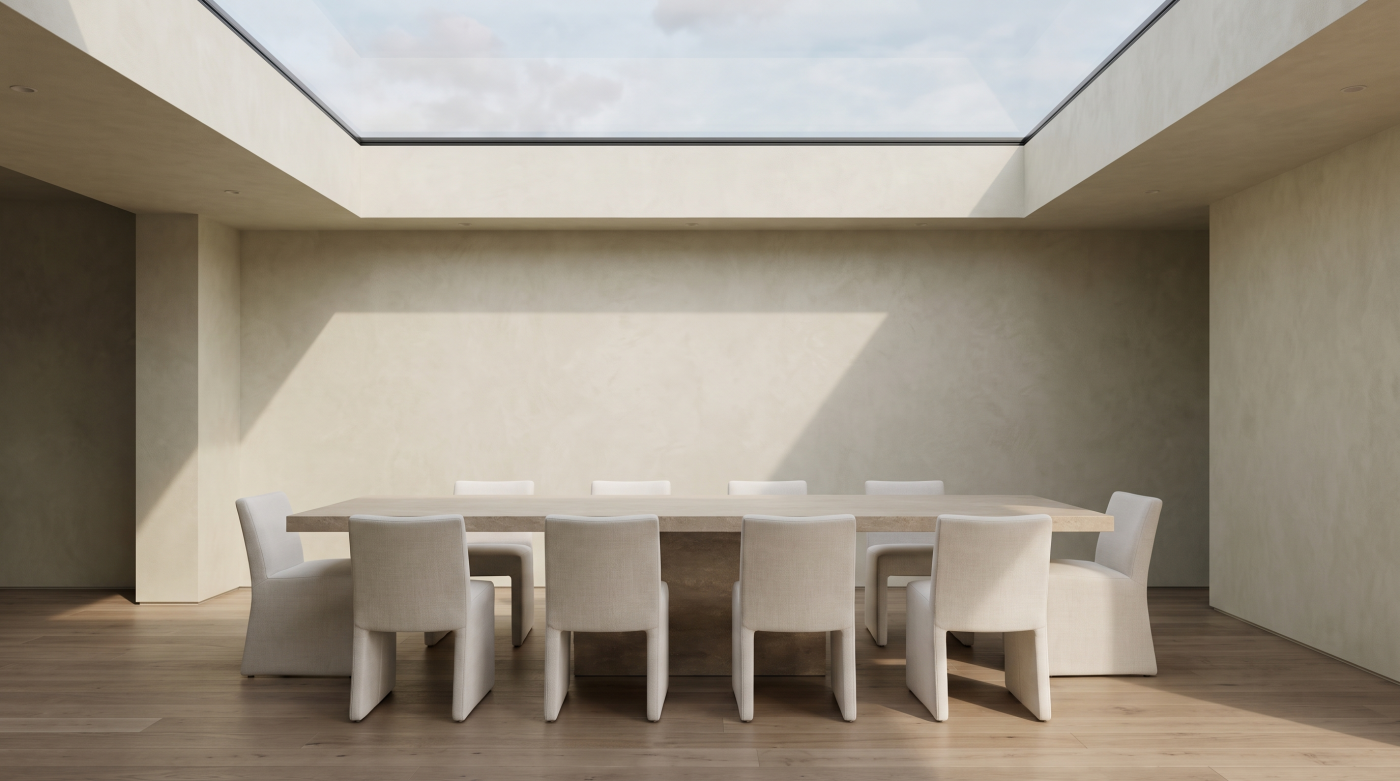
Self-cleaning glass is often associated with rooflights and overhead glazing, but appropriate self-cleaning products can also be used on vertical glass. The more important question is whether the coating will provide enough practical benefit in that particular location to justify specifying it.
Vertical glazing experiences the weather differently from roof glass. An exposed elevation may receive plenty of daylight and wind-driven rain, allowing the external coated surface to benefit from the conditions the technology uses. But another pane on the same building may sit beneath a deep roof overhang, inside a recessed opening or underneath an architectural canopy and receive considerably less direct rainfall.
That difference matters.
If water rarely reaches the external surface, one part of the natural cleaning process is reduced. This is why simply specifying self-cleaning glass does not guarantee identical results across every elevation of a house.
Large sliding doors introduce another consideration: much of the cleaning homeowners actually notice may have very little to do with external environmental dirt.
Fingerprints, hand marks, children’s fingerprints, marks from pets and everyday contact frequently occur on the inside of large sliding panels. A self-cleaning coating applied to the appropriate external surface does not make those marks disappear. The internal face will still need normal cleaning.
This can fundamentally change the value proposition.
Imagine a large sliding elevation opening directly onto a terrace. If the external glass is easily accessible from ground level, cleaning it conventionally may already be straightforward. Paying for a specialist self-cleaning specification may therefore deliver less practical value than it would on a rooflight or high-level fixed pane that is genuinely difficult to reach.
There are circumstances where vertical self-cleaning glass may still be useful. Very large fixed panes, difficult terrain, restricted external access or high-level glazed elevations can make routine cleaning more complicated even when the glass itself is vertical. In those situations, reducing external maintenance can become more valuable.
The decision should therefore be based on access and exposure, not simply glass area.
Ask how much daylight and rainfall the external surface is likely to receive. Consider whether overhangs or other architectural features shelter it. Then ask how difficult the pane would actually be to clean without the coating.
And with sliding doors, remember where most everyday marks are likely to appear.
Self-cleaning glass can help manage external contamination under suitable conditions. It cannot stop someone putting a handprint on the inside of a three-metre sliding panel five minutes after you have cleaned it.
The Hidden Variables: Rain, Daylight, Orientation and Location
Two homes can use apparently similar self-cleaning glass and produce quite different experiences. The reason is straightforward: the coating does not operate independently of the building around it.
Daylight is one of the first variables. Common self-cleaning technologies use exposure to daylight as part of the process that helps break down certain organic deposits on the glass. A pane receiving good natural light may therefore experience different conditions from glazing that remains heavily shaded for much of the day.
Rainfall matters too.
An exposed pane may receive regular rain capable of washing loosened material across the surface. Move the same glass beneath a substantial roof overhang, balcony or canopy and considerably less water may reach it. Deeply recessed glazing can create a similar effect.
This means orientation should not be considered simply as north, south, east or west. What actually surrounds the pane can be equally important. The architecture itself may shelter the glass, while neighbouring buildings, trees and landscape can alter its exposure to both daylight and weather.
The surrounding environment also determines what lands on the glass in the first place.
A home surrounded by mature trees may experience pollen, leaves and organic debris. A rural property can encounter dust and material associated with nearby land use. Urban glazing may be exposed to a different mixture of airborne deposits. Coastal and other exposed environments introduce their own conditions.
The result is that identical glass specifications can face very different maintenance challenges.
Water used during manual cleaning can introduce another variable. Depending on local water characteristics and how the pane is rinsed and allowed to dry, mineral residues may remain on the surface. A self-cleaning coating should not automatically be expected to prevent every form of water marking.
This is why laboratory descriptions and product terminology only tell part of the story. Verified manufacturer information remains essential for understanding how a particular coating is intended to perform, but the project also needs to consider the real conditions in which that glass will operate.
Ask four simple questions:
Will the pane receive daylight? Will rain actually reach it? What is likely to land on it? And how difficult will it be to clean when something eventually does?
Those questions provide a much better indication of the potential value of self-cleaning glass than the product name alone.
Because a self-cleaning coating is ultimately installed on a building, not in a laboratory. How well it performs in everyday life depends partly on the environment that building creates around it.
Is Self-Cleaning Glass Worth the Extra Cost?
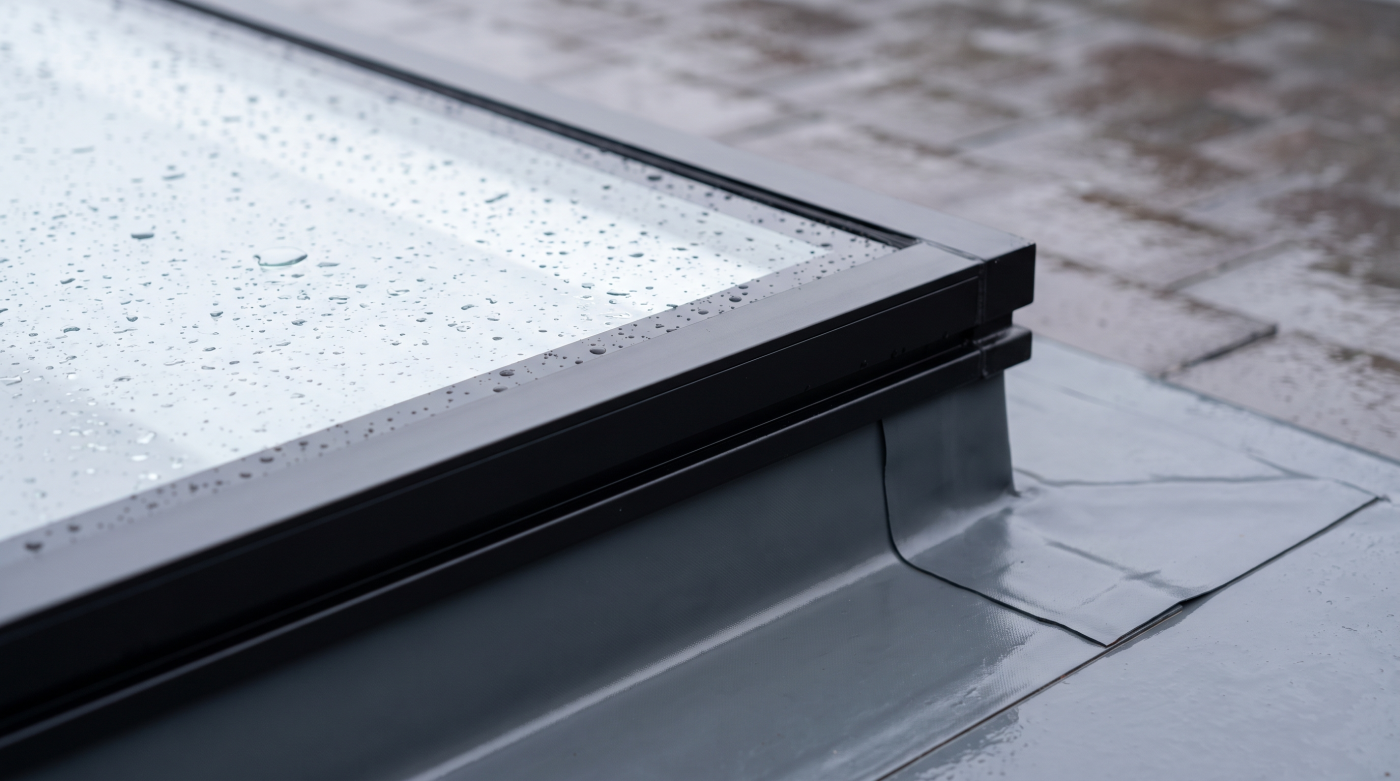
Whether self-cleaning glass is worth paying for depends less on the amount of glass in the project and more on the maintenance problem that the coating is being asked to solve.
Consider two panes of identical size. One is a ground-floor window that can be reached easily from a terrace. The other forms part of a glazed gable several metres above ground level. Adding self-cleaning glass to both may involve an additional specification cost, but the potential value of that investment is very different.
The ground-floor pane can already be cleaned relatively easily. The high-level pane may require ladders, specialist equipment or professional access whenever conventional cleaning is necessary. Reducing the frequency or difficulty of cleaning the second pane can therefore have much greater practical value.
Rooflights create an even clearer example. If a large rooflight sits above a double-height space or another difficult-to-access location, future maintenance should form part of the specification conversation. A coating that helps keep the external surface cleaner between manual interventions may be considerably more valuable there than on a sliding door that can be reached simply by stepping outside.
This is why the additional cost should not be considered in isolation.
The useful comparison is between the cost of the upgrade and the maintenance difficulty it potentially reduces.
That does not justify making generic claims about financial payback. The actual price difference will depend on the glass product, dimensions, processing and complete glazing build-up, while future cleaning costs depend on the building and the access required. Project-specific quotations are therefore more meaningful than universal percentage premiums.
There is also no reason to assume that self-cleaning glass needs to be specified throughout the entire property. Selective use can make considerably more sense. Roof glazing, high-level fixed panes and inaccessible glazed areas might justify the upgrade while easily reached windows and doors remain conventionally specified.
The complete glass specification still needs to work, however. Thermal performance, solar control, safety, visual requirements and any other characteristics do not disappear simply because self-cleaning functionality has been requested. Compatibility with the proposed glass build-up should therefore be confirmed using verified technical information.
For homeowners, the benefit is often best understood as whole-life convenience rather than a guaranteed financial return.
If a pane is easy to reach and easy to clean, the upgrade may provide relatively modest value.
If cleaning that pane will require specialist access every time it becomes dirty, reducing the maintenance burden becomes much more attractive.
The harder the glass will be to maintain conventionally, the stronger the case for considering self-cleaning glass before the building is constructed.
The Verdict: Lower Maintenance, Not No Maintenance
Self-cleaning glass works, but the name can create an expectation the technology was never designed to meet.
It does not mean a pane will remain perfectly clean indefinitely. It does not remove every type of contamination, eliminate fingerprints or guarantee that difficult glazing will never need to be accessed again. What it can do, under appropriate conditions, is help reduce the accumulation of certain external dirt and allow daylight and water to do more of the routine cleaning work.
That distinction is important.
The strongest applications are usually the panes where conventional maintenance would otherwise be awkward: rooflights, roof glazing, high-level windows, glazed gables and difficult-to-access fixed glass. In these locations, reducing cleaning frequency can solve a genuine practical problem rather than simply adding another feature to the glazing specification.
The decision should ideally be made while the building is still being designed.
Where will the difficult-to-reach glass be? What pitch will roof glazing have? How will water drain from it? Will the coated surface receive sufficient daylight and rainfall? Will surrounding trees, buildings, roof overhangs or architectural recesses change those conditions?
Thinking about these questions early can influence more than the glass specification. It can expose maintenance problems within the architecture itself before they become permanent features of the finished building.
It is equally important to understand what the coating cannot solve. Internal fingerprints on sliding doors still need cleaning. Heavy bird deposits may still require intervention. Construction residue should be dealt with appropriately rather than left for the coating to resolve. Mineral deposits and other stubborn contamination may also require manual cleaning.
When cleaning is necessary, the manufacturer’s instructions for the particular coated glass should be followed. Specialist surfaces should not be treated indiscriminately with abrasive tools or unsuitable cleaning products.
Self-cleaning functionality also remains only one part of the complete glass specification. Thermal performance, solar behaviour, safety, appearance and other project requirements still need to be considered. The presence of a self-cleaning coating does not remove those decisions.
So, how well does self-cleaning glass really work?
Well enough to reduce maintenance in the right application—but not well enough to eliminate maintenance altogether.
That makes the term lower-maintenance glass a more useful way to think about it.
And for a pane several metres above the ground, on a roof or somewhere that would otherwise require specialist access to clean, lowering the maintenance requirement can be far more valuable than the words “self-cleaning” initially suggest.