

What Is Acoustic Laminated Glass?
Acoustic laminated glass is designed to reduce the transmission of sound through glazing more effectively than a conventional glass construction selected without a specific acoustic objective.
Like other laminated glass, it consists of two or more glass plies bonded together with an interlayer. In an acoustic laminate, a specialist interlayer can be used to help damp the vibrations created when sound energy reaches the glass.
That distinction matters because acoustic glass is not simply thicker glass.
Sound causes glass to vibrate. Those vibrations can then transmit energy from one side of the pane to the other. The combination of different glass plies and an appropriate acoustic interlayer can change the way the construction responds to that energy, improving its sound-reduction characteristics.
But the words “acoustic laminated glass” still do not describe one universal level of performance.
Different glass thicknesses, interlayers and overall constructions can produce different acoustic results. An acoustic laminated pane may also form only one part of a double- or triple-glazed insulated unit, with the other panes and cavities contributing to the performance of the complete build-up.
And acoustics will rarely be the only requirement.
The same glazing may also need to provide thermal insulation, solar control, safety performance or other project-specific characteristics. Those requirements need to be considered together rather than assuming that selecting an acoustic laminate completes the glass specification.
This is why asking for “acoustic glass” is only the beginning of the conversation.
The more useful question is:
What complete glass construction provides the appropriate acoustic performance for the noise we are trying to reduce?
The answer should come from verified performance data for the proposed build-up.
Acoustic laminated glass can be an important part of a quieter home—but its value comes from how intelligently it is incorporated into the complete glazing specification, not simply from the word “acoustic” appearing on the glass schedule.
What Noise Can Acoustic Glass Actually Reduce?
The phrase “soundproof glass” creates an expectation that the right glazing can make external noise disappear completely. In reality, acoustic glazing is about reducing sound transmission, and how effective that reduction feels depends heavily on the type of noise outside.
Road traffic is one of the most common examples. Tyre noise, engines and passing vehicles create a mixture of sound frequencies, so the glazing needs to be considered against that particular noise profile rather than simply selected because it carries an acoustic label.
Voices and general external activity present another type of challenge. In urban locations, reducing the intrusion of conversations, people passing outside and general street noise can materially change how calm an internal space feels.
Railways and aircraft can be more complex again. Their sound characteristics vary, while aircraft noise may change significantly as an aircraft approaches, passes overhead and moves away.
Low-frequency sound deserves particular attention. Heavy vehicles, machinery and bass from amplified music can contain significant low-frequency energy, which can be more difficult to control than some higher-frequency sounds. This is one reason a single headline acoustic rating cannot perfectly describe how glazing will perform against every real-world noise source.
It is also important to distinguish quieter from inaudible.
Well-designed acoustic glazing may substantially improve the internal environment without completely removing awareness of the road, railway or aircraft outside. The appropriate objective is therefore usually to reduce intrusive noise to a more acceptable level rather than promise silence.
Before selecting the glass, identify the sound that actually matters.
Is it continuous traffic? Occasional heavy vehicles? Voices? Trains? Aircraft? Night-time activity?
For particularly noise-sensitive sites, specialist acoustic assessment may be appropriate to establish the problem and required performance.
Because the useful question is not simply:
“How much noise does this glass block?”
It is:
“How well does this glazing reduce the particular noise affecting this home?”
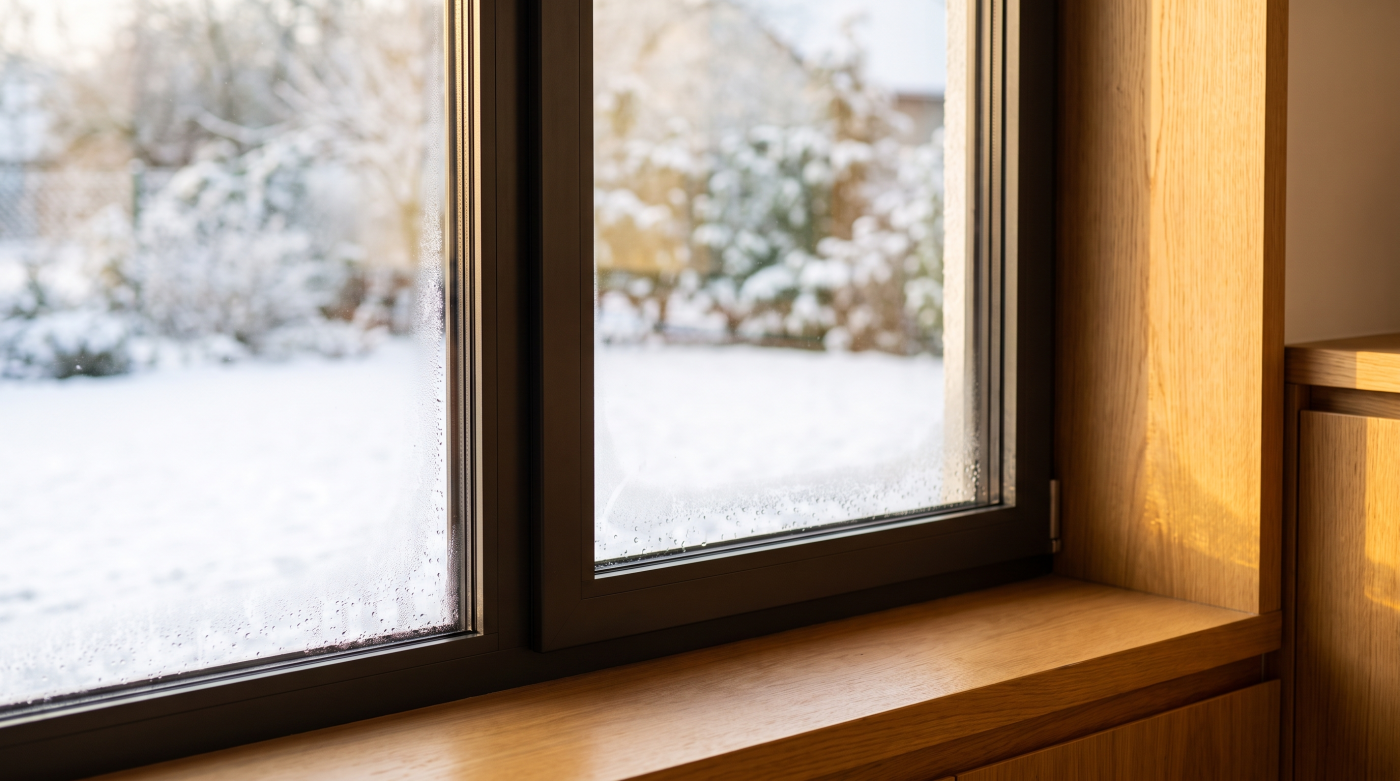
Why Different Glass Thicknesses Can Matter More Than Simply Adding More Glass
It is easy to assume that better acoustic glazing simply means adding more glass. If double glazing reduces noise, then triple glazing must automatically be quieter. If thicker glass performs better, then making every pane thicker must be the obvious solution.
Acoustic performance is more complicated than that.
Different thicknesses of glass respond differently when sound energy reaches them. If an insulated glazing unit contains panes with identical characteristics, those panes can respond similarly at particular frequencies. An acoustic specification can instead use different glass thicknesses or constructions so that the individual panes do not behave in exactly the same way.
This is often described as asymmetric glazing.
Rather than repeating identical panes throughout the unit, the glass build-up can deliberately vary them. A laminated pane with an acoustic interlayer may form part of that strategy, while the cavity or cavities and the other panes within the insulated unit also contribute to the overall acoustic behaviour.
This is why pane count alone is a poor way to judge acoustic performance.
A triple-glazed unit designed primarily around thermal requirements should not automatically be assumed to provide better sound reduction than a carefully designed double-glazed acoustic construction. Thermal optimisation and acoustic optimisation are different exercises, even though both ultimately need to work within the same glazing unit.
Simply choosing the thickest possible glass is not the answer either. Greater thickness affects weight, system compatibility and the wider glass specification, while the acoustic result depends on how the complete construction behaves rather than one dimension in isolation.
The objective is therefore not more glass at any cost.
It is the right combination of glass.
Exact pane thicknesses and build-ups should be determined for the project using appropriate tested performance data rather than generic rules of thumb.
For homeowners, the useful lesson is simple: when comparing acoustic glazing, look beyond whether it is double or triple glazed.
How the different layers are combined can matter just as much as how many layers there are.
Understanding Acoustic Ratings Without Becoming an Acoustic Engineer
Acoustic glazing specifications often come with a collection of numbers and abbreviations that can make a relatively simple question—“Will this make my house quieter?”—feel unnecessarily complicated.
One of the figures you may encounter is Rw, a weighted sound reduction rating derived from laboratory testing. At a high level, a higher Rw value generally indicates greater sound reduction under the relevant test conditions.
But the headline number does not tell the whole story.
Different noises contain different combinations of frequencies. Traffic noise does not behave exactly like conversation, for example, and low-frequency sound from heavy vehicles can present a different challenge again. This is why acoustic information may also include spectrum adaptation terms such as C and Ctr, which help provide additional context for different noise characteristics.
For a homeowner, the important point is not to become an acoustic engineer. It is to understand that two glazing specifications with similar headline ratings may not necessarily perform identically against the particular noise affecting the property.
There is another important distinction: glass performance is not automatically window performance.
A laboratory rating for a particular glass build-up may describe the acoustic performance of that glass under defined test conditions. Once installed within a window or door, frames, seals, opening sections and other components become part of the acoustic path.
This is why claims such as “reduces noise by 70%” can be misleading without explaining exactly what has been measured and under what conditions.
Use acoustic ratings to compare verified specifications, but always relate them back to the actual problem.
For a demanding site—particularly one affected by significant road, rail or aircraft noise—an acoustic consultant may be appropriate to establish the required performance before the glazing is selected.
The objective is not to chase the highest number on a datasheet.
It is to specify glazing whose tested performance is relevant to the noise you actually want to reduce.
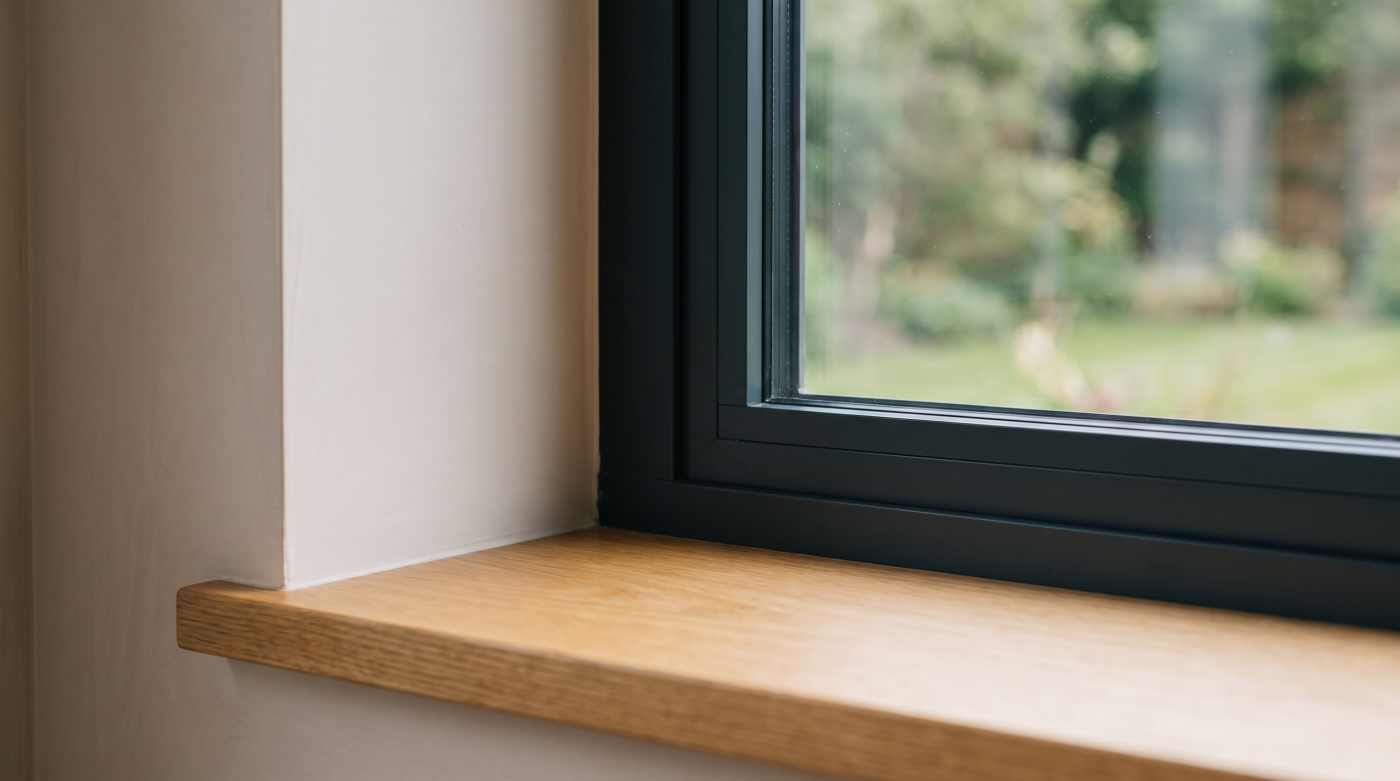
The Weakest Point May Not Be the Glass
It is possible to specify extremely capable acoustic glass and still be disappointed by how much noise reaches the room.
The reason is simple: sound does not enter a building only through the centre of the pane.
A window or door is a complete assembly. The glass sits within a frame, surrounded by seals, junctions and interfaces with the building. Opening sections introduce additional components, while ventilation provisions may create other routes through the façade. If any of those elements provide an easier path for sound, improving the glass alone can only achieve so much.
Air leakage is particularly important. Sound can travel through surprisingly small gaps, which means the quality of seals and the way the complete system closes matter alongside the acoustic performance of the glass.
The installation matters too. Perimeter junctions between the frame and surrounding construction need appropriate attention. Specifying high-performance acoustic glazing while leaving weaknesses around the installed system risks undermining the reason for choosing it.
Then there is the rest of the building envelope.
Walls, roofs and other construction elements can transmit sound, while flanking transmission describes situations where sound effectively finds an alternative route around the element being considered. If the glazing has been substantially upgraded but another path remains comparatively weak, that path can begin to determine the experience inside.
Ventilation also needs coordination. Where vents or other openings are required, their acoustic implications cannot simply be ignored while concentrating on the glass.
This explains why centre-pane laboratory data needs to be interpreted carefully. It tells us something valuable about a particular glass construction, but it should not automatically be treated as the performance of the complete installed window, door or room.
The principle is straightforward:
Sound finds the easiest route into the building.
So if a quieter home is the objective, identify that route rather than assuming the glass must always be the problem.
Acoustic laminated glass can strengthen an important part of the envelope. The best results come when the frames, seals, ventilation, installation and surrounding construction are considered with it.
Large Sliding Doors Create a Different Acoustic Challenge
Large sliding doors can transform a home, but when the property is exposed to significant external noise, they also create a particular acoustic challenge.
The reason begins with scale.
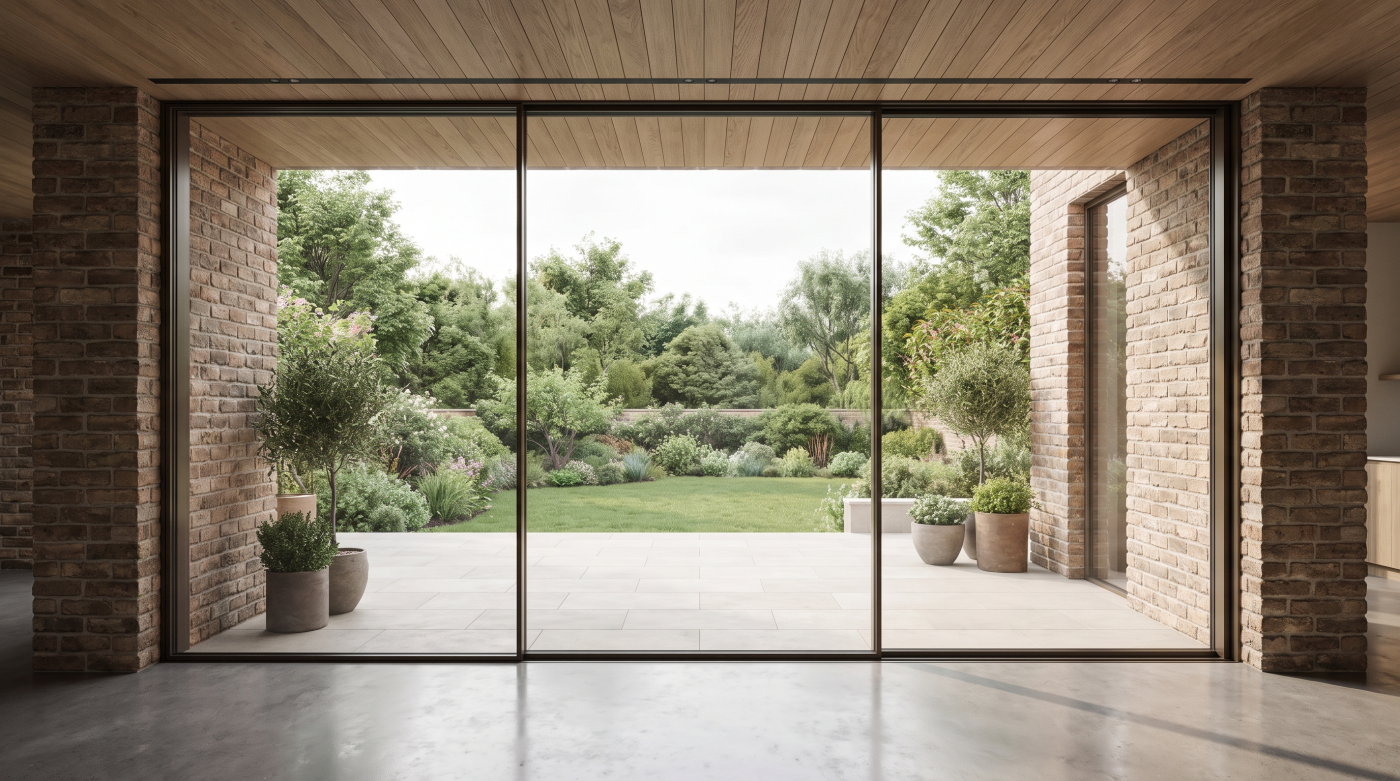
A minimal-frame sliding elevation may contain several square metres of glass. That means a substantial proportion of the external wall is effectively being replaced by a glazed system, making the acoustic performance of that complete system increasingly important.
But the glass is only one part of it.
A large sliding door contains frames, perimeter seals, panel junctions, interlocks and threshold details. Unlike fixed glazing, it also needs to move, close and seal repeatedly. Each of those elements can influence how sound is transmitted through the finished installation.
This is why an impressive acoustic figure for the centre pane should not automatically be interpreted as the acoustic performance of the complete sliding door.
The distinction becomes particularly important with minimal-frame systems. Homeowners and architects may understandably begin with sightlines, panel dimensions and the desire to create the largest possible uninterrupted opening. But if the elevation faces a busy road, railway or another significant noise source, acoustic requirements should enter the conversation before the system has effectively been chosen.
Different elevations may also deserve different priorities.
A large garden-facing slider overlooking a quiet landscape may have very different acoustic demands from glazing facing a road at the front of the same property. The specification does not necessarily need to treat every elevation identically.
There is also a wider balancing exercise. Acoustic performance must sit alongside thermal performance, solar control, structural requirements, safety and the architectural ambition for the opening.
Where noise reduction is important, verified performance information for the proposed complete system should therefore be considered where available rather than relying solely on the glass specification.
A three-metre acoustic pane may look impressive on a datasheet.
But once it becomes part of a sliding door, the performance of the door is what ultimately matters.
Is Acoustic Laminated Glass Worth the Upgrade?
Acoustic laminated glass can increase the cost and complexity of a glazing specification, but whether that additional investment is worthwhile depends on something much more important than the product itself:
How much is unwanted noise affecting the way the home will be experienced?
For a property beside a busy road, railway or persistent source of external activity, improving acoustic performance can have genuine everyday value. The difference is not simply something recorded on a technical datasheet. It can affect conversations, concentration, relaxation and, particularly in bedrooms, the quality of the internal environment.
On a quiet rural site, the same upgrade may provide considerably less benefit.
This is why acoustic glass should not automatically be specified throughout an entire property. Different rooms and elevations can face very different noise conditions. A road-facing bedroom may justify greater acoustic attention while glazing overlooking a quiet rear garden may not require the same construction.
Selective specification can therefore be valuable.
The additional cost also needs to be considered alongside the wider solution. If ventilation openings, seals, frames or surrounding construction provide easier paths for sound, spending significantly more on the glass alone may not deliver the improvement expected.
There can also be practical consequences to more substantial glass constructions. Weight, pane dimensions and compatibility with the proposed glazing system all need to be considered as part of the complete specification.
For particularly demanding locations, establishing an appropriate acoustic objective before selecting the glazing may require specialist acoustic input.
There is no responsible universal percentage that describes what an acoustic laminate will add to the cost of a project. The actual premium depends on the glass build-up, dimensions, processing and wider glazing package, so project-specific pricing is required.
The better question is not:
“Is acoustic glass worth paying extra for?”
It is:
“Which rooms are being affected by noise badly enough that better acoustic performance would materially improve the home?”
Spend the additional budget there.
Because acoustic glazing has its greatest value when it solves a noise problem you would otherwise experience every day.
How to Specify a Quieter Glazed Home
A quieter home does not begin by selecting acoustic glass from a product list.
It begins by understanding the noise.
Identify where it is coming from, when it occurs and which rooms it affects most. Continuous road traffic outside a bedroom presents a different problem from occasional activity outside a living space, just as railway or aircraft noise can require different consideration again.
Then look at the building geographically.
Which elevations face the noise source? Which are naturally protected by the building itself? A home may require greater acoustic performance on one façade while quieter elevations need a different specification. Treating every window identically can add cost without necessarily improving the spaces that matter most.
For demanding locations, an acoustic assessment can help establish an appropriate performance objective before the glazing is finalised.
Only then should the glass construction be considered.
The proposed build-up might include different pane thicknesses, laminated glass and a specialist acoustic interlayer. But the relevant decision should be based on verified performance data for that particular construction rather than simply requesting “acoustic glass”.
The complete window or door matters too.
Frames, seals, sliding-panel junctions, thresholds and perimeter installation can all influence the finished result. Ventilation requirements deserve particular attention because introducing an acoustic weakness elsewhere in the façade can undermine investment in higher-performing glazing.
The surrounding building envelope also needs consideration. Walls, roofs and junctions can provide alternative transmission paths, meaning the glazing cannot sensibly be designed in isolation.
And acoustics remain only one part of the specification. Thermal performance, solar control, safety, structural requirements and visual appearance still need to work together.
The objective should also remain realistic.
You are not necessarily designing a room in which the outside world becomes completely silent. You are designing one in which intrusive external noise is reduced sufficiently to create a materially calmer internal environment.
That is why the best acoustic glazing strategy does not begin with the question:
“What is the most soundproof glass?”
It begins with:
“What noise are we trying to reduce, where is it getting into the building, and how quiet does this space actually need to be?”
Answer those questions first, and the glazing specification can be built around the outcome rather than the product.