
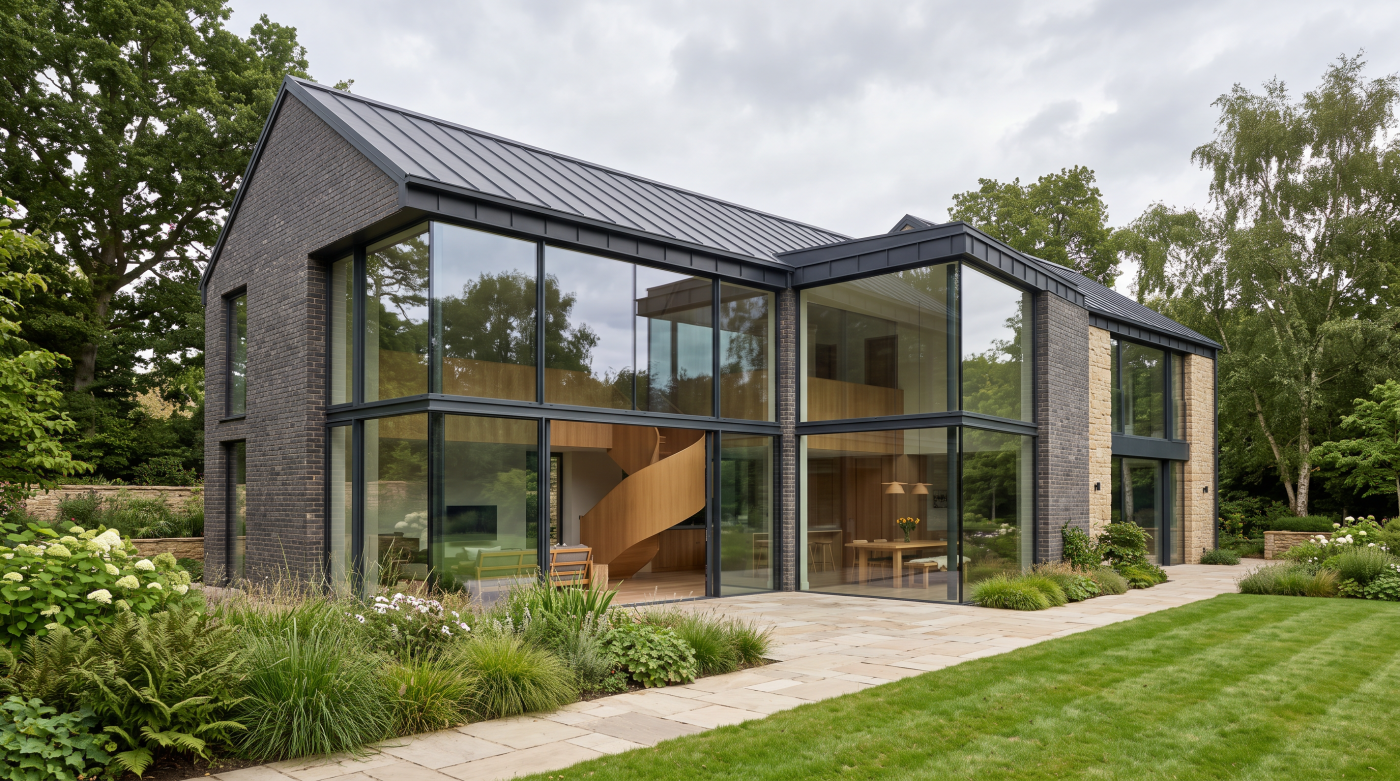
The Most Important Glazing Decisions Often Happen Before a Product Is Chosen
One of the most useful distinctions in architectural glazing is the difference between designing the glazing and selecting the product. Homeowners often associate the glazing decision with choosing a manufacturer, comparing frame materials or deciding between particular window and sliding-door systems. By the time those conversations begin, however, some of the decisions with the greatest influence on the finished result may already have been made.
Glazing starts much earlier as an architectural question. Where should the building open towards the landscape? Which views deserve to be framed? Where is privacy more important than transparency? How should a kitchen or living space connect with a terrace or garden? Which openings should provide ventilation, and which might remain fixed? Even the proportions and positioning of openings can influence how an elevation is composed and how a room feels from inside. These are not primarily product decisions. They are decisions about the experience and character of the building.
This is why architectural intent should generally precede product selection. A particular glazing system may eventually provide the means of delivering that intent, but selecting products too early can create a different problem: the architecture begins adapting itself to a solution before the underlying design question has been properly resolved. Equally, leaving glazing as a completely generic consideration for too long can allow important assumptions to become embedded in the project.
The objective is therefore not to choose the windows at the earliest possible moment. It is to understand what the glazing needs to achieve early enough for those requirements to inform the developing design. Product investigation, specialist input and detailed coordination can then become progressively more relevant as the project advances.
This is the key to understanding glazing through the RIBA stages. There is rarely one moment when the glazing is simply “decided”. Instead, decisions accumulate: first about architectural intent, then about strategy, systems, coordination and eventually procurement.
Glazing may be purchased relatively late in a project, but it begins shaping the building much earlier.
RIBA Stages 0–1: Establish the Ambition Before Discussing Systems
At the earliest stages of a project, the most useful glazing conversations are usually about outcomes rather than products. There may be no need to decide on a particular manufacturer or system yet. What matters is establishing what the architecture is trying to achieve, because those ambitions will eventually determine what the glazing needs to do.
The priorities can vary considerably between projects. A renovation may need to balance additional natural light with privacy and the character of the existing building. A rural self-build might place greater emphasis on landscape views, orientation and the relationship between principal living spaces and the outside. On a heritage property in Bath, the architectural hierarchy and significance of the existing building may place very different constraints on where greater areas of glazing are appropriate. These are fundamentally design questions, and where specialist heritage, planning or other advice is required, it should be provided by the appropriately appointed professionals.
This is why discussing specific glazing systems too early can create false certainty. Choosing a product before the architectural problem is properly understood risks allowing the solution to lead the brief. At this stage, questions such as “Which sliding door should we use?” may be less valuable than “What should this opening achieve?” Is its primary purpose to frame a view, create access, bring daylight deeper into the plan, strengthen a connection with the garden, or combine several of those objectives?
The answers create a foundation for later decisions. As the design develops, the architect can begin translating those ambitions into opening positions, proportions and relationships between glazed and solid areas. Product and system knowledge can then enter the process when it has something meaningful to respond to.
The principle is straightforward: define the architectural outcome before defining the glazing system. Early design does not need every glazing answer, but it should establish the questions that later specification needs to answer.
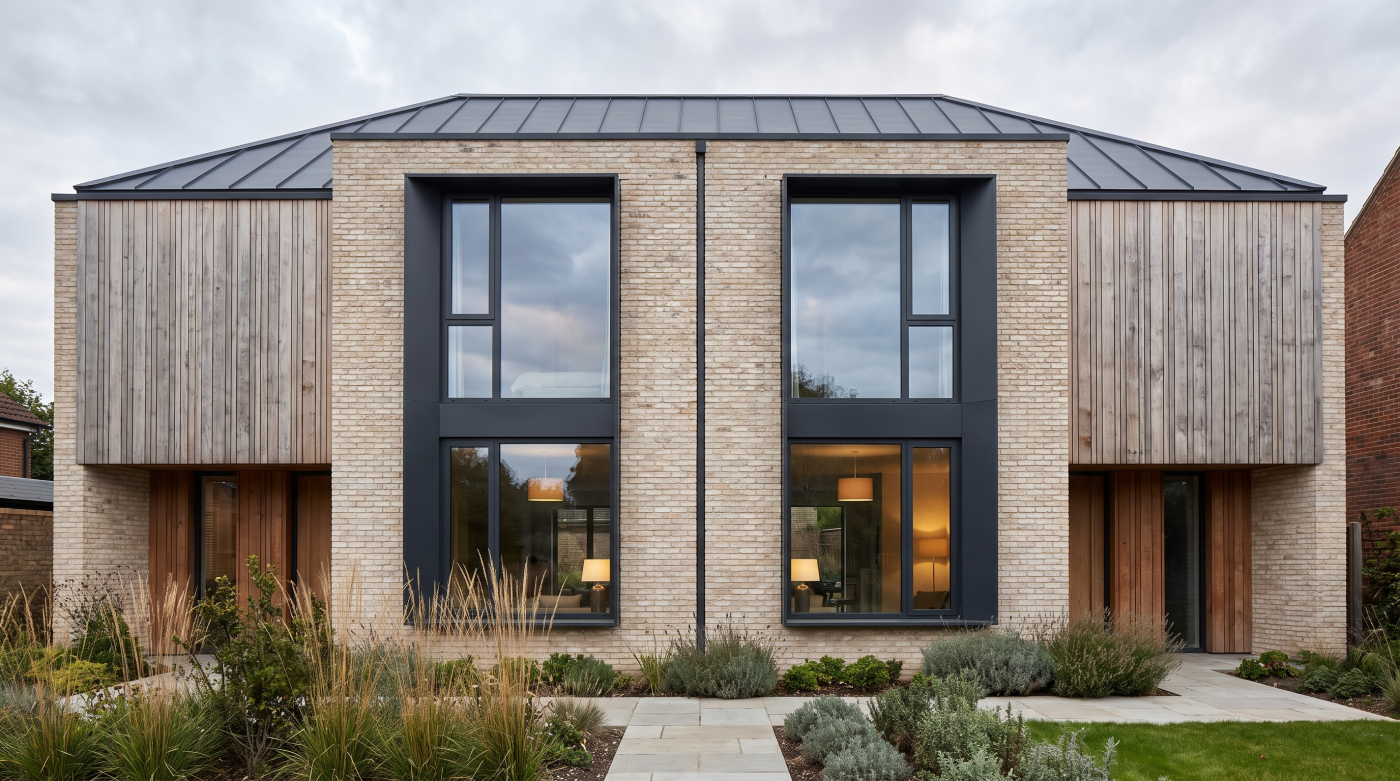
RIBA Stage 2: Glazing Starts Shaping the Architecture
By RIBA Stage 2, glazing begins to move from an ambition into a more recognisable part of the architecture. The project may still be some distance from selecting final systems, but decisions about the position, scale and purpose of glazed openings can now have a significant influence on the developing concept.
This is particularly clear when glazing is central to the way a building will be experienced. Consider a contemporary extension where the principal living space is intended to connect with a garden. The location and proportion of the main glazed opening may influence the kitchen layout, furniture arrangement, circulation and relationship with an external terrace. Elsewhere, a carefully positioned window might frame a particular view, while another elevation remains deliberately more enclosed for privacy. In each case, the glazing is doing more than admitting daylight; it is helping organise the architecture.
At this stage, there is a risk in treating every glazed area as a generic rectangle that can be resolved later. Different architectural intentions may eventually require different opening arrangements, frame relationships or glazing approaches. The architect does not necessarily need to select the final product now, but the design should begin acknowledging that the way an opening is intended to work matters as much as its position on the elevation.
This is also where the distinction between architectural intent and product selection becomes especially useful. Stage 2 can establish what the glazing needs to contribute without prematurely fixing exactly how a particular manufacturer will deliver it. That leaves room for subsequent system investigation while giving that investigation a clear architectural brief.
The question at Stage 2 is therefore not necessarily, “Which glazing system are we specifying?” It is more fundamental:
“What is the architecture asking the glazing to do?”
Answer that clearly, and later product decisions have something meaningful against which to be judged. Stage 2 is where glazing stops being simply an opening in the building and starts becoming part of the architectural concept.
RIBA Stage 3: This Is Often the Critical Glazing Coordination Window
RIBA Stage 3 can be one of the most important periods for glazing because the architectural concept is becoming more coordinated while there is still meaningful opportunity to influence how it will be delivered. The design may already establish where the principal glazed openings belong and what they are intended to achieve. The next question is whether those intentions can begin to be supported by credible glazing-system information.
This is where assumptions around glazing can become increasingly consequential. Opening arrangements, frame relationships and threshold intentions may need greater consideration, while the glazing begins to interact more closely with structural openings, floor and ceiling levels and the surrounding construction. The exact requirements will depend on the project and proposed systems, but the principle is consistent: the more developed the architecture becomes, the more useful reliable glazing information becomes.
For many projects, this creates an appropriate window for glazing-specialist involvement. That does not mean every product needs to be selected and fixed at Stage 3. Nor does it mean the glazing specialist takes control of the design. The architect remains responsible for the architectural intent and relevant design coordination, while structural requirements remain with the appropriately appointed structural professional. The specialist’s role is more focused: to bring glazing-system knowledge into the conversation so that important assumptions can begin to be tested against verified information.
A productive Stage 3 conversation might therefore explore whether the intended configurations have a credible system route, what information the design team will need next and which glazing-specific interfaces deserve further investigation before surrounding decisions become more committed.
The distinction is important. Early specialist involvement is not the same as premature product selection. Its purpose is to improve the quality of information available while the project can still use it.
Stage 3 can therefore mark the transition from designing glazing conceptually to designing with greater awareness of how the glazing might actually be realised. Replace the important assumptions at this stage, and technical design begins from a considerably stronger position.
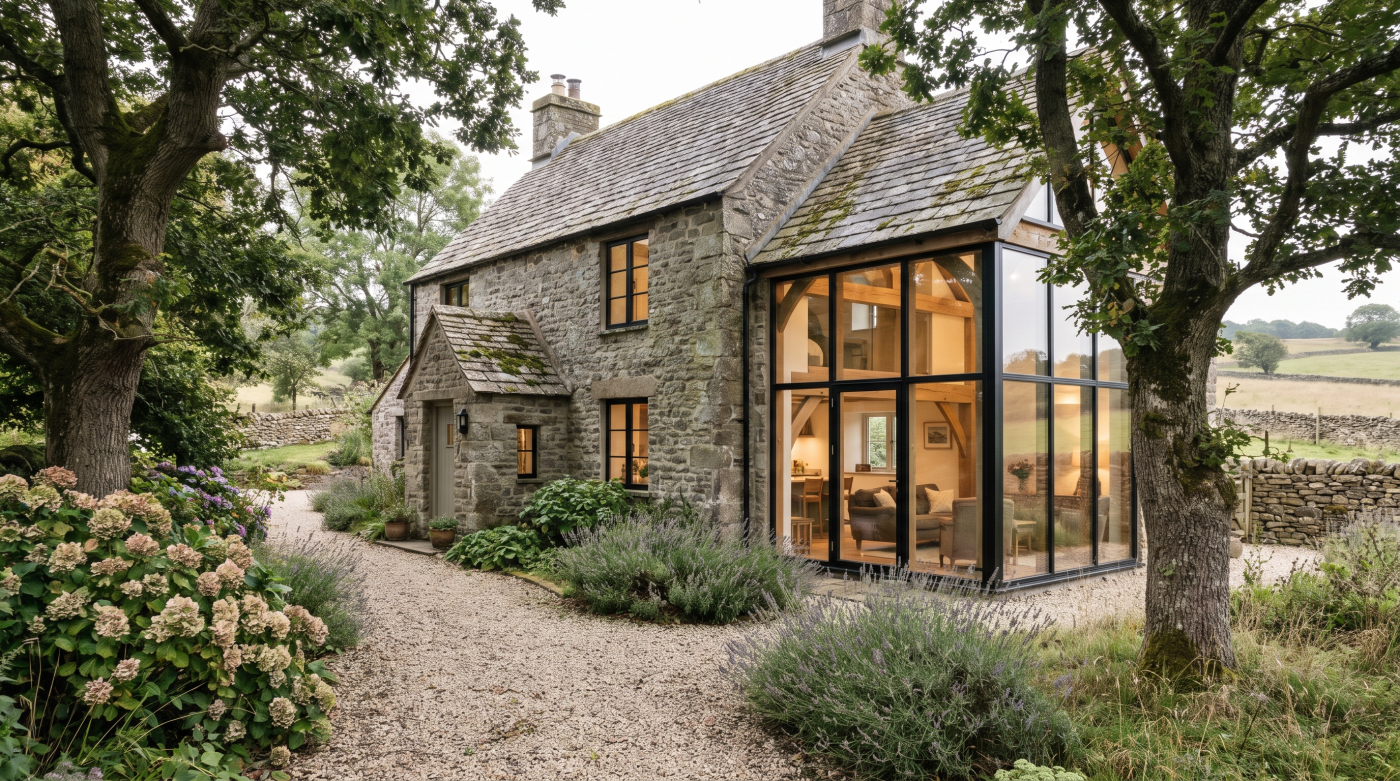
RIBA Stage 4: The Cost of Changing Direction Begins to Increase
By RIBA Stage 4, the glazing is no longer simply part of the architectural concept. Technical design is progressing, and other parts of the building may increasingly depend on decisions made around the proposed glazing. This is why unresolved assumptions become more significant at this stage: changing one fundamental element can require several surrounding decisions to be reconsidered.
The exact coordination will vary by project, but glazing may now need to be considered alongside structural interfaces, floor build-ups, threshold conditions, surrounding construction, waterproofing strategies, internal and external finishes and the intended installation sequence. Responsibility for those elements remains with the appropriately appointed members of the project team. The glazing specialist’s contribution is to ensure that relevant, verified system information is available so the glazing-specific interfaces can be coordinated with that wider technical design.
This is also where apparently similar dimensions can be misunderstood. A dimension shown during architectural design is not automatically a manufacturing dimension, just as a developing structural opening is not necessarily a confirmed site condition. The information needs to become progressively more specific as the project advances:
Design dimension → Coordinated opening → Verified system information → Manufacturing information
The precise process will depend on the selected system and project, but the distinction matters. If generic glazing assumptions survive too far into technical design, surrounding details can begin to develop around information that has never been properly tested. Discovering a conflict later may then affect more than the glazing itself.
Stage 4 should therefore be about increasing certainty, not discovering for the first time whether the architectural glazing concept has a credible route towards delivery. Not every decision needs to have been made earlier, and designs will continue to develop, but the decisions that other work depends upon need reliable information behind them.
The later a fundamental glazing decision changes, the greater the possibility that the change reaches beyond the glazing package.
RIBA Stage 5: Construction Is the Wrong Time to Rediscover the Design
By RIBA Stage 5, the emphasis should increasingly have shifted from deciding what the glazing is meant to be towards delivering what has already been coordinated. Construction will inevitably reveal site conditions that require attention, and some adaptation is a normal part of building. The problem arises when fundamental glazing decisions have been deferred so long that they only become visible once work is already progressing around them.
An opening developed around an assumption can affect more than the window or door intended to fill it. Surrounding construction may already be underway, other trades may be working to agreed information and the programme may leave less freedom to reconsider decisions without consequences elsewhere. What might have been a straightforward design conversation at an earlier stage can become a site coordination problem when time, access and completed work restrict the available options.
This is why a site measurement should ideally confirm a condition the project team has deliberately created, rather than become the moment when the glazing strategy is finally resolved. The exact requirements will depend on the selected system and project, and verified site conditions remain important before appropriate manufacturing information is confirmed. But measurement and verification are fundamentally different from discovering that an important design assumption was never coordinated.
There is also an important distinction between intelligent adaptation and uncontrolled improvisation. Buildings are not manufactured entirely under factory conditions, and real sites require professional judgement. Responding constructively to a genuine site condition is very different from asking installers or contractors to invent solutions because earlier decisions were left unresolved.
Stage 5 therefore exposes the quality of the work that came before it. If architectural intent, system information and key interfaces have been considered at the appropriate stages, construction has a clearer path towards the intended outcome.
Construction should be where a coordinated glazing strategy is realised—not where the project first discovers what that strategy needs to be.
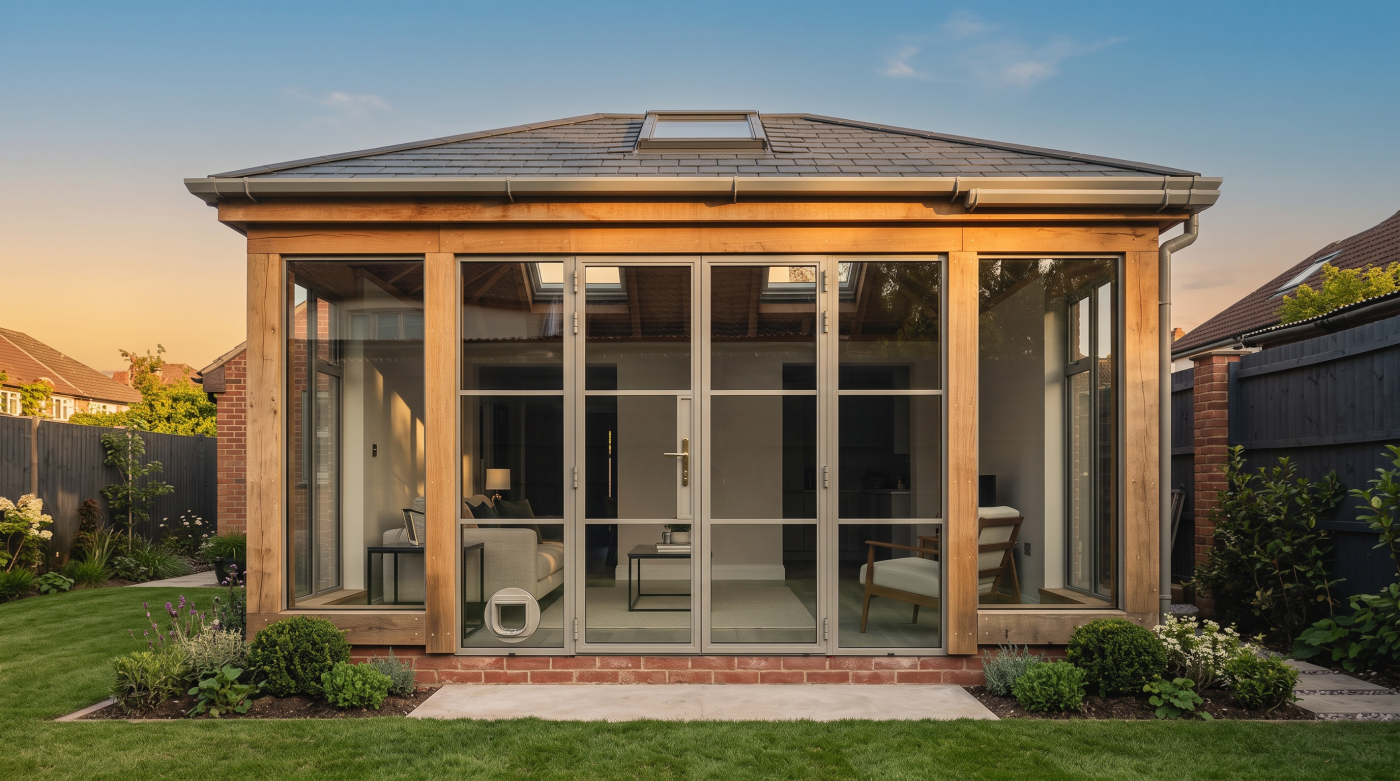
Procurement Timing and Decision Timing Are Not the Same Thing
One of the most common misunderstandings around architectural glazing is that the point at which it needs to be considered is the same as the point at which it needs to be ordered. These are two different moments. A project may be months away from placing an order while already depending on decisions about the glazing.
This distinction matters because some information needs to be understood before a commercial commitment is necessary. The architect may need greater confidence in the proposed glazing strategy so that surrounding design can develop. The structural engineer may require relevant information within their own scope. The contractor may need to understand how glazing relates to the wider construction sequence. None of this automatically means the project should purchase the glazing immediately.
In simple terms:
Decision timing ≠ Purchase timing
There is an opposite risk too. Pushing for final product decisions before the architecture is sufficiently developed can create premature commitment. If important aspects of the building subsequently change, the project may have fixed a glazing solution before the conditions around it were properly understood. Early involvement should therefore not mean choosing everything as quickly as possible.
A more useful approach is to distinguish between three moments: when something needs to be understood, when it needs to be decided, and when it needs to be ordered. Those moments will vary according to the project, system and construction programme. The relevant information and timings should therefore be established for the particular project rather than assumed from a universal schedule.
For architects and contractors, the practical question is not simply, “When are we buying the glazing?” It is, “Which decisions does the next stage of the project depend upon?” If another element of the design or construction programme requires glazing information, that information needs to arrive before the dependent work becomes difficult to change.
Good sequencing is not about making every glazing decision early. It is about making each decision early enough for the work that depends upon it.
That is the real purpose of early glazing involvement: not an earlier sale, but better-informed decisions at the moments when the project can still use them.
The Right Question Is Not “When Do We Choose the Windows?”
There is rarely a single point in an architectural project when the glazing is simply “decided”. The process is more gradual. Early conversations establish what the building should achieve; concept design determines where glazing belongs and how it contributes to the architecture; later stages introduce greater system knowledge, coordination and verification before the project eventually reaches procurement and installation.
A useful way to understand that progression is:
Ambition → Architectural intent → Glazing strategy → System investigation → Coordination → Verification → Procurement → Installation
The precise timing will vary. A listed or historic renovation in Bath may involve considerations very different from a contemporary self-build in Wiltshire or an urban extension in Bristol. Project routes, professional appointments and construction programmes also differ. The objective is therefore not to impose a universal timetable for specifying windows and doors. It is to ensure that reliable glazing information enters the project before another important decision depends upon it.
For an architect, that might mean asking: What glazing information will the design team need before the next stage becomes more committed? For a homeowner: Which decisions genuinely need to be made now, and which can safely remain open? For a builder or main contractor: Which parts of the construction programme depend on glazing decisions being confirmed? These questions recognise that different members of the project team need different information at different moments.
This is also where appropriately timed specialist involvement becomes valuable. A glazing specialist does not need to dominate the early design process or force premature product selection. The useful role is to introduce relevant system knowledge when it can help the architect and wider project team replace assumptions with better information.
That is ultimately what the RIBA stages reveal about glazing. The objective is not to make every decision as early as possible. It is to make each decision at the right moment.
So instead of asking, “When do we choose the windows?”, ask a more useful question:
“When does the project first need reliable glazing information?”
Because that is often when the glazing decision has really begun.