
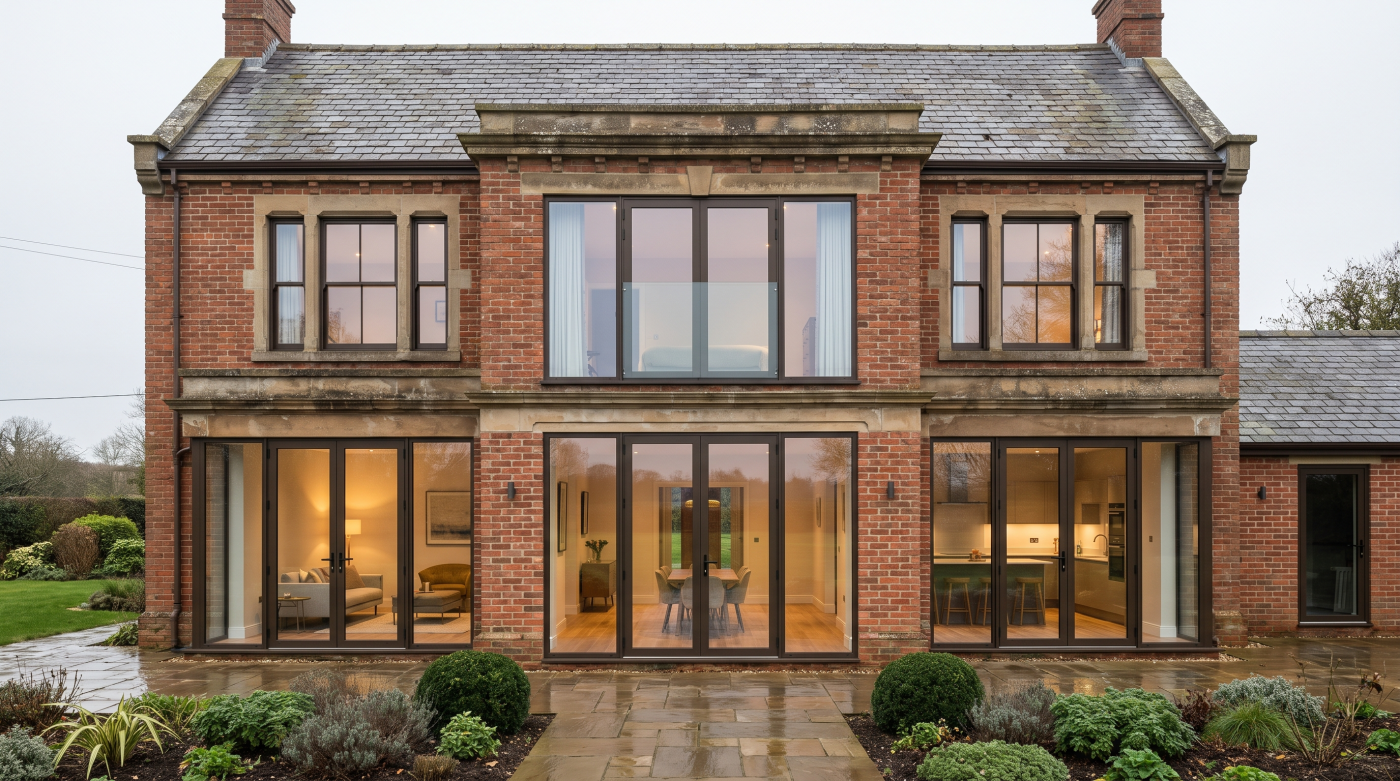
There Is No Reliable “Window ROI Percentage”
Search for the effect of new windows on property value and you will quickly encounter confident claims about percentage returns. Spend a certain amount on replacement windows, the argument goes, and a predictable proportion will come back through a higher sale price. Residential property value is far too dependent on the individual home and market for glazing to be reduced to a universal ROI percentage.
Location matters. So do property type, architectural quality, condition, buyer expectations, the standard of the wider renovation and prevailing market conditions. The effect of changing ageing windows in one property cannot simply be transferred to an architect-designed extension, a contemporary self-build or a Georgian townhouse.
Nor does spending more automatically create equivalent resale value. A premium glazing package may be entirely justified by the architecture, scale, performance requirements and quality of the project without adding its purchase cost directly to the eventual sale price.
The reverse is also important. Existing windows do not automatically damage value simply because they are old. If they remain appropriate to the building, perform their intended role and contribute positively to its character, replacement may provide little architectural benefit. In a period property, an inappropriate replacement decision could even weaken qualities future buyers value.
A more useful way to think about glazing and resale is through three ideas:
Desirability → Buyer confidence → Perceived future liability
Does the glazing make the home more enjoyable and architecturally convincing? Does its condition and operation reinforce the impression of a well-resolved property? Or does it introduce uncertainty about maintenance, repair or future expenditure?
Those questions are more meaningful than trying to attach an arbitrary percentage to the windows themselves.
Buyers purchase homes, not window schedules.
The better question is not “How much value will these windows add?”
It is:
“Will this glazing help create a home that future buyers genuinely want to own?”
Buyers Experience Glazing Before They Understand It
Most prospective buyers will not walk into a home and immediately ask which glazing system has been specified. They may never know the profile dimensions, hardware family, glass build-up or technical reasoning behind a particular opening. But they will experience the results of those decisions almost immediately.
They notice the daylight.
They notice the view.
They notice whether the kitchen feels connected to the garden, whether a living space feels open without feeling exposed, and whether large areas of glazing appear elegantly integrated into the architecture or visually dominate it.
This creates an important distinction between specification value and experienced value.
A carefully considered glazing system may contain significant technical sophistication that remains largely invisible to the eventual buyer. That does not make the specification irrelevant. Its value appears through what the architecture allows the buyer to experience.
Consider a large glazed opening facing a garden or landscape. Its contribution is not simply the quantity of glass installed. Position, proportion, frame visibility, opening configuration and relationship with the room can determine whether it creates a compelling connection with the outside or simply becomes a large window.
The same applies to daylight. More glass does not automatically create better architecture. The location and purpose of an opening matter. Well-considered glazing can bring light deeper into a plan, frame a particular view or change how spaces relate to one another.
Operation matters too. A substantial sliding door that moves as intended contributes to the impression that the house has been carefully resolved. One that feels awkward or troublesome can create the opposite impression, regardless of what it originally cost.
This is why resale influence cannot be understood solely through product specifications.
The future buyer may never know exactly why a room feels particularly good to occupy.
They do not necessarily need to.
Some of the most valuable glazing decisions are experienced through the architecture long before they are understood as specifications.
Architectural Coherence Matters More Than “Premium” Labels
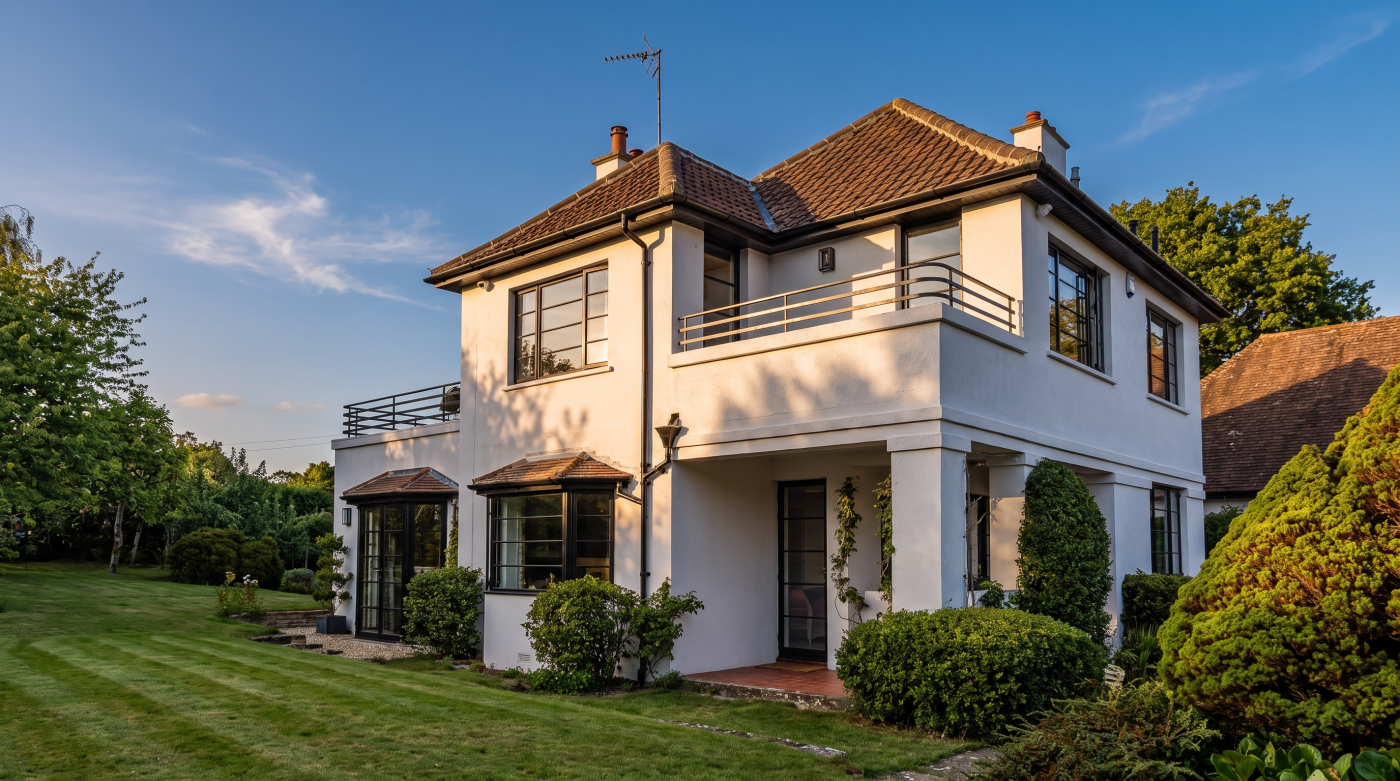
Premium glazing can contribute to the quality and desirability of a home, but price, brand and technical sophistication do not create architectural value on their own. An expensive glazing system used without sufficient consideration for the building can still produce an awkward result.
What matters is how successfully the glazing belongs within the architecture.
Frame proportions, sightlines, opening configurations and alignment all influence the finished composition. So does the relationship between glazing and surrounding materials. On a contemporary extension, carefully controlled frames might support a deliberate contrast between old and new. Elsewhere, a visually dominant system could compete with an elevation that would benefit from greater restraint.
Consistency matters too. Windows are rarely experienced individually from outside a property. They form part of elevations, and elevations form part of the complete building. Changes in frame weight, alignment, opening patterns or proportions can therefore influence whether the architecture feels intentional or assembled from a collection of unrelated decisions.
Period properties make this particularly important. Replacing existing windows with a more expensive modern product does not automatically improve the building. If the replacement changes proportions, detailing or character inappropriately, technical improvement can come at the expense of architectural coherence. Where heritage significance or permissions are involved, the relevant professionals and authorities should guide those decisions.
This leads to an important distinction:
Price is not the same thing as perceived quality.
A future buyer may have no idea what the glazing cost. What they can experience is whether the building feels resolved.
That is why premium specification should not begin with the question:
“Which system will look most expensive?”
It should begin with:
“Which glazing solution best supports the architecture we are trying to create?”
When product, proportion, detailing and architectural intent reinforce one another, glazing can contribute significantly to the perceived quality of the complete home.
Value emerges when the product serves the architecture—not when the architecture becomes a showcase for the product.
Condition Can Influence Buyer Confidence and Perceived Future Cost
A prospective buyer does not need to understand glazing technology to recognise when something appears to need attention. Misting between panes, difficult operation, deteriorated finishes or doors that no longer move as expected can all become visible during a viewing. The commercial significance is often not the defect itself, but the uncertainty it creates about what happens next.
A buyer may begin wondering whether one problem indicates several others. Will the glazing need repairing? Are replacement parts available? Will the complete window or door eventually need changing? How disruptive might that be?
The actual technical issue could be relatively limited, but until it is understood, the buyer may perceive a much larger future liability.
This is why condition can influence resale differently from specification. A technically sophisticated glazing system that has been poorly maintained may create less confidence than a simpler system that remains appropriate, functional and well cared for.
It also means wholesale replacement before selling should not automatically be considered the answer. A failed glazing unit, hardware issue or operational problem does not necessarily mean the complete window has reached the end of its useful service. Identifying the cause and investigating appropriate maintenance or repair may sometimes be a more proportionate response.
The principle is particularly relevant to premium glazing. Large sliding doors and substantial glazed assemblies can appear expensive to replace, so visible problems may create considerable uncertainty for someone considering taking ownership of the property.
Good maintenance therefore contributes to more than physical longevity. It helps preserve confidence in the quality of the home.
For homeowners considering a future sale, the useful question is not simply:
“Should we replace the windows before putting the house on the market?”
It is:
“Are there unresolved glazing problems that could make a buyer uncertain about the condition and future cost of owning this home?”
Resale perception is influenced not only by what a feature provides today, but by what the future buyer believes it may require tomorrow.
Performance Matters Most When the Buyer Can Feel the Difference
Energy efficiency has become an increasingly visible part of the property conversation. Buyers may encounter EPC ratings, insulation standards, heating costs and claims about high-performance glazing before they ever arrange a viewing. But technical performance becomes most compelling when it translates into a better experience of the home itself.
Comfort is one example.
Large areas of glazing can create exceptional daylight and views, but those architectural benefits need to work alongside the performance requirements of the building. When a room remains comfortable and enjoyable to occupy, the buyer experiences the outcome even if they never investigate the specification behind it.
Acoustic performance can matter in a similar way. In locations affected by road traffic, urban activity or other external noise, the experience of a calmer interior may contribute significantly to how a property feels. The appropriate glazing strategy will depend on the particular building and noise conditions, but the principle is clear: performance has greater meaning when it solves a real problem.
The same applies to operation. Doors and windows that open, close and move as intended reinforce the impression of a well-considered home.
None of this means that installing higher-performance glazing automatically produces a particular increase in property value, EPC rating or reduction in energy bills. Windows form only part of the building envelope, and overall outcomes depend on the wider construction, ventilation, heating strategy, installation and numerous project-specific factors.
For more informed buyers, documented performance may still provide useful reassurance. But numbers and certificates are strongest when they support something the architecture already demonstrates.
The specification objective should therefore not be:
“Choose the highest-performing glazing because it will add more resale value.”
It should be:
“Establish the performance the building genuinely requires, then specify glazing capable of supporting it.”
When technical quality produces noticeable comfort, quieter spaces, reliable operation and better architecture, performance stops being an abstract specification.
It becomes part of the experience the future buyer is considering purchasing.
Heritage Properties Can Lose Value Through the Wrong Replacement Decision
In a period property, the assumption that newer windows automatically make the building more desirable can be particularly misleading. Existing windows may contribute to the architectural character that attracted a future buyer to the property in the first place.
Proportion, glazing patterns, frame profiles, detailing and the relationship between windows and the wider elevation can all influence how a historic building is experienced. In Georgian, Victorian and other architecturally significant homes, changing those elements without sufficient consideration can alter more than the performance of individual openings. It can change the character of the building itself.
This makes the resale conversation more complicated.
A technically higher-performing replacement may offer genuine benefits, but those benefits need to be considered alongside what would be removed. If valuable historic fabric or important architectural qualities are lost in the process, modernisation should not automatically be assumed to mean improvement.
That is particularly relevant in areas such as Bath and the Cotswolds, where period properties can form an important part of the premium residential market.
But age alone should not determine the decision either. Not every old window is original or architecturally significant. Some properties already contain later replacements, while others may have windows whose condition makes further intervention appropriate.
A better sequence is:
Significance → Condition → Repairability → Performance → Appropriate intervention
Where heritage significance, listed status or permissions are relevant, the appropriate architect, conservation or heritage professional and relevant authorities should guide those aspects of the decision. A glazing specialist can contribute system and product knowledge where suitable repair, upgrading or replacement options are being investigated.
For homeowners considering long-term value, the important principle is straightforward:
Do not assume that replacing something old with something new automatically makes a character property more desirable.
In historically significant homes, future buyers may value precisely the architectural qualities that an inappropriate replacement removes.
Sometimes creating long-term value means adding something better.
Sometimes it means recognising what is already worth keeping.
Documentation Can Become Part of the Value Story
Premium glazing can represent a significant investment in a home, yet years after installation surprisingly little information may remain about what was actually specified. For a future owner, an unidentified glazing system can create unnecessary uncertainty even when the product itself remains perfectly serviceable.
A buyer may reasonably want to know who manufactured the windows or doors, when they were installed, what maintenance is recommended and who originally supplied them. If a component eventually requires attention, knowing the system can also provide a much better starting point for investigating appropriate servicing or replacement parts.
This is where documentation becomes part of long-term ownership.
For a substantial glazing installation, a simple glazing record could retain relevant information such as:
- Manufacturer and system details
- Installation and supplier records
- Relevant product information
- Maintenance and operating guidance
- Warranty documentation
- Service or repair history
The precise information available will depend on the products and project, but the principle is straightforward: if considerable effort has gone into specifying the glazing, preserve the evidence of what was specified.
This can become particularly valuable when a property changes ownership. The original homeowner may understand why certain systems were chosen, but the next owner was not part of those conversations. Without documentation, premium architectural glazing can eventually become little more than an unidentified window or door that somebody has to investigate from scratch.
Documentation should not be presented as something that directly increases a property’s financial valuation. Its more defensible role is reducing uncertainty and helping future owners understand what they are taking responsibility for.
It can also reinforce a wider impression of quality. A carefully documented home suggests that specification, installation and subsequent ownership have been approached deliberately rather than treated as disconnected events.
For architects, builders and glazing specialists, that makes handover part of the long-term value conversation.
Premium specification becomes more credible when the next owner can establish what was actually installed.
If the glazing has been designed to remain part of the home for decades, its information should be designed to survive the change of ownership too.
Design for the Future Buyer Without Designing for Resale
Thinking about resale value does not mean a home should be designed around the imagined preferences of an unknown future purchaser. Trying to predict exactly what buyers will want in ten or twenty years can encourage generic decisions and short-lived responses to current property trends. A stronger strategy is to create enduring qualities that remain useful regardless of who eventually owns the home.
For glazing, those qualities are relatively clear.
Good daylight. Useful views. Appropriate privacy. Comfortable internal spaces. A meaningful relationship with the garden or landscape. Reliable operation. Coherent architecture. Appropriate performance. Maintainability. And products that continue to make sense as part of the building.
These characteristics are valuable because they contribute to the experience of living in the property rather than simply creating features for an estate-agent listing.
The same principle applies to longevity. If glazing remains architecturally appropriate, can be maintained and continues performing its intended role, a future owner has fewer reasons to regard it as an immediate replacement project. Clear documentation can strengthen that position further by helping the buyer understand what was installed and how it has been cared for.
A useful long-term framework is:
Architecture → Experience → Performance → Condition → Longevity → Evidence → Buyer confidence
None of those stages guarantees a particular sale price. Together, however, they describe something more useful than a speculative return-on-investment percentage: a home whose glazing continues to support its quality rather than becoming a reason to question it.
This is why designing purely for resale can be counterproductive. The objective should not be to create the house that appears most compatible with today’s list of desirable features. It should be to make good architectural decisions that remain defensible after those trends have changed.
Ultimately, glazing does not add value simply because it is expensive, new or technically impressive.
It contributes to value when it helps create a better home: better architecture, better light, better connection, appropriate comfort, credible quality and fewer reasons for the future owner to worry.
Buyers purchase homes, not window specifications.
But the right glazing can be one of the reasons they want the home.