
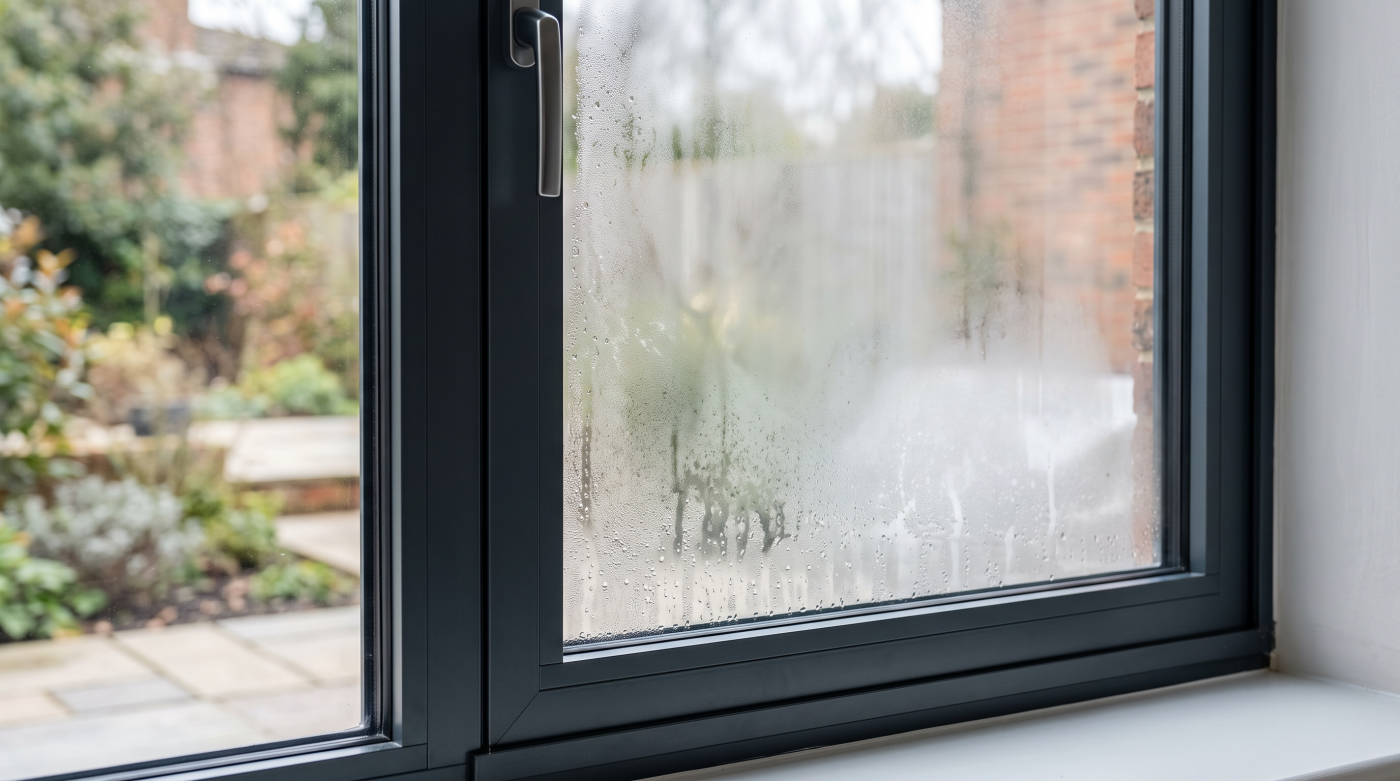
Warning Sign One: Rooms Feel Draughty Around the Windows
A room can be warm according to the thermostat and still feel uncomfortable beside a window. That experience is often described simply as a draught, but the sensation does not always identify the problem as neatly as the word suggests.
There may be unwanted air movement around an opening section, seal or the junction between the window and surrounding construction. Equally, a homeowner can experience discomfort close to a cold glazed surface without there being an obvious stream of outside air entering the room. From the chair beside the window, the distinction may be difficult to recognise. From a diagnostic point of view, it matters.
A noticeable change is particularly worth investigating. If a window that once felt comfortable becomes persistently draughty, something may have altered in the way it closes, seals or relates to the surrounding opening. If several windows behave similarly, the pattern may suggest a broader issue. Neither observation, however, proves that wholesale replacement is necessary.
This is why comfort should be treated as evidence rather than diagnosis. The useful first question is not whether the window is old enough to replace, but where the discomfort is actually coming from and what has changed.
A persistent draught deserves attention because windows form part of the boundary between internal comfort and external conditions. But before choosing a replacement, establish whether the problem lies with the window itself, one of its components or the construction around it. The symptom tells you where to investigate; it does not yet tell you what to buy.
Warning Sign Two: Condensation Appears Where It Didn’t Before
Condensation is one of the most easily misinterpreted signs of a window problem. Moisture on or around glazing is often taken as evidence that the window has failed, yet where the condensation appears can be more informative than the fact that it exists at all.
Condensation on the room-facing surface of the glass is connected to the relationship between moisture in the indoor air and the temperature of that surface. Ventilation, heating, occupancy and external conditions can therefore all influence what appears on the pane. Its presence does not, by itself, establish that the window needs replacing.
Moisture appearing within the glazed unit is different, as is dampness developing around the frame or surrounding construction. These symptoms deserve separate investigation rather than being grouped together under the general description of condensation. What looks similar to the homeowner may originate from quite different conditions.
A change in behaviour can be particularly useful evidence. A window that has remained clear for years and begins showing persistent moisture is telling you that something may have changed, whether within the glazing, the room or the building around it. The pattern matters too: one affected window can suggest something different from condensation appearing throughout the house.
The important response is therefore observation before conclusion. Notice where the moisture forms, when it appears and whether it is isolated or widespread. Condensation can be an important warning sign, but it is not a diagnosis in itself. Understanding its location and context is the first step towards understanding what, if anything, is actually failing.
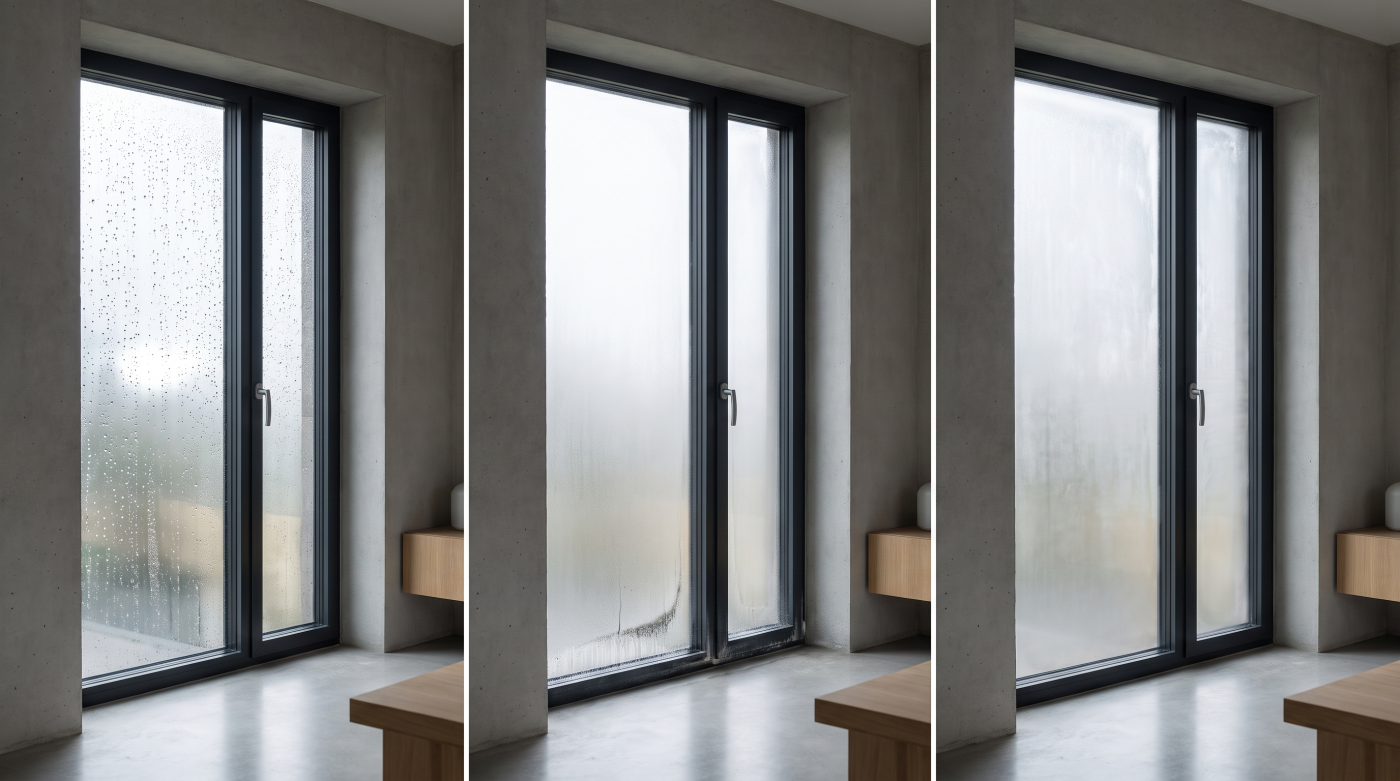
Warning Sign Three: Windows Become Difficult to Open, Close or Lock
Windows are part of the building envelope, but opening windows are also mechanical objects. Hinges, handles, locking mechanisms and moving sections are expected to operate repeatedly while still returning to a properly closed position. When that operation begins to change, it is worth understanding why.
The first signs can be subtle. A handle may require more effort than it once did, a sash may begin to catch, or the window may need an extra push before it closes. These inconveniences are easily tolerated at first, particularly when the window remains usable. Gradual deterioration can therefore become normal long before anyone considers whether something requires attention.
Difficulty in operation does not automatically mean that the window itself has reached the end of its life. Hardware can wear, moving elements may require attention and alignment can change over time. The important point is that repeatedly forcing a reluctant window does not explain what has changed and may allow a relatively contained problem to develop further.
Patterns can again provide useful clues. One troublesome opening may indicate a local issue, while similar behaviour across several windows may justify looking more broadly at their age, condition and maintenance history.
A window should not merely look intact when closed. It should continue to perform the basic movements for which it was designed. If opening, closing or locking has become noticeably more difficult, treat that change as a reason to investigate rather than simply adapting to it. The question is not yet whether the window needs replacing, but why something that once operated normally no longer does.
Warning Sign Four: Water Is Appearing Around the Opening
Water appearing around a window deserves attention, but the place where moisture becomes visible is not necessarily the place where it entered the building. A stain beneath a frame, dampness around a reveal or water appearing after heavy rain may suggest an obvious conclusion, yet moisture can travel through surrounding construction before revealing itself internally.
The window itself may form part of the problem, but so may the junction between the frame and the building or another element of the external fabric nearby. Exposure also matters. A problem that appears only during particular combinations of wind and rain can behave very differently from persistent dampness that remains regardless of the weather.
This is why simply replacing the window without understanding the route taken by the water can be an expensive assumption. A new frame cannot necessarily correct a problem originating elsewhere in the building, just as repairing surrounding construction will not resolve an issue that genuinely belongs to the glazing or its immediate interfaces.
Patterns are useful evidence. Notice whether moisture follows rainfall, whether it occurs around one opening or several, and whether staining is changing over time. The objective is not for the homeowner to diagnose the building themselves, but to provide enough context for the source to be investigated intelligently.
Visible water should not be ignored, particularly where it is recurring. But it should also not be allowed to answer a question it cannot answer on its own. Water around a window tells you that something requires investigation. It does not necessarily tell you that the window is what has failed.
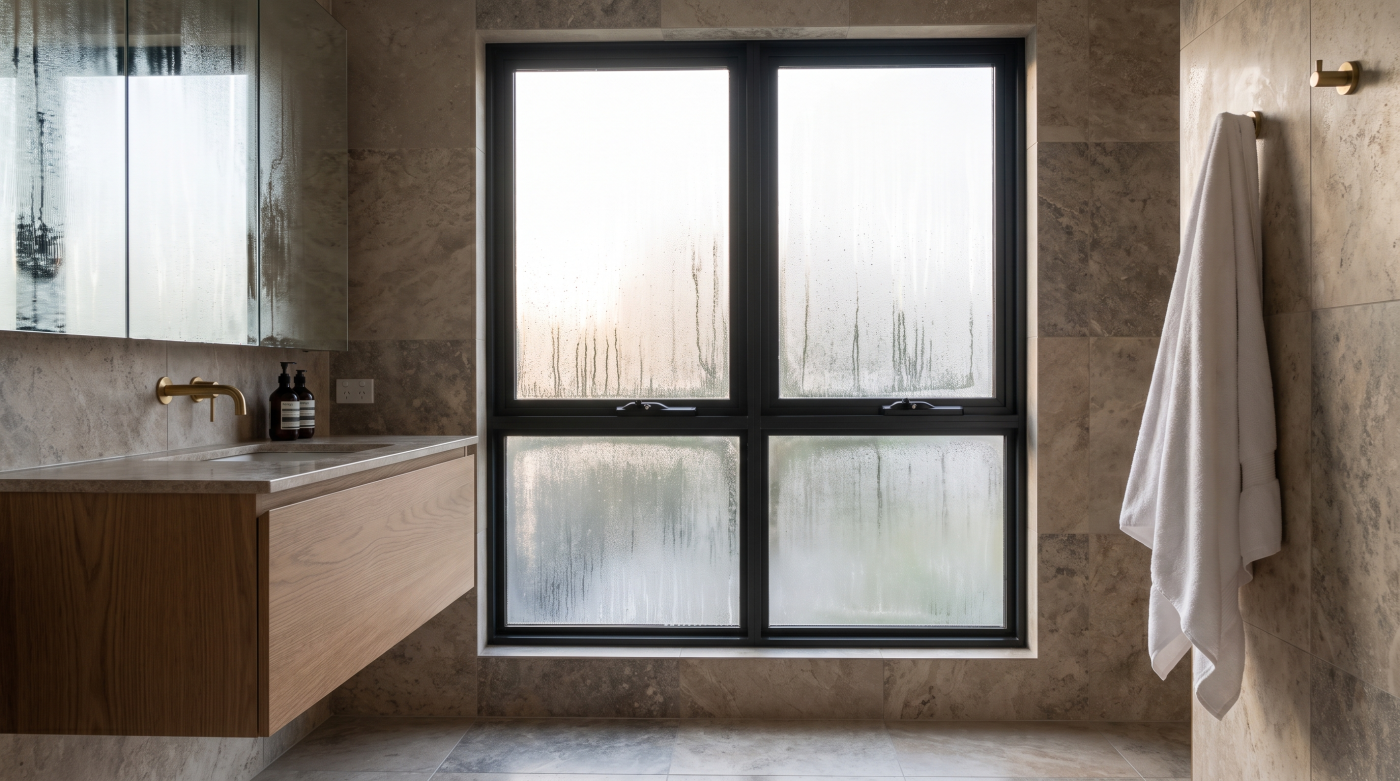
Warning Sign Five: The Frame or Surrounding Material Is Visibly Deteriorating
Visible deterioration can seem like the clearest evidence that a window is failing. Peeling finishes, cracking, corrosion, decay or damaged material around an opening are tangible in a way that a draught or occasional condensation is not. Even here, however, appearance alone does not necessarily determine what should happen next.
Windows age differently according to their material, exposure and maintenance history. A deteriorated surface finish may require attention without indicating that the underlying window has reached the end of its useful life. More extensive decay or damage may have greater implications, particularly where it begins to affect operation or the condition of adjoining construction. The important distinction is between cosmetic ageing and deterioration that is compromising how the window performs.
Repeated problems also deserve consideration. If the same area has been repaired or refinished several times and deterioration continues to return, understanding the underlying cause becomes more useful than simply repeating the treatment.
This judgement is particularly important in period and historically significant buildings. An older window should not be considered unsuitable merely because it shows its age. Original fabric can contribute materially to the character and significance of a building, and deterioration does not automatically mean wholesale replacement is the appropriate response.
Condition therefore needs to be understood rather than simply observed. What is deteriorating, how extensive is it, and is the problem superficial or affecting the window’s function? Visible damage is a warning sign, but age alone is not a diagnosis. The objective is to understand what can reasonably be retained, what requires intervention and only then whether replacement deserves consideration.
One Symptom Can Have Several Causes
The difficulty with window problems is that the symptom is often much easier to observe than the cause. A draught can be felt, condensation can be seen and a stiff opening can be experienced every time the handle is used. It is tempting to move directly from that evidence to a conclusion about the window itself.
Buildings are rarely so straightforward. A window combines glass, frames, seals, hardware and installation, while also meeting walls, finishes and other parts of the building envelope. Internal conditions matter too. Ventilation, humidity and heating can influence what happens at the glazing without anything necessarily having failed within the window.
Patterns can help make sense of this complexity. One troublesome window may suggest a local issue. Similar symptoms throughout the house may point towards something more widespread. Problems concentrated on one elevation can raise different questions from those occurring regardless of orientation or weather. Even the timing matters: a longstanding characteristic of the building is different from a problem that has appeared suddenly.
This is why replacement should not become the automatic response to an unexplained symptom. A new window may resolve the problem when the existing window is genuinely responsible, but it cannot reliably correct a cause that has been misunderstood.
The more useful approach is diagnostic. Establish what is happening, where it occurs and whether there is a recognisable pattern before deciding what intervention is appropriate. Windows are components within a larger building system. Sometimes they are the source of the problem; sometimes they are simply where a problem elsewhere becomes visible.
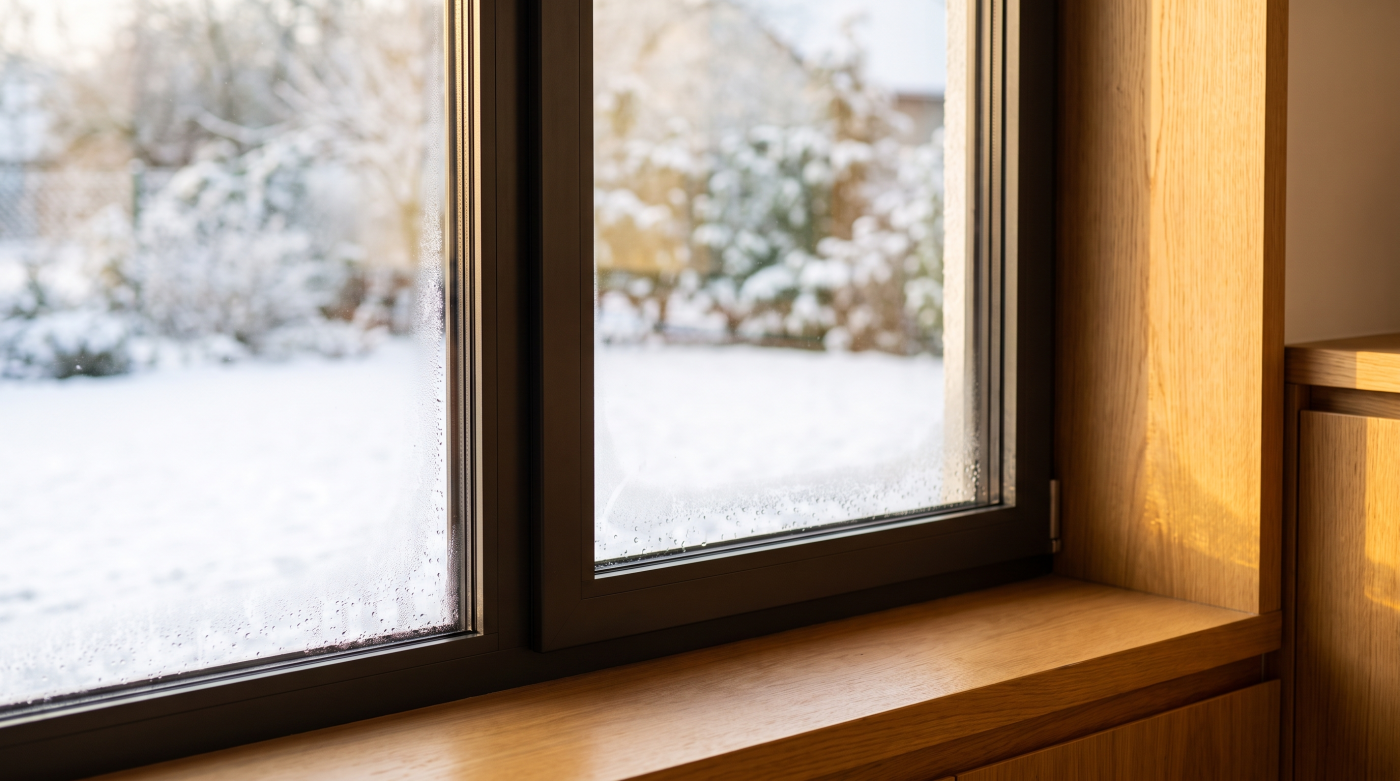
Repair, Upgrade or Replace?
Once a problem has been identified, replacement can feel like the obvious next step. A new window appears to offer a clean solution: remove the ageing component and begin again with something designed to meet contemporary expectations. In some projects that will be entirely appropriate. In others, the existing window may still have considerable useful life or architectural value.
The decision depends partly on what is actually wrong. A localised issue with hardware, seals or finishes presents a different question from widespread deterioration affecting numerous openings. Performance objectives matter too. A substantial renovation may create an opportunity to reconsider the glazing as part of a broader strategy for comfort, energy use and architectural design, rather than treating each troublesome window individually.
Existing buildings require particular judgement. In a period property, and especially where windows contribute to the historic character of the architecture, age should not be confused with failure. Original fabric may be significant in its own right, and repair or sensitive improvement may deserve consideration before wholesale replacement. Where replacement is appropriate, the architectural consequences become as important as the fact that a newer window is being introduced.
There is therefore no universal point at which an old window becomes a replacement window. Condition, significance, performance and the ambitions of the wider project all influence the decision.
The useful sequence is diagnosis first, intervention second. Understand what has failed and what the building needs before choosing between repair, upgrade or replacement. The best intervention is not necessarily the newest one, but the one that responds most intelligently to the existing building.
Look for the Cause Before You Shop for the Replacement
Once windows begin showing their age, it is easy for the conversation to move immediately towards replacement. Yet the more useful first step is often to understand the pattern of what is happening. Which windows are affected? Are the problems isolated or widespread? Have they appeared recently, or developed gradually over many years? The answers can provide important context before any new specification is considered.
This becomes particularly valuable during a substantial renovation. Windows do not need to be considered independently from the rest of the building. Changes to insulation, ventilation, heating, internal layouts or the architecture itself may alter what the glazing needs to achieve. A replacement decision can therefore become part of a wider conversation about comfort, performance and design rather than simply an exchange of old frames for new ones.
Period buildings require an additional layer of judgement. Existing windows may contribute significantly to the character of an elevation, and in listed or historically important properties their architectural significance may need to be understood before intervention is considered. Visible age or deterioration should not automatically erase that value.
The five warning signs are therefore best treated as prompts for investigation. Draughts, condensation, difficult operation, water and deterioration all deserve attention, but none provides a universal instruction to replace.
Before shopping for the solution, understand the problem. A considered glazing project begins not with the question of which new window to choose, but with a more fundamental one: what is the existing window, and the building around it, actually telling you?