
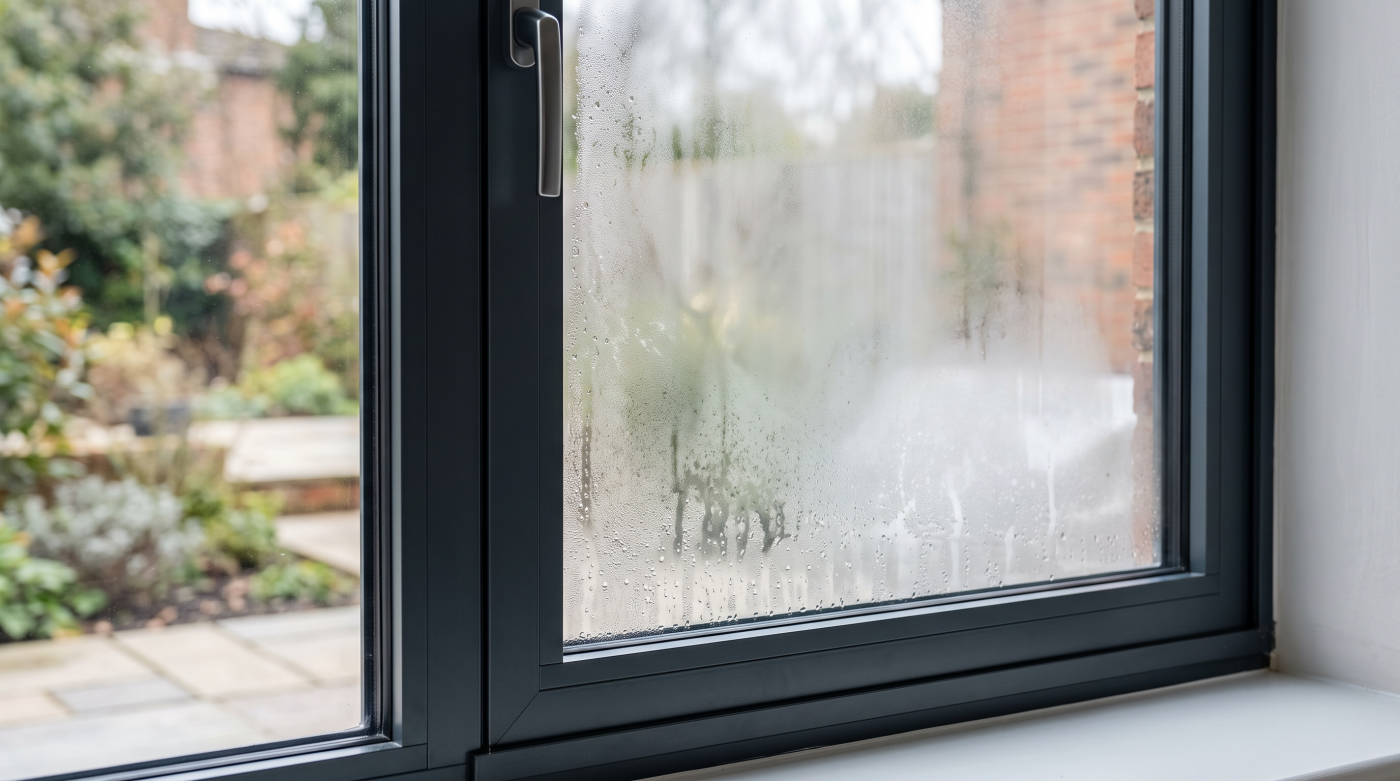
The Window Is Visibly Deteriorating — or No Longer Works Properly
Some reasons for questioning a window are difficult to ignore.
Its condition may have visibly changed. Frames or finishes can begin to show deterioration, components may no longer appear as they once did, or the window itself may have become increasingly difficult to use.
These are two of the clearest signs that something deserves attention.
They are not, however, a diagnosis.
A window that has become difficult to open does not automatically need replacing. Nor does visible deterioration, by itself, explain what caused the change or establish the most appropriate response. Depending on the window and the building around it, maintenance, adjustment, repair or further investigation may all form part of the conversation.
This distinction becomes particularly important in older properties, where existing windows may form part of a much wider architectural and historical context.
The useful question is therefore not simply whether the window looks old.
Ask what has changed.
Does it operate differently from before? Has its physical condition deteriorated noticeably? Is the problem isolated to one opening or does it appear more widely across the property?
Those observations begin to describe the problem without prematurely deciding the solution.
Visible deterioration and unreliable operation are legitimate reasons to investigate your windows.
But replacement should come after understanding what you have found, not merely because the first signs of age have appeared.
You Can Feel the Window Affecting the Comfort of the Room
Not every window problem announces itself visually.
Sometimes you notice it because of how the room feels.
There may be persistent draughts or noticeable air movement around the window. Perhaps sitting beside the glazing has become uncomfortable, or one part of a room consistently feels different from the rest despite nothing obviously appearing wrong with the frame itself.
These are legitimate reasons to investigate the glazing.
They are not necessarily proof that the window alone is responsible.
Comfort within a room is influenced by several relationships. The glazing matters, but so can the way it meets the surrounding building, the wider construction and the conditions within the space itself. What feels like a simple window problem may therefore deserve a broader question before replacement is considered.
This is particularly important because discomfort is subjective but still meaningful.
A window does not need to be visibly damaged before it begins to feel inadequate for the way a homeowner wants to use the room. Equally, replacing the window without understanding the source of that discomfort risks treating the most obvious component rather than the underlying issue.
The useful evidence is the pattern.
If a particular area repeatedly feels uncomfortable, or draughts and air movement have become a persistent feature of living beside the window, something deserves closer attention.
The window may ultimately be part of the answer.
First, establish whether it is actually the source of the problem you are trying to solve.
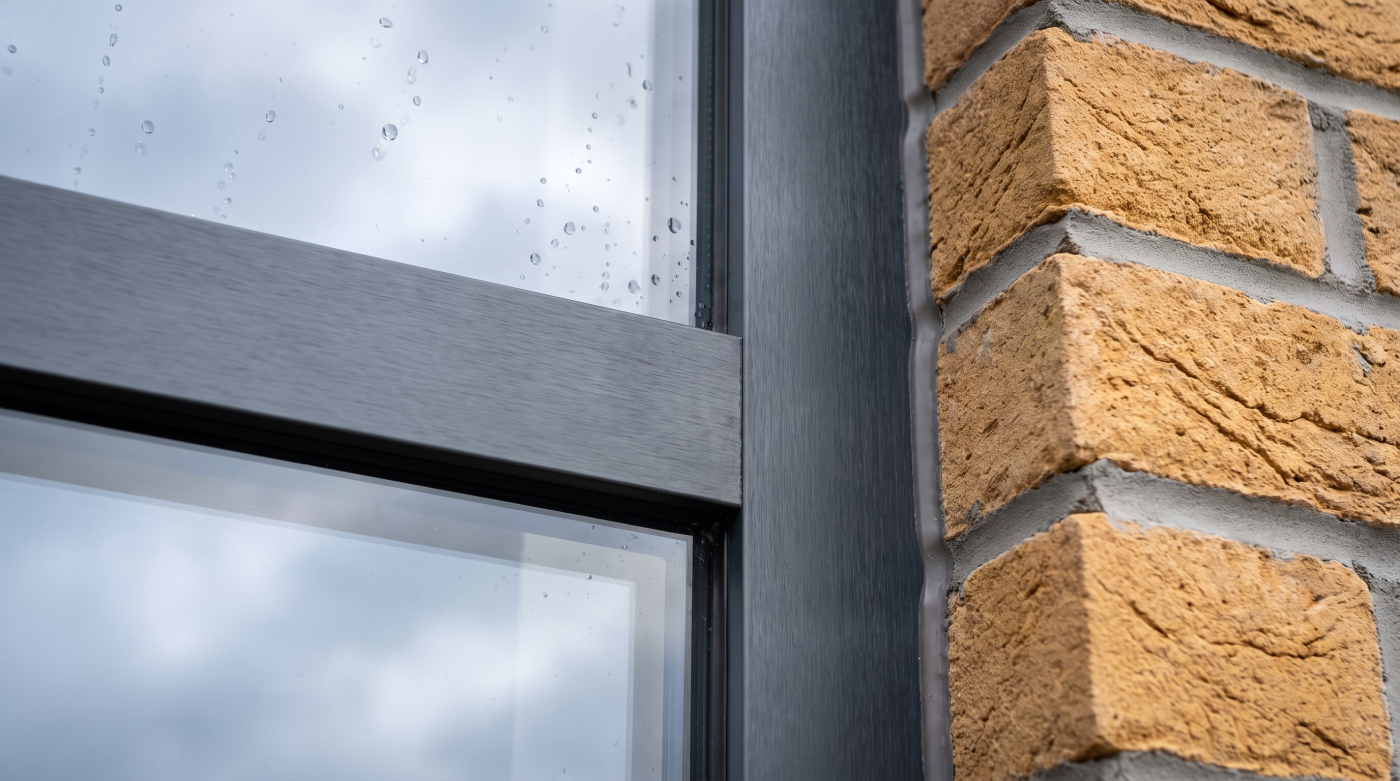
Condensation Keeps Appearing and You Don’t Know Why
Condensation is one of the quickest ways to make homeowners question their windows.
Moisture appears on or around the glazing, sometimes repeatedly, and the obvious conclusion is that something about the window must have failed.
The reality can be more complicated.
Condensation describes visible moisture, but it does not by itself explain why that moisture has appeared. Where it forms, when it occurs and the conditions within the building can all matter when trying to understand what is happening.
Indoor humidity, ventilation, temperature, the glazing and the behaviour of the wider building may each be relevant depending on the circumstances.
This is why condensation should be treated as evidence rather than an automatic instruction to replace the window.
The distinction is particularly important in older properties, where changing one element of the building can sometimes alter how the house behaves as a whole. A symptom appearing at the glass does not necessarily mean its underlying cause began there.
Persistent or changing condensation is still worth investigating.
If moisture has started appearing where it did not before, occurs regularly or seems associated with particular windows, it is reasonable to want to understand why.
But begin with the cause rather than the replacement.
A new window may ultimately form part of the appropriate response. The presence of condensation alone is not enough to establish that conclusion.
The Outside World Has Become Too Present Inside
Windows do more than provide a view. They also form part of the boundary between the atmosphere of a room and everything happening beyond it.
Sometimes that relationship changes.
Traffic may have increased. Neighbouring properties may be used differently. A previously quiet road may no longer feel quiet, or the way you use a room may make external noise considerably more noticeable than it once was.
That can make existing glazing feel inadequate even when nothing obvious has physically failed.
Noise is therefore another legitimate reason to reconsider what the windows are being asked to do. So is a more general sense that the room no longer feels sufficiently separated from the environment outside.
Neither automatically means replacement is the answer.
Sound can reach and move through buildings in different ways, and windows form only part of the wider construction. Openings, ventilation and surrounding elements can all influence what is experienced inside. Replacing the glazing without understanding the broader context can therefore create expectations that the window alone may not be able to satisfy.
The important change is often not simply in the glass or frame.
It is in the relationship between the house, its surroundings and the level of comfort now expected from the room.
If the outside world has become noticeably more present inside, the glazing deserves consideration.
Just make sure the problem is understood before assuming that a new window can solve all of it.
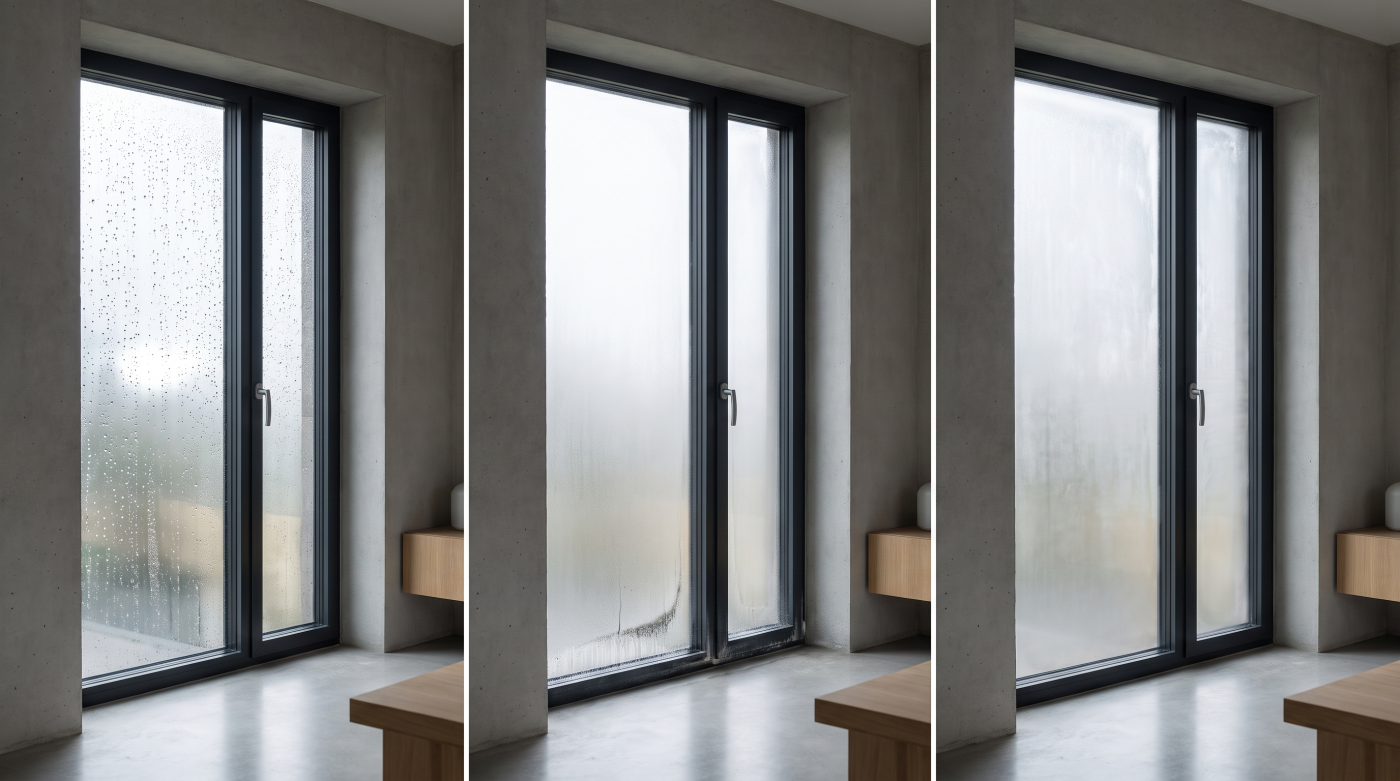
Your Windows Are Starting to Dictate How You Use the House
A window does not have to be broken before it becomes wrong for a room.
Houses change.
A kitchen moves into what was once a secondary space. An extension transforms the relationship with the garden. A dining room becomes the place where the family spends most of its time, or a previously overlooked view suddenly becomes important to the way the house is being redesigned.
Existing windows can continue to function perfectly well while no longer supporting those changes.
This is where the question of replacement moves beyond condition and performance into architecture.
An opening may restrict the connection a renovation is trying to create. The position or configuration of existing glazing may no longer make sense for how people move through the room. A view might be compromised by an arrangement designed for a completely different use of the space.
The answer is not automatically to make everything larger.
More glass does not guarantee better daylight, better views or a stronger relationship with outside space. Sometimes an existing opening can remain. Sometimes a different configuration is more important than additional area.
What matters is whether the glazing still supports the architecture the house is becoming.
If you repeatedly find yourself designing the room around the limitations of an existing window, rather than allowing the opening to contribute positively to the new space, that is a legitimate reason to reconsider it.
Sometimes windows need replacing because they have deteriorated.
Sometimes the building has simply moved on.
Previous Replacements Have Left the House Without a Clear Architectural Language
Windows are rarely replaced according to a single masterplan.
One homeowner changes a damaged opening. Another replaces the windows at the front of the house. An extension introduces a different frame material, while an earlier renovation leaves behind another colour, proportion or opening style.
Over several decades, a house can accumulate these decisions.
Individually, each replacement may have seemed perfectly reasonable. Seen together, however, the elevations can begin to lose the visual relationships that once gave the building coherence.
This is particularly noticeable in older and architecturally distinctive properties, where window proportions, frame appearance and opening patterns can contribute significantly to the character of the building.
The answer is not necessarily to make every window identical.
Uniformity and architectural coherence are different things. An extension may legitimately use a more contemporary glazing language, while original parts of the house require a different response. What matters is whether those differences feel intentional rather than accidental.
For period or historically significant properties, that question may also extend beyond appearance. The significance of existing fabric and the planning context can make appropriate professional advice important before changes are proposed.
Previous replacements therefore provide another reason to reconsider the glazing when a wider renovation begins.
Not because every inconsistency must be erased, but because the next intervention offers an opportunity to look at the house as a complete architectural composition rather than another collection of individual windows.
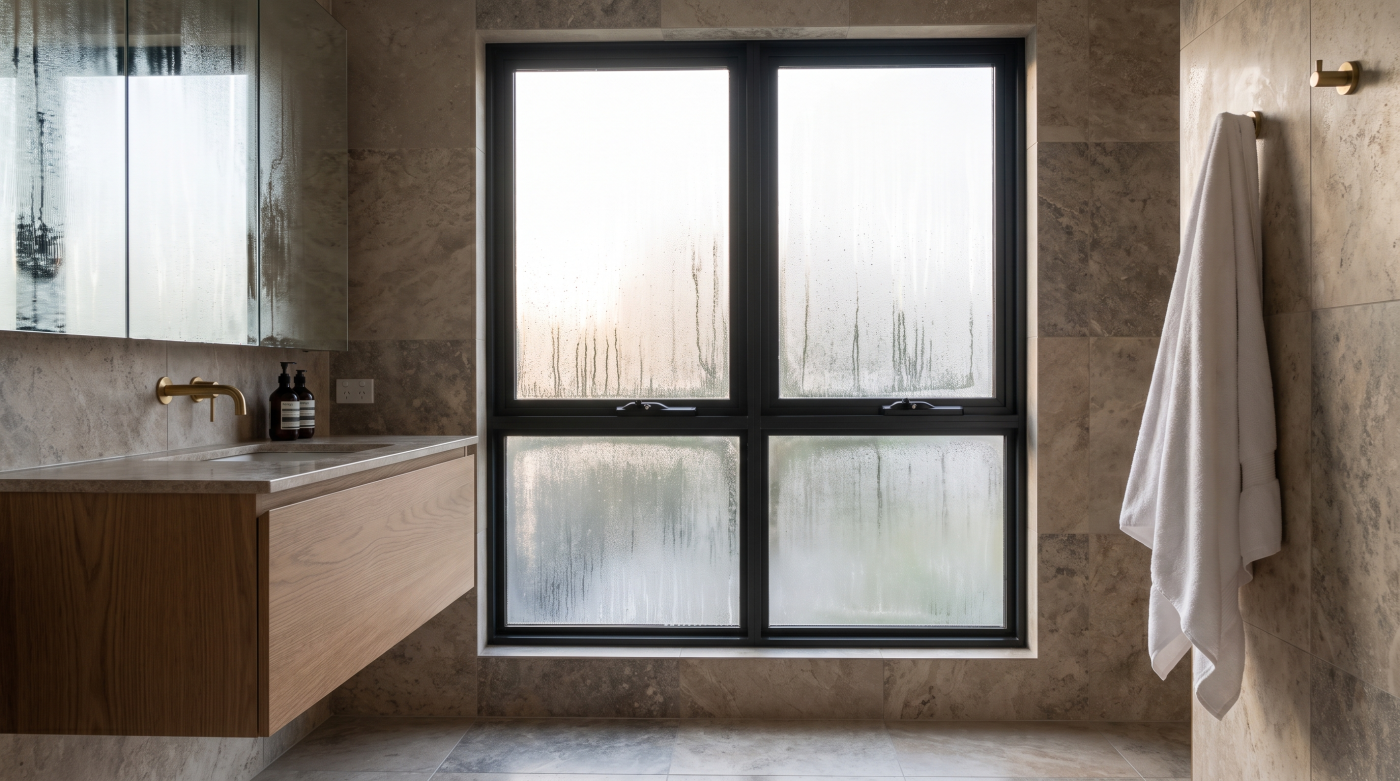
The Rest of the House Is Being Upgraded but the Windows Are Being Left Behind
A major renovation changes more than the appearance of a house.
Insulation may be improved. Heating may be reconsidered. Rooms can be reorganised, extensions added and interiors rebuilt around very different expectations of comfort and architectural quality.
Existing windows then find themselves in a building that is no longer quite the one they were originally chosen for.
That does not automatically make them inadequate.
It does, however, make a substantial renovation a sensible moment to ask whether the glazing still belongs within the overall strategy for the house.
A window that previously seemed perfectly acceptable may feel different once the surrounding rooms have changed. Its proportions may no longer support the architecture. Its operation may conflict with a new layout, or its contribution to comfort may deserve reconsideration alongside improvements elsewhere in the building.
The important point is to resist treating windows as an isolated upgrade.
They form part of a wider relationship between the envelope, the interior and the way the house is intended to perform and feel.
Nor should renovation become an excuse to replace every existing window automatically. Some may continue to serve the building successfully, particularly where their architectural character has value.
The better question is whether the existing glazing remains appropriate for the house you are creating.
A substantial renovation gives you an unusual opportunity to answer that question as part of the whole building, rather than waiting until individual windows force the decision later.
You Keep Asking Whether You Should Replace Them
Most windows do not reach a single dramatic moment when replacement becomes unquestionably necessary.
The decision usually develops more gradually.
Perhaps one window has become difficult to use. Another room feels less comfortable than you would like. Condensation has raised questions, previous replacements look increasingly disconnected from the architecture, or a wider renovation has changed what you now expect from the glazing.
None of these concerns necessarily settles the argument alone.
Together, however, they can begin to reveal something more useful: the existing windows may no longer be serving the house in the way you need them to.
This is where assessment becomes more valuable than assumption.
The objective is to understand which problems genuinely relate to the windows, which may originate elsewhere and which are really consequences of changing architectural ambitions. In older or historically significant buildings, that understanding can be particularly important because existing windows may have architectural value beyond their immediate condition.
Replacement should therefore be the conclusion of the investigation rather than its starting point.
There is no universal age at which every window becomes obsolete, just as there is no single symptom that automatically makes replacement the correct response.
The clearest sign that it may be time to replace your windows is not simply that they are old.
It is that you understand what they are no longer doing successfully — and why replacement is the right response.