
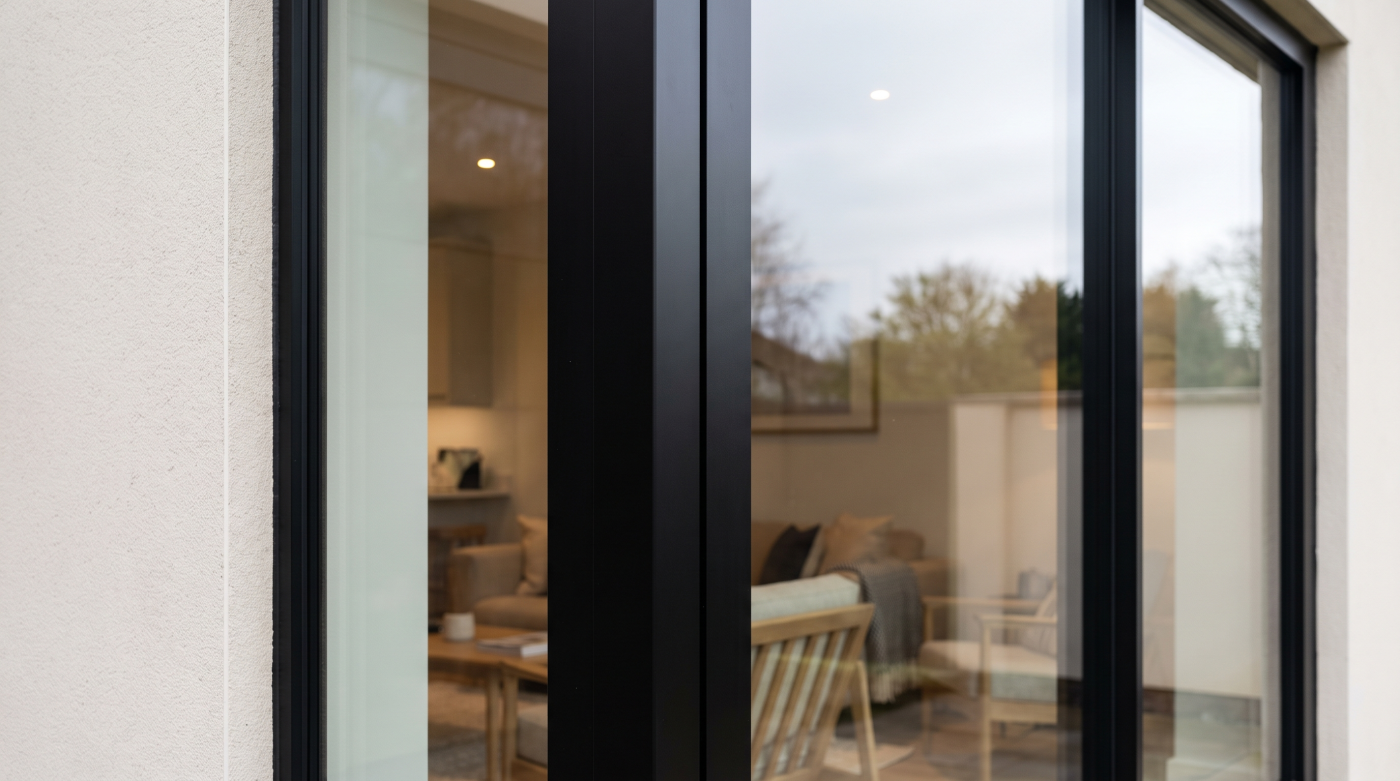
Why Do New Windows Feel Colder After Sunset?
New windows can feel noticeably colder after sunset, even when they are performing exactly as intended. During daylight hours, sunlight passing through the glazing can contribute warmth to a room, while solar radiation may also increase the temperature of the glass and surrounding surfaces. As daylight fades, this additional source of heat disappears. External temperatures may continue to fall, increasing the difference between the indoor and outdoor environments and making the effects of heat transfer through the glazing more apparent.
Although modern insulating glass units are designed to reduce heat loss, they cannot eliminate it entirely. When the outside temperature falls below that of the room, heat continues to pass through the window assembly towards the colder external environment. The internal glass surface may consequently become cooler than the surrounding room air. This difference can be particularly noticeable beside large glazed openings, where a substantial area of comparatively cool glass influences the conditions experienced by someone sitting nearby. The sensation may be more pronounced during the evening, when occupants are relatively stationary and the heating system may be operating at a lower temperature.
It is important, however, to distinguish between a window becoming cooler and a room experiencing an unexpected loss of heat. The temperature of the glass will naturally respond to changing external conditions, while the comfort of the room depends on several additional factors, including heating provision, insulation, air movement and the surrounding building fabric. A cooler internal glass surface is therefore not, in itself, evidence of a defective installation.
Understanding why this temperature difference becomes more noticeable after dark provides a useful starting point for assessing whether the sensation is simply part of the window’s normal thermal behaviour or an indication that other aspects of the glazing specification or installation require closer attention.
Why Can You Feel Cold Beside a Window Even When the Room Is Warm?
A room can feel comfortably warm at its centre yet noticeably colder beside a window, even when the thermostat shows a consistent temperature. This is because thermal comfort depends on more than the temperature of the air. The temperature of surrounding surfaces also influences how warm or cold a person feels, particularly when they remain seated in one position for an extended period.
The human body continually exchanges heat with the surfaces around it through thermal radiation. When someone sits close to a window whose internal glass surface is cooler than the walls and other surfaces in the room, their body can lose more radiant heat in that direction. The resulting sensation may be described as cold coming from the window, although the glass is not actively producing cold. Rather, the difference in surface temperatures changes the way the occupant experiences the space.
The size and position of the glazing can make this effect more noticeable. A large glazed wall occupies a greater proportion of the surfaces surrounding someone seated nearby than a small window does. In a living room with furniture arranged close to full-height glazing, the internal glass temperature may therefore have a substantial influence on evening comfort, even when the heating system maintains the intended air temperature. The distance between seating and glazing, as well as the arrangement of the room, can affect how strongly the sensation is experienced.
Appropriately specified insulating glazing can reduce heat transfer and help maintain a warmer internal glass surface during cold weather. Nevertheless, the comfort of a room depends on the relationship between its glazing, heating, layout and wider construction. A satisfactory thermostat reading does not, by itself, establish that every position within the room will feel equally comfortable.
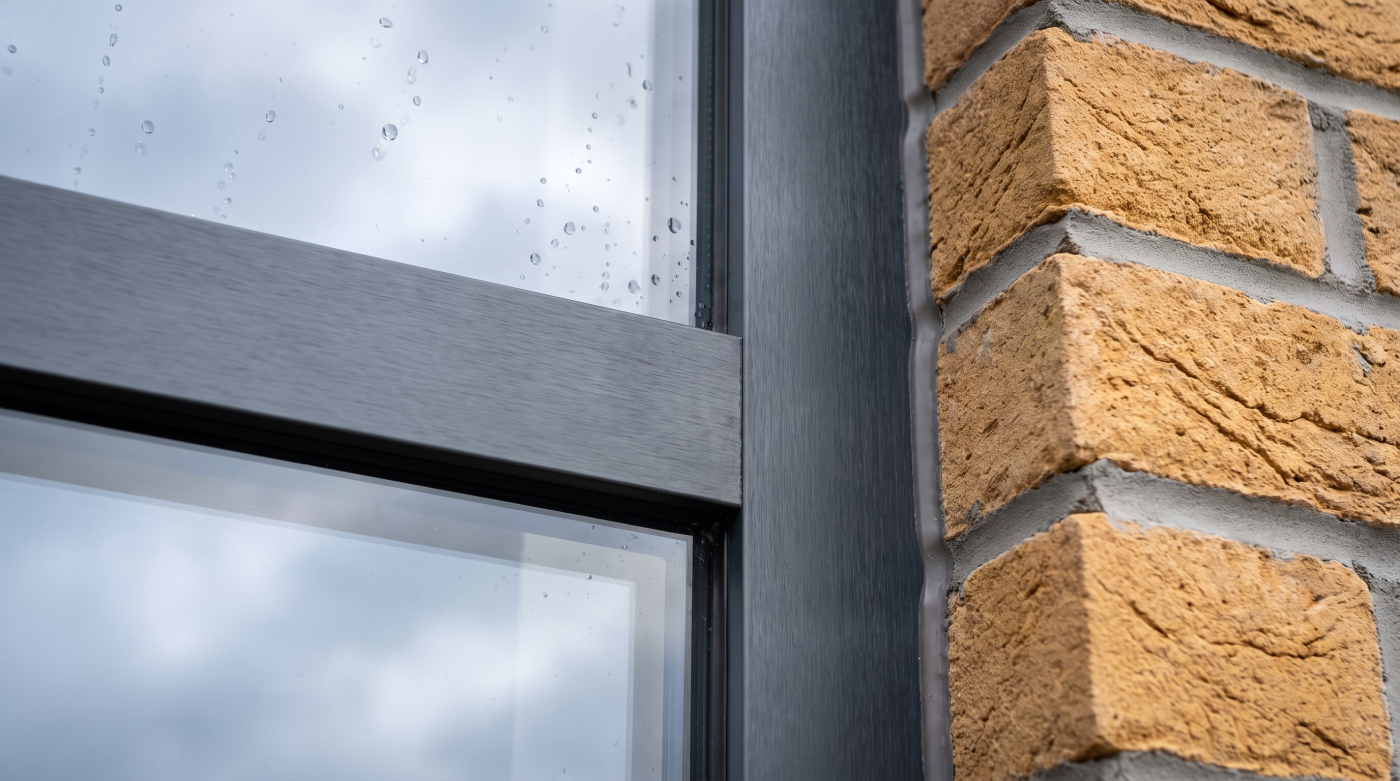
Is the Cold Air Near Your Window a Draught or Natural Air Movement?
A sensation of cold air beside a closed window can feel like a draught, but it does not necessarily mean that outside air is entering the room. Air moves naturally when different parts of a space are at different temperatures. When warm room air comes into contact with a cooler glass surface, it loses some of its heat, becomes denser and moves downwards. This movement can create a noticeable flow of cooler air near the window, particularly when someone is seated close to it.
The effect, often described as a cold downdraught, can be more apparent beside tall windows, full-height glazing and large sliding doors. As air descends along the glass, it may spread across the floor before gradually warming and circulating through the room. This process can occur even when the window is closed, its seals are intact and the installation is airtight. The sensation is caused by air already inside the room moving in response to the temperature of the glazing.
A genuine draught has a different cause. Outside air may enter through gaps around the frame, poorly adjusted opening elements or discontinuities between the window and surrounding construction. Such leakage may become more noticeable during windy weather, although wind alone cannot establish where air is entering. A cold sensation near the glass is therefore insufficient to distinguish an installation problem from natural convection.
The location and behaviour of the airflow can provide useful context. Cool air descending across a broad glazed surface may suggest a different cause from a concentrated flow around a frame or opening joint. Where discomfort is persistent or appears to change significantly with wind conditions, closer assessment may be appropriate. Identifying the source of the air movement is more useful than assuming that every sensation of cold beside a new window indicates a draught.
How Much Difference Should Modern Double or Triple Glazing Make at Night?
Modern insulating glazing can make a meaningful difference to comfort at night by reducing the rate at which heat passes through a window. Its performance is commonly described using a U-value: the lower the value, the less heat passes through the measured element under defined conditions. It is important to distinguish the U-value of the glass unit from that of the complete window, which also includes the frame and the effects of its construction.
Compared with less effective glazing, a well-specified insulating glass unit can help maintain a warmer internal glass surface when outdoor temperatures fall. This may reduce the radiant discomfort experienced by someone sitting near the window and limit the downward movement of room air cooled by the glass. It does not mean that the surface will remain as warm as an internal wall or that the room will feel equally comfortable in every position.
Triple glazing can offer lower heat transfer than many double-glazed configurations, but the number of panes alone does not determine how a window will perform. The design of the glass unit, the frame, the spacer at the edge of the glazing and the installation all contribute to the result. The appropriate specification also depends on the building, the size and position of the windows, and how the adjoining rooms are used.
In a room with extensive glazing, internal surface temperature may be an important consideration alongside energy performance. In an older property, improvements to the windows may need to be considered together with the surrounding walls and heating arrangements. Modern glazing can reduce overnight heat loss and improve comfort, but its contribution is best understood as part of the complete window assembly and the wider building rather than as a guarantee that the glass will never feel cold.
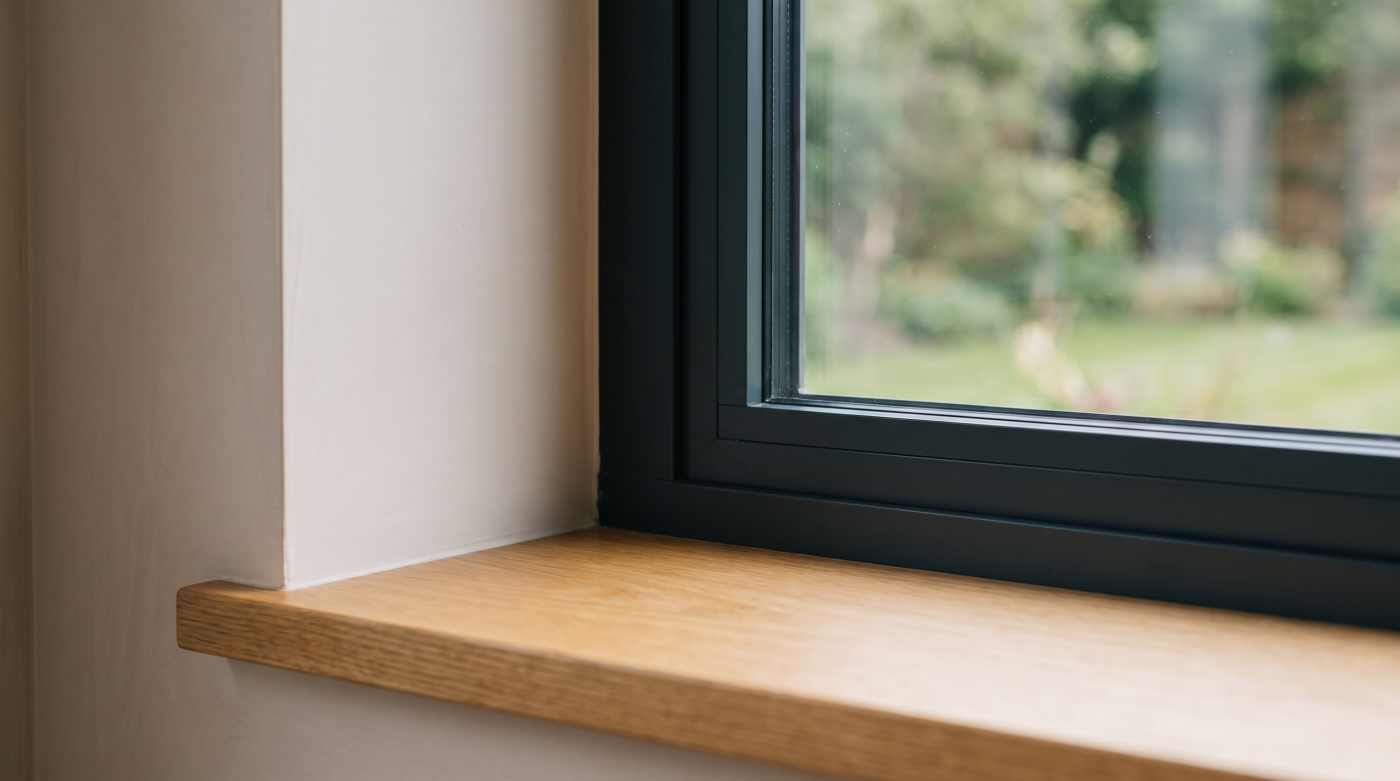
Could the Problem Be the Installation Rather Than the Glass?
A new window may incorporate an effective insulating glass unit yet still leave the surrounding area feeling unexpectedly cold. This is because the performance of the completed installation depends not only on the glass and frame, but also on how the window connects to the building. The junction between the frame and the surrounding wall must accommodate differences in construction while maintaining the intended continuity of insulation and airtightness.
Where insulation is interrupted around an opening, heat may pass more readily through the surrounding construction. These areas, known as thermal bridges, can create locally cold surfaces at the reveals or around the frame. The effect may be especially noticeable at night, when the temperature difference between indoors and outdoors increases. In some circumstances, gaps at the installation perimeter can also allow outside air to enter, producing a genuine draught that may be mistaken for air descending naturally across the glass.
The location of the discomfort can help clarify which part of the assembly warrants attention. A broad sensation of coolness beside the glass may arise from its surface temperature, while a concentrated flow of air at an opening joint or the edge of a frame may suggest a different cause. Neither observation is sufficient on its own to establish a defect. Wind conditions, the surrounding wall construction and the way the room is heated can all influence what an occupant experiences.
Persistent air movement, unusually cold areas around the reveals or signs of moisture affecting adjacent finishes may justify a closer assessment of the completed installation. The purpose of that assessment is to identify the source of the problem rather than assume that the glass requires replacement. A window performs as part of the building envelope, and its contribution to comfort depends on the quality of the complete assembly.
Why Are New Windows Sometimes Cold or Wet on the Inside at Night?
A new window can develop condensation on its room-facing glass surface when the temperature of that surface falls sufficiently below the temperature of the surrounding air. Indoor air contains water vapour, and the amount it can hold before condensation occurs depends on its temperature. When humid air meets a cooler surface at or below its dew point, some of that vapour can turn into liquid water. Windows may be particularly susceptible overnight as external temperatures fall and the internal glass becomes cooler.
The amount of moisture in the room also matters. Cooking, bathing, drying clothes and everyday occupation all contribute water vapour to the indoor environment. In bedrooms, condensation may become more noticeable overnight when doors remain closed, ventilation is limited and heating temperatures are reduced. Even an effective insulating glass unit can experience condensation on its internal surface when humidity and temperature conditions allow it. Persistent moisture around frames and reveals, however, deserves attention because it can affect surrounding finishes and encourage mould growth.
The location of the moisture is an important distinction. Condensation that can be wiped from the room-facing surface is different from moisture trapped between the panes of a sealed insulating glass unit. Condensation between panes may indicate that the unit’s seal has failed and warrants assessment. Moisture can also occasionally form on the outside surface of well-insulated glazing under particular weather conditions; this does not have the same cause as condensation inside the room.
A cold or wet window should therefore be considered in relation to surface temperature, indoor humidity and ventilation rather than treated as immediate evidence of poor glazing performance. Establishing where the moisture forms, when it appears and whether it persists provides a more useful basis for understanding the conditions affecting the window.
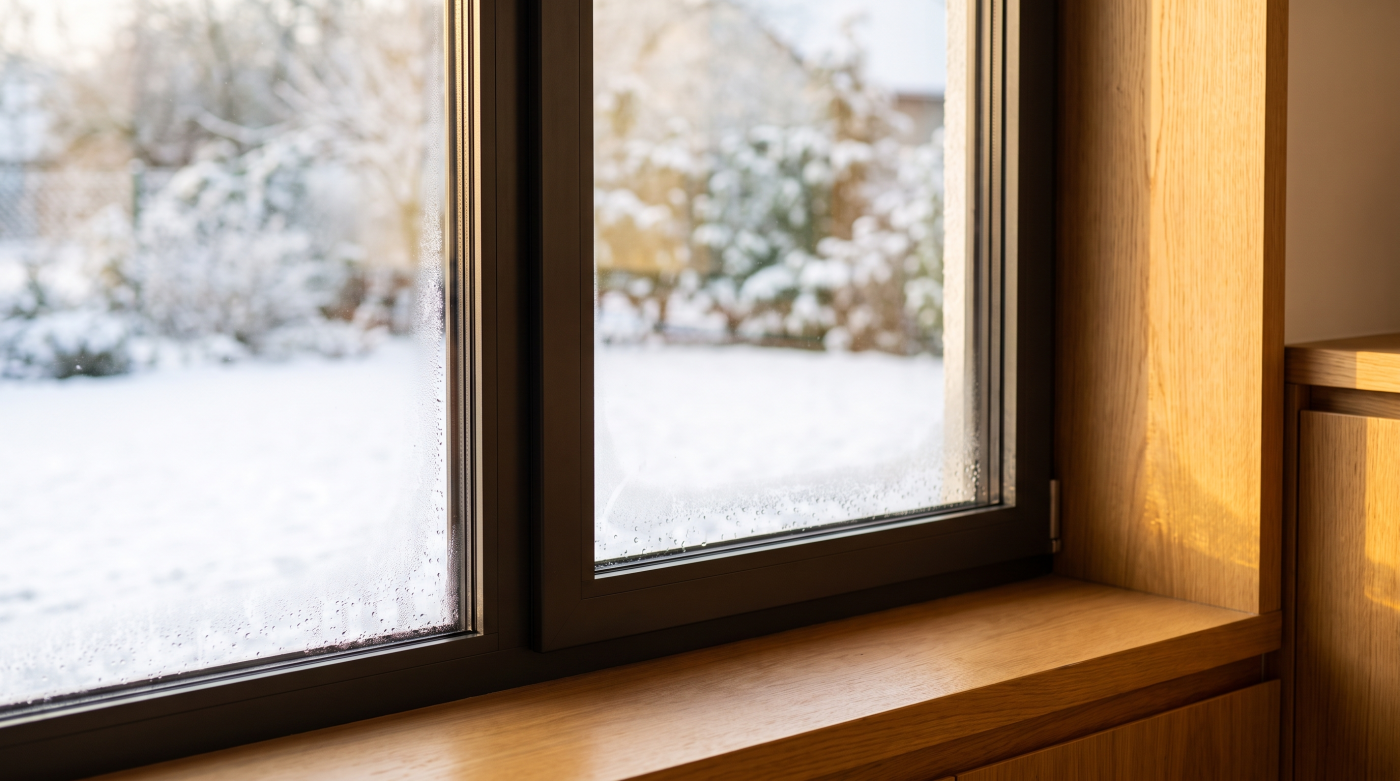
Why Might a Room Still Feel Cold at Night After Its Windows Have Been Replaced?
Replacing poorly performing windows can reduce heat loss, but it does not necessarily resolve every cause of discomfort within a room. Windows form only one part of the building’s thermal envelope. Heat can continue to escape through external walls, roofs and floors, while uncontrolled air leakage elsewhere in the property may contribute to a sensation of cold. In an older house, newly installed glazing may therefore perform substantially better than the windows it replaced without making the surrounding room uniformly comfortable.
The heating system and the way it is operated also influence overnight conditions. A room that feels comfortable during the day may cool when the heating schedule changes, particularly if its external walls and floors have limited insulation. A thermostat positioned away from the glazing may indicate that the intended air temperature has been reached, even though someone sitting or sleeping close to an external surface experiences a lower level of comfort. In rooms with extensive glazing, the relationship between window area, seating positions and heating provision can make these differences more noticeable.
Ventilation and airtightness require consideration as well. New windows may reduce air leakage through the openings they replace, but this does not address gaps elsewhere in the building or remove the need for appropriate ventilation. The resulting indoor conditions depend on the interaction between the building fabric, heating arrangements and the movement of air throughout the property.
These relationships are particularly relevant when renovating older homes in Bath, Wiltshire and the Cotswolds, where improvements to individual building elements may take place over several years. A room that remains cold after window replacement should not automatically be taken as evidence that the new glazing is ineffective. Understanding the performance of the surrounding construction and the conditions within the room provides a more complete basis for assessing the cause of the discomfort.
How Can You Tell Whether Your New Windows Are Performing as They Should?
A new window can feel cooler after sunset without being defective, but persistent discomfort should not automatically be dismissed as normal. The most useful starting point is to identify what is actually being experienced. A cool glass surface, air descending beside a large window, a concentrated draught around a frame and a room that becomes cold overnight may feel similar, yet each can have a different cause.
The location and timing of the discomfort provide important context. A sensation of cold close to a broad glazed surface during particularly low external temperatures may reflect normal heat transfer and air movement within the room. A persistent flow of air at an opening joint, by contrast, may warrant examination of the window’s seals or adjustment. Cold areas around the reveals can raise questions about the surrounding construction, while moisture trapped between the panes of a sealed glazing unit is different from condensation forming on its room-facing surface. These observations can guide further investigation, but they do not establish a diagnosis on their own.
It is also useful to consider what performance was expected from the completed installation. The specified glazing, frame construction and installation details all influence the result, as do the room’s heating, ventilation and wider building fabric. Neither the temperature of the glass to the touch nor a thermostat reading can independently confirm whether the window is meeting its intended performance.
Where discomfort remains unexplained, or where there is persistent air leakage, water ingress or condensation between panes, an assessment by the installer or an appropriately qualified building professional may be justified. Understanding the particular symptoms and the conditions in which they occur allows the window to be considered as part of the complete building, rather than assuming that every cold sensation indicates either a defect or normal behaviour.