
Is Replacing Windows One Room at a Time a Sensible Approach?
Replacing every window in a property at the same time is not always necessary, nor is it necessarily the most appropriate approach to a renovation. For homeowners managing a limited budget, living through building work or improving a property over several years, replacing windows one room at a time can offer a practical way to address immediate problems without committing to a complete refurbishment. The important distinction is between a phased replacement programme that forms part of a considered plan and a series of isolated decisions made without reference to the wider building.
Windows rarely deteriorate uniformly. Differences in age, orientation, exposure and maintenance can leave some in considerably poorer condition than others. A north-facing bedroom may suffer from persistent draughts and uncomfortable internal temperatures, while windows elsewhere in the property remain perfectly serviceable. In such circumstances, prioritising the rooms where replacement would make the greatest difference can be reasonable. Equally, a homeowner planning a future extension may choose to postpone replacing windows in areas that will eventually be altered, avoiding unnecessary expenditure and disruption.
The difficulty arises when individual replacements are specified without considering the architectural and performance requirements of the property as a whole. Frame proportions, materials, finishes and opening arrangements selected for one room may prove difficult to replicate several years later. Differences in glazing performance and installation detailing can also complicate subsequent improvements, particularly where window replacement forms part of a wider programme of insulation or refurbishment.
A phased approach is therefore not inherently a compromise. When informed by an assessment of the existing windows and a clear understanding of the intended outcome for the complete property, it can provide a measured and practical route towards improving comfort, performance and architectural quality over time.
Which Windows Should Be Replaced First?
When replacing windows gradually, the most useful starting point is not necessarily their age or appearance, but the extent to which their condition affects the comfort, function and integrity of the property. A window showing obvious signs of deterioration may warrant attention, particularly where damaged frames, defective seals or water ingress threaten the surrounding building fabric. Yet a window that appears relatively sound may be responsible for persistent draughts, excessive external noise or uncomfortable internal temperatures. Establishing the underlying cause of these problems is important, as not every issue can be resolved through replacement alone.
The way individual rooms are used should also inform the order of work. A bedroom overlooking a busy road may benefit from improved acoustic performance, while a frequently occupied living room with extensive north-facing glazing may present more pressing concerns about thermal comfort. In kitchens and bathrooms, ventilation and the management of moisture may be particularly important. These differences illustrate why a uniform replacement strategy is not always appropriate. The objective should be to understand the particular requirements of each space while ensuring that individual improvements remain consistent with the wider specification of the property.
The anticipated renovation programme introduces another consideration. Replacing windows in a room scheduled for substantial alteration may be premature, particularly where future work could change the dimensions of an opening or require modifications to the surrounding construction. Conversely, coordinating replacement with planned refurbishment can reduce disruption and avoid disturbing newly completed finishes.
A property-wide assessment provides a more reliable basis for establishing priorities than considering each room independently. By examining window condition, patterns of use, architectural significance and forthcoming building work together, homeowners can identify where replacement is most justified and where existing windows may reasonably be retained, repaired or improved until a later stage.
Will Replacing Windows Gradually Improve the Comfort of Your Home?
Replacing poorly performing windows in a single room can make a noticeable difference to everyday comfort, even when the remaining windows in the property are left unchanged. The benefits are often most apparent in rooms where draughts, cold internal surfaces or excessive heat loss have made the space difficult to use comfortably. However, improving the performance of an individual room is not the same as improving the thermal performance of the entire building, and understanding this distinction is important when planning a phased replacement programme.
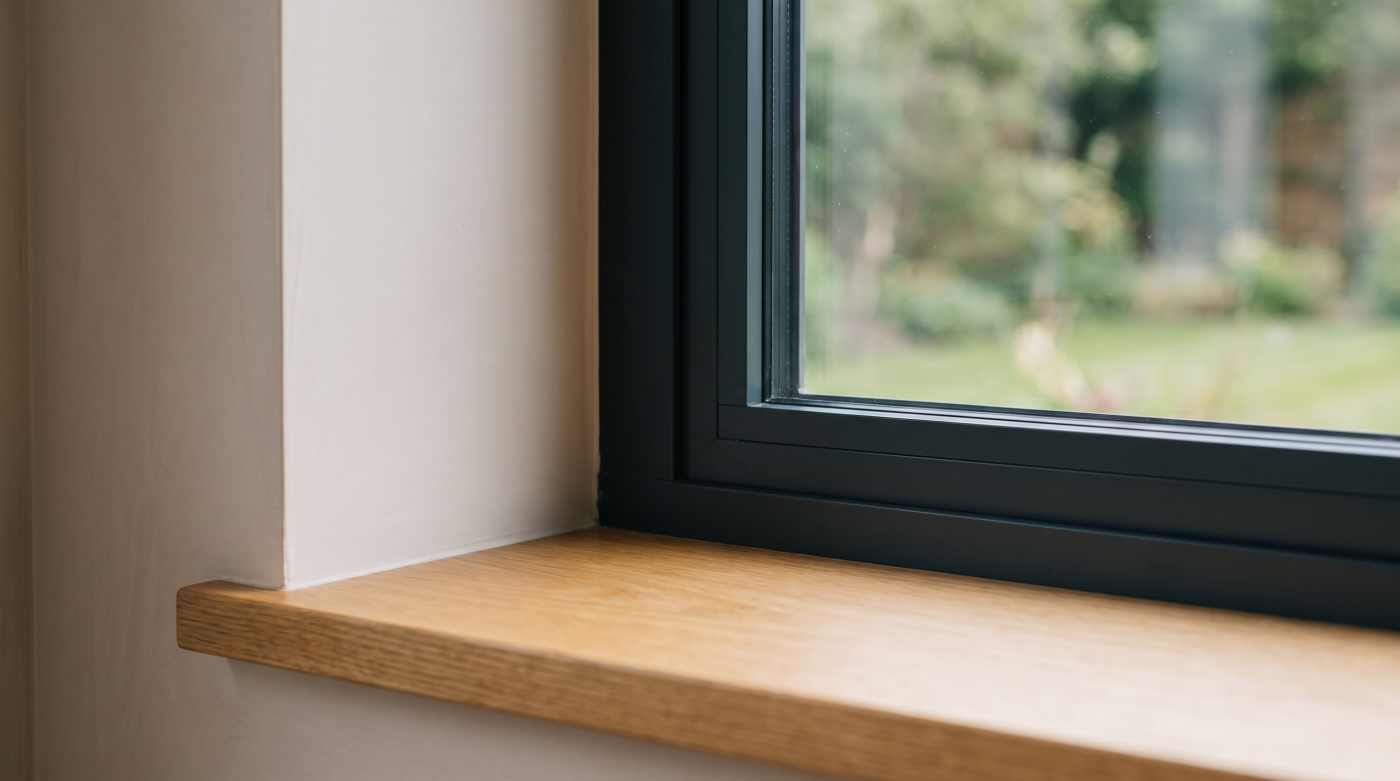
The comfort of a room is influenced by more than its air temperature. Poorly insulated glazing can create cold internal surfaces that affect how warm occupants feel, even when the heating system maintains a seemingly adequate temperature. Uncontrolled air leakage around ageing frames can introduce draughts, while differences in orientation and exposure can make some rooms more susceptible to heat loss than others. Replacing windows with appropriately specified glazing and well-considered installation details may address several of these problems, creating a more consistent and comfortable internal environment.
The wider building nevertheless continues to influence the overall result. Heat is also lost through external walls, roofs, floors and the windows that remain in place. Consequently, improvements to one room should not be assumed to produce equivalent reductions in whole-house heating expenditure. Greater airtightness also requires consideration of ventilation, particularly in older properties where existing air leakage may have contributed to the movement of fresh air through the building.
A phased replacement programme can therefore deliver meaningful improvements without requiring every window to be replaced simultaneously. Its effectiveness depends on identifying the particular causes of discomfort, selecting an appropriate specification and recognising how each improvement contributes to the performance of the property as a whole.
How Can You Maintain a Consistent Architectural Appearance?
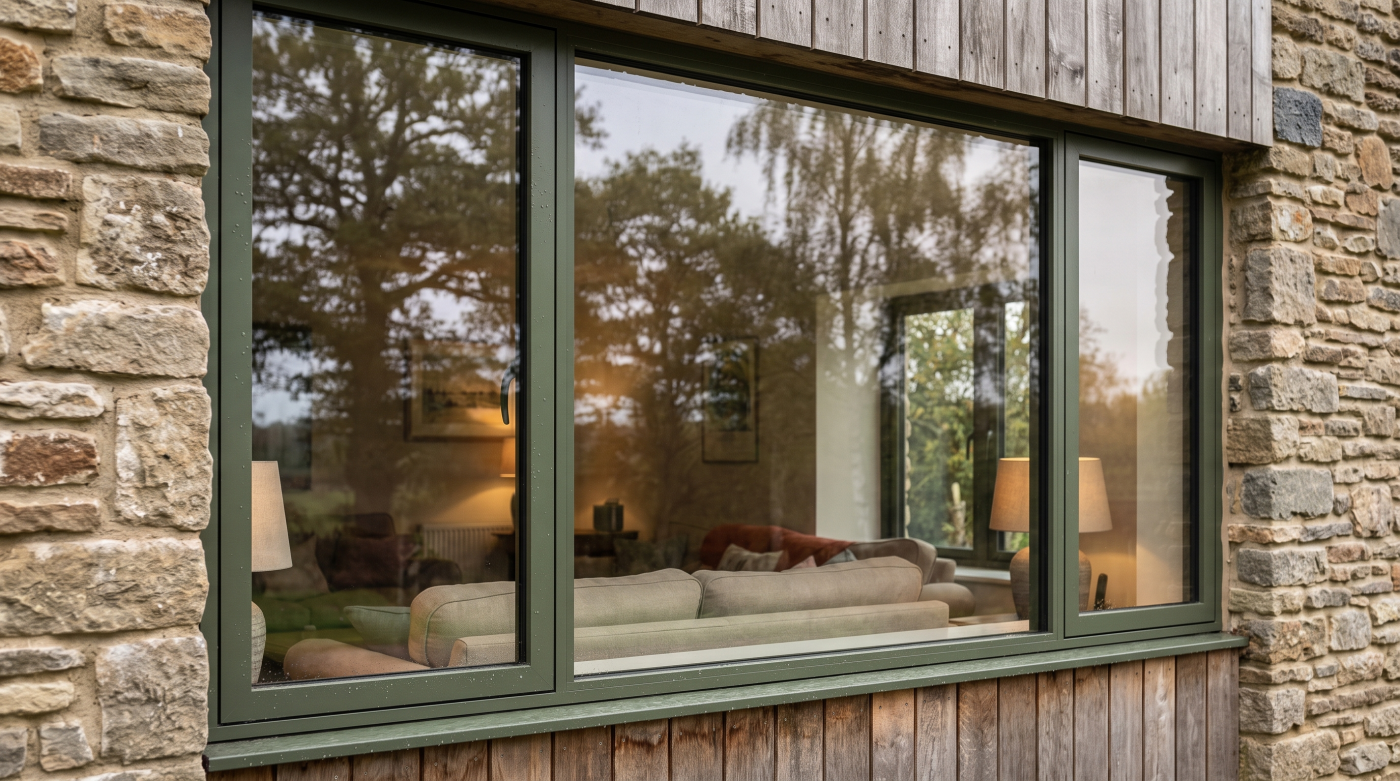
Windows contribute to the architectural character of a property in ways that extend well beyond their individual appearance. Their proportions, positioning, frame dimensions and glazing divisions establish a visual rhythm across the building, while the relationship between materials and surrounding masonry influences how each opening is perceived. When windows are replaced at different times, maintaining this coherence requires more consideration than simply choosing the same frame colour or material. Even relatively subtle differences in sightlines, opening arrangements or glazing details can become apparent when viewed together across an elevation.
One of the practical challenges of phased replacement is that window designs and manufacturing ranges can change over time. A particular frame profile, finish or hardware configuration selected for the first phase may not remain available several years later, making an exact match difficult to achieve. Establishing an overall specification before work begins can help reduce this risk, particularly where the intention is to maintain a consistent appearance throughout the property. Recording key dimensions, frame proportions, materials and finishes also provides a useful reference when planning subsequent phases.
Consistency does not, however, require every window to be identical. A contemporary extension may benefit from larger glazed openings and slimmer framing than the original building, creating a deliberate distinction between old and new. In period properties, the opposite consideration may apply, with existing window proportions, glazing patterns and traditional detailing contributing significantly to the character of the façade. The appropriate approach depends on the architecture of the building and the relationship between its different elements.
A successful phased replacement programme should therefore begin with an understanding of the intended appearance of the completed property. Individual windows can be installed years apart without compromising architectural coherence, provided their design follows a consistent strategy rather than a succession of unrelated decisions.
Is It More Expensive to Replace Windows in Separate Stages?
Replacing windows one room at a time can make a substantial renovation more financially manageable, allowing homeowners to distribute expenditure over several years rather than committing to the cost of a complete replacement programme. This flexibility can be particularly valuable where existing windows remain serviceable or where other improvements to the property take precedence. However, the affordability of individual phases should be distinguished from the total cost of completing the work. A programme that requires a smaller initial investment may ultimately involve greater cumulative expenditure than a coordinated installation.
The difference often lies in the practical arrangements surrounding the work rather than the windows themselves. Separate installation phases may require repeated site visits, deliveries, access equipment and preparation of the surrounding building fabric. Internal finishes may also need to be disturbed and reinstated on several occasions. Where multiple windows can be replaced during a single visit, some of these activities may be organised more efficiently. The extent of any saving will nevertheless depend on the property, the complexity of the installation and the number and location of the windows involved.
Phased replacement can also offer financial advantages when coordinated with other renovation work. Replacing a bedroom window while the room is already undergoing refurbishment may avoid unnecessary disruption, while postponing work elsewhere can preserve funds for more pressing improvements. Existing windows that remain in satisfactory condition may require only maintenance or repair, making immediate replacement difficult to justify. Conversely, delaying necessary work can introduce additional expenditure if deterioration affects the surrounding construction.
The most useful financial comparison is therefore between the complete costs of alternative renovation programmes, rather than the price of individual windows. A carefully planned phased approach may offer a reasonable balance between immediate affordability and long-term value, provided the potential costs of repeated installation and future specification changes are understood from the outset.
How Should Window Replacement Be Coordinated With Other Renovation Work?
The timing of window replacement can have a significant influence on the efficiency and quality of a wider renovation. Although windows are often considered individual components, their installation is closely connected to the surrounding walls, insulation, internal finishes and external appearance of the building. Replacing them without considering other planned improvements can create unnecessary work, particularly where subsequent alterations require newly installed frames or completed finishes to be disturbed. A phased replacement programme is therefore most effective when its sequence is established alongside the broader renovation strategy.
The relationship between windows and the surrounding building fabric is particularly important. Where external or internal wall insulation is planned, the position of the window within the opening and the treatment of the surrounding reveals can influence thermal performance and the continuity of the building’s airtightness layer. Poorly coordinated details may introduce thermal bridges, where heat escapes more readily through particular areas of the construction, potentially creating cold surfaces and increasing the risk of condensation. Considering these relationships before installation allows the window and surrounding construction to be designed as a complete assembly rather than as separate improvements.
Internal refurbishment introduces further practical considerations. Replacing windows before completing plasterwork, decoration or fitted joinery can reduce the likelihood of disturbing newly finished surfaces. Equally, postponing replacement in a room scheduled for structural alterations may avoid unnecessary expenditure if the dimensions or arrangement of its openings are likely to change. For homeowners remaining in occupation, coordinating work room by room can also help maintain usable living spaces while limiting disruption.
Early communication between the homeowner, architect, builder and glazing specialist can help establish an appropriate sequence. By considering installation requirements alongside the wider construction programme, phased replacement can support a more efficient renovation while protecting the architectural quality and long-term performance of the completed building.
What Should You Consider When Replacing Windows in a Period or Listed Property?
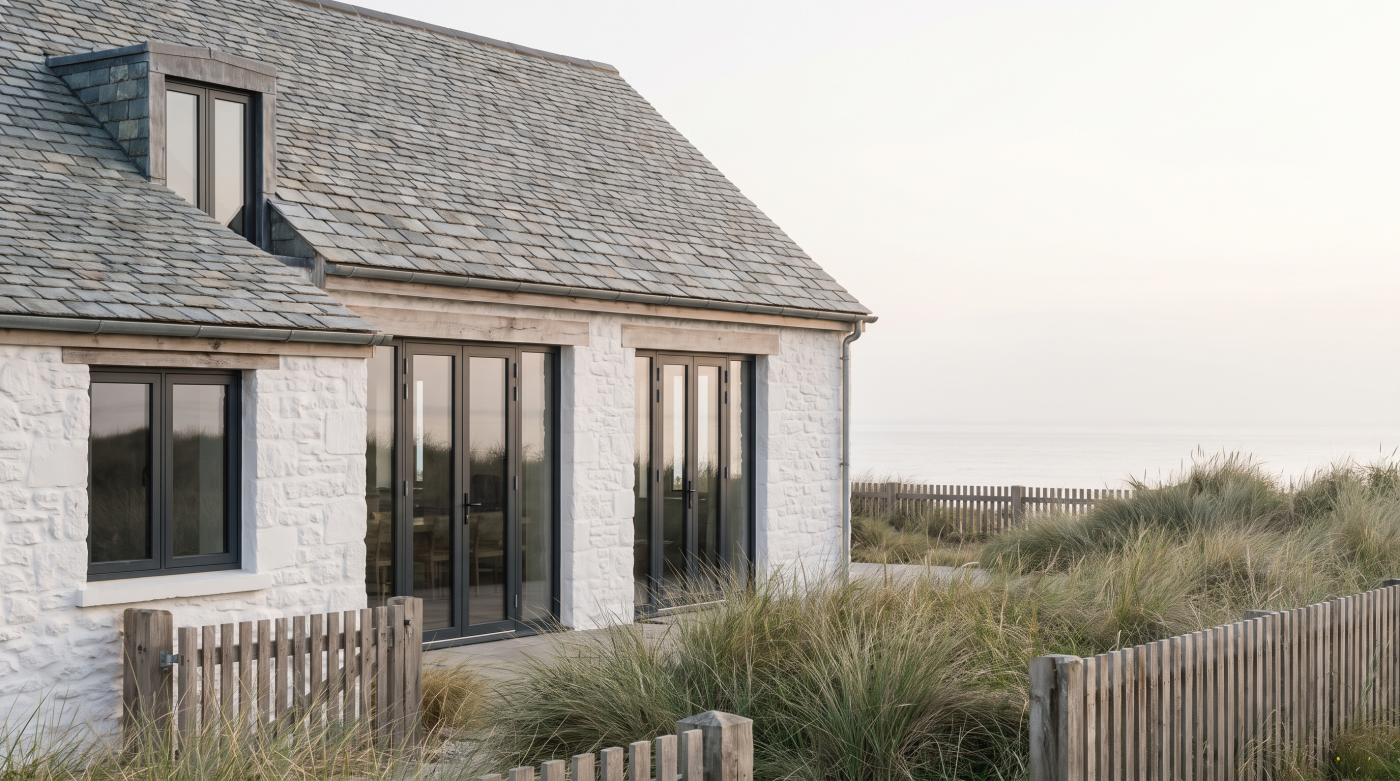
Replacing windows gradually in a period property requires particular consideration of the building’s architectural character and the significance of its existing fabric. Older windows are not necessarily unsuitable simply because they fall short of contemporary expectations for thermal performance. Original timber frames, traditional glazing patterns and historic joinery may contribute substantially to the appearance and significance of a building, even where their condition has deteriorated. Before deciding which windows to replace, it is important to establish whether repair, maintenance or carefully considered improvements could address the underlying problems while retaining valuable historic material.
The architectural consequences of phased replacement can be especially apparent in Georgian and other traditionally proportioned buildings, where the arrangement and detailing of windows contribute to the composition of the façade. Differences in frame profiles, glazing divisions, materials or opening arrangements may disrupt this relationship, particularly when individual replacements are undertaken several years apart. In such circumstances, a coherent approach to the entire elevation can be more important than achieving uniformity within individual rooms. The objective should be to preserve the architectural integrity of the property while identifying appropriate opportunities to improve comfort and performance.
Listed buildings introduce additional considerations because alterations affecting their special architectural or historic interest may require listed building consent. Properties within conservation areas may also be subject to particular planning controls, although the requirements depend on the building, its location and the nature of the proposed work. Neither designation should be treated as an automatic prohibition on improvement, but the significance of existing windows and the implications of proposed alterations should be understood before replacement is specified.
For historic properties in Bath, the Cotswolds and elsewhere, a phased programme should begin with an assessment of what deserves to be retained as well as what requires improvement. This allows individual interventions to contribute towards a consistent long-term approach to conservation, comfort and architectural quality.
How to Plan a Phased Window Replacement Programme That Works for the Whole House
The success of a phased window replacement programme depends less on how quickly the work is completed than on the quality of the decisions made before it begins. Replacing windows over several years can be a practical response to financial constraints, changing household requirements or a wider renovation undertaken in stages. However, each installation should contribute towards a consistent vision for the completed property. Establishing that vision at the outset allows homeowners to address immediate priorities without allowing short-term decisions to compromise the architectural appearance, comfort or performance of the building in the future.
A useful starting point is an assessment of the existing windows alongside the property’s broader renovation requirements. Their condition, architectural significance and contribution to everyday comfort should be considered together with planned alterations to the surrounding building fabric. From this understanding, an overall glazing strategy can establish the intended frame proportions, materials, finishes, opening arrangements and performance requirements. This does not mean that every room must receive an identical specification. Differences in orientation, exposure, room function and architectural context may justify different solutions, provided they form part of a coherent approach to the building as a whole.
The sequence of replacement can then reflect both immediate needs and longer-term practical considerations. Windows causing significant discomfort or showing substantial deterioration may warrant early attention, while those in satisfactory condition can remain in place until replacement becomes appropriate. Recording the principal specification decisions from each phase can also help maintain consistency as work progresses, although future product availability and changes to the property may require some flexibility.
Ultimately, replacing windows one room at a time can be worthwhile when the process is guided by a whole-house plan. A successful renovation does not require every improvement to happen simultaneously, but it does require individual decisions to contribute towards the long-term architectural integrity, comfort and quality of the completed home.