
Is It a Problem to Leave Old Windows in Place?
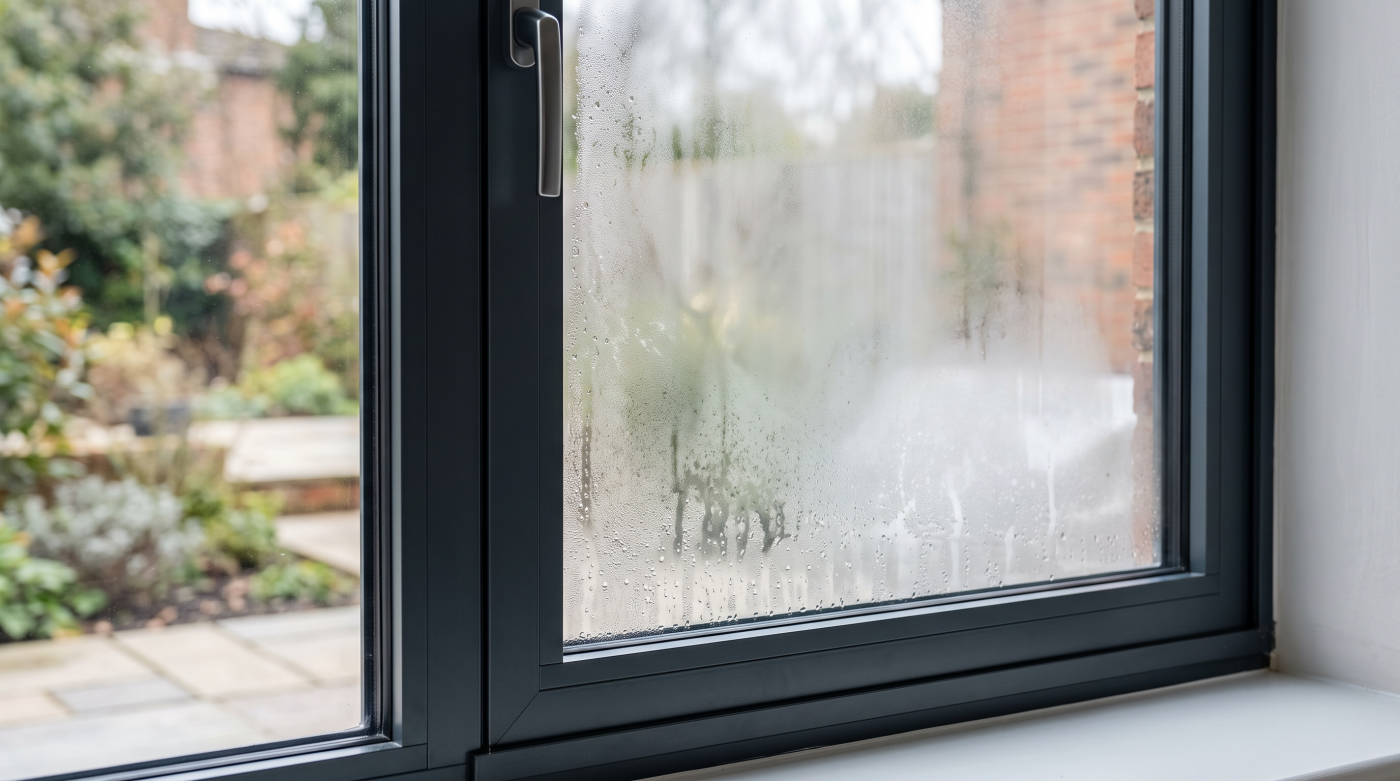
Leaving old windows in place is not necessarily a problem. A window does not become unsuitable simply because it has been installed for many years, and age alone provides little indication of how well it continues to serve the building. Its condition, construction, exposure to weather and maintenance history are more useful considerations. Some older windows remain sound and operate satisfactorily, while newer installations can develop defects that require attention.
The distinction is between a window that is showing its age and one that is actively deteriorating. Worn paintwork or an outdated appearance may prompt a homeowner to consider improvements, but neither automatically establishes a need for replacement. Where the frame remains sound, the glazing is intact and the opening elements function correctly, continued use may be entirely reasonable. Maintenance or localised repairs may also address particular shortcomings without removing the complete assembly.
Doing nothing becomes a different decision when there are signs of water entering the building, substantial deterioration or a window that no longer closes securely. Such problems may affect more than the window itself, particularly where moisture reaches adjacent finishes or surrounding construction. The appropriate response depends on identifying the cause and extent of the problem rather than assuming that replacement is the only available option.
Older windows can also contribute to the architectural character of a property through their materials, proportions and detailing. Retaining them may therefore be a considered part of a renovation strategy, especially where their condition allows continued use. The important question is not how old the windows are, but whether they remain suitable for the building and whether any developing defects need to be addressed.
Will Old Windows Make Your Home Colder or More Expensive to Heat?
Older windows can contribute to heat loss and make particular areas of a home feel colder, but their age alone does not determine their thermal performance. The glazing, frame construction, condition of the seals and quality of the installation all influence how effectively a window separates the indoor environment from colder outdoor conditions. A well-maintained older window may remain reasonably comfortable, while a window with deteriorated seals or poorly performing glazing may have a more noticeable effect on the room.
During cold weather, heat passes through the window towards the outside. Where the glazing provides limited insulation, its internal surface may become considerably cooler than the surrounding walls. Someone sitting nearby may then experience greater radiant heat loss, even if the room’s air temperature appears satisfactory. Air cooled by the glass can also move downwards, creating a local sensation of cold. If gaps around opening elements or frames allow outside air to enter, uncontrolled air leakage may add to the discomfort and increase the amount of heating needed to maintain the intended indoor temperature.
The effect on household heating expenditure is less straightforward. Windows form only part of the building’s thermal envelope, alongside its walls, roof and floors. Heating arrangements, ventilation and patterns of occupation also influence energy use. Replacing older windows may reduce one source of heat loss without resolving other weaknesses in the property.
The decision to retain existing windows should therefore reflect their actual condition and performance rather than an assumption that newer glazing will produce a particular saving. Where discomfort is concentrated near the windows, an assessment of the glazing, seals and surrounding construction can help establish whether maintenance, targeted improvements or replacement would address the underlying cause.
Can Small Window Problems Become More Serious If You Ignore Them?
A minor problem with an old window does not necessarily indicate that extensive repairs or replacement will be required. Some signs of wear remain largely cosmetic, while others may be evidence of deterioration that continues beneath the visible surface. The important distinction is whether the problem is stable or whether it is allowing the condition or operation of the window to worsen over time.
For example, damaged paintwork on an exposed timber frame may leave the underlying material more vulnerable to moisture. If water repeatedly reaches unprotected timber, deterioration may extend beyond the area where the finish first began to fail. Similarly, a window that no longer closes properly may admit rain or unwanted air, while a stiff opening mechanism can place additional strain on its operating components. These symptoms have different causes, and their seriousness cannot be established from appearance alone.
Regular maintenance provides an opportunity to identify such problems while they remain localised. Renewing a protective finish, attending to worn hardware or repairing a damaged component may allow an otherwise sound window to remain in use. Postponing attention to an active defect, however, can change the scope of future work if deterioration spreads to adjacent parts of the frame or surrounding construction. This does not mean that every instance of peeling paint, a minor draught or difficult operation will inevitably develop into a substantial problem.
The most useful response is to understand why a symptom has appeared and whether it is changing. A window showing ordinary wear may need little more than planned maintenance, while persistent moisture, progressive decay or worsening operation warrants closer assessment. Addressing the cause at an appropriate stage can help preserve the existing window and maintain a wider range of options for its continued use.
What Happens If Old Windows Allow Water or Condensation to Build Up?
Moisture around an old window can arise for different reasons, and the consequences of leaving it unaddressed depend on where the water is coming from. Rainwater entering through a defective frame or its connection to the wall is a different problem from condensation forming on the room-facing surface of the glass. Although both may leave visible dampness around a window, they require different forms of investigation.
Where seals, joints or surrounding construction no longer provide adequate weather protection, rainwater may reach internal reveals, plaster or adjacent timber. Repeated wetting can damage finishes and, in some circumstances, contribute to deterioration within the window or surrounding building fabric. The visible stain may not identify the precise point of entry, particularly where water travels through concealed joints before appearing indoors. Replacing the window without understanding the route of the moisture may therefore leave the underlying problem unresolved.
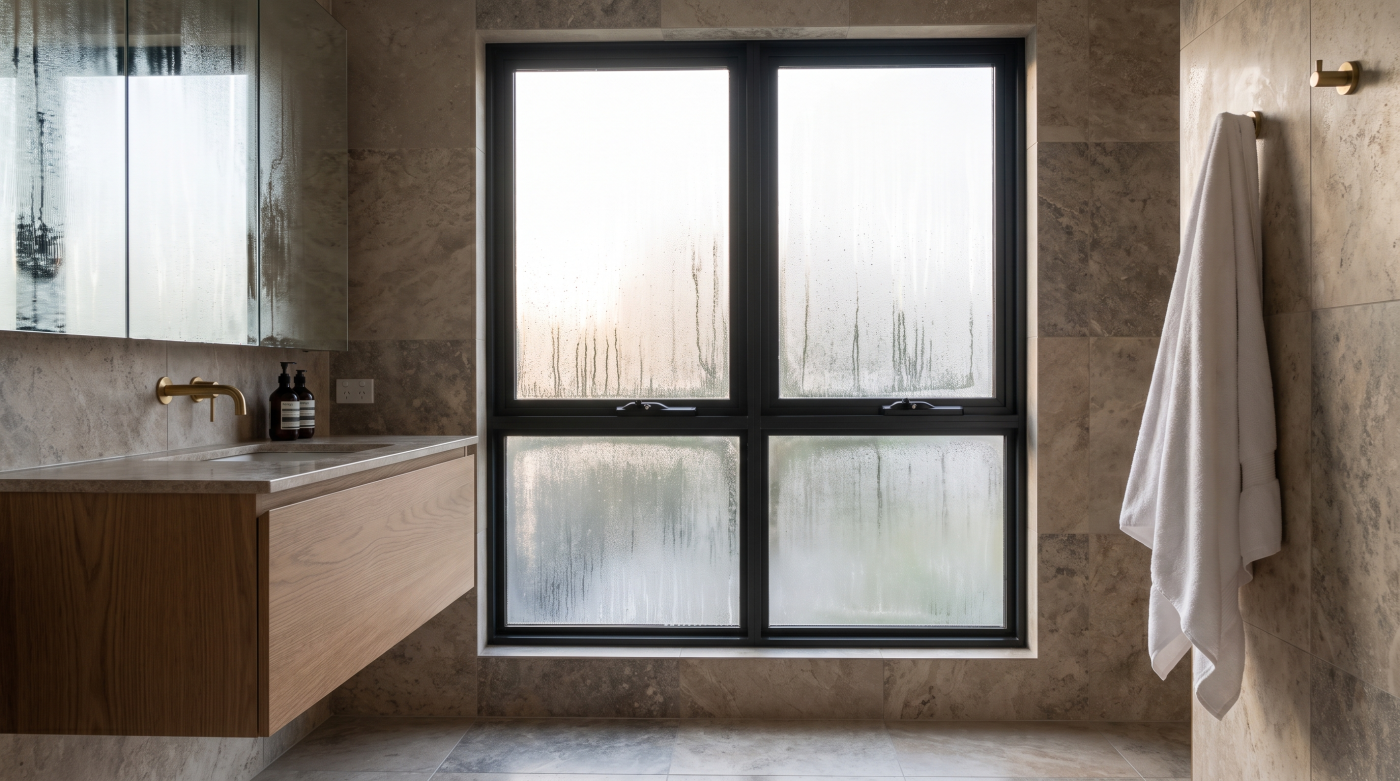
Condensation occurs when humid indoor air meets a surface cool enough for moisture to form. Older glazing may have a cooler internal surface during cold weather, but indoor humidity and ventilation also influence whether condensation develops. Persistent moisture on the glass can reach nearby frames and reveals, affecting finishes and creating conditions in which mould may develop. Moisture trapped between the panes of a sealed double-glazed unit is different again and may indicate that the unit’s seal has failed.
Occasional surface condensation does not automatically mean that a window needs replacing. Persistent water ingress, recurring dampness or moisture affecting adjacent materials, however, should not simply be accepted as a consequence of having old windows. Establishing the source and extent of the problem is the necessary first step towards deciding whether maintenance, repair, changes to moisture management or replacement would be appropriate.
Could Leaving Old Windows Affect Ventilation, Security or Everyday Use?
An old window may continue to look satisfactory while becoming increasingly difficult to use. Hinges, handles, locking mechanisms and other moving components are subject to repeated operation, and their condition influences whether the window can open, close and secure as intended. A stiff handle or poorly aligned opening element may initially seem like a minor inconvenience, but its cause deserves attention if the problem persists or worsens.
The ability to open a window can be important to the everyday use of a room. Where an opening provides occupant-controlled ventilation, difficulty operating it may limit the homeowner’s ability to introduce fresh air when needed. Some windows also have a role in emergency escape, although this depends on the building’s design and the purpose of the particular opening. A window that has become difficult to operate should therefore be considered in relation to its intended function, not simply its appearance.
Closure matters as much as opening. A window that does not shut correctly may admit draughts or rain, and its locking components may not engage as intended. Continued operation of a damaged mechanism can also place additional strain on other parts of the assembly. These problems do not mean that every older window is insecure or unsuitable; many can continue to function reliably with appropriate maintenance or repairs.
The appropriate response depends on whether the difficulty is confined to a serviceable component or reflects a wider problem with the frame or opening arrangement. Attending to worn hardware may restore satisfactory use without replacing the complete window. Where reliable operation or secure closure cannot be achieved through suitable repairs, the continued suitability of the existing assembly should be reconsidered.
Is Repairing and Maintaining Old Windows Better Than Replacing Them?
Repairing and maintaining old windows can be a suitable alternative to replacement when the existing frames remain sound and their shortcomings can be addressed without removing the complete assembly. Routine maintenance helps protect exposed materials and provides opportunities to identify wear before it affects other parts of the window. The appropriate approach depends on the construction and condition of each window rather than a general preference for either retention or replacement.
Timber windows, for example, may allow deteriorated finishes to be renewed and certain damaged components to be repaired. Operating hardware and seals may also be serviceable or replaceable, depending on the window system and the availability of compatible parts. Other materials and forms of construction may offer different repair possibilities. Where deterioration is extensive or suitable components are unavailable, repeated localised work may no longer provide a satisfactory long-term solution.
The architectural value of an existing window is another important consideration. Original windows in a period property may contribute to its character through their materials, proportions and detailing. Retaining and repairing them can preserve elements that would otherwise be lost through replacement. Where appropriate, targeted improvements may also address particular comfort or weather-protection concerns, although their suitability must be assessed in relation to the existing construction.
Repair is not automatically the better choice in every circumstance. A window may have reached a condition where further work cannot adequately restore its operation, weather protection or suitability for the building. Equally, replacement should not be assumed necessary simply because a window requires maintenance.
The most useful comparison considers the extent of the work needed, the likely ongoing maintenance and the architectural consequences of each approach. The aim is to retain serviceable windows where appropriate while recognising when their condition or the wider renovation objectives justify a more substantial intervention.
What Should You Consider Before Leaving Old Windows in a Period or Listed Property?
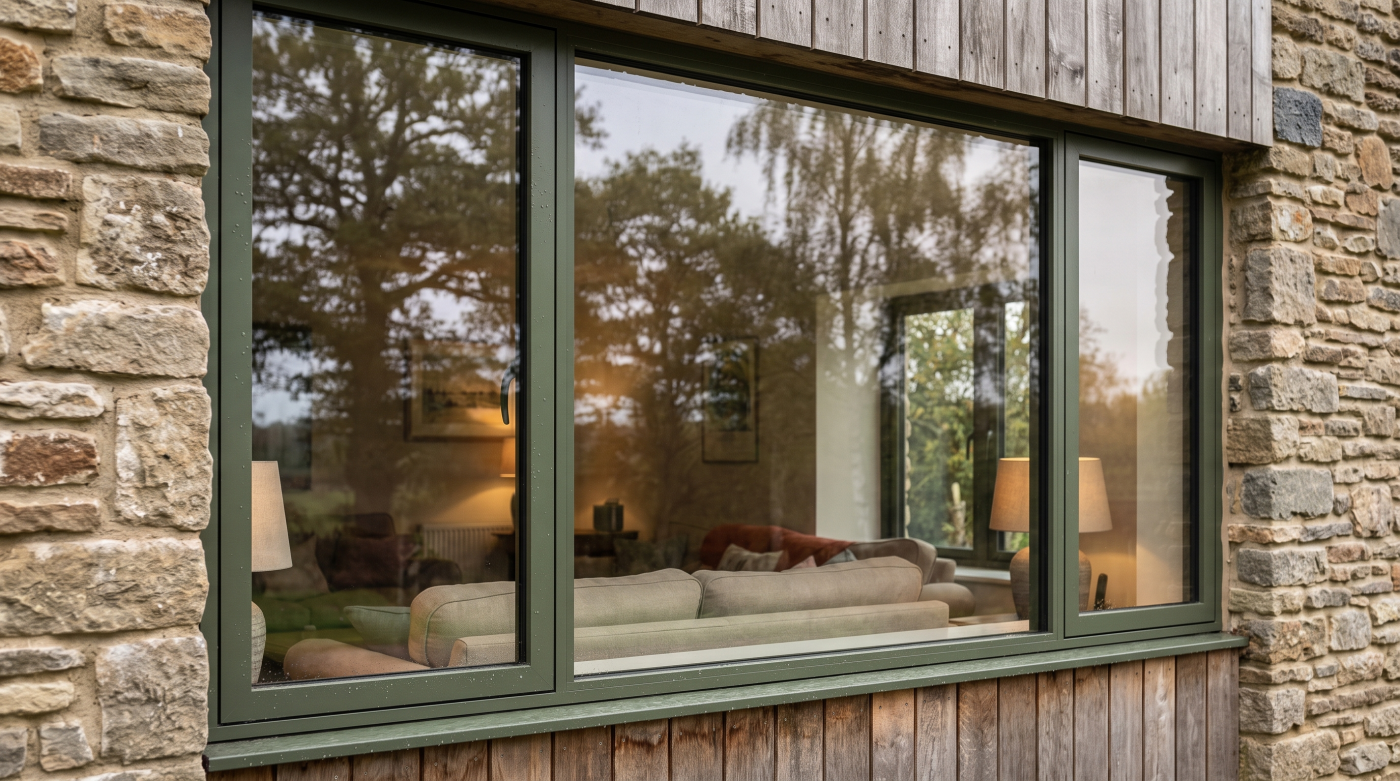
In a period property, retaining old windows may preserve more than a familiar appearance. Their materials, proportions, glazing divisions and joinery can contribute to the architectural character of the building. An original window may also contain historic fabric that would be lost through replacement. Its value should therefore be considered alongside its condition and performance, rather than judged solely against the characteristics of a contemporary window.
This does not mean that every old window is original or that retention is always appropriate. Some period buildings have windows installed during later alterations, and their significance may differ from that of earlier surviving joinery. Understanding what is already in place is an important starting point, particularly in Georgian properties in Bath and older houses across Wiltshire and the Cotswolds, where window design can play a defining role in the composition of the façade.
Retaining a significant window should not mean leaving active deterioration unaddressed. Damaged finishes, water ingress and defective operating components may require maintenance or repair to protect the existing fabric and allow the window to remain in use. Carefully assessed improvements to comfort or weather protection may also be possible, depending on the window’s construction and the architectural implications of the proposed work.
Where a building is listed, alterations affecting its special architectural or historic interest may require listed building consent. The requirements depend on the particular building and the nature of the work, so they should be established before changes are undertaken.
The central consideration is whether the existing windows can continue to serve the property while preserving the qualities that make them significant. Deliberate retention, supported by appropriate care, is different from allowing historic fabric to deteriorate through neglect.
How Do You Decide Whether to Keep, Repair or Replace Your Old Windows?
The decision to keep, repair or replace old windows should begin with an understanding of their present condition rather than their age. A window that remains sound, operates reliably and provides suitable weather protection may continue to serve the property without substantial intervention. Where defects are present, the next question is whether they can be addressed through maintenance or targeted repairs, or whether they indicate a wider problem with the assembly.
An assessment should consider the frame, glazing, seals, operating components and the connection between the window and surrounding construction. Cosmetic wear may call for little more than planned maintenance, while persistent water ingress, progressive deterioration or unreliable closure may require more immediate attention. Thermal comfort and ventilation also matter, but no single shortcoming automatically establishes that complete replacement is necessary.
The wider renovation programme can influence both the decision and its timing. If façade repairs, insulation improvements or changes to window openings are planned, it may be sensible to consider the windows alongside that work. Where several windows contribute to the appearance of an elevation, a coordinated approach can also help preserve the building’s architectural composition, even if improvements are carried out in stages. In a period property, the significance of existing materials and detailing may further influence what should be retained.
Where the cause or extent of a problem is unclear, an assessment by a suitably qualified professional can help establish the available options. Keeping an old window is a considered decision when its continued suitability has been established; leaving an active defect unexamined is something different. The aim is not to replace the oldest windows first, but to choose an appropriate level of intervention that supports the building’s continued use, performance and architectural character.