
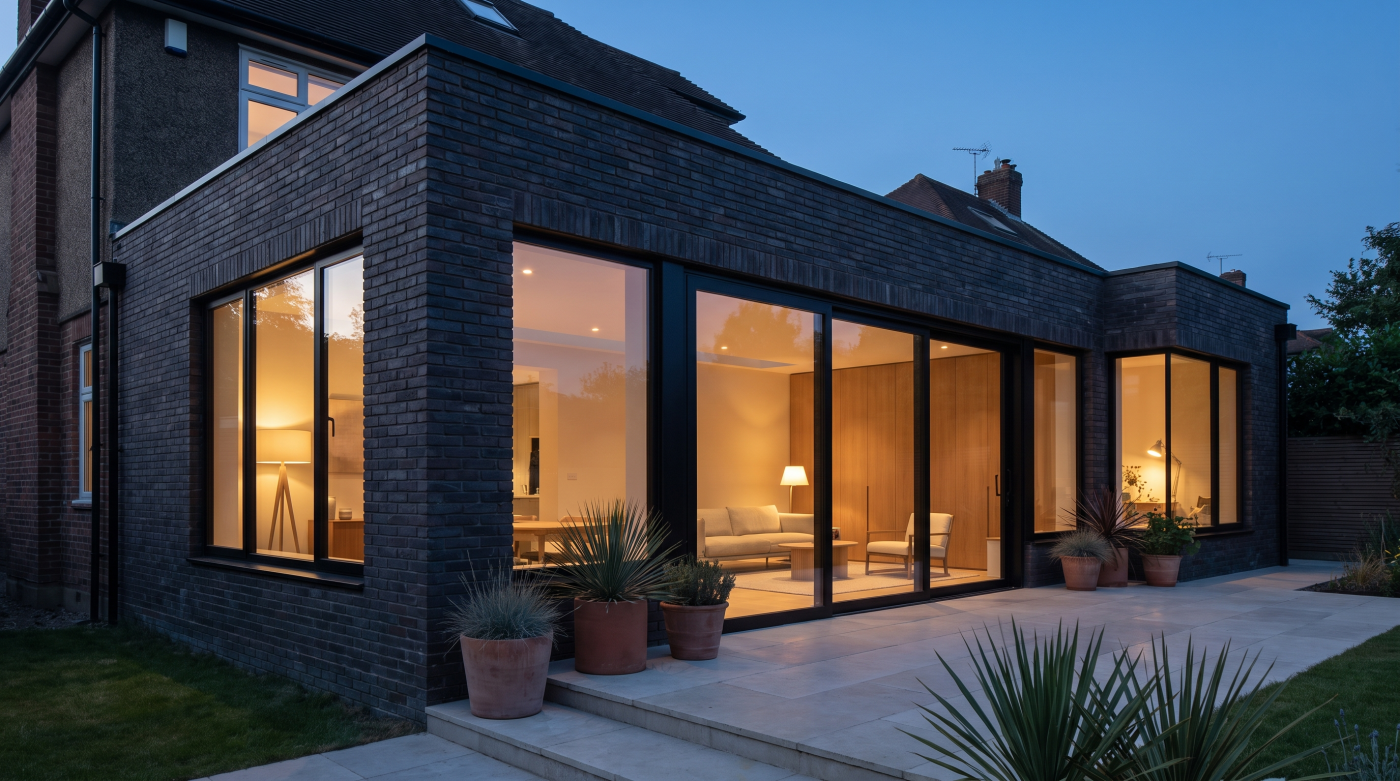
Forty Years Is a Design Question, Not a Warranty Claim
Architects routinely design homes expected to remain useful for many decades. Yet glazing decisions can become dominated by what happens at the beginning of that life: how the system looks, whether it meets the current performance requirements, what it costs and how successfully it delivers the architectural concept at completion. Long-term specification asks a different question: what happens after the glazing is no longer new?
That is what forty years means in this discussion. It is a design horizon, not a promise that a particular window, door or glazing system will achieve a forty-year service life. Actual longevity depends on the product, configuration, exposure, installation, use, maintenance and other project-specific conditions. Any specific service-life or warranty claim should therefore come from verified manufacturer information rather than a general assumption about premium glazing.
The useful distinction is between performance at installation and performance through useful service.
On day one, the glazing may satisfy the required specification. Over time, however, hardware is operated repeatedly, seals and other components experience ageing, finishes are exposed to weather, glazing units may eventually require attention and maintenance becomes part of ownership. The primary frame may remain perfectly serviceable while another component needs adjustment, repair or replacement.
Thinking decades ahead therefore changes the specification conversation. It encourages architects and homeowners to look beyond initial performance figures and ask about maintainability, repairability, component support, exposure and the relationship between the glazing and the surrounding construction.
The objective is not to predict exactly what condition a window will be in four decades from now. No responsible specification can remove that uncertainty.
Instead, ask:
If this glazing is intended to remain part of the architecture for decades, what can we decide today that improves its chances of remaining useful, maintainable and worth keeping?
That is the real value of a forty-year design horizon.
Longevity begins at specification—not when the first maintenance problem appears.
Start With Architecture That Will Still Make Sense
Technical durability is only one part of longevity. A window can remain perfectly functional and still be removed because the building no longer wants it. If glazing is intended to remain in place for decades, the architecture needs to justify keeping it for decades too.
That begins with purpose. Why is each opening there? Perhaps it frames an important view, brings daylight into a particular part of the plan, connects a living space with the garden or creates a deliberate relationship between old and new architecture. When glazing has a clear role, there is a stronger reason for future owners to preserve it.
Proportion matters as well. Frame relationships, opening sizes, solid-to-glass balance and the way glazing sits alongside surrounding materials all contribute to whether a façade feels coherent. This does not mean there is one “timeless” architectural style. Contemporary architecture can age exceptionally well, just as traditional design can be handled poorly. The more useful distinction is between glazing driven by enduring architectural purpose and glazing driven primarily by a temporary visual fashion.
This has a sustainability consequence. Windows and large glazed assemblies contain materials that required resources and energy to manufacture. If the architecture continues to value those products, there is a stronger possibility that their useful service will be extended rather than interrupted by unnecessary aesthetic replacement.
It also argues against glazing simply for the sake of glazing. An enormous opening that exists primarily because large panes were fashionable at the time of construction may not necessarily hold the same value for future occupants. A carefully positioned opening that transforms daylight, movement or a significant view has a clearer reason to remain.
For architects and self-builders, long-life specification therefore begins before frame materials, hardware or maintenance schedules are discussed.
Ask:
Will this glazing still have a clear architectural job to do when the house is no longer new?
Technical longevity matters enormously. But it only creates long-term value if the architecture still wants the product.
The first step towards glazing that lasts is designing glazing worth keeping.
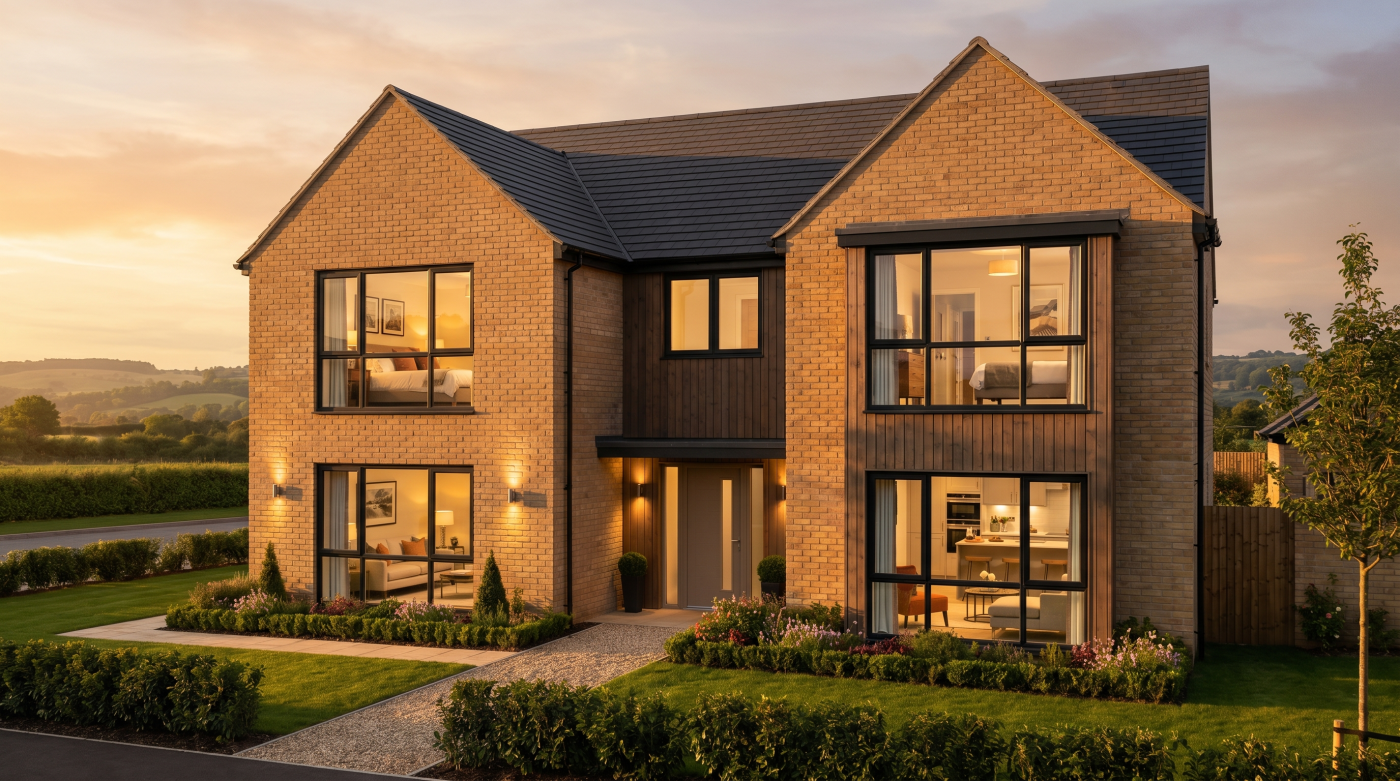
The Weakest Component Can Determine the Useful Life of the System
When discussing window longevity, attention often goes immediately to the frame. Aluminium may be chosen partly for durability, timber may be discussed in terms of maintenance, and different materials attract different expectations about service life. But the useful life of a window cannot be judged from its primary frame material alone.
A complete glazing system contains multiple components. Depending on the product, these can include insulating glass units, gaskets, seals, hinges, handles, locks, sliding mechanisms, drainage arrangements, finishes and other system-specific parts. Each performs a different job, experiences different stresses and may require attention at a different point in the building’s life.
This creates an important distinction:
Frame durability ≠ complete-system longevity
A primary frame could remain fundamentally serviceable while a smaller component eventually requires maintenance or replacement. The long-term value of the system then depends partly on what happens next. Can the affected component be serviced? Can an appropriate replacement be obtained? Can it be changed without removing a much larger part of the glazing assembly?
These questions become particularly important with large-format doors and more complex architectural glazing. A relatively small component should ideally not turn an otherwise serviceable installation into a complete replacement project simply because nobody considered future maintenance when the system was selected.
This does not mean every component can be guaranteed to remain available decades into the future. Product ranges change, manufacturers develop new systems and supply chains evolve. That uncertainty makes verified manufacturer information, maintenance guidance and the support behind a system relevant considerations during specification.
For architects and self-builders thinking long term, the question should therefore extend beyond “How durable is the frame?”
Ask:
“What is likely to need attention during the life of this system, and what happens when it does?”
A glazing system designed to accommodate maintenance and component replacement has a better opportunity to remain useful when individual parts begin to age.
Long-life glazing is not glazing in which nothing ever needs attention. It is glazing that can respond intelligently when something eventually does.
Repairability Should Be a Specification Criterion
If glazing is intended to remain useful for decades, repairability should not first be considered when something goes wrong. It deserves consideration while the system is still being specified.
Every glazing system will eventually move beyond its day-one condition. Hardware is used, components age and maintenance becomes necessary. The important long-term question is therefore not whether a premium window will remain untouched indefinitely, but whether foreseeable problems can be addressed without unnecessarily replacing an otherwise serviceable assembly.
This introduces a useful specification principle:
Design for maintenance, not just installation.
Depending on the particular system, architects and homeowners may want to investigate whether hardware can be serviced, whether appropriate components can be replaced and whether glazing units can be changed independently of the primary frame where required. Manufacturer maintenance information, component support and the availability of specialist knowledge can all become relevant when considering the system’s long-term usefulness.
There is also a question of dependency. Some glazing systems rely on specific hardware or proprietary components. That is not inherently problematic, but it makes the support surrounding the product important. What happens if a component needs attention in ten, twenty or thirty years? Nobody can guarantee that every individual part will remain available indefinitely, but understanding the manufacturer’s approach to product support and maintenance can help make longevity a more deliberate consideration.
This becomes particularly significant with large-format sliding doors and complex architectural glazing. Replacing an entire assembly because a smaller element can no longer be appropriately serviced can carry substantial cost, disruption and additional material demand.
Repairability cannot guarantee a particular lifespan. It can, however, influence whether a window that remains fundamentally valuable to the building has a realistic opportunity to stay there.
The specification question should therefore extend beyond:
“How does this system perform when new?”
and include:
“How can it be kept performing when it is no longer new?”
The best time to think about repairing glazing is long before it needs repairing.
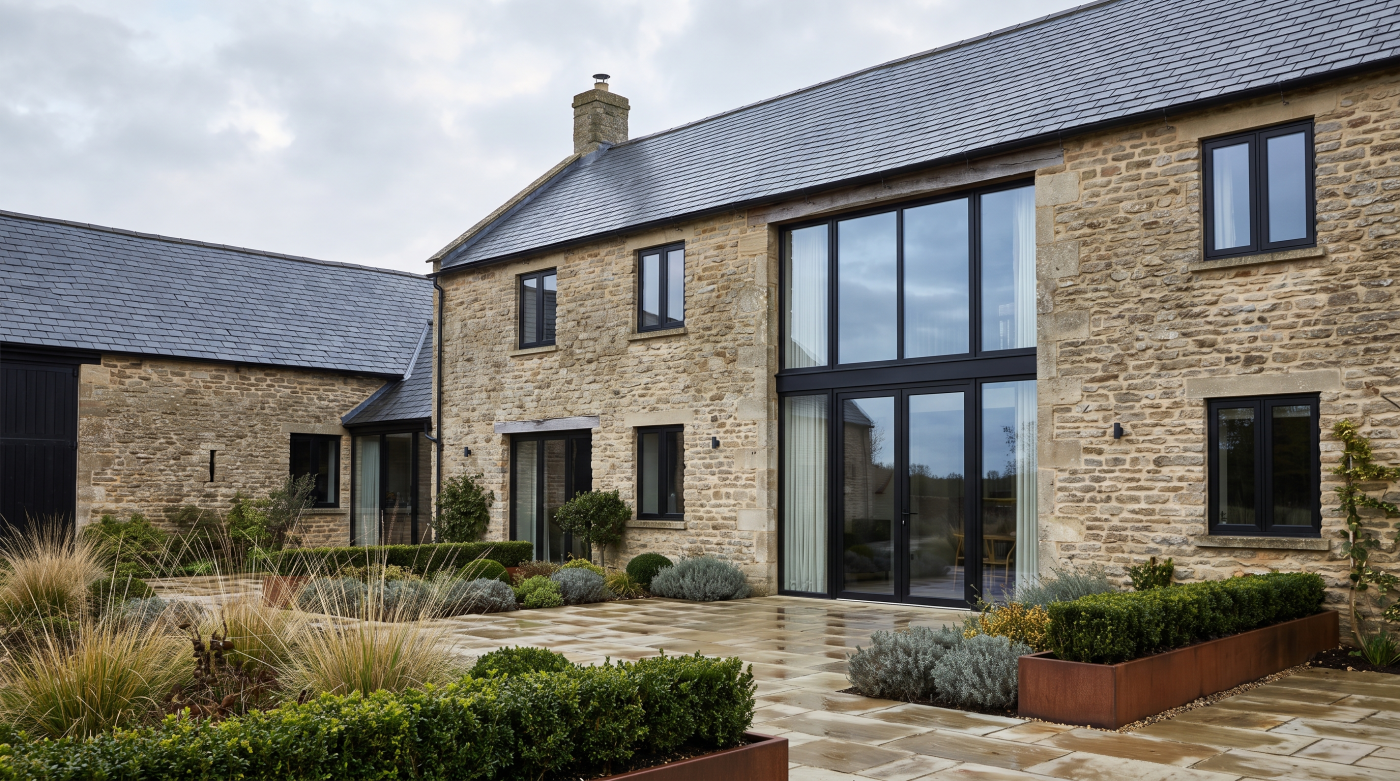
Exposure Can Matter as Much as the Product
Two identical windows installed on the same building can experience very different conditions over their useful lives. One may sit beneath a generous overhang on a sheltered elevation, while another is repeatedly exposed to wind, rain and direct solar exposure. Long-term performance is therefore not simply a characteristic of the product; it is a relationship between the product and the environment in which it is installed.
Orientation is part of that relationship. So are the building’s location, surrounding landscape, elevation design and the degree of shelter provided by the architecture. Thresholds and opening elements may experience different conditions from fixed glazing, while frequently operated doors can face different demands from windows that remain closed for much of their lives.
This is why specifying the same glazing family throughout a project does not necessarily mean every opening should be considered identical. The conditions around each part of the building still matter.
Architecture can influence those conditions too. Recessing an opening, introducing an overhang or changing the position of glazing within an elevation can alter its exposure. These decisions should not be treated as universal durability solutions—the correct detailing depends on the building, system and wider design—but they demonstrate an important principle:
The building creates the environment in which the glazing has to survive.
For architects, this means exposure deserves consideration alongside appearance and performance when glazing systems are investigated. Relevant manufacturer requirements and verified system information should inform the specification, while detailed interfaces and weathering strategies remain part of the appropriately coordinated design.
For homeowners, it also explains why one window can begin requiring attention while another of a similar age appears comparatively unaffected. Their chronological age may be identical; their lives within the building may not have been.
Long-life glazing therefore begins with understanding not only what is being specified, but where and how it will live.
A durable product is important. Specifying that product appropriately for the conditions it will actually experience is equally important.
Installation Is Part of Long-Term Performance
A glazing system does not perform in isolation. Once installed, it becomes part of a larger building, connected to walls, floors, thresholds and surrounding construction. That means the long-term performance of glazing depends not only on selecting an appropriate product, but on how successfully that product is integrated into the building.
This is particularly important with larger or more complex glazing systems. Support, alignment, interfaces, drainage arrangements, thresholds, adjacent construction and anticipated movement can all form part of the wider coordination required around an installation. The relevant requirements will depend on the system and project, so verified manufacturer information and the appropriately appointed design and construction professionals should guide the technical details.
The strategic principle is simpler:
Product specification and installation cannot be separated when thinking about longevity.
A high-performing system selected carefully during design still needs the conditions required for it to operate as intended once it reaches site. Equally, decisions made elsewhere in the building can affect how easily the glazing can be installed, maintained and eventually accessed for appropriate remedial work.
This is one reason early coordination between architect, builder and glazing specialist can be valuable. If significant interfaces are discussed while the building is still being designed, there is greater opportunity to understand system requirements and coordinate them with the surrounding construction. Waiting until installation is approaching can leave less flexibility to resolve conflicts without compromise.
For architects, this reinforces why glazing decisions should not end with the product schedule. For builders, it means understanding the requirements of the glazing package before the relevant surrounding construction is fixed. For glazing specialists, it means contributing appropriate system knowledge without attempting to assume responsibility for areas belonging to the wider design team.
A useful way to think about it is:
System selection → Interface coordination → Installation → Operation → Maintenance → Long-term performance
The window described in a catalogue is only the beginning.
The window does not perform in a catalogue. It performs in a wall.
Designing glazing for decades of useful service therefore means paying attention not only to what is ordered, but to how that system ultimately becomes part of the architecture.
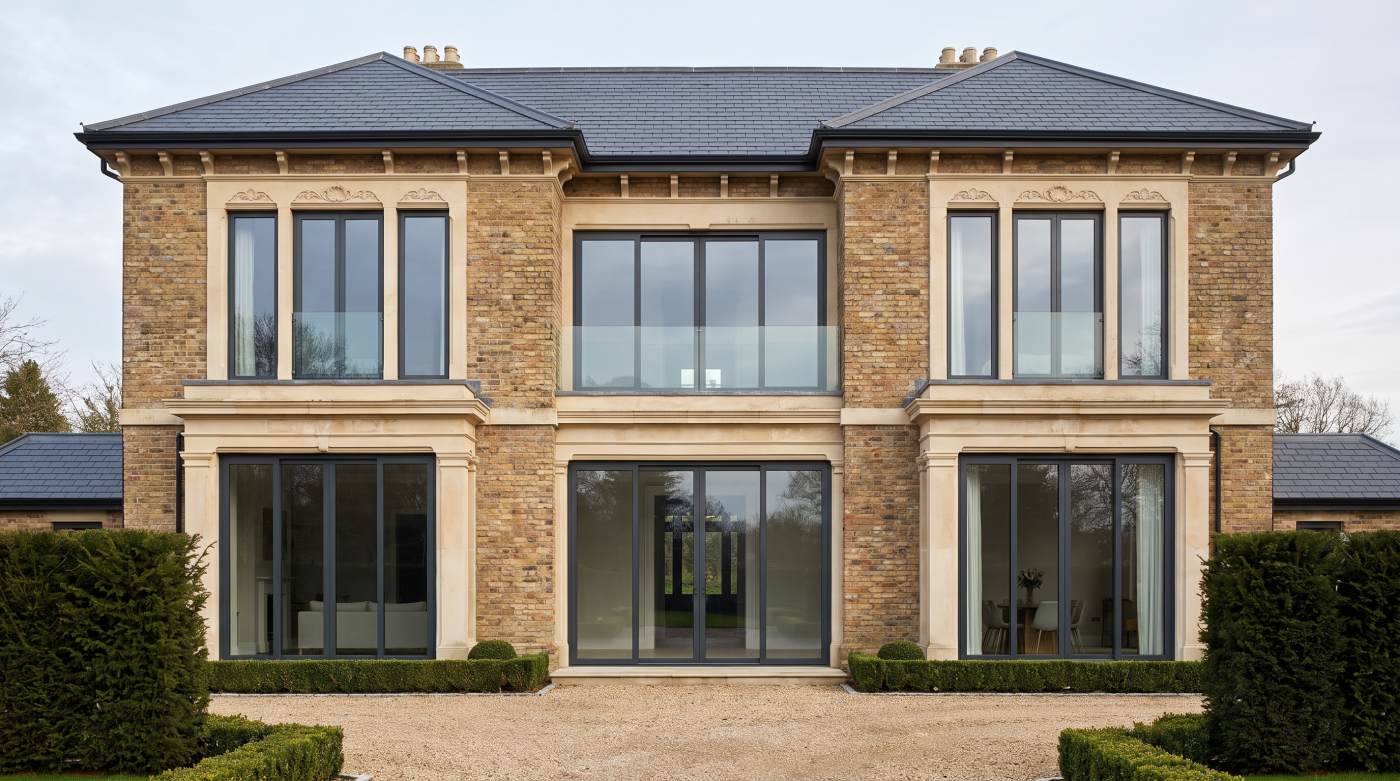
Maintenance Is Not Evidence of Failure
Premium glazing is sometimes discussed as though durability should mean requiring no attention for decades. That is an unrealistic standard for almost any part of a building. Maintenance does not necessarily mean that a glazing system is failing; it can be part of how that system remains useful for longer.
Depending on the product and how it is used, glazing may require appropriate cleaning, inspection, adjustment, servicing or component attention during its life. Opening windows and doors contain moving parts. Drainage arrangements may need to remain clear. Hardware is repeatedly operated. Finishes and seals experience environmental exposure. The relevant maintenance requirements will vary by system and should come from verified manufacturer guidance rather than generic assumptions.
The important distinction is between planned maintenance and premature failure.
A product that can be inspected, maintained and appropriately serviced may have a better opportunity to remain useful when individual components begin to age. Conversely, treating every maintenance requirement as evidence that replacement is needed risks shortening the useful service of an otherwise valuable installation.
There is another long-term issue that deserves more attention: information.
Twenty or thirty years after a home is completed, the person responsible for maintaining its glazing may not be the person who specified it. The original architect may no longer be involved and the property may have changed ownership several times. If nobody knows what systems were installed, which components were used or what maintenance guidance applies, future repair can become unnecessarily difficult.
For premium projects, retaining a simple glazing record can therefore have real value. Where available, this might include system and product information, relevant maintenance guidance, operating instructions, warranty documentation and records of the original supplier or installer.
This is not paperwork for its own sake. It gives future owners a better starting point when something eventually requires attention.
Long-life architecture needs a memory.
If glazing is being designed to remain useful for decades, the specification should consider not only how the first owner will operate it, but how future owners will know what they have—and how to look after it.
Specify for Useful Service, Not Just Day-One Performance
Designing glazing for the long term requires a different mindset from simply choosing the system that performs well when the building is completed. The objective is not only to meet today’s requirements, but to give the glazing the best realistic opportunity to remain useful, maintainable and architecturally valuable for decades.
A useful specification sequence is:
Purpose → System → Exposure → Performance → Installation → Maintainability → Repairability → Future usefulness
Purpose comes first. Does the glazing have a clear architectural role that is likely to remain valuable? From there, consider whether the system is appropriate for the opening, configuration and conditions it will experience. Verified performance information should support the specification, while interfaces with the surrounding building need appropriate coordination between the project team, builder and glazing specialist.
Then ask questions that are easily overlooked when everything is new. What maintenance will the system require? What happens when hardware or another component eventually needs attention? Can appropriate parts be serviced or replaced? What manufacturer information should be retained? Will a future homeowner be able to identify what was installed and understand how it should be maintained?
These questions also matter environmentally. Architectural glazing requires materials and energy to manufacture. If that investment results in a product that remains useful for an appropriately long period, premature replacement may be avoided. That does not mean longer service automatically guarantees a lower whole-life carbon outcome; formal comparisons depend on project-specific evidence and assumptions. But longevity clearly deserves a place alongside initial performance when sustainability is being considered.
Forty years is therefore not a number that a generic article can responsibly promise. Different systems, components, installations and buildings will experience very different lives, and any specific longevity or warranty claim needs appropriate product evidence.
The better question is not:
“Can somebody guarantee this glazing will still perform in forty years?”
It is:
“What can we decide today that gives it the best chance of still being useful, maintainable and worth keeping decades from now?”
That means designing glazing worth retaining, choosing systems appropriate to their environment, coordinating installation carefully, planning for maintenance and considering repairability before anything needs repairing.
Long-term performance is not one product feature. It is the accumulated result of good decisions made throughout design, specification, installation and ownership.