
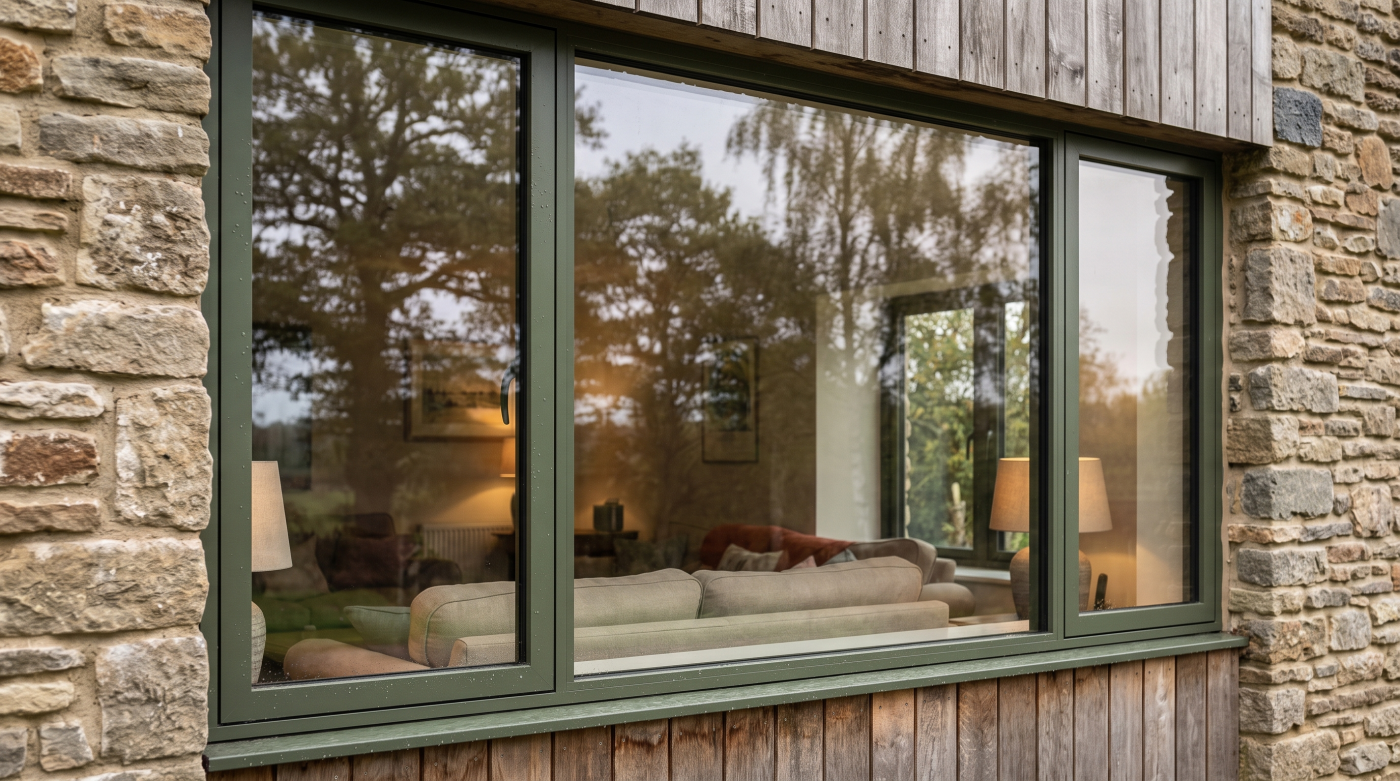
Start With the Home, Not the Windows
One of the most common mistakes homeowners make when approaching a glazing supplier is beginning the conversation with products rather than the project itself. Questions such as “Do you supply slim sliding doors?” or “Which aluminium windows do you recommend?” are understandable, but they encourage discussion about solutions before the underlying objectives have been established. Architects take the opposite approach. Before specifying any product, they first seek to understand what the home is trying to achieve and how glazing can contribute to that vision.
Every successful glazing project begins with a clear understanding of the building and the people who will live in it. A contemporary extension may be designed to bring more natural light into family spaces, a renovation may seek to improve comfort while respecting the character of an existing property, or a self-build may prioritise long-term performance and energy efficiency. These ambitions provide the context for every specification decision that follows. Rather than selecting windows first and hoping they suit the project, architects define the purpose of the home before considering the most appropriate glazing solutions.
This broader perspective also helps suppliers provide more meaningful advice. When they understand how the property will be used, what architectural style is being pursued and what the long-term aspirations are, they can recommend glazing systems that support those objectives rather than simply responding to a product enquiry. The discussion shifts from comparing frame profiles and opening types to exploring how glazing can improve natural light, strengthen connections with the landscape, enhance comfort and support the overall design of the building.
For homeowners, this means beginning every consultation by describing the project rather than the products. Explain what you are renovating or building, how you want the spaces to feel and what you hope the finished home will achieve. Share the architectural vision before discussing individual windows or doors. Architects recognise that the best specifications emerge from a clear understanding of the project as a whole. When suppliers are given that same context from the outset, they are far better equipped to recommend solutions that genuinely reflect the home you originally imagined rather than simply the products you initially thought you needed.
Explain How You Want the Spaces to Feel
Architects know that great glazing is about far more than achieving a particular appearance from outside the building. Its real success is measured by how the spaces feel once people begin living in them. For this reason, they spend time understanding the atmosphere, comfort and experience the homeowner wants to create before recommending specific products. Rather than asking simply where windows should be positioned, they ask how each room should function and what qualities it should offer throughout the day and across the seasons.
Natural light is often one of the first topics discussed. A homeowner may want a kitchen that feels bright from morning onwards, a living room that frames evening views across the garden or a staircase filled with daylight that transforms an otherwise functional space into an architectural feature. These aspirations provide valuable design direction because they explain not only where glazing is required but why it matters. Architects understand that the emotional experience of light is just as important as its practical function.
The same principle applies to the relationship between the home and its surroundings. Some projects aim to create a strong connection with gardens or countryside views through expansive glazing and carefully framed openings. Others may prioritise privacy while still welcoming generous amounts of daylight. Comfort also forms part of the conversation, including how spaces should feel during winter, how ventilation will support warmer months and how glazing can contribute to a calm, quiet internal environment. These objectives are difficult to communicate by discussing products alone, yet they are fundamental to creating a home that feels successful once completed.
For homeowners, this means describing experiences rather than specifications. Instead of saying, “I want large sliding doors,” explain that you want the dining area to open naturally onto the terrace during summer or that you would like uninterrupted views of the landscape from the living room. Rather than requesting larger windows, describe your desire for brighter family spaces or a stronger connection with the garden. Architects recognise that glazing is ultimately about shaping how people experience architecture. The more clearly you communicate the feeling you want each space to create, the easier it becomes for a glazing specialist to recommend solutions that turn that vision into reality.
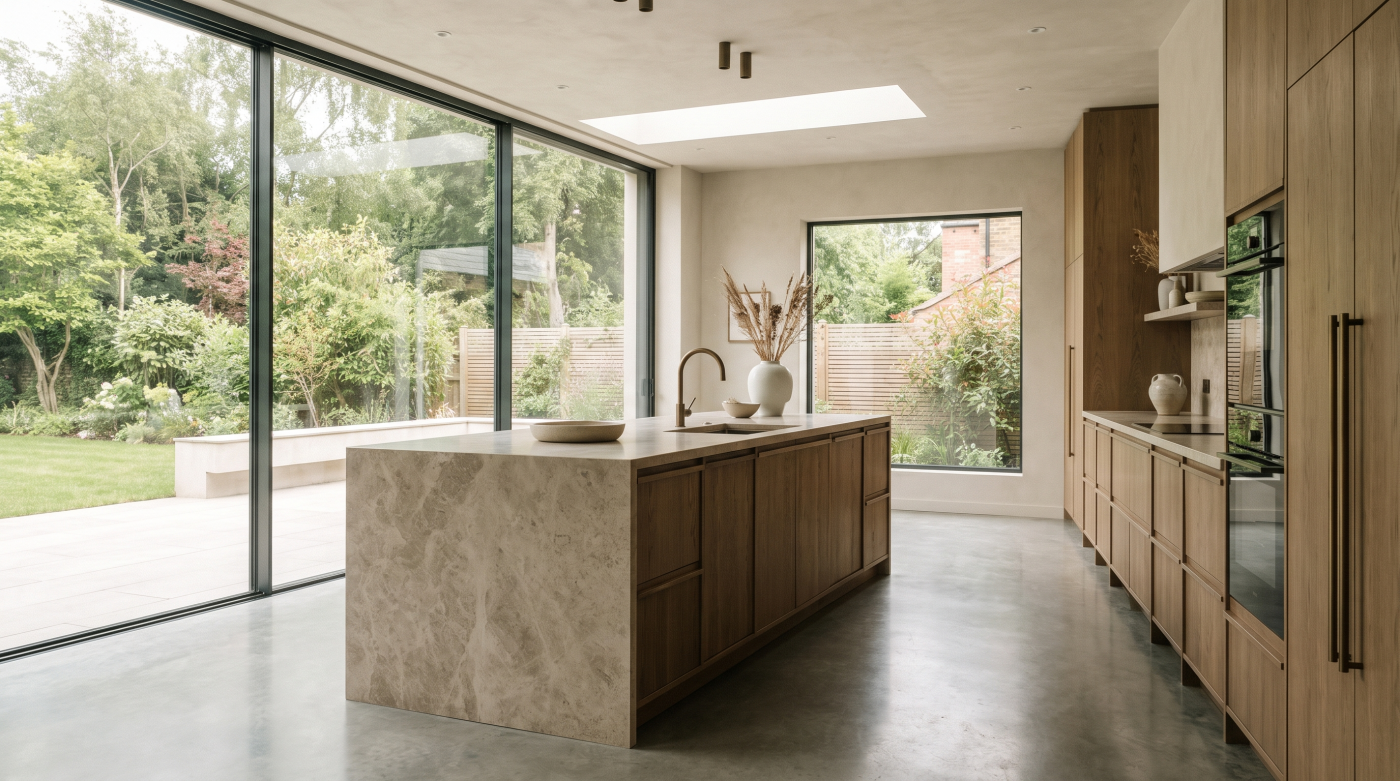
Share the Practical Constraints Early
A successful glazing brief is not created by describing aspirations alone. Architects understand that every project exists within a set of practical parameters that influence what can realistically be achieved. Rather than treating these as obstacles, they discuss them openly from the very beginning because clear understanding of a project’s constraints allows better decisions to be made throughout the design and specification process. The earlier these factors are shared, the more effectively they can be incorporated into the final solution.
Budget is one of the most important considerations, yet it is often discussed too late or in overly general terms. Architects do not see budget as something that limits creativity; instead, it helps establish priorities. Understanding where investment matters most allows the specification to be developed intelligently, ensuring resources are focused on the aspects of the project that will deliver the greatest architectural and long-term value. Being open about financial expectations helps suppliers recommend solutions that are appropriate from the outset rather than revising proposals repeatedly as the project progresses.
Practical project constraints are equally valuable to discuss. Planning requirements, conservation considerations, construction timelines, existing building conditions and structural limitations all influence the glazing specification. A renovation of a period property presents different challenges from a contemporary self-build, while a phased extension may require different programme planning from a complete new-build. Sharing this information early enables glazing specialists to provide advice that reflects the realities of the project instead of relying on assumptions that may later need to be revised.
For homeowners, transparency at this stage creates better collaboration rather than reducing options. Explaining what is fixed, what is flexible and where the project faces particular challenges gives suppliers the context they need to develop thoughtful recommendations. Architects recognise that the strongest design solutions emerge when opportunities and constraints are understood together. A glazing supplier who understands both your ambitions and your practical realities is far better placed to help deliver a home that feels every bit as successful as you imagined, while remaining achievable within the project’s real-world parameters.
Tell the Story of the Project
Architects rarely think of a glazing specification as a collection of individual products. Instead, they see it as one chapter in the wider story of a building. Every renovation, extension or self-build begins with a purpose, and understanding that purpose helps shape every design decision that follows. For this reason, architects encourage clients to explain the journey of the project rather than simply describing the windows and doors they hope to install.
The story may begin with a growing family that needs brighter, more connected living spaces. It may centre on restoring a period property while introducing contemporary comfort, or on creating a self-build home that will serve changing lifestyles for decades to come. Each of these narratives carries different priorities and influences the way glazing should contribute to the architecture. By understanding why the project exists, suppliers can interpret design choices within their proper context instead of responding only to individual product requests.
Context also helps explain the decisions that matter most. A homeowner might place particular importance on preserving a cherished garden view, creating a seamless connection between indoor and outdoor living or improving the relationship between different areas of the home. Others may be motivated by sustainability, accessibility or the desire to future-proof the property for later life. These ambitions often reveal more about the appropriate glazing solution than a list of preferred products because they explain the objectives that every specification decision should support.
For homeowners, telling the story of the project provides valuable insight that no floor plan or product enquiry can communicate on its own. Explain why you are undertaking the renovation, what you hope the completed home will allow you to do differently and what success will look like once the work is finished. Architects recognise that glazing should help bring this story to life rather than simply fill structural openings. When suppliers understand the motivations behind the project as well as the technical requirements, they are far better equipped to recommend solutions that reflect both the architecture and the people who will ultimately call the building home.
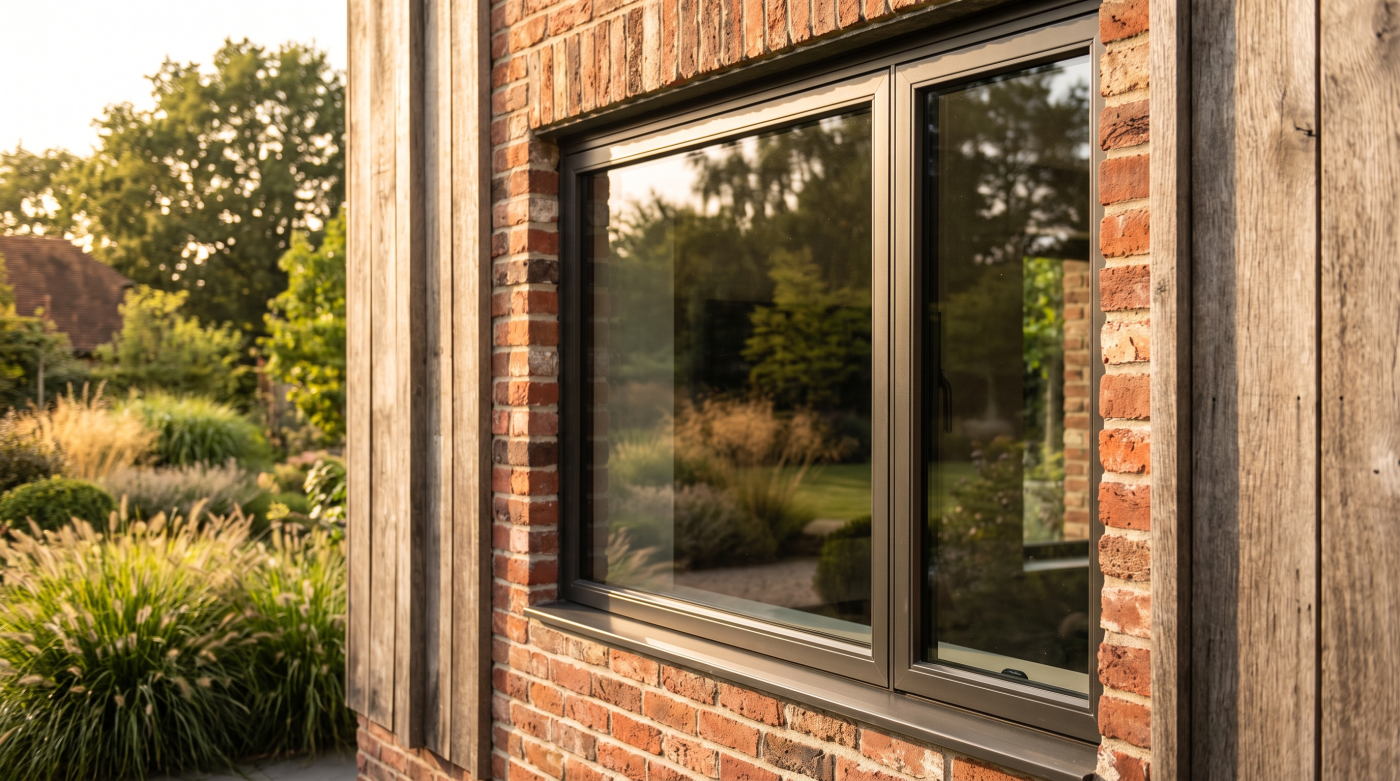
Share Inspiration, But Explain Why
Inspiration is an important part of almost every glazing project. Homeowners often arrive at consultations with photographs saved from architecture magazines, Pinterest boards, Instagram collections or completed projects they admire. These references are valuable because they help communicate design preferences visually, but architects understand that the images themselves are only the starting point. The most useful conversation is not about copying what is shown in the photograph but understanding why it feels appealing in the first place.
An image may capture attention for many different reasons. It could be the amount of natural light filling the room, the way slim aluminium frames almost disappear into the architecture or the uninterrupted view created by large areas of glazing. Sometimes it is the relationship between the house and the landscape, while in other cases it is the calm simplicity of the interior or the proportions of the openings within the façade. These underlying qualities are often far more important than the specific products featured in the image because they reveal the experience the homeowner is hoping to create.
Architects use inspiration in this way to guide specification rather than dictate it. Every building has its own orientation, planning context, structural constraints and architectural character, meaning a solution that works beautifully in one project may not be appropriate for another. By understanding what attracts a homeowner to a particular image, a glazing specialist can interpret those ideas in a way that responds to the realities of the individual project rather than attempting to reproduce someone else’s design. This approach leads to architecture that feels authentic and carefully considered rather than simply imitative.
For homeowners, the most helpful way to share inspiration is to accompany every image with an explanation. Instead of saying, “I want this,” describe what you like about it. Is it the light? The connection with the garden? The clean sightlines? The feeling of openness? The understated detailing? These observations provide valuable context that enables a supplier to understand the design intent behind the reference. Architects recognise that inspiration is most powerful when it communicates ideas rather than products. By explaining why an image resonates with you, you make it far easier for the project team to create a home that captures the qualities you admire while remaining entirely appropriate for your own architecture.
Ask for Advice, Not Confirmation
One of the greatest advantages of working with an experienced glazing supplier is access to professional knowledge that extends far beyond individual products. Architects understand that specialists are most valuable when they are invited to contribute their expertise rather than simply confirm decisions that have already been made. Instead of approaching consultations with fixed answers, they ask open questions that encourage discussion, allowing the specification to evolve through collaboration rather than assumption.
It is natural for homeowners to arrive with ideas about the products they would like, particularly after researching online or collecting inspiration images. However, architects recognise that these early preferences are often best treated as starting points rather than final decisions. By explaining the objectives of the project and asking how those ambitions might best be achieved, they create opportunities for alternative solutions that may better suit the building, improve long-term performance or simplify installation. Professional advice is most valuable when it has the freedom to challenge initial assumptions rather than simply reinforce them.
Open-ended questions also encourage more meaningful conversations. Asking “How would you approach this project?” or “Is there another way to achieve the same result?” provides suppliers with the opportunity to draw on their experience across a wide range of architectural projects. They may identify specification improvements, practical considerations or opportunities that would not have emerged if the discussion had focused solely on confirming a preferred product. This collaborative approach helps ensure that recommendations respond to the architecture, the construction programme and the homeowner’s long-term aspirations rather than to a predefined shopping list.
For homeowners, the goal of a consultation should be to gain insight rather than validation. A trusted glazing specialist should add value by asking thoughtful questions, explaining options clearly and occasionally recommending a different direction if it better supports the success of the project. Architects recognise that expertise is demonstrated not by agreeing with every initial idea but by helping refine those ideas into a stronger overall solution. By seeking advice instead of confirmation, homeowners create space for genuine collaboration, leading to better specification decisions and a finished home that more closely reflects the vision they originally hoped to achieve.
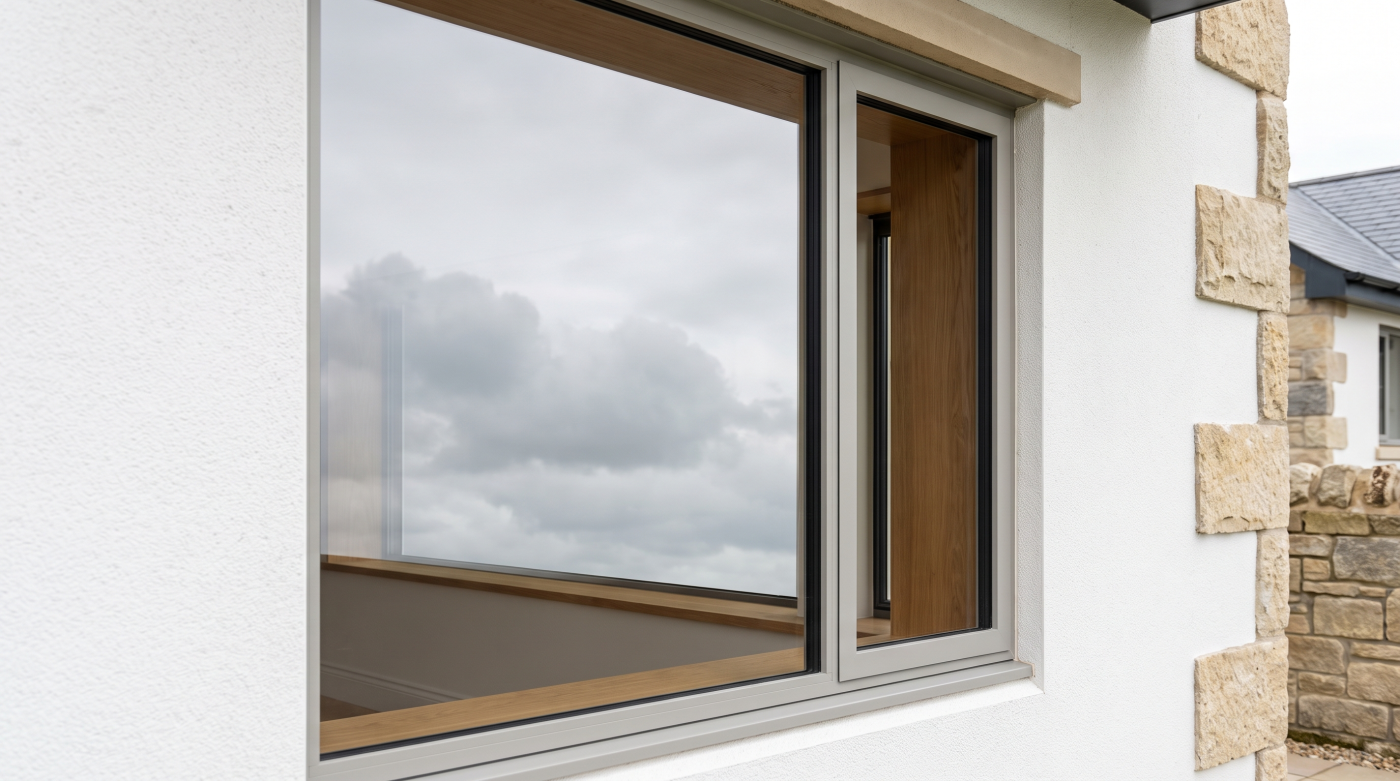
Agree the Priorities Before Discussing Products
One of the reasons architects are able to develop coherent glazing specifications is that they establish the project’s priorities before evaluating individual products. They recognise that no glazing system can be judged in isolation because every decision involves balancing a range of architectural, practical and financial considerations. By agreeing what matters most at the outset, the specification process becomes clearer, more focused and better aligned with the overall objectives of the project.
Every homeowner will have different priorities. For some, maximising natural light and strengthening the connection with the garden will be central to the design. Others may place greater emphasis on thermal performance, acoustic comfort, ease of maintenance or preserving the character of an existing property. Budget and construction programme also influence decision-making, as do long-term aspirations for how the home will perform over many years. Architects encourage these priorities to be discussed openly because understanding their relative importance provides the framework for every recommendation that follows.
Establishing priorities also makes it easier to evaluate compromises when they arise. A particular glazing system may offer exceptionally slim sightlines, while another may provide greater flexibility in configuration or maintenance requirements. Rather than searching for a universally perfect product, architects assess how well each option supports the objectives that have already been agreed. This structured approach prevents individual features from dominating the conversation and ensures that every specification decision contributes positively to the wider architectural vision.
For homeowners, discussing priorities before products creates more productive conversations with glazing specialists. Instead of asking which window or door is “best,” explain what success looks like for your project and identify the factors that matter most to you. Whether your priorities centre on design, performance, longevity, programme or investment, sharing them early helps suppliers tailor their recommendations accordingly. Architects understand that successful specifications are not created by comparing catalogues alone but by ensuring that every decision reflects a clear understanding of what the project is trying to achieve. When everyone agrees on the priorities first, choosing the right glazing solution becomes a far more confident and collaborative process.
Great Briefs Create Great Buildings
The success of a glazing project is rarely determined by a single product, a particular frame system or even the size of the budget. More often, it reflects the quality of the conversations that take place before specification begins. Architects understand that a well-prepared brief provides the foundation for every decision that follows, aligning everyone involved around a shared understanding of what the project is trying to achieve. When the architectural vision is communicated clearly from the outset, the resulting specification is far more likely to deliver the home the client originally imagined.
Throughout the briefing process, architects focus on understanding objectives before discussing solutions. They explore how the building will be used, how the spaces should feel, what practical constraints exist and which priorities matter most to the homeowner. They encourage open discussion, invite professional advice and use inspiration as a way of communicating ideas rather than prescribing products. By building this level of understanding before technical decisions are made, they create a framework that guides surveying, specification, manufacturing and installation with far greater confidence.
For homeowners, adopting the same approach transforms a glazing consultation into a collaborative design conversation. Rather than asking for a particular type of window or door, they provide the context that allows experienced professionals to recommend the most appropriate solution. This reduces the likelihood of misunderstandings, creates more meaningful discussions and helps ensure that every recommendation is measured against the wider ambitions of the project rather than viewed in isolation. The result is a specification that supports both the architecture and the way the home will be lived in for years to come.
Ultimately, great glazing begins with a great brief. Products, quotations and technical details all have their place, but they are most effective when they are guided by a clear understanding of the building, the people who will occupy it and the experience the finished home is intended to create. Architects recognise that successful projects are built on communication, collaboration and thoughtful preparation long before manufacturing begins. By taking the time to explain your vision, priorities and aspirations, you give your glazing supplier the information needed to help turn that vision into reality. The clearer the brief, the closer the completed home will come to matching the one you pictured from the very beginning.