
You Experience Products, Not Just Pictures
Most homeowners begin their glazing journey online. They browse manufacturer websites, compare brochures, save inspiration from Pinterest and Instagram, and read articles about different window systems before speaking to a supplier. This research is an important first step, but architects understand that it can only take a project so far. Windows and doors are architectural elements that are experienced physically as well as visually, and many of the qualities that influence a specification simply cannot be appreciated on a screen.
A professional showroom allows those qualities to be experienced first-hand. The proportions of a slim aluminium frame, the texture of a powder-coated finish and the way natural light interacts with different glazing systems all become much easier to understand when viewed in person. Homeowners can operate doors and windows themselves, experience the movement of different opening systems and gain a genuine appreciation of the scale and craftsmanship that photographs often fail to convey. These details are subtle, yet they frequently influence long-term satisfaction far more than brochure images or technical specifications alone.
Architects place considerable importance on this direct experience because architecture is fundamentally about how materials, spaces and buildings are encountered in everyday life. They regularly review physical samples, inspect completed installations and visit showrooms before finalising specifications, recognising that tactile experience provides a deeper understanding than drawings or digital images alone. A frame profile that appears substantial online may feel remarkably refined in person, while hardware that seems insignificant in photographs may become a defining part of the daily experience of using the home.
For homeowners, a showroom visit often changes the way products are evaluated. Rather than comparing windows solely by appearance or specification sheets, it becomes possible to assess how they feel to operate, how the finishes complement different architectural styles and how individual systems relate to one another. This transforms the decision-making process from choosing products based on pictures into selecting glazing that genuinely suits the architecture and the way the home will be lived in. Architects understand that exceptional buildings are experienced with all the senses, and a showroom is often the first place where that experience begins.
You Learn What Actually Matters
One of the most valuable outcomes of visiting a glazing showroom is that it often changes what homeowners believe is important. Before seeing products in person, decisions are frequently driven by online images, marketing terminology or individual features highlighted in brochures. Architects recognise that these first impressions rarely tell the whole story. Once people experience different glazing systems directly, their priorities often shift from isolated product features towards the qualities that genuinely influence everyday living.
For many homeowners, this change begins with operation. The way a door opens, the weight and precision of its movement, the feel of the hardware and the effort required to use it can only be appreciated through direct experience. These details become part of daily life long after the installation has been completed, yet they are almost impossible to judge accurately from photographs or specification sheets. What initially seemed like a minor difference between two systems can become one of the most significant factors in long-term satisfaction.
Showrooms also provide a clearer understanding of proportion and detail. The width of a frame, the appearance of sightlines at corners and the relationship between glazing and surrounding materials often influence the architectural quality of a project far more than homeowners expect. By viewing different systems side by side, it becomes easier to understand how subtle design decisions affect natural light, views and the overall character of a space. Architects place considerable value on these observations because they know that exceptional architecture is often defined by careful attention to details that appear modest individually but collectively shape the finished home.
For homeowners, this experience frequently leads to more confident decision-making. Rather than asking which product has the longest list of features, they begin asking how each system will contribute to comfort, usability and architectural quality over many years. Architects understand that the most successful specifications are rarely driven by marketing claims alone. They are informed by experiencing the products, understanding how they will be used and recognising which qualities genuinely matter once the home is complete. A showroom visit therefore helps shift the conversation from comparing products to understanding what will make the greatest difference to everyday life.
Comparing Systems Becomes Much Easier
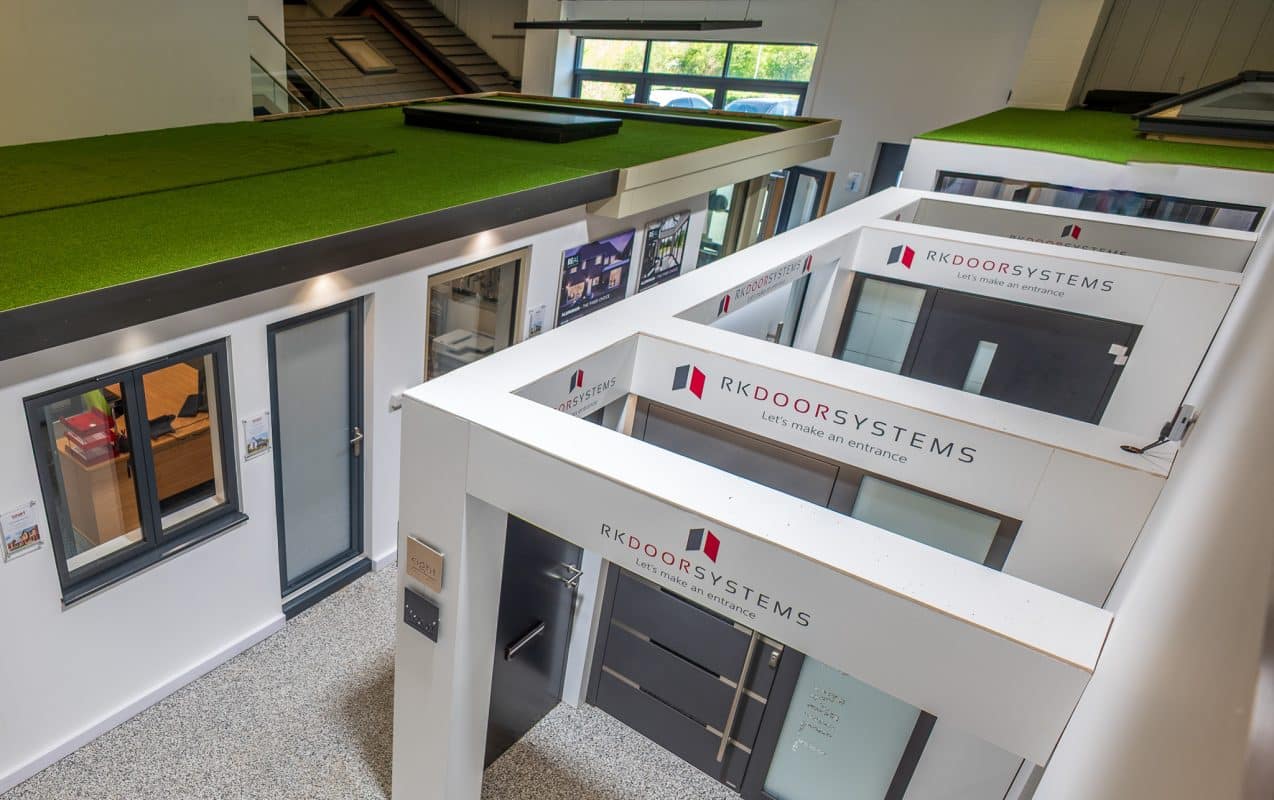
Comparing glazing systems online can be surprisingly difficult. Product brochures often present every window and door as an ideal solution, while photographs rarely reveal the subtle differences that influence the finished appearance of a home. Architects understand that meaningful comparisons require more than technical specifications—they require direct experience. Seeing multiple systems alongside one another allows differences in design, operation and detailing to become immediately apparent in a way that digital research rarely achieves.
A showroom provides the opportunity to evaluate products under the same conditions. Frame profiles can be viewed side by side, making it easier to appreciate how seemingly small variations in sightlines influence the overall architectural character of a window or door. Different opening systems can be operated in succession, allowing homeowners to compare how they feel in everyday use rather than relying on descriptions or marketing terminology. Hardware, finishes and construction quality can also be assessed directly, providing a much clearer understanding of how each system has been designed and manufactured.
Architects frequently use this type of comparison when refining a specification. Rather than asking which product is objectively “better,” they consider which solution best supports the architecture, the intended use of the building and the priorities established during the design process. Viewing systems together makes these conversations far more productive because subtle differences become tangible rather than theoretical. It also helps identify where products share similar characteristics and where genuine distinctions exist, encouraging decisions based on informed observation rather than assumption.
For homeowners, comparing systems in person often replaces uncertainty with confidence. Features that once appeared important online may become less significant when experienced directly, while qualities that received little attention during initial research may emerge as key decision-making factors. Instead of choosing between product names or specification sheets, it becomes possible to compare how each system looks, feels and operates within an architectural context. Architects recognise that the best specifications are built on understanding rather than assumption, and a showroom provides one of the few environments where that understanding can be developed through direct comparison rather than imagination.
Technical Conversations Become Simpler
For many homeowners, glazing terminology can seem unfamiliar at first. Discussions about frame profiles, thermal performance, opening configurations or installation methods are often much easier to follow when supported by physical examples rather than drawings or brochures. Architects understand that technical conversations become significantly more productive when everyone can refer to the same products in front of them, turning abstract concepts into something tangible and easy to understand.
A showroom provides the ideal environment for these discussions. Instead of trying to imagine how a particular frame profile might look or how a door system operates, homeowners can see the details for themselves while asking questions in real time. Technical explanations become clearer because they can be demonstrated directly, whether discussing sightlines, opening mechanisms, hardware options or how different glazing systems relate to the overall architectural design. Seeing these elements in context often removes uncertainty that would otherwise remain after reading specification sheets or viewing images online.
Architects value this approach because it encourages genuine collaboration. Bringing drawings, floor plans or inspiration images into a showroom allows conversations to focus on how different glazing solutions could support the specific objectives of the project. Rather than discussing products in isolation, technical advice can be related directly to the home’s architecture, construction programme and design priorities. This creates a more meaningful dialogue where recommendations are based on the project’s unique requirements rather than general assumptions.
For homeowners, these conversations often become one of the most valuable parts of a showroom visit. Questions that may have seemed too technical or difficult to explain over email are much easier to explore when products are available to demonstrate possible solutions. Architects recognise that confident decisions are built on understanding, not simply information. A showroom creates the opportunity for complex technical ideas to become clear, practical and relevant, helping homeowners move forward with greater confidence in both the specification and the overall direction of their project.
You See How Products Fit Real Homes
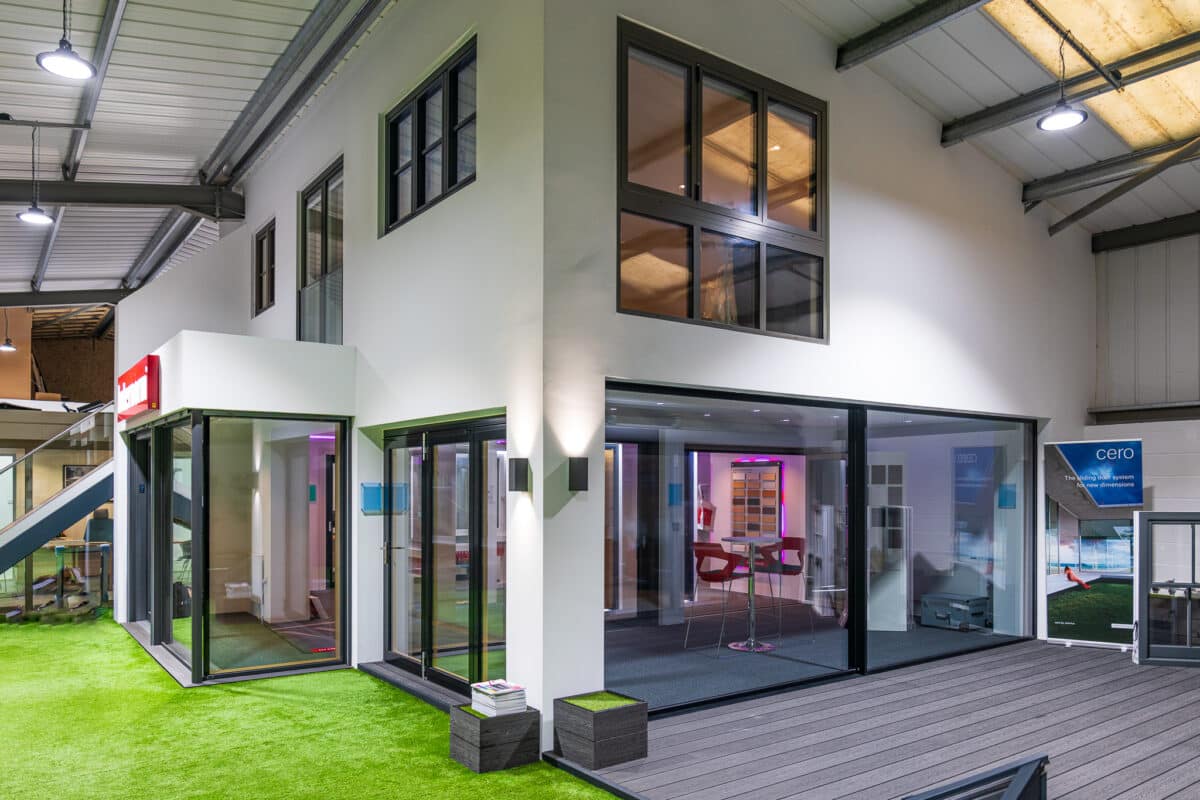
One of the greatest advantages of a professional glazing showroom is that it allows homeowners to view windows and doors within a realistic architectural setting rather than as isolated display pieces. Architects understand that glazing should never be evaluated independently of the building it belongs to. Its success depends on how it interacts with surrounding materials, room proportions, natural light and the overall character of the home. Seeing products presented within carefully designed spaces helps bridge the gap between individual components and complete architecture.
Well-designed showrooms demonstrate how glazing contributes to everyday living rather than simply showcasing product features. Visitors can experience how large glazed openings connect interior spaces with gardens, how slim aluminium frames maximise natural light or how different opening systems influence the way a room functions. These displays provide context that photographs rarely communicate, helping homeowners understand not only what a product looks like but also how it contributes to the atmosphere and usability of a space. This perspective encourages decisions based on the experience of living in the home rather than on the appearance of the products alone.
Architects frequently use showrooms in a similar way when reviewing potential specifications. They are interested in how different glazing systems complement contemporary architecture, respond to traditional buildings or integrate with particular materials and design approaches. Rather than focusing exclusively on technical details, they assess how the glazing supports the overall composition of the building and whether it reinforces the architectural vision established during the design process. Viewing products within realistic settings makes these judgements far more intuitive than studying drawings or catalogues in isolation.
For homeowners, this context can be transformative. It becomes much easier to imagine how different glazing systems might work within their own renovation, extension or self-build when they can see similar design principles applied in a physical environment. Instead of asking whether a particular window looks attractive on display, they begin asking whether it supports the way they want their own home to feel and function. Architects recognise that exceptional glazing is never selected in isolation—it is chosen because it complements the architecture as a whole. A showroom helps homeowners make that same connection, turning individual product decisions into thoughtful architectural choices.## You See How Products Fit Real Homes
One of the greatest advantages of a professional glazing showroom is that it allows homeowners to view windows and doors within a realistic architectural setting rather than as isolated display pieces. Architects understand that glazing should never be evaluated independently of the building it belongs to. Its success depends on how it interacts with surrounding materials, room proportions, natural light and the overall character of the home. Seeing products presented within carefully designed spaces helps bridge the gap between individual components and complete architecture.
Well-designed showrooms demonstrate how glazing contributes to everyday living rather than simply showcasing product features. Visitors can experience how large glazed openings connect interior spaces with gardens, how slim aluminium frames maximise natural light or how different opening systems influence the way a room functions. These displays provide context that photographs rarely communicate, helping homeowners understand not only what a product looks like but also how it contributes to the atmosphere and usability of a space. This perspective encourages decisions based on the experience of living in the home rather than on the appearance of the products alone.
Architects frequently use showrooms in a similar way when reviewing potential specifications. They are interested in how different glazing systems complement contemporary architecture, respond to traditional buildings or integrate with particular materials and design approaches. Rather than focusing exclusively on technical details, they assess how the glazing supports the overall composition of the building and whether it reinforces the architectural vision established during the design process. Viewing products within realistic settings makes these judgements far more intuitive than studying drawings or catalogues in isolation.
For homeowners, this context can be transformative. It becomes much easier to imagine how different glazing systems might work within their own renovation, extension or self-build when they can see similar design principles applied in a physical environment. Instead of asking whether a particular window looks attractive on display, they begin asking whether it supports the way they want their own home to feel and function. Architects recognise that exceptional glazing is never selected in isolation—it is chosen because it complements the architecture as a whole. A showroom helps homeowners make that same connection, turning individual product decisions into thoughtful architectural choices.
Architects Use Showrooms Differently
Architects visit glazing showrooms with a different objective from most homeowners. They are not simply comparing products or confirming aesthetic preferences; they are evaluating whether particular systems support the architectural intent of a project. Every visit forms part of a wider design process in which materials, proportions, detailing and performance are considered together. The showroom becomes a place for testing ideas and validating specification decisions rather than selecting products from a display.
One of the first things architects assess is how a glazing system contributes to the overall character of a building. They examine the proportions of frame profiles, the relationship between glass and surrounding materials, the quality of the finishes and the way different opening systems integrate with contemporary or traditional architecture. These observations help determine whether a particular solution reinforces the design vision established during the early stages of the project. The emphasis is always on how the glazing supports the building as a whole rather than how it performs as an isolated product.
Architects also use showroom visits as opportunities for collaboration. They discuss technical details with glazing specialists, review drawings, compare alternative approaches and explore how different systems respond to the practical requirements of the project. Questions about installation, surveying, specification and long-term performance are often explored alongside architectural considerations, allowing design ambitions to be balanced with buildability and day-to-day usability. This collaborative process helps refine decisions before manufacturing begins, reducing uncertainty and strengthening confidence in the final specification.
Homeowners can benefit from adopting this same approach. Rather than treating a showroom visit as a shopping trip, it is far more valuable to think of it as part of the architectural design process. Bring drawings, photographs, inspiration images and questions about how you want your home to function. Focus on understanding how different glazing solutions support your project rather than simply identifying products you like. Architects recognise that the best showroom visits are those that generate better conversations, deeper understanding and more informed decisions. By approaching the experience with curiosity instead of certainty, homeowners often leave with a clearer vision of the home they are creating and a specification that is far better suited to achieving it.
Preparing for a Productive Visit
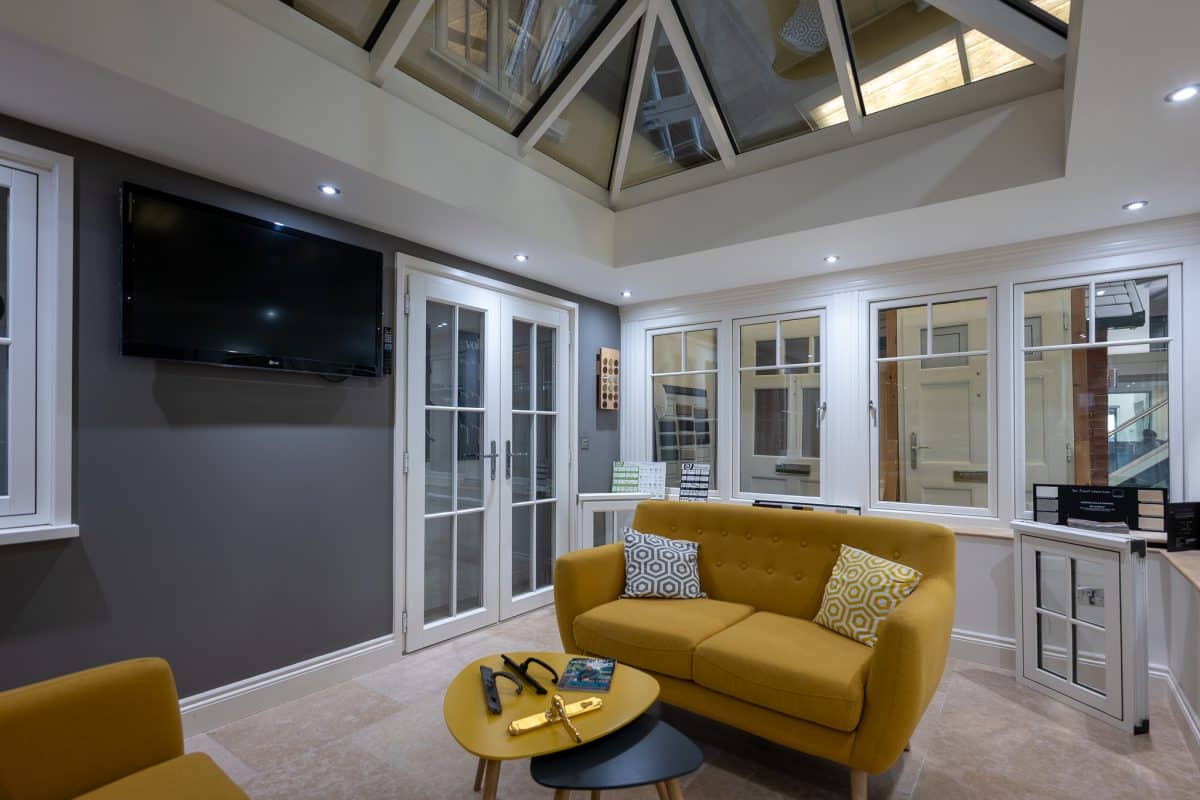
A showroom visit is most valuable when it is approached as part of the design process rather than simply an opportunity to browse products. Architects rarely arrive expecting to choose windows and doors immediately. Instead, they come prepared to discuss the wider objectives of the project, using the visit to test ideas, ask questions and refine the glazing specification. A small amount of preparation beforehand can transform the conversation from a product demonstration into a collaborative design consultation.
Bringing relevant information helps provide valuable context. Architectural drawings, floor plans, photographs of the existing property and images that illustrate the desired style all allow glazing specialists to understand the project more clearly. Rather than explaining the design verbally, these materials create a shared reference point for discussion. Architects regularly use drawings and visual references during specification meetings because they enable conversations to focus on how glazing supports the architecture rather than on generic product features.
It is equally helpful to arrive with a clear understanding of the project’s priorities. Whether the focus is maximising natural light, strengthening the connection with the garden, improving thermal comfort, respecting a period property’s character or achieving a particular architectural aesthetic, communicating these objectives allows the consultation to become much more meaningful. Practical considerations such as construction programme, planning requirements and budget can also be discussed openly, enabling recommendations to reflect both the design ambitions and the realities of the project.
Perhaps most importantly, homeowners should prepare questions rather than fixed conclusions. Instead of arriving with a predetermined product in mind, approach the visit with curiosity about the different ways the architectural vision could be achieved. Ask how experienced specialists would approach the project, what alternatives might be worth considering and which details are likely to have the greatest influence on the finished result. Architects understand that the most successful showroom visits are conversations rather than presentations. The better prepared you are to explain your project and explore different possibilities, the more valuable the advice is likely to become, leading to a specification that reflects both your aspirations and the unique character of your home.
Great Decisions Are Made Through Experience
Choosing glazing is unlike buying many other products for the home. While online research, brochures and technical specifications provide valuable information, they cannot fully communicate how windows and doors will feel, function and contribute to the architecture once they become part of everyday life. Architects understand that the most confident specification decisions are rarely made from photographs alone. They are formed through direct experience, informed discussion and a clear understanding of how glazing supports the wider ambitions of the project.
A showroom visit brings together every element of that decision-making process. It allows homeowners to experience products first-hand, compare different systems, ask technical questions and explore how glazing relates to the character of their home. It provides an opportunity to discuss drawings, refine priorities and understand the practical implications of different specification choices before manufacturing begins. Rather than focusing on individual products in isolation, the conversation shifts towards creating a glazing solution that reflects the architecture, the way the home will be lived in and the long-term aspirations of the people who will occupy it.
For homeowners, this experience often replaces uncertainty with confidence. Details that seemed difficult to evaluate online become much clearer when they can be seen, touched and operated in person. Conversations become more productive because they are grounded in real examples rather than assumptions, allowing suppliers to provide advice that is directly relevant to the project. The result is not simply a better understanding of windows and doors but a stronger understanding of how glazing contributes to the quality, comfort and character of the finished home.
Ultimately, exceptional architectural glazing is the product of informed decisions rather than impulse purchases. Architects know that successful buildings are created through careful observation, thoughtful collaboration and a willingness to experience materials before committing to a specification. A professional showroom supports exactly this process, transforming product selection into an educational journey that helps homeowners make choices with greater clarity and confidence. The knowledge gained during a single visit can influence every subsequent decision, bringing the finished home closer to the vision that inspired the project in the first place.