
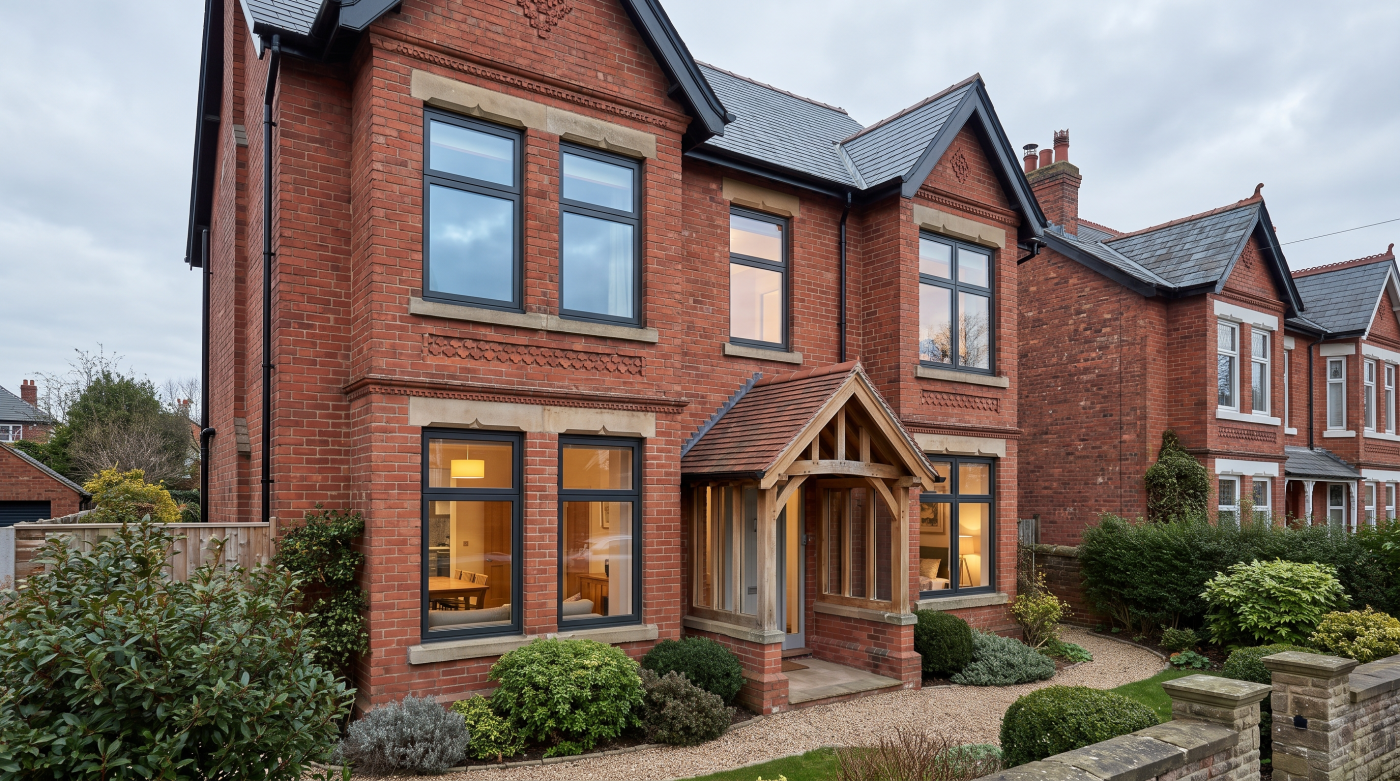
The Same Drawings Do Not Always Produce the Same Specification
When two glazing companies receive the same architectural drawings, it is natural to assume they are pricing the same job. Often, however, the drawings establish the size and position of the openings without defining every decision required to turn those openings into manufactured windows and doors.
That leaves room for interpretation.
One supplier might propose a fixed pane where another assumes an opening window. A large glazed elevation might be configured with different numbers of sliding panels, different proportions of fixed and moving glass, or a different framing system altogether. Threshold details, frame finishes and glass requirements may also be interpreted differently unless they have already been clearly specified.
These differences can become particularly significant on larger architectural glazing projects. Two systems may fit exactly the same structural opening while producing different sightlines, opening arrangements and relationships between glass and frame. From a distance, the quotations may appear to describe the same elevation. Technically and commercially, they may represent quite different solutions.
The less information available when quotations are prepared, the greater the opportunity for assumptions to enter the process. Those assumptions are not necessarily wrong. They simply need to be identified before the final figures can be compared meaningfully.
This is why a £15,000 difference between two quotations does not, by itself, tell you which represents better value. The first question is whether both companies have actually priced the same specification.
Before comparing the totals, compare the proposed systems, configurations, glass, finishes, thresholds and scope opening by opening. Only once those differences are understood does the price comparison begin to mean something.
The Product Behind the Dimensions Can Be Completely Different
Matching dimensions do not mean matching products. Two quotations might both describe a three-metre-wide door or a window designed for exactly the same structural opening, yet the systems proposed within that space can be fundamentally different.
The framing system is one of the first distinctions to examine. Different systems can produce different frame proportions, sightlines and relationships between fixed and moving elements. Material choice, hardware, opening configuration and the size of individual panes can also influence both the architectural result and the price.
This becomes particularly important with large sliding doors. An elevation of the same overall width might be divided into two, three or more panels, with different combinations of fixed and sliding sections. Those decisions affect where vertical frame lines appear, how wide the opening becomes when the doors are operated and how the elevation is experienced when everything is closed.
Finish can introduce another layer of difference. Standard and bespoke finishes, internal and external colour choices, and other system-specific options may not be equivalent between quotations. What appears to be a relatively small specification change can represent a different manufacturing requirement.
None of this means that the more expensive system is automatically better. A highly sophisticated product can be unnecessary if its particular characteristics contribute little to the project. Equally, selecting solely by price can be misleading if the lower quotation achieves the required dimensions using a system that produces a substantially different architectural outcome.
When comparing quotations, therefore, move beyond width and height. Identify exactly which system has been proposed, how it is configured and what it will look and feel like once installed.
The structural opening may be identical. What ultimately occupies it may not be.
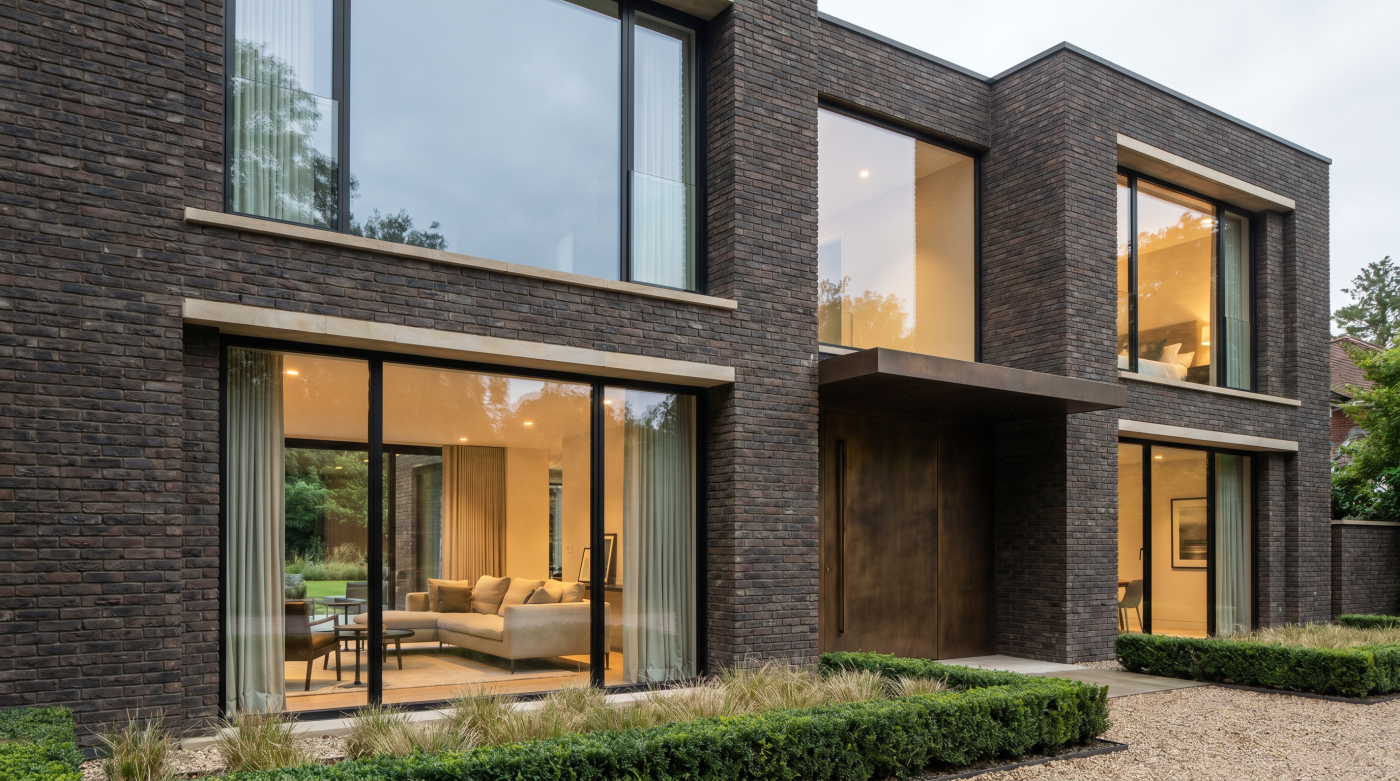
Glass Specification Can Change More Than the Appearance
Glass can be one of the least obvious differences between two glazing quotations. Once installed, two panes may appear almost identical, yet the specification behind them can be materially different. Descriptions such as “double glazed” or “triple glazed” therefore do not necessarily establish that two suppliers are pricing equivalent glass.
The appropriate specification depends on what the glazing needs to achieve. Thermal performance may be important within the wider energy strategy of the building, while certain locations can introduce different safety requirements. Projects affected by external noise may require acoustic considerations, and substantial areas of glazing on particular elevations can create questions around solar performance.
Scale matters too. Large-format glazing can introduce requirements that differ from those associated with smaller conventional windows. The glass proposed for a substantial sliding panel or fixed architectural pane therefore needs to be understood as part of the complete system rather than compared solely by whether it is double or triple glazed.
Coatings and other glass options can create further differences that are difficult to recognise from a quotation total. Two suppliers may both appear to have priced the same elevation while making different assumptions about the performance the glass is expected to provide.
This does not mean that the quotation containing the most sophisticated glass specification automatically represents better value. Additional performance should respond to an identified requirement. Paying for characteristics the building does not need can be just as questionable as omitting characteristics that it does.
When quotations differ significantly, ask what glass has actually been allowed for and why. The objective is to establish whether both proposals are designed to achieve the same project outcomes.
Some of the most important differences between two glazing quotations may ultimately be almost invisible once the glass is installed.
Installation Scope Can Hide Thousands of Pounds of Difference
Even when two quotations propose similar windows, doors and glass, the installation scope can create a substantial difference between the final figures. The product is only one part of an architectural glazing project. It still has to be surveyed, delivered, handled and successfully integrated into the building.
Start by establishing exactly what each supplier means by installation. One quotation may include detailed site surveying, delivery and fitting, while another may place responsibility for certain activities elsewhere. On a straightforward project, those differences may be relatively limited. With large-format architectural glazing, they can become considerably more significant.
Access is particularly important. Moving a conventional window into position presents a different challenge from installing substantial panes or large sliding panels. Restricted access, upper-floor openings or particularly heavy glazed elements may require additional handling arrangements or specialist lifting equipment. Whether those requirements have been included, excluded or simply not identified can materially affect a quotation.
Replacement projects introduce further questions. Removal and disposal of existing glazing may form part of one proposal but not another. Making good around the new installation can also vary in scope, particularly where internal decoration, render, cladding or other surrounding finishes are involved.
Even the phrase “supply and install” deserves clarification. It tells you that installation is included at some level, but not necessarily where responsibility begins and ends.
This is why comparing product schedules alone can leave a significant price difference unexplained. The same windows can arrive at very different overall figures depending on what happens before, during and after they reach the site.
A meaningful comparison therefore asks not only, “What glazing am I buying?” but also, “What exactly is being done to get it successfully into the building?”
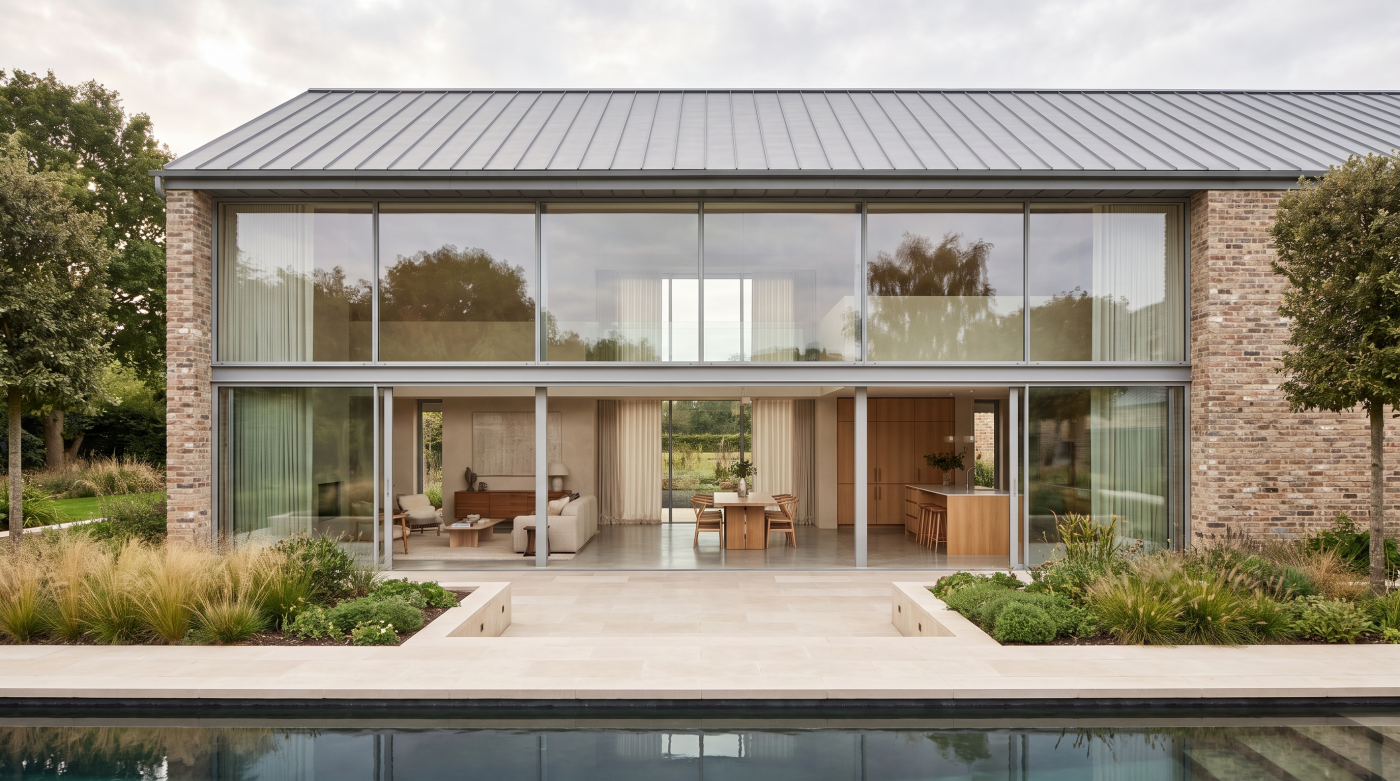
Exclusions Matter as Much as Inclusions
A quotation can look substantially cheaper because certain parts of the project have not disappeared — responsibility for them has simply moved elsewhere. This is why understanding what a glazing quotation excludes can be just as important as reviewing the products and services it includes.
Structural work is an obvious example. Steelwork, alterations to existing openings and other builders’ work may sit outside the glazing contractor’s scope. Scaffolding, specialist access or lifting requirements might also be dealt with separately. None of these exclusions is necessarily unusual or problematic, provided the project team understands who is responsible for them.
Thresholds can create further interfaces. A low or carefully integrated threshold may depend on surrounding floor construction, drainage, external paving and finished levels being coordinated correctly. The glazing company may supply and install the door system while other trades remain responsible for much of the construction around it.
Automated products can introduce electrical requirements, while replacement projects may involve removal, waste disposal, making good or redecoration. Again, these items should not be assumed to be included or excluded universally. The individual quotation determines the scope.
VAT also needs to be understood clearly when comparing headline totals. A figure including VAT cannot be compared directly with one presented before VAT without normalising the numbers first.
This is where a £15,000 difference can become misleading. A lower quotation may genuinely represent better value, or it may simply leave more expenditure elsewhere in the construction budget. Conversely, a higher quotation should not be assumed to include everything unless its scope confirms that it does.
The useful question is therefore not simply, “What isn’t included?” It is, “If this company isn’t responsible for it, who is — and where does that cost appear in the wider project?”
Only when those boundaries are clear can two quotation totals be compared fairly.
Service, Aftercare and Project Support Have a Cost Too
Not every difference between two glazing quotations can be found in the window schedule. Architectural glazing projects also involve information, coordination and responsibility, and the level of support provided around the physical products can vary considerably between companies.
This often begins before anything is ordered. A complex project may require site surveying, clarification of opening dimensions and coordination with architects, builders or other members of the project team. Large sliding systems, integrated thresholds and substantial glazed elevations can create interfaces that need to be understood before manufacturing decisions are finalised.
Project support continues through delivery and installation. Programme coordination, communication with site teams and management of practical installation requirements all form part of getting the specified glazing successfully into the finished building. One quotation may include considerable involvement in this process, while another may assume that more of the coordination will be handled elsewhere.
The difference can continue after installation. Handover information, manufacturer documentation, guarantee clarity and access to future support or servicing routes can all form part of the wider ownership experience. These elements may not have an obvious value beside an individual window price, but they can become important when information or assistance is required later.
None of this means that the company offering the highest level of service automatically represents the best value. Some projects require considerable coordination; others are relatively straightforward. Equally, a higher quotation should never be assumed to provide better support simply because it costs more.
The important question is what level of professional involvement actually sits behind each figure.
When two quotations differ significantly, compare not only the products being supplied but the responsibilities each company is accepting before, during and after installation. Sometimes part of the price difference is paying for glass and frames. Sometimes it is paying for the expertise and coordination required to turn them into a successful architectural installation.
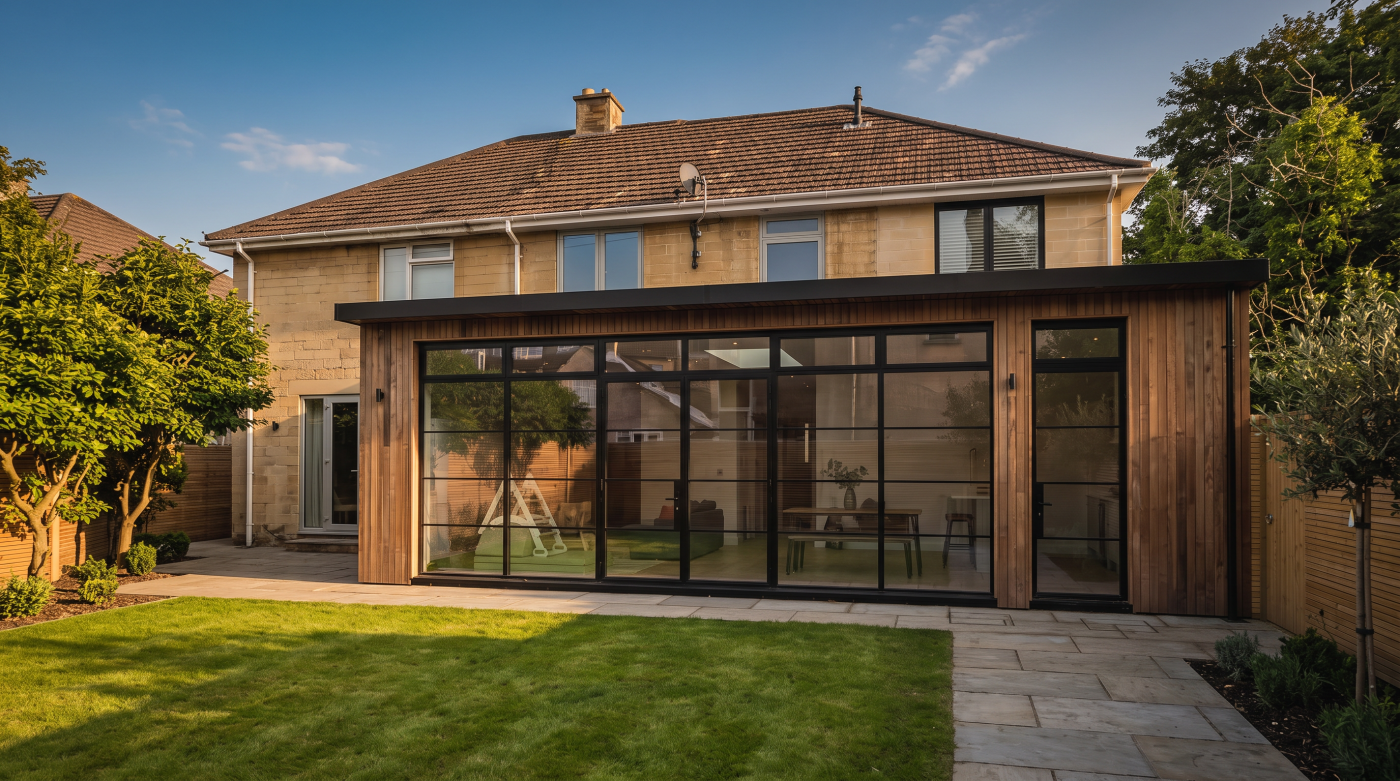
How to Compare Two Glazing Quotes Properly
Once the differences between products, glass, installation and exclusions are understood, the quotations can be brought onto a more meaningful basis for comparison. The objective is not to decide which company is cheapest first. It is to establish what each company has actually proposed.
Begin opening by opening. Check that the dimensions and configurations correspond, then identify the specific window, door or framing system proposed for each location. A fixed pane should not be compared directly with an opening window, and two sliding elevations of identical overall dimensions may still contain very different panel arrangements.
Next, compare the glass specification and finishes. Establish whether both proposals are intended to satisfy the same performance requirements and whether frame colours, surface finishes, hardware and other visible details are equivalent.
Installation should then be treated as its own comparison. Confirm surveying, delivery and fitting responsibilities, together with any requirements around access, specialist handling or lifting. On replacement projects, establish whether removal and disposal of existing glazing have been included.
Then examine the assumptions and exclusions. Structural work, scaffolding, builders’ work, electrical requirements, making good and other associated activities should have a clearly understood owner within the wider project. VAT should also be normalised before headline totals are compared.
Finally, consider the support surrounding the installation: coordination, documentation, guarantees, handover and future aftercare.
For a substantial project, an architect, project manager or other appropriate professional may help create an opening-by-opening comparison schedule so that important differences are visible rather than buried within separate quotation formats.
Only after this process should the totals take centre stage.
The principle is simple: normalise the scope first, compare the prices second. A £15,000 difference becomes useful information only when you understand precisely what sits behind it.
The Cheapest Quote, the Most Expensive Quote and the Right Quote
Once two glazing quotations have been normalised, the price difference becomes easier to understand. What it does not do is automatically identify the correct choice.
The cheapest quotation may represent excellent value. It might provide exactly the systems, performance, installation scope and support the project requires without unnecessary complexity. Equally, a lower figure can become less attractive if achieving it means changing an important architectural detail, reducing a required performance characteristic or transferring substantial responsibilities elsewhere in the project.
The same caution applies at the other end of the comparison. The most expensive quotation is not automatically the highest-quality solution. Additional specification only creates value when it contributes something meaningful to the building. Paying more for capabilities, finishes or complexity that the project does not require is not necessarily good specification.
The better question is whether each quotation solves the same brief.
Consider the openings that matter most to the architecture. Does the proposed system achieve the intended proportions and views? Does the configuration support the way the space will be used? Have genuine performance requirements been addressed? Is the installation scope appropriate, and are responsibilities between the glazing company and other trades sufficiently clear?
Service and long-term ownership deserve consideration too, particularly on more complex projects. The value of coordination, documentation and aftercare should be understood alongside the physical products rather than assumed from the headline price.
If the preferred solution exceeds the available budget, this is where intelligent value engineering becomes useful. Instead of automatically moving to the cheapest quotation, identify where complexity can be reduced while protecting the aspects of the specification that matter most.
A £15,000 difference deserves explanation, not assumption.
The right quotation is therefore neither inherently the cheapest nor the most expensive. It is the one that most appropriately translates the architectural requirements of the project into a clearly defined specification, scope and level of support at a cost the homeowner understands.