
The Photograph Is Showing You a Moment, Not the Window
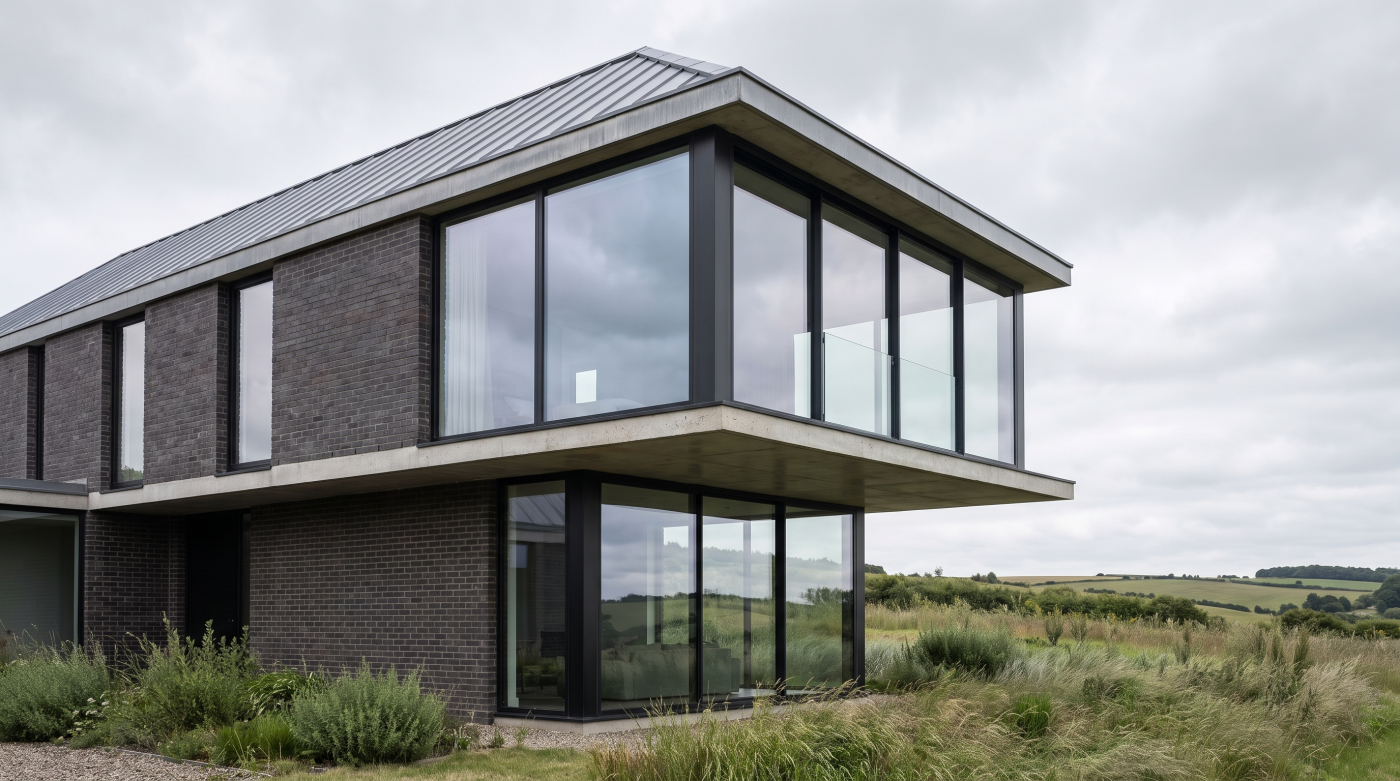
A window can look almost perfect online because the photograph is doing more work than we realise. The viewpoint has been chosen carefully, the light is flattering, the room is styled and the landscape beyond the glass may be doing as much to create the atmosphere as the window itself.
That does not make the image misleading. It simply means it is showing one moment from one position. The photograph may be taken from the exact place where the frame feels least noticeable, at a time of day when reflections are reduced or when the view beyond the glass becomes the dominant feature. On a phone screen, that balance can feel effortless.
In person, the experience is broader. You move around the room. You sit down. You notice the depth of the reveal, the frame junctions and the relationship between the glazing and the surrounding wall. The window is no longer an isolated image. It becomes part of the architecture and part of everyday life.
This is where disappointment can begin. A homeowner may believe they fell in love with a particular window, when what actually attracted them was the whole composition: the ceiling height, the furniture, the materials, the garden and the way the photograph framed them together.
I would therefore ask a different question when saving an inspirational image. What exactly is working here? Is it the amount of glass, the uninterrupted view, the proportion of the opening, the way the frame recedes or simply the quality of the room beyond it?
Once that is clear, the image becomes much more useful. It stops being a product reference and becomes a clue to the architectural quality you are trying to create.
Scale Changes Everything When You See the Frame at Full Size
One of the biggest differences between seeing a window online and seeing it in person is scale. On a phone screen or in a carefully cropped photograph, even a relatively substantial frame can appear almost weightless. A mullion that occupies only a small part of the image may become much more noticeable when it is standing at full height in a room.
This matters because homeowners often respond to proportion rather than measurement. A frame may still be technically slim, but what matters visually is how it relates to the size of the opening, the amount of glass around it and the architecture surrounding it. A vertical division across a wide view can feel almost invisible in one photograph and much more dominant when viewed from a sofa only a few metres away.
The same is true of repeated frame lines. Several narrow sections can create a strong rhythm across an elevation or interrupt a view more than expected. Opening elements, meeting sections and frame junctions may also have more visual presence at full scale than they appeared to have in an online image.
I would therefore be cautious about judging sightlines from photography alone. Images are useful for understanding overall character, but they can compress distance and disguise how large individual components feel in relation to the room.
Where frame proportions are central to the design, I would want to see realistic drawings, physical displays or relevant completed examples before making a decision. The important question is not simply whether the frame is described as slim. It is whether its visible proportions feel appropriate for the opening, the view and the room in which it will actually be experienced.
You Notice the Parts the Photograph Quietly Leaves Out
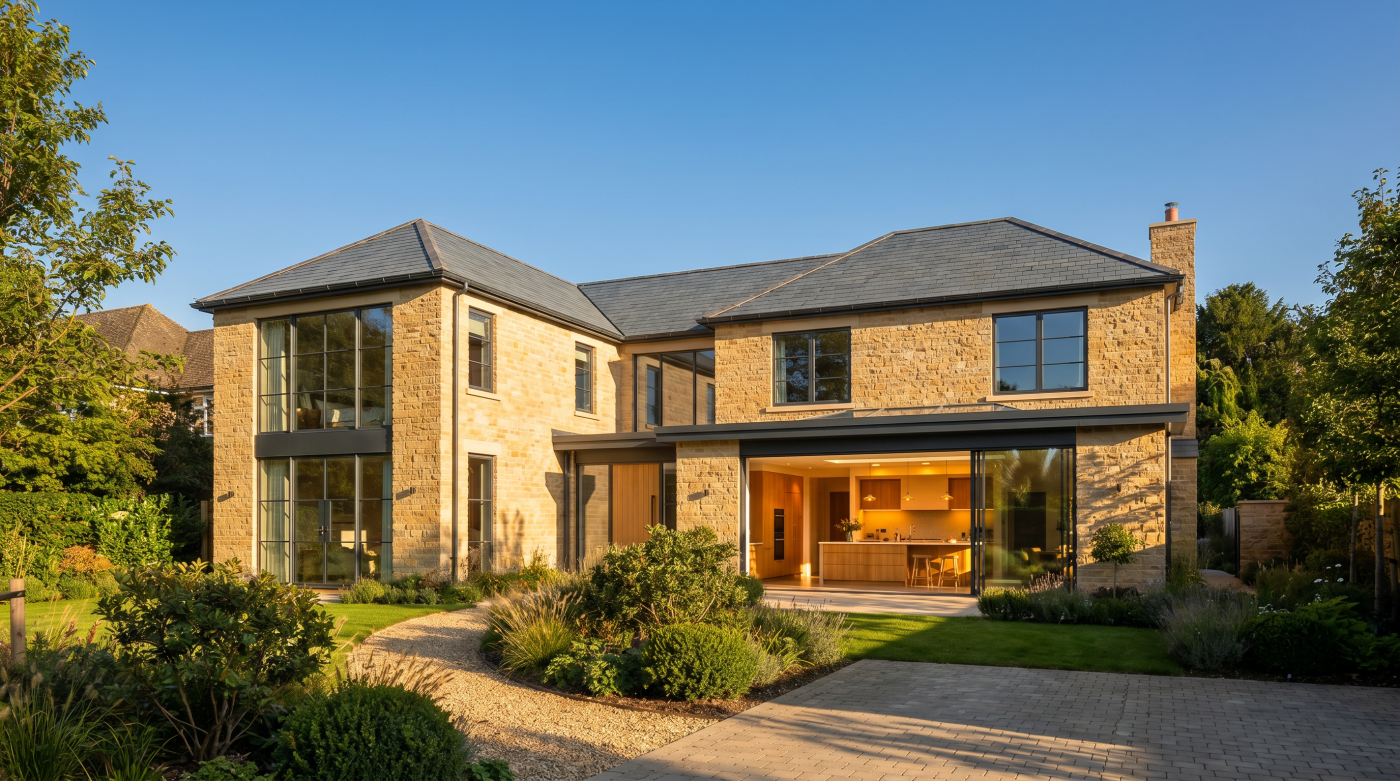
Online images tend to draw attention towards the glass, the view and the overall composition. In person, you become much more aware of the functional parts that make the window or door work: handles, opening sections, tracks, junctions and the points where one frame meets another.
These details are not necessarily unattractive. They are simply easier to overlook in photography, particularly when an image has been taken from a distance or focuses on a fixed section of glazing. A homeowner may therefore form an impression of an almost uninterrupted opening, then discover that the version required for their own project includes additional visible components because it needs to open, ventilate or provide access.
This is where comparing like with like becomes important. A fixed pane and an opening window may belong to the same visual family while looking noticeably different at close range. A sliding door arrangement may also include meeting sections and track details that are not obvious in a wide architectural photograph.
I would want to see the exact type of configuration being considered, not just the most minimal example within a broader range. That means understanding where the handles sit, how the opening elements divide the glass and what the key junctions look like from inside and outside.
The goal is not to eliminate every visible component. Functional glazing needs to function. The aim is to understand how those elements contribute to the overall appearance before they arrive on site.
What disappoints people is often not the presence of these details, but the fact that they were never part of the mental picture created online.
The Surrounding Architecture Is Doing More Work Than You Think
A window rarely looks the same when it is taken out of one building and imagined in another. The frame may be identical, but the surrounding architecture changes how heavy, delicate, recessed or prominent it feels.
Wall thickness is one reason. A deep reveal can make a frame appear quieter because the glazing sits within the depth of the construction. In another house, the same frame may sit much closer to the internal surface and feel more visually immediate. Ceiling height, floor level and the amount of wall around the opening also influence how the proportions are read.
Materials matter just as much. A dark frame can feel refined against one combination of plaster, stone or timber and much stronger against another. The same applies externally, where brick, render, cladding or existing masonry can alter the way frame lines are perceived across the elevation.
This is why product images can be difficult to translate directly into a real project. The photograph may show a carefully resolved relationship between glazing and the materials around it. If those surrounding conditions change, the visual result changes too.
I would therefore judge the window together with the wall, floor, ceiling and finishes that will sit beside it. On a renovation, I would also consider how the new frame relates to existing windows and the wider character of the building.
The important point is that a window does not carry a fixed visual weight. Its appearance is created by contrast, depth and proportion. What looks almost invisible in one architectural setting can become one of the strongest elements in another.
The View Can Make an Ordinary Window Look Extraordinary
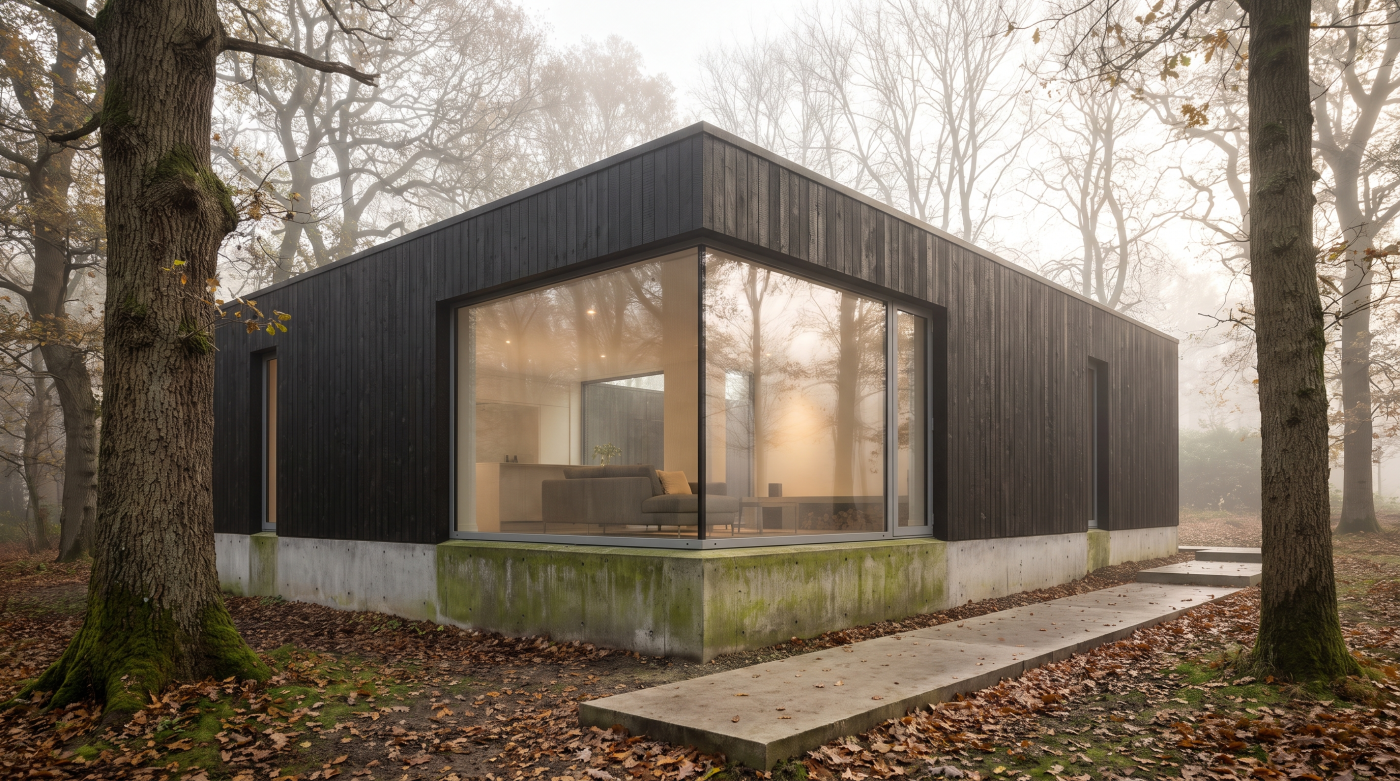
Some of the most compelling glazing photographs are really photographs of remarkable views. A wide opening looking across open countryside, a mature garden or a carefully landscaped terrace can create such a strong emotional response that it becomes difficult to separate the impact of the setting from the window framing it.
That matters because the same glazing arrangement may feel very different on another site. A highly refined frame cannot create an uninterrupted landscape where the real outlook is a neighbouring house, a boundary wall or a busy street. The quality of the opening depends partly on what lies beyond it and how that view is experienced from inside.
I would therefore look carefully at the actual sightlines in the room. What will someone see when seated at the dining table or on the sofa? Does a frame division cross the part of the view that matters most? Is the important outlook visible only when standing, or does it still work from the positions where people will spend most of their time?
This is where online inspiration can become misleading without being inaccurate. The photograph may show a beautiful window, but it may also be benefiting from an exceptional context that cannot simply be transferred to another property.
I would use the image to understand the relationship I want between inside and outside, then test that ambition against the real site. The goal is not to recreate someone else’s landscape through the same product. It is to position and proportion the glazing so that it makes the most of the views your own home actually has.
A Showroom Visit Can Change Your Mind for the Right Reasons
Seeing a window or door in person can reveal things that photography simply cannot. The actual scale of the frame, the way a handle feels in the hand, the movement of an opening section and the point where two components meet all become much easier to understand when they are no longer flattened into an image.
That can change your opinion, sometimes significantly. A system that appeared almost weightless online may feel more substantial at full scale. Another may look more refined in person because its proportions, finish and operation are difficult to appreciate on a screen. Either reaction is useful if it happens before the specification is fixed.
I would use a showroom visit to answer physical questions. How prominent are the visible frame sections? What does the finish look like under different light? How does the opening move? Where do the handles sit, and how do the junctions read at close range? Those details can help replace assumptions with something more tangible.
A showroom still has limitations. The display is not your room, your elevation or your view. Lighting may be artificial, opening sizes may differ from your project and the frame may be shown without the materials that will eventually surround it.
That is why I would treat the visit as one part of the decision rather than the final answer. The showroom helps you understand the product at full scale. The drawings, site and architectural context help you decide whether that product belongs in the house.
Changing your mind after seeing something in person is not a setback. It is often a sign that the decision is becoming better informed.
The Best Question Is Not “Do I Still Like This Window?”
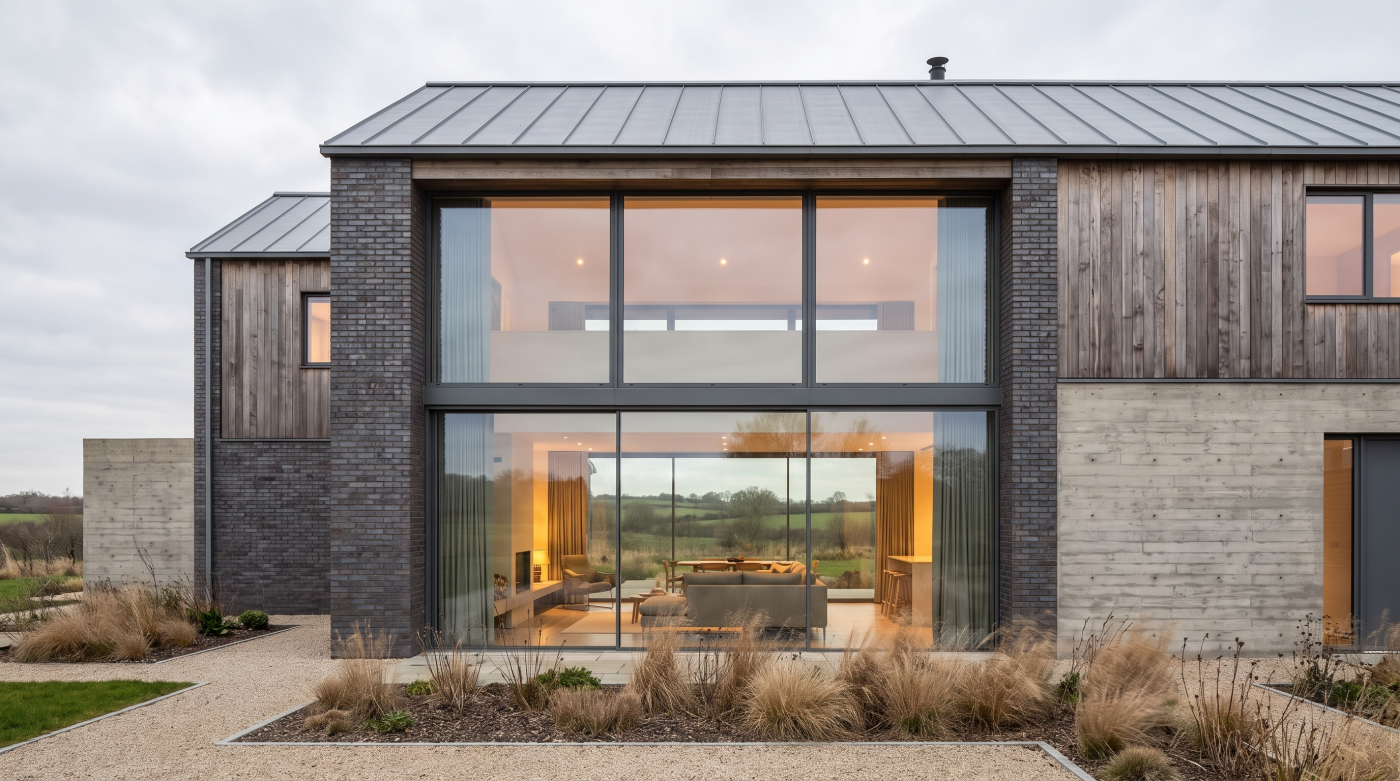
When a window that looked exceptional online feels less convincing in person, it is easy to assume the original choice was wrong. But the more useful question is not whether you still like the product. It is whether it still supports the architectural quality you were trying to create.
Perhaps what attracted you was not the frame itself, but the sense of openness in the room. Maybe it was the uninterrupted connection to the garden, the amount of daylight or the way contemporary glazing sat against an older part of the building. Once that underlying intention is clear, the decision becomes much easier to reassess.
This matters because more than one glazing arrangement may be capable of creating the same architectural effect. A different frame proportion, opening configuration or division of glass might suit the actual room better while still delivering the quality that first attracted you. Equally, the exact product saved from an online image may not work as well once the realities of scale, view and surrounding construction are understood.
I would bring the conversation back to the project itself. The architect can consider how the glazing affects the room and elevation. A glazing specialist can help explore configurations that respond to those intentions, while an interior designer may add useful perspective on furniture, materials and how the opening will be experienced from within the space.
The aim is not to defend the original choice simply because you once loved the photograph. Nor is it to abandon it because the physical product feels different. The aim is to protect the design objective.
If you can define what you wanted the window to achieve, you can judge every option against that purpose rather than against an image that was never your house in the first place.
How to Make Sure the Window You Choose Works Beyond the Screen
Online inspiration is useful because it helps define what you are drawn to. The problem begins when an image is treated as proof that the same window will create the same result in a different house.
I would start by identifying the quality that made me save the image in the first place. Was it the uninterrupted view, the way the frame seemed to disappear, the proportion of the opening or the contrast between the glazing and the surrounding materials? Once that is understood, I would look at the exact configuration being proposed for my own project rather than relying on a generic product photograph.
From there, I would want to understand the window at realistic scale. That means looking at the visible frame sections, opening elements, handles and junctions, then considering how they relate to the room, elevation and materials around them. Where possible, I would see a physical display or relevant completed example, while remembering that neither replaces the specific context of my own house.
I would also test the important sightlines on the drawings. The view from a sofa, dining table or circulation route may matter more than the ideal standing position shown in an architectural photograph. If a frame division crosses the most important part of the outlook, that should be understood before the opening is finalised.
The aim is not to recreate the photograph exactly. It is to understand why it works and translate that quality into the proportions and conditions of your own building.
The window that succeeds in person is not necessarily the one that looked most impressive online. It is the one that still makes architectural sense once the screen, styling and borrowed landscape have disappeared.