
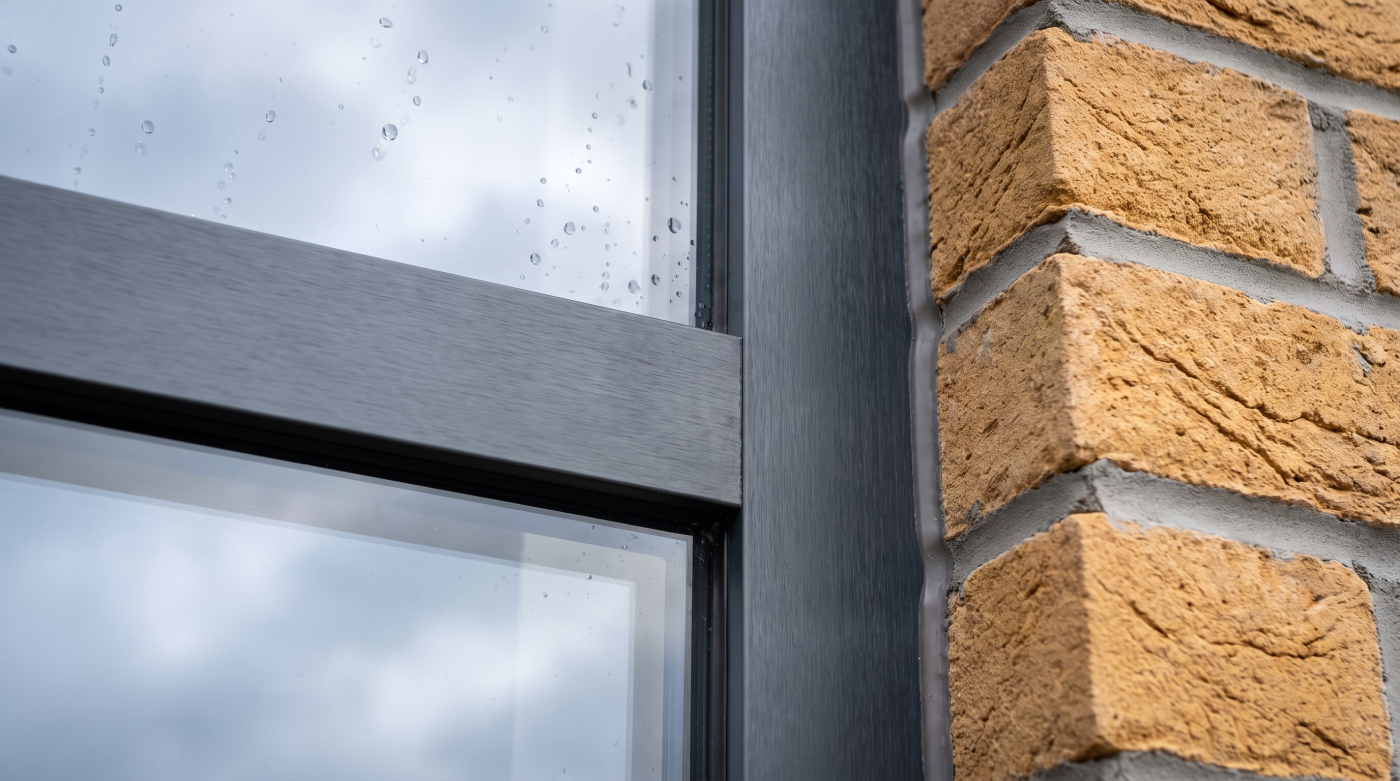
1. Why a draught feels worse in midwinter
January gives a draught a particular force. Rooms are occupied for longer, heating is in regular use and a movement of cold air across a desk or bed can become difficult to ignore. The month is typically the coldest in southern England, according to the Met Office’s regional climate summary. That makes it a useful moment to notice weakness, though no calendar month is automatically the worst for every house.
It is tempting to describe the entire window as cold when the discomfort is concentrated at one point. A worn seal around an opening sash may create a narrow jet of air. A gap at the frame-to-wall junction can produce a similar sensation even if the window itself closes well. A cold surface, meanwhile, can make a person feel less comfortable without an identifiable draught.
The distinction matters because each condition calls for a different response. A new glazing unit will not correct an untreated gap in adjacent construction. Equally, draught-proofing will not address every issue with a decayed or badly distorted frame.
Rather than deciding on replacement from the coldest seat in the room, use the discomfort to begin a careful inspection. Winter has revealed a symptom; the next task is to locate its cause.
2. Find where the air is actually moving
Start by observing the room in the conditions that bring on the problem. Is the sensation present only when the wind comes from one direction? Does it occur with the sash closed and latched, or after a window has been opened? Is the coldest point at the meeting rails, around the frame, beneath the sill or somewhere beyond the window altogether?
These questions narrow the possibilities without assuming an answer. A window may have intentional ventilation, such as a trickle vent, alongside unwanted leakage at a worn joint. An external door, floor edge or service penetration can also create air movement that is felt near a window. Heating and room layout may influence where that movement becomes noticeable.
Make a short record of the location, weather and time of day. Photographs of visible gaps or staining can help. Avoid sealing or dismantling components simply to test a theory, particularly in a historic window whose details may be fragile. Where the source is unclear, an experienced inspection is more useful than repeated attempts to mask the sensation.
A draught is a specific observation, not a verdict on the entire opening. Once its path is identified, the scale of intervention becomes easier to judge.
3. Separate the window from the wall around it
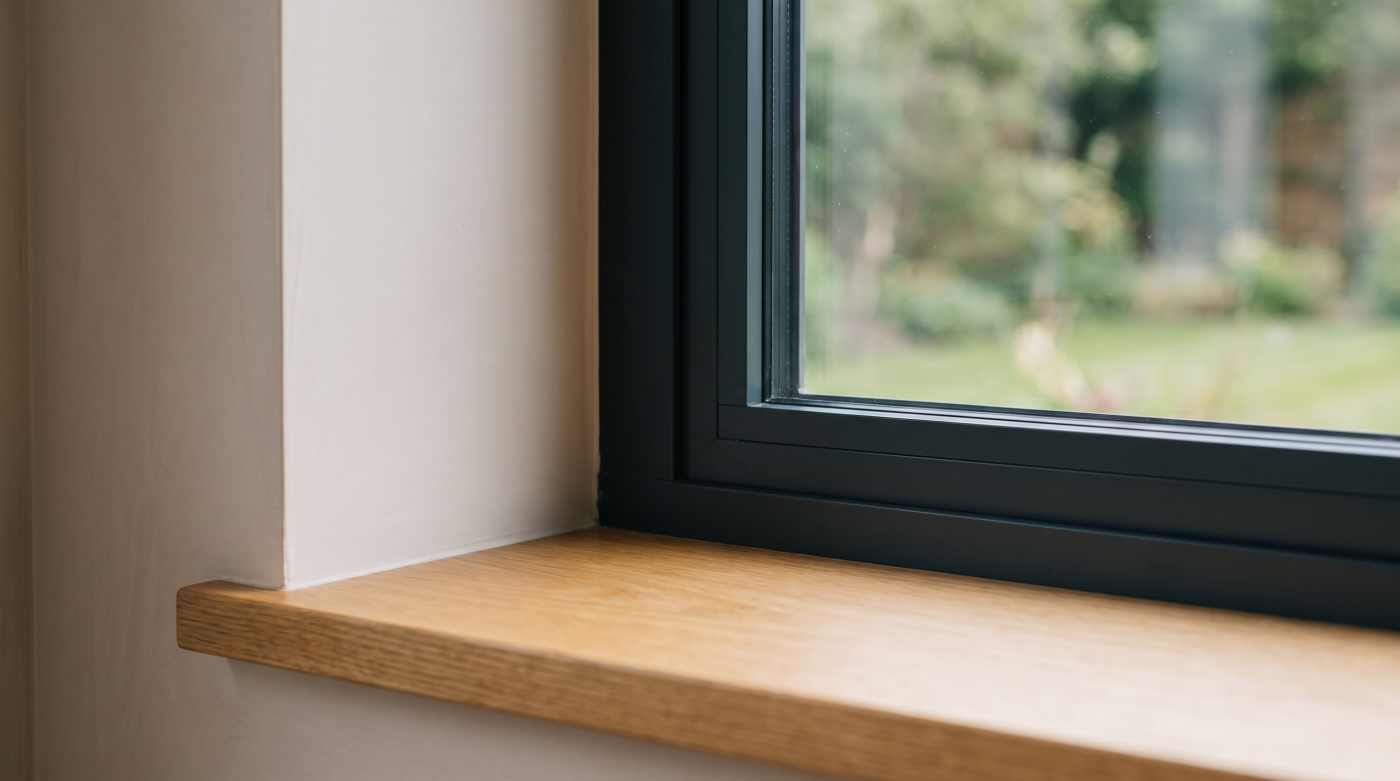
A window sits within an opening made by another part of the building. The junction between frame and wall has to manage movement, air, rain and changes in material. If it was poorly finished, has deteriorated or has been disturbed by later work, air can enter at the perimeter while the window unit remains sound.
Look at the interior reveal, external seal, sill and any trim covering the joint. Cracking, staining or a local cold patch may suggest that the surrounding construction deserves closer examination. A gap behind decorative trim is easily mistaken for a defect in the frame. In some houses, an earlier repair has covered a symptom without resolving what lies beneath it.
This is an architectural as well as a technical question. The depth and position of a frame determine the shape of the reveal and the way the wall meets it. A replacement installed without improving a faulty junction can reproduce the same discomfort in a newer form.
Ask for an assessment of the whole opening. The purpose is not to attribute blame to one component, but to find the route air is taking and the detail that should stop it. That distinction can save a homeowner from replacing good fabric while leaving the problem in place.
4. Consider repair and draught-proofing first
Once the source is known, the least extensive remedy may be the best one. An opening sash that no longer closes evenly might need adjustment. A damaged gasket may be replaceable. Timber windows may benefit from careful repair and properly chosen draught-proofing. The appropriate treatment depends on the construction and condition of the particular opening.
This approach is especially important in an older house. Original windows can contribute greatly to the character of a façade, even when their individual details are modest. Historic England’s homeowner guidance recommends considering repair and draught-proofing while retaining historic windows where feasible. Such work can reduce unwanted air leakage with less change to the building’s appearance.
Repair is not a sentimental choice to keep a failing window at any cost. It is a way to match the intervention to the defect. If the frame is extensively unsound, the opening no longer functions reliably or the wider renovation calls for a different arrangement, a larger change may be justified. But the mere presence of a January draught does not establish that case.
Ask what can be repaired, how long the remedy is expected to remain serviceable and whether the proposed work respects the opening’s design. A clear answer makes later decisions more proportionate.
5. Keep necessary ventilation in the picture
A comfortable house needs fresh air as well as protection from unwanted leakage. That distinction can be lost when a winter draught makes every opening seem suspect. Intentional ventilation and accidental gaps may feel similar at certain moments, but they have different roles in the building.
Before sealing a vent or arranging extensive draught-proofing, consider how the rooms are ventilated. Kitchens, bathrooms and occupied bedrooms generate moisture. If that moisture has no suitable route out, condensation and other problems can become more noticeable, particularly around cold surfaces. The right balance varies with the house, its ventilation systems and how it is used.
Look at patterns rather than a single morning’s condensation. Is moisture appearing on several windows, or only where a local defect exists? Are extract systems used and working? Does the room have a planned source of replacement air? These observations should inform the scope of any repair or replacement.
A well-considered intervention reduces unintended leakage while preserving appropriate ventilation. This is one reason a window cannot be specified by a single thermal figure alone. Its place in the room and the wider building matters. Better comfort comes from controlling air deliberately, not from closing every possible path without understanding its purpose.
6. Decide what needs attention now
Cold weather gives a problem urgency, but it need not force every decision at once. Some defects warrant prompt repair, especially if a sash will not close securely or water is entering the building. Others can be documented and assessed while temporary, non-damaging measures improve comfort. The distinction allows a household to act without turning one difficult week into the entire design brief.
Start with the obvious functional questions. Does the window open and close as intended? Is the hardware secure? Is there visible damage, staining or a gap that changes when the sash is pressed shut? A maintenance visit may resolve a discrete fault. If the problem remains unexplained, ask for an inspection that includes the frame, the installation perimeter and the surrounding wall.
Keep notes over several weather conditions where possible. A draught that appears only in a particular wind direction suggests a different line of enquiry from constant cold near a large glazed area. Patterns are more informative than a one-off impression.
The aim is to make the room usable now and preserve the opportunity for a considered permanent solution. A sensible winter response can be modest, with more substantial work planned when the condition and architectural role of the opening are clear.
7. Know when replacement becomes reasonable
Replacement deserves consideration when the problem is broader than a repairable draught. A frame may be badly deteriorated, repeatedly fail to operate, or sit within an opening that no longer suits the room. A major renovation may offer a rare opportunity to improve proportion, daylight and the relationship to outside at the same time as comfort.
Even then, the choice is not always between keeping the existing window untouched and removing it entirely. In some older buildings, repair together with secondary glazing can improve comfort while retaining an important external appearance. The right approach depends on condition, heritage significance, ventilation and the details of the particular project. Any required consents should be checked before work is committed.
Judge proposed replacement as a complete opening. How will the new frame sit in the reveal? Will the glazing divisions suit the elevation? How will the perimeter be sealed and drained? A nominal improvement in product performance means less if the installation weakens the visual or weathering quality of the wall.
A reasoned decision compares the likely benefit with the extent of change. When repair can solve the defect, it deserves serious attention. When replacement serves the building more convincingly, it should be designed with the same care as any other architectural alteration.
8. Turn a January problem into a considered plan
The strongest response to a winter draught is a sequence. Record where and when it occurs. Identify whether air enters through the moving window, the perimeter joint or somewhere else in the room. Check the condition of the opening and the ventilation that the house needs. Repair what can reasonably be repaired before deciding whether a larger intervention is warranted.
If several rooms have similar problems, step back and look at the house as a whole. Openings on an exposed elevation may have different needs from sheltered ones. A heritage frontage may call for repair and subtle improvement, while an altered rear wall offers more freedom to reconsider the glazing design. Whole-house thinking can produce a more coherent result than responding to the coldest room in isolation.
January has one advantage: it makes the building’s behaviour difficult to overlook. The evidence gathered now can inform work undertaken later, with time to consider drawings, junctions and the experience of each room. There is no virtue in living with a severe fault, but neither is there a virtue in making a permanent design choice before its cause is known.
A draught should lead to a diagnosis. From there, the house can receive the smallest sound remedy or a carefully specified improvement that addresses more than the immediate chill.