
1. Let the change in light show you how rooms work
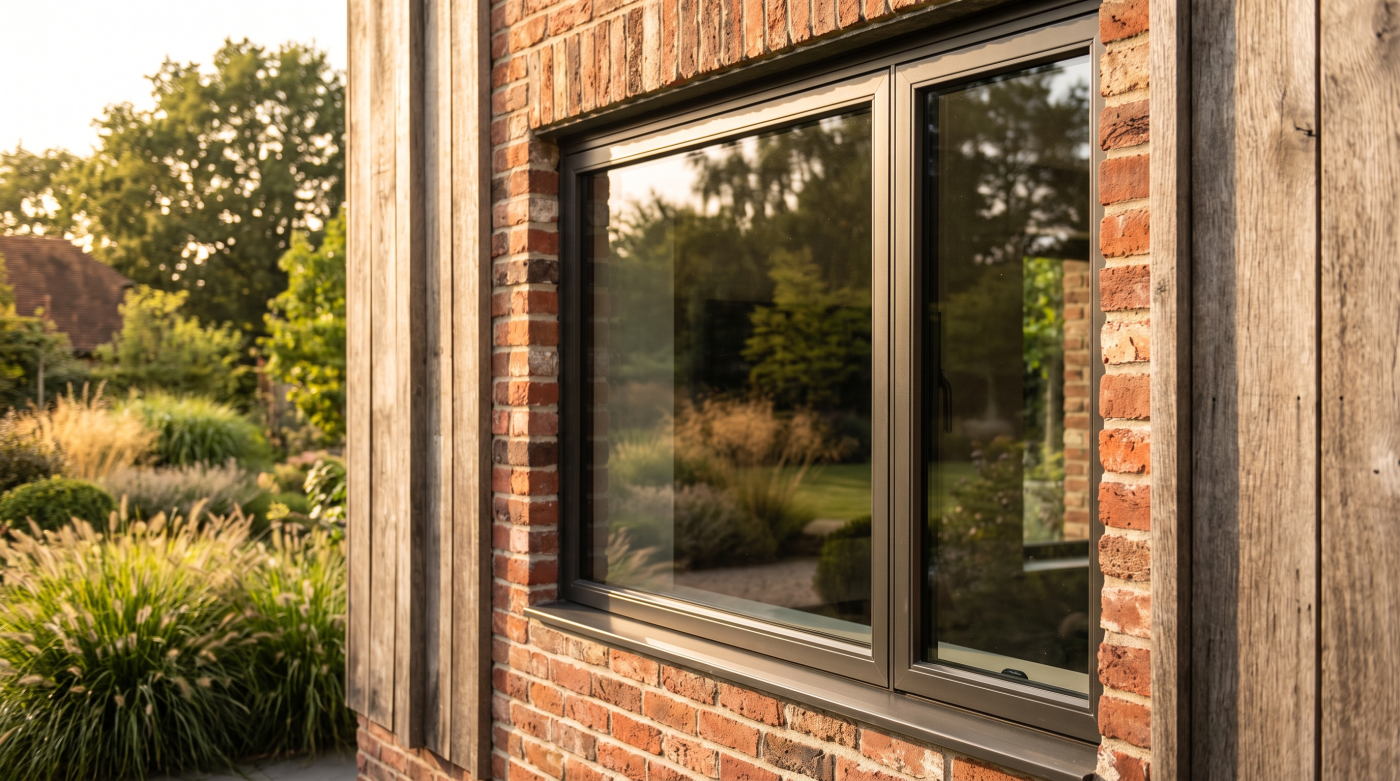
When the clocks go back in autumn, the official hour changes; the daylight available to a house follows the season. Evenings become darker earlier, and the rooms that felt open in summer can begin to feel quite different. In the UK, British Summer Time ends on the last Sunday in October, making the change a convenient annual prompt rather than a deadline for building work.
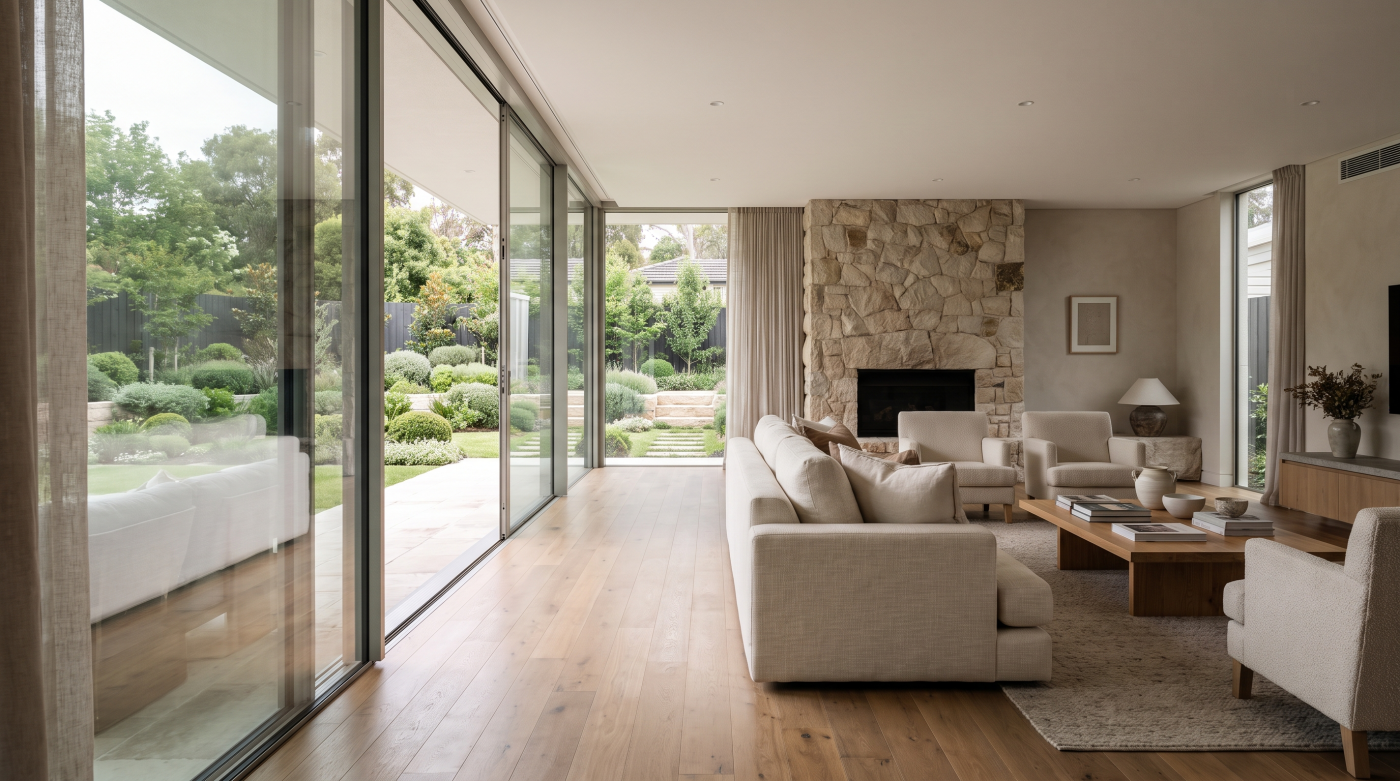
Spend a little time in each room at the hours when it is normally used. A kitchen may receive ample morning light but feel enclosed during an early supper. A street-facing sitting room might need privacy as soon as the lights are switched on. A deep extension can leave the older part of the house darker than expected, although the garden doors themselves are generous.
These are not necessarily faults in the glazing. They are clues about orientation, room depth, views and use. The answer may involve lighting or shading rather than replacing a window. Where a wider renovation is planned, the observations can inform the position, size and purpose of future openings.
Begin with the experience of the room. A useful autumn review asks what the glazing helps you do, where it leaves you exposed and where the house needs a better balance of daylight and enclosure.
2. Walk the house one opening at a time
A whole-house judgement is difficult to make from one uncomfortable room. Instead, inspect openings individually. Open and close each window or door that can be operated safely. Notice whether it moves smoothly, latches properly and sits evenly against its frame. Look for visible damage, persistent staining, condensation patterns and signs that finishes around the opening have changed.
Record what you find in plain terms. “Cold at the lower left corner when the wind is strong” is more useful than “bad window”. A mark below a sill may point to a water path; a stiff handle may point to a hardware issue. Neither finding automatically calls for a new frame. Photographing the same area before and after wet weather can help establish whether a mark is old or active.
Consider exposure as you go. A west-facing opening that receives driving rain has a different working life from one sheltered by a porch. A window beside a bath faces a different moisture load from one in a dry bedroom. Even matching windows can age differently because the rooms and elevations ask different things of them.
By the end of the walk, you should have a small set of specific observations. That record gives a repairer or designer a better starting point than a general request to “sort the glazing”.
3. Deal with routine maintenance early
Many openings rely on small components whose condition is easy to overlook while they still work. Hinges, handles, latches, seals and accessible drainage paths all contribute to daily performance. A window that no longer closes squarely may admit air because it needs adjustment, not because its glazing has ceased to function.
Autumn is a sensible time to arrange straightforward maintenance before a fault becomes more disruptive. Clear debris from places intended to drain, following the manufacturer’s guidance where available. Note loose or damaged hardware and seals that appear worn or displaced. Avoid cutting away material or blocking an opening whose purpose is uncertain; some channels and vents are designed to carry water or air.
Maintenance also means looking at the building immediately around the frame. A cracked finish or failed joint may permit water or air to travel behind otherwise sound glazing. The repair should address the route taken by the problem rather than simply cover the visible mark.
Not every observation requires immediate work. A record can be kept for a later survey, particularly when several openings are being considered together. But a sash that will not secure, an active leak or loose material warrants prompt professional attention. Small, well-chosen repairs can preserve the intended performance of an opening and buy time for any larger decision to be made properly.
4. Check how rain meets the building
Rain does not meet a window as a neat line on an elevation drawing. It runs down walls, catches on sills, meets paving and can be driven sideways by wind. The opening must shed water through a sequence of surfaces and joints. Autumn inspection is therefore as much about the wall and ground around the frame as the glass within it.
Look for staining beneath sills, standing water at thresholds and signs that an external surface directs rain toward the building. Check whether accessible drainage routes appear obstructed. Consider whether a leak occurs only in particular weather: that pattern can help distinguish a local defect from water arriving from higher up the elevation. Do not assume that moisture first seen inside a reveal entered at the point where it appears.
The architectural detail matters. A sill needs to project and shed water appropriately for its setting. A low threshold has to reconcile ease of movement with drainage and external levels. On a new extension, those decisions should be designed alongside the terrace and wall construction rather than handed to the installer at the end.
If water is actively entering, protect the interior and seek an assessment. For smaller signs, document the conditions and trace the likely path. A sealant patch applied without understanding drainage may hide a symptom while leaving the underlying route open.
5. Review ventilation alongside warmth
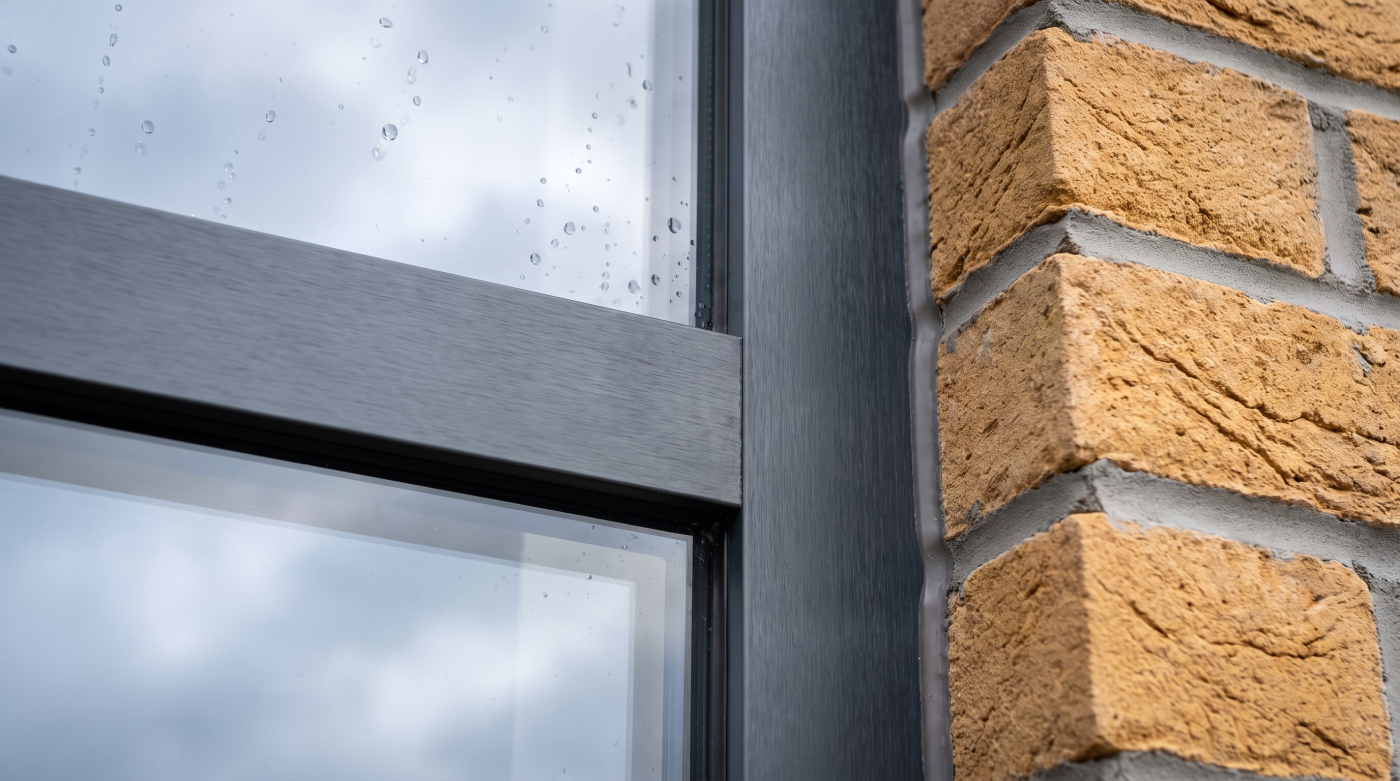
As rooms are closed against cooler weather, moisture generated by cooking, bathing and everyday occupation becomes more noticeable. Condensation on glazing can suggest several things: a cold surface, high indoor humidity, limited ventilation or a combination of them. It should not be read as a verdict on the window alone.
Notice where moisture forms and how long it remains. A brief film after a shower tells a different story from persistent water on several bedroom windows. Check that planned ventilation is being used and that extract systems operate as intended. A visible vent may sometimes feel cool, but blocking it without understanding the ventilation strategy can exchange one discomfort for another.
A sound glazing decision considers the building as a system. Improving seals can reduce unintended air leakage, while suitable fresh-air provision manages moisture and indoor air quality. In an older house, the balance may require particular care because previous alterations have already changed how the rooms breathe.
The objective is controlled comfort. The autumn review should identify unwanted gaps, defective components and genuine ventilation needs separately. That distinction makes both a modest repair and a later replacement more likely to work as intended.
6. Separate small repairs from a larger glazing project
A useful review produces two kinds of work. The first consists of discrete faults: a stiff hinge, a worn seal, a blocked drainage path or a damaged joint. These can often be investigated and addressed without changing the appearance or arrangement of the opening. The second asks a broader question about the room and the house: whether the window is well placed, proportioned and suited to its use.
Keep those decisions apart. A draught at one casement does not require a whole façade to be redesigned. Equally, repeated repair to a window that is poorly situated may defer a valuable improvement. A planned extension or internal reconfiguration can be the right moment to revisit daylight, views, privacy and circulation as a connected design problem.
Older properties require another layer of judgement. Existing windows may contribute to a historic elevation and be suitable for repair or discreet improvement. Secondary glazing may be worth considering where retaining external character is important. In other settings, replacement can offer a more coherent result, provided the new opening is specified and installed with care.
Sort the observations into what is urgent, what is maintainable and what belongs to a future design brief. This turns a seasonal inspection into a proportionate plan rather than an indiscriminate list of products to buy.

7. Plan major changes beyond the clock-change date
The clock change is a prompt to begin thinking, not a finish line for a substantial project. A new window arrangement may need measured drawings, structural review, a final survey and coordination with external finishes. On a listed building or in a sensitive setting, permissions and conservation questions can affect what is appropriate. An order made before these matters are settled may bring apparent certainty to the calendar while making the design less certain.
Work backwards from when the building should be ready for installation. Decide what needs immediate repair for comfort or weather protection, then give the larger specification its own programme. Discuss realistic manufacture and fitting dates for the proposed design rather than relying on a general seasonal assumption.
There is also value in watching the house through changing conditions. An opening that seems troublesome in October may reveal more about its behaviour during heavy rain or a particular wind. That evidence can refine the brief. Where a fault is causing damage, it should be addressed promptly; observation is not a reason to leave water entering the building.
A considered timetable lets the architecture lead. It makes room for decisions about elevation, interior use and installation details that will matter long after the clocks move again.
8. Make an autumn plan for the whole house
Bring the room-by-room observations together and set priorities. Active water ingress, insecure openings and material deterioration need attention first. Then address repairable discomfort and routine maintenance. Record the wider design questions separately: rooms that lack useful light, views that could be framed better, awkward doors and windows whose proportions no longer serve the elevation.
Look for patterns across the house. Several cold rooms may point toward a broader ventilation or fabric issue; one exposed corner may need a focused repair. An assortment of unrelated replacement frames may have left an elevation visually restless. Considering openings together can guide future improvements even if the work is completed in stages.
The plan should be specific enough to use. Note what was observed, what action is proposed, who should assess it and which decisions must wait for drawings or a survey. A household can then enter the colder months knowing which issues are resolved, which are being monitored and which are part of a longer project.
Getting glazing sorted does not mean replacing everything before the last Sunday in October. It means understanding the house before the seasonal change makes its weaknesses harder to ignore, and giving each opening the level of attention it actually needs.