
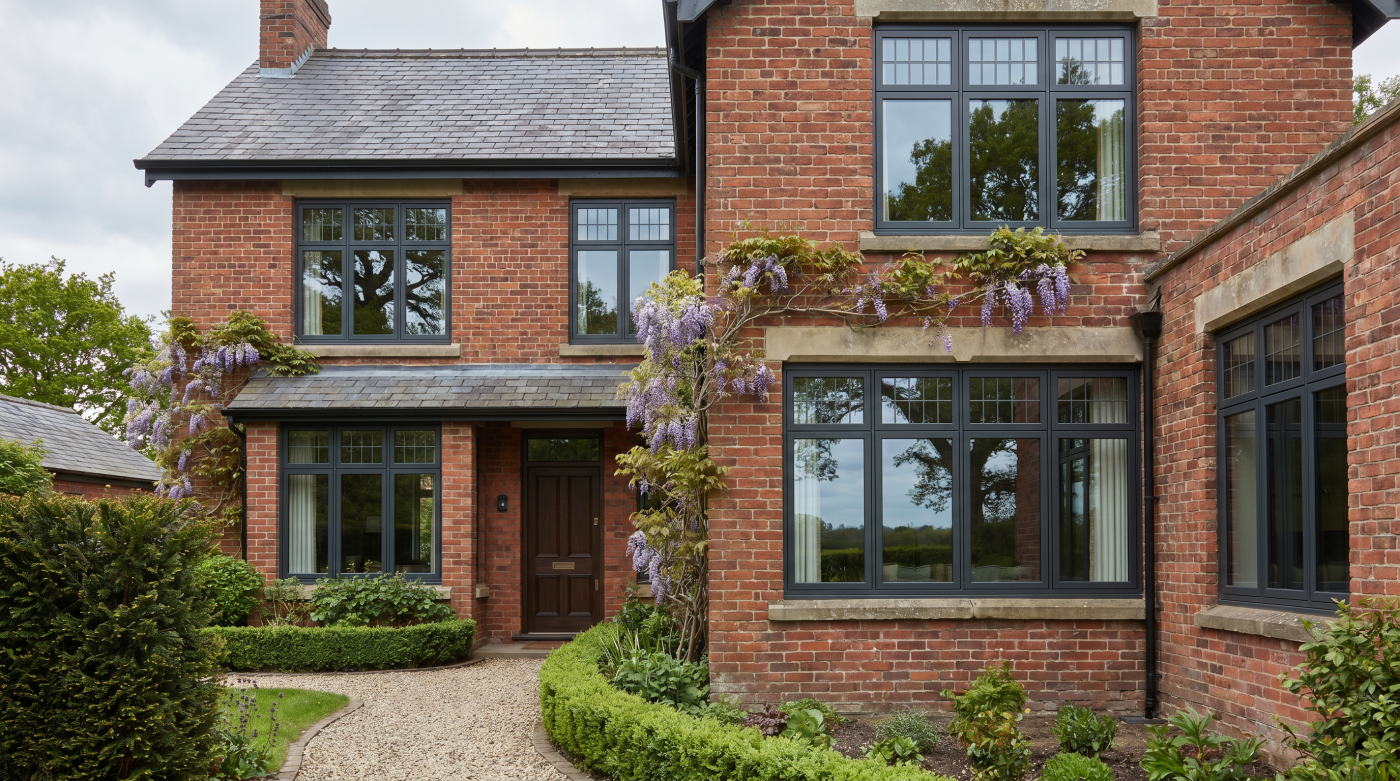
Section 1: Good Specification Starts With the Building, Not the Window
It is easy to assume that specifying windows begins with comparing materials, frame profiles or manufacturers. In practice, experienced architects usually work in the opposite direction. Before discussing aluminium, timber or composite systems, they first seek to understand the building itself—its architecture, its setting, the way it will be occupied and the ambitions of the people who will live there. Only once those questions have been answered does the conversation turn to the windows.
This approach reflects an important principle of good architectural design: windows are not isolated products. They are part of a much larger composition that influences how a building performs, how natural light enters each room, how internal spaces connect with the landscape and how the home feels throughout the changing seasons. Selecting a window system without considering these wider relationships is rather like choosing flooring before deciding the layout of a house. The decision may not be wrong, but it risks solving the wrong problem.
The nature of the project often determines the priorities from the outset. A contemporary new-build designed around expansive views may place considerable emphasis on slim sightlines and large glazed openings. A Georgian townhouse in a conservation area, however, is likely to demand a different balance between aesthetics, planning considerations and heritage sensitivity. Similarly, a rural self-build focused on energy efficiency may prioritise thermal performance and airtightness above the visual characteristics of the frame itself. In each case, the architectural context shapes the specification long before any individual product is considered.
Orientation also plays a surprisingly significant role. A south-facing elevation exposed to prolonged summer sunlight presents different challenges from a sheltered north-facing façade. Architects will often consider how solar gain, daylight levels and seasonal comfort interact with glazing design before deciding which framing system is most appropriate. The same window that performs exceptionally well in one location may require a different specification when exposed to stronger winds, coastal conditions or more demanding thermal requirements.
Planning constraints can influence these decisions just as much as design aspirations. Listed buildings and properties within conservation areas frequently require careful consideration of existing architectural character, proportions and detailing. In these situations, the question is rarely whether aluminium is inherently better than another material. Instead, it becomes whether a particular system can support the architectural integrity of the building while satisfying planning requirements and improving long-term performance where appropriate.
Budget is another area where architects tend to adopt a broader perspective than many homeowners initially expect. Rather than viewing cost solely as the purchase price of the windows, experienced designers often evaluate lifecycle value. Durability, maintenance requirements, energy performance, replacement intervals and occupant comfort all contribute to the long-term success of the investment. A specification that appears more expensive initially may ultimately prove to be the more economical choice over the lifetime of the property.
Seen through this architectural lens, the choice between aluminium and other materials becomes less about following trends and more about responding intelligently to the needs of the building. The material itself is only one component within a much wider design strategy. Understanding the architecture first provides the context needed to evaluate every subsequent decision, ensuring that the windows support the home rather than define it.
Section 2: Aluminium Offers Clear Advantages—But They Are Not Universal
Aluminium has earned its place within contemporary residential architecture for good reason. Its strength, durability and ability to support large areas of glazing have made it a popular choice for everything from minimalist extensions to ambitious self-build homes. Yet one of the most common misconceptions is that these qualities automatically make aluminium the right specification for every project. Good architecture is rarely that straightforward.
Perhaps aluminium’s most celebrated characteristic is its structural strength. Compared with many alternative framing materials, aluminium can support larger panes of glass with relatively slim frame profiles. This allows architects to maximise daylight, reduce visible framing and create stronger visual connections between interior spaces and the landscape beyond. On projects where uninterrupted views or expansive sliding doors form a central part of the design concept, these characteristics can make a meaningful contribution to the overall architectural composition.
Its durability is equally significant. Modern powder-coated aluminium systems are designed to withstand decades of exposure with relatively modest maintenance requirements. Unlike materials that may require regular repainting or more intensive upkeep, high-quality aluminium frames can retain both their appearance and structural integrity over many years when correctly specified and installed. For homeowners seeking long-term reliability, this durability often becomes an important part of the specification discussion.
Design flexibility is another advantage that explains aluminium’s popularity. Contemporary manufacturing techniques allow for a wide range of colours, finishes and opening configurations, giving architects considerable freedom when developing a façade. Whether the objective is to create a restrained modern extension or introduce carefully proportioned glazing into a more traditional property, aluminium systems can often accommodate complex architectural requirements without compromising precision or consistency.
However, these strengths only become valuable when they solve genuine design challenges. A home that does not require large expanses of glazing may gain little practical benefit from aluminium’s structural capabilities. Likewise, if planning constraints demand traditional detailing or a heritage-sensitive appearance, the defining characteristics that make aluminium attractive in one context may become far less relevant in another. Material selection is most successful when it responds to the building rather than follows prevailing trends.
Performance should also be considered beyond the frame itself. The comfort experienced within a home depends on a combination of glazing specification, thermal detailing, installation quality and overall building design. Aluminium contributes to this wider system, but it does not determine the outcome on its own. Two homes fitted with aluminium windows may deliver entirely different levels of comfort, energy efficiency and occupant satisfaction depending on how thoughtfully the wider specification has been developed.
This broader perspective helps explain why architects rarely begin with a preferred material. Instead, they identify the architectural objectives first and then evaluate which solution is best equipped to achieve them. In many projects, aluminium will emerge as an excellent choice because its characteristics align closely with the design intent. In others, an alternative material may better support the priorities of the building.
Seen in this context, aluminium is neither inherently superior nor inherently limited. It is a sophisticated architectural material with distinct strengths, but like every material used in construction, its success depends on where, why and how it is applied. Understanding those distinctions is far more valuable than assuming one solution can answer every design challenge.
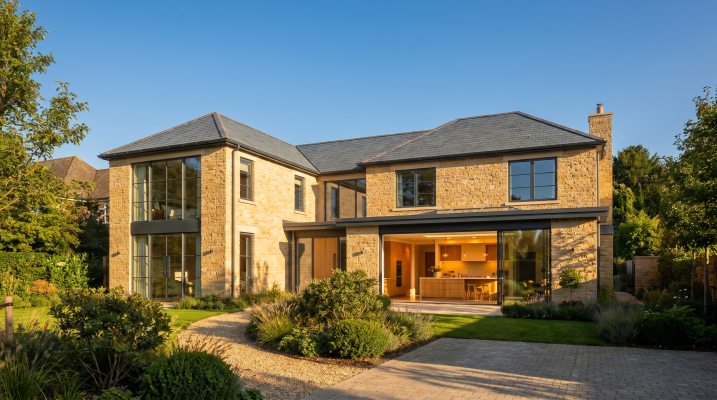
Section 3: The Questions That Matter More Than the Frame Material
One of the reasons discussions about windows can become misleading is that they often focus on the visible product rather than the experience of living with it. Homeowners rarely wake each morning appreciating the material of the window frame. Instead, they notice whether the room feels warm on a winter morning, whether glare makes a living space uncomfortable during summer afternoons, whether outside noise interrupts everyday life, or whether the home feels bright, calm and comfortable throughout the year. These are the outcomes that thoughtful specification is designed to achieve.
Thermal comfort is usually one of the first considerations. While frame material contributes to overall performance, it represents only part of a much larger system. The glazing itself, the quality of installation, thermal detailing around the opening and the relationship between the window and the surrounding building fabric all influence how comfortable a room feels. A well-designed specification seeks to create consistent internal temperatures and minimise cold surfaces, allowing occupants to enjoy the space without constantly adjusting heating or ventilation.
Natural light deserves equal attention. More glass does not automatically create a better living environment. The orientation of the building, the size and position of the openings, surrounding landscape and internal room proportions all determine how daylight moves through a home. Architects often study these relationships carefully because the quality of daylight influences everything from visual comfort to the atmosphere of a room. A carefully positioned window can transform a space without necessarily becoming larger or more expensive.
Solar gain introduces another layer of complexity. Generous glazing can provide welcome warmth during cooler months, yet the same elevation may become uncomfortably hot during prolonged periods of summer sunshine if the specification does not respond appropriately. This is why glazing selection, shading strategies and orientation are considered together rather than as separate decisions. The objective is not simply to maximise glass but to create a comfortable environment throughout the changing seasons.
Acoustic performance can also have a profound effect on everyday living, particularly in urban settings or homes located near busy roads, railways or flight paths. Here again, assumptions based solely on frame material can be misleading. Glass configuration, cavity design, seals and installation quality often have a greater influence on noise reduction than the choice between aluminium, timber or composite frames. A successful specification considers how occupants experience the home rather than relying on individual product claims.
Practical considerations are equally important. Ventilation, ease of operation, accessibility, cleaning and long-term maintenance all contribute to how well a window serves its occupants over decades of ownership. A beautifully detailed façade may lose much of its appeal if windows are awkward to operate, difficult to maintain or poorly suited to the way the household actually lives. Architects therefore consider the daily interaction between people and the building alongside broader questions of design and performance.
These considerations help explain why experienced designers rarely ask, “Which frame material is best?” Instead, they ask a series of broader questions. How should the home perform in winter? How will it remain comfortable in summer? How much daylight is appropriate for each space? How can external noise be reduced? How will the windows support everyday living over the next twenty or thirty years? The answers to these questions establish the criteria by which any window system should be judged.
By shifting attention from products to performance, the specification process becomes considerably more meaningful. Aluminium, timber and composite systems all have strengths, but those strengths only become relevant once the desired outcomes are clearly understood. Ultimately, homeowners experience comfort, light, quietness and usability—not the material from which the frame has been manufactured.
Section 4: Every Home Places Different Demands on Its Windows
One of the defining characteristics of good architectural specification is that it recognises no two projects are ever truly alike. Homes may share similar floor areas, budgets or aesthetic aspirations, yet the factors that determine an appropriate window specification can differ considerably. This is why architects resist applying standard solutions across fundamentally different buildings. The objective is not consistency of product, but consistency of outcome.
Consider a Georgian townhouse within a conservation area. Here, the windows contribute significantly to the building’s character, rhythm and historical significance. Proportions, glazing bars, frame detailing and sightlines often form part of the architectural language that gives the property its identity. Any intervention must therefore balance improved comfort and energy performance with the responsibility of preserving the building’s wider heritage value. In this context, success is measured as much by sensitivity as by technical performance.
A contemporary extension presents an almost entirely different challenge. Rather than preserving an existing architectural vocabulary, the design may seek to create openness, maximise daylight and strengthen the relationship between the house and its garden. Large sliding doors, corner glazing and uninterrupted views may become central features of the project. Here, structural capability, slim framing and careful detailing often carry greater importance because they directly support the architectural intent. The same specification that would appear inappropriate in a listed property may feel entirely natural within a modern extension.
Self-build projects introduce another set of priorities. Because the building is being designed from first principles, architects have the opportunity to consider glazing alongside orientation, insulation strategy, ventilation and energy performance from the earliest stages. Decisions about window systems become closely connected to broader questions of thermal comfort, solar gain and long-term efficiency. Rather than treating windows as individual purchases, they become integrated components within the overall environmental strategy of the home.
Location can be equally influential. A coastal property exposed to driving rain, salt-laden air and strong prevailing winds places greater emphasis on weather resistance and durability than an equivalent house in a sheltered inland setting. Likewise, a rural home designed to frame panoramic landscapes may prioritise expansive glazing, while an urban property overlooking neighbouring buildings may require a more considered balance between daylight, privacy and overlooking. The surrounding environment often shapes specification decisions as much as the architecture itself.
Lifestyle should not be overlooked either. A retired couple creating a long-term home may value ease of maintenance, quiet interiors and everyday comfort above dramatic architectural statements. A growing family, meanwhile, may prioritise flexible ventilation, security and robust operation as the demands placed on the building evolve over time. These practical considerations influence how successful a specification feels many years after the excitement of construction has faded.
What becomes clear across all these examples is that there is no universally correct answer to the question of which window material is best. The requirements of a listed building differ from those of a contemporary extension. The priorities of a Passive House differ from those of a countryside renovation. Even neighbouring properties can require entirely different solutions depending on their orientation, planning constraints and architectural ambitions.
For this reason, experienced architects rarely begin by asking which window system is most popular. They begin by understanding the project itself. Once the context is fully understood, the appropriate specification often becomes much clearer. The most successful homes are not defined by selecting fashionable products, but by choosing solutions that respond thoughtfully to the unique demands of the building and the people who will live within it.
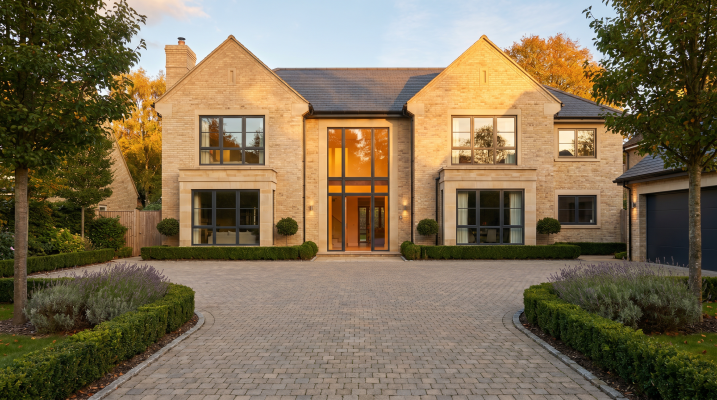
Section 5: Why the Cheapest Aluminium Quote Can Become the Most Expensive Decision
For many homeowners, the first meaningful comparison between window systems begins when quotations arrive. It is entirely understandable to focus on the bottom line, particularly when windows represent a significant proportion of a renovation or self-build budget. Yet experienced architects and project teams often view quotations rather differently. Rather than asking which proposal costs the least, they ask why the prices differ and what those differences may mean over the lifetime of the building.
Two aluminium window systems can appear remarkably similar at first glance. Both may have comparable sightlines, similar colours and broadly equivalent opening styles. From a distance, they may even look almost identical once installed. The differences often lie beneath the surface, within the engineering of the frame, the quality of the hardware, the glazing specification, the weather sealing, the manufacturing tolerances and the level of technical support provided throughout the project. These elements are far less visible during the purchasing stage, yet they frequently determine how successfully the windows perform over the decades that follow.
Installation is another factor that is easily underestimated. Even the highest-quality window system relies on careful installation to achieve its intended performance. Accurate positioning, appropriate structural support, effective weatherproofing and well-executed thermal detailing all influence airtightness, weather resistance and long-term durability. A premium product installed poorly can fall short of expectations, while a carefully coordinated installation often allows a well-specified system to perform as intended throughout its service life.
The glazing itself also plays a greater role than many homeowners realise. Discussions often centre on the frame because it is the most visible component, yet the glass typically represents the largest surface area of the window. Choices relating to solar control, thermal insulation, acoustic performance and low-emissivity coatings have a direct influence on comfort, energy efficiency and occupant experience. Two quotations may both describe “triple glazing” or “double glazing”, while the performance characteristics of the glass differ significantly. Looking beyond simple product descriptions helps reveal the true value of each proposal.
Hardware quality deserves similar attention. Hinges, handles, locking mechanisms and sliding components are subjected to thousands of operating cycles over their lifetime. Smooth operation after fifteen or twenty years is rarely the result of good fortune; it is usually the outcome of careful engineering and robust manufacturing standards. What appears to be a modest saving during procurement can become a recurring source of maintenance, adjustment or replacement if everyday components are unable to withstand prolonged use.
This broader perspective introduces the concept of lifecycle value. The initial purchase price represents only one stage in the life of the building. Future maintenance, durability, occupant comfort, energy performance and reliability all contribute to the true cost of ownership. A window system that continues to perform consistently for decades may ultimately provide far greater value than a less expensive alternative that requires ongoing maintenance, compromises comfort or reaches the end of its useful life much sooner.
For this reason, architects are often cautious about evaluating quotations in isolation. Price certainly matters, but it forms only one part of a much wider assessment. The objective is not simply to reduce immediate expenditure, but to invest in a specification that supports the architecture, performs reliably and continues to enhance the home throughout long-term ownership. When viewed through this lens, the least expensive quotation is not always the most economical decision.
Section 6: What Architects Usually Evaluate Before Recommending Aluminium
By the time an architect recommends a particular window system, the decision is rarely based on the material alone. Instead, it is the outcome of a series of interconnected design considerations, each contributing to how the finished building will perform, appear and be experienced over many years. Aluminium may ultimately prove to be the most appropriate choice, but it is usually selected because it supports the wider architectural objectives rather than because it is fashionable or widely specified.
The process often begins with design intent. Every project has an underlying architectural ambition, whether that is preserving the proportions of a period property, creating a minimalist extension with uninterrupted views or designing a highly efficient self-build. The window system must reinforce that ambition rather than compete with it. Frame dimensions, sightlines, opening configurations and external detailing all influence how successfully the glazing integrates into the overall composition of the building. A technically impressive product that distracts from the architecture has not necessarily achieved a successful specification.
Structural considerations quickly follow. Large areas of glazing require careful coordination between architects, structural engineers and glazing specialists to ensure that openings remain elegant without compromising stability or performance. Questions about load-bearing requirements, lintel design, movement tolerances and glazing weights are resolved alongside aesthetic decisions, allowing ambitious designs to remain practical as well as visually refined. The result is a solution in which engineering quietly supports the architectural vision rather than dictating it.
Orientation and environmental performance also shape the specification. Architects consider how sunlight enters the building throughout the day, how internal spaces will respond to seasonal changes and where overheating or excessive heat loss may become concerns. Decisions about glazing specification, solar control, ventilation strategies and shading are often developed together because each influences occupant comfort. Aluminium frames form part of this wider environmental strategy rather than acting as its defining feature.
Attention then turns to the practical realities of construction. The quality of technical support provided by the manufacturer or glazing partner can have a significant impact on project delivery. Detailed drawings, specification advice, installation guidance and coordination with builders all help ensure that the design developed on paper is successfully realised on site. This collaborative approach reduces risk, resolves technical challenges before construction begins and helps maintain the integrity of the original architectural intent.
Long-term ownership is equally important. Architects are not simply specifying windows for the day they are installed; they are considering how those windows will perform twenty or thirty years into the future. Durability, maintenance requirements, the availability of replacement components and the ability to service hardware all influence whether a system continues to meet the needs of its occupants. A specification that performs consistently over decades often delivers greater value than one that simply creates a strong first impression.
Perhaps the most overlooked aspect of the process is collaboration itself. Successful projects are rarely the result of a single individual making isolated decisions. Architects work alongside structural engineers, builders, specialist glazing advisers and, of course, the homeowners themselves. Each contributes knowledge from a different perspective, ensuring that design aspirations remain achievable, technical requirements are fully understood and practical considerations are addressed before construction begins.
Viewed from this perspective, recommending aluminium is not the starting point of the design process but one of its conclusions. When the architecture, performance objectives, planning context and long-term aspirations have all been carefully considered, the most appropriate solution often becomes clear. It is this disciplined process of evaluation, rather than allegiance to any particular material, that consistently produces buildings capable of performing as beautifully as they look.
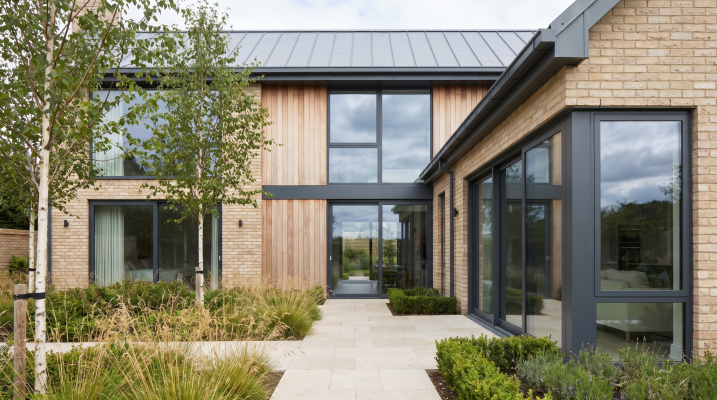
Section 7: Asking Better Questions Leads to Better Homes
By this stage, one conclusion has become increasingly clear: successful window specification is not driven by finding the “best” material, but by asking better questions at the beginning of the project. The quality of those early conversations often has a greater influence on the finished home than any individual product decision. Architects understand that thoughtful questions create thoughtful buildings, while assumptions made too early can be difficult and expensive to correct later.
Many homeowners understandably begin by asking whether aluminium windows are worth the investment. It is a reasonable question, but it rarely provides a meaningful answer in isolation. A more productive discussion explores what the home is expected to achieve over the coming decades. Is the priority to maximise natural light? Improve year-round comfort? Preserve the character of a period property? Create uninterrupted views across the landscape? Reduce maintenance? Or build a highly energy-efficient home that will remain comfortable as performance standards continue to evolve? Once these objectives are clearly defined, the appropriate specification begins to emerge naturally.
This shift in perspective also encourages homeowners to think beyond the construction phase. A building is experienced every day for many years, long after the decisions made during design have been forgotten. The ease with which windows open on a warm summer evening, the quality of daylight in a kitchen during winter, the absence of unwanted draughts and the quietness of a bedroom overlooking a busy road all become part of everyday life. These experiences are shaped by careful specification far more than by marketing claims or product trends.
Architects also recognise that buildings evolve alongside the people who occupy them. A young family may eventually become empty nesters. A contemporary extension designed for entertaining may later become a quieter living space. Accessibility requirements, maintenance expectations and patterns of occupation often change over time. Choosing windows with these future needs in mind allows the building to adapt gracefully rather than requiring premature replacement or compromise.
There is also value in asking how the windows contribute to the architecture as a whole. Well-designed glazing rarely demands attention in isolation. Instead, it works quietly alongside proportion, materiality, landscape and interior spaces to create a coherent architectural composition. When every element supports the same design intent, the building feels balanced and effortless, even if the reasons are not immediately obvious to those experiencing it.
Ultimately, the objective is not to arrive at a predetermined answer but to make better-informed decisions. Aluminium may well prove to be the most appropriate solution, particularly where structural capability, contemporary aesthetics or long-term durability are central to the project. Equally, another material may better support the architecture, planning context or performance objectives. The success of the specification lies not in confirming an assumption, but in ensuring that every decision contributes to the quality of the finished home.
The homes that continue to delight their owners decades after completion are rarely the result of fashionable products or isolated purchasing decisions. More often, they reflect a design process in which the right questions were asked early, competing priorities were carefully balanced and every element was selected because it contributed to a shared architectural vision. In the end, good specification is less about choosing windows and more about shaping the experience of living within the home they help create.
Section 8: Aluminium Is a Material, Not a Strategy
It is understandable why aluminium has become one of the defining materials of contemporary residential architecture. Its clean appearance, structural capability and long-term durability have helped shape many of the most admired homes built in recent decades. Yet reducing the success of those projects to the choice of frame material alone overlooks the much broader thinking that lies behind them. Outstanding architecture is rarely the result of selecting the right product. It is the result of making hundreds of carefully considered decisions that work together to support a single design vision.
The most successful projects begin by understanding the building before evaluating individual components. Architects consider how the home will sit within its surroundings, how natural light will move through its rooms, how internal spaces will be used throughout the day and how the building should perform over many decades. Windows contribute to every one of these objectives, but they do so as part of an integrated architectural strategy rather than as isolated products competing for attention.
This explains why aluminium performs exceptionally well in some projects while being less appropriate in others. A minimalist contemporary extension designed around expansive glazing may benefit enormously from aluminium’s structural strength and refined sightlines. A carefully restored heritage property, however, may require an entirely different response to preserve its architectural character and satisfy planning requirements. Neither approach is inherently superior. Each succeeds because the specification has been shaped by the unique demands of the project rather than by assumptions about materials.
Long-term ownership reinforces the importance of this approach. Homes are not experienced through specification sheets or marketing brochures. They are experienced through quiet winter mornings without draughts, comfortable living spaces during periods of summer heat, generous daylight throughout the year and windows that continue to operate smoothly after thousands of opening cycles. These qualities emerge from the relationship between design, engineering, installation and detailing. The frame material plays an important role, but it is only one contributor to the overall experience of living in the building.
For homeowners, this offers a valuable change in perspective. Rather than searching for the universally “best” window, it is often more productive to ask which solution best supports the architecture, the location, the way the home will be occupied and the aspirations of those who will live there. That conversation naturally leads beyond materials and towards questions of comfort, performance, durability and architectural quality—the qualities that continue to matter long after construction has finished.
Aluminium deserves its reputation as an excellent architectural material, but it should be viewed as a means rather than an objective. The goal of good specification has never been to select aluminium, timber or any other material for its own sake. The goal is to create buildings that perform beautifully, age gracefully and remain enjoyable places to live for many years to come.
When viewed through this architectural lens, the decision becomes both simpler and more thoughtful. The right choice is not determined by popularity, trends or marketing claims, but by how well the specification supports the building as a whole. In the end, exceptional homes are remembered not because they contain aluminium windows, but because every design decision—including the windows—works together to create spaces that continue to enrich everyday life.