
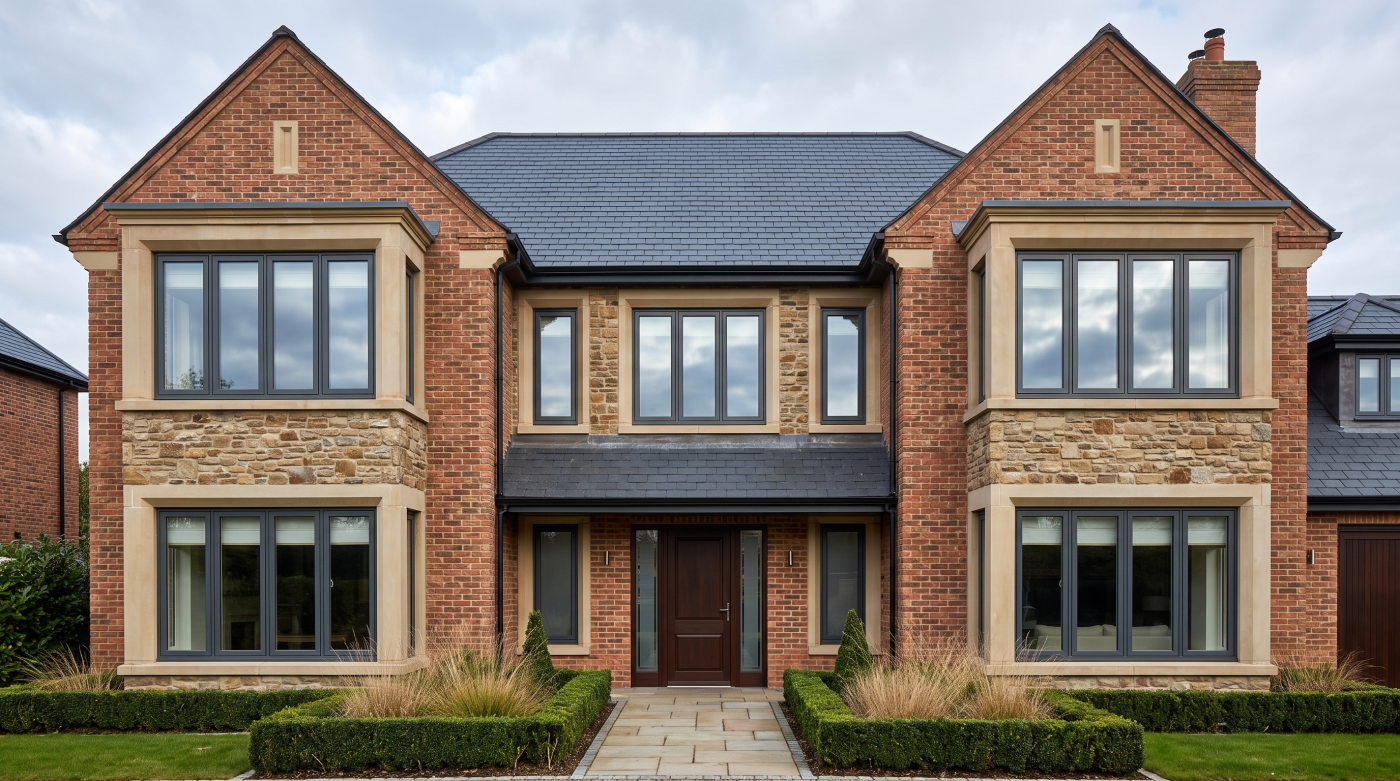
Section 1: They Are Designed to Solve Different Problems
Comparisons between aluminium and alu-clad windows often begin with the assumption that one is intended to replace the other. In reality, they were developed to address different architectural priorities. Both occupy the premium end of the market, both are capable of delivering excellent performance and both are regularly specified on high-quality residential projects. The decision is therefore rarely about identifying which system is objectively better. Instead, it is about understanding which one is better suited to the particular building being designed.
Pure aluminium windows were developed to maximise the structural advantages of the material itself. Aluminium is exceptionally strong relative to its weight, allowing manufacturers to produce slim frame profiles capable of supporting large areas of glazing. This makes aluminium particularly attractive for contemporary architecture where clean sightlines, generous daylight and uninterrupted views often form central elements of the design. In these projects, the window is expected to become almost invisible, allowing the landscape and the architecture to take precedence over the frame.
Alu-clad windows approach the same challenge from a different direction. Rather than relying on a single material, they combine two complementary materials within one system. Internally, a timber frame provides warmth, natural character and excellent insulating properties. Externally, an aluminium cladding protects the timber from weather exposure while reducing maintenance requirements. Instead of prioritising the visual lightness associated with full aluminium construction, alu-clad systems seek to balance architectural performance with the tactile qualities of natural timber inside the home.
This difference reflects two distinct architectural philosophies rather than two competing products. Some projects benefit from the crisp precision and refined detailing that aluminium naturally provides. Others place greater value on the warmth and material richness that exposed timber introduces to interior spaces. Neither approach is inherently more sophisticated than the other. Each simply responds to a different set of design ambitions and occupant priorities.
Performance objectives also influence the decision. A contemporary extension designed around expansive sliding glazing may naturally favour aluminium because of its structural efficiency and ability to achieve minimal sightlines. A countryside home, however, may place equal importance on creating warm, tactile interiors where natural materials contribute to the atmosphere of the living spaces. In that context, an alu-clad system can provide the durability of aluminium externally while preserving the character of timber internally. The material selection therefore supports the experience the architecture is trying to create rather than following a predetermined hierarchy.
This helps explain why architects rarely compare aluminium and alu-clad windows in isolation. They first consider the building’s design intent, its location, the client’s expectations and the long-term objectives of the project. Only then does the specification begin to narrow towards one solution or the other. Material choice becomes a consequence of good architectural thinking rather than the starting point for it.
For homeowners, this is an important change in perspective. Asking whether aluminium is better than alu-clad is much like asking whether limestone is better than brick. Both are exceptional materials when used appropriately, yet each supports different forms of architecture and creates different experiences. The more valuable question is not which material wins the comparison, but which one allows the building to achieve its architectural ambitions most successfully.
Section 2: Understanding the Difference Beyond the Exterior
From a distance, aluminium and alu-clad windows can appear remarkably similar. Both are available in contemporary colours, both can feature slim profiles and both are capable of complementing high-quality residential architecture. It is only when the construction of each system is understood that their differences become clearer. Those differences influence not only how the windows perform, but also how they are experienced throughout the life of the building.
A pure aluminium window is constructed using aluminium for both its internal and external frame elements, separated by advanced thermal breaks that minimise heat transfer between inside and outside. Modern manufacturing techniques have transformed aluminium into a highly efficient framing material, allowing architects to specify exceptionally slim sections without compromising structural integrity. This combination of strength and precision explains why aluminium is frequently chosen for projects where large glazed openings and clean architectural lines form a central part of the design.
An alu-clad window takes a different approach by combining two materials within a single system. The structural frame is typically manufactured from engineered timber, while the external face is protected by an aluminium cladding. The timber remains visible from the interior, bringing with it the texture, warmth and natural character associated with wood, while the aluminium exterior shields the frame from rain, sunlight and changing weather conditions. In effect, the system seeks to combine the strengths of both materials rather than relying on one alone.
The internal experience created by these two approaches can feel noticeably different. Aluminium interiors tend to reinforce a clean, contemporary aesthetic, working particularly well within minimalist spaces where restrained detailing is central to the architectural concept. Alu-clad systems, by contrast, introduce the visual softness and tactile quality of timber into living spaces. For some homeowners, this natural material creates a greater sense of warmth and connection, particularly within country homes, design-led renovations or interiors where timber already plays a significant role.
The construction of each system also influences the way architects approach detailing. Aluminium’s inherent strength allows very slim frame profiles, particularly where larger expanses of glazing are required. This can maximise the proportion of glass within an opening, increasing daylight and reducing the visual presence of the frame. Alu-clad windows may have slightly different proportions depending on the manufacturer and construction method, but their appeal often lies less in achieving the absolute thinnest sightlines and more in balancing performance with material richness and architectural character.
It is also worth recognising that not all aluminium windows are identical, just as not all alu-clad systems are the same. Manufacturing quality, engineering, thermal detailing, glazing specification and hardware vary considerably between manufacturers. Two systems described simply as “aluminium” may perform very differently in practice, while two alu-clad products can differ significantly in construction, timber species, finishes and long-term durability. Understanding the quality of the complete system is therefore far more informative than focusing solely on the material listed in a brochure.
For architects, these construction differences are not simply technical details; they help determine how a building will feel once occupied. The choice between aluminium and alu-clad is rarely based on appearance alone. It reflects decisions about daylight, comfort, materiality, maintenance, performance and the atmosphere the architecture is intended to create.
Seen in this way, the distinction between aluminium and alu-clad becomes much easier to understand. They are not alternative finishes applied to the same product. They are two carefully engineered window systems, each developed around a different architectural philosophy. Appreciating that distinction is the first step towards making a specification decision that genuinely supports the building rather than simply following a comparison chart.
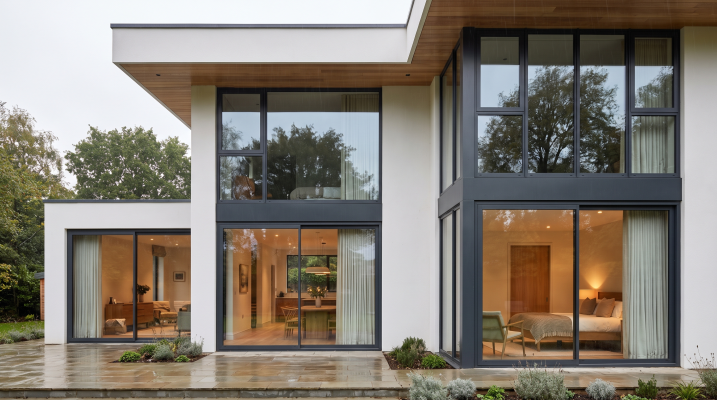
Section 3: How Architects Decide Between Them
When architects compare aluminium and alu-clad windows, they are rarely attempting to identify a superior product. Instead, they are assessing which system best supports the objectives of a particular project. The specification process begins with the architecture itself, considering how the building should look, perform and feel over many years of occupation. Only once those ambitions have been clearly defined does the choice of window system begin to emerge.
Contemporary architecture often provides a clear example. Homes designed around simplicity, generous glazing and strong visual connections with the landscape frequently place considerable emphasis on achieving the slimmest possible sightlines. In these situations, aluminium’s structural strength allows large glazed openings while maintaining refined frame dimensions. The windows become deliberately understated, allowing daylight, views and architectural form to become the dominant visual elements rather than the framing itself.
Other projects place different priorities at the centre of the design. A country house, for example, may seek to combine modern levels of comfort with the warmth and material richness traditionally associated with timber interiors. Here, architects may be less concerned with achieving the absolute minimum frame profile and more interested in creating interiors where natural materials contribute to the atmosphere of each room. An alu-clad system allows the durability of aluminium to protect the building externally while introducing the visual character of timber inside, supporting a different architectural experience without compromising long-term performance.
Heritage and sensitive renovation projects present another layer of consideration. While every building must be assessed individually, architects often look carefully at how new windows will relate to the existing architecture, internal finishes and planning context. The objective is not simply to improve performance but to ensure that new interventions respect the character of the building. Depending on the design approach and the specific planning requirements, either aluminium or alu-clad may prove appropriate. The decision is guided by context rather than by a predetermined preference for one material over another.
Self-build projects frequently allow even greater freedom because the entire building can be designed around the chosen specification from the outset. Architects are able to consider glazing alongside orientation, insulation, ventilation and structural design, allowing the window system to become an integrated component of the overall architectural strategy. In some self-builds, aluminium supports a clean contemporary aesthetic with expansive glazing. In others, alu-clad windows help create interiors where natural materials remain central to the character of the home. Both approaches can be equally successful because they respond to different design ambitions.
Passive House and other high-performance projects demonstrate why material alone rarely determines specification. Architects working on these buildings focus on the performance of the complete window system rather than simply the frame. Thermal performance, airtightness, installation detailing and overall building design are evaluated together to achieve the desired environmental outcomes. Aluminium and alu-clad systems can both form part of highly efficient buildings when appropriately engineered and correctly specified. The success of the project depends far more on holistic design than on the label attached to the frame.
Interior design also plays an important role in the decision-making process. Windows are experienced from inside the home far more often than they are viewed from outside. The visual relationship between the frames, flooring, joinery, wall finishes and natural light all contribute to how spaces feel on a daily basis. Some architects favour the precision and restraint of aluminium interiors, while others see exposed timber as an opportunity to introduce warmth and texture into contemporary living spaces. These are not technical decisions alone; they are decisions about atmosphere and occupant experience.
Ultimately, architects are not selecting between aluminium and alu-clad in isolation. They are balancing architecture, performance, planning, lifestyle and long-term ownership before recommending a solution that supports the project as a whole. When viewed through this broader architectural lens, the comparison becomes far less about materials and far more about creating a home in which every design decision works together with clarity and purpose.
Section 4: Living With the Windows Every Day
Much of the discussion surrounding windows takes place before they are installed. Homeowners compare specifications, architects review drawings and manufacturers present technical data describing performance. Yet once construction is complete, those conversations largely disappear. What remains is the everyday experience of living with the windows themselves. This is where the distinction between aluminium and alu-clad becomes less about engineering and more about how a home feels throughout the years that follow.
The interior appearance of a window influences every room in which it is installed. Aluminium frames tend to reinforce a contemporary architectural language, providing crisp lines and a restrained visual presence that allows other materials and the surrounding landscape to take centre stage. In minimalist interiors, this simplicity often supports the wider design intent by reducing visual distraction and creating a calm, uncluttered environment. The window becomes part of the architecture rather than a decorative feature in its own right.
Alu-clad windows create a different atmosphere because the internal face is timber rather than metal. Natural wood introduces texture, warmth and subtle variation that changes with the quality of daylight throughout the day. For some homeowners, this contributes to a greater sense of comfort and material richness, particularly in spaces where timber flooring, cabinetry or exposed structural elements already play an important role. The experience is less about visual contrast and more about creating interiors that feel tactile and inviting.
Comfort extends beyond appearance. Although thermal performance depends on the complete window specification rather than the frame material alone, the surfaces occupants interact with can influence their perception of the space. A thoughtfully specified window contributes to stable internal temperatures, reduces cold downdraughts and creates seating areas that remain comfortable even during colder months. These qualities are rarely attributed directly to the window, yet they shape how pleasant a room feels every day.
Maintenance also forms part of long-term ownership. Aluminium interiors generally require very little ongoing attention beyond routine cleaning, making them particularly attractive to homeowners seeking simplicity and durability. Timber interiors demand a different relationship. While modern finishes significantly reduce maintenance compared with traditional timber windows, some homeowners appreciate the natural ageing of wood and the opportunity to preserve or refresh its appearance over time. Neither approach is inherently preferable; it depends on how people wish to live with the materials surrounding them.
Acoustic comfort is another consideration that is often overlooked during product comparisons. Occupants experience the quietness of a home rather than the specification of its glazing. Traffic noise, rainfall, wind and activity outside the property all influence the atmosphere within. The performance of the complete window system—including glazing, seals, installation quality and frame construction—plays a role in creating interiors that feel calm and protected. This reinforces an important architectural principle: windows contribute to the overall experience of the home rather than functioning as isolated technical components.
Natural light perhaps has the greatest influence of all. Throughout the day, changing sunlight interacts with frame materials, interior finishes and surrounding architecture to shape the character of every room. Aluminium’s slim profiles can maximise glazed area and strengthen visual connections with the landscape, while timber interiors can soften the transition between window and room, creating a more tactile relationship with daylight. Both approaches have merit because they support different architectural ambitions and different ways of living.
Ultimately, homeowners do not spend decades analysing frame materials. They experience warm mornings in the kitchen, quiet evenings in the living room, changing light throughout the seasons and uninterrupted views across the garden or countryside. Whether those experiences are framed by aluminium or timber becomes far less important than whether the windows contribute positively to the life taking place around them. That is why architects focus on occupant experience first and materials second. The most successful specification is the one that quietly improves everyday living without continually reminding its occupants how it was achieved.
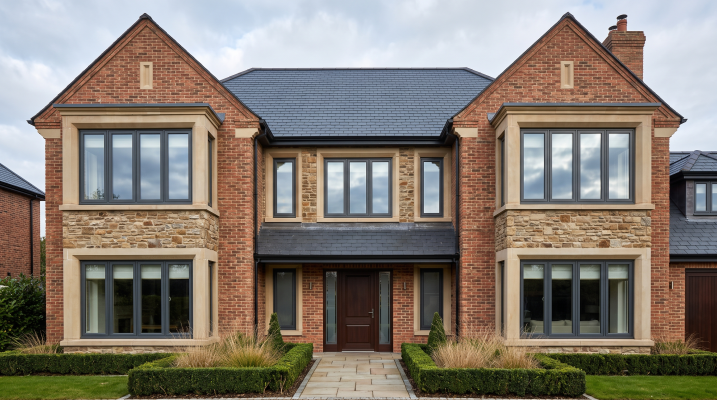
Section 5: Performance Is About More Than U-Values
Few technical figures receive as much attention during window comparisons as the U-value. It is frequently presented as the definitive measure of performance, leading many homeowners to assume that the window with the lowest number must automatically be the better choice. While thermal performance is undoubtedly important, architects rarely evaluate windows through a single statistic. They recognise that comfort is created by the interaction of many factors working together rather than by one isolated measurement.
The distinction is important because buildings are experienced as complete environments, not as collections of technical data. Occupants notice whether a room feels consistently comfortable throughout the year, whether large glazed areas remain pleasant to sit beside during winter and whether summer sunshine enhances a living space without causing excessive overheating. These outcomes depend upon glazing specification, frame design, installation quality, orientation and overall building design just as much as they depend on published thermal values.
Solar gain provides a useful example. Large areas of glazing can contribute welcome warmth during colder months while also reducing the need for artificial lighting through improved daylight. Yet if solar control has not been considered carefully, those same windows may contribute to overheating during prolonged periods of summer sunshine. Architects therefore assess orientation, glazing specification and shading strategies alongside frame selection, recognising that the objective is year-round comfort rather than simply achieving the lowest possible U-value.
Airtightness is equally significant. Even an exceptionally well-engineered window cannot perform as intended if air leakage occurs around the frame because of poor installation or inadequate detailing. This is why architects place considerable emphasis on installation methodology and junction design. The interface between the window and the surrounding building fabric often has as much influence on occupant comfort as the window itself. A carefully specified system installed with precision can outperform a technically superior product fitted without the same attention to detail.
Condensation introduces another aspect of performance that is closely linked to the building as a whole. Many homeowners assume condensation is caused solely by the window, when in reality it is influenced by internal humidity, ventilation, insulation levels and surface temperatures throughout the building. Good specification seeks to manage all of these factors together. High-quality windows contribute to this balance, but they are only one part of a broader environmental strategy designed to create healthy, comfortable living conditions.
Acoustic performance follows a similar pattern. While some comparisons focus on glass thickness or individual sound reduction figures, architects consider how the complete system contributes to a quieter interior. Frame construction, glazing configuration, weather seals and installation quality all influence how effectively external noise is controlled. The result is not simply a technically impressive specification but a home that feels calmer, more private and more enjoyable to occupy.
This holistic approach explains why architects are often cautious about reducing product comparisons to a series of numerical values. Technical data provides valuable information, but it cannot fully describe how a building will feel once occupied. A comfortable home is the result of thoughtful design, careful specification and high-quality installation working together to support the wider architecture.
For homeowners deciding between aluminium and alu-clad windows, this offers an important perspective. Rather than asking which system delivers the best headline performance figures, it is more valuable to ask how each contributes to the overall performance of the building. Ultimately, people experience comfort, daylight, quietness and wellbeing—not U-values. The most successful specification is therefore the one that creates the best living environment rather than the most impressive technical comparison.
Section 6: Cost, Value and Long-Term Ownership
When homeowners compare quotations for premium window systems, attention naturally turns to price. Aluminium and alu-clad windows often occupy similar areas of the market, yet there can still be noticeable differences in cost depending on the manufacturer, specification and level of engineering involved. While these figures are important, architects are generally more interested in understanding the value each system provides over the lifetime of the building rather than simply comparing the initial investment.
The purchase price represents only the beginning of a window’s lifespan. A well-designed home is expected to perform for decades, and its windows are among the few components that influence comfort, energy efficiency, maintenance and appearance every single day. When viewed over twenty or thirty years, the financial significance of the original quotation often becomes far less important than the quality of the ownership experience that follows.
Durability is a central part of that discussion. High-quality aluminium systems are valued for their structural stability, resistance to weathering and ability to maintain their appearance with relatively little maintenance. Premium alu-clad systems are designed around a different philosophy, protecting the external timber with aluminium cladding while allowing the warmth of natural wood to remain visible inside the home. Both approaches are intended to provide long service lives, but they achieve that objective through different methods of construction and material selection.
Maintenance expectations also vary between homeowners. Some people prefer the simplicity of aluminium throughout, appreciating its consistent appearance and minimal upkeep. Others value the character of exposed timber internally and are comfortable with the small amount of care it may require over many years. Neither preference is objectively better. It reflects individual priorities and the relationship occupants wish to have with the materials surrounding them. Architects therefore treat maintenance as a lifestyle consideration rather than simply a technical characteristic.
Repairability and long-term support deserve equal attention. Windows are expected to remain in service for many decades, making the availability of replacement hardware, seals and technical support an important part of the specification process. Manufacturers with established product ranges and long-term commitment to servicing their systems often provide reassurance that extends well beyond the installation itself. These considerations rarely appear at the top of a quotation, yet they contribute significantly to the long-term value of the investment.
The quality of installation also influences financial value in ways that are easily overlooked. Poorly installed premium windows may require remedial work, adjustment or unnecessary maintenance despite the quality of the product itself. Conversely, careful installation allows the system to perform as intended, reducing future issues while protecting both comfort and durability. Architects therefore view installation as an integral part of the investment rather than a separate stage of the project.
Resale value is another aspect that is difficult to quantify but often forms part of long-term ownership. Well-specified glazing contributes to the overall quality and perception of a home, particularly where the windows complement the architecture and continue to perform consistently many years after completion. Prospective buyers may not know the precise manufacturer or construction method, but they readily recognise homes that feel carefully designed, comfortable and well maintained.
Ultimately, the comparison between aluminium and alu-clad windows is not simply a question of which system costs more at the point of purchase. It is a question of which system offers the greatest value for the particular building and the people who will live there. Architects rarely separate financial decisions from architectural ones because they understand that the best investment is not always the least expensive. More often, it is the specification that continues to reward its owners through comfort, durability and design quality long after the original cost has been forgotten.
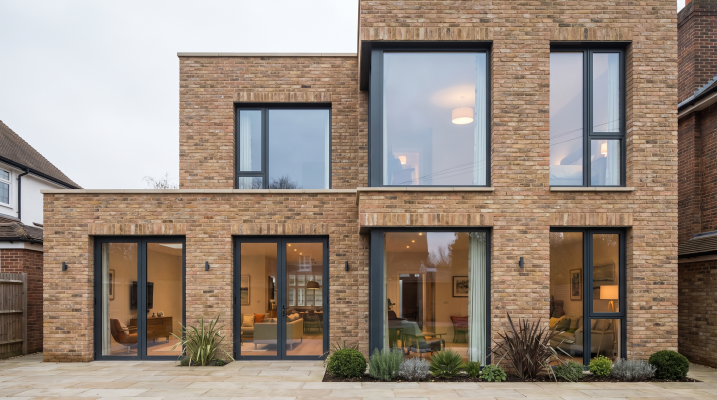
Section 7: Which Homes Suit Each System Best?
By this point, it should be clear that neither aluminium nor alu-clad windows can be described as the universally “better” choice. Their suitability depends entirely on the architecture they are intended to support. This is why architects often find project examples more useful than simple product comparisons. Looking at how different types of homes influence specification helps explain why each system has earned its place within premium residential design.
A contemporary extension is perhaps the project most commonly associated with aluminium windows. Large glazed openings, slim sightlines and strong visual connections between interior spaces and the garden often form central elements of the design. Here, aluminium’s structural efficiency allows expansive areas of glass with minimal framing, reinforcing the clean architectural language that many contemporary extensions seek to achieve. The windows become almost invisible, allowing light, views and space to define the experience of the home.
Luxury self-build projects frequently offer greater flexibility because the building can be designed around the chosen window system from the earliest stages. Some homeowners are drawn to the refined precision of aluminium throughout, creating interiors that feel minimalist and highly contemporary. Others prefer the warmth introduced by timber on the inside while retaining the low-maintenance benefits of aluminium externally. In both cases, the architecture leads the specification rather than adapting to the product after major design decisions have already been made.
Design-led renovations often require a more balanced approach. The objective is usually not to erase the character of the original building but to enhance it while introducing modern levels of comfort and performance. Depending on the architectural vision, either aluminium or alu-clad may be entirely appropriate. A carefully detailed contemporary intervention added to a traditional property may benefit from the clarity of aluminium, while a whole-house renovation seeking to preserve natural materials internally may favour the warmth of timber within an alu-clad system. Both approaches can succeed because they respond to different design intentions.
Country houses and rural homes often introduce additional considerations relating to landscape and materiality. Interiors that incorporate exposed timber beams, natural stone, oak flooring or handcrafted joinery may benefit from windows that reinforce this material palette. Alu-clad systems can complement these interiors by allowing the warmth of timber to remain visible while the aluminium exterior provides long-term weather protection. This creates a subtle continuity between the architecture and the natural materials that define many rural homes.
Passive House and other highly energy-efficient projects demonstrate why architectural priorities extend beyond aesthetics alone. These buildings demand exceptional levels of thermal performance, airtightness and installation quality. Architects working on such projects evaluate complete window systems rather than individual materials, ensuring that every component contributes to the wider environmental strategy of the building. Aluminium and alu-clad systems can both play important roles within these projects when their performance aligns with the overall design objectives.
Even neighbouring houses built to similar budgets may require entirely different specifications. Orientation, planning constraints, landscape, interior design aspirations, maintenance expectations and the preferences of the occupants all influence the final recommendation. This is one of the reasons architects are cautious about broad statements declaring one material superior to another. Buildings are simply too individual for that level of simplification.
The most successful homes are rarely those that selected aluminium or alu-clad because a comparison article declared it to be the best option. Instead, they are the projects where the window system was chosen because it quietly supported the architecture, enhanced everyday comfort and reflected the priorities of the people who would live there. In the end, context remains the most important specification tool an architect possesses.
Section 8: Better Questions Lead to Better Specifications
By the time the discussion reaches aluminium versus alu-clad windows, it is tempting to expect a definitive recommendation. After all, comparisons are often presented as competitions in which one product must inevitably emerge as the winner. Yet this is rarely how architectural specification works. Experienced architects understand that successful buildings are not created by selecting the “best” material in isolation, but by choosing the material that best supports the overall design of the home.
This distinction changes the nature of the decision entirely. Rather than asking which window system offers the slimmest frame, the lowest U-value or the most prestigious brand, the more valuable questions become architectural in nature. What kind of home is being created? How should the interior feel throughout the changing seasons? Which materials contribute most naturally to the character of the building? How will the windows support everyday comfort not only today, but twenty or thirty years from now? These questions lead towards thoughtful specification rather than simple product comparison.
The architecture itself should always remain the starting point. A minimalist contemporary home may naturally benefit from the precision and visual restraint associated with aluminium. Another project may place greater emphasis on the warmth, texture and material richness that timber introduces to interior spaces, making an alu-clad system feel entirely appropriate. Neither outcome reflects a hierarchy of materials. Both represent carefully considered responses to different architectural ambitions.
Long-term ownership reinforces the value of this approach. Windows are not selected for a single season or a single project milestone. They become part of the daily experience of the home for decades, shaping comfort, daylight, maintenance requirements and the relationship between inside and outside. A successful specification continues to reward its occupants long after the construction process has been forgotten because it was chosen with the building’s future in mind rather than immediate trends or marketing claims.
This is also why architects rarely focus on individual performance figures in isolation. Comfort emerges from the relationship between orientation, glazing, insulation, ventilation, installation quality and the window system itself. The frame material contributes to that outcome, but it does not define it on its own. Looking beyond individual specifications allows homeowners to understand how each decision supports the performance of the building as a whole.
Perhaps the most valuable lesson is that there is no shortcut to good specification. Aluminium and alu-clad windows are both highly engineered architectural systems capable of delivering exceptional results. Their success depends not on the material alone, but on how thoughtfully they have been integrated into the wider design. When every decision supports the same architectural vision, the finished home feels coherent, comfortable and enduring rather than assembled from a series of unrelated products.
For homeowners, this provides a more confident way of approaching the decision. Instead of searching for universal answers, it becomes possible to evaluate each option against the specific needs of the project. The focus shifts from asking, “Which window is better?” to asking, “Which window helps this building become the best version of itself?” That subtle change in perspective often leads to far better outcomes.
Ultimately, the finest homes are rarely admired because they contain aluminium or alu-clad windows. They are admired because every architectural decision has been made with clarity, purpose and consistency. The window system is simply one part of that wider story. When chosen in response to the architecture rather than in pursuit of comparisons, either aluminium or alu-clad can contribute to buildings that remain beautiful, comfortable and enjoyable to live in for generations.