
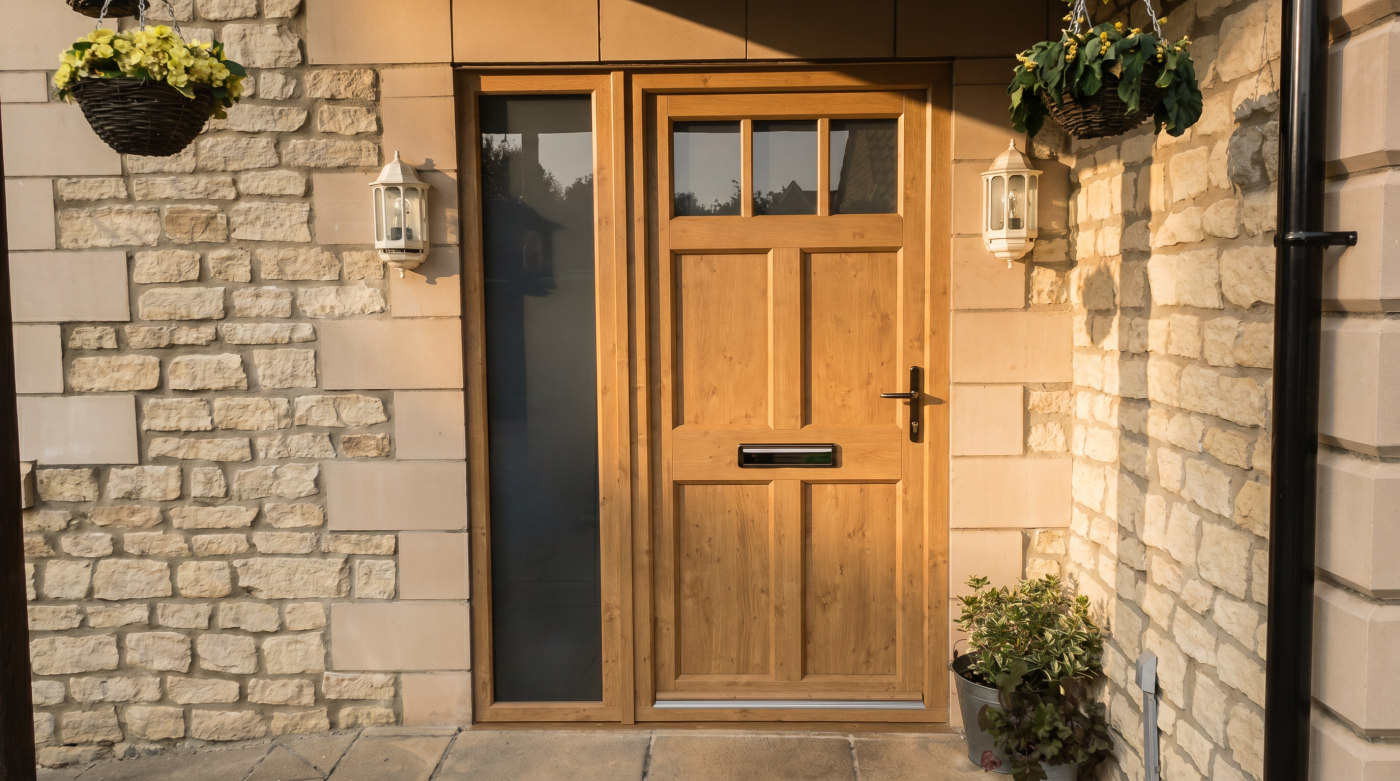
Every Arrival Begins With the Handle
Long before someone notices the engineering of an entrance door or appreciates the quality of its construction, they interact with one simple component: the handle. It is the first part of the home that is physically touched, making it one of the most important yet frequently overlooked elements of the entire entrance. Architects understand that this initial moment matters. The weight, balance and feel of the handle create an immediate impression of quality, shaping expectations before the door has even begun to open.
This experience is about far more than appearance. A beautifully designed entrance door can feel unexpectedly ordinary if the hardware is lightweight, uncomfortable or poorly proportioned. Conversely, a well-crafted handle communicates confidence through its tactile qualities alone. The reassuring weight of premium materials, the smooth operation of precisely engineered components and the comfortable grip all contribute to an entrance that feels substantial and thoughtfully designed. These are subtle qualities, but they are experienced every single day.
The importance of this interaction becomes clearer when considering how often it is repeated. Unlike decorative features that are admired from a distance, the handle forms part of an everyday ritual. Leaving for work, welcoming guests, returning home after a long day or carrying shopping through the front door all begin with exactly the same physical gesture. A premium handle should therefore feel intuitive and effortless to use, combining comfort with durability in equal measure.
Architects often describe good design as something that quietly improves everyday life without demanding attention. Door hardware embodies this principle perfectly. The best handles do not seek to become the focal point of the entrance. Instead, they complement the architecture while enhancing every interaction with the home through careful engineering and refined craftsmanship.
Ultimately, every arrival begins with the handle. It may be one of the smallest components of an entrance door, but it is also one of the most personal. When specified with the same care as the door itself, it transforms a simple everyday action into a subtle reminder of the quality and thought that underpin the entire home.
Proportion Is More Important Than Style
When homeowners choose door hardware, it is easy to focus on style. A particular handle may appear contemporary, traditional or striking in a showroom, making it tempting to select it based on appearance alone. Architects take a different approach. Before considering style, they ask whether the proportions of the hardware are appropriate for the door, the façade and the wider architecture. This emphasis on scale is one of the reasons professionally specified entrances continue to feel balanced long after design trends have changed.
The relationship between the handle and the door itself is particularly important. A large entrance door paired with a small lever handle can feel visually underwhelming, while an oversized pull bar on a modest entrance may dominate the façade unnecessarily. Neither choice is inherently wrong, but both demonstrate how proportion influences perception. The most successful hardware appears naturally suited to the dimensions of the door, complementing rather than competing with the architecture.
This principle extends beyond individual components. Pull bars, lever handles, escutcheons and locking furniture should all relate comfortably to one another, creating a consistent visual language across the entrance. In contemporary architecture, this often means embracing clean lines, restrained detailing and carefully considered spacing between elements. Simplicity allows the quality of the materials and craftsmanship to become more apparent, avoiding the need for excessive decoration.
Proportion also influences how the entrance is experienced from a distance. Well-scaled hardware contributes to the overall rhythm of the façade, sitting comfortably alongside windows, cladding, brickwork or stone without disrupting the composition. Rather than becoming a statement piece, it supports the architecture as a whole.
This is why architects rarely choose hardware because it is fashionable. They choose it because it feels right for the building. Trends inevitably change, but balanced proportions have a lasting quality that transcends individual styles. A thoughtfully proportioned handle will still look appropriate many years from now because it belongs to the architecture rather than to a particular moment in design.
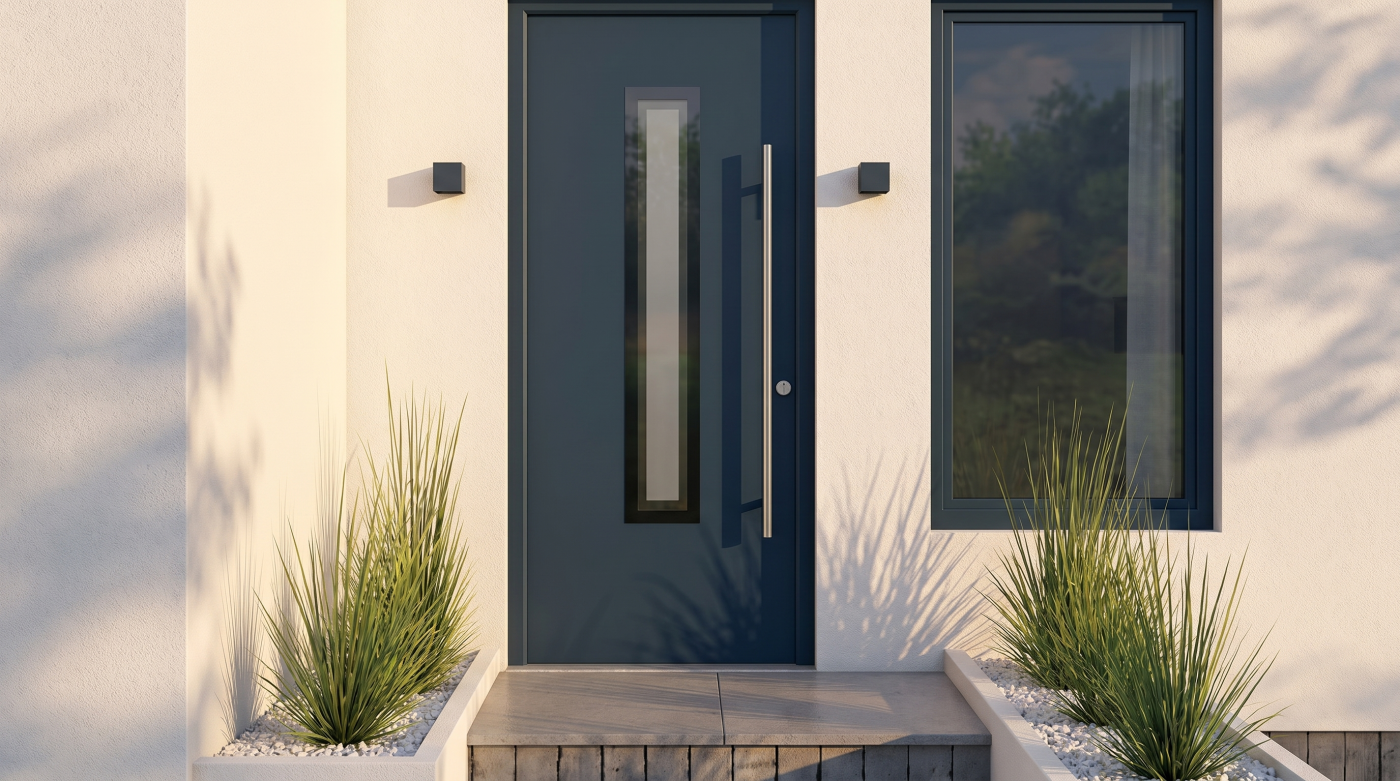
Choosing Materials That Last
Door hardware is one of the few parts of an entrance that experiences constant physical contact. It is handled every day, exposed to changing weather conditions and expected to retain both its appearance and functionality over many years. For this reason, architects place considerable importance on material selection. The right hardware should not only complement the design of the door but also withstand daily use with minimal maintenance, ageing gracefully alongside the building itself.
Stainless steel has become a popular choice for contemporary entrance doors because of its durability, corrosion resistance and refined appearance. It offers a reassuring sense of solidity while maintaining a clean, understated aesthetic that works well across a wide range of architectural styles. High-quality aluminium hardware can provide similar benefits, particularly when colour-matched to the door frame, creating a cohesive and minimalist appearance.
Other materials offer their own distinctive character. Bronze develops a rich natural patina over time, rewarding homeowners who appreciate materials that evolve with age rather than remaining unchanged. Brass can introduce warmth and traditional elegance, particularly in period properties or heritage-inspired homes. These finishes demonstrate that ageing does not always mean deterioration. In many cases, carefully chosen materials become more attractive as they mature, adding depth and authenticity to the entrance.
The quality of the finish is just as important as the material itself. Poorly applied coatings or inferior manufacturing can quickly lead to fading, corrosion or visible wear, diminishing the appearance of an otherwise premium entrance. Architects therefore favour hardware from manufacturers known for precision engineering, durable finishes and long-term reliability rather than selecting products based solely on initial appearance.
Ultimately, the best hardware is designed to remain both beautiful and dependable after years of daily use. Like the entrance door itself, it should reward long-term ownership rather than simply making a strong first impression. Thoughtfully chosen materials ensure that every interaction with the home continues to communicate quality, reinforcing the quiet confidence that defines truly timeless architecture.
Small Details That Create a Premium Feel
It is often the smallest components of an entrance door that leave the strongest impression. While the door itself establishes the overall architectural character, details such as escutcheons, letterplates, pull bars, hinges and concealed fixings determine whether that character feels genuinely refined or merely decorative. Architects understand that craftsmanship is revealed through these subtle elements. When carefully specified, they create an entrance that feels complete without ever appearing over-designed.
Consistency is one of the defining qualities of premium hardware. Every visible component should belong to the same design language, sharing similar proportions, finishes and levels of refinement. A beautifully engineered pull handle can quickly lose its impact if it is paired with mismatched hardware or inconsistent detailing elsewhere on the entrance. Likewise, a carefully chosen finish should extend naturally across locks, house numbers, external lighting and other visible elements to reinforce the sense of a unified architectural composition.
Attention to detailing also influences how clean and contemporary an entrance appears. Flush-mounted hardware, concealed fixings and precisely machined components reduce unnecessary visual clutter, allowing the quality of the materials to take centre stage. Rather than relying on decoration, these details communicate confidence through precision and restraint. The engineering remains largely invisible, yet its influence can be felt in the overall balance and sophistication of the entrance.
These finishing touches also shape the experience of ownership. Smooth edges, accurate alignment and tightly controlled manufacturing tolerances contribute to hardware that not only looks premium but also operates with quiet confidence every day. They are the kinds of qualities that homeowners may not consciously notice at first, yet they instinctively associate with lasting quality.
This is why architects devote so much attention to details that others might overlook. Premium architecture is rarely defined by a single dramatic feature. Instead, it emerges through the careful accumulation of well-resolved decisions, each reinforcing the next. Door hardware perfectly illustrates this principle, proving that the smallest components often make the greatest contribution to the overall character of a home.
Designing for Everyday Use
Beautiful door hardware should never come at the expense of practicality. While appearance often attracts attention during the specification process, it is everyday usability that determines whether homeowners remain satisfied years after installation. Architects understand that hardware is one of the few architectural elements that people physically interact with every single day. Comfort, ease of operation and reliability are therefore just as important as visual refinement.
Ergonomics plays a central role in this experience. A well-designed handle should feel natural in the hand, providing a secure and comfortable grip without requiring unnecessary effort. Its shape, diameter and positioning all influence how easily the door can be opened, whether returning home with shopping, welcoming visitors or carrying children. Good hardware quietly supports these everyday routines, making them feel effortless rather than demanding conscious thought.
Accessibility is another important consideration. Premium entrance doors should be welcoming to everyone, regardless of age or mobility. Architects therefore consider handle placement, ease of operation and the overall opening experience as part of creating an entrance that remains comfortable throughout the lifetime of the home. Small design decisions made during specification can have a significant impact on long-term usability.
The outdoor environment also places demands on hardware. Handles are exposed to rain, temperature changes and frequent use, making durability essential. High-quality materials and precision engineering help ensure smooth operation throughout the seasons, while carefully selected finishes reduce the need for ongoing maintenance and preserve the appearance of the entrance over time.
Security is naturally integrated into this experience as well. Good hardware should operate with reassuring precision, allowing locking systems to engage smoothly without excessive force or adjustment. The homeowner should feel confidence through the quality of the interaction rather than through visible complexity.
Ultimately, the best door hardware becomes almost invisible in daily life. Not because it lacks character, but because it works so naturally that every interaction feels effortless. This is one of the defining qualities of thoughtful architectural design: products that quietly improve everyday living without constantly reminding you they are there.
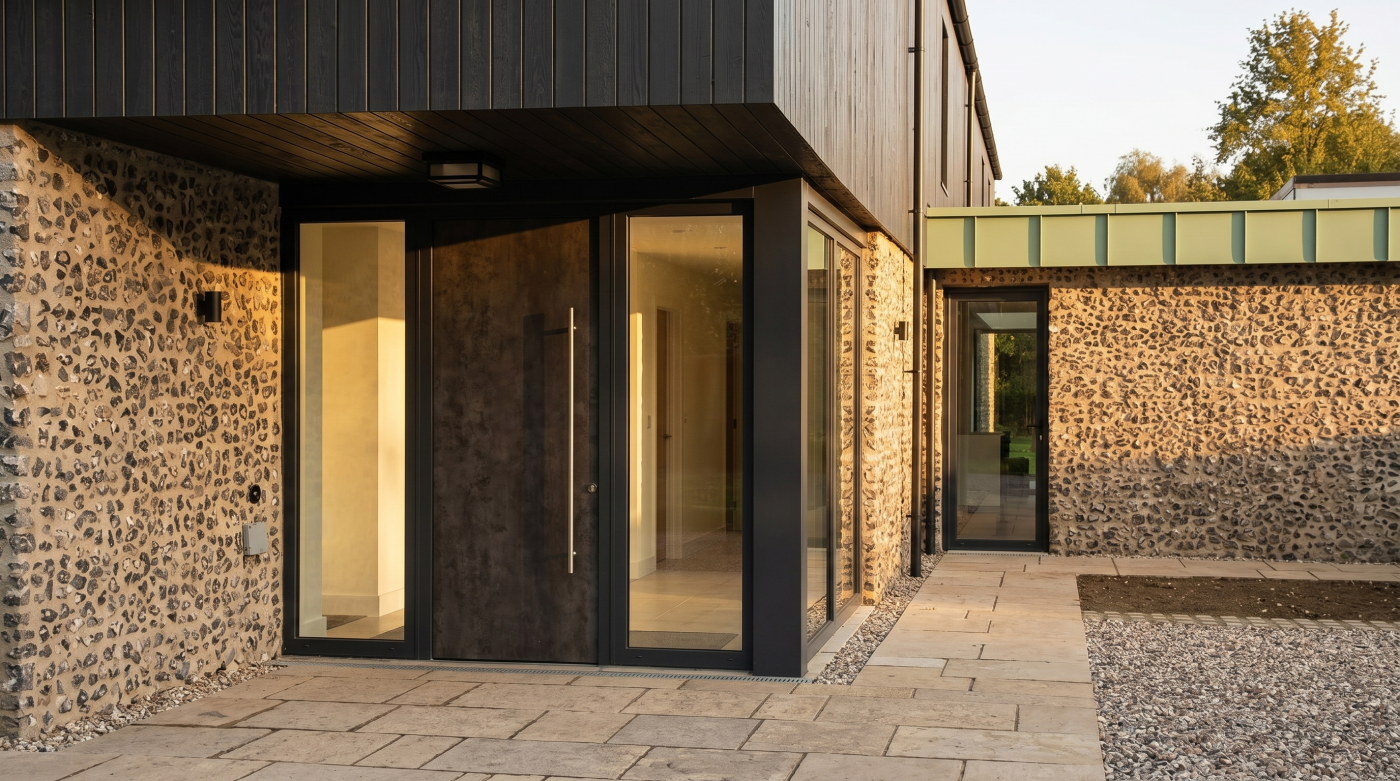
How Architects Coordinate Hardware Across a Home
Architects rarely view door hardware as an isolated specification. Instead, they consider it as part of a wider design language that extends throughout the home. Just as flooring, lighting and materials are carefully coordinated to create a sense of continuity, hardware should reinforce the same architectural character from the front entrance to the interior spaces. This consistency is often subtle, yet it plays an important role in making a home feel calm, considered and complete.
The entrance door naturally establishes the first impression, but the experience should continue once someone steps inside. Interior door handles, window furniture and even cabinet hardware do not need to match exactly, but they should share similar proportions, finishes and design principles. A contemporary entrance featuring clean-lined stainless steel hardware, for example, will usually feel more coherent when echoed by similarly restrained details throughout the home. The objective is harmony rather than uniformity.
Material relationships are equally important. Hardware often sits alongside timber, stone, glass and aluminium, so architects consider how finishes interact with these surrounding materials. Warm bronze may complement natural oak and textured stone, while satin stainless steel or black finishes often reinforce minimalist contemporary architecture. These choices are rarely made in isolation. They are part of a broader palette that helps define the personality of the building.
External elements also contribute to this coordinated approach. House numbers, letterboxes, lighting fixtures, gates and railings can all reflect the same material language as the entrance hardware, creating a welcoming façade that feels intentional rather than assembled from unrelated components. Even relatively modest details become more impactful when they work together as part of a coherent composition.
This holistic thinking is one of the characteristics that distinguishes professionally designed homes. Rather than allowing each specification decision to stand alone, architects ensure every detail supports the wider architectural vision. Door hardware may seem like a small component, but when thoughtfully coordinated across the home, it strengthens the sense of craftsmanship, consistency and lasting quality that defines exceptional residential design.