
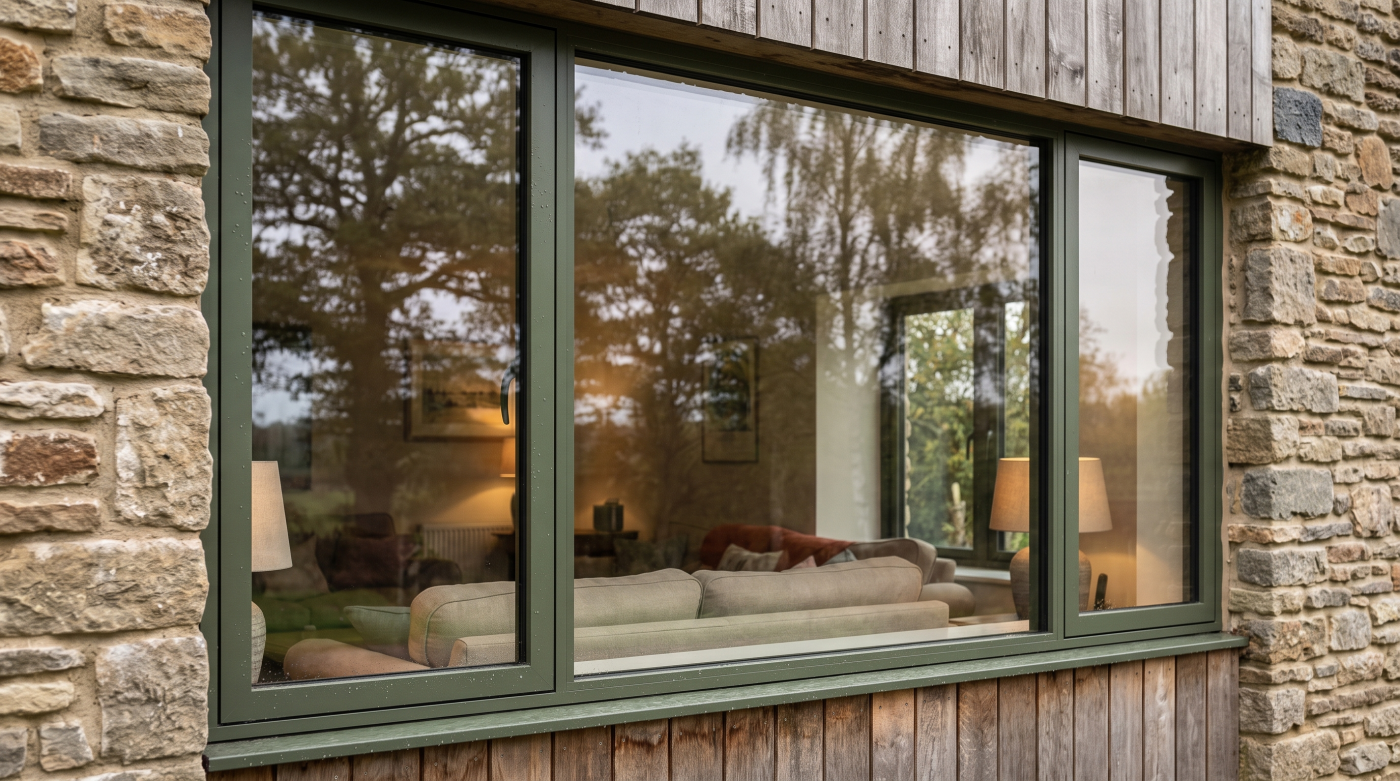
Why Windows Often Receive Too Much—and Too Little—Attention
Few elements of a home renovation attract as much attention as new windows. They are among the most visible investments homeowners make, they can transform the appearance of a property and they are frequently promoted as a solution to rising energy costs. At the same time, their role is often misunderstood. Some people expect replacement windows to dramatically reduce heating bills on their own, while others dismiss them as a largely cosmetic upgrade. The reality lies somewhere between these two extremes.
Windows matter because they sit at the intersection of architecture, comfort and building performance. They admit natural light, connect living spaces with the outside world and influence how warm, quiet and comfortable a home feels throughout the year. Yet they are only one part of a much larger system. A renovation that focuses solely on replacing windows while overlooking insulation, airtightness, ventilation or the condition of the existing building fabric is unlikely to achieve the balanced improvements many homeowners hope for.
Architects tend to approach renovations differently. Rather than viewing windows as individual products, they see them as components within the wider building envelope. Every decision is considered in relation to the others. Better glazing supports improved insulation, thoughtful ventilation enhances indoor comfort and careful detailing helps each element perform as intended. It is this combination of measures, rather than any single upgrade, that creates homes which feel noticeably more comfortable and efficient.
Perhaps this explains why windows can receive both too much and too little attention. They are sometimes expected to solve problems beyond their reach, yet their genuine contribution to the overall success of a renovation is often underestimated. When specified as part of a carefully considered whole-house strategy, windows quietly support many of the qualities homeowners value most—comfort, daylight, efficiency and a home that simply feels better to live in. That understated contribution is precisely what makes them so important.
Comfort Is Often the First Improvement People Notice
When homeowners invest in better windows, they often expect the greatest benefit to appear on their energy bills. While improved thermal performance can certainly contribute to lower heating demand, the first difference many people notice is far less measurable. Their home simply feels more comfortable. Rooms that once felt chilly during winter become more pleasant to occupy, favourite chairs can be placed closer to the window again, and the subtle sensation of cold drifting across a room begins to disappear.
This change is influenced by more than the air temperature displayed on a thermostat. Older glazing can create cold internal glass surfaces that encourage radiant heat loss from our bodies, making us feel cooler even when the room itself is adequately heated. It can also allow localised downdraughts to develop as cooled air falls from the window and circulates around the room. Modern, well-specified glazing helps reduce these effects by maintaining warmer internal glass temperatures and improving the overall consistency of the indoor environment.
The result is often a quieter form of comfort that is difficult to appreciate until it has been experienced. Living rooms feel more inviting on winter evenings, dining areas beside large windows become comfortable throughout the year, and bedrooms maintain a more stable internal environment. These are improvements that rarely appear in marketing literature but frequently become the qualities homeowners value most once a renovation is complete.
Architects understand that comfort is ultimately about human experience rather than technical figures alone. A successful renovation should create spaces that feel naturally balanced, where daylight, warmth and fresh air work together without drawing attention to themselves. Windows contribute significantly to this experience because they shape how we interact with every room in the home.
In many ways, this is the quiet success of a low-energy renovation. Rather than announcing itself through dramatic changes, it improves everyday living in subtle, lasting ways that become part of the background of daily life. Often, that is the hallmark of good design.
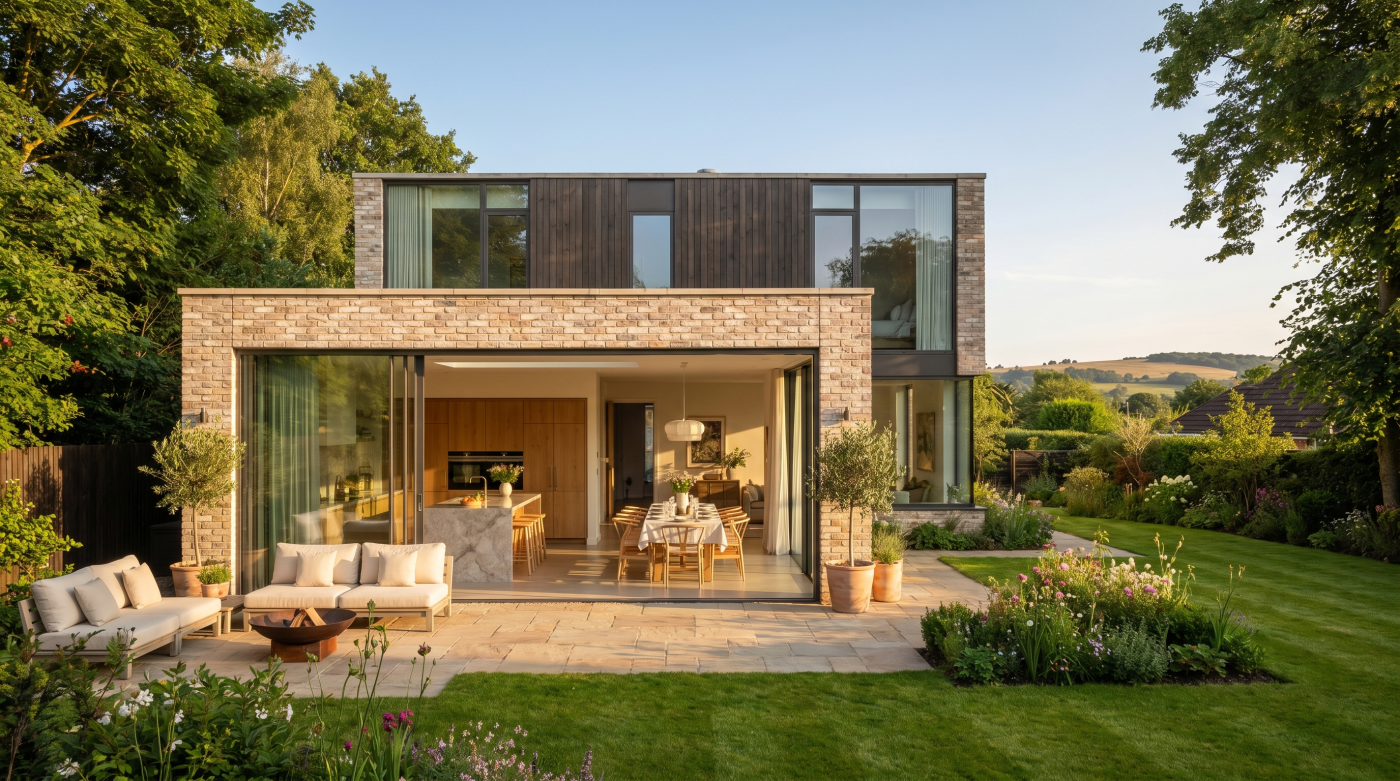
Better Windows Help the Whole Building Work More Effectively
One of the most valuable ways to think about windows during a renovation is not as individual products, but as part of a larger system. A low-energy home is created through the combined performance of its walls, roof, floors, insulation, ventilation and glazing. Each element supports the others, and the overall result is determined less by any single component than by how well they work together.
This is why architects often speak about the building envelope rather than focusing on individual materials. Improving the thermal performance of one element while leaving significant weaknesses elsewhere can produce disappointing results. Replacing ageing windows may reduce draughts and improve comfort, but if the surrounding walls remain poorly insulated or uncontrolled air leakage persists throughout the property, the full benefits are unlikely to be realised. Equally, investing heavily in insulation while retaining poorly performing windows can leave the building feeling uneven and less comfortable than anticipated.
A successful renovation seeks consistency rather than perfection. Better windows help create a more continuous thermal envelope, reducing cold spots and allowing other improvements, such as upgraded insulation or improved airtightness, to perform more effectively. They also contribute to a healthier indoor environment by supporting more stable internal temperatures and helping the building respond more predictably to changing weather conditions throughout the year.
Ventilation is another important part of this relationship. As buildings become better insulated and more airtight, fresh air strategies become increasingly significant. Good glazing should therefore be considered alongside how the home will breathe, ensuring comfort, air quality and energy performance develop together rather than competing with one another.
The most successful low-energy renovations are rarely remembered because of one exceptional product. They are remembered because every part of the home feels balanced. Windows quietly contribute to that outcome by strengthening the performance of the whole building, helping individual improvements become something much greater than the sum of their parts.
Renovating Older Homes Requires Different Thinking
Not every low-energy renovation begins with a modern building. Across Bath, Wiltshire, Somerset and the Cotswolds, many projects involve Victorian terraces, Georgian townhouses, converted barns and period cottages, each with its own construction methods, materials and architectural character. Improving the performance of these buildings requires a more considered approach because the objective is not simply to make them more efficient, but to do so while respecting how they were originally designed to function.
Older properties often behave very differently from contemporary homes. Solid masonry walls, traditional lime mortars and naturally ventilated construction allow moisture to move through the building in ways that modern cavity wall construction does not. This means renovation decisions should always consider the building as a whole rather than applying solutions developed for new-build homes without careful thought. Windows form an important part of this conversation because they influence comfort, ventilation, daylight and the relationship between the interior and exterior environment.
For many period properties, the most appropriate glazing solution is not necessarily the one with the highest performance figures. Heritage significance, planning requirements and architectural proportions may all influence what is possible. In listed buildings or conservation areas, preserving the character of original openings is often just as important as improving thermal performance. A carefully specified window that complements the building’s architecture while delivering meaningful improvements in comfort may represent a more successful outcome than pursuing maximum technical performance at the expense of historic character.
Architects and heritage specialists understand that every older building tells its own story. Rather than seeking a standard solution, they aim to make sensitive interventions that enhance how the home performs while preserving the qualities that make it distinctive.
For homeowners, this is an encouraging perspective. A successful low-energy renovation does not require sacrificing the character of an older home. With thoughtful specification and an understanding of the building’s original construction, it is often possible to improve comfort, efficiency and everyday living while ensuring its architectural heritage continues to be appreciated for generations to come.
Natural Light Is Part of Energy Performance Too
When people talk about energy performance, the conversation usually revolves around heat loss, insulation and heating systems. Yet one of the most valuable contributions windows make to a renovation is entirely different. They shape the quality of natural light within a home, influencing not only how much artificial lighting is needed, but also how spaces feel and how people experience them throughout the day.
Well-designed daylight transforms a home in ways that are difficult to measure but easy to appreciate. Rooms appear larger, colours feel more natural and the changing light throughout the seasons creates a stronger connection with the outside environment. Kitchens become brighter places to gather, home offices feel more pleasant to work in and living spaces develop a sense of openness that extends well beyond their physical dimensions. These qualities contribute significantly to the overall success of a renovation, even though they rarely appear in discussions about energy efficiency.
Architects understand that daylight is never considered in isolation. The position, size and specification of windows influence both the quantity and quality of light entering the home. Orientation determines how sunlight changes throughout the day, while careful glazing specification helps balance daylight with thermal comfort, minimising the risk of overheating without unnecessarily reducing natural illumination. The objective is to create interiors that remain bright and comfortable in every season rather than optimising one aspect of performance at the expense of another.
This broader understanding of performance is one of the defining characteristics of good renovation design. A truly low-energy home is not simply one that consumes less energy. It is one that feels healthier, more uplifting and more enjoyable to live in because every element has been considered together.
Windows play a quiet but essential role in achieving that balance. By bringing daylight deep into the home while supporting comfort and efficiency, they demonstrate that building performance is about far more than numbers. It is ultimately about creating spaces where people genuinely enjoy spending time, every day of the year.
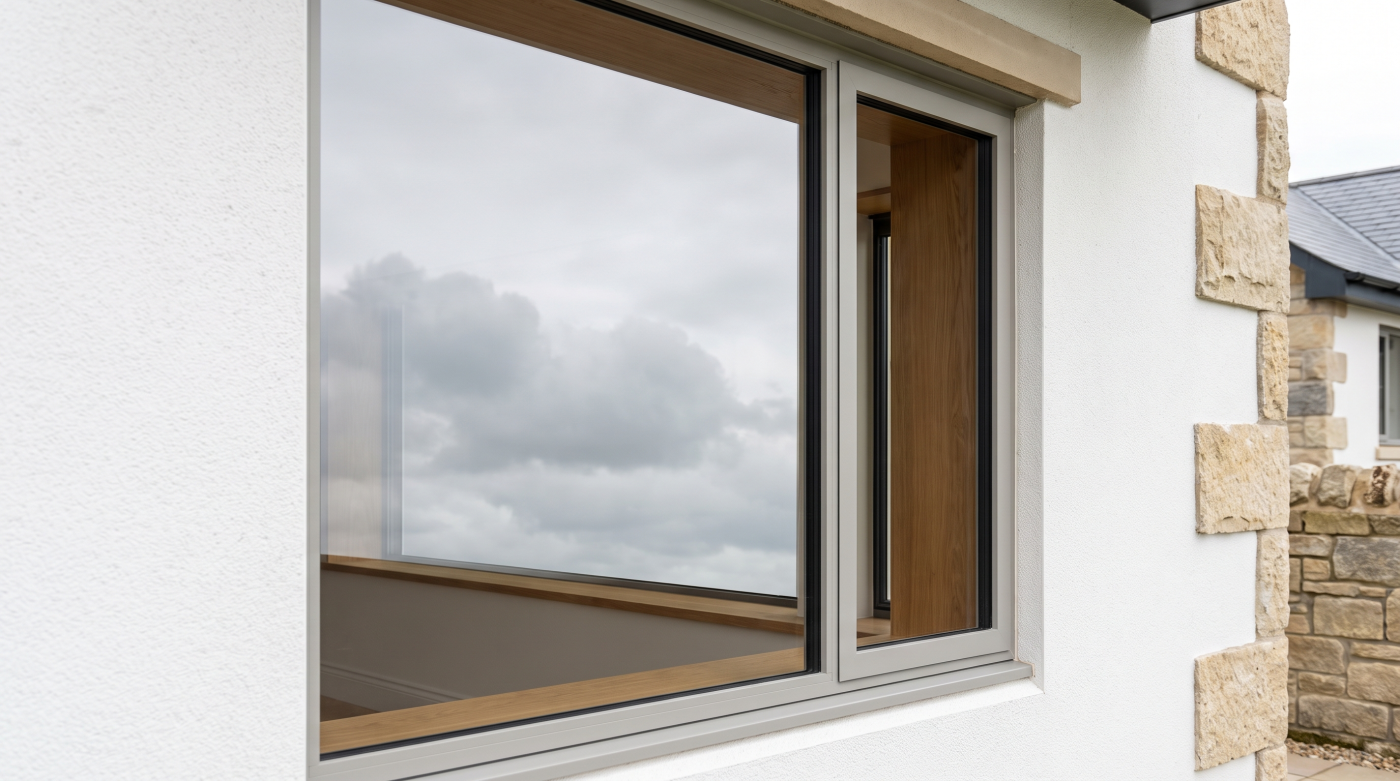
The Best Renovations Treat Windows as Part of the Design
One of the clearest differences between an ordinary renovation and an exceptional one is when decisions about the windows are made. In many projects, glazing is considered relatively late, once layouts have been finalised and structural work is already underway. Architects, however, tend to think about windows much earlier because they influence far more than the appearance of the finished building. They shape how spaces are experienced, how daylight enters the home and how the building performs throughout the seasons.
A window is not simply an opening in a wall. Its size, position and proportion affect the relationship between rooms, gardens and surrounding landscapes. A carefully positioned picture window can frame a mature tree or distant view, while well-designed sliding doors can strengthen the connection between indoor and outdoor living. These architectural decisions also influence solar gain, ventilation and thermal comfort, demonstrating how closely aesthetics and performance are intertwined.
Early specification also creates more opportunities to achieve better outcomes. Structural openings can be optimised, sightlines refined and glazing selected to complement the wider design rather than being fitted into decisions that have already been made. This integrated approach allows architects to balance practical considerations such as energy efficiency and comfort with the qualities homeowners value just as highly—light, openness and a sense of place.
Looking beyond the immediate renovation is equally important. Well-considered glazing contributes to a home that remains adaptable as lifestyles evolve, supporting changing patterns of occupation and improving everyday comfort for many years. These are long-term design decisions rather than short-term product choices.
This is why architects rarely separate windows from architecture itself. They recognise that glazing influences how a home looks, performs and feels in equal measure. When treated as an integral part of the design from the very beginning, windows quietly enhance every aspect of a low-energy renovation, helping create homes that are not only more efficient but also more enjoyable to live in long after the building work has finished.
Questions Worth Asking Before Replacing Your Windows
Replacing windows is often seen as a straightforward decision. Existing windows have reached the end of their life, a renovation is underway, or improving energy efficiency has become a priority. Yet before choosing a particular system or comparing technical specifications, it is worth taking a step back to consider what you are actually trying to achieve. The answers to a few carefully considered questions can have a far greater influence on the success of the project than simply selecting the highest-performing product available.
The first question is whether the windows are being replaced for the right reasons. Is the primary objective to improve comfort, reduce draughts, admit more natural light, enhance the appearance of the property or improve overall building performance? Different priorities may lead to different specifications, and understanding these ambitions from the outset helps ensure decisions remain aligned with the wider goals of the renovation.
It is equally important to consider how the windows fit within the rest of the project. Are improvements to insulation, ventilation or airtightness also planned? Will the layout of the home change? Could window positions or sizes be reconsidered to improve daylight or strengthen the relationship between the house and its garden? Looking beyond the windows themselves often reveals opportunities that would otherwise be overlooked.
Quality of installation deserves just as much attention as the specification of the glazing. Even a carefully designed window cannot perform as intended if it is poorly installed or inadequately integrated into the building envelope. Working with experienced architects, builders and glazing specialists helps ensure the finished result reflects the quality of the product itself.
Perhaps the most valuable question of all is a simple one: How do I want this home to feel once the renovation is complete? Framing decisions around comfort, light, everyday living and long-term enjoyment naturally leads towards better choices than focusing on performance figures alone. In the end, the best renovations are not defined by individual products, but by how successfully every decision contributes to creating a home that feels quietly, effortlessly right.