
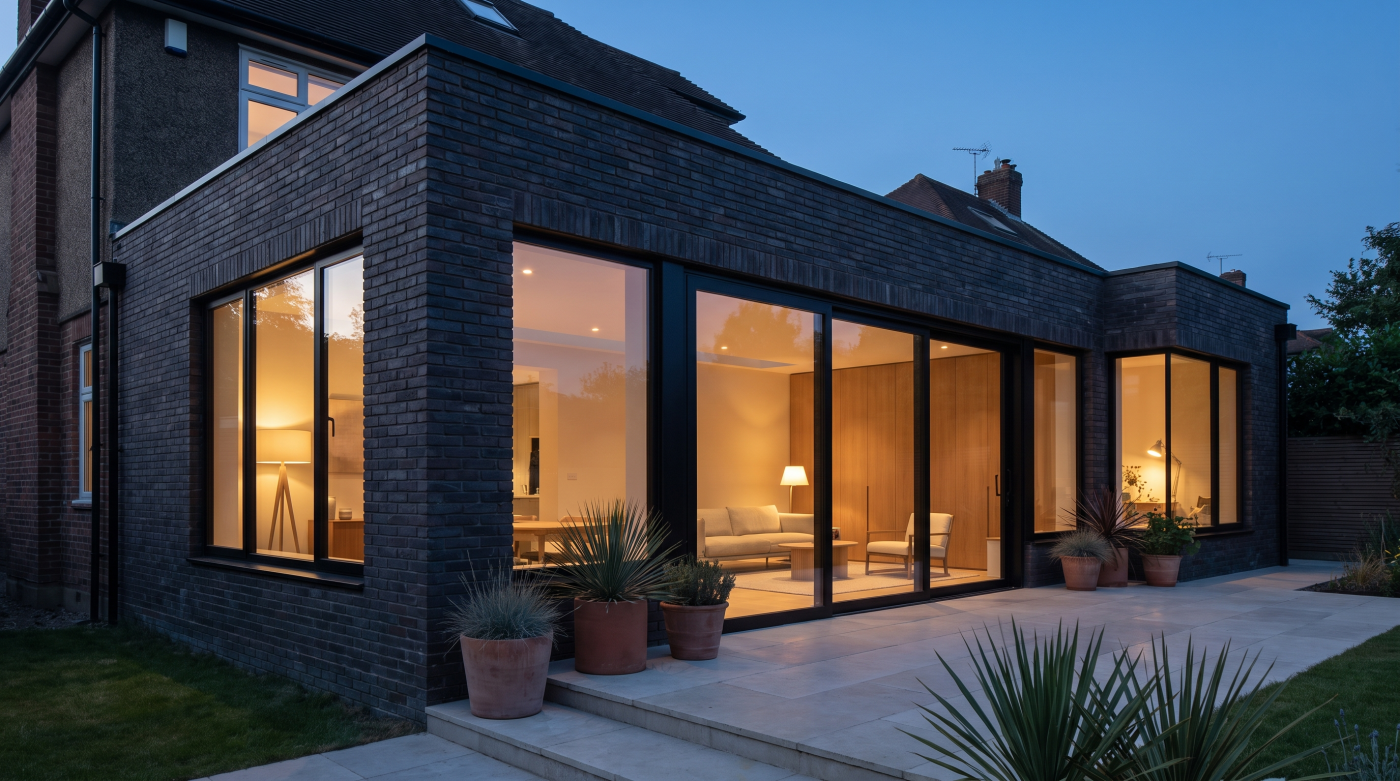
Great Extensions Begin With the Existing House
Many high-end extensions fail to age well because they are designed as independent architectural statements rather than thoughtful additions to an existing home. The new structure may be beautifully detailed, generously glazed and constructed from premium materials, yet over time it can begin to feel disconnected from the building it was intended to enhance. Architects understand that the success of an extension is measured not only by the quality of the new work but by the relationship it creates with the original house.
Every building has its own architectural language. Its proportions, materials, rhythm and craftsmanship tell a story that has developed over decades, and sometimes centuries. Before drawing plans or selecting glazing systems, architects invest time in understanding these qualities. They study how the house sits within its landscape, how light moves through the existing rooms and which architectural characteristics give the building its identity. This understanding becomes the foundation upon which every design decision is built.
Approaching an extension in this way does not mean copying the original architecture. Contemporary additions often succeed precisely because they are honest about the period in which they are built. However, honesty is different from contrast for its own sake. A successful extension responds to the existing house through carefully considered proportions, material relationships and architectural balance, allowing old and new to complement one another rather than compete.
This relationship becomes increasingly important as the years pass. Fashionable design gestures that initially appear striking can quickly begin to feel disconnected from the character of the property. By contrast, extensions rooted in a genuine understanding of the original architecture often become more convincing over time because their design is based on enduring principles rather than temporary trends.
Ultimately, the best extensions begin with humility. Instead of asking how dramatic the new addition can become, architects ask how it can strengthen the architecture that already exists. When the original house shapes the design from the very beginning, the finished extension feels less like an addition and more like the natural continuation of the building’s architectural story.
Fashion Dates Faster Than Architecture
The appeal of a newly completed extension is often strongest in the months immediately after construction. Crisp detailing, expansive glazing and contemporary finishes can create a powerful first impression, particularly when they reflect current architectural trends. Yet architects know that buildings are not judged over months but over decades. Time has a remarkable ability to separate fashionable design from architecture with genuine longevity.
Many high-end extensions begin to feel dated because they are designed around the visual language of a particular moment. Features that dominate design magazines or social media can quickly become associated with a specific era, making even well-built projects appear older than they really are. This is not because the materials have deteriorated or the craftsmanship has failed, but because the design relied too heavily on fashion rather than enduring architectural principles.
Architects therefore distinguish between style and architecture. Style is influenced by changing tastes, while architecture is shaped by proportion, composition, material honesty and the experience of space. These principles remain relevant regardless of prevailing trends because they are rooted in how people naturally perceive balance, light and scale. An extension designed around these timeless qualities is far more likely to retain its appeal long after contemporary fashions have changed.
This does not mean that contemporary architecture should avoid innovation or expressiveness. Some of the most successful modern extensions are unmistakably of their own time. The difference is that they use contemporary ideas with discipline and restraint rather than relying on fashionable features to create interest. Their confidence comes from clarity of design instead of novelty.
For homeowners, this distinction has important long-term implications. An extension is one of the largest investments most people will ever make, and its architectural quality should endure well beyond current design trends. By prioritising timeless principles over temporary fashions, architects create buildings that continue to feel fresh, relevant and elegant many years after the excitement of completion has passed. The goal is not to design for today’s photographs but for the decades of everyday life that follow.
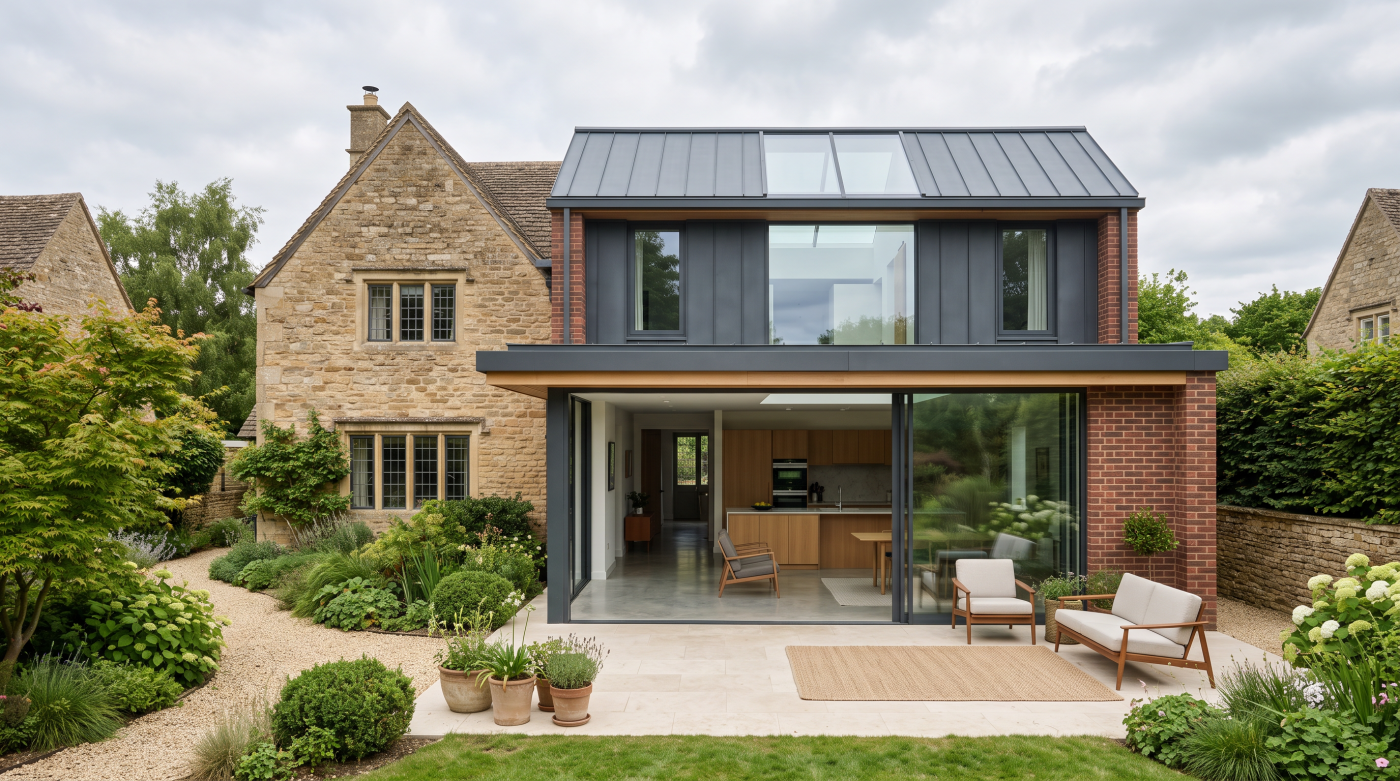
Proportion Creates Longevity
Architects often say that people notice proportion long before they notice detail, even if they are not consciously aware of it. A building with well-balanced proportions feels calm, coherent and timeless, while one with awkward relationships between its elements can feel unsettled despite the quality of its materials or craftsmanship. This is one of the main reasons some high-end extensions age gracefully while others quickly appear dated. Longevity is created through proportion far more than through expensive finishes or fashionable design features.
Every successful extension relies on a careful balance between the existing house and the new addition. The height of the extension, its overall mass, the scale of its glazing and the relationship between solid walls and glass all influence how naturally it sits alongside the original building. Architects spend considerable time refining these relationships because even small adjustments can transform the character of the finished design. An extension that respects the proportions of the existing house often feels inevitable, whereas one that ignores them can appear visually disconnected regardless of its architectural ambition.
Glazing plays a particularly important role in achieving this balance. Large expanses of glass can create wonderful connections with gardens and natural light, but size alone does not create architectural quality. The proportions of glazed openings, the rhythm established by structural elements and the relationship between transparency and solidity all contribute to how comfortably an extension settles into its surroundings. Architects therefore use glazing to reinforce the composition of the building rather than allowing it to dominate the architecture.
This attention to proportion extends beyond the external appearance of the extension. Ceiling heights, room volumes, sightlines and the way spaces connect all influence how the building is experienced from within. Well-proportioned interiors continue to feel generous and comfortable over time because they are based on enduring spatial principles rather than temporary design fashions.
Ultimately, proportion is one of the few architectural qualities that never loses its relevance. Materials may weather, trends may evolve and lifestyles may change, but balanced composition continues to feel appropriate across generations. By placing proportion at the centre of the design process, architects create extensions that retain their elegance long after contemporary fashions have passed, allowing the building to mature with quiet confidence rather than growing old with yesterday’s trends.
Materials Should Age Gracefully
The materials chosen for a high-end extension influence far more than its appearance on the day it is completed. They determine how the building will weather, how it will sit within its surroundings over time and whether it continues to feel authentic as the years pass. Architects therefore think beyond first impressions, selecting materials for the way they mature rather than simply for the impact they create when new.
Many buildings that age poorly do so because their materials were chosen primarily for their immediate visual appeal. Finishes that appear flawless at completion can become less convincing as they weather, particularly if they rely on artificial textures, fashionable colours or overly refined surfaces that struggle to develop character. By contrast, materials with an inherent honesty often become richer through use, acquiring subtle variation and patina that strengthen the architecture instead of diminishing it.
This principle is evident throughout traditional architecture. Natural stone softens with time, timber develops depth and texture, and carefully detailed metalwork acquires a quiet maturity that reflects years of exposure to the elements. These materials do not resist ageing; they embrace it. Architects seek the same qualities in contemporary extensions, recognising that buildings should evolve naturally rather than appearing permanently frozen at the moment of completion.
Material selection also extends beyond individual surfaces. The relationship between masonry, glazing, metalwork and surrounding landscape influences how comfortably an extension settles into its setting. Carefully considered combinations create a sense of permanence and cohesion, while materials chosen in isolation can make an otherwise well-designed building feel fragmented or overly dependent on current trends. The objective is not simply to specify premium products but to create a palette that supports the architecture for decades to come.
Ultimately, the finest extensions become more attractive with age because their materials have been chosen for longevity rather than novelty. As light, weather and everyday life leave their mark, the building gains character instead of losing relevance. This quiet evolution is one of the clearest signs of enduring architecture, demonstrating that true quality is measured not by how a building looks when it is finished, but by how gracefully it continues to mature.
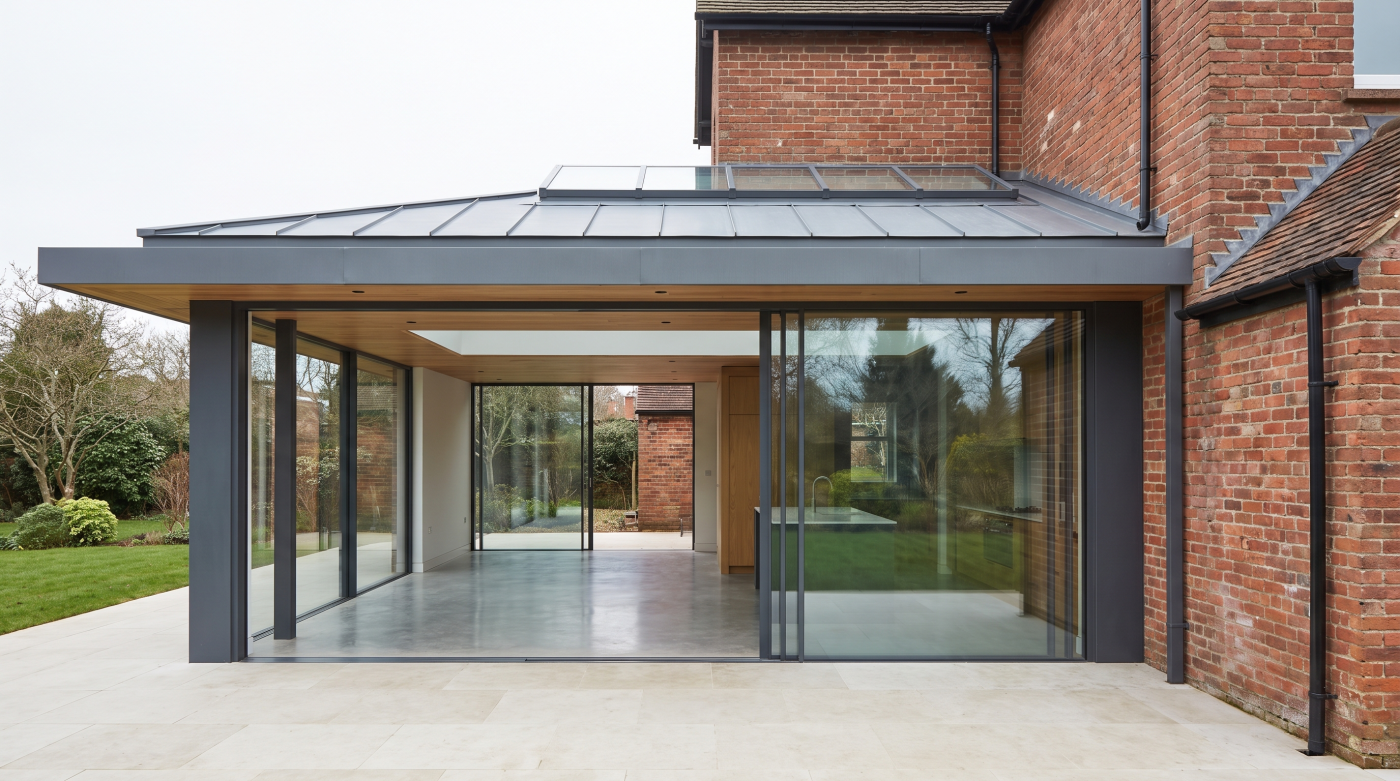
Glazing Should Frame Living, Not Dominate It
Large areas of glass have become one of the defining features of many contemporary extensions. They create dramatic visual connections with gardens, maximise natural light and blur the boundary between inside and outside. These qualities can be genuinely transformative, but architects recognise that glazing should always serve the experience of living rather than becoming the dominant feature of the architecture. When glass becomes the design instead of supporting it, even the most expensive extension can begin to feel dated surprisingly quickly.
The most successful extensions use glazing with purpose. Every opening is carefully positioned to frame a particular view, capture changing daylight or strengthen the relationship between interior spaces and the surrounding landscape. Rather than simply increasing the amount of glass, architects consider where transparency is beneficial and where enclosure creates comfort, privacy and a stronger sense of place. This measured approach produces buildings that feel balanced instead of overwhelming.
Proportion remains central to these decisions. Expansive glazing can appear effortless when it is integrated into a well-composed architectural framework, but the same glass can dominate an extension if its scale bears little relationship to the rest of the building. Architects therefore study the balance between solid walls and transparent elements, ensuring that glazing reinforces the composition instead of dissolving it. The architecture remains legible because the structure continues to define the spaces rather than disappearing behind uninterrupted expanses of glass.
Glazing also influences how a home performs throughout the year. Natural daylight, solar gain, shading and carefully framed views all contribute to the quality of everyday living. Thoughtful specification creates interiors that feel calm, comfortable and connected to their surroundings without relying on visual spectacle. The experience becomes one of quiet refinement rather than dramatic effect.
Ultimately, the best glazing is almost invisible as an architectural decision. It allows the landscape to enrich the home, fills rooms with natural light and supports the proportions of the extension without demanding attention for itself. When glass is used to frame life rather than to impress at first glance, an extension gains the timeless quality that enables it to remain relevant long after contemporary design fashions have changed.
Simplicity Is Harder Than Complexity
Many high-end extensions strive to make an immediate impression. Dramatic roof forms, intricate structural details, oversized glazing and an abundance of architectural features can all create a sense of spectacle when a project is first completed. Yet architects often recognise that complexity is easier to create than simplicity. The most enduring extensions are rarely those with the greatest number of design features, but those that have been refined until only the essential elements remain.
This process of refinement requires discipline. Every line, junction, proportion and material must justify its presence within the overall composition. Architects spend considerable time simplifying designs, removing unnecessary details and ensuring that each element contributes to a coherent architectural language. What appears effortless is often the result of countless decisions that favour clarity over complication.
Simplicity should never be mistaken for minimalism as a style. It is not defined by white walls, hidden frames or the absence of ornament. Rather, it reflects an architectural confidence that allows proportion, light, materiality and craftsmanship to become the primary sources of character. A simple extension feels calm because every element is working together rather than competing for attention.
This principle is particularly relevant to glazing. Large expanses of glass, slender frames and carefully detailed junctions are most successful when they support the wider architecture rather than becoming visual statements in their own right. Architects use glazing to frame views, organise space and admit natural light, always ensuring that it remains part of a balanced composition instead of dominating it. The resulting spaces feel generous and elegant without relying on dramatic gestures to create impact.
Ultimately, simplicity is one of the strongest indicators of architecture that will age well. Buildings designed with restraint continue to reveal their quality over many years because they are rooted in timeless principles instead of fashionable effects. As trends change, these extensions retain their quiet confidence, proving that lasting architectural success is often achieved not by adding more, but by knowing precisely what can be left out.
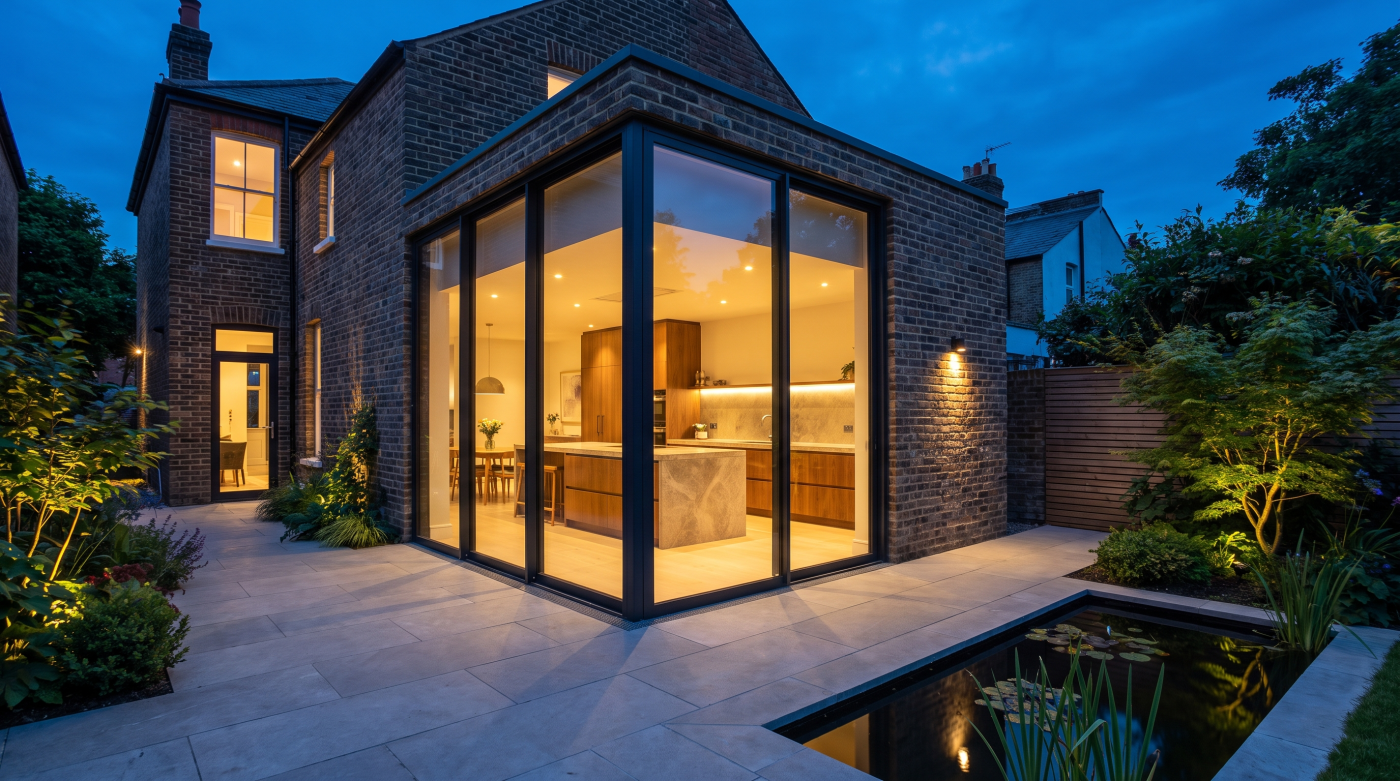
Architects Design for the Next Twenty Years
The day an extension is completed is only the beginning of its life. While photographs taken immediately after construction often celebrate crisp detailing and immaculate finishes, architects are already thinking much further ahead. They ask how the building will perform, how it will be lived in and how it will feel after years of changing seasons, evolving family life and shifting design trends. This long-term perspective is one of the defining differences between architecture that remains timeless and projects that quickly begin to feel dated.
Homes are constantly adapting to new ways of living. Children grow up, working patterns change, entertaining habits evolve and relationships with gardens and outdoor spaces develop over time. Architects therefore design extensions with flexibility and longevity in mind, creating spaces that can accommodate these changes without losing their architectural coherence. The aim is not to predict every future requirement but to provide a framework that remains generous, adaptable and relevant throughout the life of the building.
This philosophy also influences the specification of glazing. Windows and glazed doors are considered not only for the views they frame on the day of completion but for how they will continue to shape daily life over many years. Natural daylight, seasonal changes, connections with the landscape and the comfort of interior spaces all become part of a long-term design strategy rather than a short-term visual statement. Carefully considered glazing continues to enrich the experience of the home long after the novelty of the architecture has faded.
Sustainability reinforces this way of thinking. Buildings that remain adaptable and well loved are less likely to require major alterations or premature replacement, extending the value of the original investment while reducing environmental impact. Designing for longevity therefore supports both architectural quality and responsible stewardship, ensuring that an extension continues to serve its occupants with quiet efficiency for decades.
Ultimately, the finest extensions are those that mature alongside the people who live within them. Rather than reflecting the fashions of a particular year, they continue to feel natural, comfortable and architecturally appropriate as life changes around them. By designing for the next twenty years instead of the next magazine feature, architects create homes whose greatest qualities become more apparent with time rather than less.
The Best Extensions Feel Like They Have Always Belonged
The most successful extensions are often the ones that people struggle to identify as additions. They do not compete with the original house, nor do they rely on dramatic architectural gestures to justify their existence. Instead, they feel as though the building has naturally evolved over time. This sense of belonging is one of the strongest indicators of enduring design, and it is why some high-end extensions continue to feel exceptional decades after they are completed.
Architects achieve this quality by thinking about relationships rather than individual features. The extension is designed in response to the proportions, materials and architectural language of the existing house, creating a dialogue between old and new instead of a visual competition. Contemporary architecture can sit comfortably alongside historic buildings when it acknowledges these underlying principles, allowing each part of the composition to strengthen the other.
This does not require imitation. In fact, the most convincing extensions are often clearly contemporary while remaining deeply respectful of the original architecture. Honest materials, carefully judged proportions and restrained detailing allow new work to express its own identity without disrupting the coherence of the whole building. The result is architecture that feels balanced rather than divided, where every element contributes to a unified experience.
Glazing plays an important role in creating this sense of continuity. Carefully positioned windows and glazed doors connect interior spaces with gardens, introduce generous daylight and reinforce the architectural rhythm established by the original house. Rather than becoming the defining feature of the extension, glazing quietly supports the overall composition, helping the addition settle naturally into its surroundings. Visitors notice the quality of the architecture before they notice the individual products that make it possible.
Ultimately, the finest extensions are remembered not because they are obviously new, but because they make the entire house feel complete. They strengthen the character of the original building, improve the experience of living within it and continue to mature gracefully as the years pass. When an extension feels as though it has always belonged, it has achieved something far more valuable than fashion—it has become part of the enduring architectural story of the home.