
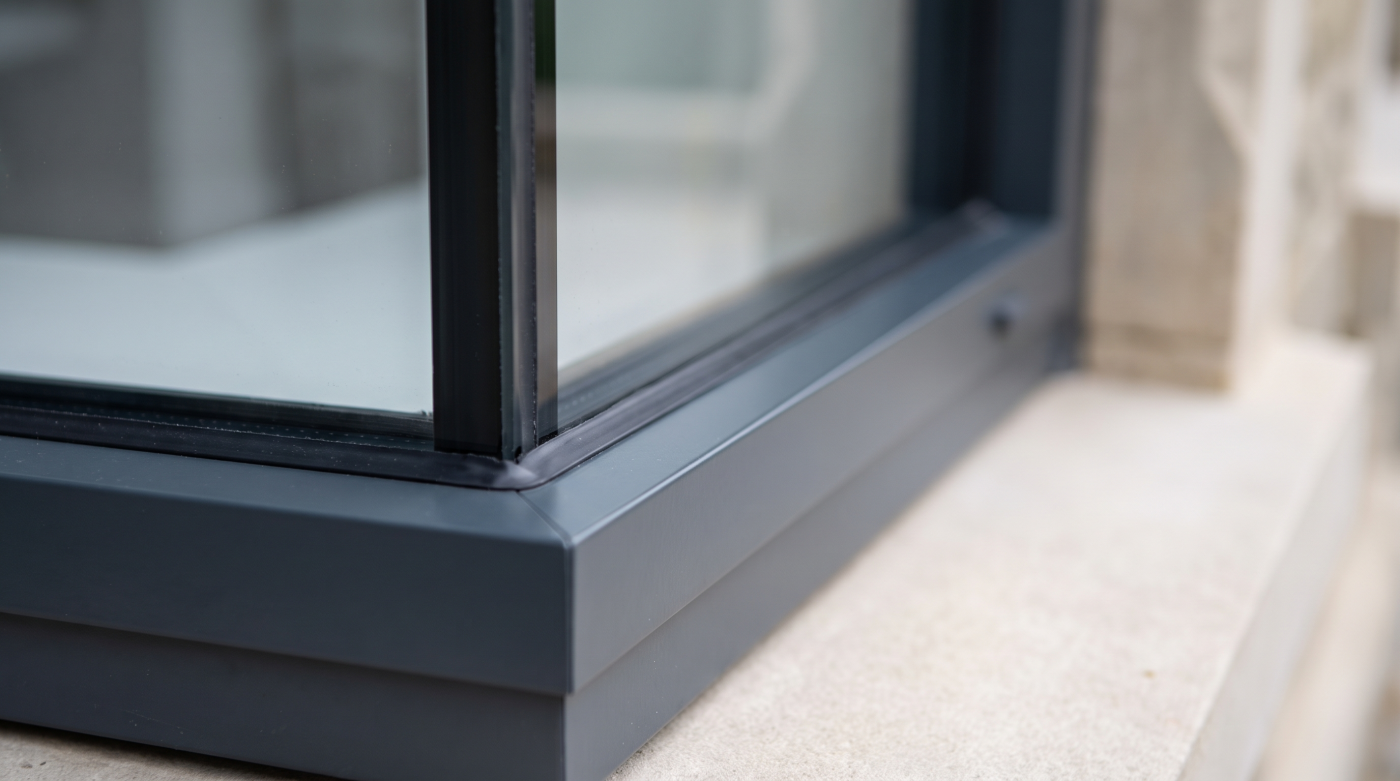
Start With the Glazing as a Complete System
An annual review of architectural glazing is most useful when it begins with the whole opening rather than an individual pane of glass. A window or glazed door is an assembly in which glass, frames, seals, hardware and, where relevant, tracks and thresholds work together. Looking at these elements in isolation can make subtle changes in the behaviour of the complete system easier to miss.
Begin by considering each installation from inside and, where safely accessible, outside. The aim is not to perform a technical inspection, but to notice whether anything looks or behaves differently from the previous year. Frames can be viewed for changes in their visible condition, seals for obvious displacement or damage, and opening elements for the way they sit within the surrounding frame.
The position of each opening matters too. Glazing on an exposed elevation may have experienced considerably more sunlight, wind or wind-driven rain than an identical unit elsewhere on the property. Comparing different elevations can therefore be informative, provided natural differences in exposure are taken into account rather than immediately interpreted as defects.
Familiarity is particularly valuable with moving elements. The normal sound, resistance and closing behaviour of a window or door provide a useful reference against which gradual changes can be recognised.
This first stage should remain deliberately observational. There is no need to dismantle components or make adjustments simply because an annual review is taking place. The objective is to establish an overall picture of condition and performance before looking more closely at individual areas. Good maintenance begins not with intervention, but with understanding how the complete glazing system normally behaves.
Review the Glass and What You Can See Through It
Glass is the most visually prominent part of a window or door, yet its transparency can make changes surprisingly difficult to interpret. Marks may sit on the internal surface, the external face or, in some circumstances, appear to originate elsewhere within the glazing assembly. An annual review is therefore best approached through careful observation rather than immediate diagnosis.
Where the glass can be reached safely, appropriate cleaning provides a useful starting point. Removing ordinary surface dirt makes scratches, persistent marks or other visual changes easier to distinguish from temporary contamination. Large panes and glazing positioned beyond straightforward reach require particular caution; maintaining the glass is never a reason to adopt an unsafe method of access.
Once clean, consider whether anything appears significantly different from the previous year. Look across the pane from different positions and under changing light, remembering that reflections and external conditions can alter its appearance. If an unfamiliar mark or visual effect remains, establishing whether it is actually on an accessible surface can help determine the next step.
Care is needed when interpreting changes that appear to be within the glazing itself. Modern glazed units are manufactured assemblies, and an unusual appearance should not automatically be diagnosed as a particular form of failure from visual evidence alone. Where a persistent change cannot be explained through normal surface cleaning, appropriate assessment may provide greater clarity.
The purpose of the annual review is not to make every pane look untouched by time. It is to establish what has changed. Cleaning where appropriate, observing carefully and recording anything unusual provides a far more useful basis for maintaining architectural glass than attempting to diagnose an unfamiliar condition at first sight.
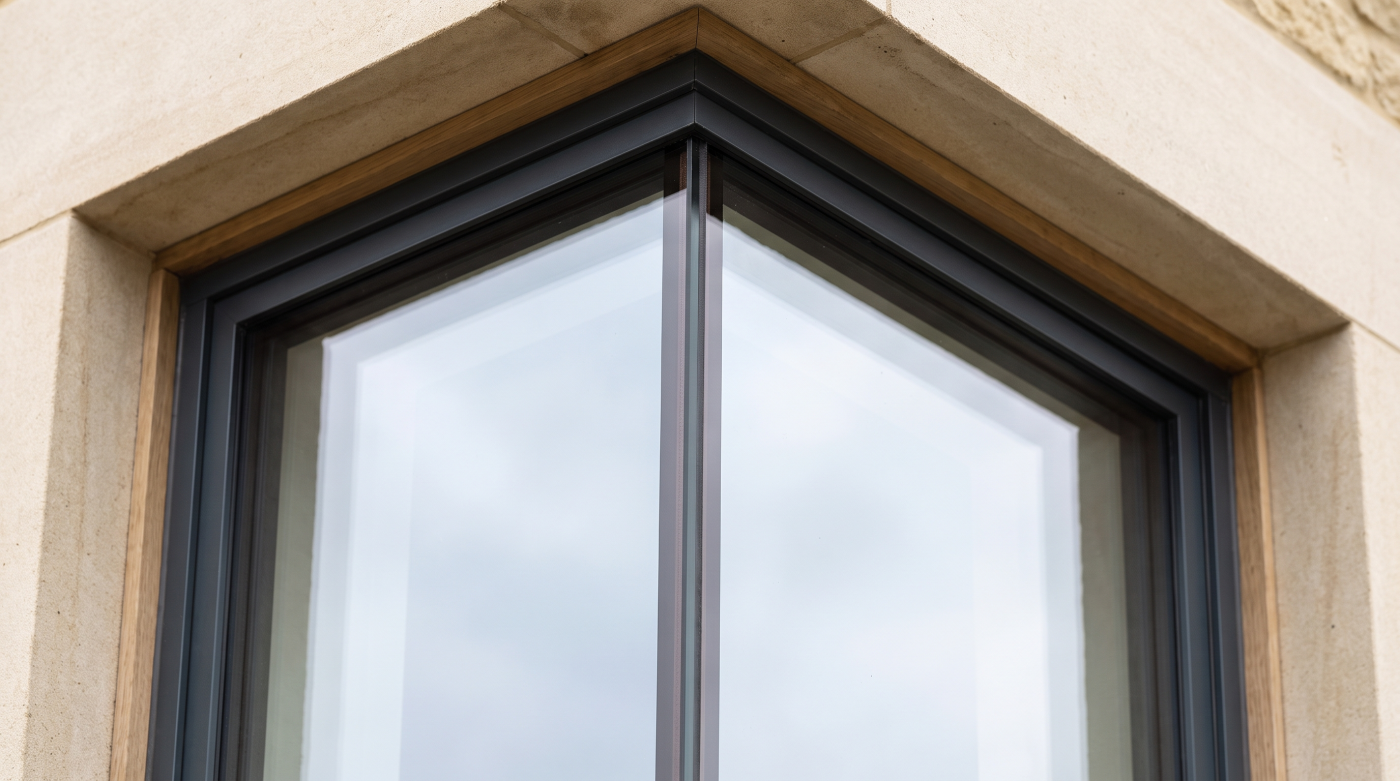
Look Closely at Frames, Finishes and Seals
Once the glass has been considered, attention can move to the less visually dominant parts of the opening. Frames, finishes and seals are easy to overlook precisely because they are expected to sit quietly within the architecture. Yet their condition can provide useful information about how the glazing has responded to another year of use and environmental exposure.
Begin with the visible frame surfaces. Rather than expecting every part of the property to look identical, consider whether anything has changed significantly since the previous review. Orientation is important here. A frame exposed to prolonged sunlight, prevailing weather or an open landscape may experience different conditions from one protected by an overhang or positioned within a sheltered elevation.
Visible seals deserve similar attention. Look for obvious displacement, damage or substantial changes in condition, particularly around opening windows and doors. Seals form part of the interface between moving and fixed components, so their appearance can also be considered alongside the way the window or door closes.
Cleaning should remain appropriate to the particular material and finish. Generic solvents, treatments or conditioning products should not be assumed suitable for every framing system or seal material. Where specialist care is required, the manufacturer’s guidance should determine the method and products used.
The objective is not to search for imperfections or interpret normal ageing as failure. An annual review is more valuable when it establishes patterns. A gradual difference between exposed and sheltered elevations may reflect their different environments, while sudden or significant deterioration deserves closer attention.
Frames and seals form part of the building’s external envelope. Observing how they change over time helps create a clearer picture of how the complete glazing system is ageing within its architectural setting.
Open, Close and Lock Every Moving Element
Some windows and doors are used so frequently that changes in their operation are quickly noticed. Others may remain closed for weeks or months, particularly secondary doors, less frequently used windows or openings associated with seasonal spaces. An annual review provides a useful reason to operate each moving element deliberately and consider whether it still behaves as expected.
Open and close accessible windows and doors through their normal range of movement, paying attention to the amount of effort required and the way the mechanism feels and sounds. Handles and locking components can be operated in the same way. The objective is not to test them aggressively, but to compare their present behaviour with what has previously felt normal.
Large sliding doors deserve particular attention because substantial glazed panels rely on their running mechanisms, guides, closing components and locks working together. A panel that has gradually become harder to move can be easy to overlook when the change develops slowly. An unfamiliar sound, increased resistance or a difference in the way the door reaches its closed position can therefore be useful observations.
Greater force should not become the routine solution to a changing mechanism. Nor should an annual check automatically lead to adjustment or lubrication. Different glazing systems have different maintenance requirements, and mechanical intervention should follow the guidance applying to the installed product.
Movement provides information that a visual inspection cannot. A window or door may appear unchanged while beginning to operate differently. By opening, closing and locking every moving element periodically, homeowners establish a valuable reference point and are more likely to recognise gradual changes before they become significant.
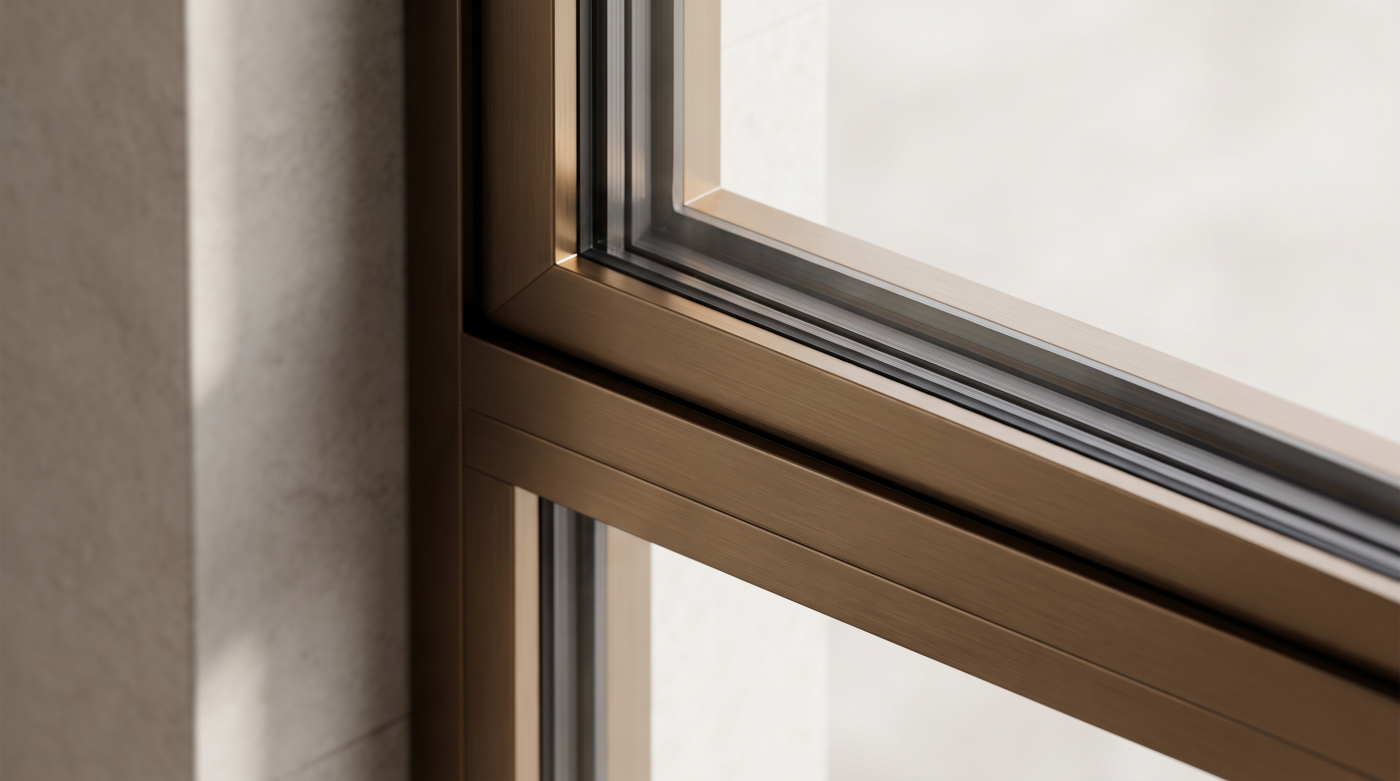
Check Tracks, Thresholds and Accessible Drainage Areas
Thresholds deserve particular attention during an annual review because they occupy one of the busiest junctions in an architectural glazing system. They sit between interior and exterior surfaces, accommodate the movement of doors and, depending on the system, may also form part of the way water is managed around the opening.
Sliding doors opening onto terraces and gardens are especially exposed to everyday debris. Leaves, grit, dust and material carried in on footwear can accumulate around accessible tracks and threshold surfaces over time. Removing straightforward loose debris where it is safe and appropriate to do so can help keep these areas clear and makes their condition easier to observe.
Care is needed around channels, slots and other openings within the threshold. What appears to be a simple recess may form part of a drainage or weather-management arrangement, and designs vary between glazing systems. An annual check should not become an exercise in probing openings, dismantling covers or modifying components whose purpose is uncertain. Manufacturer guidance should determine any maintenance required beyond normal accessible cleaning.
It is also worth noticing how water behaves around the opening. Temporary surface water during severe weather can have a very different significance from moisture that repeatedly appears where it has not been seen before. Recurring accumulation or unexplained water ingress deserves investigation in the context of the particular system rather than an improvised alteration to its drainage arrangements.
Architecturally, the threshold is much more than the line beneath a door. It is where movement, external weather and internal finishes meet. Keeping accessible areas appropriately clear while remaining alert to changes helps preserve that junction without interfering unnecessarily with the engineering concealed within it.
Consider What the Previous Year of Weather Has Revealed
An annual glazing review should consider more than the condition visible on a calm, dry day. Windows and doors spend the year responding to changing temperatures, prolonged sunlight, heavy rain and periods of stronger wind, and some aspects of their performance become apparent only when those conditions are present.
Think back to how different elevations behaved during the more demanding periods of the previous year. Glazing facing an exposed landscape may have encountered considerably more wind-driven rain than windows within a sheltered courtyard, while another elevation may have received prolonged summer sunlight. These differences provide useful context when comparing frames, seals and opening elements across the property.
Particular attention should be given to changes that appeared repeatedly under similar conditions. Water noticed during periods of driving rain, a draught that becomes apparent in strong winds or a door that seems to operate differently during particular weather conditions can all provide useful information. None establishes the cause by itself, but the pattern can help distinguish an isolated event from something worth investigating further.
Where an issue disappears once the weather changes, a simple record can be valuable. Photographs, the location of the affected opening and a note of the conditions in which the change occurred can provide context if professional assessment is later required.
Buildings often reveal the most about their performance when the weather becomes demanding. An annual review provides an opportunity to retain those observations rather than forgetting them once conditions improve. The question is not simply how the glazing looks today, but how consistently it has performed through the seasons since it was last reviewed.
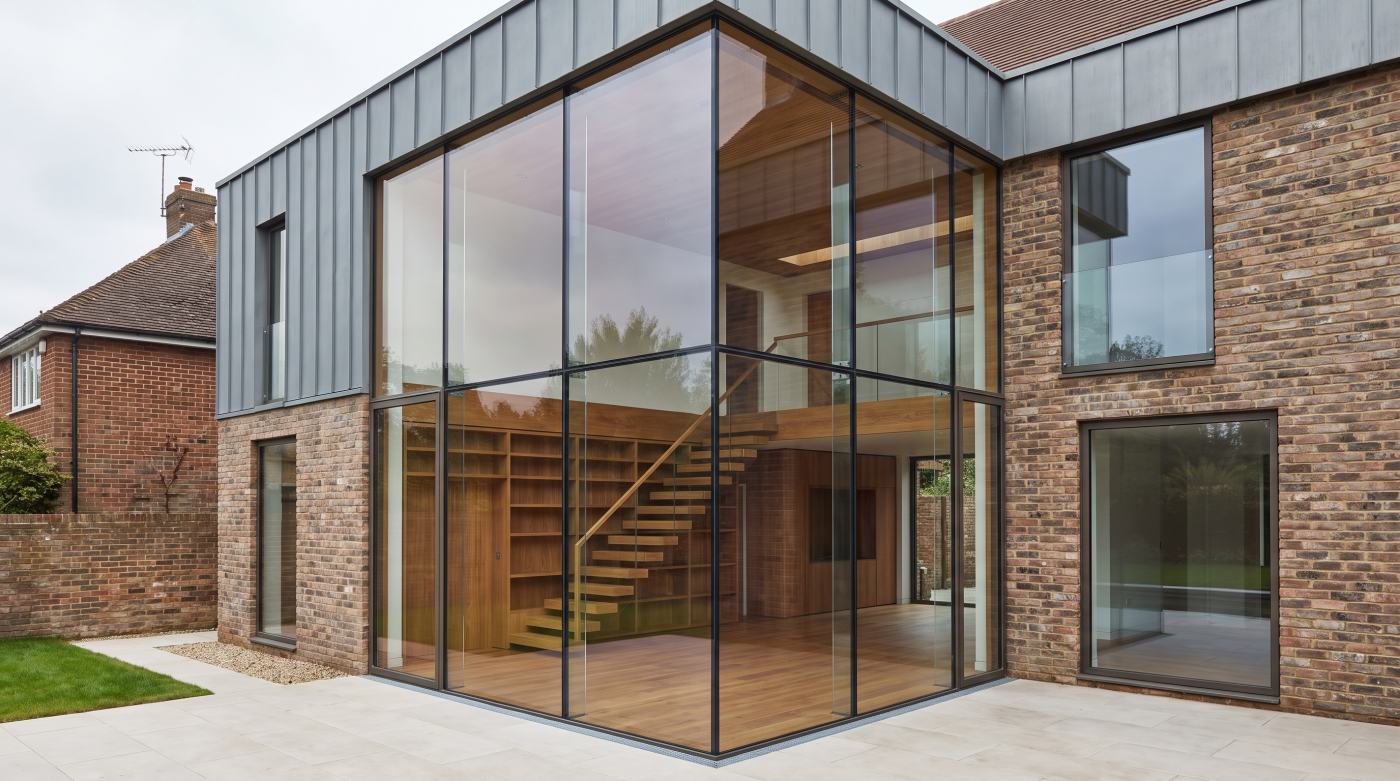
Review Maintenance, Servicing and Guarantee Documentation
An annual review is also a useful moment to revisit the information supplied with the glazing. Manufacturer guidance, guarantee documents and servicing records may spend most of their lives out of sight, yet they provide the most reliable reference for understanding what a particular window or door requires over time.
Different systems can have different maintenance expectations. Opening windows, large sliding doors, specialist hardware and automated components should not be assumed to follow the same servicing routine, nor should a generic annual interval be imposed where the manufacturer specifies something different. The relevant documentation should establish whether particular components require periodic inspection, servicing or other forms of care.
Guarantee information is worth reviewing at the same time. Confirm that the applicable documents can still be located and that the products or systems to which they relate are identifiable. Where registration, maintenance records or other administrative requirements apply, keeping this information organised can make future support considerably easier to navigate.
Any professional servicing already undertaken should also form part of the property’s glazing record. Over time, invoices, service reports, specifications and maintenance information create a useful history of the installation, particularly for substantial architectural glazing packages containing several different systems.
This administrative review is not separate from looking after the building. Documentation forms part of the long-term stewardship of a glazing specification because it explains how the installed products are intended to be maintained and supported.
The annual check therefore provides a natural point to bring the physical installation and its records together: observe how the glazing is performing, confirm what its manufacturer requires and ensure the information needed for future maintenance remains readily available.
Know When Observation Should Become Professional Assessment
The purpose of an annual glazing review is not to find reasons for unnecessary intervention. In many homes, the exercise will simply confirm that windows and doors continue to look and operate much as they did the year before. Its greater value lies in making genuine changes easier to recognise when they do occur.
Some observations deserve more attention than routine cleaning can provide. Recurring water ingress, a noticeable increase in draughts, visibly damaged or displaced seals, glass damage, significant unexplained deterioration or an opening that has become progressively harder to move, close or lock can all justify further assessment. Unusual movement or sounds from large sliding doors may deserve similar attention.
None of these symptoms necessarily identifies the underlying cause. A door that becomes difficult to close, for example, should not automatically be diagnosed as a hardware problem, just as water appearing during severe weather does not by itself establish where it entered. The complete installation and the circumstances surrounding the change need to be considered.
Simple records can help. Noting which opening is affected, when the change first became apparent and whether it occurs under particular weather conditions provides useful context. Photographs can be equally valuable where an intermittent problem may not be visible later.
The important boundary is between observation and intervention. Routine accessible cleaning and familiarisation with the glazing are sensible ownership habits; dismantling components, altering alignment or making unverified mechanical adjustments are different matters.
Good maintenance is ultimately measured by judgement rather than activity. The objective is not to interfere continually with glazing, but to understand how it normally performs, care for it appropriately and recognise when a meaningful change deserves informed professional attention.