
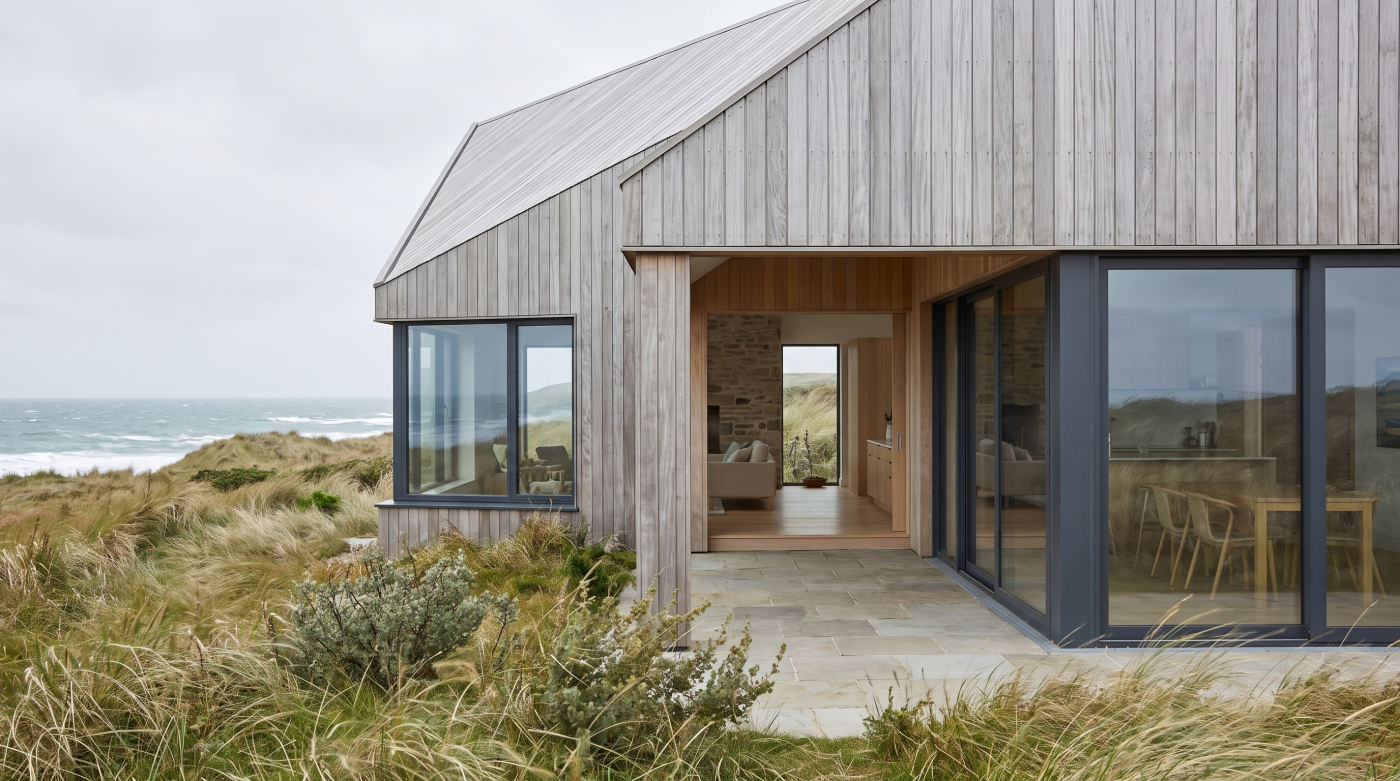
Start With the House, Not the Window Catalogue
The most effective way to reduce the cost of windows is often to make better decisions before choosing them. It is easy to begin with materials, brands and individual prices, but those comparisons come relatively late in the process. By then, the architecture may already have determined much of the eventual cost through the size, number and complexity of the openings.
A more useful starting point is to ask what each window needs to achieve. Some exist primarily to provide daylight and ventilation. Others frame an important view, connect a living space with the garden or form a significant part of an elevation. Performance requirements may also vary according to orientation, exposure and the wider construction of the house. Once these priorities are understood, it becomes easier to distinguish genuine requirements from features that are merely desirable.
This can reveal opportunities to simplify the glazing without diminishing the architecture. An unnecessarily complicated arrangement of opening sections, unusual shapes or numerous variations can add cost without necessarily improving the finished building. In some cases, simplifying an elevation can make it calmer and more coherent as well as less expensive. The saving comes from removing complexity rather than simply substituting a lower-quality product.
That distinction is fundamental to intelligent value engineering. The objective is not to make every window cheaper. It is to create the simplest specification capable of delivering the architecture, comfort and performance the house actually requires. The cheapest successful glazing strategy often begins on the drawing rather than in the window catalogue.
Spend More on the Windows You Will Actually Notice
One of the simplest ways to control a glazing budget is to stop assuming that every window deserves the same level of investment. Openings have different roles within a house. A small window in a utility room may need to provide daylight, ventilation and dependable performance, while a large window overlooking the garden may define the character of the principal living space. Treating those two openings as though they have identical architectural importance can lead to money being spent in the wrong places.
The difference becomes particularly apparent with views and proportions. In a kitchen, dining room or main living area, the position of a mullion, the width of a frame or the amount of uninterrupted glass can influence how the room feels every day. These are places where a better proportioned or more refined specification may justify additional expenditure because its effect is repeatedly experienced. The same refinement may be considerably less meaningful in a secondary bedroom, cloakroom or other space where the window plays a primarily functional role.
Selective investment does not require the house to look inconsistent. Different levels of specification can still be developed within a coherent architectural language, provided materials, finishes and proportions are considered carefully. The objective is simply to recognise that architectural importance is uneven.
Instead of reducing the quality of every window to meet a budget, identify the openings that contribute most to the experience and appearance of the house. Protect those first. Simplifying the less significant windows can often produce a worthwhile saving while preserving much of what made the glazing strategy desirable in the first place.
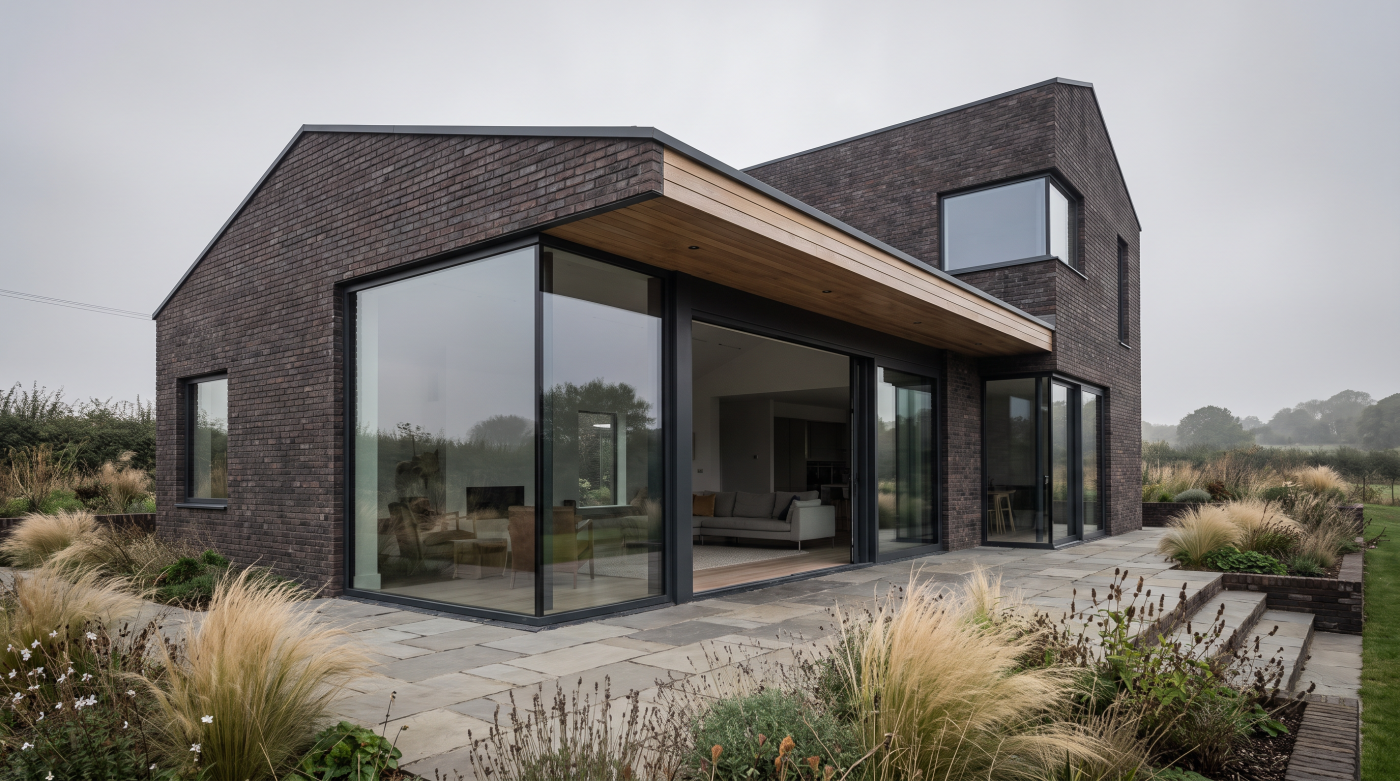
Simplification Is Usually Better Than Downgrading
When a glazing budget needs to come down, the instinctive response is often to look for a cheaper product. Yet there is another option that can preserve more of the quality of the finished building: simplify what the windows are being asked to do. Complexity has a cost, and not all of that complexity contributes equally to the architecture.
Opening sections are a good example. A window that opens requires hardware, seals and additional frame components that fixed glazing does not. Where ventilation and access requirements allow, reconsidering which sections genuinely need to open can simplify both the appearance and specification. Similar thinking can be applied to unnecessary subdivisions, unusual shapes, bespoke configurations and the proliferation of different window types across the same project. None of these elements is inherently undesirable, but each should have a reason for being there.
There can also be an architectural benefit to restraint. Removing an unnecessary mullion or rationalising a collection of different opening arrangements may create calmer elevations and clearer views. In this sense, reducing cost does not always mean accepting something visually inferior. Occasionally, the less complicated solution is the better-looking one.
The important distinction is between removing complexity and removing quality. Downgrading a product while asking it to perform exactly the same demanding role can introduce compromises in areas the homeowner may later notice. Simplifying the requirement itself can be a more intelligent approach. Before reducing the quality of the windows, it is worth asking whether the architecture can achieve the same essential outcome with fewer moving parts, fewer variations and a more disciplined specification.
Do Not Pay for Performance the Building Cannot Use
Performance is one of the easiest areas in which a glazing specification can become more expensive than the project requires. Lower U-values, triple glazing and specialist glass can all have genuine value, but only when they respond to the needs of the building. Choosing the highest available specification simply because it appears technically superior is not necessarily the same as making a better decision.
A highly insulated self-build provides an obvious example. Where walls, roofs, floors and airtightness have been designed to achieve demanding performance targets, the windows form an important part of that strategy. Better-performing frames and glazing may contribute meaningfully to reducing heat loss and improving thermal comfort. In an existing house with considerably weaker performance elsewhere in the building fabric, pursuing the same window specification may produce a less significant overall benefit.
The same principle applies to specialist glass. Acoustic performance matters where external noise creates a genuine problem. Solar-control measures can become important where large areas of glazing and orientation create a risk of overheating. Neither should be treated as a universal upgrade. Their value comes from solving a particular problem identified through the design of the building.
Saving money here therefore requires judgement rather than simply reducing performance. The objective is to establish what the house actually needs and specify accordingly. Paying for characteristics the building cannot meaningfully exploit adds cost without necessarily improving the experience of living there. Equally, reducing performance where it forms an essential part of the building strategy can prove a poor economy. The cheapest sensible specification is the one that meets the project’s requirements without paying for technical capability it does not need.
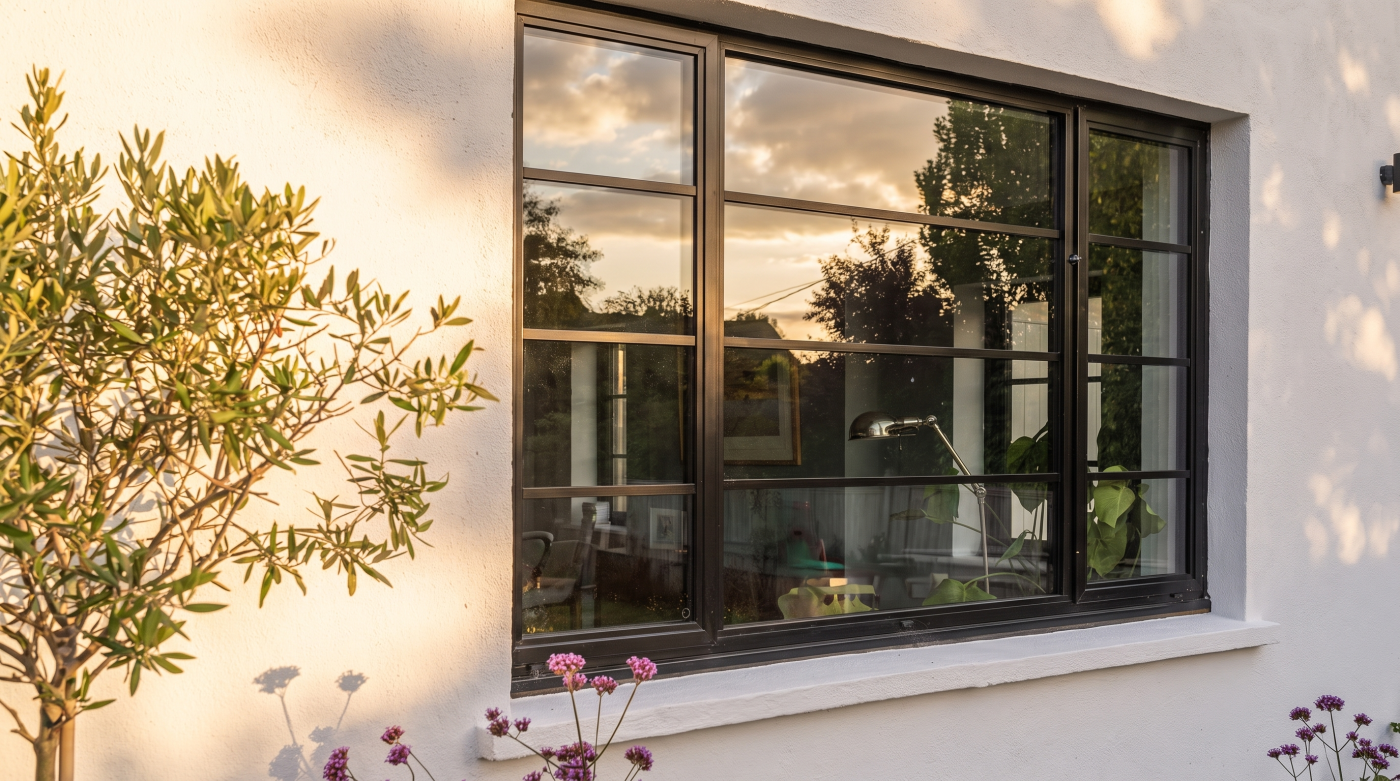
Be Careful Where You Compromise on Sightlines and Glass
Some cost reductions disappear into the fabric of a completed house and are rarely thought about again. Changes to the proportions of a window are different. Frames, mullions and transoms remain within the view every day, which means a seemingly modest alteration made during value engineering can have a surprisingly persistent effect on how a room or elevation feels.
This becomes particularly important with larger openings. Dividing a wide area of glazing into more panels may reduce the dimensions of individual panes and make the specification more economical, but it also introduces additional frame into the composition. A central mullion that seemed insignificant on a drawing may eventually sit directly across a garden view. Similarly, changing from a more refined frame system to one with heavier profiles may have relatively little consequence on small openings but become much more apparent across a large glazed elevation.
That does not mean the narrowest possible frame is always worth paying for. Sightlines should be judged in relation to the architecture. In some buildings, more substantial frames can sit comfortably with the proportions and materials of the design. The important point is to understand what a cheaper configuration actually changes before accepting it purely because the quotation is lower.
Windows are unusual in this respect because the structure supporting the glass also occupies part of the view through it. If savings are required, frame proportions and glass divisions deserve careful consideration. A compromise that saves money once but remains visually prominent for decades may prove more difficult to live with than a saving made somewhere less architecturally significant.
Avoid False Economies Around Installation and Detailing
There is little advantage in choosing a well-made window if the decisions surrounding its installation prevent it from performing properly. When budgets are under pressure, installation and detailing can appear less important than the visible product. Yet these are precisely the areas where an apparently straightforward saving can transfer cost or risk elsewhere in the building.
A window becomes part of the external envelope once it is installed. The junctions around the frame have to work with the surrounding construction, including the approach to weather protection, insulation and airtightness. Thresholds and external cills also need to relate properly to adjoining materials and finished levels. These details are rarely the most exciting part of choosing glazing, but they influence whether the completed installation performs as the design intended.
The same principle applies aesthetically. Carefully selected frames can be undermined by poorly resolved interfaces with plaster, cladding, stonework or flooring. This is particularly noticeable around large openings, where the ambition may be for the glazing to appear quietly integrated into the architecture. Achieving that simplicity depends as much on coordination and execution as it does on the window itself.
This is where genuine value engineering needs to be distinguished from simply removing cost. A saving that compromises installation quality or leaves important details unresolved may reduce the initial quotation without improving the value of the project. If expenditure has to be reduced, it is usually better to simplify unnecessary complexity elsewhere while protecting the elements that allow the glazing to function properly. The cheapest window package worth having is still one that can be successfully incorporated into the building.
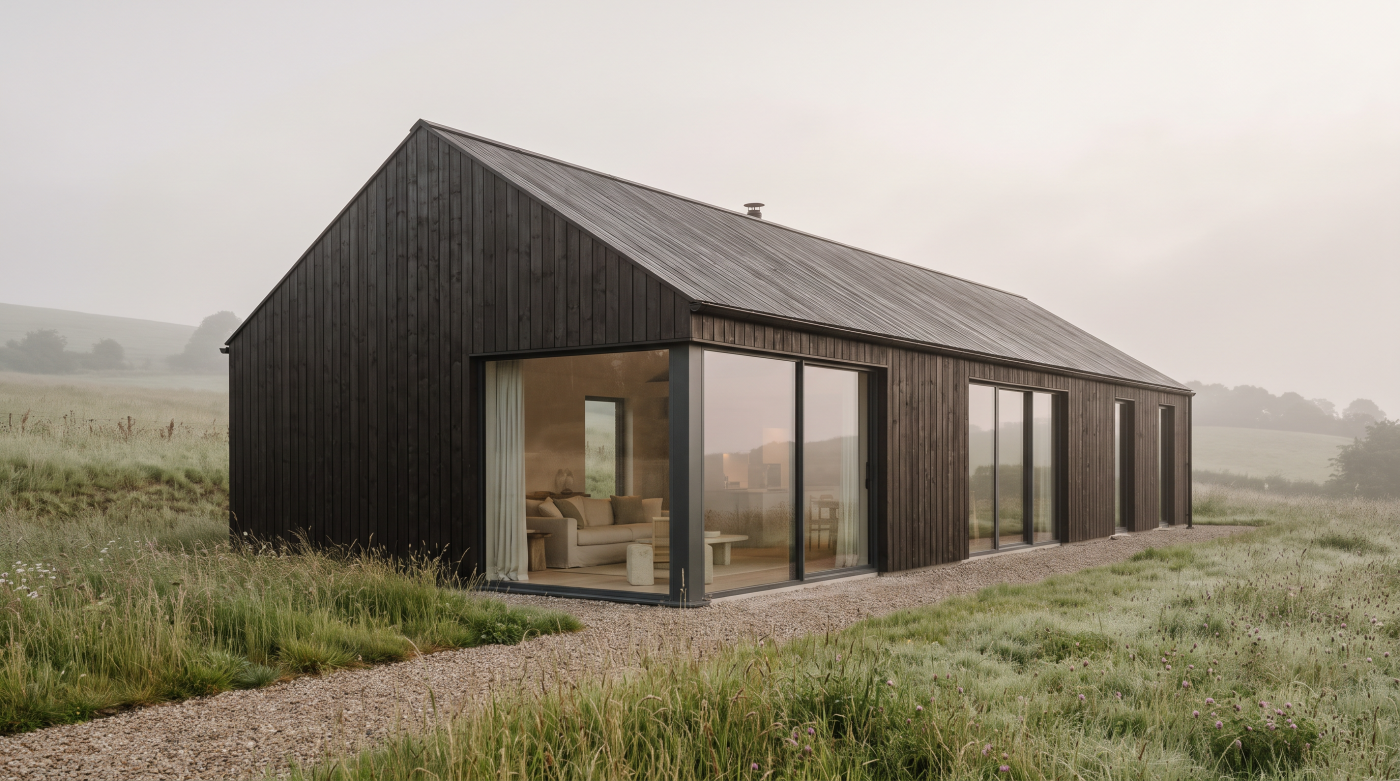
The Cheapest Time to Save Money Is Before the Design Is Fixed
There is a point in every project when changing a window is relatively simple. Its dimensions can be adjusted, an opening section reconsidered or an unnecessarily complicated arrangement simplified while the architecture is still developing. Later, the same decision may affect structure, floor levels, external finishes, internal linings and other elements that have already been designed around it. By then, reducing the glazing budget becomes considerably more difficult.
This is why value engineering works best before a final quotation creates the need for it. If the homeowner, architect, builder and glazing specialist understand the broad budget and architectural priorities early enough, there are usually more ways to respond. A large opening might be rationalised without losing the important view. Several window types might be simplified into a more consistent arrangement. Money might be moved away from secondary openings and towards the glazing that defines the principal living spaces. These are design decisions rather than straightforward product substitutions.
Once the building has become fixed around a particular glazing strategy, the available choices narrow. Cost reduction can then mean accepting heavier frames, additional subdivisions or a lower specification simply because changing the underlying architecture would create consequences elsewhere. The saving may still be necessary, but it is more likely to involve a visible compromise.
Early budget conversations should therefore be seen as part of good design rather than a constraint upon it. The cheapest time to remove unnecessary cost is while there are still several ways to achieve the architectural intention. Value engineering at that stage can improve the specification. Left until the end, it is much more likely to dilute it.
The Cheapest Window Package You Won’t Hate
The cheapest successful window package is unlikely to be the one in which every component has been reduced to its lowest possible cost. A better result usually comes from deciding where the architecture genuinely needs investment and being disciplined everywhere else. That may mean spending more on the large opening that defines the kitchen and living space while simplifying windows in secondary rooms. It may mean removing unnecessary opening sections or bespoke configurations rather than compromising the quality of the elements that remain.
Performance should be approached in much the same way. Specify what the building needs rather than automatically pursuing the highest available figures, but protect the characteristics that are fundamental to comfort and the wider energy strategy. The same restraint should apply to appearance. Not every opening requires minimal sightlines or unusually large panes, yet where a window frames an important view or forms a significant part of an elevation, changes to proportions and subdivisions deserve careful thought.
Installation and detailing are harder places to economise indiscriminately because they determine how successfully the chosen windows become part of the building. A less elaborate glazing scheme that is properly detailed and installed is generally a more coherent proposition than an ambitious specification whose execution has been compromised to recover budget.
The objective, then, is not to find the cheapest windows. It is to find the least expensive glazing strategy that still delivers the architecture, comfort and everyday experience the house requires. Good value engineering removes expenditure that contributes little while protecting the decisions that will still matter once the invoices have been forgotten and the house is simply being lived in.