
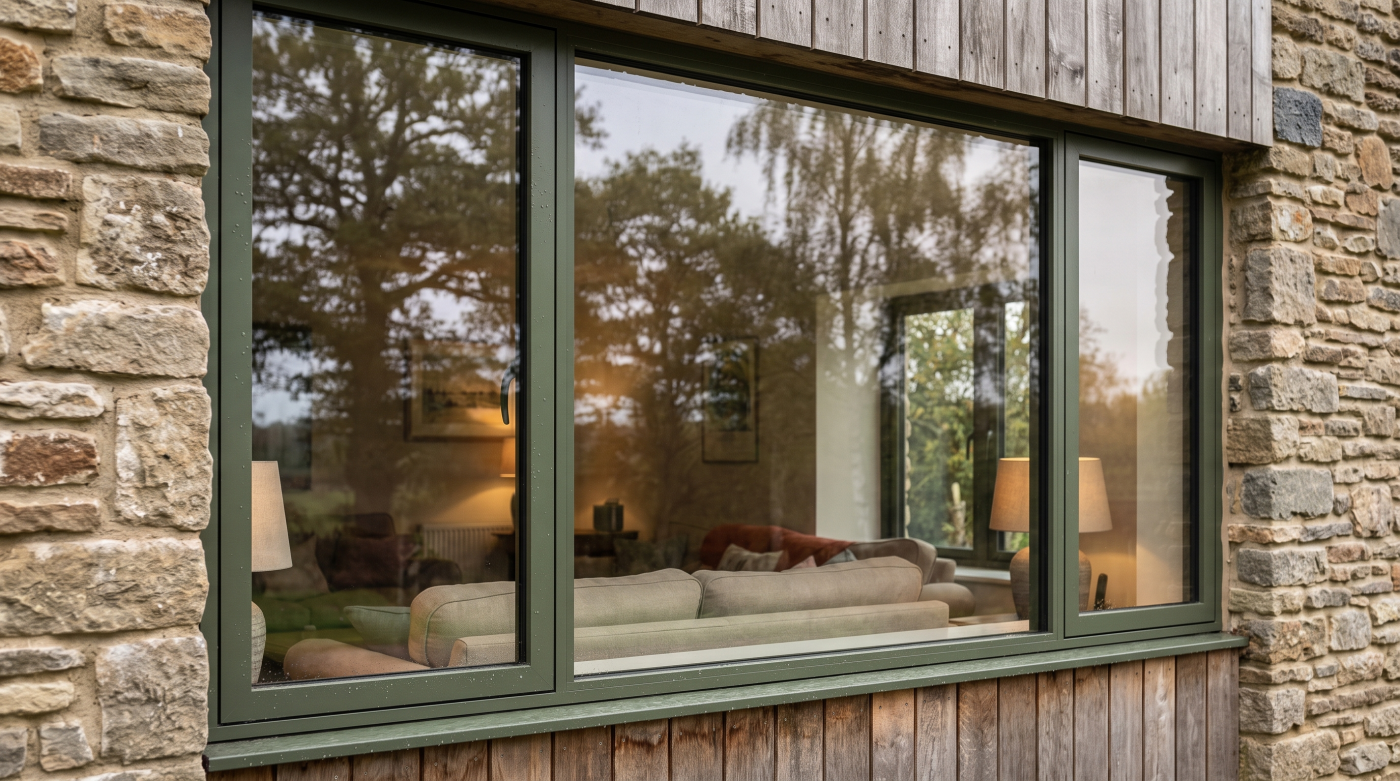
I Would Start With the House, Not the Windows
If I were choosing windows again, I would begin by looking more carefully at the house itself. It is easy to spend weeks comparing frame styles, saving photographs and researching manufacturers without first deciding what each window needs to contribute to the building. The research feels productive, but it can leave the most important questions unanswered.
A window is never experienced entirely on its own. Its size and position affect the proportions of a room, the quality of daylight and the relationship between inside and outside. An expansive glazed opening might frame a garden beautifully, yet feel less successful if it leaves little space for furniture or introduces unwanted views from neighbouring properties. A smaller, carefully positioned window may serve another room more effectively by directing light towards a particular surface or preserving privacy.
I would also pay closer attention to the elevations. The arrangement of windows influences how a house is understood from the street, garden and surrounding landscape. Frame proportions, opening divisions and the balance between solid wall and glass should belong to the architecture rather than being selected independently from a collection of appealing images.
This does not mean that researching glazing systems is unimportant. It means that the research becomes more useful once the architectural intentions are clear. Instead of asking which window looks most impressive, I would ask what each opening is meant to achieve and how it should feel from the spaces around it.
Looking back, that is where I would spend my time first: understanding the rooms, the views and the character of the house. Those decisions would give the subsequent window choices a clearer purpose.
I Would Decide What Matters Most Before Comparing Every Option
Looking back, I would have spent less time trying to find the perfect window and more time deciding what mattered most to the project. Every new system seemed to introduce another possibility: a slimmer frame, a different opening arrangement, an alternative finish. Without clear priorities, each comparison raised more questions than it answered.
I would begin by considering what each room genuinely needed. In a living space overlooking the garden, preserving the view and creating a comfortable connection to the outside might be central to the design. In a bedroom, privacy, ventilation and the position of furniture could be more important. The windows would not need to meet an identical set of priorities simply because they belonged to the same house.
I would also distinguish essential requirements from preferences. An opening that needs to provide convenient access or ventilation must work within the room’s layout. A particular frame finish may be desirable, but it should not distract from resolving the opening’s size, position and function. Making that distinction earlier would have helped me recognise which decisions deserved careful investigation and which could wait.
There would still be trade-offs. A larger glazed area might strengthen the relationship with the landscape while introducing other considerations for privacy, shading or the arrangement of the room. A minimal-looking frame might appeal visually, but its suitability would need to be considered within the complete window and building design.
If I were starting again, I would write down a small set of priorities for each significant opening before comparing products. That would not remove every difficult choice, but it would give each choice a purpose. Instead of asking which option offered the most features, I could ask which one best supported the home I was trying to create.
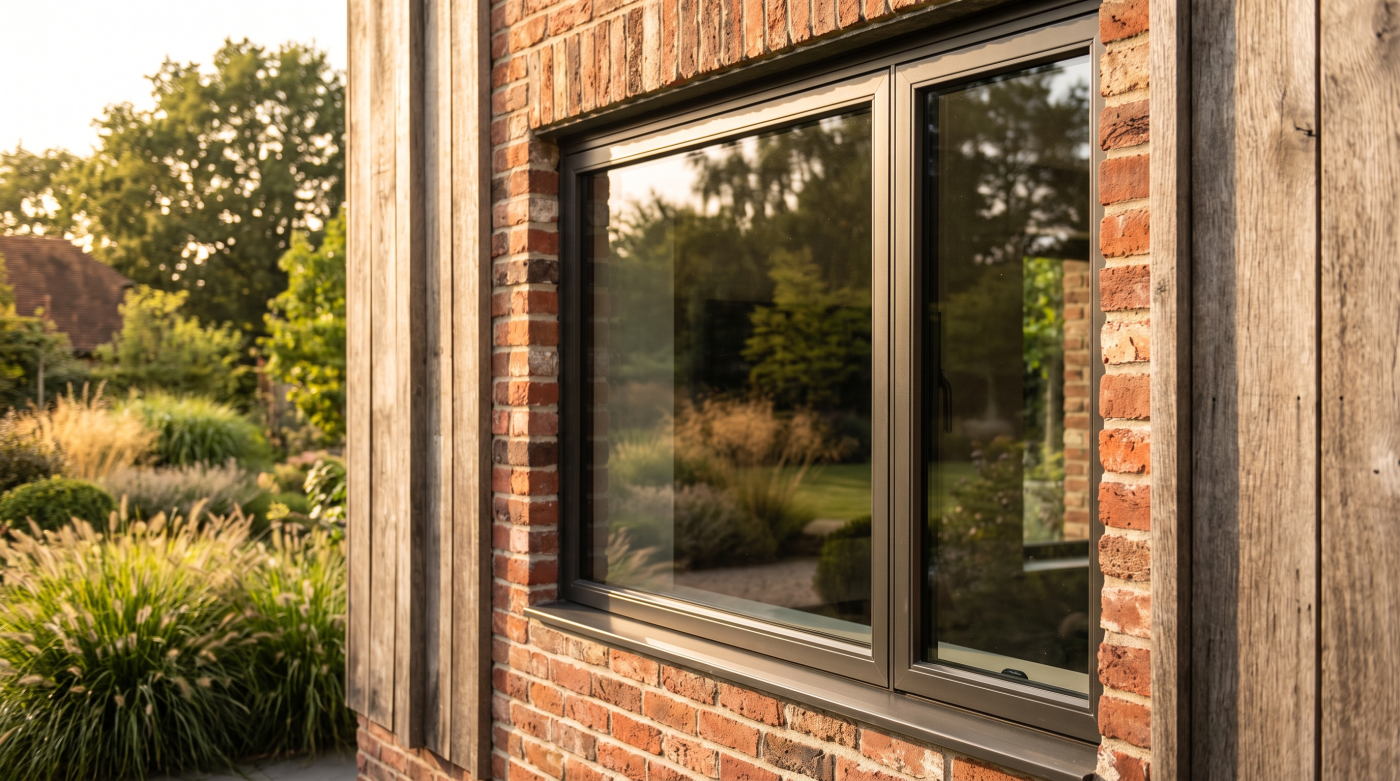
I Would Involve My Architect and Glazing Specialist Earlier
If I were choosing windows again, I would bring my architect and glazing specialist into the conversation before becoming attached to a particular system. It is tempting to research glazing as a separate purchase, especially when photographs and showroom displays make individual products easy to compare. But a window is part of the building’s design, and its suitability depends on decisions being made elsewhere in the project.
An architect can consider how the openings relate to the elevations, internal spaces and overall character of the house. A glazing specialist can help explore how different configurations might serve those intentions and identify questions that need resolving before a system is selected. The builder and other project professionals may also need to contribute, particularly where an opening affects the construction sequence or the connection between the window and surrounding structure.
I would want those perspectives to meet while the design was still developing. A change in the size or arrangement of an opening may influence the appearance of an elevation, the way a room is furnished or the details of the surrounding construction. What looks like a straightforward product choice can become a more complicated architectural decision once drawings and site work have progressed.
Earlier collaboration would not mean asking one person to make every decision for me. It would mean understanding which questions belonged together and making choices with a clearer view of their implications.
Looking back, I would spend less time trying to resolve every glazing question independently before approaching the project team. I would use those early conversations to establish what the architecture required, which options were worth investigating and which decisions needed to be coordinated. That would make the subsequent research more focused and give the finished windows a stronger relationship with the house.
I Would Spend More Time Understanding the Rooms and Less Time Looking at Showroom Displays
If I were choosing windows again, I would spend more time standing in the rooms and imagining how I would use them. A showroom can help me understand the appearance of a frame, the movement of an opening element and the scale of a glazed panel. What it cannot show me is how that same window will feel in my house, with its particular orientation, proportions and surroundings.
I would begin with the places where people are likely to spend time. From a sofa or dining table, which part of the garden would be visible? Would a frame interrupt an important view? Could a large opening make it difficult to position furniture, or would a smaller window bring daylight into the room more effectively? I would also think about privacy, particularly where neighbouring buildings overlook the space.
The relationship between a window and its room changes throughout the day. Morning light may be welcome in one space, while direct afternoon sun could make another less comfortable without appropriate consideration of shading. An opening that looks elegant in a photograph may be awkward to reach or operate once the room is furnished.
I would still visit showrooms, but I would arrive with questions shaped by the house rather than allow the displays to determine what I wanted. I would return to the drawings after each visit and consider whether the options I had seen supported the intended use of each space.
Looking back, I would judge a window less by how impressive it appeared on its own and more by what it contributed to the room around it. The view, the daylight and the way people move through the space would guide the choice.
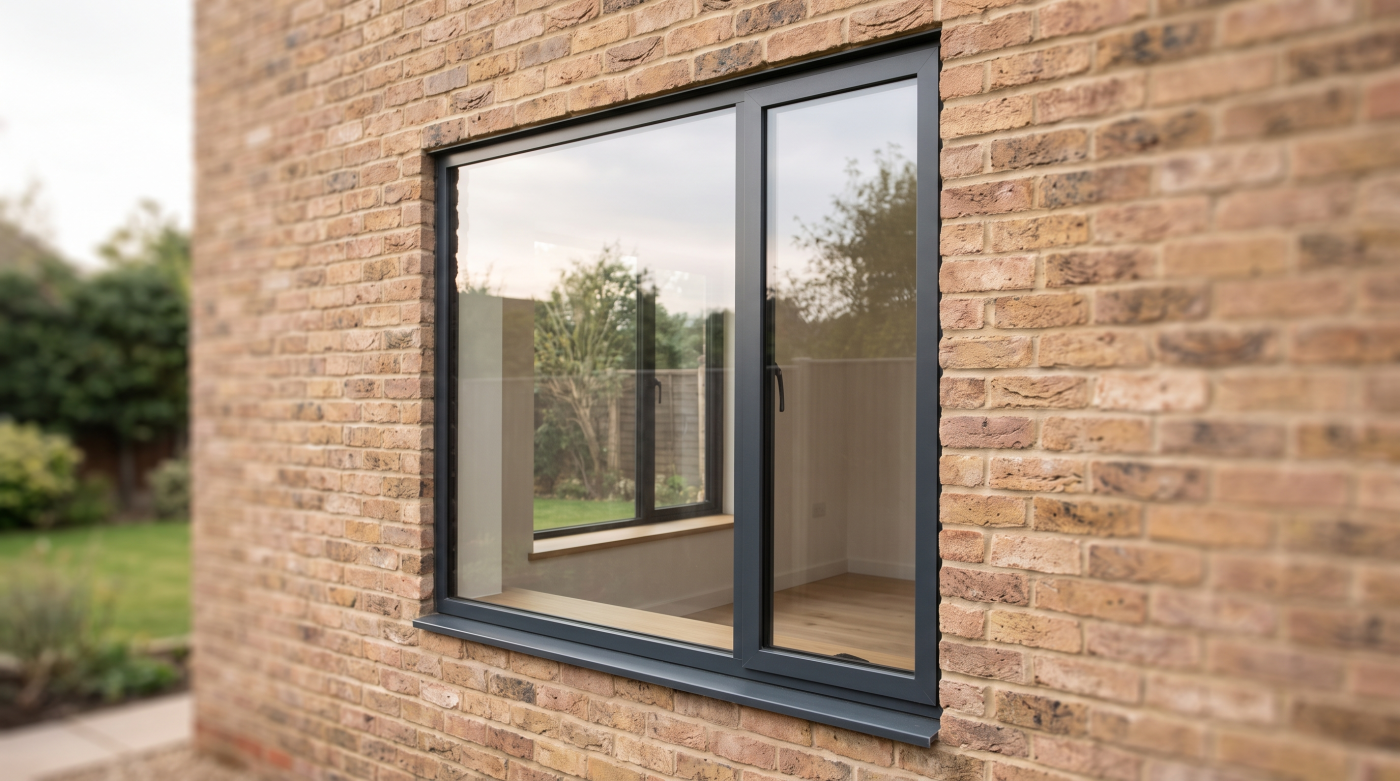
I Would Ask Better Questions About Comfort and Performance
If I were choosing windows again, I would look beyond the headline performance figures and ask how each proposed opening would affect the comfort of the room. A specification can help describe a window, but it cannot tell the whole story of how a space will feel on a cold morning or a bright summer afternoon.
I would begin with orientation and the way each room is used. A large glazed opening may bring welcome daylight and a strong connection to the garden, while also introducing questions about direct sunlight, glare and privacy. In another room, the more important consideration might be how comfortable it feels to sit near the glass during winter. These are not reasons to avoid generous glazing, but they are questions I would want to explore before settling on its size and arrangement.
I would also ask how the window is intended to support ventilation. An opening element needs to be considered in relation to furniture, access and the way air can move through the room. Where outside noise is a concern, I would want to understand how that affects the choice of opening arrangement and the wider design.
Most importantly, I would distinguish the performance of an individual glazing component from that of the complete installed window. The glass, frame, opening seals and connection to the surrounding construction all contribute to the finished result. A single figure cannot resolve every question about comfort.
Looking back, I would ask fewer questions about which specification looked most impressive in isolation and more about what the proposed windows would mean for everyday life in the house. I would want the performance discussion to begin with the rooms, then work towards a suitable glazing arrangement.
I Would Make the Important Decisions Before They Became Expensive to Change
If I were choosing windows again, I would pay much closer attention to when each decision needed to be made. During the early stages of a project, it can seem reasonable to leave the glazing until later, particularly when there are so many other choices competing for attention. But the size, position and arrangement of windows can influence the building long before the frames arrive on site.
I would want to understand which decisions affected the architecture and construction. The dimensions of an opening, the relationship between the frame and surrounding wall, and the arrangement of a doorway or threshold may all need to be considered while the design is developing. Changing these elements after drawings have progressed or construction has begun can have implications beyond the window itself.
I would also distinguish decisions that need early agreement from those that can reasonably wait. The appropriate sequence would depend on the project and the glazing systems under consideration, so I would ask my architect, glazing specialist and builder to identify the information they needed and when they needed it. That would give me a clearer basis for planning the research rather than treating every outstanding choice as equally urgent.
Looking back, I would not try to finalise every detail at the beginning. I would concentrate first on the decisions that shape the building and become harder to change as work progresses. With those established, the remaining choices could be considered within a more coherent design.
Six months of research might still have been worthwhile. I would simply want more of that time to inform the project while the important architectural decisions were still open.
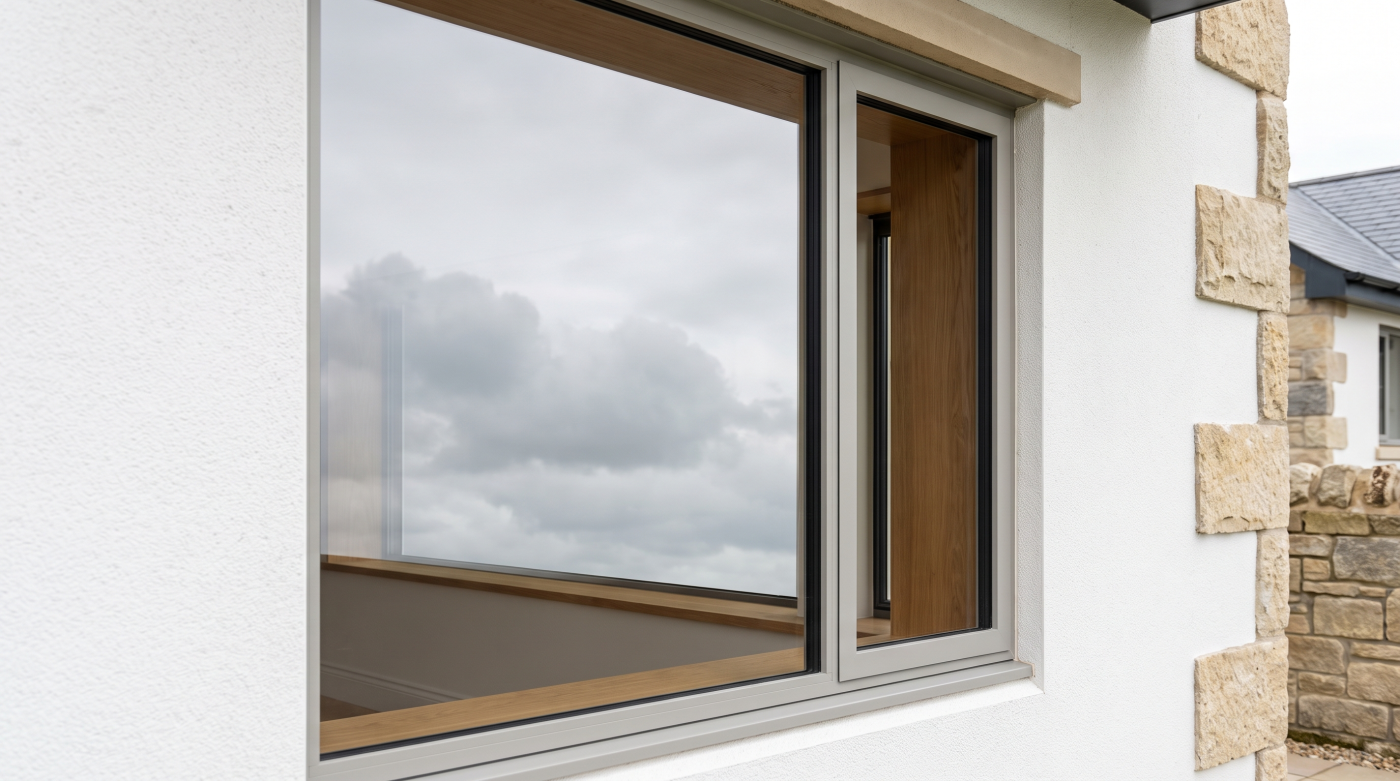
I Would Look Beyond the Initial Price and Think About Living With the Windows
If I were choosing windows again, I would think more carefully about what they would be like to live with long after the building work was finished. During a project, it is easy to focus on appearance and initial cost. Both matter, but neither tells me whether a window will remain convenient, comfortable and appropriate for the way I use the house.
I would pay closer attention to everyday operation. Can an opening be reached easily once the room is furnished? Will a door or window interfere with circulation when it is open? How will the glass be cleaned, particularly where an opening is large or difficult to access? These practical questions may seem less compelling than a striking photograph, yet they shape the experience of living with the finished design.
I would also want to understand the maintenance needs of the proposed frames, finishes and opening mechanisms. The right choice would depend on the building’s exposure, the intended use of each opening and the level of upkeep I was prepared to undertake. I would not assume that the most visually minimal arrangement would necessarily be the simplest to live with.
When comparing costs, I would make sure I understood what each option included and how it related to the wider project. A lower initial figure would mean little if I were comparing different arrangements or overlooking work associated with the surrounding opening.
Looking back, I would judge the windows not only by how they appeared when newly installed, but by how naturally they supported daily life. The aim would be to choose glazing that continued to belong to the house after the decisions, deliveries and construction work had become a distant memory.
If I Were Choosing Again, I Would Follow a Different Order
If I were choosing windows again, I would not necessarily spend less time on the decision. I would spend that time differently. Six months of research can reveal useful possibilities, but I would want each stage to answer a question about the house rather than simply introduce another option to compare.
I would begin with the architecture: the character of the building, the proportions of its elevations and what each room needs from its windows. From there, I would establish the priorities for the most important openings and discuss them with my architect and glazing specialist while the design was still developing. I would consider the proposed configurations in the context of the rooms, then explore comfort, performance and everyday operation before committing to a particular arrangement.
I would also ask the project team to identify which glazing decisions affected the wider construction and needed to be resolved early. That would help me distinguish questions that shaped the building from details that could reasonably wait. As the options narrowed, I would consider not only their initial cost and appearance, but how the windows would be used and maintained over time.
None of this would guarantee an effortless decision. A substantial renovation or self-build involves competing priorities, and some choices deserve careful thought. The difference is that I would have a clearer reason for investigating each possibility.
Looking back, I cannot say that I would choose an entirely different set of windows. What I would change is the order in which I approached them. I would start with the home I wanted to create and allow that understanding to guide the glazing, rather than hoping that the right product would eventually tell me what the house needed.