
1. Begin with the project’s complexity
Choosing a glazing team begins with the building, not the size of the company. Replacing a straightforward window in a regular opening asks different things of a team from glazing an irregular stone house, forming a wide opening in an extension or coordinating several systems across a self-build.
In a simple project, accurate measurement, a suitable product and careful installation may be the principal requirements. In a more complex one, glazing decisions affect structure, floor levels, drainage, ventilation and the appearance of entire elevations. The people involved must be able to engage with those questions while there is still time to change the design.
A larger organisation may offer established processes, a broad product range or capacity across many sites. A local specialist may offer close familiarity with particular building types and ready access to the project team. Those are possible advantages, not guarantees. Either model can serve a project well, and either can be a poor fit if the work required falls between its services.
Before seeking quotations, write down the support the project needs. Who will review drawings? Are openings already built, or can their proportions still change? Is the house listed or unusually exposed? Will the installer need to coordinate directly with an architect or builder? The answers turn a vague contest between “big” and “local” into a clearer question: which team has the relevant capability and the time to apply it?
2. Separate manufacturer, supplier and installer
Glazing is rarely the work of one person or one organisation. A manufacturer may design and make a system. Another business may specify and sell it. A surveyor may confirm dimensions, and an installation team may fit it into the building. Service years later may pass through yet another route.
Company size does not reveal how those roles are arranged. A national business may employ installers directly or work through regional teams. A local firm may install products made by a substantial international manufacturer. What appears to be a choice between two types of business may actually be a choice between two different chains of responsibility.
That chain matters when a question arises on site. If the opening differs from the drawing, who decides whether it should be altered? If a threshold detail cannot be built as proposed, who can approve an alternative? If a door later becomes difficult to operate, who diagnoses whether the issue lies with the product, its installation or the surrounding structure?
Ask each prospective team to describe its process from design review to aftercare. The answer should identify who measures, who places the order, who installs and who will respond if something needs attention. Clarity at these handovers is more useful than an impressive company description. The quality of the finished work depends on how well decisions travel between the people responsible for each stage.

3. Advice before the order is placed
The most valuable contribution a glazing team can make may happen before anything is manufactured. A useful review can identify a frame division that interrupts a view, an opening panel that clashes with furniture or a threshold that has not been coordinated with the terrace. Such observations are difficult to recover once dimensions and systems are fixed.
Look at how a prospective team engages with the design. Does it ask how the rooms will be used? Can it explain the implications of changing an opening’s size or operating arrangement? Will it review drawings with the architect or builder and make its assumptions explicit? Good advice need not mean agreeing with every initial preference. It should help the project team understand the consequences of a choice.
A broad catalogue can be useful where several types of glazing are needed. Close site involvement can be equally useful where the building presents unusual conditions. Neither is a substitute for informed judgement. The important distinction is between a proposal assembled from dimensions alone and one that has been tested against the architecture and construction of the house.
Give each team the same real question rather than asking only for a price. For example, show the proposed garden opening and ask how its door arrangement affects daily access, drainage and the interior view. The quality and specificity of the response will reveal more about the prospective working relationship than a generic claim of expertise.
4. Surveying, tolerances and installation
A glazing system is made to meet a building. The point where they join is often where responsibility becomes least clear. Drawings may show intended dimensions, while a site survey records what has actually been built. The difference can be small enough to appear harmless yet large enough to alter a reveal, threshold or fixing detail.
Establish who takes the final measurements and when. Ask what condition the openings must be in before the survey and who confirms that they are ready for installation. On a new build, this may require coordination with the structural frame, floor finishes and external paving. In an older house, uneven masonry may call for more careful judgement about how the frame will sit and how the surrounding fabric will be made good.
Installation quality is not captured by the brand on the frame. Weatherproofing, alignment, fixing and the treatment of the wall junction shape the result. A carefully manufactured door can operate poorly if its track is out of level or the structure above it moves beyond the system’s tolerance. Equally, a capable installer needs an appropriate product and a clear design to work from.
Ask how issues discovered on site are recorded and resolved. A named route for decisions matters more than a promise that nothing unexpected will occur. Buildings regularly present small surprises. The test is whether the project team can respond without losing the intended architecture or shifting responsibility between parties.

5. Range, capacity and flexibility
A large supplier may be able to draw from an extensive range of systems and established logistics. A local installer may be able to visit site quickly, work closely with neighbouring trades or recognise construction patterns common to the area. These strengths can be valuable, but only if they address the project’s actual needs.
Range can become a distraction if the team cannot explain which system is appropriate for a particular opening. Locality can be overstated if the firm lacks the technical capacity or time to deliver a complex scheme. The useful questions are specific: has the team completed work of similar scale and detail? Can it provide the required performance information? Does it have the people and programme capacity to meet the construction sequence?
Flexibility also has limits. A bespoke-looking solution may still have manufacturing constraints. A familiar product may be adaptable through careful panel arrangement or detailing. Rather than assuming that one business model is inherently more responsive, ask what can be changed, who has authority to approve it and when the design must be fixed.
For a house with several distinct openings, it may be worth considering whether one team can coordinate them coherently. That does not require every window and door to be the same product. It requires someone to notice how frame colours, sightlines, thresholds and installation details meet across the building. Capacity should be judged by that ability to deliver a considered whole, not simply by the number of products available.
6. Accountability when something needs attention
After installation, a glazing system becomes part of daily life. Hinges may need adjustment, a seal may eventually need replacement or a homeowner may have a question about cleaning and care. At that point, the most important feature of the original contract may be the clarity of its responsibilities.
Ask who provides the product warranty and who stands behind the installation. They may be the same organisation, or they may not. Find out how a service request is made, who will visit to diagnose an issue and how replacement parts are obtained. A nearby contact can be reassuring, but proximity alone does not establish capacity to resolve a technical problem. A large service network can be useful, but only if its route to the right person is clear.
Written terms matter because products and installation are distinct parts of the work. In the UK, consumers have statutory rights when buying goods and services; an additional guarantee does not replace them. GOV.UK explains those underlying rights. The practical task for a homeowner is to understand the agreed scope, the warranty terms and the process for raising concerns.
Look for an arrangement that remains intelligible after the original salesperson or installer has moved on. Good aftercare is not a vague promise of availability. It is a documented route by which someone can identify the system, understand the installation and take responsibility for the next step.
7. Comparing proposals fairly
Two quotations can differ substantially while appearing to describe the same windows and doors. One may include a detailed site survey, specialist lifting equipment, making good and documented aftercare. Another may price the units and a narrower installation scope. Comparing their totals without comparing their contents can lead to the wrong conclusion.
Bring proposals onto the same footing. Check the exact system, glazing, finishes, hardware and opening arrangement. Confirm who prepares the openings, provides access, handles disposal and makes good adjoining surfaces. Ask what information will be handed over on completion and whether future servicing is available. For complex work, identify the drawings and tolerances on which the price depends.
Programme is part of the comparison. A lower price may carry a lead time that disrupts the wider build; a faster programme may require earlier decisions than the design team can responsibly make. Neither timing nor cost should be considered apart from the construction sequence.
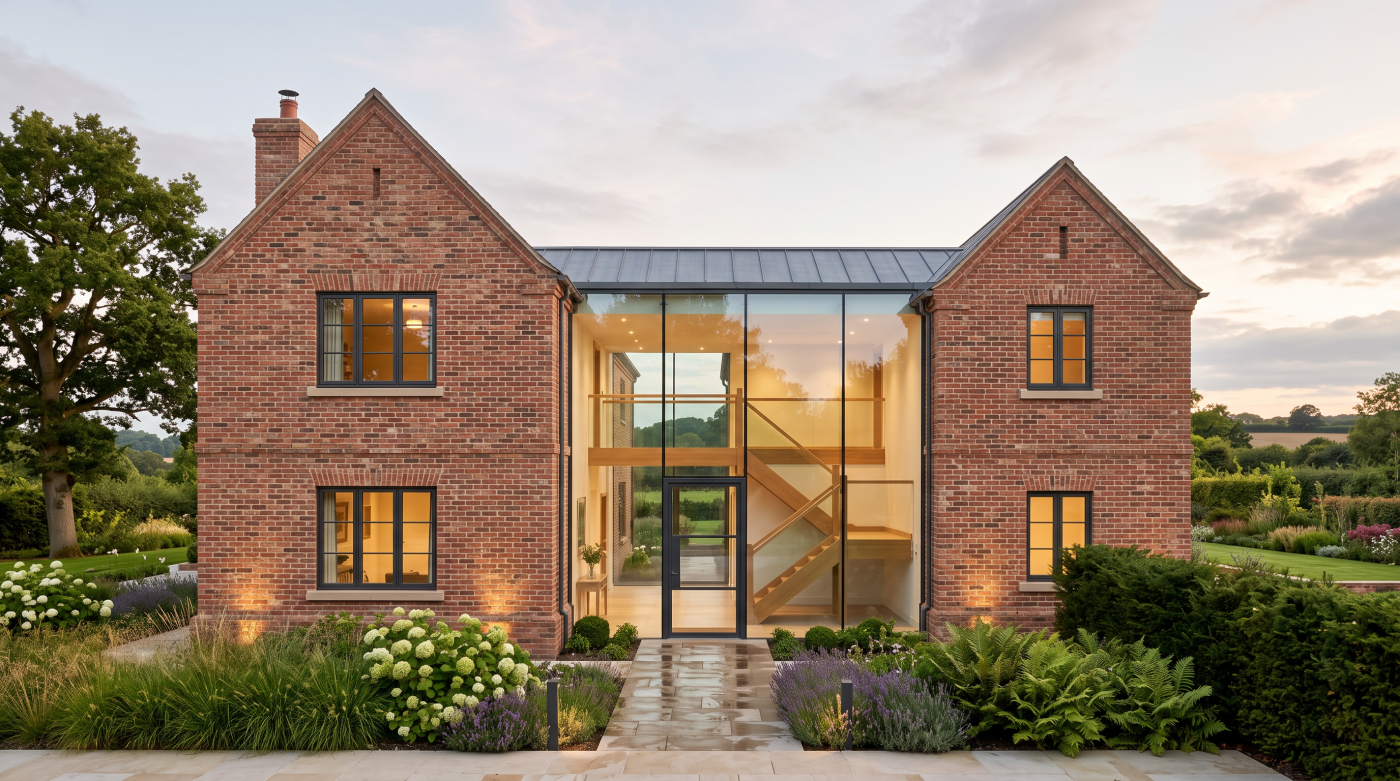
References are most useful when they resemble the proposed project. A photograph of a completed façade shows the result, but a conversation with an architect or builder who worked through the survey, installation and any difficulties can reveal how the team operates. The goal is not to find a quotation with no qualifications. It is to understand what is included, what remains uncertain and who will handle those uncertainties as the project develops.
8. Choosing the team that fits the work
The choice between a big supplier and a local installer is too broad to settle by principle. A straightforward project may be well served by an efficient, clearly scoped process. A complex renovation may benefit from frequent site involvement and sustained dialogue with its architect and builder. In either case, the strongest choice is the team whose experience, capacity and responsibilities match the work.
Start with evidence. Review completed projects of a similar type, not just attractive product images. Ask who made the difficult decisions and how they were resolved. Examine the proposed details for the actual openings, then follow the chain from final measurement to installation and future service. A confident answer is specific about people and process.
Consider the working relationship as carefully as the catalogue. Glazing decisions often arrive when structure, finishes and weatherproofing are being coordinated. A team that communicates clearly with other trades can protect the design from small compromises made under pressure. That contribution may be less visible than the frame itself, but it can be decisive.
Company size and distance from the site remain relevant. They may affect access, resources and response. They are simply incomplete measures of quality. The homeowner’s aim is a coherent result: glazing that belongs to the building, has been installed with care and comes with a clear route for attention later. Choose the organisation that can demonstrate how it will deliver that whole outcome.