
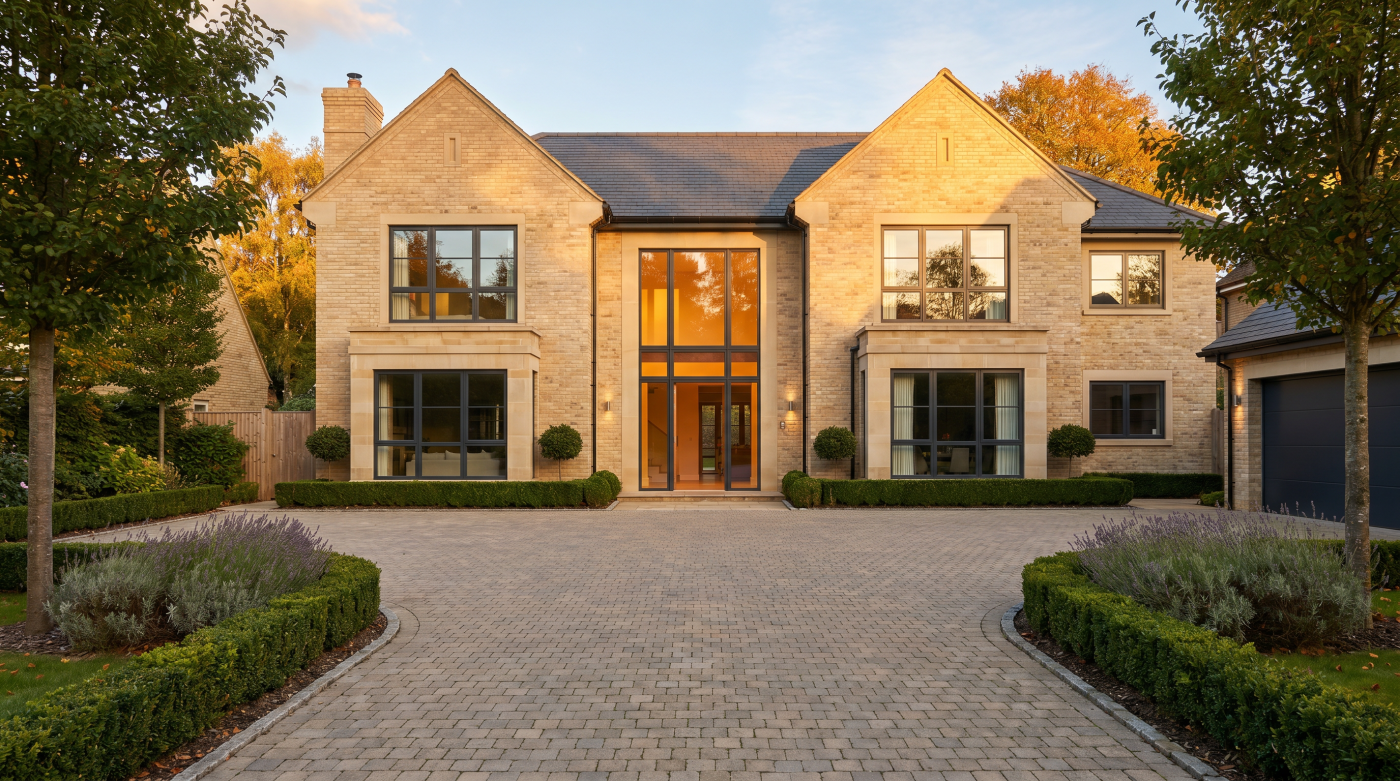
Mistake #1: Assuming All Aluminium Windows Are Essentially The Same
One of the most common mistakes homeowners make when choosing aluminium windows is assuming that aluminium itself determines quality.
At first glance, this seems understandable.
Many quotations appear remarkably similar. The windows are all described as aluminium. The frames often look broadly alike in photographs. Performance figures may appear comparable, and the visual differences can seem relatively minor.
As a result, many buyers conclude that they are comparing essentially the same product at different price points.
The reality is far more complicated.
Aluminium is simply the material from which the window is made. It does not automatically determine how well the system performs, how it looks, how long it lasts or how enjoyable it will be to live with. Those outcomes are influenced by the design, engineering and manufacturing quality of the system itself.
This is one reason architects rarely compare aluminium windows as a single category. Instead, they compare specific systems, manufacturers and applications. They understand that significant differences can exist beneath what appears to be a very similar product.
Thermal performance provides a good example. Modern aluminium windows have benefited enormously from advances in thermal break technology and insulation design. However, not every system achieves the same level of performance. Frame construction, glazing integration and engineering details can all influence how effectively a window manages heat loss and comfort.
Hardware quality is equally important. Hinges, locking mechanisms, handles and operating components are subjected to daily use for many years. Better hardware often delivers smoother operation, greater durability and fewer maintenance issues over the lifespan of the product. These differences are rarely obvious in a brochure, but they often become noticeable during ownership.
Manufacturing standards also vary considerably. Precision fabrication, quality control processes and installation support can all influence the final outcome. Two aluminium windows may appear almost identical when viewed online, yet deliver very different experiences once installed within a home.
Frame design is another factor that is frequently overlooked. Sightlines, proportions, structural capabilities and glazing options can differ significantly between systems. A window that works beautifully in a contemporary extension may not be the most appropriate choice for a heritage renovation or a design-led self-build.
This is one reason price differences often exist between aluminium window systems. Homeowners sometimes assume they are paying for branding alone. In reality, they may be paying for better engineering, more refined manufacturing, stronger support infrastructure or greater long-term durability.
Architects understand that material selection is only the beginning of the specification process. Aluminium provides a platform, but the quality of the finished product depends on how that platform has been designed and executed.
The mistake is not choosing aluminium.
The mistake is assuming that all aluminium windows offer the same outcome simply because they are made from the same material.
Aluminium describes what the window is made from.
It does not tell you how well the window has been made.
Mistake #2: Focusing On Slim Sightlines Without Considering The Whole Design
Few features have influenced aluminium window marketing more than slim sightlines.
Brochures frequently highlight frame widths measured in millimetres. Manufacturers compete to achieve ever-narrower profiles. Homeowners are often encouraged to believe that the slimmest frame automatically represents the most desirable solution.
It is easy to see why this idea has become so popular.
Slim frames can be beautiful. They maximise visible glass, strengthen views and contribute to the clean architectural aesthetic that many contemporary homeowners are seeking. In the right context, they can play an important role in creating elegant and light-filled spaces.
The problem arises when frame width becomes the primary objective.
Many homeowners become so focused on achieving the narrowest possible sightline that they stop evaluating the broader architectural outcome. The discussion shifts from the quality of the building to the dimensions of the frame.
Architects often think differently.
Rather than asking how slim a frame can be, they ask how the glazing contributes to the overall composition of the building. They consider proportions, structural requirements, sightlines, daylight and the relationship between glazing and architecture. Their goal is not to minimise aluminium at all costs. Their goal is to create a balanced and coherent design.
This distinction is important because slimmer is not always better.
Very narrow frames may introduce compromises in certain applications. Structural requirements can influence frame dimensions. Larger openings often require additional strength. Different glazing specifications may affect the design of the system. In some situations, chasing the absolute minimum sightline can create complexity without delivering a meaningful improvement to the finished project.
There is also the issue of diminishing returns.
Many homeowners are surprised by how difficult it is to distinguish between frame dimensions once they are installed within a completed building. A difference that appears significant on a technical drawing may become almost imperceptible when viewed from normal distances. Meanwhile, factors such as overall design quality, natural light, proportions and detailing often have a far greater influence on how the building is experienced.
As explored in our article on slimline frames, people rarely buy glazing because they want narrower aluminium sections.
They buy views.
They buy daylight.
They buy a stronger connection between indoor and outdoor spaces.
Slim sightlines are valuable because they help deliver those outcomes, not because they represent an objective in themselves.
This is why architects tend to evaluate glazing in context rather than in isolation. A slightly wider frame that contributes to a more balanced elevation may ultimately create a better architectural result than the slimmest system available.
The mistake is not valuing slim sightlines.
The mistake is assuming that the narrowest frame automatically produces the best design.
Successful glazing projects are judged by the quality of the overall building.
Not by the number of millimetres removed from the frame.
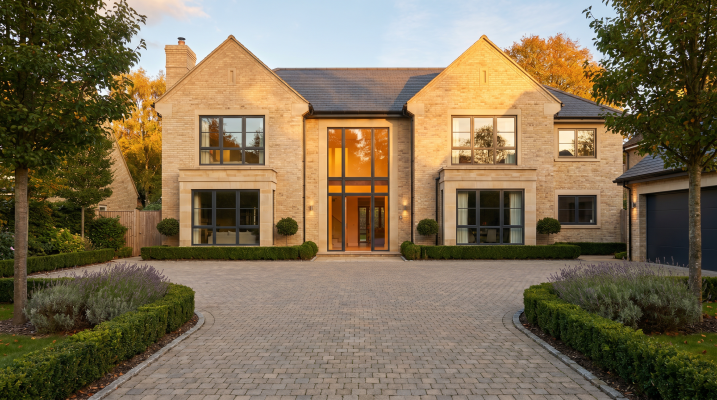
Mistake #3: Choosing Performance Numbers Without Understanding Performance
Modern homeowners have access to more performance data than ever before.
U-values, g-values, energy ratings, acoustic figures and thermal performance certificates are now common features of glazing brochures and specification documents. This information can be extremely useful, but it can also create an unintended problem.
Many buyers become focused on achieving the best numbers without fully understanding what those numbers actually mean.
The result is that performance becomes a competition rather than a design consideration.
A common example is the pursuit of the lowest possible U-value. Homeowners often assume that a lower U-value automatically represents a better window and a better outcome. As explored in our article on U-values, the reality is considerably more nuanced. U-values measure heat loss, which is important, but they do not measure comfort, solar gain, daylight quality, ventilation or how a building behaves throughout the year.
Architects understand that performance is contextual.
A specification that works exceptionally well in one project may be less suitable in another. The orientation of the building, the amount of glazing, the surrounding environment and the way the spaces are used all influence what “good performance” actually looks like.
Solar gain provides a useful example.
A homeowner may focus entirely on minimising heat loss while overlooking the benefits of useful solar energy entering the building during colder months. Equally, a highly glazed south-facing elevation may require careful consideration of overheating risk rather than simply pursuing the lowest possible U-value. Performance is rarely about maximising one variable in isolation.
Comfort is another area where numbers can become misleading.
Occupants do not experience thermal calculations.
They experience warm rooms, stable temperatures, comfortable seating areas and spaces that feel pleasant throughout the seasons. A window with slightly better published performance figures does not necessarily create a noticeably better living environment if the wider specification strategy has not been considered carefully.
This is why architects rarely begin with technical data alone. They start by asking how the building should perform and how the occupants should experience the space. Only then do they evaluate which performance characteristics are most relevant to achieving those objectives.
The glazing industry often encourages comparison through numbers because numbers are easy to communicate. They create clarity and make products appear straightforward to compare. However, the simplicity of a performance figure can sometimes conceal the complexity of real-world building performance.
Good specification is not about collecting the lowest U-values or the highest ratings.
It is about understanding what those figures mean within the context of a particular project.
The mistake is not paying attention to performance data.
The mistake is assuming that performance can be reduced to a handful of numbers.
The most successful aluminium window projects are not defined by impressive specifications on paper.
They are defined by how well the finished building actually performs once people begin living in it.
Mistake #4: Underestimating The Importance Of Installation
When homeowners research aluminium windows, most of their attention is directed towards the product itself.
They compare manufacturers, evaluate performance figures, review frame designs and consider different finish options. These are all important decisions.
However, one of the most significant influences on long-term performance often receives far less attention.
Installation.
Architects frequently understand that installation is not separate from specification. It is part of specification. A well-designed window can only perform as intended if it is installed correctly within the building envelope. Even the most advanced glazing system can be compromised by poor detailing, inadequate coordination or substandard installation practices.
This is one reason experienced professionals tend to ask detailed questions about installation methodology rather than focusing solely on the product.
Thermal performance provides a useful example.
Many homeowners assume that a window’s published performance figures automatically translate into real-world performance. In reality, factors such as air tightness, insulation continuity and thermal bridging around the perimeter of the frame can all influence the final outcome. A premium aluminium window installed poorly may deliver a less comfortable result than a good-quality system installed exceptionally well.
Airtightness is particularly important in modern homes.
Small gaps around frames may seem insignificant, yet they can affect comfort, energy efficiency and occupant satisfaction. Homeowners often describe these issues as draughts or cold spots, even when the window itself is technically performing as specified. The problem lies not with the product, but with the way it has been integrated into the building.
Site coordination is another area where difficulties can arise.
Aluminium windows interact with multiple trades and building elements. Structural openings, insulation layers, external finishes, internal reveals and weatherproofing details all need to work together. When coordination is poor, compromises often emerge later in the project. These issues can be difficult and expensive to rectify once installation is complete.
Tolerance management is equally important.
Large glazed openings, slim sightlines and contemporary architectural designs often demand a high degree of precision. Small inaccuracies during construction can affect alignment, operation and overall appearance. Successful installation requires careful planning as well as technical competence.
This is why architects frequently place significant emphasis on detailing and execution. They understand that performance is not delivered solely by the product specification. It is delivered by the combination of product, design and installation quality working together.
Homeowners sometimes assume that installation is simply the final stage of a glazing project.
In reality, it is one of the stages that has the greatest influence on long-term satisfaction.
The mistake is not choosing the wrong aluminium window.
The mistake is assuming that installation quality matters less than product quality.
In practice, both are essential.
A well-installed good window will often outperform a poorly installed premium one.
That is why installation should never be viewed as an afterthought.
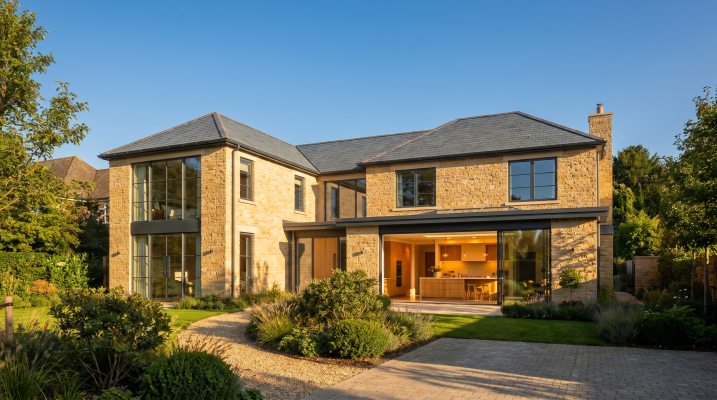
Mistake #5: Selecting Colours Without Considering Architecture
Colour is often one of the most enjoyable parts of choosing aluminium windows.
By the time homeowners reach this stage, many of the technical decisions have already been made. Attention naturally turns towards aesthetics, and colour becomes a powerful way to shape the character of a project.
The problem is that colour decisions are frequently influenced by trends rather than architecture.
Anthracite grey is perhaps the most obvious example. It has become one of the most popular choices in the UK aluminium window market and for good reason. It is versatile, contemporary and works well across a wide range of projects. However, popularity and suitability are not always the same thing.
Many homeowners see anthracite grey used successfully elsewhere and assume it will automatically be the right choice for their own property.
Architects tend to approach colour differently.
Rather than asking which colour is most fashionable, they ask how the glazing should support the overall architectural composition. The appropriate colour depends on the building itself, its materials, its setting and the design objectives of the project.
A contemporary self-build with clean lines and large glazed openings may benefit from a very different approach to a Georgian renovation or a traditional countryside property. In one project, darker frames may help emphasise the glazing and create strong visual definition. In another, softer colours may allow the windows to sit more comfortably within the architecture.
The relationship between external and internal appearance is also important.
Homeowners often focus on how the windows will look from the outside because this is where colour is most visible during the decision-making process. Yet occupants spend most of their time inside the building. The internal appearance of the frames can influence how rooms feel, how daylight is perceived and how the glazing interacts with interior finishes and furnishings.
This is one reason dual-colour configurations have become increasingly popular. Different internal and external finishes can help balance architectural requirements with interior design objectives, creating a more considered overall result.
Environmental context matters too.
A colour that appears sophisticated in a showroom may feel very different when viewed against natural stone, brickwork, render or timber cladding. Light conditions, surrounding materials and landscape setting all influence how colours are perceived once installed.
Architects understand that colour should support the architecture rather than compete with it. The objective is not to make the windows the centre of attention unless that is a deliberate design choice. More often, the goal is to create harmony between glazing, materials and the wider building composition.
The mistake is not choosing anthracite grey.
Nor is it choosing black, bronze, white or any other finish.
The mistake is selecting a colour because it is popular rather than because it is appropriate.
The most successful aluminium window projects are rarely defined by following trends.
They are defined by making choices that feel right for the building itself.
Mistake #6: Thinking Maintenance-Free Means Maintenance-Free
One of the biggest attractions of aluminium windows is their reputation for being low maintenance.
Unlike traditional timber systems, aluminium does not require regular repainting, and modern powder-coated finishes are designed to provide excellent durability for many years. For busy homeowners, this can be a significant advantage.
The problem is that low maintenance is often interpreted as no maintenance.
These are not the same thing.
Many homeowners assume that once aluminium windows are installed, they can effectively be forgotten about. In reality, even the highest-quality systems benefit from occasional care if they are to continue performing at their best over the long term.
Cleaning is the most obvious example.
Frames are exposed to dust, pollution, pollen, salt deposits and other environmental contaminants throughout the year. Regular cleaning helps preserve appearance and prevents the gradual accumulation of substances that may affect the finish over time. This is particularly important in coastal locations or areas with high levels of airborne pollution.
Hardware also benefits from periodic attention.
Hinges, handles, locks and opening mechanisms are moving components subjected to daily use. While modern hardware is designed for durability, occasional inspection and maintenance can help ensure smooth operation and identify minor issues before they become more significant problems.
Drainage systems are another often-overlooked aspect of ownership.
Modern aluminium windows are designed to manage water effectively, but drainage channels can become obstructed by debris over time. Routine checks help ensure these systems continue functioning as intended, particularly after autumn leaf fall or periods of severe weather.
Environmental conditions influence maintenance requirements as well.
A window installed within a sheltered urban setting may experience very different conditions from one exposed to coastal air, driving rain or strong sunlight. The maintenance needs of the system are often determined as much by its environment as by the product itself.
Architects understand this distinction because they view maintenance as part of lifecycle performance. A product does not cease to require attention simply because it has been designed to minimise upkeep. The objective is to reduce maintenance demands, not eliminate the need for responsible ownership altogether.
As explored in our article on maintenance-free windows, the term itself can sometimes create unrealistic expectations. Most modern glazing systems are remarkably durable and require relatively little intervention compared with previous generations. However, durability should not be confused with complete immunity from care.
The mistake is not choosing aluminium because it is low maintenance.
The mistake is assuming that low maintenance means no maintenance.
A small amount of attention given periodically can help preserve appearance, maintain performance and support the long-term reliability of the system.
That is often a worthwhile investment for windows expected to last decades.
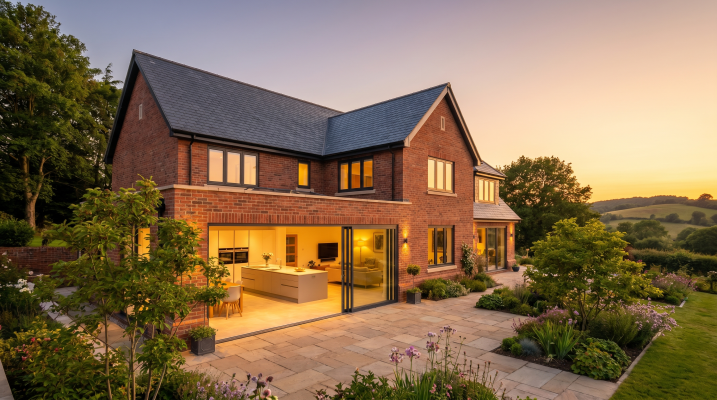
Mistake #7: Choosing Windows In Isolation From The Rest Of The Project
Many homeowners select aluminium windows as individual products.
They compare frame styles, performance figures, colours and quotations before making a decision based largely on the windows themselves.
The challenge is that windows are rarely experienced in isolation.
They are experienced as part of an entire building.
This is one of the biggest differences between how homeowners and architects often approach specification. Homeowners naturally focus on the window. Architects focus on the relationship between the window and everything around it.
A glazing system that looks excellent as a standalone product may not necessarily support the wider architectural ambitions of the project.
Sightline consistency provides a useful example.
Many contemporary homes incorporate multiple glazing elements, including windows, sliding doors, entrance doors and fixed glazing. If these systems are specified independently, subtle differences in frame design, proportions and detailing can create a fragmented appearance. Individually, each product may be attractive. Together, they may lack visual coherence.
Architects frequently evaluate glazing as a family of elements rather than a collection of separate purchases. They consider how sightlines align, how frames interact and how different products contribute to a unified architectural language.
Interior design is another important consideration.
Windows influence far more than the external appearance of a property. They affect daylight, views, furniture placement and the overall atmosphere of a room. The relationship between glazing and interior spaces is often just as important as the relationship between glazing and the façade.
This becomes particularly apparent in design-led projects, where large areas of glass are intended to strengthen the connection between inside and outside. In these situations, the success of the glazing depends not only on the product itself but on how effectively it supports the broader design objectives of the building.
Material choices also play a role.
Natural stone, timber cladding, brickwork, render and metal detailing all interact visually with aluminium frames. A specification that feels appropriate in one context may feel disconnected in another. Successful projects typically consider these relationships from the outset rather than treating windows as isolated decisions.
Architects understand that glazing is one of the most influential architectural elements within a building. Because windows occupy such a large proportion of the façade, they have a significant impact on the overall character of the project. This is why specification decisions are usually driven by the architecture first and the product second.
The mistake is not choosing aluminium windows.
The mistake is choosing them without considering how they relate to everything else.
The most successful projects do not feature great windows.
They feature great buildings.
The windows simply help make that possible.
The Better Way To Specify Aluminium Windows
The common thread running through all of these mistakes is surprisingly simple.
Most of them occur when homeowners focus on products before they focus on outcomes.
This is understandable. The glazing industry is built around products. Manufacturers promote systems, brochures highlight features and quotations compare specifications. As a result, it is easy to assume that choosing the right aluminium window is primarily about selecting the right product.
Architects tend to approach the process differently.
Rather than beginning with products, they begin with questions.
How should the building perform?
How should the spaces feel?
What role should glazing play within the architecture?
How will the windows interact with daylight, views and the surrounding environment?
What will matter most in ten years’ time?
These questions create a very different specification process.
Instead of chasing the slimmest sightlines, the lowest U-values or the most popular colours, attention shifts towards the overall objectives of the project. The windows become part of a wider strategy rather than standalone purchases.
This perspective often leads to better decisions because it encourages homeowners to evaluate trade-offs more effectively. Every glazing system involves compromises. The objective is not to eliminate compromise altogether. It is to ensure that the compromises align with the priorities of the project.
For some homeowners, architectural appearance may be the most important consideration. For others, comfort, thermal performance or long-term durability may take priority. There is no universally correct answer. The best specification is the one that supports the goals of the building and the people who will live within it.
This is why experienced professionals spend so much time understanding context before recommending solutions. They recognise that the same aluminium window may be an excellent choice for one project and a less suitable choice for another.
The difference is not the product.
The difference is the project.
Aluminium remains one of the most versatile and capable window materials available. It offers exceptional flexibility for contemporary homes, heritage renovations, extensions and self-build projects alike. However, material selection alone does not determine success.
Specification quality does.
The best aluminium windows are not necessarily the most expensive.
They are not necessarily the slimmest.
They are not necessarily the most technically impressive on paper.
They are the windows that help the building achieve its objectives.
That is ultimately what good specification is about.
Not choosing products.
Choosing outcomes.
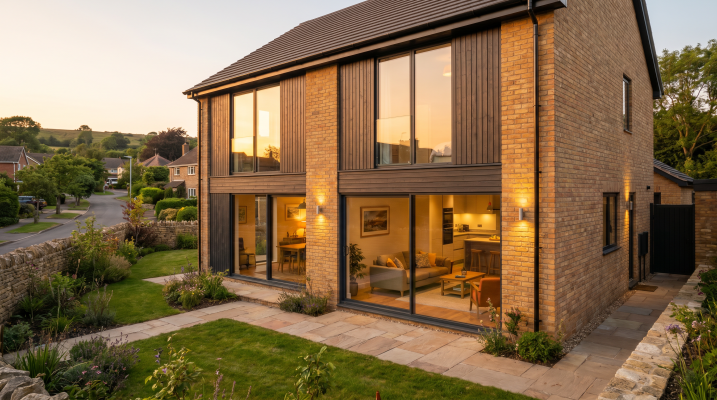
Conclusion
Aluminium windows have earned their popularity for good reason.
They offer exceptional design flexibility, strong durability, slim sightlines and excellent long-term performance. For many contemporary homes, extensions and self-build projects, they are an outstanding choice.
The important thing to understand, however, is that aluminium itself is not what determines success.
Specification does.
Many of the most common homeowner disappointments have very little to do with the material. They occur because decisions are made in isolation, performance figures are misunderstood, installation is underestimated or design choices are driven by trends rather than architectural objectives.
Architects recognise that glazing is about far more than selecting a product from a brochure.
It is about understanding how windows contribute to comfort, daylight, energy performance, aesthetics and the overall experience of the building. This broader perspective often leads to different questions and, ultimately, better outcomes.
The good news is that most aluminium window mistakes are entirely avoidable.
By focusing on the wider goals of the project rather than individual features, homeowners can make more informed decisions and avoid many of the compromises that only become apparent after installation.
Whether the priority is architectural appearance, thermal performance, long-term durability or everyday comfort, the most successful projects tend to share one characteristic.
The windows were specified as part of a complete design strategy rather than selected as standalone products.
Ultimately, the question is not:
“Should I choose aluminium windows?”
For many projects, the answer may well be yes.
The more important question is:
“How do I ensure my aluminium windows are specified correctly?”
Because the difference between a good glazing project and an exceptional one rarely comes down to the material alone.
It comes down to the quality of the decisions that surround it.