
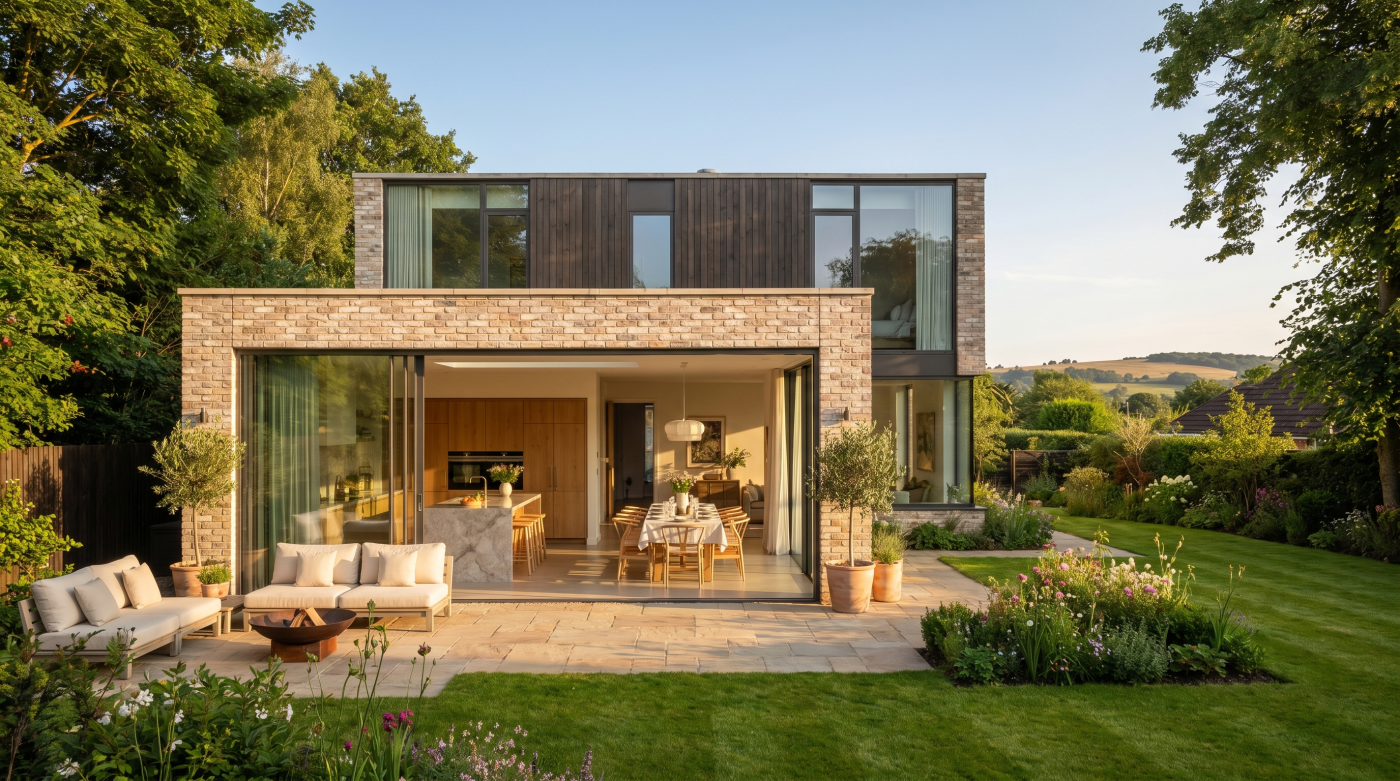
What Does “Maintenance-Free” Actually Mean?
Few phrases appear more frequently in the window industry than “maintenance-free”. Whether discussing aluminium, uPVC or composite systems, homeowners are often presented with the promise of windows that require little to no attention after installation. On the surface, this is an appealing proposition. After all, most people would prefer to spend their time enjoying their home rather than maintaining it.
The challenge is that “maintenance-free” is not a technical standard. It is a marketing phrase.
Unlike performance metrics such as U-values, weather resistance ratings or security classifications, there is no universally accepted industry definition of what maintenance-free actually means. As a result, different manufacturers may use the term in different ways, often creating expectations that do not entirely reflect the realities of long-term ownership.
In most cases, maintenance-free should be interpreted as low maintenance rather than no maintenance. The distinction is important. Modern window systems have undoubtedly reduced the level of upkeep required compared with traditional alternatives. Advances in materials, coatings and manufacturing techniques mean homeowners no longer face the regular repainting cycles that were once associated with timber windows. However, reducing maintenance is not the same as eliminating it altogether.
Part of the confusion stems from the fact that homeowners often think of maintenance purely in terms of the frame material itself. An aluminium frame, for example, may retain its appearance for decades with only occasional cleaning. Yet the frame is only one component within a much larger system. Windows also contain moving parts, weather seals, drainage channels, locks and hinges, all of which experience wear and require some level of care over time.
This distinction becomes particularly relevant when considering ownership over twenty or thirty years. A homeowner may never need to repaint an aluminium window, but they will almost certainly need to clean it, inspect it periodically and ensure that moving components continue to operate correctly. These tasks are generally straightforward, but they are still forms of maintenance.
Understanding this reality helps establish more realistic expectations from the outset. The question is not whether a window requires maintenance. Every window does. The more useful question is how much maintenance is required, how often it needs to be performed and whether those requirements are reasonable for the type of property and lifestyle being considered.
For most homeowners, modern window systems remain remarkably easy to look after. The important point is simply that maintenance-free should be viewed as a relative term rather than a literal promise. Appreciating that difference is often the first step towards making a more informed decision.
Why Every Window Contains Components That Wear Over Time
One reason the idea of a maintenance-free window can be misleading is that windows are often viewed as static building elements. Once installed, many homeowners assume they simply sit in place and perform their function indefinitely. In reality, modern windows are complex mechanical systems made up of numerous components, many of which experience continual wear throughout their lifespan.
The frame itself may remain structurally sound for decades, but it is only one part of the overall assembly.
Every time a window is opened, closed, locked or unlocked, multiple moving parts are put to work. Hinges support the weight of opening sashes, locking mechanisms engage and disengage, handles transfer force through internal gearing, and seals compress to create weather-tight junctions. Over thousands of operating cycles, even high-quality components experience gradual wear.
This is entirely normal and should not be viewed as a defect. In fact, the ability to withstand years of repeated use is one of the characteristics that separates premium window systems from lower-quality alternatives. The difference is not whether wear occurs, but how effectively the system is designed to accommodate it.
Weather seals provide a useful example. These flexible components help prevent draughts, water ingress and heat loss by creating a barrier between moving and fixed elements. Over time, however, seals are exposed to ultraviolet light, temperature fluctuations and repeated compression. Although modern materials are highly durable, they do not last forever. Periodic inspection helps ensure they continue to perform as intended.
Drainage systems are another often-overlooked feature. Most contemporary windows incorporate concealed drainage channels designed to manage any moisture that enters the outer sections of the frame. These channels rely on remaining free from debris, dirt and obstructions. When neglected, their effectiveness can be reduced, potentially affecting long-term performance.
Larger glazed elements such as sliding doors place even greater demands on mechanical components. Rollers, tracks and operating mechanisms may support hundreds of kilograms of glass while still providing smooth and effortless movement. Achieving this level of performance requires engineering precision, but it also benefits from occasional cleaning and maintenance throughout the life of the product.
Understanding windows as mechanical systems rather than simple frames helps explain why maintenance remains important regardless of material choice. Aluminium, timber, uPVC and composite windows all contain components that age, move and experience wear over time.
The good news is that most maintenance requirements are modest. A small amount of periodic attention can help preserve performance, extend component lifespan and ensure windows continue operating smoothly for many years. The key is recognising that durability and maintenance-free operation are not quite the same thing.
Even the most robust window systems benefit from occasional care, because every moving part has a lifespan of its own.
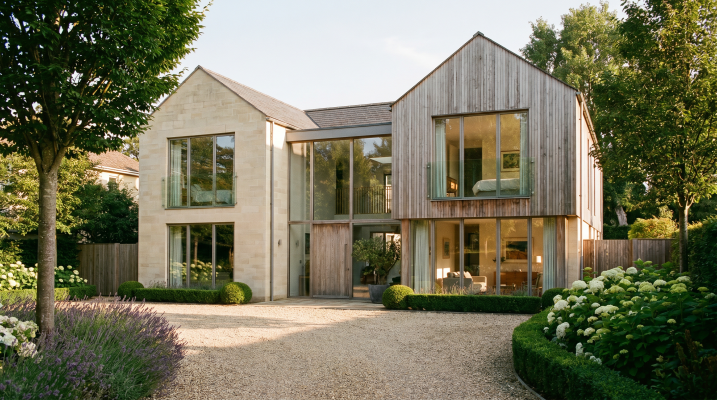
Aluminium, uPVC and Timber: Which Requires The Least Maintenance?
When homeowners begin comparing window materials, one of the most common questions is which option requires the least maintenance. The answer is often presented as though there is a clear winner, but the reality is more nuanced. Different materials require different types of maintenance, and the most suitable choice depends as much on the property and the homeowner’s priorities as it does on the material itself.
Aluminium is frequently regarded as one of the lowest-maintenance options available. Modern powder-coated finishes are exceptionally durable and can retain their appearance for decades without the need for repainting. Routine cleaning is usually sufficient to keep frames looking their best, while periodic checks of hardware and drainage channels help ensure long-term performance. For homeowners seeking a contemporary aesthetic with minimal ongoing upkeep, aluminium offers an attractive combination of durability and practicality.
uPVC is often positioned similarly. It does not require painting and is generally easy to clean. However, like aluminium, it still contains moving parts, seals and drainage systems that benefit from periodic maintenance. While the material itself requires relatively little attention, neglecting hardware or allowing debris to accumulate can still affect performance over time.
Timber windows tend to attract the greatest attention when maintenance is discussed. Traditional timber systems have long been associated with repainting cycles and ongoing upkeep, leading some homeowners to dismiss them immediately. Yet modern engineered timber windows are considerably more advanced than many people realise. High-quality factory-applied finishes can provide impressive durability, and with appropriate care, timber remains one of the longest-lasting window materials available. The maintenance requirements are generally higher than aluminium or uPVC, but they are often less demanding than outdated perceptions suggest.
Composite systems occupy an interesting middle ground. By combining timber internally with aluminium externally, they seek to deliver the aesthetic warmth of natural wood alongside the weather resistance and reduced maintenance requirements of aluminium. While these systems still require routine care and inspection, they can offer a compelling balance for homeowners who value both appearance and practicality.
What often gets overlooked in these comparisons is that maintenance is not simply about workload. It is also about ownership priorities. Some homeowners are happy to undertake occasional repainting in exchange for the character and authenticity of timber. Others prioritise minimal intervention and prefer the convenience offered by aluminium or composite systems.
This is why experienced architects and glazing specialists rarely recommend a material based solely on maintenance considerations. Instead, they evaluate maintenance alongside aesthetics, performance, planning requirements, longevity and budget. A material that is technically lower maintenance may not necessarily be the most appropriate choice for a particular project.
Ultimately, there is no truly maintenance-free material. Aluminium, uPVC, timber and composite systems all require some level of care over their lifespan. The difference lies in the type of maintenance required, how frequently it is needed and whether it aligns with the expectations of the homeowner.
The most successful specifications are rarely those that eliminate maintenance entirely. They are those that balance maintenance requirements with the broader goals of the project and the long-term enjoyment of the home.
The Maintenance Tasks Most Homeowners Never Perform
One of the more surprising realities of window ownership is that most maintenance requirements are neither complicated nor time-consuming. Yet many homeowners perform little or no maintenance at all after installation. This is understandable to a degree. Modern windows are designed to be durable and reliable, often operating for years without obvious issues. The problem is that small maintenance tasks are often most valuable before problems become visible.
As a result, many of the issues attributed to product quality are actually linked to neglected maintenance.
One of the most commonly overlooked areas is drainage. Most modern window systems are designed with drainage channels that allow moisture to escape safely from the frame. These channels are an important part of the window’s weather management strategy, particularly during periods of heavy rainfall. Over time, however, dirt, leaves, insects and other debris can accumulate within these openings. If left unchecked, drainage performance may be reduced, increasing the likelihood of water-related issues.
Hardware maintenance is frequently neglected as well. Hinges, locks and handles are subjected to continual use, yet many homeowners never inspect or lubricate these components. While premium hardware is engineered for longevity, occasional lubrication can help maintain smooth operation and reduce unnecessary wear. This is particularly beneficial for larger opening windows and sliding doors where component loads are greater.
Weather seals are another component that often escapes attention. These seals play a critical role in preventing draughts, water ingress and unwanted heat loss. A quick visual inspection every year can help identify damage, deterioration or displacement before performance is affected. In many cases, minor issues can be addressed easily if detected early.
Sliding door tracks provide a particularly relevant example. Large glazed doors often rely on precision-engineered running systems to support substantial glass weights. Dust, grit and debris accumulating within tracks can gradually affect operation, increasing resistance and placing additional strain on rollers and hardware. Routine cleaning helps preserve the smooth operation homeowners expect from these systems.
The encouraging aspect of all this is that effective maintenance rarely requires specialist knowledge. In most cases, an annual inspection combined with basic cleaning and occasional lubrication is sufficient to keep windows performing well. The total time investment is often measured in minutes rather than hours.
What makes these simple tasks important is their cumulative impact over the lifespan of the product. Small interventions performed regularly can help preserve appearance, improve reliability and reduce the likelihood of more costly repairs later. Conversely, years of neglect can gradually accelerate wear on components that might otherwise have delivered many more years of trouble-free service.
For homeowners, the lesson is straightforward. Modern windows may be low maintenance, but they are not maintenance-proof. A modest amount of preventative care can go a long way towards protecting both performance and long-term value.
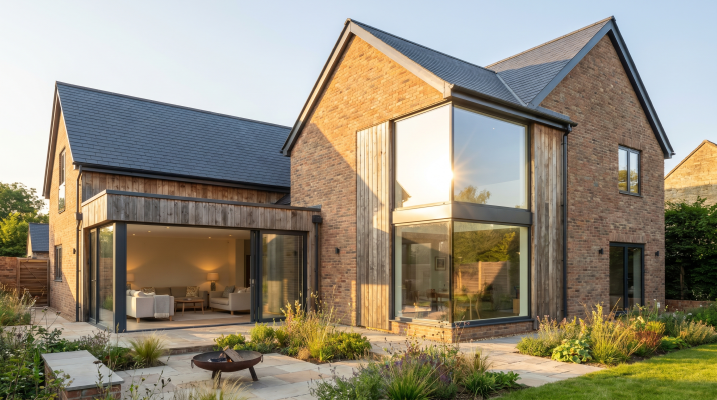
Why Coastal, Rural and Urban Homes Have Different Maintenance Requirements
When discussing window maintenance, much of the conversation focuses on materials. Aluminium, timber, uPVC and composite systems are often compared in terms of durability and upkeep. What receives far less attention is the role that location plays in determining maintenance requirements.
In practice, the environment surrounding a property can have just as much influence on maintenance needs as the window material itself.
Coastal properties provide perhaps the clearest example. Homes located near the sea are exposed to salt-laden air, which can settle on frames, glazing and hardware. Over time, these deposits can accumulate and, if not removed periodically, may affect the appearance and performance of external components. Modern aluminium and composite systems perform extremely well in coastal environments, but manufacturers typically recommend more frequent cleaning schedules to preserve finishes and maintain long-term durability.
Rural properties present a different set of challenges. Agricultural activity can generate significant amounts of airborne dust, pollen and organic debris. Homes surrounded by trees may experience a build-up of leaves, moss and other natural materials around drainage channels and opening mechanisms. While these conditions rarely pose serious problems, they can increase the importance of routine cleaning and inspection.
Urban environments create their own maintenance considerations. Traffic emissions, airborne pollutants and construction dust can gradually accumulate on external surfaces, affecting both appearance and, in some cases, moving components. Large glazed areas may require more frequent cleaning simply to maintain their visual clarity and architectural impact.
Exposure levels within the same region can also vary dramatically. A sheltered property in a town centre may experience very different conditions to a contemporary home positioned on an exposed hillside. Wind-driven rain, temperature fluctuations and prolonged exposure to the elements can all influence how materials and components age over time.
This is one reason why experienced glazing professionals often ask detailed questions about a property’s location before making recommendations. A system that performs exceptionally well in one setting may benefit from a different maintenance regime when installed elsewhere. The objective is not simply to select the right product, but to ensure expectations are aligned with the realities of the environment.
For homeowners, this highlights an important principle: maintenance schedules should not be viewed as fixed rules. They are best regarded as guidelines that can be adjusted according to local conditions. A property exposed to coastal weather may benefit from more frequent cleaning than an identical property located further inland. Equally, a rural home surrounded by mature trees may require more regular drainage inspections than an urban apartment.
The encouraging news is that these additional requirements are usually modest. Understanding the environmental demands of a location simply allows homeowners to take a more proactive approach to protecting their investment.
Ultimately, the question is not whether a window is installed in a coastal, rural or urban setting. The question is whether its maintenance strategy reflects the environment in which it is expected to perform for decades to come.
The Hidden Cost Of Ignoring Window Maintenance
One of the reasons maintenance is often overlooked is that the consequences are rarely immediate. Unlike a leaking roof or a failed boiler, neglected windows do not usually demand urgent attention. Problems tend to develop gradually, often going unnoticed until performance begins to deteriorate or repairs become necessary.
This slow progression can create the impression that maintenance is optional when, in reality, it is simply preventative.
A common example is hardware wear. Hinges, locks and operating mechanisms are designed to withstand thousands of opening and closing cycles, but they perform best when kept clean and properly adjusted. Dirt accumulation, lack of lubrication and general neglect can increase friction within moving components, placing unnecessary strain on the system. Over time, what begins as a slightly stiff handle or a minor alignment issue can develop into a more significant repair.
Weather seals present another often-overlooked risk. These components play a crucial role in maintaining airtightness and weather resistance. If seals become damaged, displaced or deteriorate over time, the effects may initially be subtle. Homeowners may notice slight draughts, reduced comfort or minor increases in heat loss long before any obvious defect becomes visible. Left unresolved, these small issues can gradually undermine the overall performance of the window.
Water management systems deserve similar attention. Modern windows are engineered to control and direct moisture safely away from vulnerable areas of the building. When drainage channels become obstructed, water may not behave as intended during periods of heavy rainfall. While serious problems remain uncommon in quality systems, preventative maintenance significantly reduces the likelihood of complications developing over time.
There is also a financial dimension that is frequently underestimated. Replacing a worn gasket, adjusting a hinge or cleaning a drainage path is generally inexpensive. Replacing failed hardware, addressing water ingress or resolving damage caused by years of neglect is often considerably more costly. In many cases, the repair itself is not the primary expense. The disruption, labour and associated remedial work can quickly exceed the cost of routine maintenance many times over.
Warranty considerations may also come into play. Many manufacturers provide comprehensive warranties on their products, but these typically assume that reasonable care and maintenance have been carried out. While routine maintenance requirements are rarely onerous, completely neglecting them may affect warranty support in certain circumstances.
Perhaps the greatest hidden cost, however, is reduced enjoyment of the home itself. Windows that are difficult to operate, draughty in winter or visibly deteriorating can subtly diminish the experience of living within a property. These issues may not always appear dramatic, but they can affect comfort and satisfaction on a daily basis.
The good news is that most of these risks are entirely preventable. A modest amount of routine maintenance can help preserve appearance, performance and reliability for many years. The objective is not to create additional work for homeowners. It is to protect an investment that is expected to perform for decades.
In that context, maintenance should not be viewed as a burden. It should be viewed as one of the simplest and most cost-effective ways to safeguard long-term value.
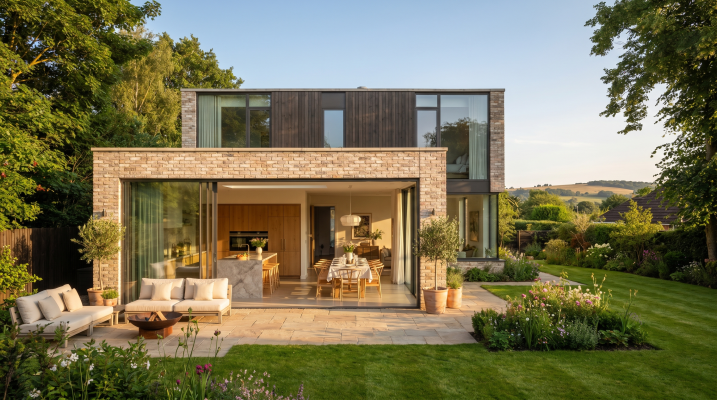
What A Realistic 25-Year Maintenance Plan Looks Like
One of the reasons homeowners are attracted to the idea of maintenance-free windows is uncertainty. Few people know what ownership actually looks like over ten, twenty or twenty-five years, making it difficult to judge whether a particular system will remain practical and cost-effective in the long term.
The reality is reassuringly straightforward.
For most modern window systems, maintenance is less about major interventions and more about periodic care. Rather than facing large-scale refurbishment projects, homeowners are typically undertaking small tasks at sensible intervals to preserve appearance, performance and reliability.
The most consistent requirement is cleaning. Frames, glazing and visible hardware benefit from regular cleaning to remove dirt, pollutants and environmental deposits. The exact frequency will vary according to location, but for most properties this is simply part of normal household upkeep rather than a specialised maintenance activity.
On an annual basis, it is sensible to carry out a brief inspection of the windows and doors throughout the property. This does not require technical expertise. Checking that hinges, handles and locking mechanisms operate smoothly, ensuring drainage channels remain clear and visually inspecting seals for signs of damage can help identify minor issues before they become more significant.
Every few years, moving components may benefit from lubrication and adjustment. This is particularly relevant for larger opening windows and sliding doors where hardware is subjected to greater loads. In many cases, these checks can be completed quickly during routine property maintenance and may help extend the lifespan of mechanical components.
Over a twenty-five-year ownership period, it is also realistic to expect that certain consumable components may eventually require replacement. Weather seals, handles, hinges and locking mechanisms are all subject to wear over time. Importantly, this should not be viewed as a failure of the window system. These parts are designed to be serviceable and replaceable, allowing the overall installation to continue performing effectively for many years beyond the lifespan of individual components.
The frame itself typically follows a very different timeline. High-quality aluminium, timber and composite systems are designed with long service lives in mind. When properly maintained, it is not unusual for premium window systems to remain in service for several decades. The focus therefore shifts from preserving the frame to maintaining the components that support its day-to-day operation.
This longer-term perspective is often missing from discussions about maintenance-free products. Homeowners are sometimes led to believe that maintenance should be measured by what happens in the first few years after installation. In reality, the true value of a window system becomes apparent over decades rather than months.
Viewed in this context, a realistic maintenance plan is neither burdensome nor particularly expensive. It is simply part of responsible home ownership, much like servicing a boiler, maintaining a roof or caring for external finishes.
The objective is not to eliminate maintenance entirely. The objective is to ensure that relatively small amounts of care today help preserve performance, comfort and value for many years to come.
Conclusion
The truth is that maintenance-free windows do not exist.
While the phrase has become firmly established within the glazing industry, it often creates expectations that no window system can realistically fulfil. Aluminium, uPVC, timber and composite windows have all benefited from significant advances in design, manufacturing and durability, dramatically reducing maintenance requirements compared with previous generations. Yet none of them are entirely free from the need for care and attention.
The distinction may seem minor, but it matters.
Homeowners who understand the difference between low maintenance and no maintenance are generally better equipped to make informed decisions. They are less likely to be disappointed by normal ownership responsibilities and more likely to protect the long-term value of their investment. A few simple maintenance tasks carried out periodically can often make the difference between decades of reliable performance and avoidable repairs later in a product’s lifespan.
Perhaps more importantly, maintenance should never be viewed in isolation. The best window system is not necessarily the one requiring the least attention. It is the one that delivers the right balance of aesthetics, performance, durability, comfort and practical ownership for a particular property and lifestyle.
A listed country home, a contemporary self-build and an urban renovation may all have very different priorities. What constitutes the ideal solution for one project may be entirely different for another. This is why experienced architects and glazing professionals tend to focus on suitability rather than marketing claims when evaluating specifications.
For homeowners, the most useful question is therefore not:
“Which windows are maintenance-free?”
A better question is:
“Which window system offers the best combination of long-term performance and manageable maintenance for my home?”
The answer will vary from project to project, but understanding the realities of ownership is often the first step towards making a better decision.
After all, the goal is not to eliminate maintenance entirely. The goal is to create a home that continues to perform beautifully for decades to come.