
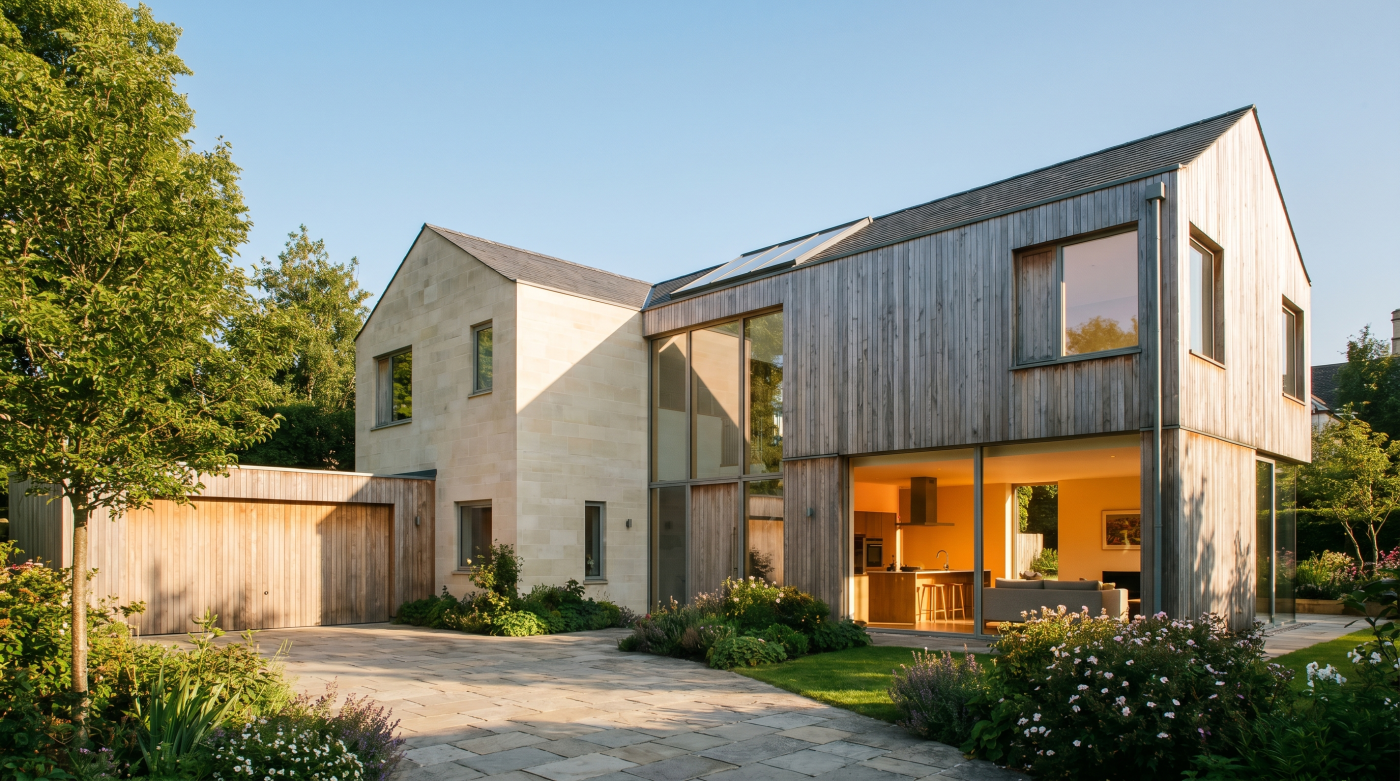
They Are Not Simply “Timber Windows With Aluminium Added”
One of the most common misconceptions about alu-clad windows is that they are simply timber windows with an aluminium cover attached to the outside. While this description is not entirely wrong, it significantly understates the level of engineering involved in a modern alu-clad system.
In reality, high-quality alu-clad windows are purpose-designed products that combine two very different materials, each selected for a specific role.
The timber element typically forms the internal structure of the window. It provides strength, contributes to thermal performance and creates the natural internal finish that many homeowners and architects find appealing. The aluminium exterior, meanwhile, acts as a protective outer shell, shielding the timber from the weather and reducing the maintenance requirements traditionally associated with exposed timber frames.
The objective is not simply to combine two materials. The objective is to utilise the strengths of each while minimising their respective weaknesses.
This sounds straightforward in principle, but achieving it successfully requires careful engineering. Timber and aluminium behave differently. They expand and contract at different rates in response to temperature and moisture changes. They also have different structural characteristics and long-term performance requirements. Bringing these materials together in a way that remains stable, weather-resistant and durable over decades requires sophisticated design and manufacturing.
This is one reason why not all alu-clad windows are equal.
The quality of the connection between the timber and aluminium elements, the detailing of ventilation pathways, the design of drainage systems and the overall manufacturing precision can all influence long-term performance. Two products may look similar from a distance yet differ significantly in terms of durability, thermal efficiency and ownership experience.
The engineering challenge is compounded by the fact that modern homeowners expect more from their windows than ever before. Today’s systems are required to deliver excellent thermal performance, high levels of airtightness, robust weather resistance and long-term reliability, all while maintaining attractive aesthetics both inside and outside the home.
Architects are often drawn to alu-clad systems because they address multiple design objectives simultaneously. Internally, they provide the warmth and character of natural timber. Externally, they offer the durability and low-maintenance qualities associated with aluminium. The combination can be particularly appealing in projects where both architectural quality and long-term practicality are important considerations.
For homeowners, understanding this distinction is valuable because it shifts the conversation away from materials alone and towards system quality. The success of an alu-clad window depends not simply on the presence of timber and aluminium, but on how effectively those materials have been integrated into a complete and carefully engineered system.
The best alu-clad windows are not timber windows with aluminium added as an afterthought. They are purpose-designed hybrid systems developed to deliver a specific balance of performance, durability and aesthetic appeal.
That difference may not always be visible at first glance, but it often becomes apparent over decades of ownership.
The Initial Cost Can Be Higher Than Expected
One of the first surprises many homeowners encounter when researching alu-clad windows is the price.
After hearing that alu-clad systems combine the benefits of timber and aluminium, it is natural to assume they sit somewhere between the two in terms of cost. In reality, alu-clad windows are often positioned towards the premium end of the residential glazing market, with prices that can exceed both standard aluminium and timber alternatives depending on the specification.
At first glance, this can make them appear difficult to justify.
The reason for the premium is not simply the use of two materials instead of one. It is the complexity involved in bringing those materials together within a highly engineered window system. Alu-clad windows require sophisticated manufacturing processes, precise assembly techniques and careful quality control. The internal timber structure and external aluminium shell must work together seamlessly while delivering excellent thermal performance, weather resistance and long-term durability.
This level of engineering inevitably influences cost.
The perception of value can also be affected by how homeowners compare products. It is common to compare quotations based purely on initial purchase price, yet windows are long-term building components expected to perform for decades. When viewed through that lens, the conversation often becomes less about upfront cost and more about lifecycle value.
For example, a homeowner considering a premium renovation or self-build project may place significant value on the combination of natural timber interiors and low-maintenance external finishes. The ability to enjoy the warmth and character of timber without exposing it directly to the elements can be particularly attractive over the lifespan of the property.
This is one reason architects often evaluate alu-clad systems differently from homeowners. Rather than focusing solely on the initial investment, they consider how the product is likely to perform over twenty, thirty or even forty years. Durability, maintenance requirements, appearance and long-term ownership experience all contribute to the overall value proposition.
That does not mean alu-clad is always the right financial decision. For some projects, a high-quality aluminium system may deliver everything required at a lower cost. In others, premium timber windows may better align with the architectural goals of the property. The correct choice depends on the specific objectives of the project rather than any universal hierarchy of products.
What homeowners should avoid is evaluating alu-clad windows purely on price alone. Doing so risks overlooking many of the characteristics that justify their position within the market.
The most useful question is not whether alu-clad windows cost more.
The more important question is whether the additional investment delivers benefits that are genuinely valuable for the building, the homeowner and the way the property will be used over the coming decades.
In many projects, that answer may well be yes. But it is a decision that should be made with a clear understanding of both the costs and the long-term benefits involved.
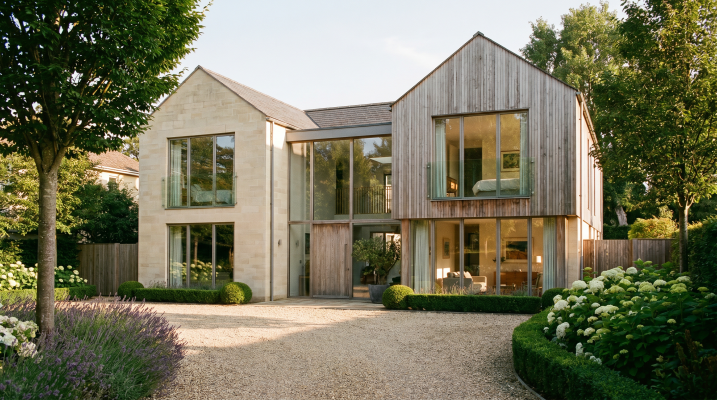
The Maintenance Story Is More Nuanced Than Advertised
One of the most compelling arguments in favour of alu-clad windows is their reputation for low maintenance. Manufacturers often highlight the aluminium exterior as a solution to many of the maintenance concerns traditionally associated with timber windows, creating the impression that homeowners can enjoy the appearance of timber without the ongoing responsibilities that sometimes accompany it.
There is certainly truth in that claim.
The external aluminium cladding provides an effective protective barrier against rain, wind, ultraviolet exposure and fluctuating weather conditions. Unlike exposed timber, it does not require regular repainting and is designed to retain its appearance for many years with relatively modest upkeep. This is one of the primary reasons alu-clad systems have become increasingly popular in self-build, renovation and architect-designed projects.
However, low maintenance should not be confused with maintenance-free.
As with any modern window system, alu-clad products contain moving components that require occasional attention. Hinges, handles, locks, weather seals and drainage channels all contribute to performance and reliability over time. These elements experience wear regardless of whether the frame is manufactured from timber, aluminium, uPVC or a combination of materials.
The timber interior also deserves consideration. While it is protected from direct exposure to the elements, it remains a natural material located within the living environment of the home. Depending on the chosen finish, some homeowners may wish to periodically refresh internal surfaces over the lifespan of the product to maintain their appearance. This is typically a matter of aesthetics rather than performance, but it remains part of the ownership experience.
What is often overlooked is that maintenance is not solely about preserving the frame. The long-term performance of any window depends on the continued effectiveness of all its components working together. Cleaning drainage channels, inspecting seals and ensuring hardware operates correctly can help maintain performance and extend the lifespan of the system.
Location can also influence maintenance expectations. A coastal property exposed to salt-laden air may require more frequent cleaning than a sheltered inland home. Similarly, properties surrounded by trees or located in rural environments may benefit from periodic inspections to prevent debris from affecting drainage systems or moving parts.
The encouraging reality is that maintenance requirements for high-quality alu-clad windows are generally modest. Most homeowners will find them significantly less demanding than traditional exposed timber systems. The important point is simply that no window is entirely free from the need for care and attention over decades of ownership.
This is particularly relevant when considering the long-term value proposition of alu-clad systems. Their appeal lies not in eliminating maintenance altogether, but in reducing maintenance while preserving many of the qualities that make timber attractive in the first place.
For homeowners, this distinction helps establish realistic expectations. Alu-clad windows can dramatically reduce the maintenance burden associated with traditional timber windows, but they remain sophisticated building components rather than maintenance-proof products.
The best way to think about alu-clad maintenance is not as the absence of responsibility, but as a carefully managed balance between aesthetics, durability and long-term practicality.
The Internal Timber Changes The Feel Of A Home
When homeowners compare window systems, much of the discussion tends to focus on measurable factors. U-values, maintenance requirements, durability and cost often dominate the decision-making process. While these considerations are undoubtedly important, they do not always capture one of the most significant differences between alu-clad windows and other alternatives.
How a material feels is often just as important as how it performs.
This is particularly true when considering the interior face of a window. After all, homeowners spend almost all of their time experiencing the inside of their home rather than the outside. Yet many product comparisons focus heavily on external appearance and technical specifications while overlooking the day-to-day experience of living alongside a particular material.
Timber introduces qualities that are difficult to quantify but immediately recognisable. Natural grain patterns, subtle variations in texture and the warmth of organic materials contribute to an environment that many people find more inviting and comfortable. These characteristics are not easily measured on a specification sheet, yet they often have a profound influence on how a space is perceived.
Architects have long understood this relationship.
While performance remains essential, many architects view materials as part of the overall sensory experience of a building. The interaction between natural light and timber surfaces, the visual softness that timber introduces and the connection to natural materials can all contribute to the atmosphere of a room. These effects may be subtle, but they often become more noticeable over years of occupation than many purely technical features.
This is one reason alu-clad systems have gained popularity within architect-designed homes. They allow homeowners to enjoy the practical advantages of a durable aluminium exterior while retaining the warmth and character of timber where it matters most: inside the living environment.
The contrast becomes particularly apparent when comparing interiors directly. Aluminium interiors can appear clean, contemporary and architectural, which may be exactly the right choice for certain projects. Timber interiors, however, often create a different emotional response. They tend to feel softer, warmer and more connected to traditional notions of craftsmanship and permanence.
Neither approach is inherently superior.
Some homeowners are drawn to the minimalist precision of aluminium. Others prefer the tactile qualities and visual richness of natural timber. The important point is that these differences extend beyond aesthetics alone. They influence how spaces feel on a daily basis, often in ways that are difficult to articulate until they are experienced firsthand.
This consideration becomes especially relevant in homes where large areas of glazing play a central role in the architectural design. Expansive windows and doors naturally become prominent interior features. The material chosen for those elements therefore has a significant impact on the overall character of the space.
For homeowners evaluating alu-clad systems, this is often one of the least discussed yet most valuable benefits. The decision is not simply about durability or maintenance. It is also about creating an interior environment that feels comfortable, welcoming and aligned with the broader vision for the home.
The difference may not be reflected in performance figures or marketing brochures, but it is something many homeowners notice every day once they begin living with the product.
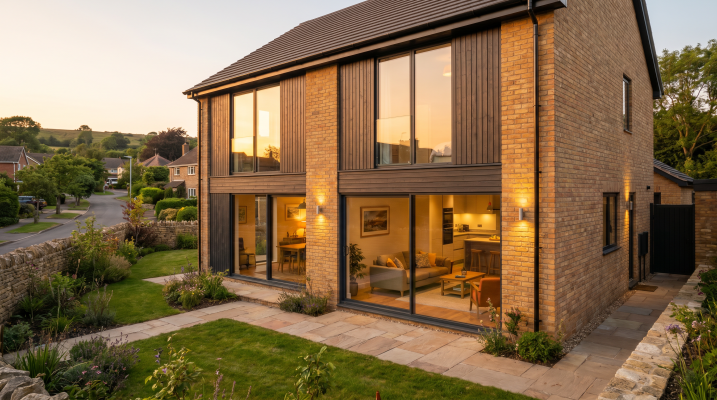
They Can Be An Outstanding Choice For Heritage Renovations
When alu-clad windows are discussed, they are often associated with contemporary architecture and high-performance self-build homes. While they certainly perform well in these settings, one of their most overlooked applications is within heritage renovations and character properties.
In the right project, alu-clad windows can offer a balance that is difficult for other materials to achieve.
Owners of period homes frequently find themselves caught between competing priorities. On one hand, there is a desire to preserve the character and architectural integrity of the property. On the other, there is a growing expectation for improved comfort, energy efficiency and reduced maintenance. Finding a solution that satisfies both objectives can be challenging.
Traditional timber windows remain the most appropriate choice for many listed buildings and highly sensitive heritage projects. Their authenticity, detailing and historical accuracy are often essential to securing planning approval and preserving the character of the building. However, not every period property faces the same constraints.
Many heritage-inspired homes, substantial renovations and properties located within less restrictive conservation contexts allow greater flexibility. In these situations, alu-clad systems can provide an attractive middle ground.
Internally, the presence of timber helps maintain a sense of warmth, craftsmanship and authenticity that often complements traditional architecture. The visual qualities of natural timber tend to sit comfortably alongside period detailing, exposed stonework, traditional joinery and other heritage features. For homeowners who value character, this can be a significant advantage over systems that present aluminium internally.
Externally, the aluminium cladding provides a level of weather protection that can be particularly appealing for larger properties or homes in exposed locations. By shielding the timber structure from direct exposure to the elements, the cladding reduces many of the maintenance concerns that homeowners traditionally associate with timber windows.
Architects working on heritage projects often appreciate this balance. Rather than forcing a choice between authenticity and practicality, alu-clad systems can sometimes support both objectives simultaneously. The result is a window that respects the character of the building while aligning with contemporary expectations for durability and performance.
This is especially relevant in long-term renovation projects where homeowners intend to remain in the property for many years. The combination of natural interior materials, strong thermal performance and reduced maintenance can make alu-clad an appealing investment when viewed over the lifespan of the home.
That said, alu-clad should not be seen as a universal solution for heritage properties. Planning requirements, conservation considerations and architectural context remain critical. Some listed buildings will require traditional timber solutions, while others may benefit from alternative approaches entirely.
The important point is that alu-clad windows deserve a place in the heritage conversation more often than they receive. They are frequently viewed as a modern product, yet their ability to combine traditional interior character with contemporary durability makes them surprisingly well suited to many renovation projects.
For homeowners seeking to balance heritage aesthetics with modern living expectations, that combination can be difficult to ignore.
Performance Depends On Much More Than The Frame Material
One of the most common mistakes homeowners make when evaluating alu-clad windows is assuming that the combination of timber and aluminium automatically guarantees superior performance.
It is an understandable assumption. Alu-clad systems are often positioned as premium products, and their technical specifications can be impressive. However, focusing solely on the frame material can sometimes distract from a more important reality.
A window’s performance is determined by the entire system, not just the materials used to construct the frame.
This becomes particularly apparent when discussing thermal efficiency. Homeowners are often attracted to alu-clad windows because timber is a natural insulator and aluminium provides external durability. While both characteristics are valuable, thermal performance is influenced by many other factors including glazing specification, spacer technology, sealing systems and overall frame design.
A well-designed alu-clad window can deliver exceptional thermal performance. Equally, a poorly specified alu-clad system may fail to meet expectations despite the quality of the materials involved.
The same principle applies to comfort. Many homeowners assume comfort is simply a reflection of insulation levels, yet factors such as airtightness, solar gain, glazing orientation and installation quality often have an equally significant influence on how a room feels throughout the year. A premium frame material cannot compensate for weaknesses elsewhere in the specification.
Installation is particularly important.
Even the most sophisticated alu-clad window relies on effective integration with the building envelope. Poor detailing around the frame, inadequate insulation continuity or weaknesses in airtightness strategies can undermine the performance of an otherwise excellent product. This is one reason architects and building performance consultants often place as much emphasis on installation methodology as they do on product selection.
Weather resistance follows a similar pattern. The ability of a window to manage wind, rain and changing environmental conditions depends on engineering quality, manufacturing precision and installation standards as much as it does on material choice. Premium materials contribute to durability, but they are only one part of the equation.
What many architects appreciate about alu-clad systems is not simply the materials themselves, but the fact that they are often developed as highly engineered, premium products. As a result, they frequently incorporate advanced glazing options, sophisticated sealing technologies and rigorous performance testing. These features contribute significantly to the overall ownership experience.
For homeowners, this highlights an important distinction.
The value of alu-clad windows does not come solely from combining timber and aluminium. It comes from how those materials are integrated within a complete system designed to deliver comfort, durability and long-term performance.
This is why comparing windows purely on material can be misleading. Two alu-clad systems may look broadly similar while performing very differently in practice. Likewise, an exceptional aluminium or timber window may outperform a mediocre alu-clad alternative despite using fewer materials.
The most successful glazing specifications are therefore not material-led. They are outcome-led.
When evaluating alu-clad windows, the most useful question is not whether the frame combines timber and aluminium. It is whether the entire system has been designed, specified and installed to achieve the performance the project requires.
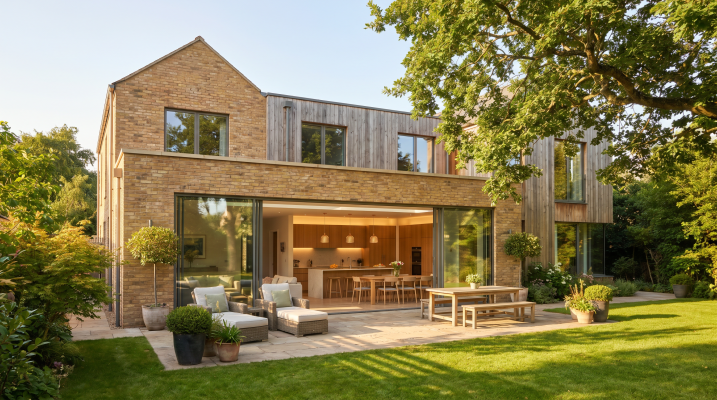
Why Architects Often Choose Alu-Clad For Long-Term Projects
One of the most revealing aspects of alu-clad windows is the frequency with which they appear in architect-designed homes. While they are rarely the default solution for every project, they are often specified in homes where the design team is making decisions with a long-term perspective.
This is not a coincidence.
Architects typically evaluate building components differently from many homeowners. While initial cost remains important, it is rarely considered in isolation. Instead, architects tend to assess products according to how they will perform over the lifespan of the building, often measuring value in decades rather than years.
Alu-clad windows align particularly well with this way of thinking.
The combination of a durable aluminium exterior and a natural timber interior allows architects to address multiple project objectives simultaneously. The aluminium cladding helps reduce external maintenance requirements and protects the structure from weather exposure, while the timber interior contributes warmth, character and material quality within the living spaces.
This balance can be especially appealing in homes intended for long-term ownership. Many self-build clients, downsizers and renovation homeowners are creating properties they expect to enjoy for twenty years or more. In these situations, decisions are often guided less by short-term savings and more by durability, comfort and day-to-day living experience.
Maintenance plays an important role in this calculation.
Architects understand that even relatively small maintenance requirements can become more significant over decades. By reducing the exposure of timber to external weather conditions, alu-clad systems can help simplify long-term ownership without sacrificing the aesthetic qualities that make timber attractive in the first place.
Durability is another key consideration. Windows are among the most visible and heavily used elements of a building envelope. They must withstand continual exposure to changing weather while remaining functional, comfortable and visually appealing year after year. Alu-clad systems are often specified because they are designed with this longevity in mind.
Design flexibility also contributes to their appeal. Alu-clad windows can work successfully across a wide range of architectural styles, from contemporary self-build homes to sensitive renovations and high-end residential projects. This versatility allows architects to maintain consistency between performance objectives and design intent without feeling constrained by the limitations of a single material.
Perhaps most importantly, architects often focus on ownership experience rather than product specifications alone.
Technical performance figures are important, but they only tell part of the story. How does the home feel in daily use? How well do the materials age? Will the windows continue to complement the architecture in twenty years’ time? How much maintenance will the homeowner realistically need to undertake?
These questions tend to influence specification decisions just as much as thermal performance data or engineering details.
This does not mean architects always choose alu-clad windows. There are many situations where aluminium, timber or other solutions may be more appropriate. The important point is that when alu-clad is specified, it is often because it supports a broader vision for the building rather than simply because it combines two materials.
For homeowners, there is a useful lesson in this approach.
The most successful window specifications are rarely driven by today’s price list alone. They are shaped by how the building is expected to perform, feel and endure over the coming decades. Viewed through that lens, it becomes easier to understand why alu-clad windows continue to attract attention from architects working on long-term residential projects.
The Right Choice Depends On The Project, Not The Product
One of the biggest risks when researching alu-clad windows is assuming they represent the ultimate solution for every home.
This is understandable. Alu-clad systems are often marketed as offering the best of both worlds: the warmth of timber internally and the durability of aluminium externally. In many respects, that description is accurate. However, it can also create the impression that alu-clad is automatically superior to every alternative.
The reality is more nuanced.
Like any glazing solution, alu-clad windows are best viewed as a response to particular project requirements rather than a universally superior product category. Their suitability depends entirely on the goals of the building, the priorities of the homeowner and the wider architectural context.
For some projects, alu-clad may be an outstanding choice.
A long-term self-build intended as a forever home may benefit enormously from the combination of natural interior materials, strong thermal performance and reduced maintenance requirements. Likewise, a high-end renovation where the homeowner values both craftsmanship and practicality may find alu-clad particularly compelling.
In other situations, alternative materials may make more sense.
A contemporary architectural project focused on minimal sightlines and large expanses of glazing may be better served by a premium aluminium system. Aluminium’s strength can allow for slimmer profiles and larger glass areas, helping architects achieve specific design objectives that may be difficult to replicate with other materials.
Equally, there are projects where traditional timber remains the most appropriate solution. Certain listed buildings, conservation-sensitive properties and historically significant renovations may require levels of authenticity that only timber can provide. In these circumstances, preserving architectural integrity may take precedence over maintenance considerations.
Budget can also influence the decision. While alu-clad windows often offer excellent long-term value, not every project requires the additional investment. A carefully specified aluminium, timber or even premium uPVC system may deliver all the performance and aesthetic qualities needed for a particular home.
This is why experienced architects and glazing specialists rarely begin with the product itself.
Instead, they start by understanding the project.
What is the architectural vision? How long does the homeowner intend to remain in the property? What level of maintenance is acceptable? Are there planning constraints? What performance standards are required? What role should glazing play within the overall design?
The answers to these questions often reveal the most appropriate solution long before product brochures enter the conversation.
For homeowners, this perspective can be particularly valuable. It shifts the focus away from finding the “best” window and towards finding the right window for a specific set of circumstances.
Because ultimately, there is no universally perfect glazing system.
There are only solutions that align more effectively with particular projects, properties and priorities.
Alu-clad windows can be exceptional. In many homes, they provide a combination of qualities that is difficult to match. But their true value is not that they combine timber and aluminium. It is that they solve certain architectural and ownership challenges particularly well.
The goal should never be to choose the most impressive product.
The goal should be to choose the solution that helps create the best possible home.
Conclusion
Alu-clad windows are often described as offering the best of both worlds.
In many projects, that description is entirely justified. The combination of natural timber internally and durable aluminium externally creates a compelling balance of aesthetics, performance and practicality that few other window systems can replicate. It is easy to understand why architects, self-builders and renovation homeowners continue to be drawn towards them.
However, the real story is more nuanced than many marketing messages suggest.
The value of an alu-clad window does not come simply from combining two materials. It comes from how effectively those materials have been engineered to work together within a complete system. Thermal performance, durability, maintenance requirements, comfort and long-term ownership experience are all influenced by factors that extend far beyond the frame itself.
This is why the best alu-clad windows are rarely purchased because they are fashionable or because they sound technically impressive. They are specified because they align with the objectives of a particular project.
For some homeowners, the warmth and character of timber interiors will be a decisive advantage. For others, the appeal may lie in reducing external maintenance while preserving a natural material within the home. Heritage renovations, long-term self-build projects and architect-designed homes often find particular value in this combination.
At the same time, alu-clad should not be viewed as the automatic answer to every glazing question.
There will always be projects where aluminium offers greater design flexibility, where traditional timber provides the most authentic solution or where other systems are simply better aligned with the budget and goals of the homeowner. The most successful specifications are rarely driven by product categories. They are driven by outcomes.
This is perhaps the most important lesson for anyone considering alu-clad windows.
Rather than asking whether alu-clad is better than aluminium or timber, it is more useful to ask whether it is the right solution for the property, the lifestyle and the long-term vision for the home.
When viewed through that lens, alu-clad windows become something more than a hybrid product.
They become one of several carefully considered options available to homeowners seeking the right balance between performance, durability, aesthetics and long-term value.
And in the right project, that balance can be exceptionally difficult to beat.