
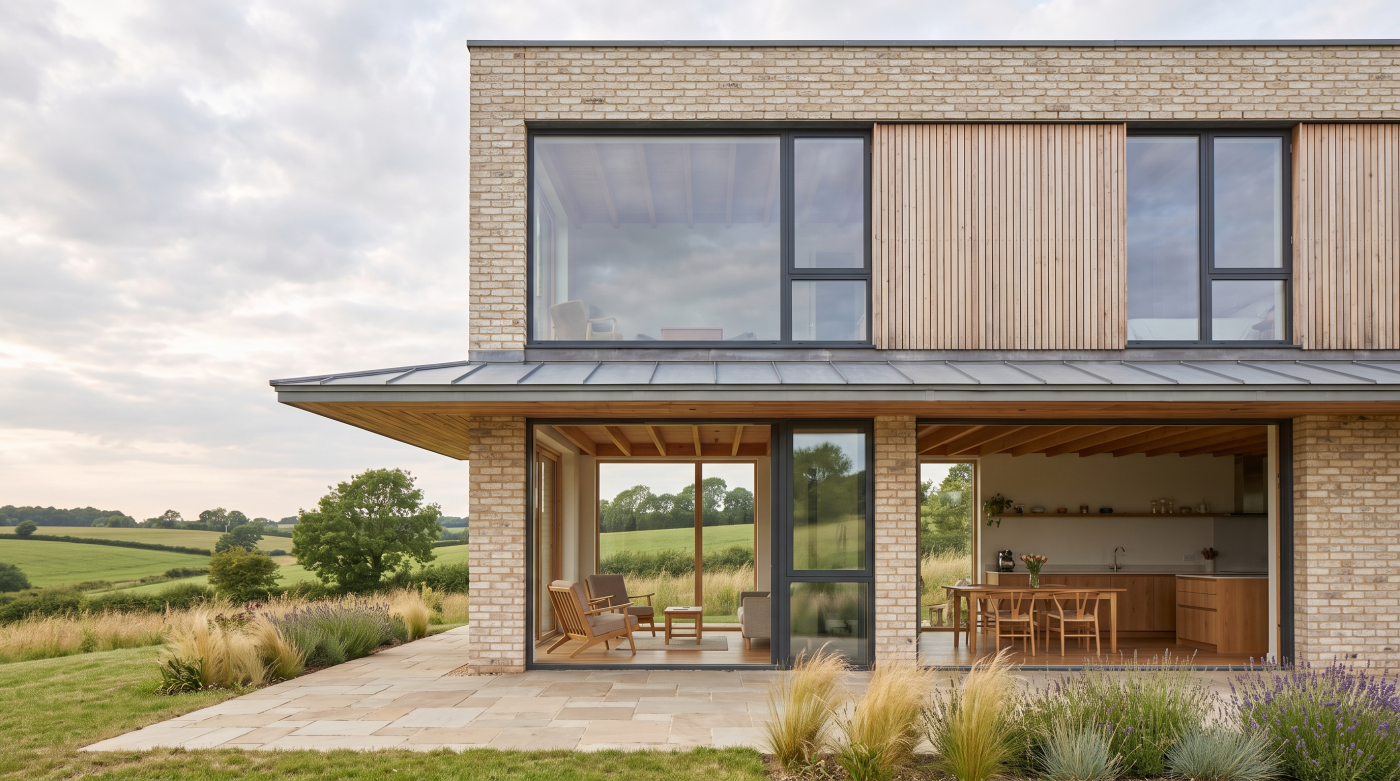
Section 1: Treat the House as One Design Project, Not Twenty Separate Windows
When homeowners decide to replace every window in their house, it is natural to begin by looking at the individual windows themselves. One may have failed seals, another may be difficult to open, while others simply look tired or no longer meet modern expectations for comfort and energy efficiency. Yet architects rarely approach a whole-house replacement one window at a time. Instead, they step back and view the property as a single architectural composition in which every window contributes to the character, performance and experience of the home.
This broader perspective changes the nature of the project. Replacing every window is not simply a maintenance exercise; it is an opportunity to rethink how the house looks, feels and functions as a whole. The relationship between windows, walls, rooflines and surrounding landscape becomes just as important as the specification of the frames themselves. Decisions made consistently across the property often produce results that feel calmer, more balanced and more enduring than replacing each opening in isolation.
The external appearance of a house provides one obvious example. Windows establish rhythm across every elevation, creating patterns of proportion, alignment and repetition that define much of the building’s architectural identity. Introducing different frame profiles, inconsistent sightlines or varying levels of detailing from one façade to another can unintentionally disrupt that balance. Architects therefore look carefully at how every replacement window contributes to the overall composition, ensuring the building continues to read as a coherent whole rather than a collection of unrelated upgrades.
The same principle applies inside the home. Window frames influence the quality of natural light, the framing of views and the visual consistency experienced when moving from room to room. Even subtle differences in frame depth, glazing proportions or opening styles can affect how unified the interior feels. A carefully considered specification allows each room to respond to its own function while still maintaining a shared architectural language throughout the house.
Long-term maintenance also benefits from this strategic approach. Selecting compatible systems across the property often simplifies future servicing, replacement parts and ongoing care. Hardware, finishes and operating mechanisms can remain consistent, reducing complexity for homeowners over the decades that follow. What appears to be a relatively small decision during specification can contribute significantly to ease of ownership many years later.
This does not mean every window must be identical. Different rooms often place different demands on glazing, and individual elevations may require varying levels of solar control, privacy or ventilation. The objective is not uniformity for its own sake, but consistency of architectural thinking. A home can respond intelligently to different conditions while still presenting a coherent visual identity and delivering a consistent experience for those who live within it.
Approaching the project as a single design exercise also encourages better long-term planning. Rather than replacing windows incrementally as problems arise, homeowners have the opportunity to consider future maintenance, energy performance, lifestyle changes and the evolving needs of the household in one coordinated specification. This often results in fewer compromises, stronger design decisions and a home that performs more successfully as a complete system.
Ultimately, replacing every window is about far more than improving individual openings. It is an opportunity to strengthen the architecture of the entire house. When every window is considered as part of one carefully planned project, the result is usually a home that feels more balanced, more comfortable and more coherent—qualities that continue to enhance everyday living long after the installation has been completed.
Section 2: Start by Understanding What Isn’t Working
One of the most common mistakes homeowners make when replacing every window is assuming the project begins with choosing a new window system. Architects usually take a different approach. Before discussing materials, manufacturers or glazing options, they first seek to understand what the existing windows are failing to achieve. This simple change in perspective often leads to far better decisions because it focuses on solving problems rather than replacing products.
Draughts are frequently among the first concerns homeowners mention. Cold air entering around ageing frames or poorly performing seals can make rooms feel uncomfortable even when the heating is on. Yet draughts are not always caused by the windows alone. Air leakage can occur around installation details, through the surrounding building fabric or because of wider issues affecting the property’s thermal envelope. Understanding the true source of the problem allows the replacement strategy to address the underlying cause rather than simply treating the symptoms.
Condensation provides another example. Many people assume that moisture appearing on windows automatically indicates that the glazing has failed. In reality, condensation is often influenced by ventilation, humidity levels, insulation and the overall balance of the home’s environmental performance. New windows can certainly contribute to improving comfort, but architects recognise that condensation is usually part of a much broader conversation about how the building manages heat and moisture throughout the year.
Noise is another issue that deserves careful consideration. Homes located near busy roads, schools, railway lines or flight paths often experience levels of external sound that affect everyday comfort. Simply replacing old windows with new ones may not automatically resolve this. The glazing specification, frame construction, seals and installation quality all influence acoustic performance, making it important to understand the nature of the noise before selecting an appropriate solution.
Natural light also shapes how a home feels. Some rooms appear dark despite having relatively large windows, while others suffer from glare or excessive solar gain during certain times of the day. Rather than accepting these conditions as inevitable, architects consider how new glazing might improve the quality of daylight entering each space. Adjustments to frame proportions, glazing specification or opening arrangements can often enhance the atmosphere of a room without fundamentally altering its architecture.
Ease of operation is another factor that is easily overlooked until windows begin to fail. Stiff hinges, warped frames or difficult locking mechanisms can make everyday use frustrating, particularly for older occupants or anyone with reduced mobility. Replacing every window provides an opportunity to improve not only performance but also the experience of living within the home, ensuring that ventilation, cleaning and everyday operation become simpler and more intuitive.
Security and maintenance may also influence the project. Older windows often lack the engineering, locking systems and weather resistance expected from contemporary glazing. Equally, timber windows requiring continual maintenance or deteriorating finishes may no longer align with the homeowner’s expectations for long-term ownership. Identifying these practical frustrations helps establish clear objectives for the replacement project rather than simply comparing product brochures.
Perhaps the most valuable question architects ask is not, “Which windows do you want?” but, “How do you want your home to feel once the project is finished?” The answer often includes warmer winters, quieter bedrooms, brighter living spaces, easier maintenance and greater everyday comfort. These are outcomes rather than products, and they provide a far stronger foundation for specification than any individual frame material or manufacturer.
By understanding what isn’t working first, homeowners place themselves in a far better position to evaluate potential solutions. The project shifts from replacing ageing windows to improving the overall experience of living in the home. That is ultimately the objective of thoughtful architectural specification: not simply installing new windows, but creating a house that performs more comfortably, more efficiently and more beautifully for many years to come.
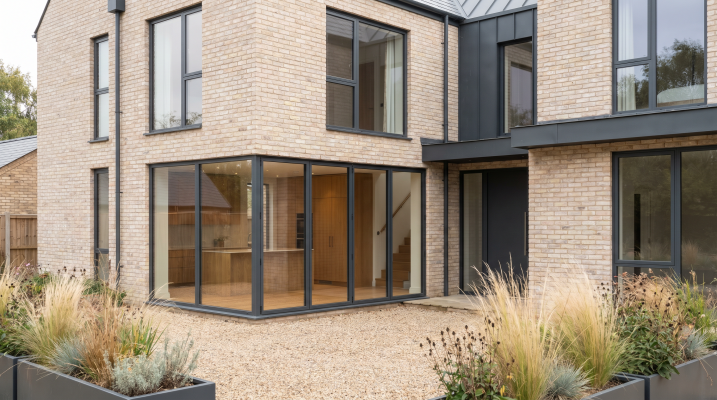
Section 3: Every Elevation Has Different Requirements
One of the greatest advantages of replacing every window at the same time is the opportunity to think beyond individual rooms and consider how each side of the house performs. While homeowners often hope for consistency throughout the property, architects recognise that different elevations experience very different conditions. Sunlight, prevailing weather, privacy, views and planning constraints all influence how each window should perform. A successful whole-house specification therefore balances consistency of design with responsiveness to the building’s unique environment.
The orientation of the house is often the starting point. South-facing elevations typically receive the greatest amount of sunlight throughout the day, filling interiors with natural light while also increasing the potential for overheating during warmer months. Architects may therefore consider glazing specifications that help manage solar gain without compromising daylight or views. The objective is not to reduce light but to improve year-round comfort by responding intelligently to the building’s relationship with the sun.
North-facing windows present a different challenge. These elevations receive softer, more consistent daylight with very little direct solar heat. Rather than focusing on solar control, specification may instead prioritise thermal performance and maximising available natural light. Carefully considered glazing can help create bright, comfortable interiors even where sunlight is naturally more limited.
East and west elevations introduce their own complexities. Morning sun entering east-facing rooms can create pleasant, naturally lit spaces for breakfast areas or home offices, while west-facing glazing often experiences stronger afternoon and evening sunlight. Depending on the layout of the home, these differences may influence glazing performance, shading strategies or ventilation requirements. Architects understand that each elevation contributes differently to the daily rhythm of the house and adjust the specification accordingly.
Views are equally important. Windows overlooking gardens, countryside or attractive landscapes often become defining features of a home, encouraging architects to maximise visual connections wherever possible. By contrast, street-facing elevations or neighbouring properties may require greater emphasis on privacy while still admitting generous amounts of daylight. The most successful specifications respond to what occupants see through the windows as carefully as they respond to what is happening outside them.
Planning considerations may also influence different elevations in different ways. Homes within conservation areas or those possessing particular architectural significance sometimes require more sensitive treatment on principal façades than on less visible parts of the property. Architects carefully balance these planning requirements with modern performance expectations, ensuring that replacement windows respect the character of the building while improving comfort and functionality wherever possible.
Importantly, responding to different elevations does not mean the house should appear inconsistent. One of the hallmarks of good architectural specification is the ability to adapt glazing performance without disrupting the overall visual language of the building. Frame profiles, proportions and detailing can remain coherent across the property while individual glazing specifications quietly respond to orientation, privacy or environmental conditions. The result is a home that feels unified while performing intelligently in every direction.
This approach reflects a broader architectural principle: consistency does not require uniformity. Every side of a building experiences different environmental conditions, and thoughtful design acknowledges those differences rather than ignoring them. When each elevation is allowed to respond to its surroundings within a coherent architectural strategy, the entire home benefits from greater comfort, improved performance and a more balanced relationship with its environment.
Replacing every window therefore provides an opportunity to think beyond identical products and towards a smarter, more responsive specification. Rather than treating every opening the same, architects consider what each elevation asks of the building—and ensure every window contributes appropriately to the way the home performs as a whole.
Section 4: Performance Is About More Than New Frames
When planning a whole-house window replacement, it is easy to focus on the visible parts of the project. Frame materials, colours and opening styles naturally attract attention because they are the elements homeowners interact with most directly. Yet architects know that the performance of new windows depends on far more than the frames themselves. Comfort, energy efficiency and long-term satisfaction are the result of an entire system working together rather than any single component.
Glazing plays a particularly important role because it typically represents the largest proportion of every window. The specification of the glass influences thermal insulation, solar gain, natural daylight, acoustic performance and the overall comfort of the rooms behind it. Two windows may appear almost identical from the outside while performing very differently because of the glazing they contain. Architects therefore evaluate the glass with the same level of attention they give to the frame, recognising that it has a profound effect on how the home feels throughout the year.
Solar control provides a useful example. A house with large south-facing windows may experience excessive heat during summer afternoons despite having modern frames. Rather than treating this as an unavoidable consequence of generous glazing, architects consider glass specifications that reduce unwanted solar gain while preserving daylight and views. The objective is to create rooms that remain comfortable across every season rather than optimising performance for winter alone.
Ventilation is another aspect that benefits from a holistic approach. Replacing older windows with modern, more airtight systems improves energy efficiency, but it also changes how air moves through the home. Architects therefore think about natural ventilation strategies alongside the replacement project, ensuring that fresh air can continue to circulate effectively while unwanted draughts are reduced. A comfortable home depends on balancing insulation with healthy airflow rather than maximising one at the expense of the other.
Airtightness itself is influenced by much more than the window product. The junction between the frame and the surrounding wall, the quality of installation and the detailing around every opening all contribute to the overall performance of the building envelope. Even an exceptionally well-engineered window cannot achieve its intended performance if it has been poorly installed. This is why architects place considerable emphasis on workmanship, recognising that specification and installation are inseparable parts of the same process.
The condition of the surrounding building fabric also deserves attention. Replacing windows may reveal opportunities to improve insulation around reveals, address ageing structural details or refine weatherproofing at critical junctions. These improvements often remain hidden once the project is complete, yet they contribute significantly to thermal comfort and long-term durability. Looking beyond the window itself allows the entire building envelope to perform more effectively.
Acoustic comfort is equally dependent upon the complete system. Homeowners living near busy roads or other sources of external noise often hope new windows will transform the atmosphere inside their home. While modern glazing can make a substantial difference, the final result depends on frame construction, glazing specification, seals, installation quality and the integrity of the surrounding structure. Architects therefore consider sound reduction as part of the whole-building strategy rather than expecting the window alone to solve the problem.
Ultimately, replacing every window should be viewed as an opportunity to improve the performance of the entire house rather than simply updating its appearance. The most successful projects are those in which glazing, frames, installation and building fabric all work together to create a warmer, quieter and more comfortable home. When approached in this way, new windows become far more than replacement products—they become an integral part of a building that performs better in every season and provides a noticeably improved experience for the people who live within it.
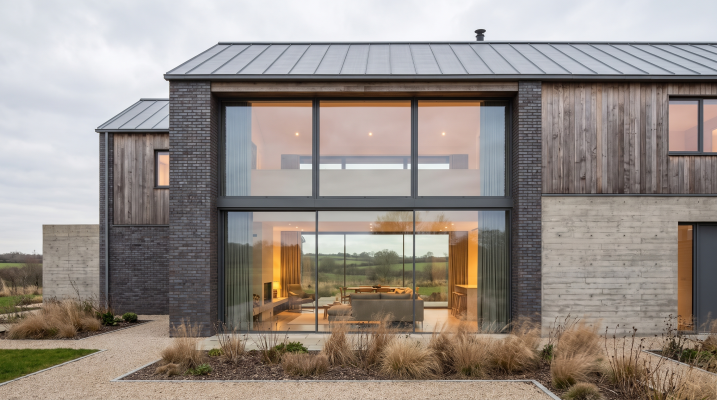
Section 5: Why the Cheapest Quote Can Be the Most Expensive Decision
Once the decision has been made to replace every window in the house, quotations often become the centre of attention. This is understandable. A whole-house replacement represents a significant investment, and comparing prices feels like the most logical way to evaluate competing proposals. Yet architects rarely compare quotations by looking only at the figure on the final page. Instead, they ask what each quotation actually represents and how those differences may influence the home over the decades that follow.
At first glance, two quotations may appear to describe remarkably similar products. Both may specify aluminium or timber frames, similar opening styles and comparable glazing configurations. Yet beneath those broad descriptions lie important differences in engineering, manufacturing quality, glazing specification, hardware, weather sealing and installation standards. These details are not always immediately obvious, but they often determine how successfully the windows will perform long after the installation team has left the site.
The quality of the window system itself is only one part of the equation. Hardware, for example, is subjected to thousands of opening and closing cycles throughout the life of the home. Hinges, handles, locking mechanisms and opening restrictors all influence how the windows feel in daily use. High-quality components are designed to operate smoothly year after year, while lower-grade alternatives may require adjustment, maintenance or replacement much sooner than anticipated. What initially appears to be a modest saving can therefore become an ongoing source of inconvenience.
Installation carries equal importance. Even the finest window system depends on accurate fitting if it is to achieve its intended levels of thermal performance, weather resistance and airtightness. Architects understand that careful surveying, precise installation and thoughtful detailing around every opening are essential parts of the specification rather than optional extras. A premium product installed poorly can fail to meet expectations, while excellent workmanship allows a carefully engineered window to perform exactly as it was designed.
Guarantees and long-term support also deserve careful attention. Whole-house replacement is not simply a purchase for today but an investment expected to provide decades of reliable service. The availability of replacement components, ongoing technical support and confidence in the manufacturer all contribute to the long-term value of the project. These considerations may seem less exciting than frame colours or glazing options, yet they often become far more important many years into ownership.
Comfort should also be viewed as part of the value equation. Well-specified windows contribute to warmer interiors during winter, quieter living spaces throughout the year and improved daylight across the home. These benefits are experienced every day but rarely appear as individual line items within a quotation. Architects therefore consider how the completed project will improve the quality of everyday living rather than focusing exclusively on the initial purchase price.
There is also the question of future resale value. Homes that have been upgraded with carefully specified, professionally installed windows often create a stronger impression of quality, care and long-term maintenance. Prospective buyers may not know the technical specification of the glazing, but they quickly recognise homes that feel comfortable, well maintained and thoughtfully improved. Good specification therefore contributes not only to current enjoyment but also to the long-term perception of the property itself.
For this reason, architects tend to evaluate quotations through the principle of lifecycle value rather than immediate cost. They ask how the windows will perform after ten, twenty or even thirty years. Will they continue to operate smoothly? Will the finishes retain their appearance? Will replacement parts remain available? Will the installation continue to protect the building from weather and heat loss? These questions often reveal far more about the true value of a quotation than the total price alone.
Ultimately, the cheapest quotation is not necessarily the most economical decision. A whole-house window replacement is an investment in the performance, comfort and architecture of the home for decades to come. Comparing quality, installation and long-term support as carefully as price allows homeowners to make decisions that continue to reward them long after the original cost has been forgotten.
Section 6: What Architects Consider Before Replacing Every Window
By the time an architect recommends a particular window system, the decision has usually been shaped by far more than product brochures or performance figures. Replacing every window in a house affects almost every aspect of residential design, from the external appearance of the building to the quality of daylight inside each room. As a result, architects approach whole-house replacement as a design exercise rather than a procurement exercise, balancing aesthetics, performance and everyday living before specifying individual products.
The architecture of the house is always the starting point. Every property possesses its own proportions, character and relationship with its surroundings, whether it is a Victorian terrace, a Georgian townhouse, a rural cottage or a contemporary family home. New windows should strengthen that architectural identity rather than compete with it. Architects therefore study the rhythm of the elevations, the proportions of existing openings and the overall composition of the façade before considering frame materials or opening styles. The objective is to ensure that the replacement windows feel entirely appropriate to the building rather than simply modern.
Planning considerations often form part of this process. Homes within conservation areas, listed buildings or properties possessing particular architectural significance may require sensitive treatment to preserve their character while improving performance. Even where formal planning restrictions do not apply, architects frequently seek solutions that respect the original design of the house while introducing the comfort and efficiency expected from contemporary glazing. Successful replacement is rarely about altering the identity of the building; it is about enhancing it thoughtfully.
The interior of the home receives equal attention. Windows influence the quality of natural light, the framing of views and the atmosphere within every room. Architects consider how daylight moves through the property during different times of the day, identifying opportunities to improve brightness, reduce glare or strengthen visual connections with gardens and surrounding landscapes. These decisions shape the experience of living in the house far more profoundly than the choice of frame colour or hardware alone.
Furniture layouts also influence specification. A window positioned behind a dining table may require different opening arrangements from one located above a kitchen worktop or beside a staircase. Ease of cleaning, ventilation and everyday usability all become part of the conversation because the windows must support the practical routines of the people who live in the home rather than existing as isolated architectural features.
Lifestyle considerations extend even further. A family with young children, a couple planning to remain in the property through retirement or homeowners who regularly work from home may each have different priorities. Security, ventilation, acoustic performance, accessibility and maintenance expectations all influence the specification. Architects therefore seek to understand not only the building itself but also how it is occupied and how those patterns of living may evolve over time.
Future ownership also plays an important role. Good architecture anticipates change rather than simply responding to current needs. Durable materials, dependable hardware, timeless design and thoughtful detailing help ensure that replacement windows continue to perform successfully for decades while remaining appropriate as lifestyles and expectations evolve. The objective is to create lasting value rather than simply solving today’s problems.
Throughout this process, architects are constantly balancing multiple considerations that rarely appear together on a quotation or product specification sheet. Appearance, comfort, planning, performance, maintenance and long-term ownership are all evaluated as interconnected parts of a single design strategy. This holistic approach explains why successful whole-house window replacement feels so much more comprehensive than simply installing new frames.
Ultimately, replacing every window is about understanding the home before specifying the products. When architects consider the building, its occupants and its future together, the resulting specification supports not only better windows but a better home—one that feels brighter, quieter, more comfortable and more coherent every day for many years to come.
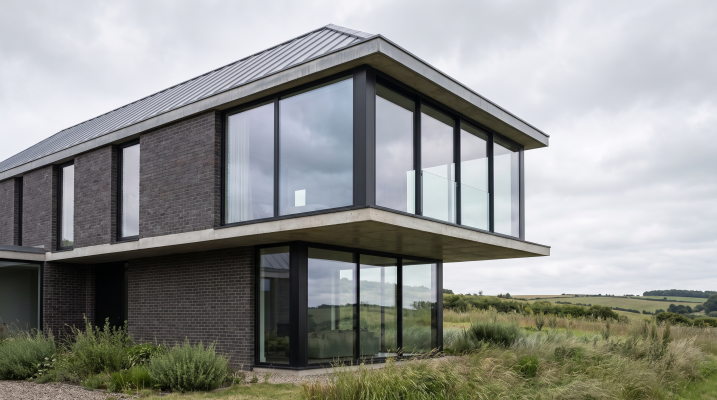
Section 7: Replacing Windows Is an Opportunity to Improve the Way You Live
By the time every quotation has been compared and every specification considered, it is easy to think of a whole-house window replacement as a construction project. In reality, it is something far more personal. Once the installers have left and the disruption has faded, what remains is not a collection of new windows but a different experience of living within the home. This is the outcome architects focus on throughout the design process because it is the one that continues to matter every day for many years to come.
Comfort is often the first improvement homeowners notice. Rooms that once felt cold during winter mornings become more consistent in temperature, while unwanted draughts are reduced and internal spaces feel calmer throughout the changing seasons. These improvements are rarely dramatic in isolation, yet together they transform how the house is experienced. Occupants stop thinking about cold spots near windows because those discomforts simply no longer exist.
Quietness is another quality that gradually reshapes daily life. External traffic, neighbourhood activity and changing weather conditions become less intrusive, creating interiors that feel more peaceful and better suited to relaxation, conversation or working from home. While many homeowners initially focus on thermal performance, they are often surprised by how much value they place on the quieter atmosphere created by a carefully specified glazing system.
Natural light also changes the character of a home in subtle but meaningful ways. Modern window systems can maximise the glazed area within an opening, allowing more daylight to enter without fundamentally altering the architecture of the building. Brighter living spaces often feel larger, more welcoming and more connected to the changing seasons. The movement of daylight throughout the day becomes part of the home’s character rather than something limited by ageing frames or outdated glazing.
The relationship between the interior and the outside world can also improve significantly. Garden views become clearer, surrounding landscapes feel more present within the living spaces and everyday moments—such as watching changing weather or seasonal colours—become more enjoyable. These visual connections contribute to wellbeing in ways that are difficult to measure but easy to appreciate once the project has been completed.
Ease of operation is another improvement that quietly influences daily routines. Windows that open effortlessly encourage natural ventilation, making it easier to introduce fresh air whenever conditions allow. Cleaning becomes simpler, locking mechanisms operate with greater confidence and the overall interaction with the building feels more intuitive. These practical benefits may seem modest individually, yet they contribute significantly to long-term satisfaction because they are experienced repeatedly throughout the life of the home.
Improved energy efficiency is often one of the motivations for replacing every window, but the benefits extend beyond lower energy consumption alone. A home that maintains more stable internal temperatures generally feels more comfortable, requiring less effort to create pleasant living conditions throughout the year. The focus shifts away from constantly responding to changes in the weather and towards simply enjoying the spaces as they were intended to be used.
Perhaps the greatest opportunity presented by a whole-house replacement is that it allows homeowners to rethink their relationship with the property itself. Instead of simply addressing ageing windows, they create a home that feels more comfortable, more welcoming and better suited to the way they live today. The project becomes an investment not only in the building but also in the quality of everyday life experienced within it.
Ultimately, replacing every window is about much more than improving the performance of the glazing. It is an opportunity to improve the experience of coming home, enjoying each room, connecting with the surrounding landscape and living comfortably throughout every season. Those are benefits that extend far beyond the installation itself, quietly enriching daily life long after the project has become a distant memory.
Section 8: Better Homes Begin With Better Questions
By the time homeowners reach the end of a whole-house window replacement project, they often realise that the windows themselves were only part of the decision. The real challenge was never simply choosing new frames. It was understanding how the home should perform, how it should feel and how it should support the people living within it for many years to come. This is why architects begin with questions rather than products, allowing the building itself to guide the specification.
One of the most valuable changes in perspective is moving away from asking, “Which windows are the best?” and instead asking, “What does this house need?” Every property is different. Some require improved thermal comfort to eliminate cold rooms during winter. Others benefit most from better daylight, quieter interiors or stronger connections with the garden. A contemporary extension may prioritise expansive glazing and minimal sightlines, while a period property may place greater importance on preserving architectural character. The right specification emerges from understanding these individual priorities rather than searching for a universally superior product.
This approach also encourages homeowners to think beyond the installation itself. New windows are not purchased for a single season or a single renovation project. They become part of the home for decades, influencing comfort, maintenance, energy efficiency and everyday routines throughout that time. Architects therefore evaluate replacement projects with the future in mind, asking how the house will continue to serve its occupants as lifestyles evolve and expectations change.
The architecture remains central throughout this process. Windows define the rhythm of the elevations, shape the quality of natural light and influence how every room connects with the surrounding environment. They affect both the appearance of the building and the experience of living inside it. When viewed in this broader context, replacing every window becomes an opportunity to strengthen the entire architectural composition rather than simply modernising individual openings.
Performance should also be understood as an integrated outcome rather than a collection of technical figures. Warmth, daylight, ventilation, quietness, security and durability all depend upon thoughtful specification, careful installation and the relationship between the windows and the wider building fabric. The most successful projects achieve balance across all of these considerations rather than pursuing a single headline performance number.
Perhaps most importantly, replacing every window provides an opportunity to invest in the quality of everyday life. The benefits are experienced each morning when sunlight enters the kitchen, each winter evening when the living room remains comfortably warm and each quiet moment spent looking into the garden through clear, carefully framed views. These experiences cannot be measured solely by product specifications, yet they are often the reasons homeowners feel the project was worthwhile many years after completion.
This is why architects rarely begin with brands, materials or quotations. They begin by understanding the home, its occupants and the aspirations that extend far beyond the windows themselves. Once those objectives are clear, the specification becomes a natural response rather than a difficult comparison between competing products.
Ultimately, replacing every window is not simply about installing new glazing. It is about improving the way a home performs, the way it supports everyday living and the way it will continue to serve its occupants well into the future. When approached as a single architectural project rather than a series of individual purchases, the result is often a home that feels more comfortable, more coherent and more enjoyable to live in every day. That is why the best window replacement projects begin not with better products, but with better questions.