
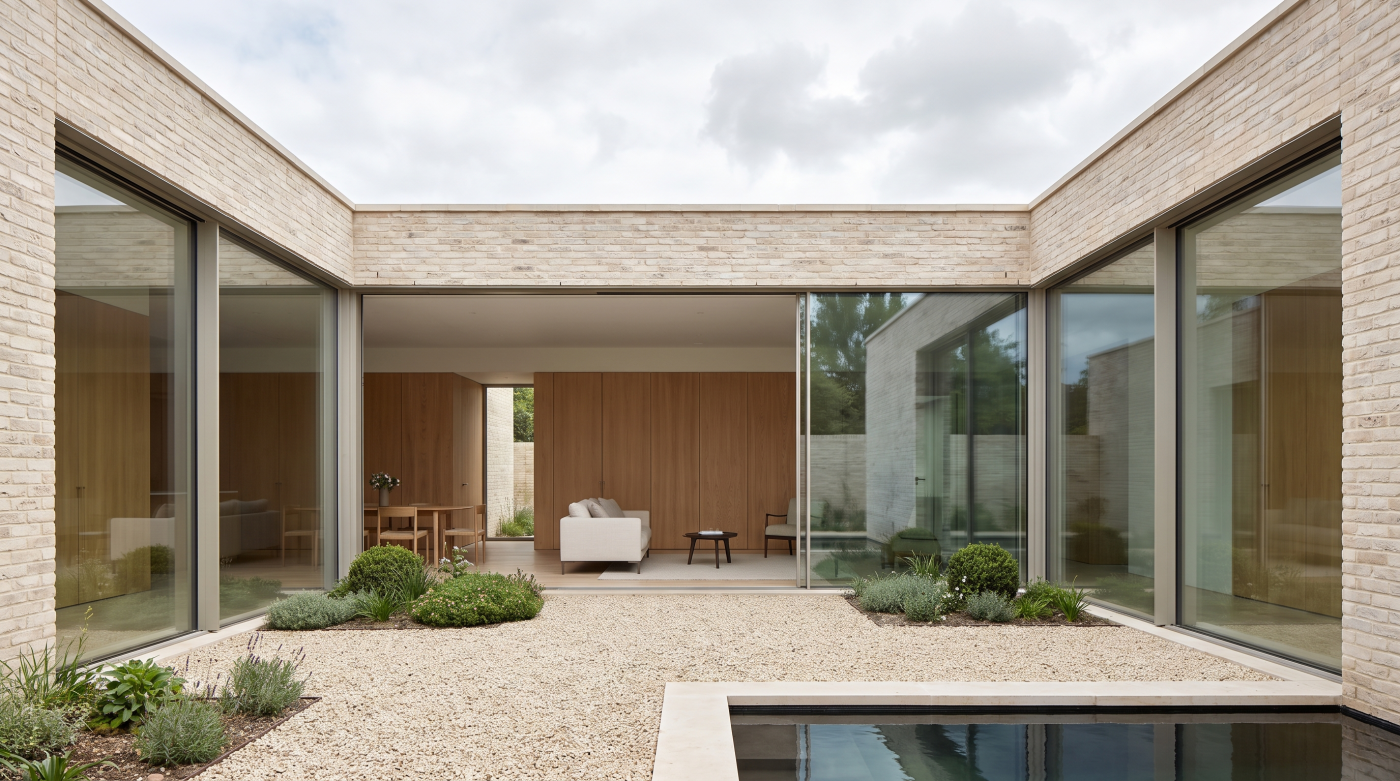
Architectural Glazing Is About Priorities, Not Unlimited Budgets
One of the most persistent misconceptions surrounding architectural glazing is that it belongs exclusively to exceptional homes with exceptional budgets. Contemporary architecture is often presented through dramatic photography featuring vast walls of glass, expansive sliding doors and ambitious structural engineering, creating the impression that architectural glazing is defined by its cost as much as its appearance. For many homeowners beginning an extension, renovation or self-build, this can lead to an unfortunate conclusion: that architectural glazing is simply beyond reach. In reality, good architectural glazing has never been about spending the most money. It has always been about making the most considered decisions.
Architects rarely begin a project by asking how much glass a client can afford. Instead, they seek to understand how the home should function, how spaces should feel and where investment will have the greatest impact on everyday living. These priorities shape every subsequent decision. A carefully positioned glazed opening that transforms the relationship between a kitchen and a garden may contribute more to the quality of the home than significantly increasing the amount of glazing elsewhere. Likewise, thoughtful daylight, proportion and composition often create a stronger architectural result than simply specifying larger or more complex glazing systems throughout the building.
This way of thinking shifts the conversation from cost to value. Architectural quality is not measured by the quantity of glass installed or by selecting the most technically sophisticated products available. It is measured by how effectively glazing supports the architecture, enhances comfort and enriches daily life. A project with a carefully prioritised glazing strategy can often feel more refined and coherent than one where investment has been spread evenly without a clear architectural purpose.
Perhaps the most important principle is that every project involves choices. Budgets, however generous, are always finite, and successful residential architecture depends on knowing where investment creates the greatest return. Architectural glazing therefore becomes an exercise in prioritisation rather than maximisation. It encourages homeowners to focus on the moments that will define their experience of the house for years to come instead of pursuing scale for its own sake.
Seen in this light, architectural glazing becomes far more accessible. It is not reserved for projects with unlimited resources but for projects where design decisions are guided by clarity, purpose and long-term value. Thoughtful architecture has never depended solely on the size of the budget. It depends on understanding where careful investment can make the greatest difference.
Invest Where Glazing Changes Daily Life Most
One of the most valuable principles architects apply to any residential project is that not every part of a house deserves the same level of investment. Homes are experienced unevenly. Certain spaces become the centre of everyday life, while others serve quieter, more practical functions. Architectural glazing should reflect this reality. Rather than distributing budget equally across every elevation, architects often concentrate investment where it will have the greatest influence on how the home is lived in.
For many families, this means focusing on the principal living spaces. Kitchens, dining areas and family rooms are where people spend much of their waking day, making these rooms natural candidates for a stronger relationship with daylight and the surrounding landscape. A carefully designed glazed opening that connects these spaces to a garden or courtyard can transform the daily experience of the home, encouraging movement outdoors, increasing natural light and creating a greater sense of openness. The architectural value of this intervention is measured not by its size alone, but by how frequently it enriches everyday life.
By contrast, secondary spaces often require a different approach. Utility rooms, cloakrooms, circulation areas and even many bedrooms have different priorities. Privacy, furniture layout, storage and environmental comfort may take precedence over expansive views or dramatic architectural statements. This does not mean these rooms receive lower-quality glazing. Rather, their glazing is specified according to their purpose, allowing investment to be directed where it creates the greatest architectural return.
This hierarchy is a common feature of well-designed homes. Architects rarely seek uniformity for its own sake. Instead, they establish moments of emphasis, allowing one carefully composed glazed elevation to become the defining architectural gesture while surrounding openings support the overall composition with quieter restraint. The result is often a building that feels more balanced and more considered than one where every opening competes equally for attention.
Approaching glazing in this way demonstrates that thoughtful specification is less about reducing ambition than refining it. By identifying the spaces that will shape everyday living and investing where architecture has the greatest opportunity to improve those experiences, homeowners can achieve results that feel generous, purposeful and enduring without assuming that every part of the building requires the same level of expenditure. Architectural quality is often created not by spending more everywhere, but by knowing exactly where investment matters most.
Bigger Isn’t Always Better
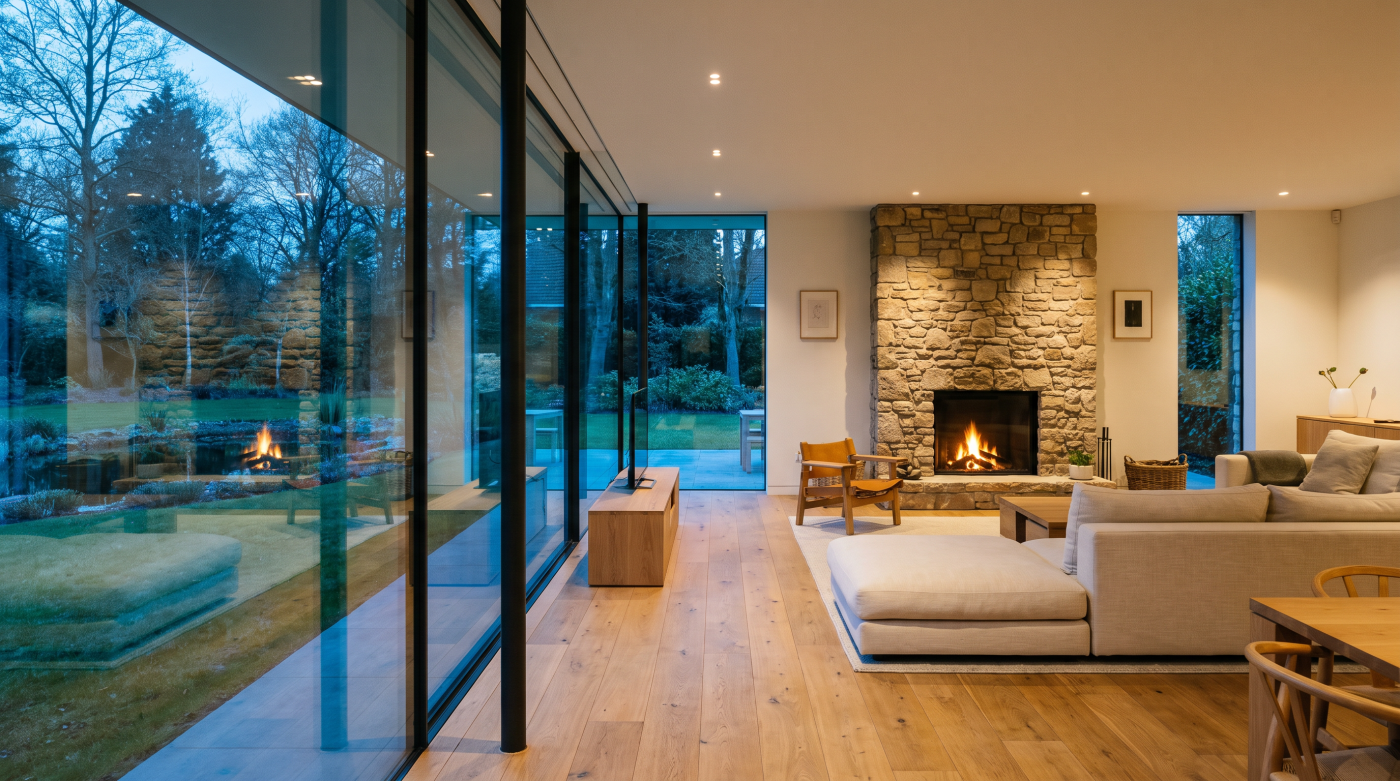
When budgets are being planned, it is easy to assume that increasing the size of a glazed opening will automatically increase the architectural value of a project. Contemporary architecture often reinforces this perception through images of entire walls of glass opening onto landscaped gardens or panoramic views. While these spaces can be remarkable, they also encourage the belief that more glass inevitably creates better architecture. In practice, architects rarely think in these terms. Their focus is not on maximising glazing but on achieving the right balance between openness, proportion, structure and the experience of the spaces within.
Larger glazed openings almost always influence other aspects of the project. As spans increase, structural requirements become more demanding, concealed steelwork may become more substantial and installation becomes increasingly complex. Environmental performance also requires greater attention, with orientation, solar gain and shading playing a more significant role in maintaining comfortable living conditions throughout the year. These additional considerations do not make large glazing undesirable, but they do illustrate that increasing the size of an opening is rarely an isolated design decision. It has implications that extend across the architecture of the building.
For this reason, architects often achieve stronger results through careful composition rather than greater scale. A thoughtfully proportioned opening positioned to frame a mature tree, introduce soft morning light or establish a visual connection with a courtyard can enrich everyday life as effectively as a much larger glazed elevation. In some cases, the restraint shown in limiting the extent of glazing allows the architecture to feel calmer and more balanced, giving greater significance to the openings that remain.
This principle is particularly valuable when working within a realistic budget. Rather than spreading resources across increasingly ambitious glazing throughout the house, homeowners can often achieve a more refined outcome by concentrating investment on a small number of carefully considered architectural moments. One exceptional opening within a principal living space frequently contributes more to the character of the home than several larger openings introduced without a clear purpose.
Architectural glazing has never been a competition to install the greatest amount of glass. Its success lies in how intelligently each opening responds to the building, its occupants and its setting. When proportion and purpose guide the design, thoughtful restraint often delivers architecture of greater quality than simple expansion, proving that bigger is not always better—it is simply one of many possible design responses.
Combine Premium Features With Simpler Elements
One of the most effective ways architects create exceptional homes within realistic budgets is by establishing a clear hierarchy of design. Not every element of a building is expected to perform the same role, and not every glazed opening needs to achieve the same architectural ambition. Instead, investment is concentrated where it will have the greatest influence, while simpler solutions support the overall composition without diminishing its quality. This measured approach allows a home to feel carefully designed rather than uniformly expensive.
A principal living space often provides the clearest opportunity for this strategy. A generous sliding door overlooking the garden or a carefully detailed corner window may become the defining architectural feature of the project, creating a memorable relationship between the interior and the landscape. Elsewhere, more conventional windows can perform equally well in responding to daylight, ventilation and everyday practicality without requiring the same level of structural complexity or specialist detailing. The success of the architecture lies in how these different elements work together rather than in making every opening identical.
Architects have long understood the value of contrast. Buildings gain character when moments of emphasis are balanced by quieter supporting elements. A carefully proportioned feature elevation becomes more significant when it is accompanied by restrained glazing elsewhere, allowing the eye to appreciate its importance within the overall composition. Attempting to replicate the same level of architectural expression throughout an entire house can sometimes reduce the impact of the spaces that matter most, while also placing unnecessary pressure on the project budget.
This balanced approach extends beyond glazing systems themselves. Premium architectural moments may be complemented by simpler structural solutions, more modest openings on secondary elevations or carefully considered material choices that reinforce the overall design without demanding excessive expenditure. The objective is always coherence. Every element should contribute to the architecture according to its role within the building rather than striving for equal visual prominence.
Approaching specification in this way demonstrates that architectural quality is created through judgement rather than repetition. A home does not become more architectural because every window is the most ambitious available. It becomes more architectural when each opening has been considered in relation to its purpose, its setting and the experience it creates. By combining carefully selected feature glazing with quieter supporting elements, homeowners can achieve architecture that feels balanced, refined and enduring while making thoughtful use of a realistic budget.
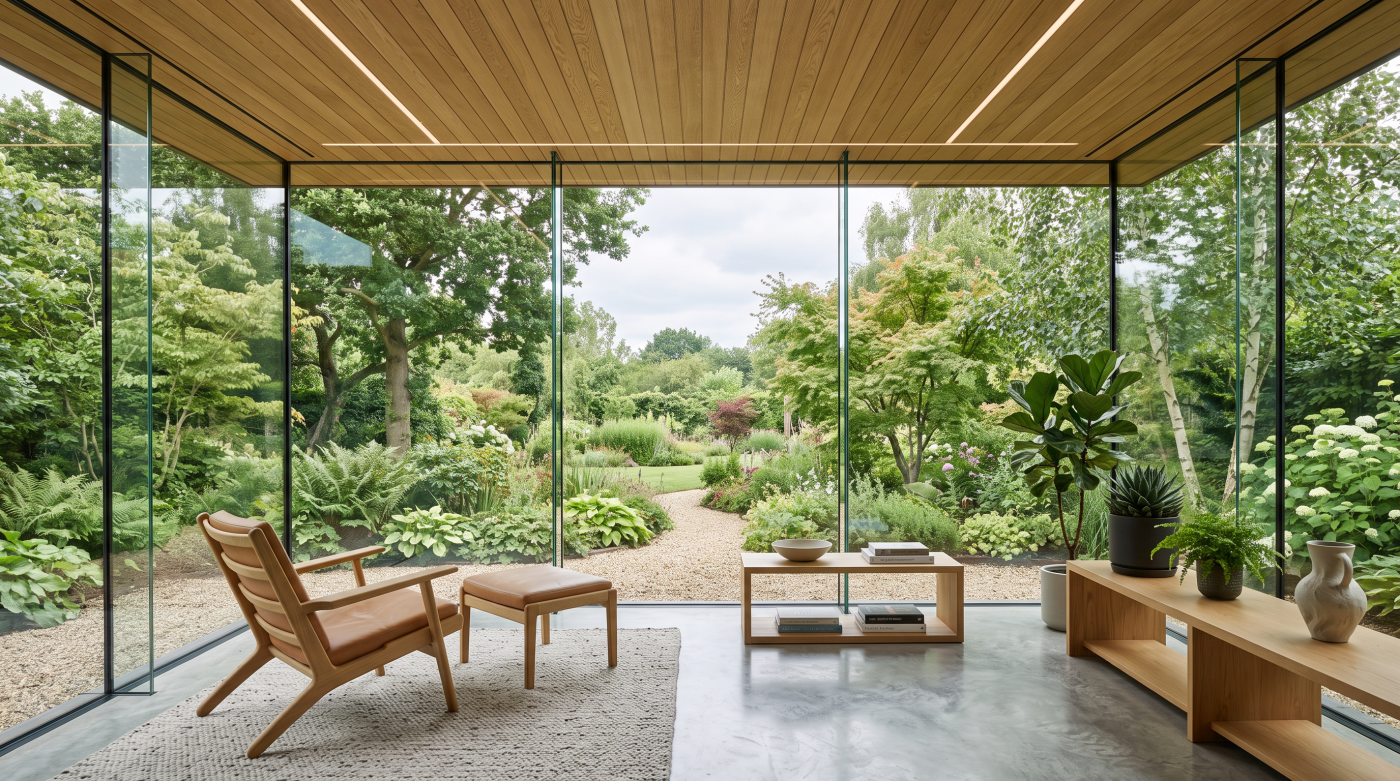
Early Planning Saves More Than Late Cost Cutting
When budgets begin to tighten, it is tempting to think that savings are achieved by reducing specifications later in the project. In reality, architects often find the opposite to be true. The greatest opportunities to control costs usually arise during the earliest stages of design, when decisions remain flexible and the relationship between architecture, structure and glazing is still evolving. By the time construction has begun, many of the choices that determine both quality and cost have already been made.
Architectural glazing illustrates this principle particularly well. The size and position of glazed openings influence structural design, planning, construction sequencing and environmental performance. Adjusting these relationships while the project exists only as drawings is relatively straightforward. Altering them after structural calculations have been completed, planning approvals secured or building work commenced is considerably more complex. What initially appears to be a simple cost-saving measure can quickly affect steelwork, foundations, drainage, internal layouts and finishing details, creating compromises that extend well beyond the glazing itself.
For this reason, architects encourage homeowners to establish clear priorities as early as possible. Understanding which spaces deserve the strongest relationship with daylight and landscape allows investment to be directed intelligently before technical design progresses. Structural engineers can then develop efficient solutions that respond directly to those priorities, while glazing specialists advise on systems that support the architectural intent without introducing unnecessary complexity. This coordinated approach often achieves greater value than attempting to reduce expenditure through late design changes.
Early planning also protects architectural quality. Projects that evolve with a clear strategy tend to retain a stronger sense of coherence because every discipline is working towards the same objectives from the outset. By contrast, reactive cost-cutting can gradually erode the clarity of the design, with individual compromises accumulating until the finished building no longer reflects the original architectural ambition. Thoughtful planning is therefore not simply a financial exercise but an essential part of preserving the integrity of the architecture.
Perhaps the most important lesson is that good budgeting begins with good design rather than good negotiation. When glazing is considered alongside structure, layout and environmental performance from the earliest stages, opportunities naturally emerge to simplify construction, improve efficiency and concentrate investment where it has the greatest impact. In many cases, the most economical decision is not to reduce ambition later, but to define it more clearly at the very beginning.
Long-Term Value Matters More Than Initial Cost Alone
When discussing budgets, it is understandable that attention often focuses on the initial cost of a glazing system. After all, construction projects involve countless financial decisions, and every investment must be carefully considered. Architects, however, tend to evaluate value over a much longer timescale. Rather than asking what a glazing system costs today, they ask how it will contribute to the quality of the home over the decades that follow. This broader perspective often changes the conversation from short-term expenditure to long-term value.
Architectural glazing influences daily life in ways that extend well beyond the moment it is installed. A well-positioned glazed opening continues to bring natural light into a kitchen every morning, strengthen the connection with a garden throughout the seasons and create comfortable, uplifting living spaces year after year. These experiences become part of everyday life, quietly enriching the home without demanding attention. Unlike many finishes or decorative features that may be replaced as tastes evolve, carefully considered glazing often remains one of the defining architectural elements of the building for its entire lifespan.
Performance also contributes to long-term value. Comfortable internal temperatures, effective weather protection, reliable operation and durable construction all reduce the likelihood of future disruption while helping the building continue to perform as intended. These qualities are rarely appreciated through a specification sheet alone, yet they become increasingly significant over time. A home that feels comfortable during winter, remains pleasant throughout the summer and continues to function reliably after many years provides a different kind of value from one judged solely by its initial purchase price.
There is also an architectural dimension to longevity. Buildings designed around thoughtful relationships between light, proportion and landscape tend to age gracefully because their quality is rooted in enduring design principles rather than passing trends. A carefully framed view, a well-composed opening or a seamless connection between interior and garden continues to enrich daily life long after fashions have changed. In this sense, architectural glazing is not simply an investment in materials but in the lasting character of the home itself.
Considering value in this broader way encourages better decision-making. Rather than pursuing the lowest initial cost or the most ambitious specification, homeowners can focus on investments that will continue to reward them every day they live in the house. Architectural glazing becomes less about purchasing windows and more about creating spaces that remain comfortable, beautiful and enjoyable for many years to come—a perspective that often proves far more valuable than comparing costs alone.
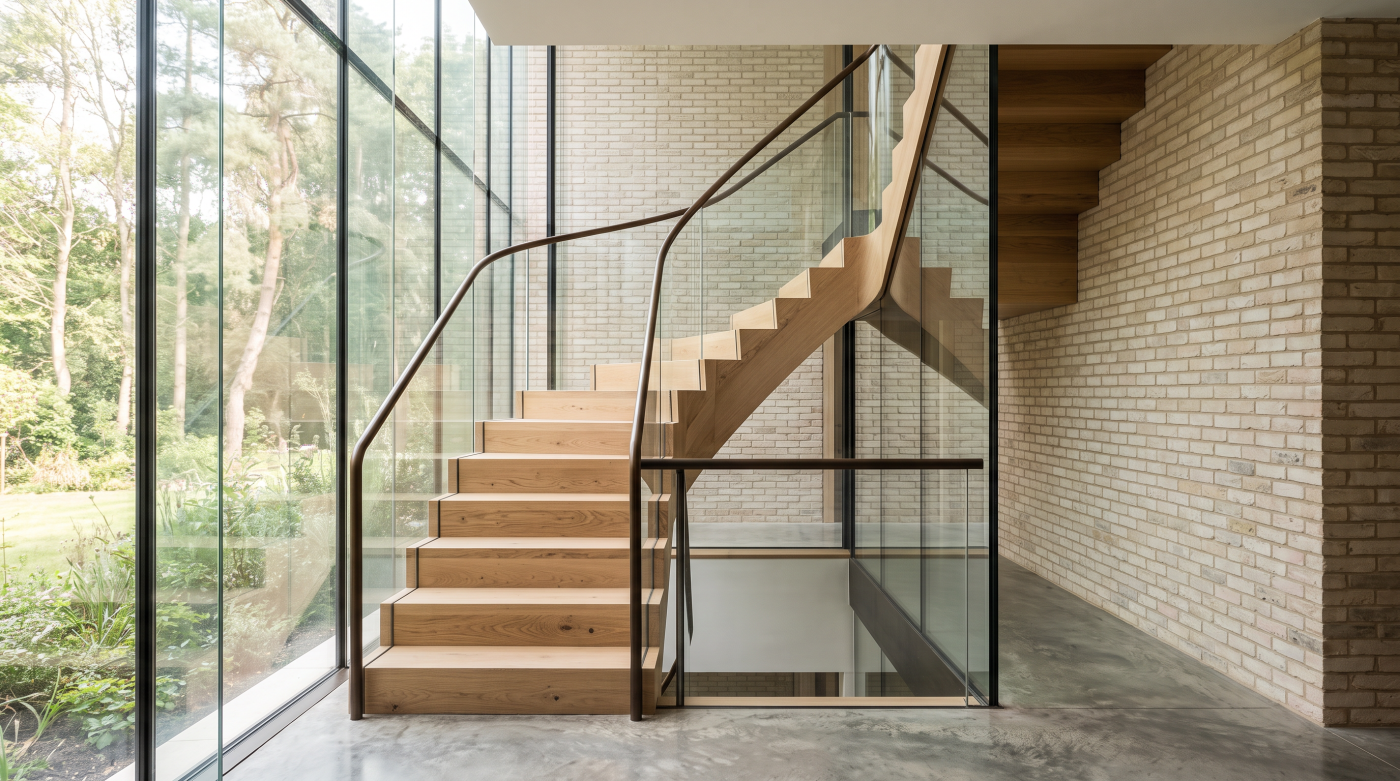
Every Project Has a Different Definition of Value
No two residential projects begin with exactly the same ambitions, and for that reason no single approach to budgeting for architectural glazing is universally correct. The priorities of a family extending a Victorian home are likely to differ from those of a couple building a contemporary countryside retreat or restoring a listed property. Architects recognise that value is never measured solely by the amount spent. Instead, it is determined by how effectively each investment supports the specific aspirations of the people who will live in the building.
For some homeowners, the greatest value lies in creating a strong connection with the garden where family life naturally unfolds throughout the year. In other projects, preserving the character of a heritage property may take precedence, with glazing designed to respect existing proportions while subtly improving comfort and performance. A self-build might focus on long-term energy efficiency and environmental performance, while an urban extension may place greater emphasis on bringing daylight into previously enclosed spaces. Each project defines success differently, and its glazing strategy should respond accordingly.
This individuality is one of the reasons architects avoid treating glazing as a standard specification exercise. They begin by understanding how the home will be used, what qualities matter most to the occupants and which architectural experiences will have the greatest influence on everyday life. Once these priorities have been established, investment can be directed with much greater confidence. The objective is not to maximise expenditure but to ensure that every significant decision contributes meaningfully to the overall design.
Personal priorities also change over time. A family with young children may value generous living spaces that connect easily to the garden, while others may prioritise quiet places to work, entertaining spaces or carefully framed views across the landscape. These preferences shape architectural decisions just as much as technical considerations or construction budgets. Good specification therefore responds to people as much as it responds to buildings.
Ultimately, the most successful architectural glazing is never defined by how closely it resembles another project. It is judged by how well it supports the life that unfolds within a particular home. When investment reflects the unique aspirations, context and character of the project, architectural value becomes deeply personal. That is why there is no universal budget for architectural glazing—only the right strategy for the home being designed.
Architectural Glazing Is an Investment in Better Living, Not Simply Better Windows
By the time a residential project is complete, very few homeowners think about the individual decisions that shaped its glazing strategy. They do not remember the structural calculations, the discussions about sightlines or the careful balancing of priorities that took place during design. Instead, they remember how the house feels to live in. They notice the way morning light fills the kitchen, how easily family life extends into the garden during summer evenings or how comfortable the principal living spaces remain throughout the changing seasons. These experiences are the true return on investment, and they explain why architectural glazing should never be judged solely as the purchase of windows and doors.
Throughout this guide, one principle has remained consistent: architectural glazing is defined by thoughtful decision-making rather than unlimited expenditure. Successful projects are rarely those that simply contain the most glass or the most technically ambitious systems. They are the projects where investment has been directed with clarity and purpose, supporting the architecture where it has the greatest influence on everyday life. Whether that means creating a single memorable connection with the landscape, improving the quality of daylight within a family living space or achieving lasting environmental comfort, the value lies in the experience created rather than the specification itself.
This perspective also encourages a more confident approach to budgeting. Instead of asking how much architectural glazing costs, it becomes more useful to ask what the architecture is trying to achieve and where investment will make the greatest difference. For one project, that may involve a carefully detailed sliding door connecting a kitchen with the garden. For another, it may be a modest but beautifully proportioned window that transforms a previously dark interior. Both are examples of architectural glazing because both contribute meaningfully to the quality of the home.
Ultimately, the most successful residential projects are those where architecture, budget and aspiration remain in balance. Thoughtful specification does not seek the most expensive solution, nor does it pursue savings that undermine the design. It seeks lasting value by investing where architecture can improve daily life in the most meaningful ways. When glazing is approached with this mindset, it becomes far more than a construction element. It becomes an investment in light, comfort, connection and the enduring pleasure of living in a well-designed home. That is the true value of architectural glazing, regardless of the size of the budget.