
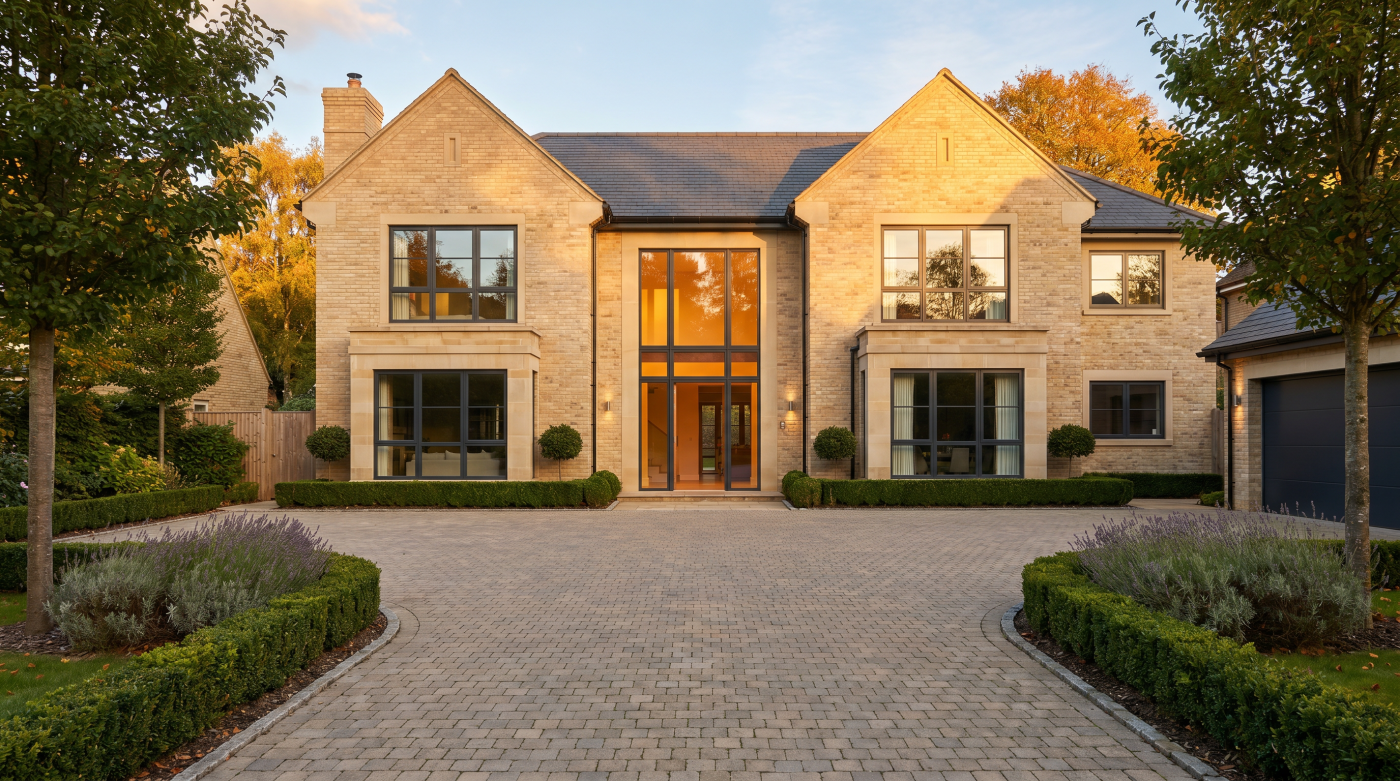
Aluminium Windows Are Not All the Same
One of the most common misconceptions surrounding aluminium windows is that they are all broadly similar. From a distance, this assumption is understandable. Many aluminium systems share a contemporary appearance, slim profiles and a powder-coated finish. To the untrained eye, the differences can seem minor.
The reality is rather different.
Aluminium is simply the frame material. It tells you very little about how a window will perform, how it will look in detail, how comfortable it will make a room feel, or how well it will suit a particular project. Two aluminium windows may appear almost identical in a showroom yet differ significantly in thermal performance, structural capability, security, durability and long-term user experience.
This is where many homeowners encounter problems. During the early stages of a project, it is easy to focus on the visible characteristics of a window. Frame colour, sightlines and pricing often dominate conversations. What is less obvious are the engineering decisions hidden within the frame itself. Factors such as thermal break design, gasket systems, hardware quality, glazing specifications and manufacturing tolerances all influence how a window performs over decades of use.
For example, a premium aluminium system designed for a high-performance self-build may incorporate advanced thermal barriers, triple glazing options and sophisticated weather sealing. A lower-cost alternative may achieve a similar visual appearance while delivering a very different level of comfort during winter months. The distinction often becomes apparent only after installation, when homeowners begin to experience the day-to-day realities of living with the product.
Architects and experienced glazing specialists rarely evaluate windows based solely on material type. Instead, they assess how a particular system responds to the requirements of the project. A contemporary new-build seeking expansive glazing and exceptional thermal performance may require a completely different solution to a heritage renovation where proportions, detailing and planning considerations are equally important.
The challenge for homeowners is that marketing literature can create the impression that aluminium itself is the primary decision. In practice, the more important question is not whether a window is made from aluminium, but whether the system has been specified correctly for the building, its location and the desired outcome.
This distinction matters because successful glazing specifications are rarely driven by products alone. They are driven by project objectives. Natural light, thermal comfort, architectural character, maintenance expectations and long-term value should all influence the specification process.
Before comparing prices, colours or manufacturers, it is worth recognising a simple but important principle: aluminium windows are not a product category in the way many people assume. They are a collection of very different systems, each designed to solve different problems. Understanding those differences is often the first step towards making a more informed decision.
Slim Frames Often Come With Trade-Offs
Few features have shaped modern glazing design more than the desire for slim frames. Architectural magazines, social media platforms and contemporary self-build projects are filled with images of expansive glass, minimal sightlines and seemingly uninterrupted views. It is easy to understand the appeal. Slimmer frames allow more natural light into a home, strengthen connections with the surrounding landscape and create the clean, refined aesthetic many homeowners and architects are seeking.
What is less frequently discussed is that slim frames are not always a straightforward upgrade.
Every window and door frame performs several important functions. It must support significant structural loads, withstand wind pressure, accommodate thermal movement, provide security, resist weather penetration and support large areas of glazing. Reducing the visible frame inevitably creates engineering challenges that manufacturers must solve in different ways.
In premium systems, these challenges are often addressed through sophisticated design, advanced materials and rigorous testing. In lower-cost systems, compromises may be made to achieve a similar visual appearance. The result is that two products with comparable sightlines can perform very differently when subjected to the realities of everyday use.
Large expanses of glazing illustrate this particularly well. A homeowner may be drawn to an ultra-slim sliding door because of its elegant appearance, only to discover that larger panes of glass require more substantial supporting structures elsewhere in the design. Structural steelwork, hidden supports and specialist installation methods can all become necessary to achieve the desired aesthetic. These requirements can have a significant impact on project costs, programme timelines and design flexibility.
Thermal performance can also become part of the conversation. While modern aluminium systems have improved dramatically over recent decades, achieving extremely slim profiles while maintaining excellent thermal efficiency requires careful engineering. The challenge is not impossible to overcome, but it is rarely as simple as selecting the system with the narrowest visible frame.
Practical considerations deserve equal attention. Large panes of glass are considerably heavier than many homeowners realise. This influences hardware selection, operating mechanisms and long-term durability. A beautifully designed sliding door should not only look impressive on the day it is installed but continue to operate smoothly many years later. Achieving both outcomes often depends on the quality of the system and the appropriateness of the specification.
Architects frequently approach this issue by balancing aesthetics against performance rather than prioritising one at the expense of the other. The most successful projects rarely pursue slim sightlines as an isolated objective. Instead, they seek an intelligent balance between appearance, comfort, durability, practicality and budget.
The lesson is not that slim frames should be avoided. In many projects, they can be transformative. Rather, it is that sightlines should be viewed as one part of a broader specification decision. A window or door that looks exceptional but compromises comfort, performance or usability is rarely the best long-term solution.
The most successful glazing schemes are those where aesthetics and performance work together. Slim frames can certainly contribute to that outcome, but they should never be the only measure of quality.
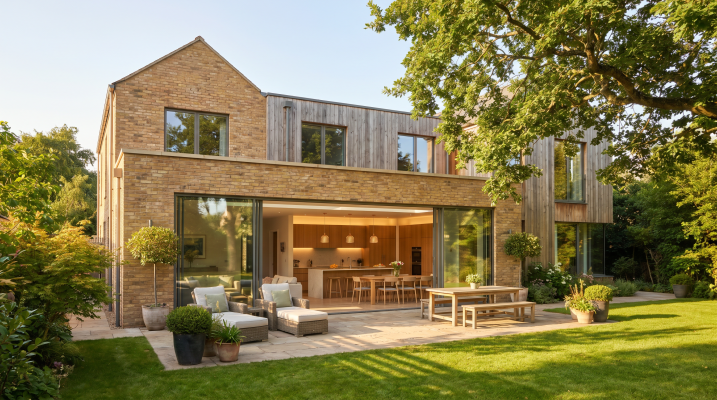
U-Values Don’t Tell the Whole Story
When comparing aluminium windows, many homeowners quickly find themselves confronted with technical performance data. Among the various figures presented in brochures and specification sheets, U-values often receive the most attention. Lower numbers are generally associated with better thermal performance, leading many buyers to assume that comparing U-values is the simplest way to identify the best window.
While U-values are certainly important, they rarely tell the full story.
A U-value measures the rate at which heat passes through a building element. In simple terms, the lower the number, the less heat is lost. This makes U-values a useful indicator of thermal efficiency, but they represent only one aspect of how a window will influence comfort and energy performance within a home.
One of the most common misunderstandings is that all U-values are directly comparable. In reality, manufacturers may present different types of figures. Some refer to the centre of the glass, while others relate to the entire window assembly, including the frame. Because frames and glazing perform differently, these figures can vary significantly. Without understanding exactly what is being measured, comparisons can become misleading.
Even when whole-window U-values are used, thermal performance remains only part of the picture. Solar gain, for example, can have a considerable impact on how a room feels throughout the year. Large areas of glazing may allow valuable solar warmth into a home during cooler months, helping to offset heating requirements. At the same time, excessive solar gain can contribute to overheating during warmer periods if shading and orientation have not been carefully considered.
Comfort is also influenced by factors that are not fully captured by a U-value. Internal glass surface temperatures, air movement around windows and overall building design all affect how occupants experience a space. Two homes with windows achieving similar thermal ratings can feel remarkably different in day-to-day use.
This becomes particularly relevant in self-build and high-performance projects, where the goal is often to create a home that feels comfortable throughout the year rather than simply achieving compliance with building regulations. Architects and building performance consultants frequently evaluate glazing specifications within the context of the entire building envelope, recognising that windows are only one part of a much larger system.
The quality of installation also plays a crucial role. A window with excellent published performance figures can fail to deliver its potential if thermal bridges, air leakage or poor detailing compromise the surrounding construction. In these situations, the theoretical performance on paper may bear little resemblance to the experience of living in the completed property.
For homeowners, the key lesson is that thermal performance should be assessed holistically. U-values are a valuable starting point, but they should not be treated as the sole measure of quality. Understanding how glazing, frame design, solar gain, orientation and installation work together will provide a far more accurate picture of how a window is likely to perform.
The most successful specifications focus not on achieving the lowest possible number, but on creating a comfortable, efficient and balanced living environment. Ultimately, that is what good glazing design is intended to achieve.
Installation Quality Matters As Much As The Window Itself
When homeowners compare aluminium window systems, most of the attention is naturally directed towards the product itself. Frame design, glazing options, thermal performance and aesthetics often dominate the decision-making process. Yet one of the most significant influences on long-term performance is frequently overlooked altogether: installation quality.
A well-engineered window can only perform as intended when it is installed correctly. Even the most sophisticated glazing system cannot compensate for poor detailing, inadequate sealing or incorrect integration with the surrounding structure. In many cases, issues that homeowners later attribute to the product are actually the result of installation shortcomings.
The importance of installation becomes clear when considering the role a window plays within the building envelope. A window is not an isolated component. It forms part of a complex junction where structure, insulation, weatherproofing and airtightness all converge. The quality of this interface can have a significant impact on energy efficiency, comfort and durability.
One common example is thermal bridging. If the connection between the window frame and the surrounding wall is poorly detailed, heat can bypass insulation layers and escape through the building fabric. The resulting heat loss may be relatively small in isolation, but across an entire property it can undermine the performance of an otherwise carefully designed specification. In some cases, thermal bridges can also contribute to condensation problems, particularly during colder months.
Airtightness is another critical consideration. Modern homes, especially self-build and high-performance projects, rely heavily on controlling unwanted air leakage. Gaps around window frames may appear insignificant, yet they can introduce draughts, reduce energy efficiency and compromise overall comfort. Achieving reliable airtightness requires careful planning, quality materials and meticulous workmanship throughout the installation process.
Weather resistance presents similar challenges. Wind-driven rain, fluctuating temperatures and seasonal movement place continual demands on window junctions. Effective installation ensures that water is managed correctly and prevented from entering vulnerable areas of the building fabric. Poor detailing may not reveal itself immediately, but problems can emerge over time as moisture finds pathways into the construction.
Experienced architects and glazing specialists therefore tend to view installation as part of the specification process rather than a separate activity that occurs later. Decisions relating to cavity closers, insulation positioning, airtightness strategies and structural support are often considered long before the first frame arrives on site. This early coordination helps avoid costly compromises during construction.
For homeowners, this can be a surprising realisation. The difference between an average glazing outcome and an exceptional one is often determined not by the product selected, but by the quality of the design, planning and installation that support it.
A premium aluminium window deserves a premium installation. When both work together, the result is a home that delivers the comfort, performance and durability originally envisioned. When either element is neglected, even the most impressive product can struggle to fulfil its potential.
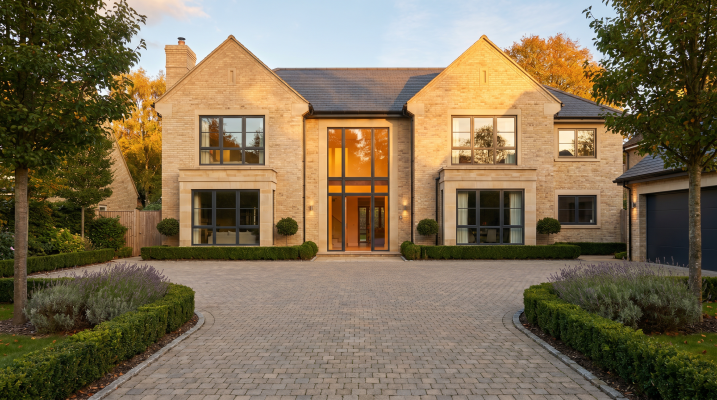
Maintenance Is Low — But Not Zero
One of aluminium’s strongest selling points is its reputation for low maintenance. Compared with traditional timber windows, aluminium systems require significantly less ongoing attention and are often promoted as a long-term, hassle-free solution. For many homeowners, particularly those undertaking a self-build or creating a future-proof home, this can be an attractive proposition.
However, low maintenance should not be confused with no maintenance.
Modern aluminium windows benefit from highly durable powder-coated finishes designed to withstand decades of exposure to changing weather conditions. Unlike timber, they do not require regular sanding, staining or repainting. This undoubtedly reduces the level of upkeep required over the life of the product. Yet aluminium windows remain sophisticated mechanical systems that benefit from periodic care and inspection.
The most obvious requirement is cleaning. Dirt, airborne pollutants, pollen and salt deposits can accumulate on both frames and glazing over time. While this is largely a cosmetic issue, allowing contaminants to build up for prolonged periods can affect the appearance of the finish and, in some environments, potentially shorten its lifespan. Regular cleaning helps preserve both appearance and performance.
Location also plays an important role. Properties in coastal areas, exposed rural locations or heavily urbanised environments may place greater demands on external materials. Salt-laden air, agricultural dust and airborne pollutants can all accelerate wear if maintenance is neglected. In these situations, manufacturers often recommend more frequent cleaning schedules to maintain the integrity of the finish.
Moving components deserve equal attention. Handles, hinges, locks and sliding mechanisms experience continual use throughout the life of a window or door. Although high-quality hardware is designed for longevity, periodic adjustment and lubrication may be required to ensure smooth operation. This is particularly relevant for large sliding doors, where significant glass weights place greater demands on rollers and running gear.
Drainage channels and weather seals should also be inspected occasionally. These components play a vital role in managing water and maintaining weather resistance. Keeping drainage paths clear of debris helps ensure the system continues to function as intended, particularly during periods of heavy rainfall.
Perhaps the most overlooked aspect of maintenance is the relationship between care and longevity. Homeowners often focus on the expected lifespan of the frame itself, yet the overall performance of a glazing system depends on numerous components working together. Small maintenance tasks carried out periodically can help protect both appearance and functionality for many years.
The good news is that aluminium remains one of the lowest-maintenance window materials available. Most homeowners will find the requirements modest and entirely manageable. The important point is simply that no building product is completely maintenance-free.
A realistic understanding of maintenance expectations allows homeowners to make more informed decisions and helps ensure that their investment continues to perform as intended long after installation has been completed.
The Cheapest Aluminium Window Can Become The Most Expensive Decision
Cost is often one of the first considerations when choosing aluminium windows. With project budgets under pressure and multiple decisions competing for attention, it is entirely understandable that homeowners compare quotations carefully. The challenge is that the cheapest option on paper does not always represent the best value over the lifespan of a property.
This distinction becomes particularly important when considering that windows are typically expected to perform for several decades. Unlike finishes or furnishings that can be updated relatively easily, replacing windows is a significant undertaking involving disruption, labour costs and considerable expense. Decisions made at the specification stage therefore tend to have long-term consequences.
Lower-cost aluminium systems can sometimes achieve attractive headline pricing by simplifying aspects of design, manufacturing or performance. The differences may not be immediately visible. A frame may look similar to a premium alternative, and the brochure specifications may appear broadly comparable. However, variations in engineering quality, hardware durability, weather sealing and thermal performance can become more apparent over time.
One area where this frequently emerges is operational performance. Windows and doors are mechanical products that experience daily use. Handles, hinges, locks and sliding mechanisms are subjected to continual wear. Higher-quality systems are often designed with durability and long-term reliability in mind, while lower-cost alternatives may require adjustments, repairs or component replacements much sooner than expected.
Warranty provision can provide another useful indicator of long-term confidence. Not all warranties are equal, and understanding what is covered, for how long and under what conditions is an important part of the evaluation process. A lower initial purchase price may appear attractive until future maintenance or replacement costs are factored into the equation.
Energy performance also deserves consideration. Even relatively small differences in thermal efficiency can influence heating demand and comfort levels throughout the life of a property. While these savings may not be dramatic on a month-to-month basis, they can accumulate over many years. More importantly, the impact on comfort is often felt every day rather than simply reflected in utility bills.
There is also the question of property value and market perception. In premium homes, carefully specified glazing can contribute significantly to architectural quality, kerb appeal and overall desirability. Prospective buyers may not always know which manufacturer has been used, but they often recognise quality through appearance, operation and attention to detail.
Experienced architects and specification professionals rarely evaluate glazing decisions based solely on initial purchase price. Instead, they consider total lifecycle value. This broader perspective includes performance, durability, maintenance requirements, aesthetics and long-term satisfaction alongside upfront cost.
For homeowners, the most useful question is often not “Which aluminium window is cheapest?” but rather “Which option will provide the greatest value over the next twenty or thirty years?”
The answer is not always the most expensive system available. Equally, it is rarely the cheapest. The best long-term decisions tend to balance cost with quality, performance and suitability for the project, creating value that extends far beyond the day of installation.
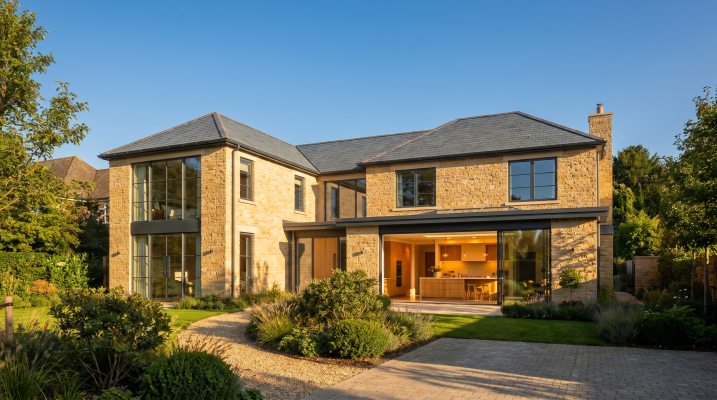
Aluminium May Not Be The Best Choice For Every Home
Aluminium has become one of the most popular window materials in contemporary residential design, and for good reason. Its strength allows for slim sightlines, its durability is well proven, and modern systems can deliver excellent levels of thermal performance. Yet despite these advantages, aluminium is not automatically the right choice for every project.
This is a point that is often lost within product-led marketing.
The most successful glazing specifications begin not with a preferred material, but with an understanding of the building itself. Architectural character, planning constraints, performance objectives, maintenance expectations and budget all influence the most appropriate solution. What works exceptionally well for one property may be entirely unsuitable for another.
Heritage projects provide a useful example. Owners of listed buildings and period homes are frequently drawn to aluminium because of its contemporary appearance and low maintenance requirements. However, planning authorities and conservation officers may place significant emphasis on preserving historic character. In these situations, factors such as sightline proportions, surface finishes, opening styles and traditional detailing can become more important than the material itself.
For some heritage properties, carefully specified timber windows may remain the most sympathetic solution. In others, modern composite systems that combine timber internally with aluminium externally can offer an attractive balance between aesthetics, durability and performance. The correct answer depends on the specific property rather than any universal rule.
At the opposite end of the spectrum, contemporary self-builds and architect-designed homes often present a strong case for aluminium. Large areas of glazing, minimal frame designs and ambitious structural openings frequently benefit from aluminium’s inherent strength. These projects may prioritise expansive views, natural light and clean architectural lines, making aluminium an obvious contender.
Even within contemporary projects, however, there are alternatives worth considering. Timber-aluminium composite systems continue to gain popularity among homeowners seeking the warmth of natural timber inside the home alongside the weather resistance of aluminium externally. Depending on the design objectives, these systems can offer a compelling combination of aesthetics and performance.
The key point is that material selection should always support the broader goals of the project. Architects rarely begin by asking which material they want to use. Instead, they ask what outcome they are trying to achieve. Once those objectives are understood, the most appropriate specification often becomes much clearer.
For homeowners, this can be a valuable shift in perspective. Rather than comparing materials in isolation, it is often more productive to consider how each option aligns with the needs of the building and the people who will live within it.
Aluminium is an excellent solution for many homes. It is durable, versatile and capable of delivering outstanding results when specified correctly. But like any material, it performs best when selected for the right reasons and applied in the right context.
The goal should never be to find the best window material in general. It should be to find the most suitable solution for a particular project, a particular property and a particular way of living.
The Most Important Decision Is Choosing The Right Specification Partner
When homeowners begin researching aluminium windows, much of their attention is understandably focused on products. Manufacturers, frame profiles, glazing options and performance figures quickly become the centre of the conversation. Yet the most significant factor influencing the success of a glazing project is often not the product itself, but the quality of guidance received throughout the specification process.
This is because glazing decisions rarely exist in isolation.
Windows and doors influence architectural design, thermal performance, natural light, planning considerations, structural requirements and everyday comfort. A specification that works perfectly for one project may be entirely inappropriate for another. Understanding these relationships requires more than product knowledge alone. It requires an appreciation of how glazing interacts with the wider objectives of the building.
The challenge for many homeowners is that they are making decisions that they may only make once or twice in their lifetime. By contrast, architects, experienced builders and glazing specialists encounter these decisions repeatedly across a wide variety of projects. Their value lies not simply in knowing which products exist, but in understanding which solutions are most appropriate in different circumstances.
Good specification advice begins with questions rather than recommendations. What type of property is being created? How will the spaces be used? What level of performance is required? Are there planning constraints? How important are maintenance considerations? What role should glazing play in the overall architectural design?
These conversations often reveal factors that may not have been considered initially. A homeowner focused on achieving the slimmest possible sightlines may discover that solar control is a greater concern. A self-builder prioritising thermal performance may find that glazing orientation has a more significant impact than marginal differences in published U-values. A renovation project may uncover planning considerations that influence product selection long before an order is placed.
This is one reason why architects and experienced project teams typically make glazing decisions earlier than many homeowners expect. The most effective specifications are developed alongside the design process rather than being treated as a final purchasing decision. Early collaboration allows opportunities to be explored and potential problems to be resolved before they become costly.
The distinction between product supply and project guidance is therefore an important one. A supplier can provide windows. A specification partner helps shape better outcomes. The difference may not always be visible within a quotation, but it often becomes apparent throughout the life of the project.
Ultimately, successful glazing projects are rarely defined by a single product choice. They are the result of hundreds of interconnected decisions made throughout the design, specification and construction process. The right guidance helps ensure those decisions work together to support the broader goals of the project.
Before comparing manufacturers, frame sizes or performance figures, it is worth asking a different question entirely: who is helping guide the decision-making process?
In many cases, the quality of that advice will have a greater impact on the final result than any individual product specification.
Conclusion
Aluminium windows have earned their popularity for good reason. They can deliver impressive aesthetics, excellent durability and strong thermal performance while supporting the large glazed openings that have become a defining feature of contemporary residential architecture. For many projects, they represent an outstanding long-term investment.
However, as with most significant building decisions, the reality is more nuanced than marketing brochures often suggest.
The success of a glazing specification depends on far more than the frame material alone. Slim sightlines, thermal performance figures and attractive finishes all have their place, but they represent only part of a much larger picture. Installation quality, project suitability, long-term durability, maintenance expectations and the expertise behind the specification process are equally important considerations.
Perhaps the most valuable lesson is that good glazing decisions begin with project objectives rather than product preferences. A listed building renovation, a contemporary extension and a high-performance self-build may all have very different requirements, even if aluminium remains a potential solution for each. Understanding these differences allows homeowners to make decisions based on outcomes rather than assumptions.
This is why architects and experienced glazing professionals tend to approach specification as a process of problem-solving rather than product selection. The objective is not simply to choose a window. It is to create comfortable, attractive and durable living environments that continue to perform well for decades.
For homeowners, the most effective approach is often to step back from the product comparison stage and focus first on the broader goals of the project. What level of comfort is desired? How should the home feel throughout the year? What architectural character is being created? How important are maintenance, longevity and energy efficiency?
The answers to these questions will often provide far greater clarity than any individual performance figure or product brochure.
Aluminium windows can be an excellent choice. They can also be the wrong choice if specified without sufficient consideration of the building, the design objectives and the people who will ultimately live within the space. The key is not simply choosing aluminium. The key is choosing the right solution for the project.
When approached in this way, glazing becomes more than a product purchase. It becomes an integral part of creating a home that performs beautifully, feels comfortable and continues to add value long after construction has been completed.