
More Glass Does Not Automatically Mean Better Performance
One of the reasons triple glazing has become so widely recommended is that it appears to offer a simple upgrade path.
If double glazing consists of two panes of glass and triple glazing consists of three, it seems logical to assume that triple glazing must always perform better. More glass, more insulation and therefore a better window.
The reality is more complicated.
While adding a third pane can improve thermal performance, the number of panes alone does not determine how well a window performs. In practice, the effectiveness of any glazing system depends on a combination of factors working together, many of which are often overlooked when homeowners focus solely on whether a unit is double or triple glazed.
A useful example is the distinction between glass performance and whole-window performance.
When manufacturers discuss glazing performance, attention is often drawn towards the centre pane U-value of the glass unit itself. This figure measures how effectively the glass reduces heat transfer. However, homeowners do not buy glass alone. They buy complete window systems consisting of glass, frames, seals, spacers and installation details that all contribute to the final result.
As a result, a high-performing triple-glazed unit installed within a poorly designed window may not deliver the benefits many people expect. Equally, a premium double-glazed system with excellent frame design, high-quality seals and careful installation can sometimes perform remarkably well.
The frame itself plays an important role.
Heat does not move exclusively through the glass. It also travels through the frame and surrounding junctions. Advances in frame design, thermal break technology and manufacturing quality have significantly improved the performance of modern window systems. This means that overall window efficiency is often influenced by much more than the glazing unit alone.
Installation quality matters just as much.
Even the most advanced glazing system can underperform if it is poorly integrated into the building envelope. Gaps, thermal bridges and weaknesses in airtightness can undermine performance regardless of how many panes of glass are present. This is one reason building performance specialists often focus on installation methodology as closely as they focus on product selection.
The wider energy strategy of the building must also be considered.
A highly insulated home designed around airtight construction, controlled ventilation and low heating demand may benefit differently from triple glazing than a conventional property undergoing a straightforward window replacement. Context influences outcomes far more than many homeowners realise.
This is not an argument against triple glazing.
In many situations, it offers genuine advantages and can contribute significantly to the performance of a building. The important point is that thermal performance should be viewed as a system characteristic rather than a product feature.
The number of panes is only one part of a much larger picture.
For homeowners, this is a valuable shift in perspective. Instead of asking whether double or triple glazing is better, it is often more useful to ask how well the entire window system has been designed, manufactured and installed.
Because ultimately, the best-performing window is rarely the one with the most glass.
It is the one where every component works together effectively.
Triple Glazing Usually Improves Thermal Performance — But Sometimes Only Marginally
There is no question that triple glazing can improve thermal performance.
Adding a third pane of glass creates an additional insulating cavity, helping to reduce heat transfer through the glazing unit. This is one of the primary reasons triple glazing has become increasingly popular within self-build projects, low-energy homes and high-performance residential construction.
The problem is not that the improvement is imaginary.
The problem is that many homeowners assume the improvement is far larger than it actually is.
In reality, the performance gap between modern double and triple glazing is often narrower than expected, particularly when comparing premium systems.
This is because double glazing has evolved significantly over the past two decades. Advances in low-emissivity coatings, warm-edge spacer technology, inert gas fillings and glazing manufacture have dramatically improved the efficiency of modern double-glazed units. As a result, today’s premium double glazing often performs at a level that would have been considered exceptional not long ago.
Triple glazing still goes further.
However, the additional gains frequently become subject to diminishing returns.
This concept is important because energy performance improvements are rarely linear. The first improvements to a building envelope often deliver the greatest benefits. As performance levels increase, each additional improvement tends to produce progressively smaller gains. Triple glazing can absolutely reduce heat loss further, but the difference between a very good double-glazed system and a high-quality triple-glazed system is often less dramatic than many homeowners imagine.
The practical significance of this varies from project to project.
For a conventional renovation where the rest of the building envelope remains relatively unchanged, the performance difference may be difficult to notice in everyday living. Heating costs are influenced by numerous factors including insulation levels, airtightness, ventilation, occupant behaviour and overall building design. In these situations, glazing is only one piece of a much larger puzzle.
By contrast, in highly insulated homes designed around ambitious performance targets, even relatively small improvements can be worthwhile. When a building is already operating at a very high level of efficiency, reducing heat loss through glazing can contribute meaningfully to the overall strategy.
This is why blanket recommendations about triple glazing can be misleading.
The question is not whether triple glazing performs better. In most cases, it does.
The more relevant question is whether the additional performance is significant enough to justify the associated costs, weight and specification requirements within the context of a particular project.
Architects and building performance consultants often evaluate glazing in exactly this way. They look beyond headline performance figures and consider how each component contributes to the wider objectives of the building. A marginal thermal improvement may be highly valuable in one project and largely irrelevant in another.
For homeowners, understanding this distinction helps move the conversation beyond simple product comparisons.
Triple glazing is not valuable because it contains an extra pane of glass.
It is valuable when the additional performance meaningfully supports the goals of the project.
Sometimes it does.
Sometimes the difference is smaller than expected.
And recognising that distinction is often the first step towards making a more informed glazing decision.
Triple Glazing Usually Improves Thermal Performance — But Sometimes Only Marginally
There is no question that triple glazing can improve thermal performance.
Adding a third pane of glass creates an additional insulating cavity, helping to reduce heat transfer through the glazing unit. This is one of the primary reasons triple glazing has become increasingly popular within self-build projects, low-energy homes and high-performance residential construction.
The problem is not that the improvement is imaginary.
The problem is that many homeowners assume the improvement is far larger than it actually is.
In reality, the performance gap between modern double and triple glazing is often narrower than expected, particularly when comparing premium systems.
This is because double glazing has evolved significantly over the past two decades. Advances in low-emissivity coatings, warm-edge spacer technology, inert gas fillings and glazing manufacture have dramatically improved the efficiency of modern double-glazed units. As a result, today’s premium double glazing often performs at a level that would have been considered exceptional not long ago.
Triple glazing still goes further.
However, the additional gains frequently become subject to diminishing returns.
This concept is important because energy performance improvements are rarely linear. The first improvements to a building envelope often deliver the greatest benefits. As performance levels increase, each additional improvement tends to produce progressively smaller gains. Triple glazing can absolutely reduce heat loss further, but the difference between a very good double-glazed system and a high-quality triple-glazed system is often less dramatic than many homeowners imagine.
The practical significance of this varies from project to project.
For a conventional renovation where the rest of the building envelope remains relatively unchanged, the performance difference may be difficult to notice in everyday living. Heating costs are influenced by numerous factors including insulation levels, airtightness, ventilation, occupant behaviour and overall building design. In these situations, glazing is only one piece of a much larger puzzle.
By contrast, in highly insulated homes designed around ambitious performance targets, even relatively small improvements can be worthwhile. When a building is already operating at a very high level of efficiency, reducing heat loss through glazing can contribute meaningfully to the overall strategy.
This is why blanket recommendations about triple glazing can be misleading.
The question is not whether triple glazing performs better. In most cases, it does.
The more relevant question is whether the additional performance is significant enough to justify the associated costs, weight and specification requirements within the context of a particular project.
Architects and building performance consultants often evaluate glazing in exactly this way. They look beyond headline performance figures and consider how each component contributes to the wider objectives of the building. A marginal thermal improvement may be highly valuable in one project and largely irrelevant in another.
For homeowners, understanding this distinction helps move the conversation beyond simple product comparisons.
Triple glazing is not valuable because it contains an extra pane of glass.
It is valuable when the additional performance meaningfully supports the goals of the project.
Sometimes it does.
Sometimes the difference is smaller than expected.
And recognising that distinction is often the first step towards making a more informed glazing decision.
Solar Gain Is The Part Most Homeowners Never Hear About
When triple glazing is discussed, the conversation almost always centres on heat loss.
Manufacturers, installers and homeowners naturally focus on insulation because it is easy to understand. Less heat escaping through the glass sounds like an obvious advantage. In many situations, it is.
What receives far less attention is what happens when heat comes in.
This is where solar gain enters the discussion, and it is one of the most overlooked aspects of glazing specification.
Solar gain refers to the heat energy that enters a building through the glass when sunlight passes through it. During cooler months, this can act as a form of passive heating, helping to warm internal spaces without relying entirely on mechanical heating systems. In well-designed homes, solar gain can contribute significantly to overall energy performance.
This is particularly relevant for south-facing glazing.
Large glazed elevations positioned to capture winter sunlight can introduce meaningful amounts of free heat into a building. Architects and building performance consultants often consider this carefully when developing an energy strategy because the relationship between heat loss and heat gain is more complex than many homeowners realise.
The challenge is that improving insulation is not always the same as improving energy performance.
Triple glazing generally reduces heat loss more effectively than double glazing. However, it can also reduce solar gain depending on the specification of the glazing unit. In some circumstances, the reduction in useful solar heat entering the building may offset part of the thermal advantage gained through improved insulation.
This is why performance professionals often assess windows using multiple criteria rather than focusing exclusively on U-values.
A window with an exceptionally low U-value may minimise heat loss, but if it significantly restricts solar gain, the overall energy balance may not always be optimal. Conversely, a glazing system with slightly higher heat loss but stronger solar gain characteristics may contribute positively to a building’s performance under certain conditions.
The correct balance depends entirely on the project.
A highly glazed south-facing self-build designed around passive solar principles may benefit from a different glazing strategy than a north-facing extension or a property located in a heavily shaded environment. Orientation, climate, occupancy patterns and overall building design all influence the most appropriate specification.
This is one reason experienced architects rarely specify glazing based solely on the number of panes.
Instead, they consider how the glazing interacts with the wider building. The objective is not simply to minimise heat loss. The objective is to optimise overall performance.
For homeowners, this can feel counterintuitive because the glazing industry often presents thermal performance as a simple race towards lower U-values. While insulation is undeniably important, buildings do not operate according to a single measurement.
They are dynamic environments influenced by sunlight, weather, orientation and occupancy.
Triple glazing remains an excellent solution in many projects, particularly where thermal performance targets are demanding. The important point is simply that lower heat loss is not the only factor worth considering.
Sometimes the best-performing glazing solution is not the one that blocks the most heat.
It is the one that achieves the most effective balance between retaining heat and allowing useful solar energy into the home.
Triple Glazing Is Often More Valuable For Comfort Than Energy Savings
When homeowners consider triple glazing, they usually focus on energy bills.
The assumption is understandable. Most marketing materials emphasise thermal performance, reduced heat loss and improved efficiency. As a result, people naturally evaluate triple glazing according to how much money it might save over time.
Yet many architects and building performance specialists view one of its greatest benefits quite differently.
In many homes, the most noticeable advantage of triple glazing is not energy savings.
It is comfort.
This distinction matters because comfort and energy efficiency are not always the same thing. A home can be relatively energy efficient while still containing areas that feel less comfortable to occupy. Equally, small improvements in comfort can have a significant impact on how people experience a space, even if they have only a modest effect on heating demand.
One of the key reasons for this is internal glass temperature.
During colder months, the inside surface of a window is often cooler than the surrounding walls. Even in a well-insulated home, occupants can sometimes sense this difference when sitting close to large glazed areas. The phenomenon is often described as radiant cooling or the cold radiation effect.
The room itself may be warm.
The thermostat may indicate a comfortable temperature.
Yet people can still feel slightly cooler near the glazing because their bodies are losing heat to the colder surface.
Triple glazing helps address this by increasing the internal surface temperature of the glass. Because less heat passes through the unit, the inside pane remains warmer during cold weather. As a result, spaces adjacent to large windows and doors often feel more comfortable and consistent.
This benefit becomes particularly noticeable in homes with extensive glazing.
Floor-to-ceiling windows, large sliding doors and expansive glazed elevations create extraordinary connections to the outdoors, but they also increase the importance of glass surface temperatures. In these situations, the comfort benefits of triple glazing can often be more meaningful than the direct energy savings.
Architects frequently recognise this.
When specifying glazing for contemporary homes, they are often concerned with how spaces feel as much as how they perform on paper. A living room positioned beside a large glazed opening should be a place where occupants naturally want to sit, relax and spend time. Comfort therefore becomes an architectural consideration rather than simply an engineering one.
Acoustic performance can contribute to comfort as well.
Although sound reduction depends on multiple factors and not simply the number of panes, certain triple-glazed configurations can help create quieter internal environments. For homeowners located near roads, flight paths or busy urban areas, this improvement may be appreciated every day regardless of any impact on heating costs.
This perspective often changes how people think about glazing decisions.
Rather than asking whether triple glazing will dramatically reduce energy bills, it may be more useful to ask how it will influence the experience of living within the home. Will the room feel more comfortable during winter? Will seating areas near large windows become more pleasant to use? Will the overall environment feel calmer and more consistent?
These are benefits that rarely appear on a specification sheet.
Yet they are often the benefits homeowners notice most.
In many projects, triple glazing earns its value not because it transforms energy consumption, but because it enhances the quality of everyday life within the spaces it helps create.
Weight Changes Everything
One of the least discussed aspects of triple glazing has nothing to do with thermal performance.
It is weight.
When homeowners compare double and triple glazing, the conversation usually focuses on insulation, comfort and energy efficiency. Yet adding a third pane of glass inevitably increases the weight of the glazing unit, and that additional weight influences far more than many people realise.
In fact, weight is one of the main reasons triple glazing should be viewed as a building system decision rather than a simple product upgrade.
The difference can be substantial.
Glass is heavy. Even standard double-glazed units represent a significant structural load, particularly when used within large windows and expansive sliding doors. Adding a third pane increases that load further, creating additional demands on frames, hardware, support structures and installation processes.
This has implications throughout the entire glazing system.
Frames must be capable of supporting the extra weight while maintaining structural integrity over many years of operation. Hardware components such as hinges, rollers and locking mechanisms are subjected to greater forces, particularly in large opening elements. As a result, triple-glazed systems often require more robust engineering to ensure smooth operation and long-term reliability.
The impact becomes especially noticeable in contemporary homes featuring large glazed openings.
Modern architecture frequently incorporates expansive sliding doors, floor-to-ceiling glazing and wide-span openings designed to maximise views and natural light. These systems can already weigh hundreds of kilograms when double glazed. Triple glazing increases those loads further, sometimes requiring changes to frame design, hardware specification or structural support strategies.
Architects and structural designers understand this well.
When specifying glazing, they do not simply evaluate thermal performance. They also consider how the additional weight will affect the wider building. Structural calculations, support details and installation logistics may all be influenced by the decision to use triple glazing.
Installation itself becomes more complex.
Heavier glazing units can require additional labour, specialist lifting equipment and more careful coordination on site. While these challenges are routinely managed by experienced installation teams, they remain part of the overall specification process and can influence project costs.
Long-term operation is another consideration.
A premium triple-glazed system should continue operating smoothly for many years, but achieving this requires high-quality hardware and careful engineering. The demands placed on moving components are greater than those associated with lighter glazing units, which is one reason specification quality becomes increasingly important as glass sizes grow.
This is not an argument against triple glazing.
Modern systems are designed to accommodate these challenges, and many perform exceptionally well. The important point is simply that the benefits of triple glazing are accompanied by practical consequences that extend beyond thermal performance.
For homeowners, this reinforces a broader lesson about glazing specification.
Every design decision affects multiple aspects of a building. Improving one characteristic often introduces new requirements elsewhere. Triple glazing is no exception.
The extra pane may improve insulation and comfort, but it also changes the physical demands placed on the window system.
And understanding those wider implications is an important part of making an informed decision.
Architects Rarely Specify Triple Glazing By Default
Given the amount of attention triple glazing receives, many homeowners assume architects automatically recommend it for every project.
The reality is quite different.
While architects often specify triple glazing, particularly within high-performance homes, they rarely treat it as a default choice. Instead, glazing decisions are usually made within the context of a broader architectural and building performance strategy.
In other words, professionals do not start with the glazing product.
They start with the project.
This distinction is important because no two homes are identical. Building orientation, site conditions, architectural design, budget, occupancy patterns and performance objectives all influence the most appropriate specification. What works exceptionally well for one project may offer limited benefits in another.
Orientation is often one of the first considerations.
A home with extensive north-facing glazing has different performance challenges from one designed around large south-facing openings. Similarly, a property located in an exposed rural setting may have very different requirements from a sheltered urban renovation. Architects evaluate these variables before deciding whether the additional benefits of triple glazing justify its inclusion.
The overall energy strategy of the building also plays a major role.
In a highly insulated self-build pursuing ambitious energy targets, triple glazing may form an important part of a wider performance package that includes enhanced insulation, airtight construction and mechanical ventilation systems. Within this context, the additional thermal performance can contribute meaningfully to the building’s objectives.
A more conventional renovation may present a different scenario.
If other elements of the building envelope remain relatively unchanged, the gains associated with triple glazing may be less significant in proportion to the overall project. Architects therefore assess where investment is likely to have the greatest impact rather than applying the same solution universally.
Budget inevitably influences decision-making as well.
Professional specification is often about optimisation rather than maximisation. Every project involves balancing competing priorities. Additional investment allocated towards triple glazing may be entirely justified in one home, while in another it could potentially deliver greater value if directed towards insulation, shading strategies, ventilation improvements or other performance measures.
This balanced approach becomes particularly apparent when comparing Passive House projects with more conventional homes.
Passive House standards place exceptional emphasis on minimising heat loss and maintaining occupant comfort. Triple glazing is therefore commonly specified because it aligns closely with the performance goals of the building. However, architects recognise that not every project is attempting to achieve Passive House certification, and the glazing strategy should reflect the ambitions of the home rather than a generic rule.
This is one of the reasons professional specifications often appear more nuanced than consumer buying guides.
Homeowners are frequently presented with simplified messages such as “triple glazing is better”. Architects, by contrast, tend to evaluate whether triple glazing is better for a particular building under a specific set of circumstances.
The difference may seem subtle, but it fundamentally changes the decision-making process.
For homeowners, there is value in adopting a similar mindset.
Rather than viewing triple glazing as an automatic upgrade, it can be more useful to consider how it supports the wider goals of the project. Once those goals are clear, the most appropriate glazing specification often becomes much easier to identify.
Because good specification is rarely about following rules.
It is about choosing the right solution for the building in front of you.
When Triple Glazing Makes Perfect Sense
By this point, it may sound as though triple glazing is being criticised.
That is not the case.
The purpose of this article is not to argue against triple glazing. In many projects, it is an excellent choice and can deliver meaningful benefits that justify the additional investment. The problem is not triple glazing itself. The problem is the assumption that it is automatically the right answer for every home.
There are plenty of situations where triple glazing makes perfect sense.
Perhaps the clearest example is the high-performance self-build.
Projects designed around low-energy principles often pursue exceptional levels of insulation, airtightness and occupant comfort. In these homes, every element of the building envelope is expected to contribute towards ambitious performance targets. Triple glazing fits naturally within this approach because it helps reduce heat loss and supports a more consistent internal environment.
Passive House projects are a particularly good illustration.
These homes are designed according to a rigorous performance standard that places significant emphasis on minimising heating demand while maintaining high levels of comfort. Triple glazing is frequently specified because the cumulative benefits align closely with the wider objectives of the building. Within this context, the additional performance is not viewed in isolation but as part of a carefully coordinated strategy.
Exposed locations can also benefit significantly.
Homes situated in open countryside, elevated settings or coastal environments often experience more challenging weather conditions than sheltered urban properties. Strong winds, lower external temperatures and greater exposure to the elements can increase the importance of reducing heat loss and maintaining internal comfort. Triple glazing may therefore offer advantages that become more noticeable over the lifespan of the building.
Large glazed areas are another consideration.
Contemporary homes increasingly feature expansive sliding doors, floor-to-ceiling glazing and generous window openings designed to maximise views and natural light. While these architectural features can transform a space, they also increase the influence glazing has on overall comfort. Triple glazing can help maintain warmer internal glass temperatures, making spaces adjacent to large glazed elevations more pleasant to occupy during colder months.
Acoustic performance may provide an additional benefit.
Noise reduction depends on several factors, including glass thickness and glazing configuration, but certain triple-glazed units can contribute to quieter internal environments. For homes located near busy roads, transport infrastructure or other noise sources, this improvement may be highly valuable regardless of any energy-saving considerations.
Long-term ownership should not be overlooked either.
Many homeowners planning a forever home or substantial renovation are thinking in terms of decades rather than years. In these situations, the decision is often less about short-term payback calculations and more about creating a home that delivers comfort, efficiency and enjoyment over the long term. Triple glazing can support those ambitions, particularly when combined with a broader focus on building performance.
This is why many architects continue to specify triple glazing regularly.
Not because it is universally superior, but because it is often the right solution for specific types of projects.
For homeowners, the key lesson is simple.
Triple glazing should not be viewed as a marketing upgrade or a box-ticking exercise. It should be viewed as a design decision that may or may not align with the goals of a particular building.
When it does, the benefits can be substantial.
And in the right project, triple glazing is not merely worthwhile.
It is exactly the right choice.
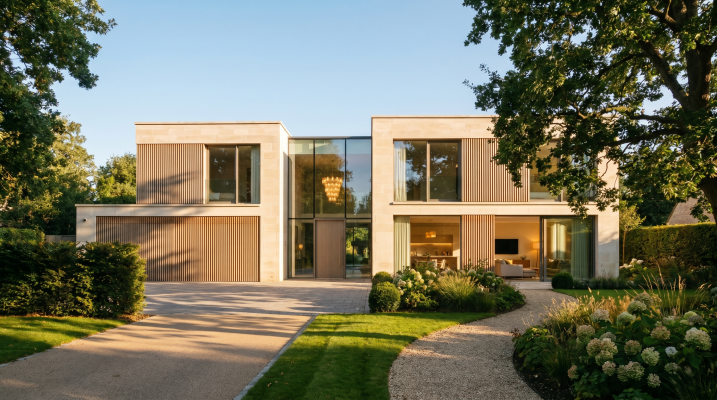
The Better Question Is Not Double Or Triple
One of the biggest mistakes homeowners make when researching glazing is assuming the decision begins with the product.
Should I choose double glazing or triple glazing?
At first glance, this seems like a sensible question. After all, most buying guides, online comparisons and product brochures present glazing as a direct choice between two alternatives. The discussion quickly becomes a debate about U-values, insulation performance and whether the extra pane is worth the cost.
The problem is that this approach starts in the wrong place.
Experienced architects, building performance consultants and glazing specialists rarely begin by asking whether a project needs double or triple glazing. Instead, they start by understanding what the building is trying to achieve.
This distinction changes everything.
For example, a homeowner creating a highly insulated self-build designed for exceptional energy performance may have very different priorities from someone replacing windows in a period property. Similarly, a contemporary home with extensive south-facing glazing requires a different specification strategy from a north-facing extension with limited solar exposure.
In both cases, the glazing decision is driven by the project rather than the product.
This is why the most useful questions are often broader than many homeowners expect.
What level of thermal performance is the building targeting?
How important is winter comfort near large glazed areas?
Will solar gain play a significant role in the home’s energy strategy?
How exposed is the property to wind and weather?
What are the long-term ownership goals?
How much glazing does the building contain?
The answers to these questions often reveal whether double or triple glazing is likely to be the better fit.
Comfort is a particularly valuable consideration.
Many homeowners focus exclusively on energy savings because they are easier to measure. Yet the experience of living in a home is influenced by factors that are often more difficult to quantify. Internal glass temperatures, perceived warmth, acoustic performance and the way a room feels throughout the year can all influence satisfaction far more than small differences in annual heating costs.
Budget should also be viewed in context.
The objective is not necessarily to minimise spending or maximise specifications. The objective is to allocate investment where it creates the greatest value for the project. In some homes, triple glazing may represent an excellent use of resources. In others, improvements elsewhere in the building envelope may deliver greater overall benefits.
Architects frequently describe this as outcome-led specification.
Rather than selecting products first and hoping they suit the building, they define the desired outcomes and then identify the solutions most capable of achieving them. Glazing becomes part of a wider architectural strategy rather than an isolated purchasing decision.
For homeowners, adopting the same mindset can make specification decisions significantly easier.
The goal is not to determine whether triple glazing is universally better than double glazing.
The goal is to determine which solution best supports the performance, comfort, architecture and long-term ambitions of the home being created.
Because ultimately, the most successful glazing decisions are not driven by the number of panes.
They are driven by a clear understanding of what the building needs to achieve.
Conclusion
Triple glazing has earned its reputation for a reason.
It can improve thermal performance, enhance comfort, reduce heat loss and play a valuable role in the design of high-performance homes. In many projects, it is an excellent investment that contributes meaningfully to the long-term quality of a building.
The problem is not the product.
The problem is the assumption.
The idea that triple glazing is always better simplifies a decision that is inherently more complex. Buildings are influenced by orientation, solar gain, insulation levels, airtightness, occupancy patterns, architectural design and countless other variables. The effectiveness of any glazing solution depends on how it interacts with those wider factors.
This is why experienced architects rarely specify glazing based on blanket rules.
They evaluate the goals of the project first.
A Passive House self-build, a contemporary home with expansive glazing and a traditional renovation may all require very different solutions. In some cases, triple glazing is clearly the right choice. In others, a carefully specified double-glazed system may deliver a more balanced outcome.
What matters is not whether a window contains two panes or three.
What matters is whether it supports the performance, comfort and architectural objectives of the building.
For homeowners, this shift in thinking can be incredibly valuable.
Rather than viewing glazing as a straightforward upgrade path, it encourages a more strategic approach. Questions about comfort, solar gain, orientation, energy performance and long-term ownership become more important than simply comparing product labels.
The result is often a better specification and, ultimately, a better home.
Triple glazing should therefore be viewed neither as an unnecessary luxury nor as an automatic requirement.
It is a tool.
Like any tool, its value depends on how and where it is used.
In the right project, triple glazing can be transformative. It can contribute to exceptional levels of comfort, impressive energy performance and a more enjoyable living environment.
But the smartest glazing decisions are rarely made by asking:
“Is triple glazing always better?”
They are made by asking:
“What does this building actually need?”
And that is a far more useful question.