
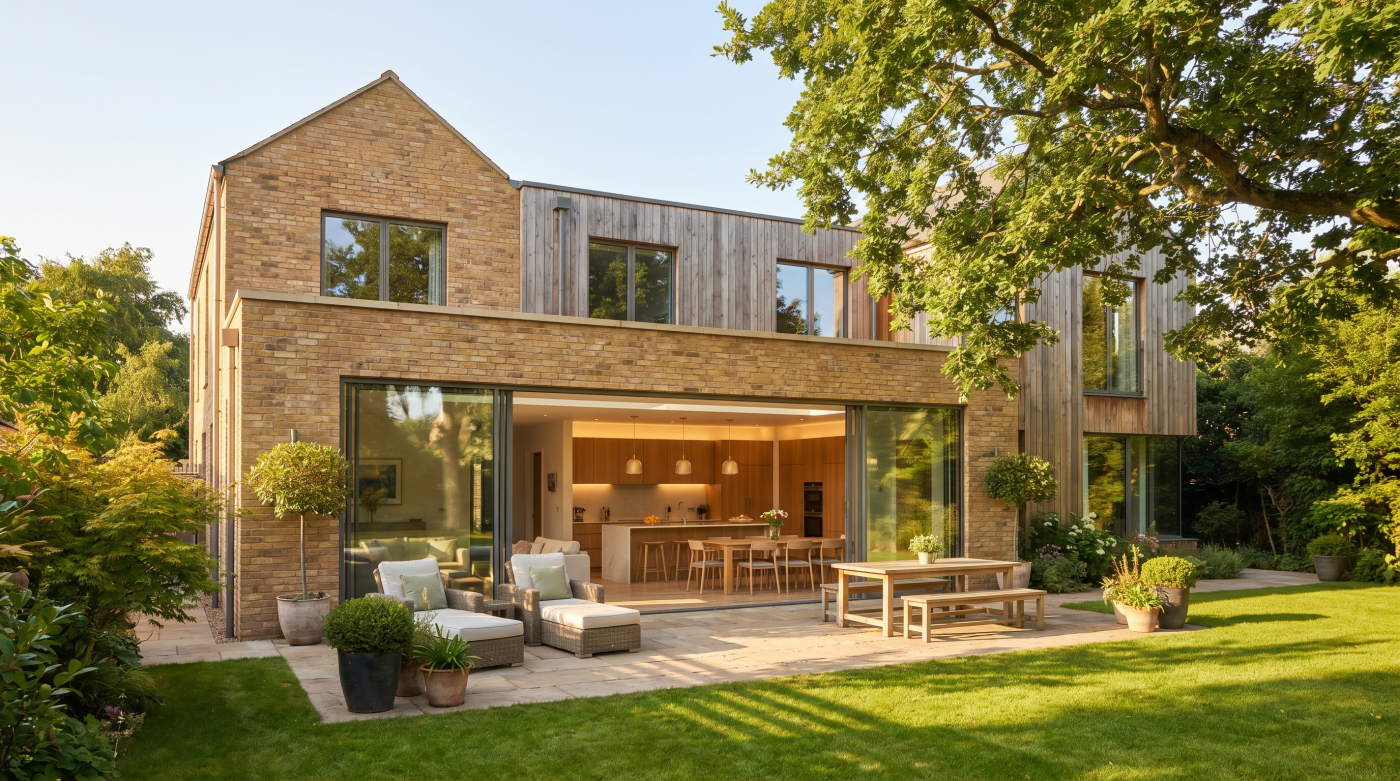
Decision #1: Designing Rooms Before Considering Natural Light
One of the earliest decisions in any renovation project concerns the internal arrangement of the home.
Rooms are allocated, walls are repositioned and layouts are refined to accommodate modern living. Kitchens become more open, living spaces expand and extensions are designed to improve the connection between the house and the garden.
These are important architectural decisions.
However, they are sometimes made before sufficient thought has been given to how natural light will move through the finished building.
This can quietly undermine even the highest-quality glazing specification.
Windows do not create daylight.
They admit it.
How effectively that daylight is distributed throughout the home depends just as much on the organisation of the rooms as it does on the glazing itself.
A generously glazed extension, for example, may appear capable of transforming the interior. Yet if furniture layouts block the path of natural light, internal partitions interrupt borrowed light or key living spaces are positioned away from the brightest areas of the building, the overall effect can be surprisingly limited.
The glazing performs exactly as intended.
The room does not.
Architects therefore consider room planning and glazing as closely related decisions.
Before determining the size or position of a window, they typically ask how the space will be occupied throughout the day. Where will people spend most of their time? Which rooms benefit most from morning light? Where is stronger afternoon sunlight desirable, and where might it become uncomfortable? How will furniture, circulation routes and views influence the experience of the room?
These questions help ensure that natural light supports the way the building is actually used.
Orientation plays an equally important role.
South-facing glazing may introduce generous levels of daylight and passive solar warmth during winter, while east-facing openings often create bright kitchens and breakfast spaces in the morning. North-facing glazing can provide soft, consistent illumination that is particularly valuable for home offices and studios. Understanding these characteristics allows the internal layout to work with the movement of daylight rather than against it.
This relationship is often overlooked because room planning and glazing specification are treated as separate stages of the project.
In reality, they are part of the same architectural conversation.
A carefully positioned window cannot compensate for a room layout that fails to make effective use of available daylight. Equally, an intelligent internal arrangement can significantly enhance the performance of relatively modest glazing by allowing natural light to penetrate further into the home.
The most successful renovations therefore begin by considering people rather than products.
How will each room be used?
Where will occupants naturally gather?
What qualities of light will support those activities throughout the year?
Once these questions have been answered, the glazing specification becomes far more purposeful.
The windows are no longer expected to solve every lighting challenge on their own.
Instead, they become part of a coordinated design strategy in which architecture, room planning and natural light work together to create spaces that feel brighter, more comfortable and more enjoyable to occupy.
Decision #2: Ignoring Solar Shading During Design
Natural light is one of the greatest benefits that well-designed glazing can bring to a home.
Brighter interiors, stronger connections to the garden and a greater sense of openness are among the reasons many homeowners invest in larger windows and expansive glazed doors during a renovation.
However, daylight and solar heat are inseparable.
The same sunlight that creates bright, welcoming spaces during winter can contribute to overheating during the warmer months if it is not carefully managed. This is not a fault of the glazing. It is a consequence of how the building responds to the sun throughout the year.
Architects understand that successful glazing design is not simply about admitting as much light as possible.
It is about controlling light intelligently.
This is why solar shading is considered at the earliest stages of many projects.
The orientation of the building is evaluated alongside the position of the glazing, helping determine how sunlight will enter each room at different times of the day and throughout the changing seasons. South-facing elevations, for example, may receive prolonged periods of direct sunlight, while west-facing glazing can introduce significant afternoon heat during the summer months.
Without appropriate design responses, these conditions can affect comfort despite the use of high-quality glazing systems.
The solutions are often architectural rather than technological.
Roof overhangs can reduce high summer sun while allowing lower winter sunlight to penetrate the building. Recessed openings may provide natural shading without compromising daylight. External brise-soleil, carefully positioned landscaping and considered terrace design can all contribute to managing solar gain before sunlight reaches the glazing itself.
These passive measures frequently perform more effectively than relying solely on blinds or internal shading after the building has been completed.
The relationship between glazing and room use also deserves careful consideration.
A home office exposed to strong afternoon sunlight may become uncomfortable during warmer periods, while a family living area may benefit from controlled winter solar gain that reduces heating demand. Understanding how occupants will use each space allows glazing and shading strategies to work together rather than independently.
This is another example of why architects evaluate buildings as integrated systems.
Windows, orientation, shading, insulation and ventilation all contribute to the environmental performance of the home. Improving one element while overlooking the others rarely produces the best outcome.
The challenge is that overheating is difficult to appreciate during design.
A project reviewed on a bright spring morning can feel perfectly balanced, yet behave very differently during an extended period of summer sunshine. Considering solar shading early in the design process helps avoid these unintended consequences before construction begins.
Good glazing should make a home feel brighter.
It should not make it less comfortable.
The most successful renovation projects achieve both because natural light and solar control have been designed together from the outset.
In that sense, shading is not something added to glazing.
It is part of good glazing design.
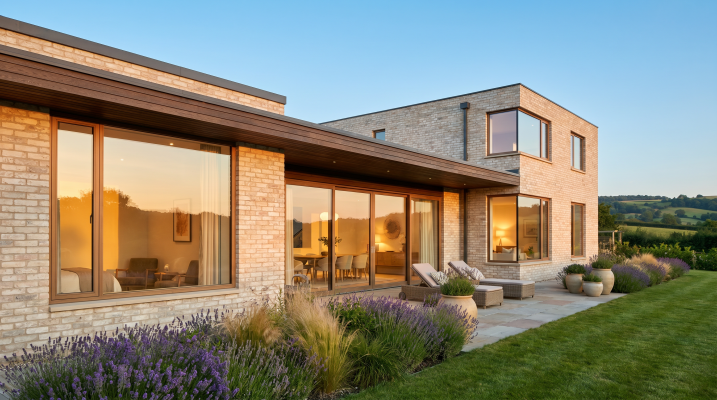
Decision #3: Treating Ventilation As An Afterthought
When homeowners think about glazing, they often think about views.
Natural light.
Thermal performance.
Aesthetic appeal.
Ventilation tends to receive far less attention.
Yet the way a home breathes has a profound influence on comfort, wellbeing and the overall success of a renovation.
This is because windows perform two distinct roles.
They admit daylight.
They also regulate fresh air.
The two functions are closely connected, but they are not the same.
A beautifully glazed extension can feel bright and spacious, yet become uncomfortable if natural ventilation has not been carefully considered. Equally, a home with excellent thermal performance may still suffer from poor indoor air quality if fresh air cannot move effectively through the building.
Architects recognise that ventilation should be designed rather than left to chance.
They begin by understanding how occupants will use the home throughout the day. Which rooms are occupied for long periods? Where are heat and moisture generated? How will fresh air move through the building during different seasons? Which spaces benefit from cross ventilation, and where might mechanical systems need to support natural airflow?
These questions shape the glazing strategy from the outset.
Opening configurations become particularly important.
A fixed pane may maximise uninterrupted views, but it contributes nothing to natural ventilation. Conversely, a carefully positioned opening window can encourage airflow through an entire room without significantly affecting the architectural composition. The balance between fixed and opening elements is therefore rarely arbitrary. It reflects the environmental requirements of the building as much as its appearance.
Cross ventilation is another consideration that is frequently underestimated.
Air moves most effectively when it has a clear path through a building. Positioning opening windows on opposing or adjacent elevations can allow warm air to escape while drawing cooler air into the home. This passive approach often improves comfort during warmer weather while reducing reliance on mechanical cooling.
The relationship between ventilation and glazing becomes even more important in modern renovations.
As buildings become increasingly airtight in pursuit of improved energy performance, the need for a carefully considered ventilation strategy grows. Better insulation and higher-performing windows contribute positively to efficiency, but they also require fresh air to be managed more deliberately than in older, less airtight properties.
This is not a contradiction.
It is simply an acknowledgement that high-performing buildings depend on balance.
Thermal performance.
Natural light.
Ventilation.
Solar control.
Each supports the others.
The reason ventilation is often overlooked is that its success is largely invisible.
When it has been designed well, occupants rarely think about it. Rooms feel fresh, comfortable and pleasant to occupy throughout the year. When it has been neglected, however, the symptoms gradually become apparent through stuffiness, overheating or poor air quality.
Good glazing is therefore about more than what can be seen through the glass.
It is also about how the building feels when people live inside it.
That is why architects treat ventilation as part of the glazing strategy rather than as a separate technical exercise considered after the design has already been completed.
Decision #4: Choosing Interior Finishes Without Considering Light
When discussing natural light, attention is often focused on the size and position of the glazing.
While these decisions are undoubtedly important, they represent only part of the equation.
The quality of light within a room is influenced just as much by the surfaces it falls upon.
Walls.
Floors.
Ceilings.
Joinery.
Furniture.
Each reflects, absorbs or diffuses daylight in different ways, subtly shaping how a space feels throughout the day.
Architects understand that glazing and interior design should never be considered independently.
A carefully designed window may introduce generous levels of daylight, but the experience of that light depends upon the materials surrounding it. Two rooms with identical glazing can feel remarkably different simply because their interior finishes respond differently to natural light.
Light-coloured surfaces, for example, generally reflect more daylight deeper into a room, helping spaces feel brighter and more expansive. Natural timber introduces warmth by softening changing daylight throughout the day. Dark finishes, textured materials and heavily saturated colours can create dramatic interiors, but they also absorb more light, altering the atmosphere of the space.
Neither approach is inherently better.
The important point is that these decisions should be made consciously.
Material selection also influences visual comfort.
Highly reflective surfaces can introduce unwanted glare when positioned opposite large glazed openings, while heavily textured finishes create changing patterns of shadow that evolve as the sun moves across the sky. These subtle interactions contribute significantly to how occupants experience a room, even if they are rarely noticed consciously.
Ceilings deserve particular attention.
Often overlooked during renovations, they are among the largest reflective surfaces within the home. A well-considered ceiling can help distribute daylight more evenly throughout a space, reducing contrast and improving the overall quality of natural illumination.
The relationship between glazing and artificial lighting should also be considered.
Rooms that respond well to daylight typically require less artificial lighting during daytime hours, while carefully integrated lighting schemes complement natural light as evening approaches. This creates interiors that remain comfortable and visually balanced throughout the changing conditions of the day.
Architects frequently evaluate these relationships early in the design process because they understand that daylight is one of the primary materials of architecture.
Unlike paint, stone or timber, daylight changes continuously.
It responds to weather.
It responds to season.
It responds to time.
The surrounding materials determine how those changes are experienced.
This is why successful renovations rarely treat glazing as the sole source of a bright interior.
Windows provide the opportunity.
Interior finishes determine how effectively that opportunity is realised.
The result is often subtle rather than dramatic.
Yet it is these subtle interactions between light, material and space that frequently distinguish a renovation that simply looks impressive from one that continues feeling comfortable and uplifting every day.
Well-designed glazing brings daylight into a home.
Thoughtfully chosen interiors allow that daylight to perform at its best.
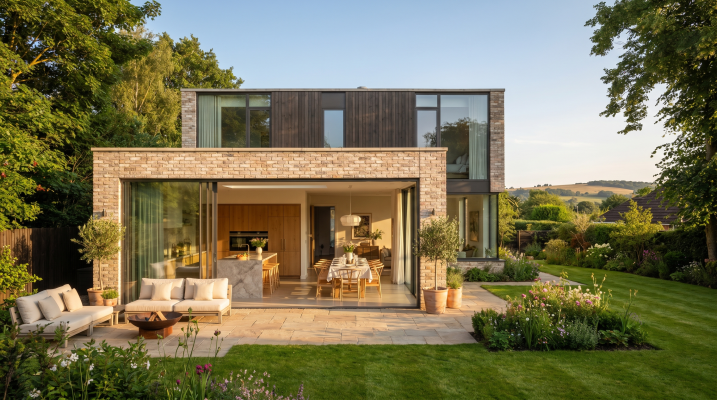
Decision #5: Viewing Windows As Products Rather Than Part Of The Architecture
Perhaps the most significant renovation decision is also the least obvious.
It is the decision to think about glazing as a product rather than as part of the architecture.
This distinction influences almost every specification choice that follows.
When windows are viewed as individual products, attention naturally focuses on frame materials, opening styles, thermal performance, colours and price. These are all important considerations, but they represent only one part of a much larger architectural conversation.
Architects approach glazing from the opposite direction.
Rather than asking which window to install, they begin by asking what the building is trying to achieve.
How should the extension relate to the existing house?
Where should important views be framed?
How should daylight move through the interior?
How should the building respond to its landscape?
Only after these questions have been answered does the discussion move towards individual glazing systems.
This process recognises that windows do not create architecture.
They support it.
The proportions of a glazed opening influence the rhythm of a façade.
Sightlines affect how the eye reads the building.
The relationship between glazing, brickwork, stone, timber and landscaping contributes to the overall composition of the project.
Each decision influences the others.
This interconnectedness becomes particularly important during renovation projects.
Unlike new-build homes, renovations involve existing architectural constraints that cannot simply be ignored. New glazing must respond to established proportions, rooflines, structural openings and material palettes while accommodating contemporary standards of comfort and performance.
When glazing is specified in isolation, these relationships can easily become fragmented.
An individual window may perform exceptionally well.
A sliding door may offer impressive sightlines.
A rooflight may admit generous amounts of daylight.
Yet if these elements are not working together, the renovation can lack the sense of cohesion that characterises successful architectural projects.
Architects therefore spend considerable time coordinating glazing across the building as a whole.
They consider how windows relate to doors.
How internal sightlines align with external views.
How the glazing supports movement through the home.
How each opening contributes to the overall balance of the architecture.
This broader perspective often explains why some renovations feel effortless.
There is no single feature demanding attention.
Instead, every element appears to belong naturally within the composition.
The glazing is part of that success, but it is not the sole reason for it.
The reason this decision quietly undermines so many renovation projects is that it rarely appears to be a decision at all.
Treating windows as products feels entirely logical during procurement.
Treating them as architectural elements requires stepping back and evaluating the building as a complete system.
That shift in perspective changes the specification process.
It also changes the finished result.
The most successful glazing rarely stands apart from the architecture.
It strengthens it.
And that is why the best renovation projects are remembered not for the windows themselves, but for the quality of the spaces those windows help to create.
Why Architects Design Buildings Rather Than Window Openings
It is easy to assume that architects spend much of their time choosing windows.
In reality, they spend far more time thinking about buildings.
Glazing decisions emerge from a broader architectural strategy rather than existing as isolated design choices. Every opening is considered in relation to the structure, the site, the orientation, the landscape and the way people will occupy the finished home.
This is one of the reasons architect-led projects often feel more cohesive.
The windows are not trying to compensate for weaknesses elsewhere in the design.
They are supporting a building that has been planned as an integrated whole.
Natural light provides a good example.
Architects rarely ask how much glazing can be added to a room.
Instead, they consider how daylight should enter the building, how it should change throughout the day and how it will influence the experience of different spaces. The resulting window arrangement is therefore a response to the architecture rather than an objective in its own right.
The same systems thinking applies to building performance.
Glazing interacts continuously with insulation, ventilation, shading, heating and structural design. Altering one element inevitably influences the others. For this reason, successful renovation projects rarely optimise individual components independently. They seek balance across the building as a whole.
Occupant experience remains central throughout this process.
How will people move through the house?
Where will they spend the most time?
How will the changing quality of daylight influence those spaces?
What relationship should exist between the interior and the garden?
How will the home perform throughout the changing seasons?
These questions shape countless architectural decisions, many of which are invisible once the project has been completed.
The glazing specification is simply one outcome of this wider process.
This helps explain why copying a glazing arrangement from another project rarely guarantees the same result.
The windows may appear identical.
The building is not.
Different orientations, room layouts, surrounding landscapes and patterns of occupation all influence how successfully a glazing strategy performs. What works exceptionally well in one renovation may be entirely inappropriate in another.
Architects understand that context always matters.
That is why they design buildings rather than window openings.
The windows are important.
But they are important because of how they contribute to the wider architectural objectives of the project.
When this perspective is adopted, glazing decisions become clearer.
The discussion moves beyond products and towards outcomes.
Beyond specifications and towards experience.
Beyond individual openings and towards the quality of the home as a whole.
That is ultimately why the most successful renovations feel coherent.
Every decision, including the glazing, has been made in service of the architecture rather than independently of it.
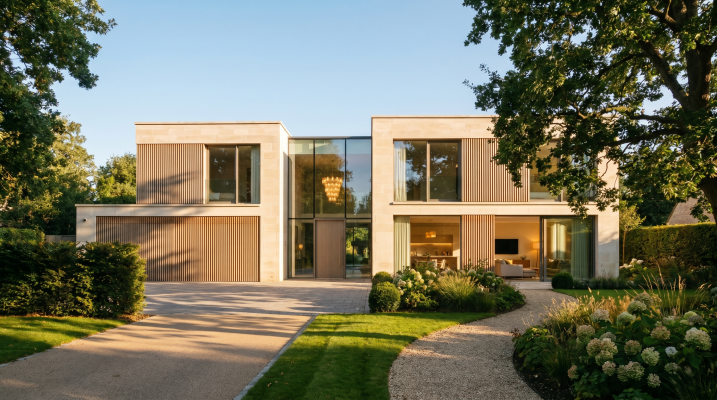
A Better Way To Think About Renovation Projects
Successful renovations rarely depend upon a single outstanding decision.
They are usually the result of many well-considered decisions working together towards a common objective.
This is perhaps the most important lesson when specifying glazing.
Windows and doors undoubtedly have a significant influence on the quality of a home, but they cannot compensate for weaknesses elsewhere in the design. Likewise, thoughtful architectural planning allows good glazing to perform to its full potential because every surrounding decision has been made with the same outcome in mind.
Architects often describe this as integrated design.
Rather than treating structure, insulation, ventilation, glazing, lighting and interior planning as separate disciplines, they consider how each contributes to the experience of occupying the building. Every decision is evaluated not only on its individual merit but also on how it supports the wider architectural strategy.
For homeowners, adopting this mindset begins with asking broader questions.
How will each room be used throughout the year?
How will daylight move through the home?
How will natural ventilation support comfort during warmer months?
Do the interior finishes complement the available daylight?
Does every specification decision strengthen the architectural intent of the renovation?
These questions encourage a more connected approach to design.
Rather than solving individual problems in isolation, they help reveal the relationships between different parts of the project. Improvements made in one area often create benefits elsewhere, while poorly coordinated decisions become easier to identify before construction begins.
This perspective also changes the role of glazing.
Instead of expecting windows to transform the building on their own, they become one element within a carefully coordinated renovation strategy. Their performance is enhanced because room planning, orientation, ventilation, shading and material selection have all been considered alongside them.
The result is a home that feels balanced.
Comfortable.
Naturally lit.
Easy to live in.
Not because any single product is extraordinary, but because every decision supports the others.
This is ultimately how architects approach renovation projects.
They design systems rather than components.
Buildings rather than products.
Experiences rather than individual specifications.
The most successful renovations are therefore not defined by the quality of one decision.
They are defined by the way every decision works together to create a home that performs beautifully for many years to come.
The Most Successful Renovations Are Integrated Projects
There is a common characteristic shared by many of the most successful renovation projects.
It is not a particular window system.
It is not a specific architectural style.
Nor is it defined by the size of the budget.
It is the way every design decision supports the others.
Glazing works in harmony with the room layout.
Natural light is balanced by appropriate solar shading.
Ventilation has been considered alongside airtightness.
Interior materials enhance daylight rather than diminishing it.
The façade feels coherent because every opening contributes to the overall architectural composition.
None of these qualities exist independently.
They are the result of an integrated design process.
Architects rarely separate these decisions because they understand that buildings do not operate as collections of individual products. Every component influences the performance of those around it. Improving one element while overlooking another often limits the potential of the entire project.
This is particularly true during renovation work.
Unlike new-build homes, renovations require existing structures, proportions and materials to work together with contemporary performance standards. The most successful outcomes are achieved when new interventions respect the existing architecture while improving the way the home functions for modern living.
In this context, glazing becomes an important contributor rather than the sole solution.
Excellent windows cannot compensate for poor room planning.
Generous glazing cannot overcome inadequate ventilation.
High-performance glass cannot resolve architectural decisions that fail to respond to the site or the way the building is occupied.
Conversely, when these wider decisions have been resolved thoughtfully, glazing is able to perform exactly as intended.
The result is a home that feels naturally comfortable.
Light reaches the places where it is most useful.
Views feel intentional rather than accidental.
Rooms remain enjoyable throughout the changing seasons.
The architecture appears balanced because every element has been considered within the same design strategy.
Perhaps the greatest compliment any renovation can receive is that nothing feels forced.
There is no single feature competing for attention.
Instead, the building feels coherent.
Comfortable.
Well resolved.
This is rarely achieved through one outstanding specification decision.
It is achieved through hundreds of smaller decisions working together towards the same objective.
That is ultimately why the most successful renovations are integrated projects.
The quality of the glazing matters enormously.
Its greatest value, however, is realised when every surrounding decision allows it to perform as part of a complete architectural whole.
Conclusion
Choosing high-quality glazing is one of the most important investments in a renovation project.
It can transform the appearance of a home, improve comfort, strengthen the connection with the surrounding landscape and contribute significantly to long-term building performance.
Yet glazing does not work in isolation.
As this article has explored, many of the decisions that determine its success are made elsewhere in the design process. Room layouts influence how daylight is experienced. Solar shading affects comfort throughout the seasons. Ventilation shapes indoor environmental quality. Interior materials determine how light is reflected through the home. The wider architecture provides the context within which every window and door is ultimately judged.
This is why architects rarely think about glazing as a standalone product.
They think about buildings.
Windows are specified not simply to fill structural openings, but to support the way a home functions, feels and performs over many years of occupation.
When renovation decisions are approached in this way, glazing is no longer expected to solve every challenge on its own.
Instead, it becomes part of a coordinated architectural strategy in which every element strengthens the next.
The result is often subtle.
Rooms feel brighter without relying on excessive glazing.
Comfort remains consistent throughout the year.
Views appear carefully framed.
The building feels cohesive because every decision has been made with the same objective in mind.
Ultimately, the most successful renovations are not defined by the products they contain.
They are defined by how well those products work together.
Good glazing deserves thoughtful specification.
It deserves an equally thoughtful renovation strategy.
When both are considered together, the outcome is more than a collection of high-quality materials.
It is a home that performs beautifully, feels effortless to live in and continues rewarding its occupants long after the renovation has been completed.