
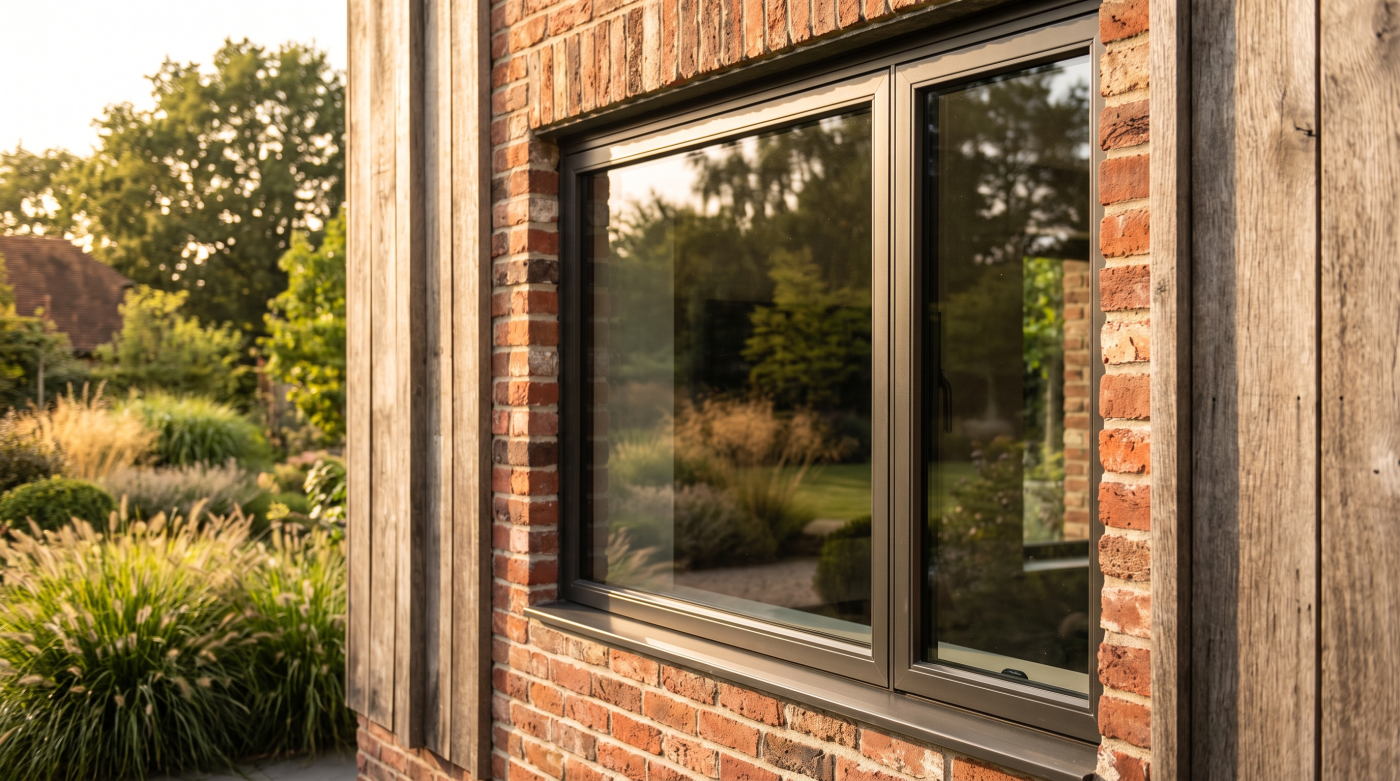
What a U-Value Actually Measures
U-values are often presented as one of the most important numbers when comparing windows and doors, yet they are rarely explained in a way that makes sense to homeowners. The term itself sounds highly technical, leading many people to assume it requires specialist knowledge to understand. In reality, the concept is surprisingly straightforward. A U-value is simply a measure of how much heat passes through a building element, such as a window, door or wall.
The easiest way to think about it is to imagine a warm house on a cold winter evening. The heating system works to keep the inside comfortable, while the colder air outside naturally encourages heat to move out through the building envelope. A U-value tells us how quickly that heat escapes through a particular product. The lower the U-value, the slower the heat is transferred, meaning the window or door provides better thermal insulation.
This is why lower U-values are generally considered desirable. A window with a lower U-value will typically lose less heat than one with a higher figure, helping the home retain warmth more effectively. However, it is important to understand what the number is actually measuring. A U-value does not tell you whether a window is beautifully engineered, whether it will last for decades or whether it is the right choice for your project. It measures one specific aspect of performance: heat loss.
Architects find this distinction important because glazing performance involves much more than a single number. U-values provide valuable information, but they are only one part of understanding how a building will feel and perform. Factors such as solar gain, ventilation, orientation and installation quality all influence comfort alongside thermal insulation.
For homeowners, the key takeaway is reassuringly simple. You do not need to remember complex formulas or technical definitions. Just remember this: a U-value measures how easily heat escapes through a window or door. The lower the number, the better that product is at reducing heat loss. Understanding that one principle provides a solid foundation for making more informed decisions about glazing performance.
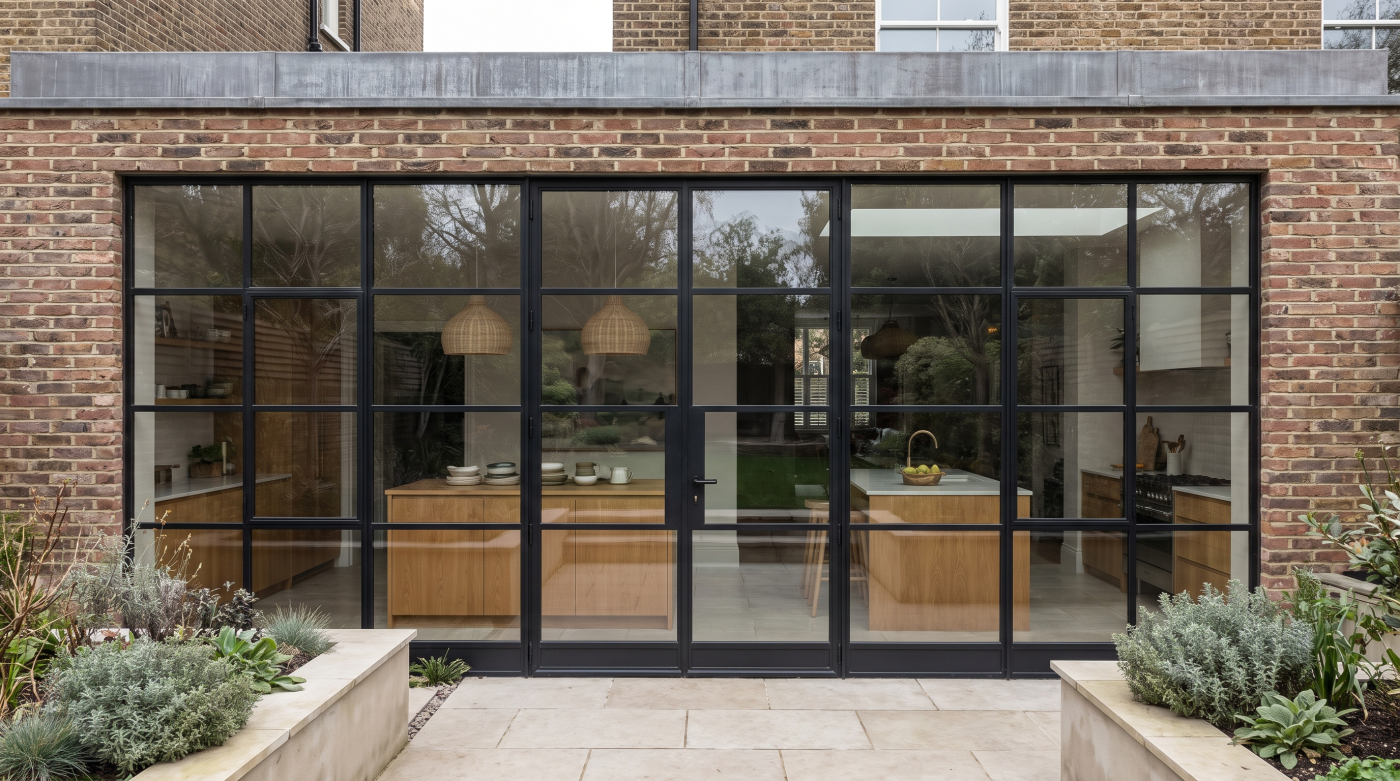
Why Lower Isn’t Always the Whole Story
Once homeowners understand that a lower U-value means less heat escaping through a window or door, it is natural to assume that the product with the lowest figure must always be the best choice. This is one of the most common misconceptions in glazing specification. While U-values are an important measure of thermal performance, architects rarely compare products based on this number alone. Context matters just as much as the figure itself.
A window does not exist in isolation. Its performance depends on how it interacts with the rest of the building, including the orientation of the property, the amount of natural sunlight it receives and the quality of the installation. For example, a large south-facing window with a slightly higher U-value may contribute valuable solar warmth during the winter, helping reduce heating demand naturally. Conversely, a window with an exceptionally low U-value that is poorly installed may fail to deliver the performance homeowners expect.
It is also important to distinguish between the performance of the glazing unit and the performance of the complete window or door. High-quality glass is only one part of the equation. The frame, seals, spacers and overall engineering all influence how effectively the finished product retains heat. Architects therefore focus on the performance of the entire system rather than any single component.
Comfort extends beyond insulation alone. Good ventilation, effective solar control and careful building orientation all play important roles in creating a pleasant indoor environment throughout the year. A home that retains heat efficiently but overheats during summer, or one with excellent insulation but poor ventilation, may still fall short of delivering the comfort homeowners are seeking. This is why professional specification always considers the building as a whole.
Rather than asking, “Which window has the lowest U-value?” architects are more likely to ask, “Which glazing system best supports the performance of this particular home?” That subtle shift in thinking leads to more balanced decisions. U-values are an important guide, but they are only one part of designing comfortable, energy-efficient homes that perform well in everyday life.
Why Architects Rarely Start With the Number
Although U-values are an important measure of thermal performance, they are rarely the starting point for architects. Instead of asking which window or door has the lowest figure, architects begin with a much broader question: What does this building need to achieve? The answer depends on the home’s location, orientation, architectural style, the way it will be used and the experience the occupants want to enjoy every day. Performance supports these objectives—it does not define them.
A contemporary self-build overlooking open countryside, for example, may prioritise expansive glazing to capture panoramic views and natural daylight. A listed building, by contrast, may require sensitive solutions that respect historic character while improving thermal efficiency as much as possible. Both projects value energy performance, but neither is driven solely by achieving the lowest possible U-value. Instead, architects seek the best overall balance between comfort, appearance, practicality and long-term performance.
This whole-building approach recognises that windows and doors are only one part of the thermal envelope. Walls, roofs, floors, ventilation systems and airtightness all contribute to how efficiently a home retains heat. Improving one element while overlooking the others rarely delivers the best outcome. Architects therefore evaluate how every component works together to create a building that performs consistently throughout the year.
Regulatory requirements also influence specification, but they are generally viewed as a baseline rather than the ultimate goal. Meeting a target U-value is important, yet creating a comfortable, healthy and enjoyable home requires looking beyond compliance. Factors such as daylight, ventilation, solar gain and occupant wellbeing all shape the final specification alongside thermal performance.
This is why architects treat U-values as one valuable piece of information rather than the deciding factor. The number helps inform better decisions, but it never replaces thoughtful design. In the most successful projects, thermal performance is integrated seamlessly into the architecture, creating homes that are not only energy efficient but also comfortable, beautiful and rewarding to live in for many years.
Double Glazing, Triple Glazing and U-Values
One of the most common assumptions homeowners make is that triple glazing is always the better choice because it typically achieves a lower U-value than double glazing. While this seems logical at first, architects rarely make specification decisions based on that comparison alone. Instead, they consider how the glazing will perform within the context of the entire building, balancing insulation with factors such as natural light, structural design, cost and everyday comfort.
Triple glazing can offer improved thermal performance because the additional pane of glass and insulating cavity reduce the rate at which heat escapes. In colder climates or highly energy-efficient homes, this can make an important contribution to the overall performance of the building. However, the improvement is often part of a much wider strategy that also includes excellent insulation, airtight construction and carefully designed ventilation systems. Triple glazing is most effective when it forms part of a complete approach rather than being viewed as a standalone upgrade.
Double glazing remains an excellent solution for many homes. Modern premium double-glazed systems can achieve impressive levels of thermal efficiency while offering slimmer sightlines, lighter operating weights and greater design flexibility. In many renovation projects, contemporary extensions and architect-designed homes, these qualities may provide a better balance than pursuing the absolute lowest U-value. The decision depends on the specific objectives of the project rather than a simple comparison of technical figures.
Architects also consider practical implications such as the additional weight of triple glazing, which may influence frame design, opening sizes and hardware specification. Cost, orientation, solar gain and the character of the building all contribute to the decision-making process. A carefully designed double-glazed system may prove entirely appropriate in one project, while another home may genuinely benefit from the enhanced insulation offered by triple glazing.
This is why professionals rarely ask whether double or triple glazing is better. Instead, they ask which option is better suited to the building they are designing. U-values remain part of that conversation, but they are only one factor among many. The goal is not to achieve the lowest number on paper—it is to create a home that feels comfortable, performs efficiently and supports the way people live every day.
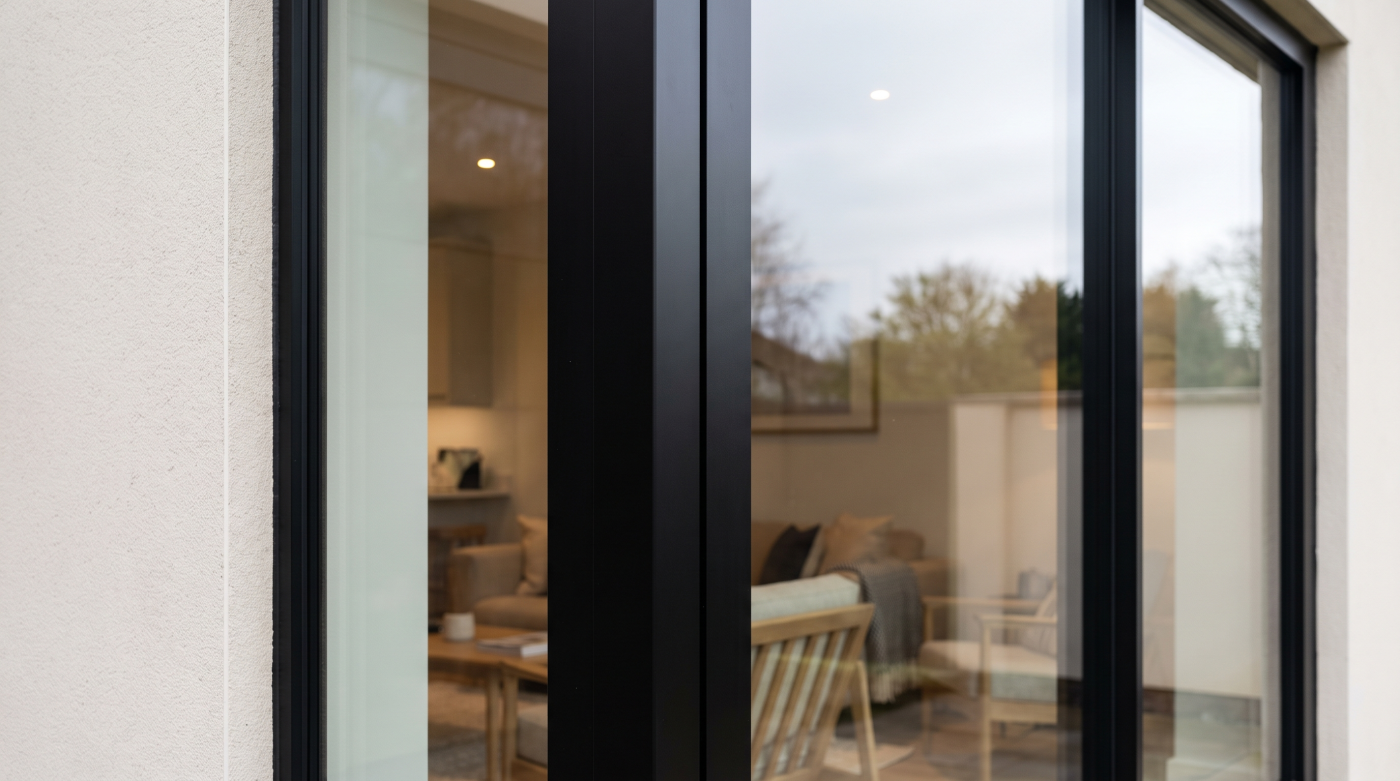
What Actually Makes a Comfortable Home
Although U-values receive a great deal of attention, they are not something homeowners actually experience. Nobody walks into a room and thinks, “This window has an excellent U-value.” Instead, they notice whether the space feels warm on a winter morning, whether there are cold draughts near the glazing or whether the house remains comfortable throughout the changing seasons. Comfort is the outcome people care about, and it depends on far more than a single performance figure.
One of the biggest contributors to comfort is the internal surface temperature of the glazing. Well-designed windows and doors help keep the inside surface of the glass warmer during colder weather, reducing the sensation of sitting next to a cold window. This can make a room feel noticeably more comfortable even when the thermostat is set to the same temperature. In this sense, good glazing improves how a home feels as much as how it performs.
Draughts are another important factor. A home with excellent insulation but poor airtightness may still feel uncomfortable because moving air creates the impression of a colder environment. Likewise, condensation around windows can indicate wider issues relating to ventilation, humidity or building performance rather than simply the glazing itself. Architects therefore consider how insulation, ventilation and airtightness work together to create a healthy indoor environment.
Solar gain also plays a role. During the winter, carefully positioned glazing can capture free warmth from the sun, helping reduce heating demand naturally. In summer, however, too much solar gain can lead to overheating if shading, orientation or ventilation have not been considered. Creating a comfortable home therefore involves balancing heat retention with heat management throughout the year.
This is why architects focus on the complete experience of living in a building rather than chasing individual technical figures. A comfortable home is the result of thoughtful design, quality construction and carefully specified glazing working together. U-values contribute to that outcome, but they are only one part of a much broader picture. Ultimately, people remember how their home feels—not the numbers used to design it.
Questions Worth Asking Instead
Once homeowners begin comparing windows and doors, it is easy to become fixated on technical specifications. Marketing materials often encourage this by presenting long lists of performance figures, making it seem as though choosing the product with the lowest U-value is the obvious answer. Architects take a different approach. Rather than searching for the best number, they ask better questions—questions that reveal how a glazing system will perform in the context of the whole building.
One of the first questions is whether the quoted U-value relates to the complete window or door rather than just the centre of the glass. The performance of the frame, spacers, seals and overall construction all contribute to the finished product, so understanding how the entire system has been assessed provides a much more meaningful picture than focusing on the glazing alone.
Installation is another topic worth discussing. Even the most thermally efficient window can fall short of expectations if it is poorly fitted. Architects therefore consider how products are installed, how they connect to the surrounding structure and how thermal bridging and air leakage are minimised. These details may not appear in marketing brochures, but they have a significant influence on real-world performance.
It is also valuable to ask how the glazing supports the wider design of the home. Will it admit useful natural daylight? Is it appropriate for the orientation of the building? How does it balance insulation with solar gain? Will it contribute to comfortable living throughout the year rather than simply achieving an impressive figure in a specification sheet? These conversations lead to more informed decisions because they focus on outcomes instead of isolated numbers.
Perhaps the most useful question of all is the simplest: “Why is this glazing system the right choice for my project?” A knowledgeable architect or glazing specialist should be able to explain the reasoning in plain English, relating technical performance to the way the home will actually be experienced. When homeowners ask broader questions like these, they move beyond comparing numbers and begin making decisions that deliver lasting comfort, efficiency and architectural quality.