
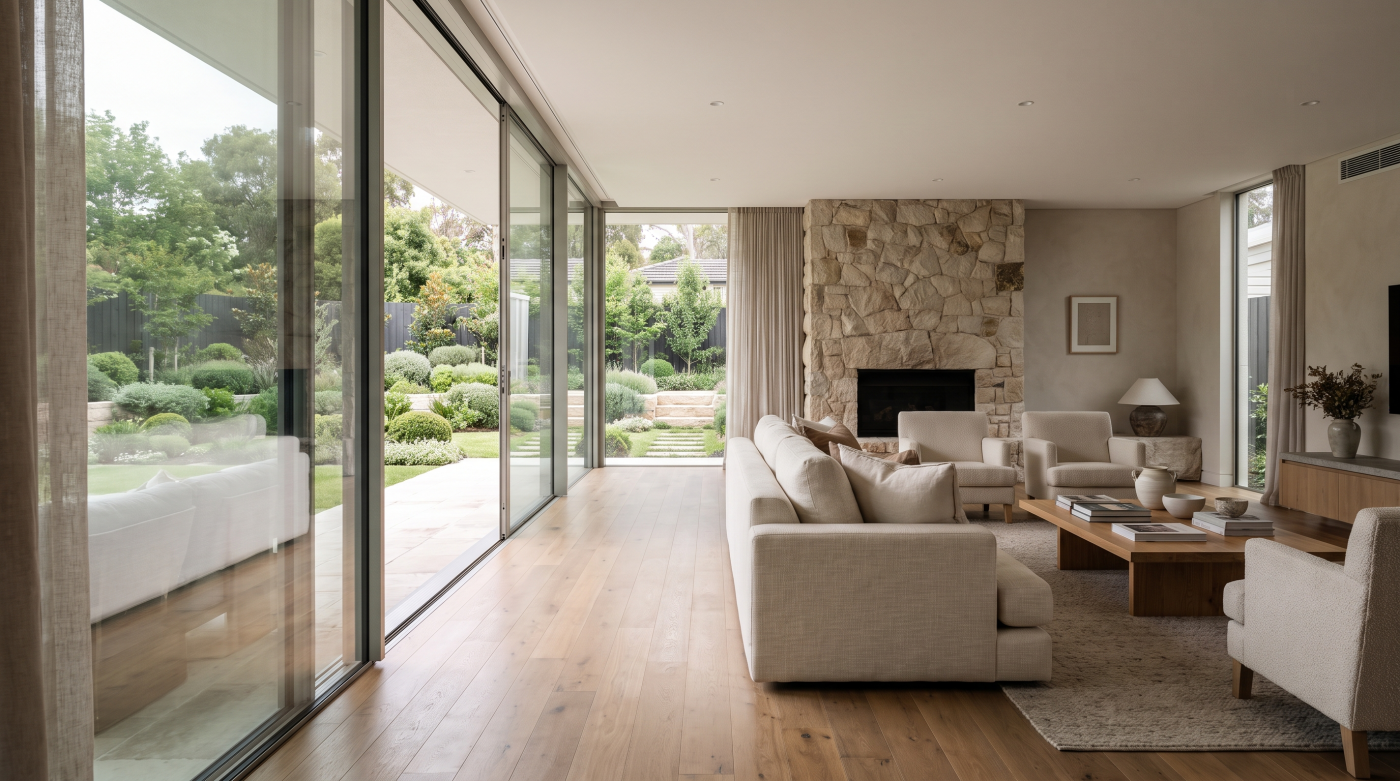
What “Energy-Efficient Glazing” Actually Means
The term energy-efficient glazing appears everywhere—from manufacturer websites and product brochures to renovation programmes and property listings. Yet despite its widespread use, it is often misunderstood. Many homeowners assume it simply means thicker glass or additional panes, while others believe any new window will automatically deliver exceptional energy savings. In reality, energy-efficient glazing is not defined by one feature alone. It is the result of several carefully engineered technologies working together as part of a complete window system.
At its simplest, energy-efficient glazing is designed to reduce unwanted heat loss while allowing the home to benefit from natural daylight. During colder months, it helps retain warmth inside the building, reducing the amount of energy required to maintain a comfortable internal temperature. At the same time, it can also manage how solar energy enters the home, helping to balance warmth, daylight and comfort throughout the changing seasons. The objective is not simply to create a warmer house, but to create one that performs more consistently throughout the year.
This performance depends on much more than the glass itself. Modern glazing systems often incorporate low-emissivity (Low-E) coatings that reflect heat back into the room, insulating gas between the panes to reduce heat transfer, warm-edge spacer bars that minimise thermal bridging around the edge of the glass, and carefully engineered frame systems designed to complement the performance of the glazing. Each element contributes to the efficiency of the window, which is why architects rarely discuss the glass in isolation.
The distinction between double and triple glazing also deserves context. While both can form part of an energy-efficient window, the number of panes alone does not determine overall performance. The specification of the glass, the quality of the frame, the accuracy of manufacturing and the standard of installation all influence how effectively the finished window performs. A well-designed double-glazed system may outperform a poorly specified triple-glazed alternative because the window functions as a complete engineered assembly rather than as a collection of individual components.
This systems-based thinking is central to architectural specification. Rather than asking whether a particular piece of glass is energy efficient, architects consider how the entire window contributes to the performance of the building. When glazing, frames, seals and installation all work together, homeowners benefit from a window that delivers greater comfort, improved efficiency and dependable long-term performance. That, ultimately, is what energy-efficient glazing really means in 2026.
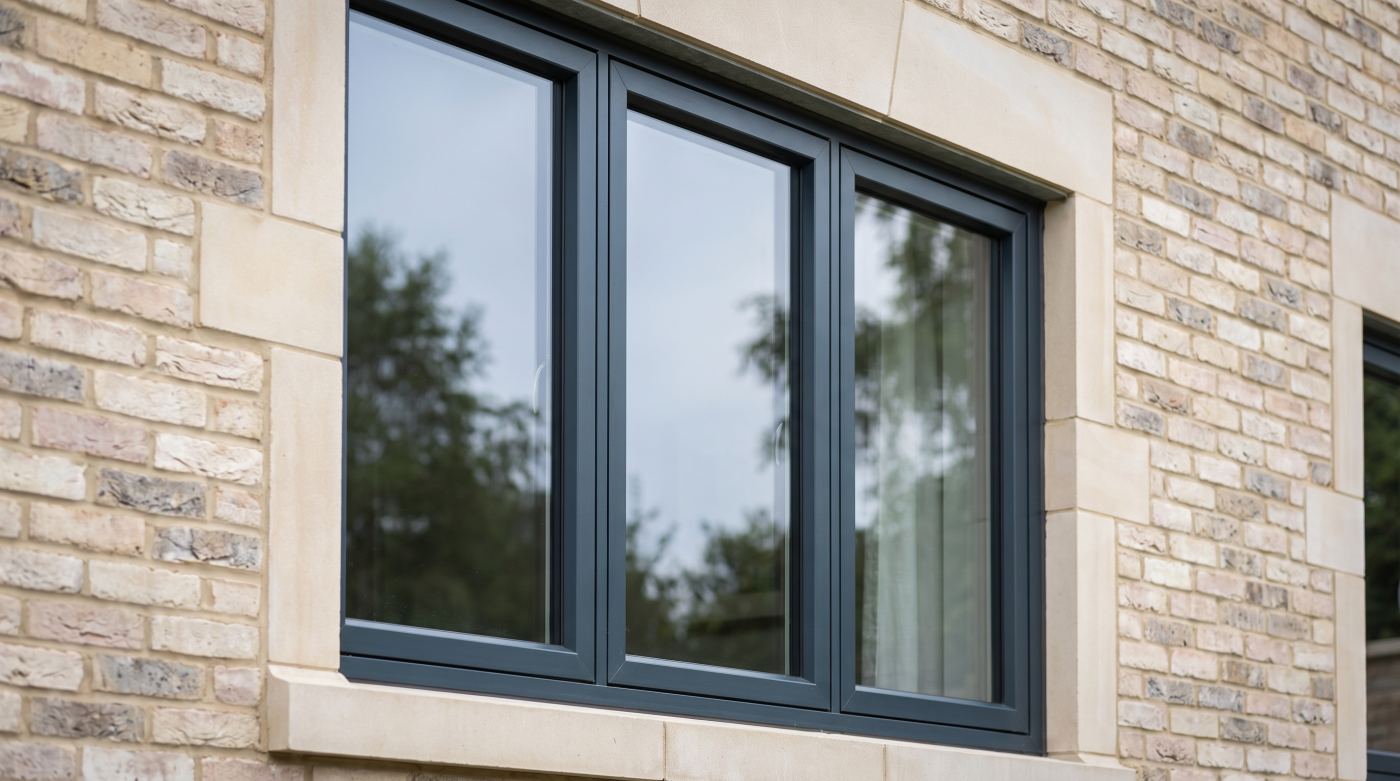
Why Comfort Matters Just as Much as Energy Bills
When energy-efficient glazing is discussed, the conversation often centres on heating costs. While reducing energy consumption is undoubtedly important, architects frequently begin somewhere else: comfort. A home that maintains a consistent internal temperature, feels free from draughts and remains pleasant throughout the seasons is ultimately a better place to live. In many cases, these everyday improvements are far more noticeable than changes to utility bills, particularly over the first few months after new windows have been installed.
One of the most immediate benefits of high-performance glazing is the reduction of cold spots near windows. Older glazing can create noticeably cooler areas around the perimeter of a room, encouraging occupants to turn up the heating even when the average room temperature appears acceptable. Modern glazing helps create warmer internal glass surfaces, making the temperature feel more consistent throughout the space. This subtle change can significantly improve the overall comfort of a room, especially during colder weather.
Reducing unwanted draughts is another important advantage. While poorly performing windows are often associated with air leakage, a carefully engineered and professionally installed window system helps minimise uncontrolled airflow while maintaining appropriate ventilation. This creates an indoor environment that feels calmer and more comfortable without becoming stuffy or overly sealed. The result is not simply greater efficiency, but a home that feels more enjoyable to occupy every day.
Condensation can also become less of a concern. By improving the thermal performance of the glazing and increasing the temperature of internal glass surfaces, modern window systems may reduce the conditions that encourage condensation to form. Although ventilation and humidity management remain essential, better glazing often contributes to a healthier indoor environment while helping to protect window frames and surrounding finishes over the long term.
Acoustic comfort is another benefit that is frequently overlooked. High-quality glazing systems can reduce the transmission of external noise, making homes in busy towns, near roads or within urban environments noticeably quieter. While this is not directly related to energy efficiency, it illustrates an important principle: premium glazing improves the quality of living in multiple ways simultaneously.
This broader perspective explains why architects rarely specify windows solely to reduce heating bills. They view glazing as an investment in everyday comfort, wellbeing and the overall experience of living in the home. Lower energy consumption is certainly valuable, but it is the combination of warmth, quietness, reduced draughts and consistent internal comfort that often provides the greatest long-term reward. Energy-efficient glazing is therefore not simply about saving energy—it is about creating a home that feels better every single day.
Understanding the Numbers Without Getting Lost in Them
Researching energy-efficient glazing can quickly become overwhelming. Product brochures and technical specifications are filled with figures, abbreviations and performance ratings that often appear difficult to interpret. U-values, g-values, air permeability and energy ratings all provide useful information, but without context they can make choosing new windows feel far more complicated than it needs to be. Architects understand these measurements, yet they rarely rely on a single number when assessing window performance.
Perhaps the best-known figure is the U-value, which measures how effectively a window limits heat loss. In simple terms, a lower U-value indicates better insulation. While this is an important indicator of thermal performance, it does not tell the whole story. Two windows with similar U-values may perform differently depending on their frame design, installation quality and how they interact with the rest of the building. This is one reason architects prefer to evaluate complete window systems rather than comparing glass specifications alone.
Another important figure is the g-value, sometimes referred to as the solar gain factor. This describes how much of the sun’s energy passes through the glazing into the home. In some situations, allowing beneficial winter sunlight to enter the building can reduce heating demand, while in others excessive solar gain may increase the risk of overheating during warmer months. The ideal balance therefore depends on the orientation of the building, the size of the windows and how each room is used throughout the year.
Air permeability is another measure that deserves attention. Even highly insulated glazing can underperform if unwanted air leakage occurs around the window. Precision manufacturing, effective weather seals and professional installation all contribute to reducing uncontrolled draughts while maintaining appropriate ventilation. This highlights an important principle: real-world performance depends as much on workmanship as it does on published specifications.
Architects also distinguish between centre-pane performance and whole-window performance. It is possible for a piece of glass to achieve excellent laboratory results while the complete window performs differently once frames, spacers and installation details are taken into account. For this reason, the overall performance of the entire window assembly provides a far more meaningful indication of how it will behave in everyday use.
For homeowners, the objective should not be to become an expert in thermal calculations. Performance figures are valuable because they help compare products, but they should support good decision-making rather than dominate it. The best windows combine strong technical performance with thoughtful design, high-quality materials and expert installation. When viewed in that wider context, the numbers become useful tools rather than confusing obstacles, helping homeowners choose glazing that performs well not only on paper but also in the home itself.
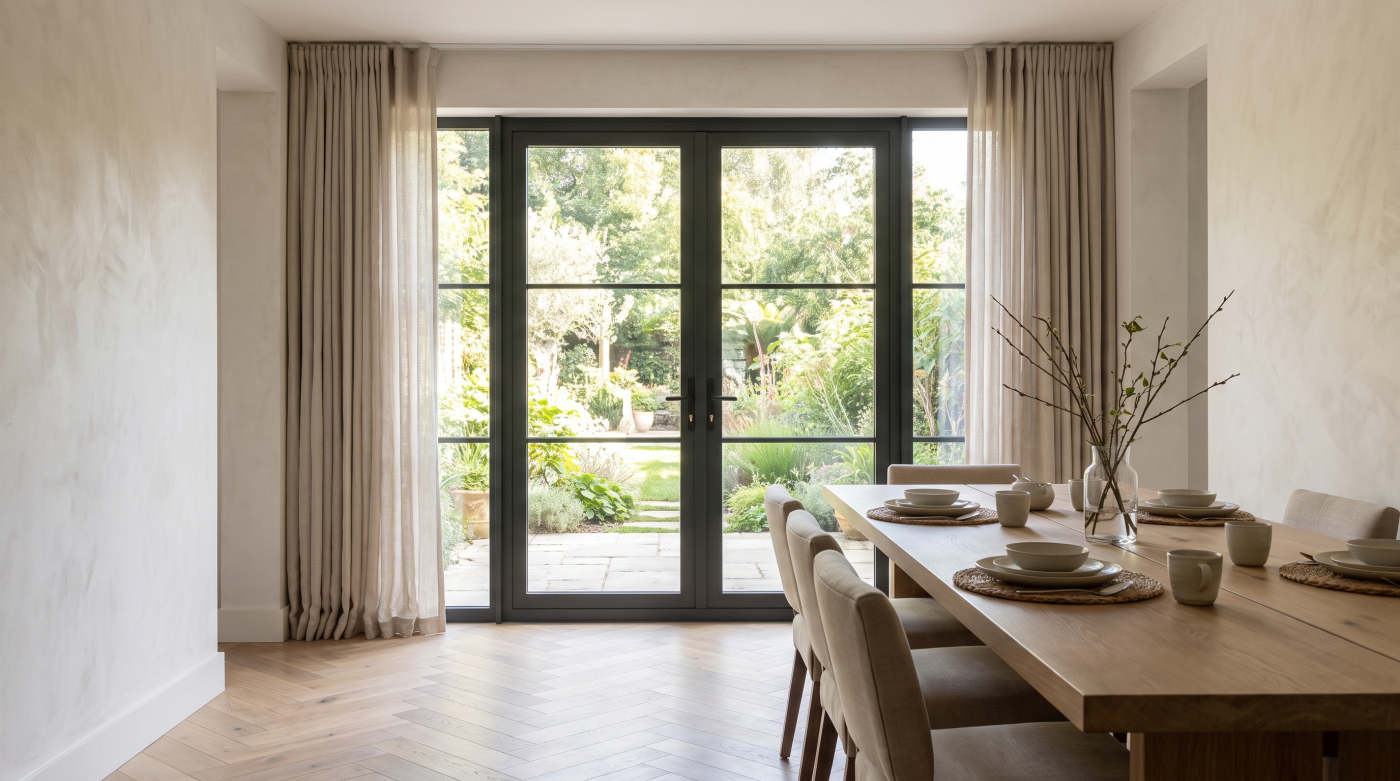
Is Triple Glazing Always Better?
Few topics generate more debate in the glazing industry than the question of double versus triple glazing. It is often presented as a straightforward progression, with three panes of glass assumed to be automatically superior to two. While triple glazing can offer genuine advantages in certain situations, architects rarely approach the decision in such simple terms. Instead, they evaluate how the glazing will perform within the context of the building, recognising that the best solution depends on far more than the number of panes.
Triple glazing generally provides improved thermal insulation because the additional pane creates another insulating cavity. This can help reduce heat loss and increase the internal surface temperature of the glass, contributing to greater comfort during colder weather. In highly insulated new-build homes, particularly those designed to achieve exceptionally low energy consumption, these incremental improvements can support demanding performance targets and complement the overall building strategy.
However, higher insulation is only one aspect of window performance. Triple-glazed units are heavier than comparable double-glazed systems, placing greater demands on frames, hardware and installation. They may also admit slightly less natural solar warmth, depending on the specification of the glazing. In some homes, particularly those that benefit from passive solar gain during the winter months, this balance between insulation and useful sunlight becomes an important design consideration rather than a simple comparison of thermal values.
This is why architects begin with the building rather than the glazing. A contemporary self-build designed around low-energy principles may benefit from carefully specified triple glazing throughout. A well-insulated renovation, on the other hand, may achieve excellent overall performance with high-quality double glazing, particularly where window orientation, ventilation and shading have already been carefully considered. The objective is always to optimise the performance of the whole building rather than maximise the specification of one component.
Cost and long-term value also influence the decision. Triple glazing typically represents a greater initial investment, and while the additional insulation may be worthwhile in some projects, the difference in everyday performance is not always as dramatic as homeowners expect. Factors such as airtightness, insulation levels and heating efficiency often have an equally significant influence on how comfortable and energy-efficient a home feels.
Ultimately, there is no universal hierarchy in which triple glazing is always the better choice. Both double and triple glazing can form part of an outstanding window specification when selected for the right reasons. Architects choose between them by considering climate, building design, orientation, budget and long-term ownership, ensuring the glazing supports the architecture rather than following assumptions based on pane count alone.
How Architects Specify High-Performance Windows
When architects specify windows, they rarely begin by comparing brochures or searching for the highest performance figures. Instead, they start with the building itself. Every home has its own orientation, layout, surroundings and patterns of use, all of which influence how glazing should perform. A window that works exceptionally well in one project may be entirely unsuitable for another because high-performance glazing is always about context rather than universal specifications.
Orientation is one of the first considerations. South-facing elevations receive far more sunlight than those facing north, creating opportunities to benefit from passive solar warmth during the winter while also increasing the risk of overheating during the summer. Architects therefore consider how different glazing specifications can help balance daylight, solar gain and thermal comfort throughout the year. In many cases, different elevations of the same house may require different glazing strategies to achieve the best overall performance.
Window size and placement are equally important. Large areas of glazing can transform a home by introducing abundant natural light and strengthening the connection with the landscape, but they also influence heat gain, heat loss and internal comfort. Architects carefully balance these factors to ensure generous glazing contributes positively to both the appearance and performance of the building. Shading elements, roof overhangs, external landscaping and the depth of window reveals may all become part of this wider environmental strategy.
Ventilation also plays a crucial role. A highly insulated home still requires fresh air to maintain healthy indoor conditions and manage moisture levels. Rather than viewing airtightness and ventilation as opposing ideas, architects design them to work together. Well-positioned opening windows, carefully considered ventilation strategies and appropriate airflow throughout the home help ensure that improved thermal performance does not come at the expense of indoor air quality or occupant comfort.
Material selection forms another part of the specification process. Aluminium, timber and composite window systems each offer different structural characteristics, maintenance requirements and aesthetic qualities. Architects choose materials that complement both the architecture and the long-term objectives of the project while ensuring the complete window system delivers the required thermal and environmental performance.
Perhaps most importantly, architects never assess windows in isolation. High-performance glazing becomes truly effective when it supports the wider design of the building, working alongside insulation, heating systems, ventilation and thoughtful architectural planning. This integrated approach explains why two homes fitted with similar windows can perform very differently. The quality of the overall design is just as important as the quality of the glazing itself, demonstrating that the best-performing windows are those specified as part of a complete architectural strategy rather than as standalone products.
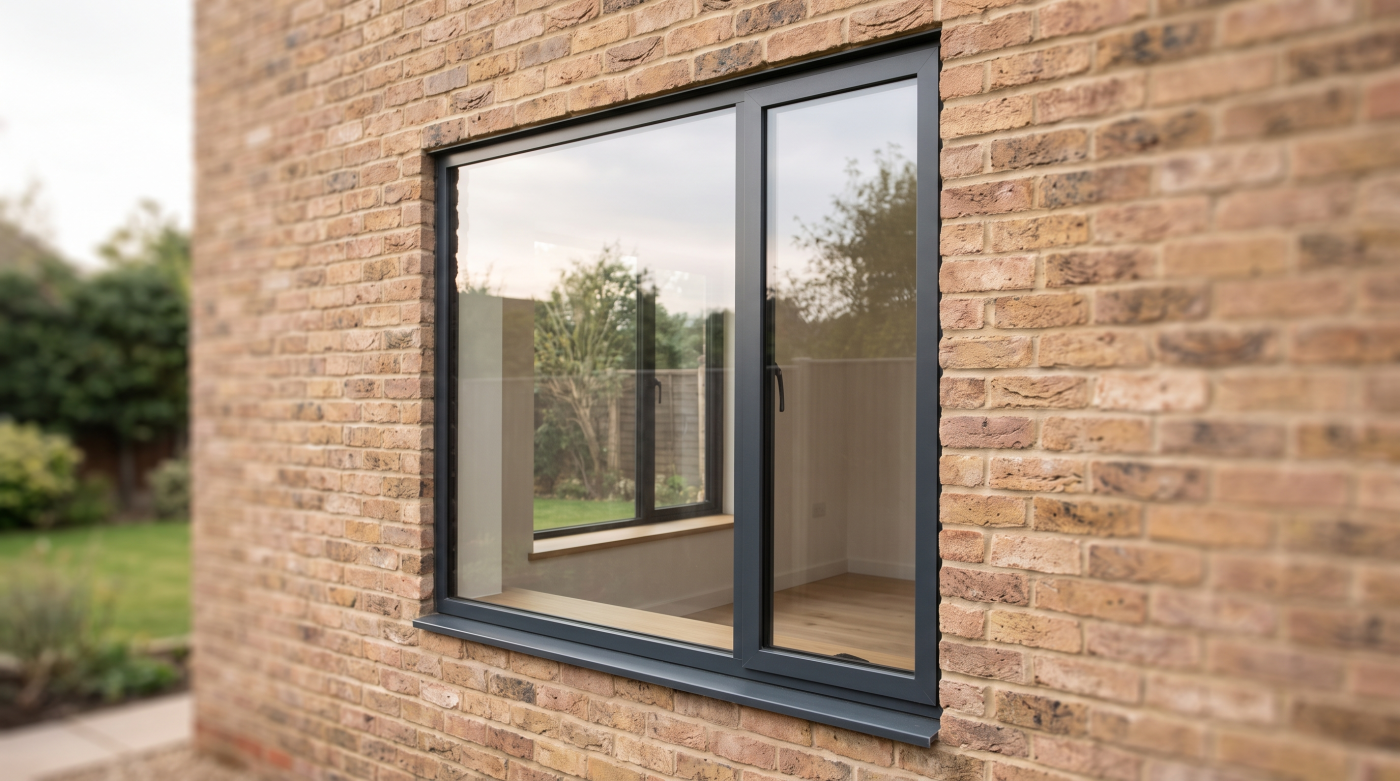
When Premium Glazing Is Worth the Investment
Premium glazing is often associated with higher upfront costs, making homeowners naturally question whether the additional investment is justified. The answer depends less on the price of the windows and more on the role they play within the wider project. Architects rarely specify premium glazing simply to achieve better technical figures. Instead, they consider how it will improve the quality, comfort and longevity of the home over many years of ownership.
For homeowners planning a comprehensive renovation, premium glazing can deliver value well beyond energy efficiency alone. Replacing ageing windows during a major refurbishment allows the new glazing to work alongside upgraded insulation, improved heating systems and better airtightness, creating a building that performs as a coordinated whole. The result is often a home that feels warmer, quieter and more comfortable while also benefiting from lower energy demand and improved long-term durability.
The same principle applies to new-build homes. Architects designing contemporary properties frequently specify high-performance glazing from the outset because it forms part of the building’s environmental strategy rather than being treated as an optional upgrade. Window orientation, frame design, solar control and ventilation are all considered together, ensuring the glazing contributes to natural light, thermal comfort and architectural character in equal measure. In these projects, premium glazing supports the design intent from the very beginning.
Long-term ownership is another important consideration. Windows are expected to remain part of a home for decades, making them one of the longest-lasting elements of a renovation or self-build. Choosing high-quality glazing may reduce maintenance requirements, improve day-to-day comfort and help preserve the appearance and performance of the property throughout its lifespan. When viewed over twenty or thirty years, the additional investment often becomes easier to justify than when considered solely against the initial purchase price.
Premium glazing can also enhance the overall experience of living in a home. Larger panes of glass, slimmer sightlines, improved acoustic insulation and more stable internal temperatures all contribute to an environment that feels calmer and more enjoyable every day. These benefits are difficult to quantify on a specification sheet, yet they are often the qualities homeowners value most once the project has been completed.
Ultimately, premium glazing is rarely about chasing the highest performance numbers. It is about investing in windows that support the architecture, improve everyday comfort and continue to perform reliably for many years. When selected as part of a thoughtful, long-term design strategy, premium glazing becomes more than a product purchase—it becomes an investment in the lasting quality of the home itself.
Looking Beyond Marketing Claims
Energy-efficient glazing has never been more advanced, but it has also never been marketed more aggressively. Homeowners are presented with an endless stream of claims about exceptional insulation, industry-leading performance and dramatic energy savings, often accompanied by complex technical data that can be difficult to interpret. While many of these innovations represent genuine progress, architects are careful to separate meaningful performance improvements from marketing language. Their decisions are guided by the needs of the building rather than by whichever specification appears most impressive on paper.
Throughout this guide, one theme has remained consistent: glazing should always be considered as part of the wider architecture. A window does not perform independently of its frame, installation, orientation or the rest of the building. Even the most advanced glazing cannot compensate for poor insulation elsewhere, inadequate ventilation or a design that fails to respond to its surroundings. Lasting performance comes from the way every element of the home works together rather than from any single product.
This is why architects focus on long-term outcomes instead of isolated performance figures. They ask whether the glazing will improve everyday comfort, complement the architectural design, support energy efficiency and continue to perform reliably over decades of ownership. If the answer is yes, the specification is likely to represent good value regardless of whether it claims to be the most technologically advanced product on the market. Performance is measured through the experience of living in the home, not simply through laboratory data.
Independent advice also has an important role to play. Homeowners planning a renovation or self-build benefit from understanding how different glazing systems compare within the context of their own project rather than relying solely on promotional material. Every property has different priorities, whether that is preserving views, reducing overheating, respecting heritage character or improving thermal comfort. Professional guidance helps ensure glazing choices are based on these objectives rather than generic product comparisons.
Ultimately, the truth about energy-efficient glazing in 2026 is reassuringly straightforward. Modern glazing has become remarkably capable, but no single specification is right for every home. The best windows are those that balance thermal performance, natural light, comfort, durability and architectural design in a way that supports the building as a whole.
When homeowners move beyond marketing claims and begin thinking like architects, they tend to make better long-term decisions. Instead of chasing the latest headline figure, they invest in glazing that enhances how their home looks, feels and performs every day—creating value that lasts long after individual technologies and performance standards continue to evolve.