
What an EPC Actually Measures
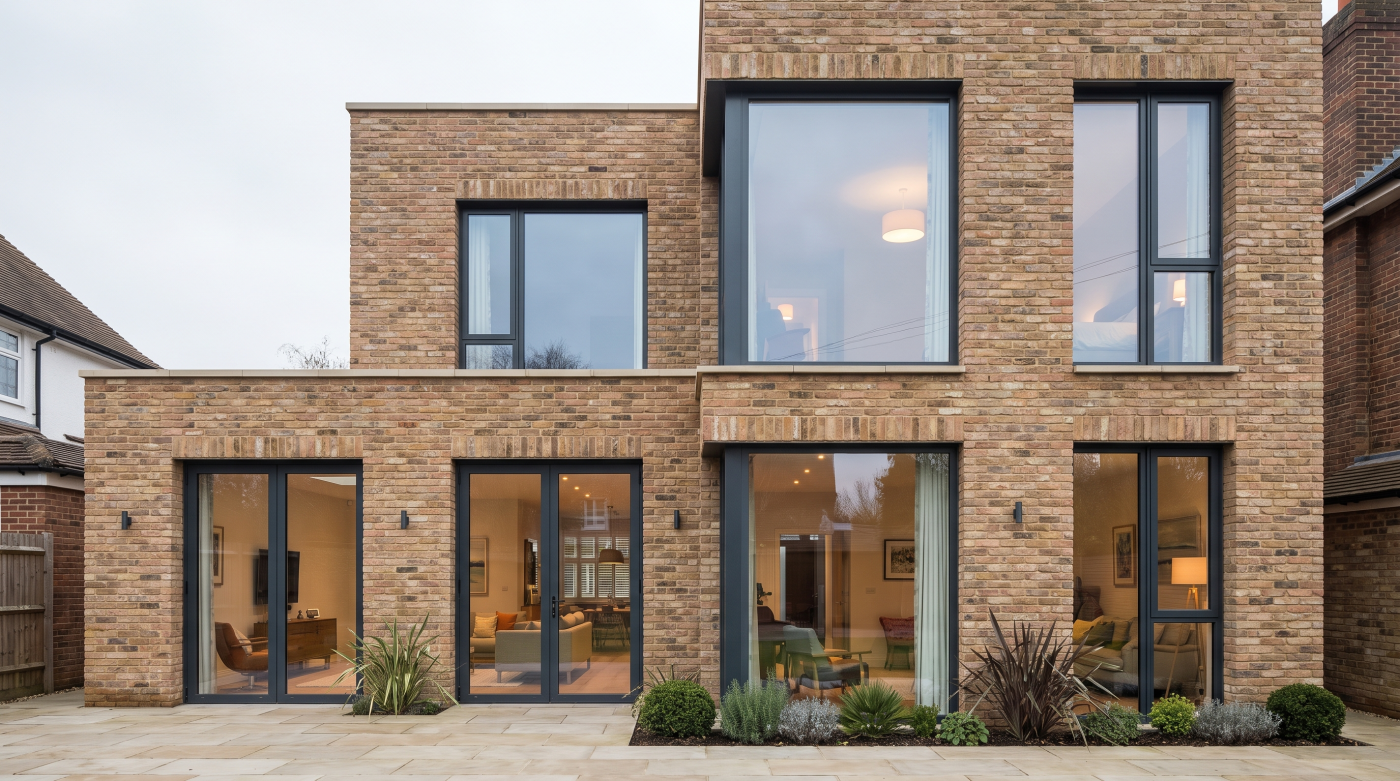
Energy Performance Certificates (EPCs) have become an increasingly familiar part of buying, selling and renting property in the UK. As conversations around energy efficiency continue to grow, many homeowners understandably wonder whether their existing windows could negatively affect their EPC rating. To answer that question, it is important to understand what an EPC is actually designed to measure. Contrary to popular belief, it is not an assessment of individual products but an evaluation of how efficiently the building performs as a whole.
An EPC estimates the energy efficiency of a property by considering a range of factors that influence energy use and carbon emissions. These include insulation levels, heating systems, hot water provision, lighting and the thermal performance of the building envelope, of which windows are only one part. The resulting rating provides an indication of how much energy the property is likely to require to heat and operate under standard assumptions, while also offering recommendations that could improve its efficiency over time.
This whole-house approach is fundamental to understanding the role of windows. Even highly efficient glazing cannot compensate for significant heat loss through an uninsulated roof or poorly insulated walls, just as excellent insulation alone cannot completely offset the effects of inefficient windows. Every element of the building contributes to the overall assessment, and the EPC reflects how those components work together rather than measuring any single feature in isolation.
Architects and building professionals therefore avoid looking at EPC ratings through the lens of one product alone. Instead, they evaluate how the different parts of the building interact to create a comfortable, efficient and durable home. Windows are certainly important because they influence heat retention, natural daylight, ventilation and occupant comfort, but they form part of a much broader picture that includes the fabric and services of the entire property.
For homeowners, this distinction is reassuring. Having older windows does not automatically mean a poor EPC rating, nor does replacing windows alone guarantee a dramatic improvement. The most meaningful gains in energy performance usually come from considering the building as a complete system. Understanding that principle provides a far more reliable foundation for making renovation decisions than focusing on any individual component in isolation.
Where Older Windows Can Affect Performance
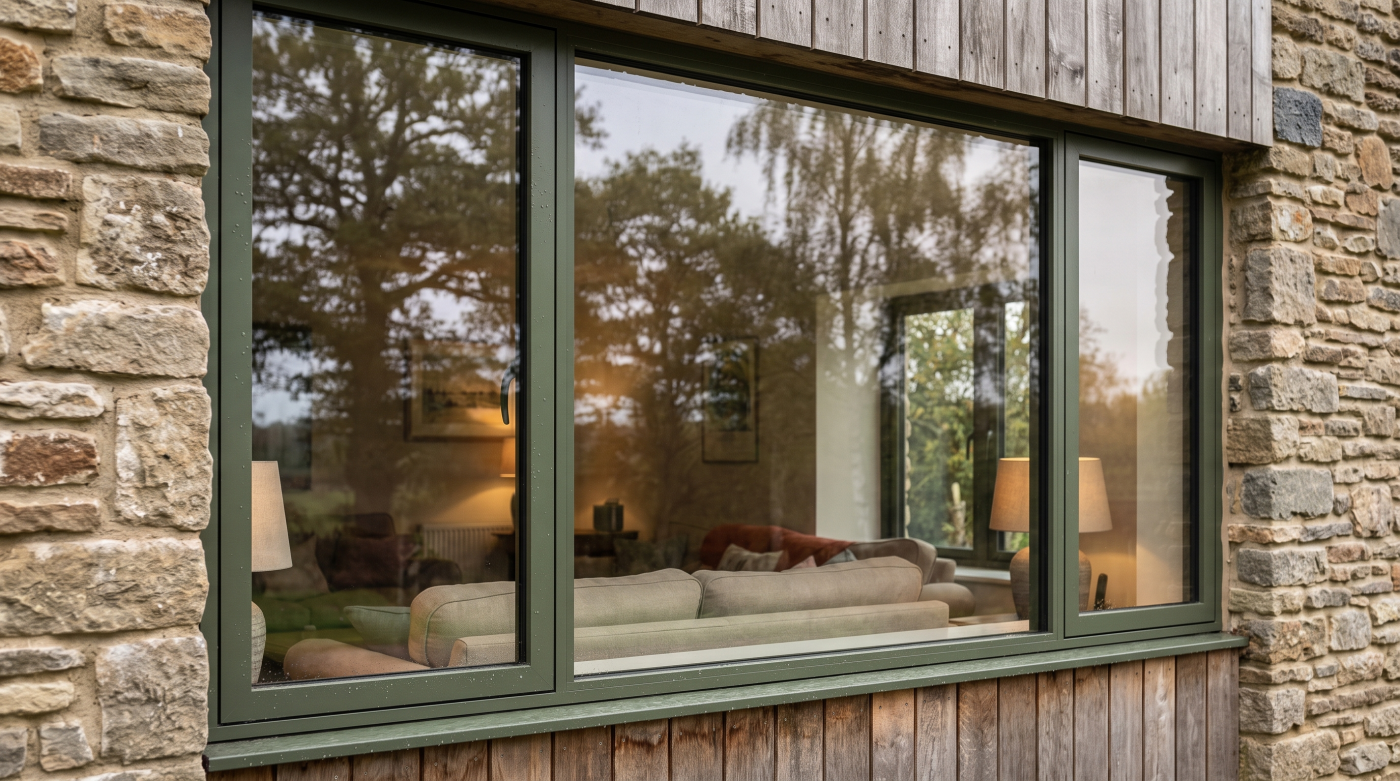
Although an Energy Performance Certificate evaluates the home as a complete system, windows still play an important role in determining how comfortable and energy efficient a property feels. They influence how much heat escapes, how effectively draughts are controlled and how well the home responds to changing weather conditions throughout the year. The key point, however, is that performance matters far more than age alone. Not every older window is inefficient, and not every newer window automatically represents a significant improvement.
Single-glazed windows are generally the easiest to identify as a source of heat loss. Without an insulating cavity between panes of glass, they allow warmth to escape more readily and often create colder internal surfaces during winter. This can make rooms feel less comfortable while increasing the likelihood of condensation forming on the inside of the glass. For homeowners living in older properties, these effects may be familiar, particularly during prolonged periods of cold weather.
Early generations of double glazing can present a more varied picture. Many systems installed several decades ago continue to perform satisfactorily if they have been well manufactured and carefully maintained. Others may no longer provide the level of insulation expected from modern glazing, particularly if seals have deteriorated, draughts have developed or the units have reached the end of their service life. In these cases, the issue is not simply the age of the window but its current condition and overall thermal performance.
Comfort often provides a more useful indicator than age. Persistent draughts, noticeable cold spots near windows or recurring condensation may suggest that existing glazing is no longer performing effectively. These issues can influence both the experience of living in the home and its overall energy efficiency. Conversely, well-maintained windows that remain airtight and thermally efficient may continue to perform successfully even after many years of service.
Architects therefore assess existing windows individually rather than making assumptions based on when they were installed. They consider factors such as glazing specification, frame condition, airtightness, orientation and the role each window plays within the wider building. This measured approach avoids unnecessary replacement while identifying genuine opportunities for improvement where performance has declined.
For homeowners, the message is reassuring. Older windows are not automatically a liability simply because of their age. What matters is how effectively they continue to perform within the context of the entire building. Understanding that distinction allows renovation decisions to be based on evidence and long-term value rather than assumptions about age alone.
Why Replacing Windows Isn’t Always the First Priority
When homeowners begin thinking about improving their home’s energy efficiency, replacing the windows is often one of the first ideas that comes to mind. Modern glazing certainly has an important role to play, but architects rarely recommend starting there without first considering how the entire building performs. A home loses energy through many different pathways, and the greatest improvements often come from addressing several areas together rather than focusing on a single upgrade in isolation.
For many properties, the most cost-effective improvements may lie elsewhere. Loft insulation, for example, can significantly reduce heat loss in homes where roof spaces remain under-insulated. Wall insulation, where appropriate, may also have a considerable impact, while upgrading an ageing heating system or improving heating controls can reduce energy consumption without changing the appearance of the property. Measures that improve airtightness and reduce uncontrolled draughts often complement these upgrades, helping the building retain warmth more effectively throughout the year.
This whole-house approach reflects the way architects think about building performance. Rather than asking which individual product offers the biggest improvement, they consider how different elements interact. Better windows may reduce heat loss, but if large amounts of warm air continue to escape through the roof or uninsulated walls, the overall benefit will inevitably be limited. Coordinating improvements allows each upgrade to support the others, creating a more comfortable and energy-efficient home than isolated changes alone.
That does not mean window replacement is unimportant. In homes with ageing single glazing, deteriorating frames or persistent draughts, new high-performance windows can make a meaningful difference to thermal comfort, condensation control and everyday enjoyment of the property. The key is ensuring that replacement forms part of a considered renovation strategy rather than a reaction to concerns about EPC ratings or changing headlines.
Architects also recognise that every property is different. The priorities for a Victorian townhouse, a listed cottage and a contemporary detached home are unlikely to be the same. Assessing the condition of the existing building, identifying where the greatest opportunities for improvement exist and planning upgrades accordingly usually delivers far better long-term results than replacing components simply because they are older.
For homeowners, this is perhaps the most important message of all. Improving energy efficiency is rarely about finding a single solution. It is about understanding how the home performs as a complete system and making thoughtful, coordinated decisions that improve comfort, reduce energy use and support the long-term value of the property.
What About Heritage and Listed Buildings?
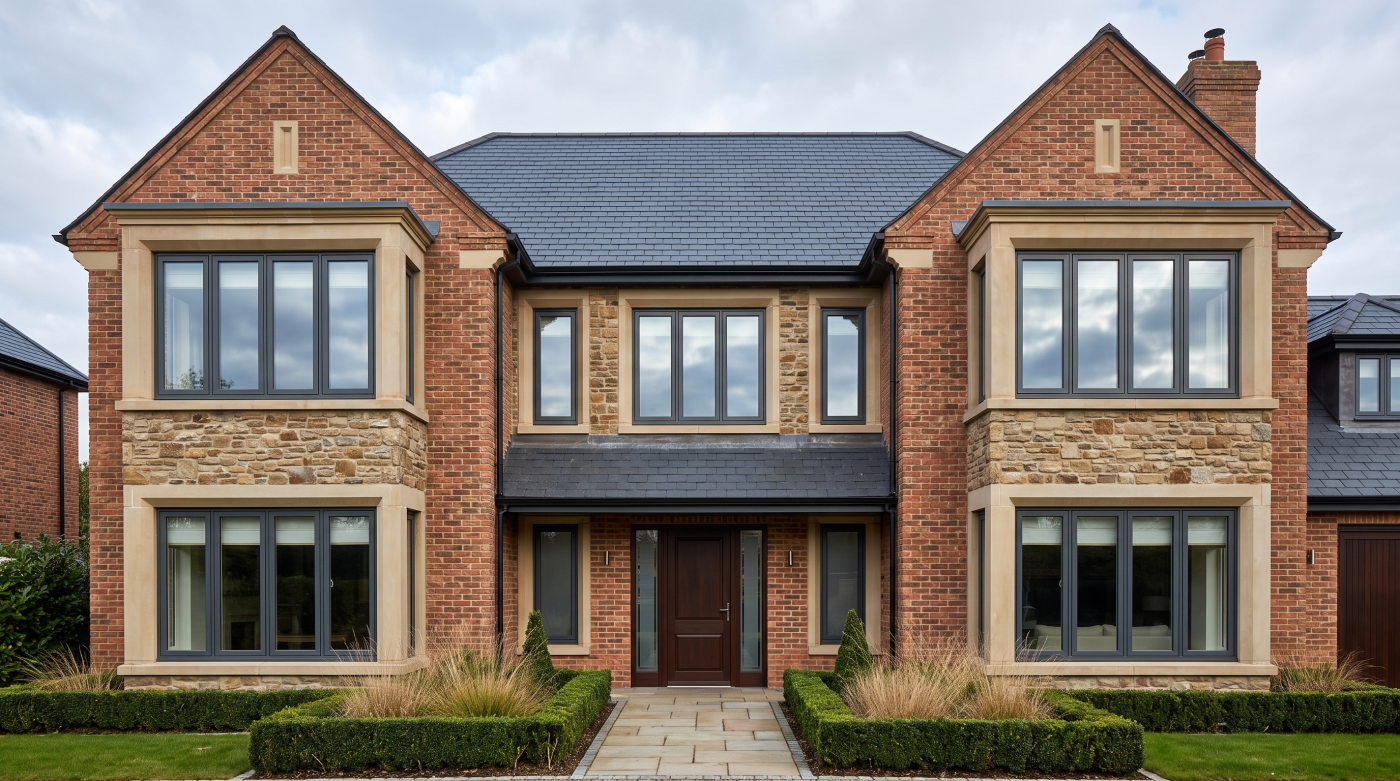
For owners of listed buildings and homes within conservation areas, improving energy efficiency often involves a different set of considerations. While homeowners of more modern properties may be free to replace older windows with contemporary alternatives, historic buildings are frequently protected because of their architectural or cultural significance. In these cases, preserving original character is just as important as improving thermal performance, and any changes must be approached with care.
Traditional windows are often fundamental to the identity of a heritage property. Their proportions, glazing patterns, materials and craftsmanship contribute to the building’s historic character, meaning replacement is not always appropriate—or even permitted. Architects therefore begin by asking how existing windows can be retained and improved before considering wholesale replacement. This philosophy reflects the wider conservation principle of preserving original fabric wherever practical.
Fortunately, improving comfort does not always require removing historic windows. Measures such as careful draught-proofing, repairs to existing frames and, in many cases, well-designed secondary glazing can significantly enhance thermal performance while preserving the building’s appearance. These interventions often reduce heat loss and improve comfort without altering the external character that gives the property its architectural value.
Where replacement is appropriate, it usually requires a carefully considered approach. New windows should respect the proportions, detailing and material qualities of the originals while meeting modern performance expectations wherever possible. This balance between conservation and efficiency is one of the reasons heritage projects often benefit from specialist architectural guidance. The objective is not simply to improve an EPC rating but to enhance the building while protecting its long-term significance.
Consent may also be required before carrying out work to listed buildings or properties in certain conservation areas. Local planning authorities assess proposals individually, taking into account the historic importance of the property and the potential impact of any changes. Early professional advice can therefore help homeowners identify suitable solutions before detailed design or procurement begins.
For architects, heritage projects demonstrate that energy efficiency is never a one-size-fits-all exercise. Older buildings often require different strategies from contemporary homes, with careful upgrades that respect traditional construction rather than replacing it unnecessarily. For homeowners, this means that older windows are not automatically a disadvantage. In many historic properties, sensitive improvement can deliver meaningful gains in comfort and performance while preserving the character that makes the building unique.
How EPCs Influence Buyers and Property Value
While an EPC is only one measure of a property’s energy performance, it has become an increasingly visible part of the home-buying process. Prospective purchasers now routinely see EPC ratings alongside property listings, making energy efficiency a more prominent consideration than it was a decade ago. Although location, design, condition and overall suitability remain the primary drivers of value, buyers are becoming more aware of how running costs and energy performance may influence long-term ownership.
For many purchasers, an EPC provides an accessible snapshot of how efficiently a property is likely to operate. It is not a guarantee of comfort or a definitive measure of quality, but it does contribute to first impressions. Homes with stronger energy performance may be perceived as requiring fewer immediate improvements, while properties with lower ratings can prompt questions about future renovation costs or the potential for upgrades. This does not mean that older homes are less desirable, but it does mean that energy efficiency increasingly forms part of the wider conversation during the buying process.
Windows contribute to these perceptions because they are among the most visible elements of a building. Well-maintained, high-performance glazing can reinforce the impression that a property has been thoughtfully cared for, particularly when combined with other improvements such as modern heating systems and good insulation. Conversely, visibly deteriorating windows or obvious draughts may encourage buyers to anticipate additional investment, regardless of the actual EPC rating. In this sense, comfort and presentation often influence confidence as much as technical performance.
Architects and property professionals therefore encourage homeowners to think beyond the certificate itself. Improving energy efficiency should not be viewed solely as a way to achieve a higher EPC rating but as an opportunity to enhance the overall quality of the home. Better thermal comfort, reduced draughts, lower energy consumption and a more enjoyable living environment are benefits that future buyers can appreciate just as much as current occupants.
For homeowners planning to remain in their property for many years, these improvements also deliver ongoing personal value rather than simply supporting resale. A comfortable, well-performing home is enjoyable to live in regardless of future market conditions or regulatory changes. Should the property eventually be sold, thoughtful upgrades carried out as part of a broader renovation strategy may also strengthen buyer confidence by demonstrating that the home has been carefully maintained and sensitively improved.
Ultimately, EPC ratings are becoming one factor among many that shape purchasing decisions. Buyers continue to prioritise location, architecture and lifestyle, but energy performance is increasingly part of the overall picture. By approaching improvements with a long-term perspective rather than reacting to changing headlines, homeowners are more likely to create properties that remain attractive, comfortable and resilient for years to come.
When New Windows Make Sense
While replacing windows is not always the first step towards improving energy efficiency, there are circumstances where it becomes a logical and worthwhile investment. The decision should not be driven solely by concerns about EPC ratings or potential future regulations. Instead, architects consider whether new windows will meaningfully improve the performance, comfort and long-term quality of the home as part of a broader design strategy.
The condition of the existing windows is often the most important starting point. Persistent draughts, failing double-glazed units, deteriorating frames or recurring condensation between panes may indicate that the windows are no longer performing as intended. In these situations, replacement can improve thermal comfort, reduce unwanted air leakage and enhance the everyday experience of living in the property. The benefits extend beyond energy efficiency, contributing to a quieter, more comfortable and easier-to-maintain home.
Major renovation projects also provide an ideal opportunity to review the existing glazing. When extending a property, reconfiguring internal layouts or carrying out significant improvements to insulation and heating systems, replacing older windows can help ensure the building performs consistently as a complete system. Architects often coordinate these upgrades so that new glazing complements wider improvements rather than functioning as an isolated intervention.
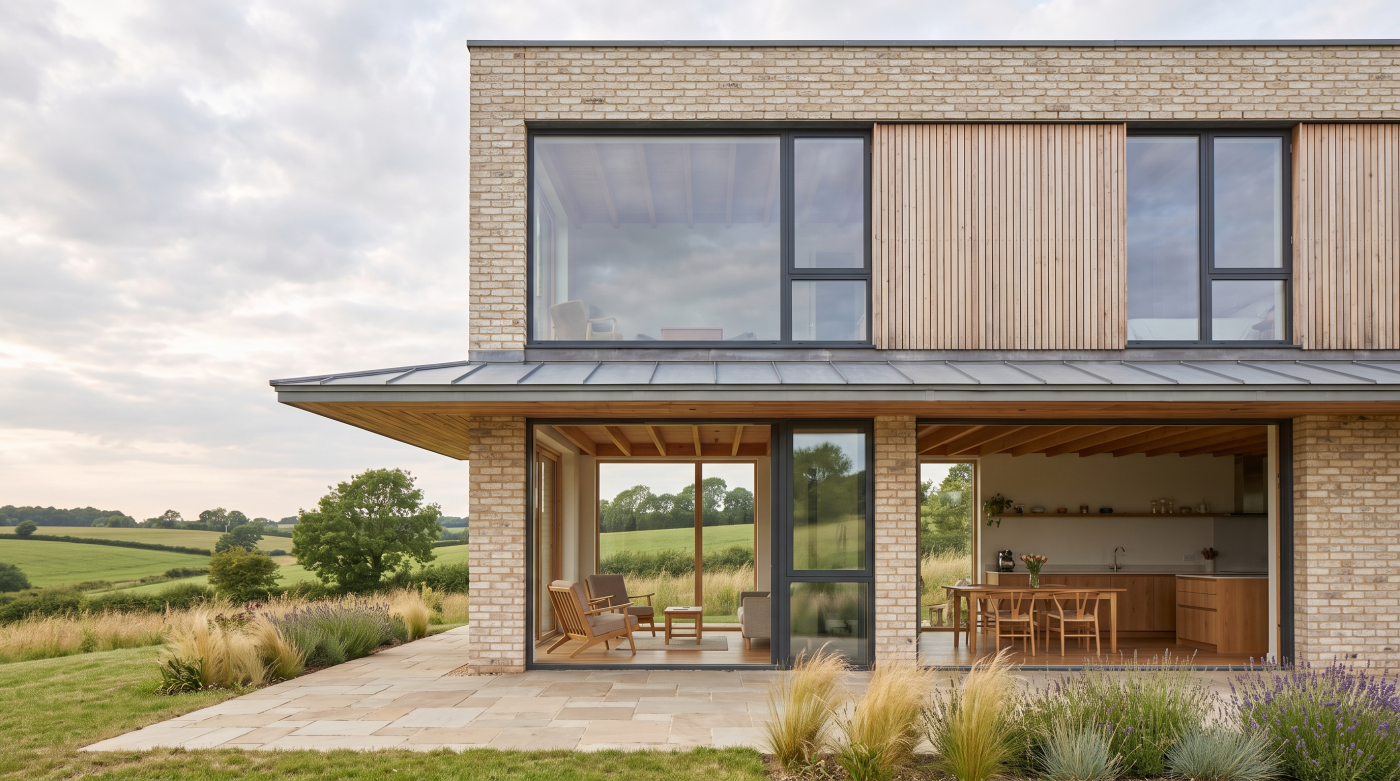
There are also aesthetic and architectural reasons to consider replacement. High-quality contemporary window systems can increase natural light, improve sightlines and strengthen the relationship between the home and its surroundings while delivering significantly improved thermal performance. For homeowners undertaking design-led renovations, new windows often contribute as much to the character of the finished project as they do to its energy efficiency.
However, replacement should always be proportionate to the building. Well-maintained windows that continue to perform effectively may not require immediate attention, particularly if other areas of the home present greater opportunities for improvement. Architects avoid recommending replacement simply because a window has reached a certain age. Instead, they assess how it contributes to the overall performance of the building and whether upgrading it will provide meaningful long-term value.
Ultimately, new windows make the greatest sense when they solve genuine problems or support wider architectural ambitions. Whether improving comfort, enhancing energy efficiency or complementing a comprehensive renovation, replacement should form part of a considered long-term plan rather than a reaction to changing headlines. Homes perform best when every improvement is made with the whole building in mind, and windows are no exception.
Making Decisions That Will Still Feel Right in Ten Years
Conversations around energy efficiency are likely to continue evolving. Building regulations change, technologies improve and public expectations shift as new ways of reducing energy consumption emerge. While it is impossible to predict exactly how future EPC policies may develop, one principle remains remarkably consistent: improvements that genuinely enhance the quality and performance of a home rarely become poor investments. Architects therefore focus on decisions that deliver lasting value regardless of future policy changes.
Throughout this guide, one message has remained clear. Older windows are not automatically a liability simply because they have been in place for many years. Their contribution to the performance of the home depends on their condition, thermal efficiency and how they interact with the rest of the building. Equally, replacing windows should not be viewed as a universal solution to improving an EPC rating. The most successful renovations are based on understanding the home as a complete system rather than reacting to individual headlines or anticipated regulation.
A whole-house approach provides benefits that extend far beyond any certificate. Better insulation, well-performing windows, efficient heating systems and thoughtful ventilation all contribute to a home that feels warmer, quieter and more comfortable throughout the year. These improvements also support lower energy consumption, reduce running costs and often enhance the long-term appeal of the property, regardless of how future assessment methods may evolve.
Quality should also remain central to every specification decision. Well-designed, carefully installed windows are expected to perform for decades, making them a long-term architectural investment rather than a short-term response to changing policy. Choosing products that complement the character of the home while delivering reliable thermal performance is likely to provide lasting satisfaction long after current discussions around EPCs have moved on.
For homeowners planning renovations, the most effective strategy is rarely to ask, “How can I improve my EPC?” A more valuable question is, “How can I improve the way my home performs?” This subtle shift in thinking encourages decisions that enhance comfort, durability and everyday living while naturally supporting better energy efficiency at the same time.
Ultimately, good architectural decisions tend to outlast changing regulations. By approaching window replacement as part of a considered, long-term improvement strategy rather than a reaction to uncertainty, homeowners can invest with confidence, knowing they are creating a home that will remain comfortable, efficient and enjoyable to live in for many years to come.