
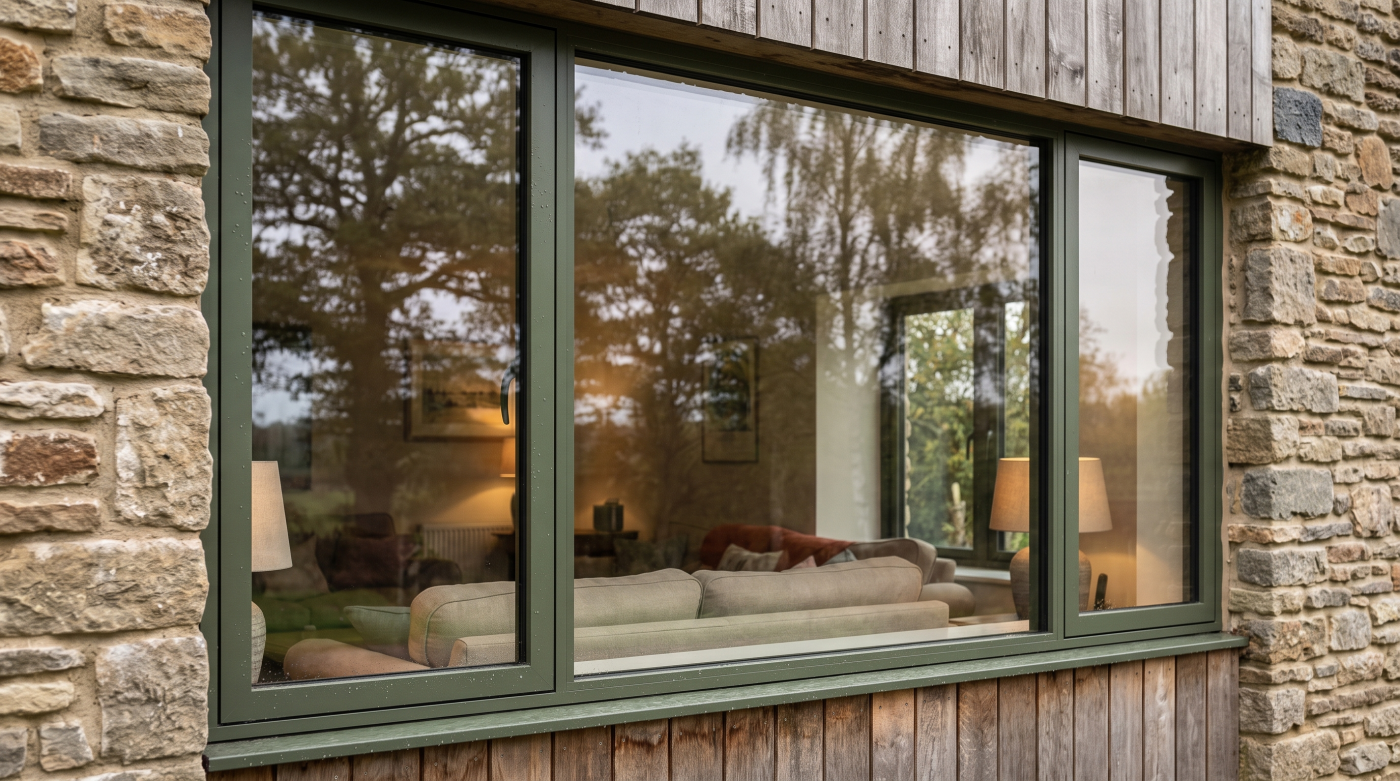
Why Every Home Saves a Different Amount
One of the most common questions homeowners ask is, “How much will new windows save me on my energy bills?” It is an understandable question, but it does not have a single answer. Unlike replacing an old appliance with one that has a published energy rating, the impact of new windows depends on the home they are being installed in. Two seemingly similar properties can experience very different results because their starting points are rarely the same.
The condition of the existing windows is one of the biggest factors. Replacing ageing single glazing or poorly performing older double glazing is likely to have a more noticeable impact than replacing relatively modern, well-maintained units. If the current windows are draughty, difficult to close properly or have deteriorating seals, new high-performance glazing can significantly improve how efficiently the home retains heat.
The age and construction of the property also matter. Older homes often lose heat through a combination of walls, roofs, floors and windows, while newer homes may already benefit from better insulation and higher standards of airtightness. In these cases, replacement windows still contribute to improved performance, but the overall reduction in energy use may be less dramatic because the building is already relatively efficient.
Heating systems and everyday living patterns also influence potential savings. A family occupying the house throughout the day will use energy differently from someone who is out at work for long periods. The way heating is controlled, the preferred indoor temperature and even the local climate all affect how much difference new windows are likely to make. This is why architects and energy consultants avoid making blanket promises about financial savings.
Rather than asking, “How much will these windows save?” it is often more useful to ask, “How much better will this home perform?” New windows form part of a wider building system, and their greatest value often lies in improving comfort, reducing draughts and supporting long-term energy efficiency alongside other elements of the home. Any reduction in energy bills is best viewed as one benefit among several rather than the only reason to invest.
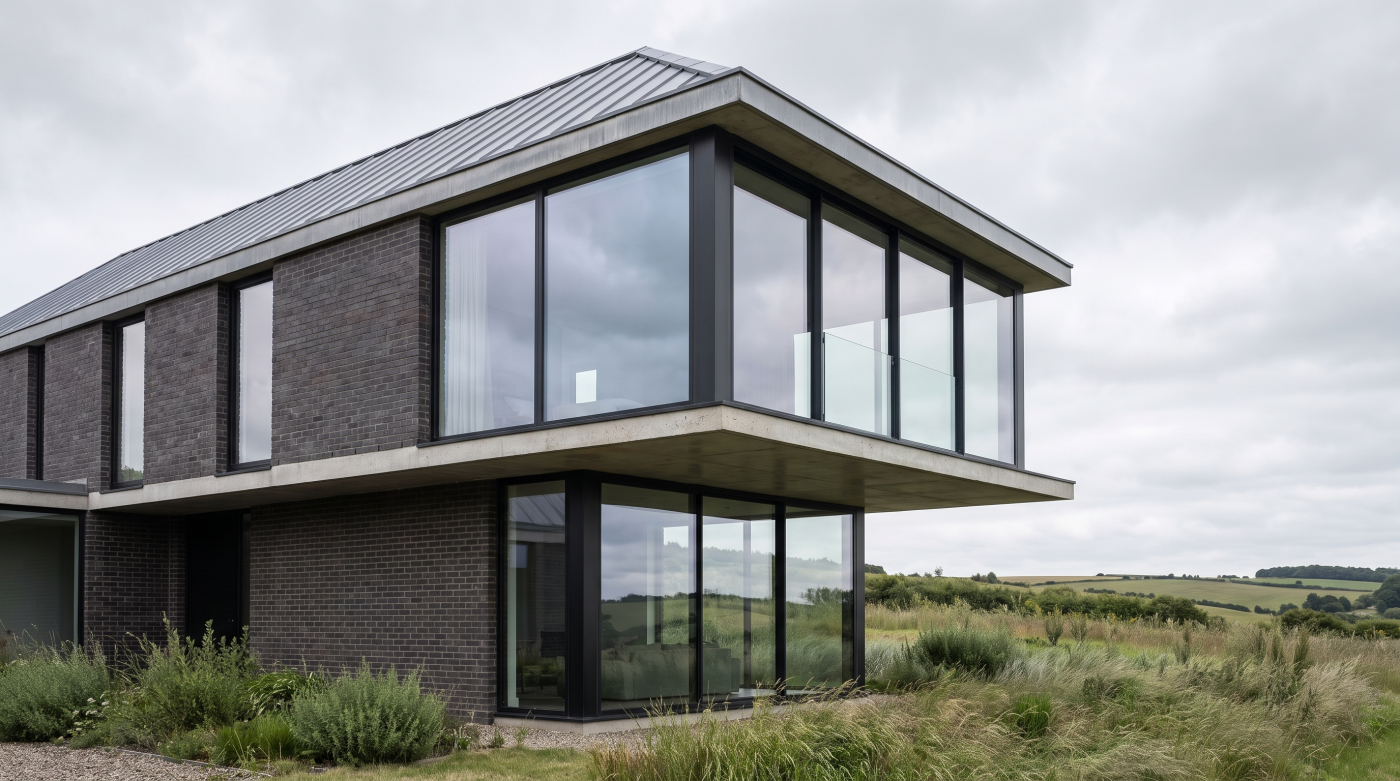
Where Heat Is Really Being Lost
When homeowners think about improving energy efficiency, windows often become the centre of attention. They are highly visible, easy to understand and frequently promoted as a way to reduce heating costs. While replacement windows can certainly improve the performance of a home, they are only one part of a much larger picture. Architects begin by looking at the entire building envelope—the collection of elements that separate the warm interior from the colder outdoor environment.
Heat naturally escapes through every part of a home. Depending on the age and construction of the property, walls, roofs, floors, doors and areas of uncontrolled air leakage may all contribute to energy loss. In some older homes, poorly insulated lofts or uninsulated walls can account for a greater proportion of heat loss than the windows themselves. This does not diminish the importance of high-quality glazing, but it does explain why replacing windows alone will not transform the efficiency of every property.
Draughts are another significant factor. A home can have modern glazing with excellent thermal performance yet still feel cold if unwanted air is entering through gaps around doors, floors or poorly sealed openings. Likewise, windows that have deteriorating seals or no longer close properly may create discomfort out of proportion to their measured U-values. Architects therefore consider airtightness alongside insulation, recognising that reducing uncontrolled air movement can have a major impact on both comfort and energy use.
This whole-house perspective helps explain why replacement windows are most effective when they form part of a broader improvement strategy. Upgrading insulation, improving airtightness, addressing ventilation and installing well-specified glazing all work together to create a home that performs more efficiently than any single upgrade could achieve on its own.
Rather than asking where heat is being lost through the windows alone, architects ask where the building is losing heat overall. That broader question leads to more balanced decisions and often delivers better long-term results. High-quality windows are an important part of the solution, but they achieve their full potential when the rest of the home is working just as effectively.
The Comfort Difference You Notice Immediately
When homeowners replace their windows, the first improvement they notice is rarely a lower energy bill. In fact, many of the most meaningful benefits cannot be measured by a monthly statement at all. They are experienced in everyday life—the living room that feels warmer on a winter morning, the favourite chair that is no longer cold beside the window or the absence of the persistent draught that once made certain parts of the house uncomfortable. These changes often have a greater impact on daily wellbeing than the financial savings themselves.
One reason for this is that modern, well-specified windows help maintain warmer internal glass surfaces during colder weather. Older glazing can create a noticeable chill near the window, even when the heating is on, because heat is transferred away more quickly. High-performance glazing reduces this effect, making the room feel more consistently comfortable. The thermostat may remain at the same setting, yet the space often feels warmer simply because there are fewer cold surfaces affecting how people experience the room.
Draught reduction also plays an important role. Ageing windows with worn seals or poor fitting can allow small but continuous air leaks that create discomfort disproportionate to the amount of heat actually being lost. Professionally installed replacement windows help minimise these unwanted air movements, producing a calmer, more stable indoor environment. Many homeowners describe the difference as a home that simply feels “cosier” without immediately recognising why.
Improved glazing can also reduce condensation and external noise, both of which contribute to the overall quality of the living environment. Less condensation helps protect internal finishes and supports healthier indoor conditions, while better acoustic performance can make busy roads, neighbouring activity or poor weather noticeably less intrusive. These are benefits that improve comfort every day, regardless of what happens to energy prices.
This is why architects often speak about comfort before cost savings. Energy efficiency is certainly important, but the true value of replacement windows lies in how they improve the experience of living in the home. A warmer, quieter and more comfortable environment is something homeowners notice immediately—and continue to appreciate long after they have forgotten the exact figures on their heating bills.
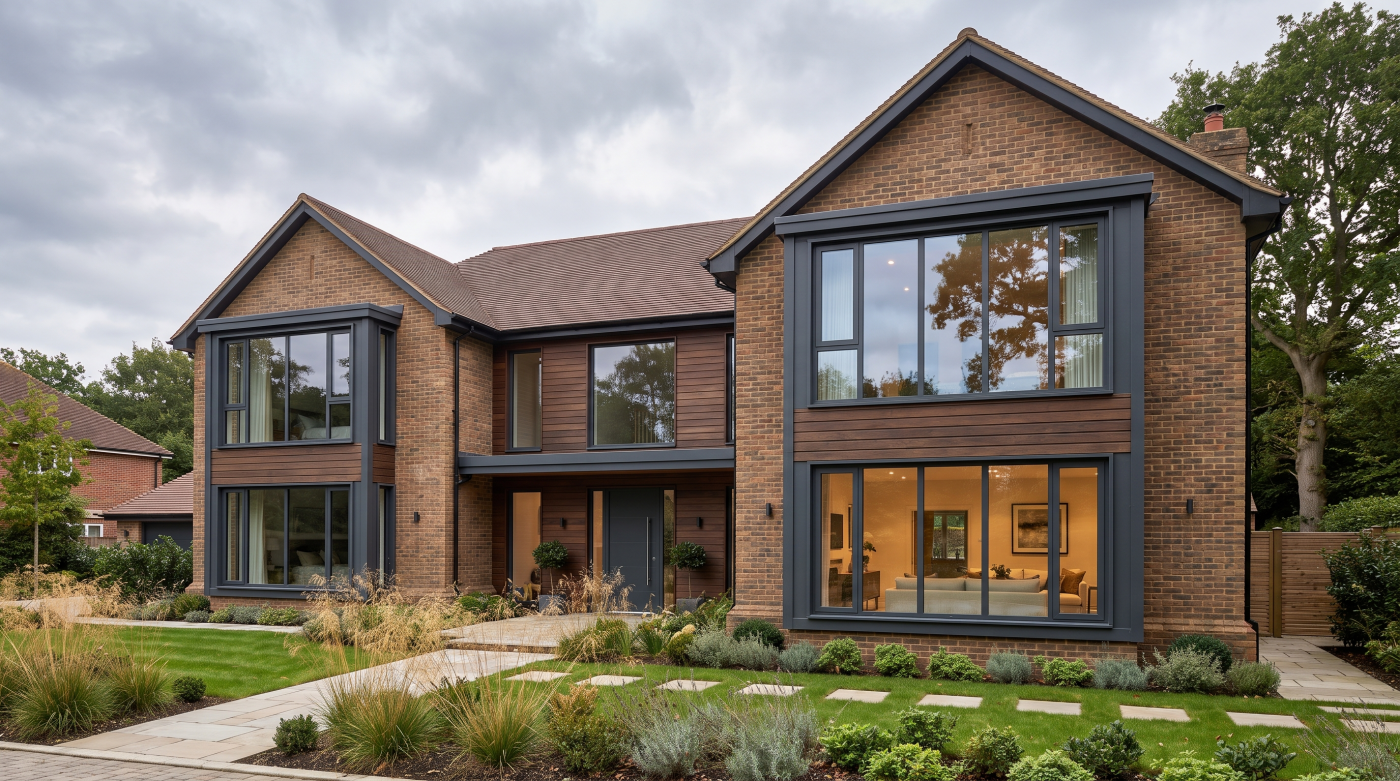
Why Installation Is Just as Important as the Windows
Even the highest-performing windows cannot deliver their full potential if they are poorly installed. Homeowners often spend considerable time comparing frame materials, glazing options and thermal performance figures, yet the quality of the installation has just as much influence on how the finished windows perform. Architects understand that a window is only as effective as the way it is integrated into the building. Precision during installation is not an optional extra—it is an essential part of achieving the comfort and efficiency homeowners expect.
One of the primary objectives of good installation is creating an effective seal between the window frame and the surrounding structure. Small gaps around the perimeter can allow unwanted air leakage, reducing thermal performance and creating uncomfortable draughts. Even when the glazing itself has an excellent U-value, uncontrolled air movement can make a room feel colder than it should. Careful installation helps ensure the performance of the window is reflected in the real-world experience of living in the home.
Architects also pay close attention to thermal bridging. This occurs when heat finds an easier path through parts of the building construction, reducing overall efficiency even if the windows themselves are highly insulated. Correct installation techniques, appropriate sealing systems and careful detailing around the window opening help minimise these weak points, allowing the glazing to work as intended alongside the rest of the building envelope.
Long-term durability is another consideration. Windows should continue to operate smoothly for many years while maintaining their weather resistance and airtightness. Accurate alignment, secure fixing and proper support all contribute to this reliability, reducing unnecessary strain on hinges, opening mechanisms and seals. A well-installed window not only performs better on the day it is fitted but also retains that performance over the lifetime of the product.
This is why architects never separate the product from the installation. They view both as equally important parts of the specification process. Premium windows deserve premium workmanship, because genuine energy efficiency is achieved through the combination of high-quality products, thoughtful detailing and skilled installation. When these elements come together, homeowners gain the full benefits of their investment—not only in lower heat loss, but in lasting comfort and dependable long-term performance.
Should You Choose Double or Triple Glazing?
After learning about U-values and thermal performance, many homeowners arrive at the same question: Should I choose double or triple glazing? It is an understandable comparison, particularly as triple glazing is often promoted as the premium option. However, architects rarely approach the decision as a simple upgrade from one to the other. Instead, they consider which system is most appropriate for the specific home, balancing energy performance with architecture, budget and long-term comfort.
Triple glazing can reduce heat loss more effectively than double glazing because the additional pane of glass creates another insulating layer. In highly energy-efficient homes, particularly new self-builds designed around exceptional levels of insulation and airtightness, this additional performance can contribute meaningfully to the overall building strategy. In these situations, triple glazing often forms part of a carefully coordinated approach to achieving very high standards of thermal efficiency.
That does not mean triple glazing is automatically the best choice for every project. Modern premium double-glazed windows already provide excellent thermal performance and, in many renovations and extensions, they offer the ideal balance between insulation, aesthetics and practicality. Double glazing often allows slimmer frame profiles, lighter opening sashes and greater design flexibility, qualities that can be particularly valuable in contemporary architecture where maximising natural light and maintaining elegant sightlines are key priorities.
Architects also consider factors beyond thermal insulation. The orientation of the home, the amount of natural sunlight, the desired window sizes, structural requirements and the overall design intent all influence the specification. Cost is naturally part of the conversation too, but it is viewed in the context of the wider project rather than as an isolated comparison between glazing options.
Ultimately, the question is not whether double or triple glazing is universally better. It is which solution creates the best-performing home for your particular project. The most successful specifications are guided by the needs of the building rather than by the pursuit of a single performance figure. When the glazing is chosen as part of a holistic architectural design, homeowners benefit from a home that is comfortable, efficient and enjoyable to live in for many years.
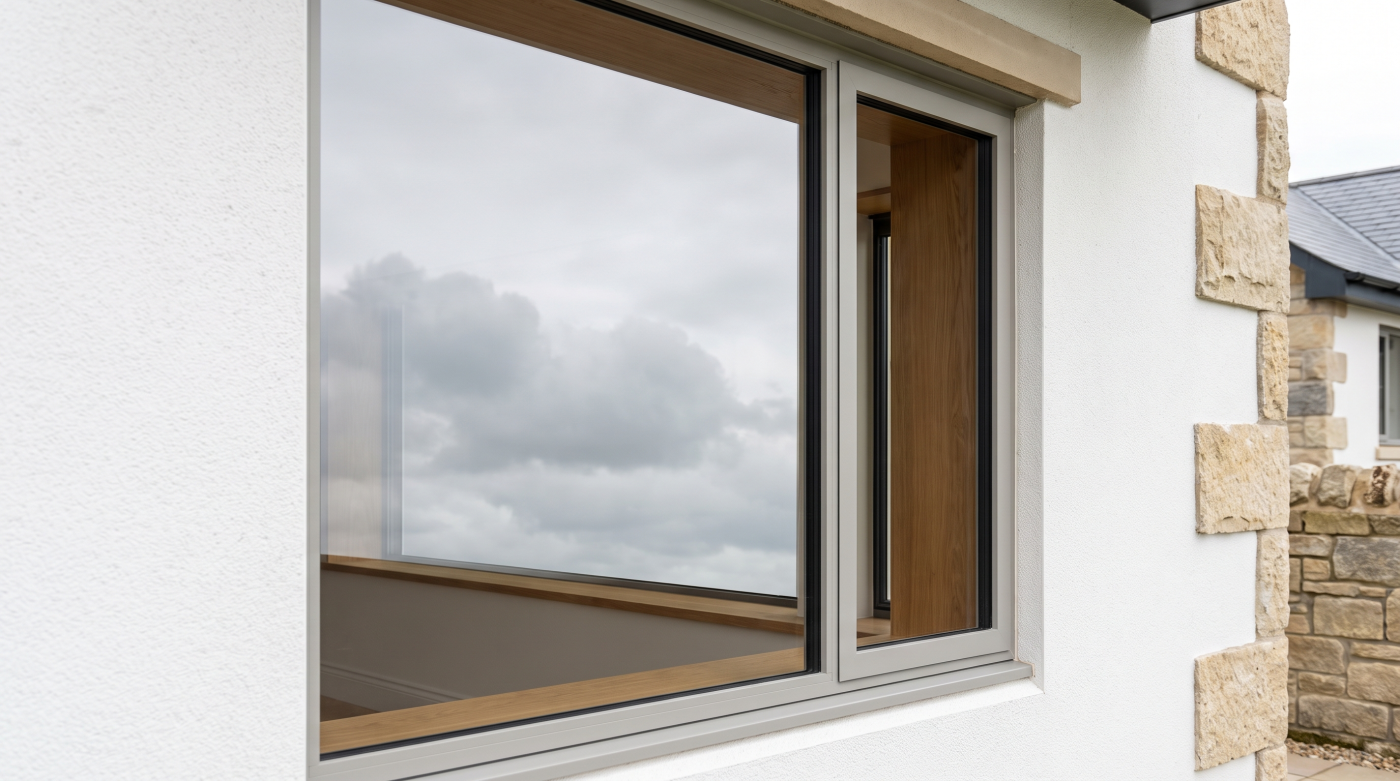
Looking Beyond the Energy Bill
Lower heating costs are often the reason homeowners begin researching replacement windows, but they are rarely the only benefit they experience once the project is complete. Architects understand that windows influence almost every aspect of how a home performs and feels. While reduced energy consumption is important, improvements to comfort, appearance, maintenance, security and long-term value often become just as significant over the years that follow.
A well-designed window can transform the character of a home by introducing more natural light, improving views and strengthening the relationship between interior spaces and the surrounding landscape. Contemporary slim-frame glazing, for example, allows larger areas of glass without compromising thermal performance, helping rooms feel brighter and more spacious throughout the day. These qualities enhance everyday living in ways that are difficult to measure financially but are immediately noticeable to the people who live there.
Replacement windows can also contribute to the long-term value of a property. Buyers increasingly appreciate homes that combine attractive architecture with modern energy performance, low maintenance requirements and quality materials. Premium aluminium systems, durable finishes and carefully specified glazing can therefore support both the enjoyment of the current homeowner and the future appeal of the property should it eventually be sold.
Security and ease of maintenance are further advantages that are often overlooked during the early stages of research. Modern window systems benefit from improved engineering, more sophisticated locking mechanisms and durable finishes that require relatively little upkeep compared with older products. This reduces ongoing maintenance while providing greater confidence in the day-to-day performance of the home.
Architects therefore view replacement windows as an investment in the overall quality of a building rather than simply a way to reduce heating costs. Energy savings remain an important outcome, but they are part of a much broader picture. The best glazing improves how a home looks, feels and functions every day, delivering lasting value that extends well beyond the figures shown on an energy bill.
Are New Windows Worth It?
For most homeowners, replacing windows is not a decision made purely to reduce energy bills. It is an investment in the overall performance, comfort and longevity of the home. While improved thermal efficiency can certainly contribute to lower heating costs, the true value of modern glazing lies in the way it transforms everyday living. A warmer, quieter and more comfortable home is often the benefit people appreciate most long after the installation has been completed.
Throughout this guide, one principle has remained consistent: there is no universal answer to how much new windows will save. Every property begins from a different starting point, and the results depend on factors such as the condition of the existing windows, the insulation levels of the home, the quality of the installation and the way the building is heated and occupied. This is why architects avoid making blanket promises about energy savings. Instead, they focus on improving the overall performance of the building as a whole.
Replacement windows should therefore be viewed as part of a long-term strategy rather than a quick financial calculation. High-quality glazing can reduce draughts, improve thermal comfort, minimise condensation, lower external noise and enhance the appearance of the property while supporting energy efficiency. Together, these improvements create a home that feels better to live in every day, regardless of fluctuations in energy prices.
Choosing the right windows also means looking beyond headline performance figures. Well-engineered products, professional installation and thoughtful specification all contribute to how successfully the glazing performs over many years. Working with experienced architects or specialist glazing partners helps ensure that the chosen system is appropriate for the building, its surroundings and the way the occupants intend to use it.
Ultimately, the best replacement windows are not simply those that promise the biggest reduction in energy bills. They are the ones that create a more comfortable, efficient and enjoyable home for years to come. When viewed from that perspective, any savings on heating costs become one part of a much broader return on investment—one measured not only in pounds saved, but in the quality of everyday life.