
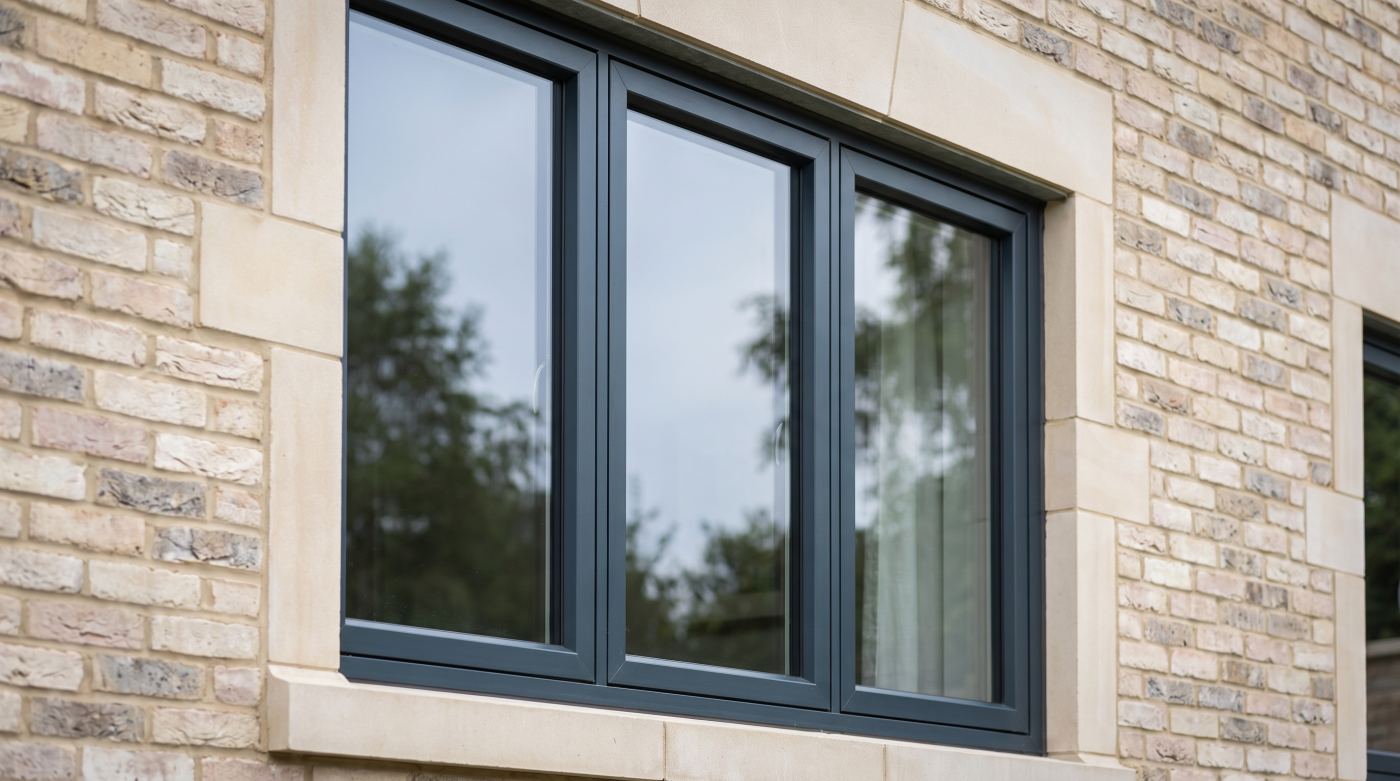
What Is FENSA?
If you are planning to replace your windows, there is a good chance you will come across the term FENSA. It often appears in quotations, installation paperwork and conversations with window companies, yet many homeowners are unsure what it actually means. Some assume it is a product certification, while others believe it measures the quality of the windows themselves. In reality, FENSA serves a different purpose. It is designed to provide confidence that replacement window installations meet the relevant Building Regulations.
In simple terms, FENSA is a government-authorised Competent Person Scheme for replacement windows and doors in England. It allows registered installers to certify that their work complies with the applicable Building Regulations without the homeowner needing to arrange a separate inspection through their local authority. This makes the process more straightforward while providing independent reassurance that recognised standards have been followed.
It is important to understand that FENSA does not certify the window itself. It certifies the installation process. While the quality of the product remains an important consideration, FENSA focuses on whether the replacement windows have been installed in accordance with the relevant regulatory requirements. This distinction is often overlooked, yet it helps explain why choosing both high-quality products and experienced installers is so important.
Once the installation has been completed, homeowners receive a FENSA certificate confirming that the work has been registered appropriately. Although it may seem like just another piece of paperwork at the time, this certificate can prove valuable in the future, particularly if the property is sold. Solicitors frequently request evidence that replacement window work was carried out in accordance with Building Regulations, making the certificate an important part of the home’s documentation.
For homeowners, the greatest benefit of FENSA is peace of mind. Rather than needing to navigate compliance procedures themselves, they have confidence that the installation has been completed through a recognised certification process. It is one more way of ensuring that a replacement window project is not only beautifully specified but also professionally delivered and properly documented for the years ahead.
Why Certification Matters After Installation
When the installers leave and the new windows are in place, it is easy to assume the project is complete. In reality, one of the most valuable outcomes arrives afterwards: the documentation that confirms the installation has been completed in accordance with the relevant standards. A FENSA certificate may not be as immediately noticeable as the windows themselves, but it can become one of the most important documents associated with the project over the lifetime of the property.
Many homeowners only discover the importance of this paperwork years later when they decide to sell their home. During the conveyancing process, solicitors commonly ask for evidence that replacement window installations comply with the relevant Building Regulations. Having the appropriate certification readily available helps demonstrate that the work was carried out through a recognised process, making the transaction smoother and reducing the likelihood of unnecessary questions or delays.
Certification also contributes to a well-organised record of the property. Alongside guarantees, maintenance information and product documentation, it forms part of the home’s history, giving future owners confidence that previous improvements were completed professionally. While homeowners may never need to refer to the certificate after it arrives, knowing it is available provides reassurance should it ever be required.
From an architectural perspective, this reflects good project management rather than simple administration. Architects understand that successful projects are measured not only by the quality of the finished building but also by the quality of the information that accompanies it. Clear documentation supports long-term ownership, future renovations and any subsequent property transactions, ensuring that the investment continues to deliver value beyond the day of installation.
Ultimately, FENSA certification is about more than meeting a regulatory requirement. It provides lasting confidence that the project has been completed responsibly and that the appropriate records exist to support the home in the future. Like many aspects of good architecture, its value often becomes most apparent long after the work itself has been completed.
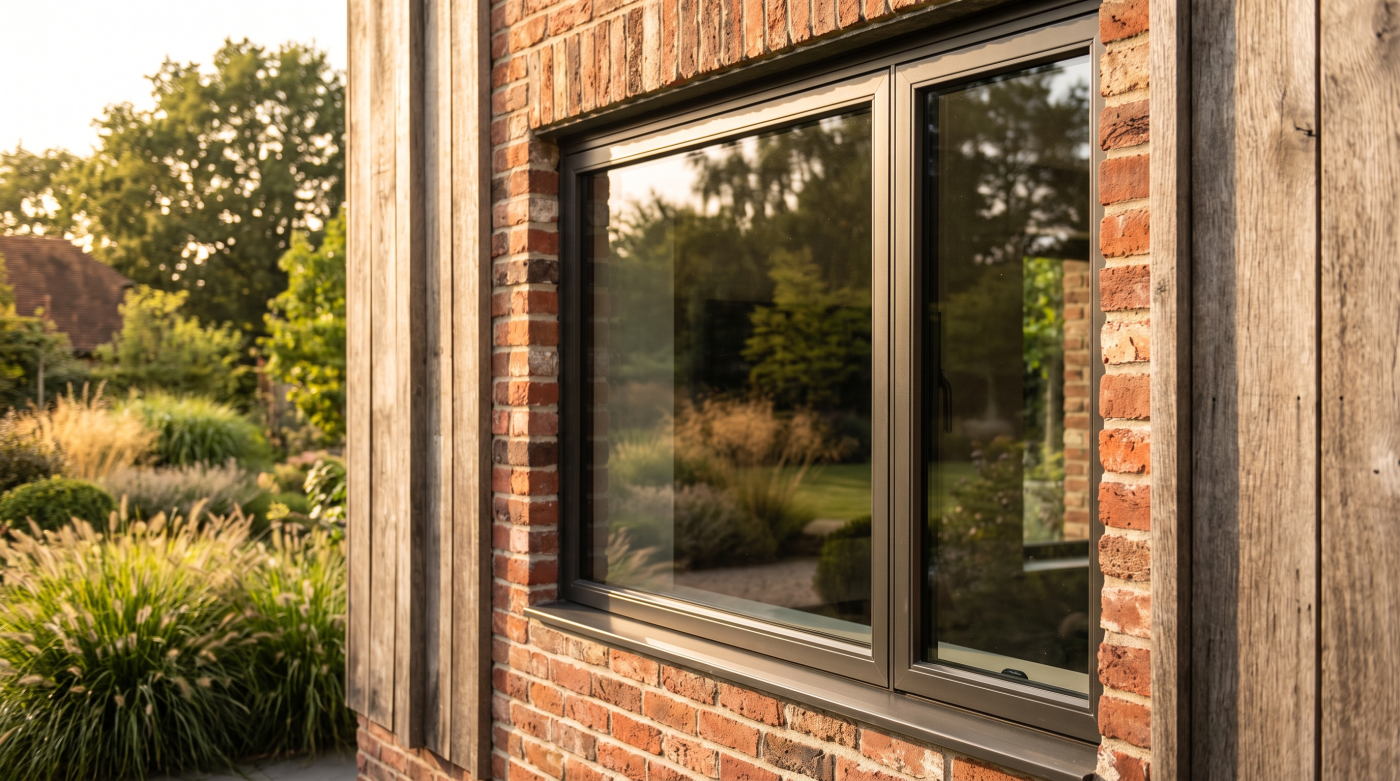
FENSA Isn’t a Measure of Window Quality
One of the most common misunderstandings about FENSA is that it acts as a quality rating for windows. Homeowners sometimes assume that if an installation is FENSA certified, the windows themselves must automatically be superior to every other product on the market. While this is an understandable assumption, it is not what FENSA is designed to do. Certification relates to the installation process and compliance with Building Regulations—it is not an assessment of how well a particular window has been engineered, manufactured or specified.
This distinction is important because two homes could both have FENSA-certified installations while using very different window systems. One project may feature premium aluminium windows with advanced thermal performance, slim architectural sightlines and exceptional durability, while another may use a more basic product that also satisfies the relevant standards. In both cases, the installation can be correctly certified, but the quality, appearance and long-term performance of the windows themselves may differ significantly.
Architects therefore treat certification and product specification as two separate, equally important considerations. Certification provides reassurance that the installation has followed recognised regulatory requirements, while product selection focuses on how the windows will perform over decades of daily use. Factors such as thermal efficiency, acoustic insulation, frame design, hardware quality, weather resistance and overall aesthetics all influence whether a window is the right choice for a particular home. These decisions extend well beyond compliance alone.
The same principle applies to installation quality. A beautifully engineered window deserves careful, experienced installation to perform as intended, just as skilled installation cannot transform an unsuitable product into an exceptional one. Long-term satisfaction depends on both elements working together as part of a complete system.
For homeowners, this means asking two equally valuable questions. The first is whether the installation will be properly certified. The second is whether the chosen windows genuinely suit the architecture, performance requirements and long-term ambitions of the project. FENSA helps answer the first question, but thoughtful specification and expert advice are what answer the second. The most successful window projects combine both, delivering confidence not only in compliance but also in the quality of the finished home.
Why Professional Installation Still Matters
FENSA certification provides valuable reassurance, but it should never be confused with the craftsmanship required to install a window well. Certification confirms that an installation has been carried out through a recognised process and complies with the relevant standards, but it does not replace the experience, precision and attention to detail that professional installers bring to every project. Architects recognise that exceptional windows only perform as intended when they are fitted with equal care.
Installation begins long before the first frame is positioned. Existing openings must be carefully assessed, measurements verified and any structural considerations addressed before the new windows are installed. Once on site, the windows must be accurately aligned, securely fixed and integrated into the surrounding building so they operate smoothly while maintaining weather resistance and thermal performance. These are not simply technical tasks—they are the foundation of how the windows will perform over many years.
Creating an effective seal around the frame is particularly important. Small gaps can allow unwanted air leakage, reduce thermal efficiency and create uncomfortable draughts that undermine the benefits of high-performance glazing. Equally, poor alignment can affect opening mechanisms, place unnecessary strain on hinges and locks, and reduce the long-term reliability of the window. Skilled installation ensures these issues are avoided from the outset, allowing the product to perform exactly as it was designed.
Professional installers also understand that every property is different. Older homes, contemporary extensions and architect-designed self-builds each present their own challenges, requiring thoughtful judgement rather than a one-size-fits-all approach. This practical experience is one of the reasons architects place such importance on choosing installation teams with proven expertise as well as recognised certification.
Ultimately, certification and workmanship complement one another—they are not alternatives. FENSA demonstrates that recognised procedures have been followed, while skilled installation determines how comfortably, efficiently and reliably the windows will perform throughout their lifetime. When high-quality products are combined with experienced installers, homeowners gain far more than compliant windows. They gain confidence that their investment will continue to deliver comfort, durability and performance for decades to come.
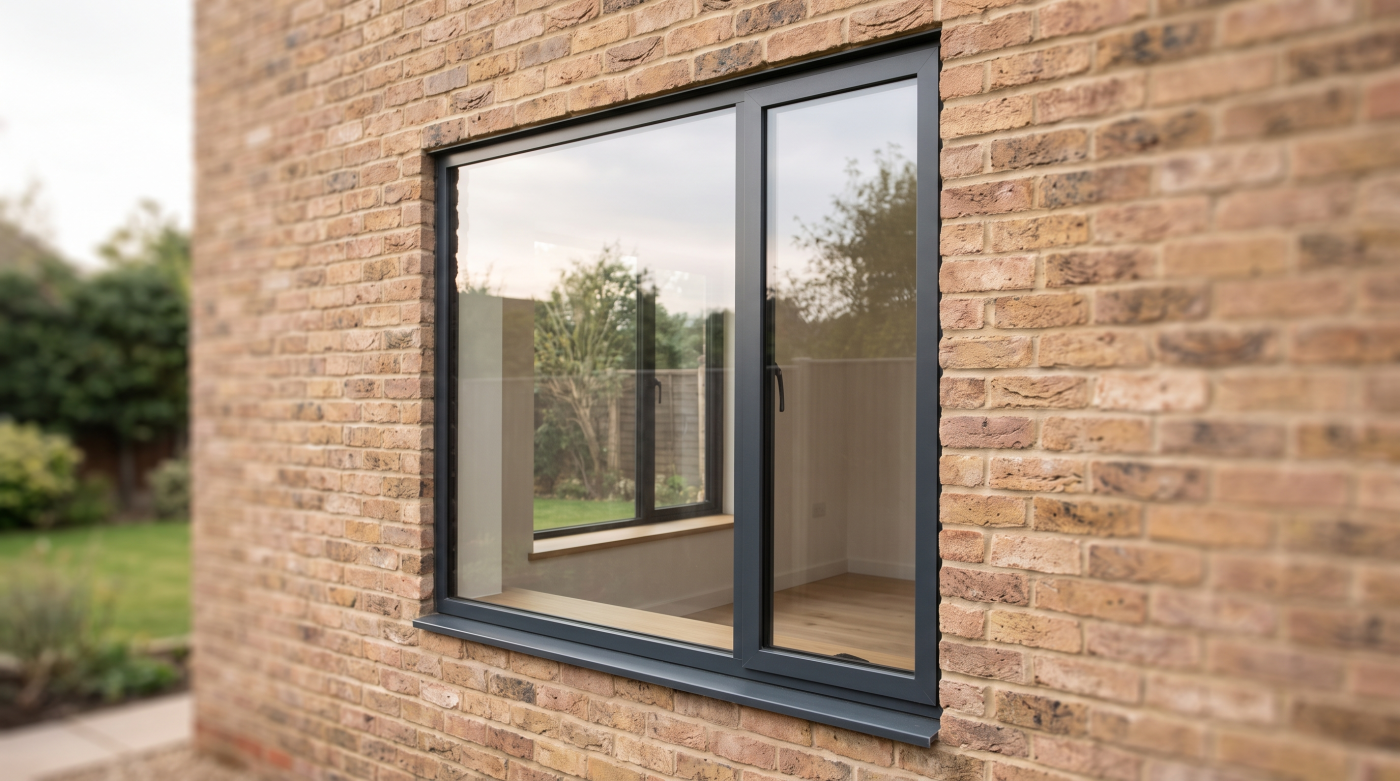
What Happens If You Don’t Have a Certificate?
Many homeowners only discover the importance of a FENSA certificate when they come to sell their property and are asked to provide documentation for previous window replacements. If the certificate cannot be found, it is understandable to feel concerned. Fortunately, a missing certificate does not automatically mean there is a problem with the installation, nor does it necessarily create an obstacle that cannot be resolved. In many cases, there are practical ways to establish the relevant information and move the process forward.
The first step is to determine whether the installation was originally carried out through a recognised certification scheme. If it was, it may be possible to obtain a replacement copy of the documentation or confirm the details through the appropriate records. Homeowners are often surprised to learn that losing the paperwork does not always mean the certification itself has disappeared.
The situation may be different for older installations or projects completed outside recognised certification schemes. In these cases, additional documentation or alternative routes to demonstrating compliance may sometimes be required, particularly during the sale of a property. The appropriate course of action depends on when the work was carried out and the circumstances surrounding the installation, which is why professional advice can be valuable if questions arise.
This highlights a broader point about good project management. Keeping important documents together—such as guarantees, maintenance information and certification—makes future ownership simpler. These records become part of the home’s history, providing reassurance not only for the current homeowner but also for anyone who may purchase the property in the future.
The reassuring message is that a missing certificate is rarely a reason to panic. Most situations can be clarified with the right guidance and appropriate documentation. Experienced glazing professionals understand these processes and can often help homeowners identify the most sensible way forward. As with many aspects of home improvement, addressing the issue early is usually far easier than leaving it until a future property transaction is already underway.
Questions Worth Asking Your Window Installer
Choosing replacement windows is about more than selecting the right frame or glazing option. The company responsible for installing them will have a significant influence on how well the finished project performs for years to come. Architects know that asking thoughtful questions before work begins helps homeowners understand not only what is being installed, but also how the project will be delivered. Good installers welcome these conversations because they demonstrate professionalism, transparency and confidence in their work.
One of the first questions to ask is how the installation will be certified and what documentation will be provided once the work is complete. Understanding this process from the outset helps avoid uncertainty later and ensures homeowners know what records to keep for the future. It is equally worthwhile asking about product guarantees, workmanship warranties and what level of aftercare is available should support ever be needed after installation.
The installation process itself also deserves discussion. How will the existing windows be removed? What steps will be taken to protect the property during the work? How will the new windows be sealed and integrated into the building to maintain weather resistance and thermal performance? Clear, straightforward answers to these questions often reveal as much about an installer’s experience as any brochure or marketing material.
Homeowners should also ask why a particular window system has been recommended for their property. An experienced glazing specialist should be able to explain the reasoning in plain English, relating the specification to the age of the home, its architecture, energy performance goals and long-term maintenance requirements. Recommendations should feel tailored to the project rather than based on a one-size-fits-all approach.
Finally, it is worth understanding who will actually carry out the installation and what experience they have with similar projects. Replacing windows in a listed cottage, a contemporary extension or a modern self-build each presents different challenges, and practical experience is invaluable in achieving an excellent result.
Ultimately, the best installers are not simply fitting windows—they are helping homeowners make informed decisions. By asking thoughtful questions before work begins, you gain confidence not only in the products you are choosing but also in the people responsible for bringing your project to life. That confidence is often one of the most valuable investments you can make.