
Start With Access, Not Cleaning Products
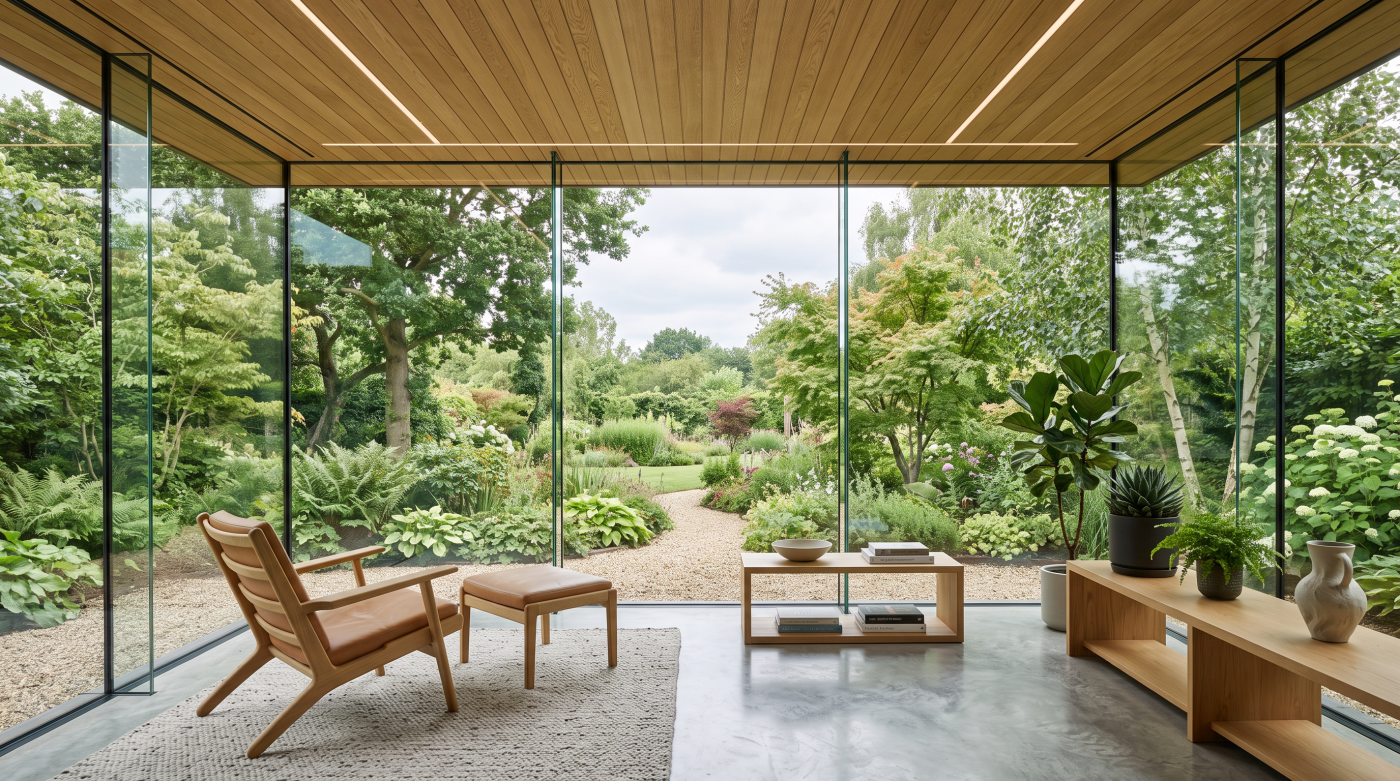
With large architectural glazing, the first consideration should not be which cleaning product to use, but whether the glass can be reached safely in the first place. Floor-to-ceiling windows, tall fixed panes and expansive glazed elevations can appear straightforward from inside a room, yet their external surfaces may sit above landscaping, changes in ground level, roof structures or other obstacles that make routine cleaning considerably more complicated.
It is worth assessing access before any cleaning begins. If the entire surface cannot be reached comfortably from a safe position, attempting to compensate by stretching, leaning from an opening or using an improvised platform introduces unnecessary risk. The desire for perfectly clear glass should never take priority over safe access. Where height or the surrounding architecture makes cleaning difficult, using an appropriately equipped professional is the more sensible approach.
This is particularly relevant to contemporary homes, where individual panes can extend across substantial heights and fixed glazing may have been deliberately chosen to minimise frames and preserve views. The architectural simplicity of the finished elevation can disguise the practical question of how its external surface will be maintained over time.
That question is best considered during design, rather than after installation. The dimensions and position of glazing influence its maintenance requirements just as surely as they influence daylight, views and the appearance of the building. For existing glazing, the principle is simpler: work within genuinely safe access. If reaching part of a panel requires an unsafe position, the appropriate response is to change the method of access rather than extend the limits of a domestic cleaning routine.
Understand the Glass Before You Clean It
Architectural glass can appear deceptively simple. A large transparent panel may look much like any other pane of glass, yet the specification behind it can be considerably more complex. Different installations may incorporate specialist glass constructions, surface treatments, applied films or other finishes, and those differences can affect how the glazing should be cared for. Before using an unfamiliar cleaning product or attempting to remove a difficult mark, it is therefore worth understanding what has actually been installed.
Where product information is available, the relevant manufacturer’s cleaning and maintenance guidance should take precedence over generic advice. This becomes particularly important with specialist surfaces or treatments, where a method that is harmless on one type of glass may not be appropriate for another. The same caution applies to glazing whose specification is unknown. Aggressive chemicals, abrasive materials or improvised cleaning methods should not be assumed safe simply because they have worked on conventional domestic windows elsewhere.
For homeowners commissioning new architectural glazing, retaining specification and maintenance information can make future care considerably easier. Knowing the glazing system, glass specification and any relevant surface treatments removes much of the uncertainty when routine cleaning or more persistent contamination needs to be addressed years later.
The principle is one of informed maintenance rather than complexity for its own sake. Large architectural panels are often significant components of both the building envelope and the visual character of the home. Caring for them should begin with the same measured approach used when specifying them: understand the material first, then choose an appropriate method. When the glass specification or surface treatment is uncertain, verification is preferable to experimentation.
A Gentle Approach Is Usually the Right Starting Point
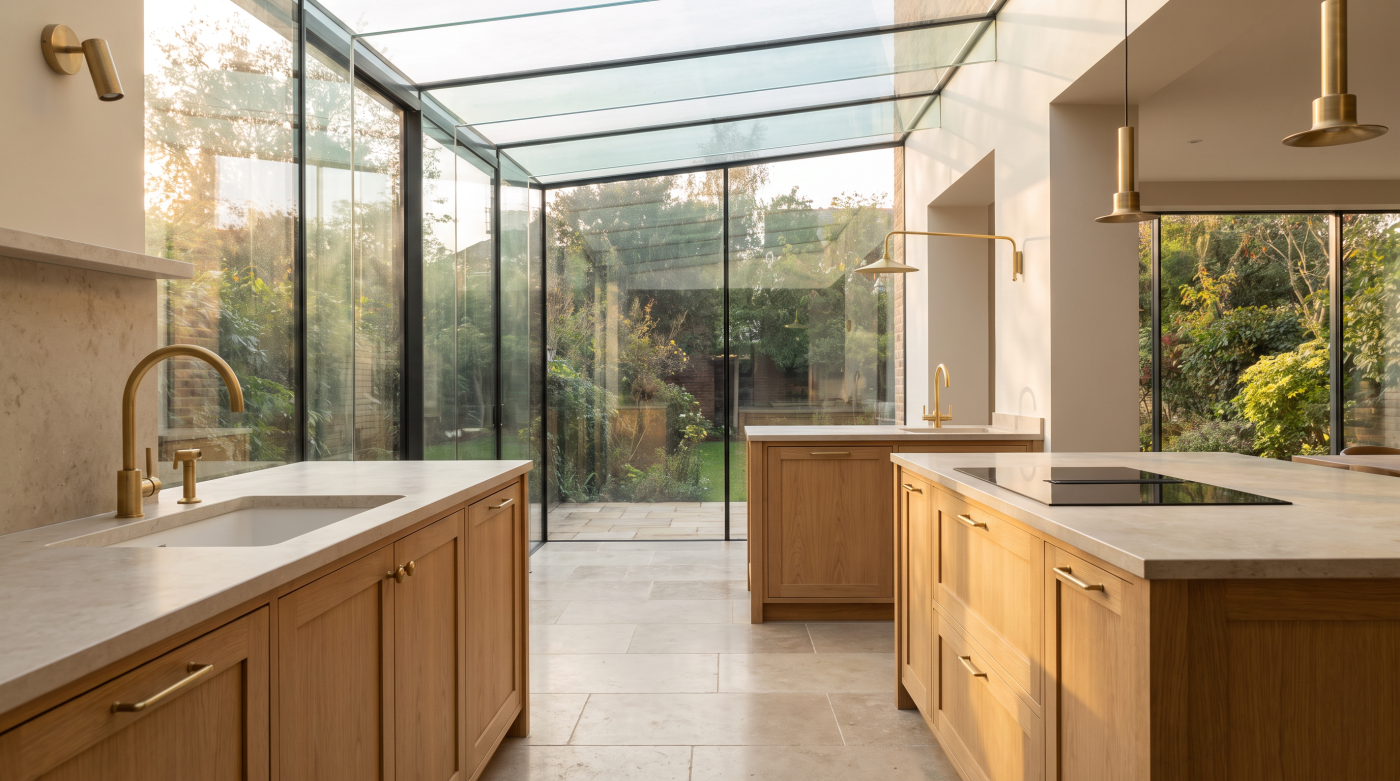
Large areas of architectural glass reward a measured approach to cleaning. The objective is not simply to remove every visible mark as quickly as possible, but to do so without introducing unnecessary abrasion or using a method that may be unsuitable for the particular glass surface. Where the manufacturer’s instructions are available, they should remain the reference point for the products and techniques appropriate to that installation.
Loose contamination deserves attention before more persistent marks are tackled. Dust, grit and other particles can collect on external glazing, particularly where panels are exposed to roads, landscaping or prolonged periods of dry weather. Moving contaminated cleaning equipment repeatedly across the surface is unlikely to improve the result and may introduce avoidable risk. Clean equipment and a method that removes rather than redistributes dirt are therefore more important than applying greater pressure.
The same principle applies when ordinary cleaning does not immediately produce a clear surface. Repeated scrubbing, abrasive materials or stronger chemicals should not become the automatic next step. Architectural glazing can incorporate different treatments and finishes, and a method suitable for one installation should not be assumed appropriate for another. More persistent contamination is better identified before a more intensive cleaning method is considered.
This conservative approach reflects a wider principle of maintaining premium building materials. Cleaning should preserve the glazing as well as improve its appearance. Beginning gently, keeping equipment clean and referring to the relevant manufacturer’s guidance where a particular product or treatment is involved reduces the temptation to solve a minor cosmetic problem with an unnecessarily aggressive method.
Why Large Panels Need a Systematic Cleaning Method
The scale of architectural glazing changes the way cleaning needs to be approached. On a conventional window, a missed area or small drying mark may be relatively inconspicuous. Across a floor-to-ceiling panel or an uninterrupted glazed elevation, inconsistencies become much easier to see. The visual simplicity that makes large panes architecturally appealing also means that streaks, redistributed dirt and overlooked sections have fewer frames or divisions to disguise them.
A methodical approach is therefore more useful than moving repeatedly between whichever marks happen to be most visible. Working across an accessible surface in a consistent sequence makes it easier to understand which areas have been cleaned and reduces the likelihood of repeatedly passing contaminated equipment over sections that have already been addressed. Large sliding-door elevations can require particular discipline because several adjacent panels may appear to form one continuous surface despite having different edges, frames and opening arrangements.
Environmental conditions can influence the process as well. A surface exposed to direct warmth may dry differently from one in shade, making an even result more difficult to achieve. Rather than compensating with increasingly aggressive cleaning, it can be more sensible to reconsider the conditions and work progressively across manageable areas. Any specific cleaning technique or product should still follow the applicable manufacturer’s guidance for the glazing concerned.
The principle is straightforward: large glass benefits from consistency. Its apparent simplicity is achieved partly through scale, and that same scale makes an improvised approach more visible. Planning safe access and a logical sequence before beginning allows the glazing to be cleaned with greater control, without turning the pursuit of a perfectly clear surface into unnecessary repetition.
Frames, Tracks and Thresholds Need Different Attention
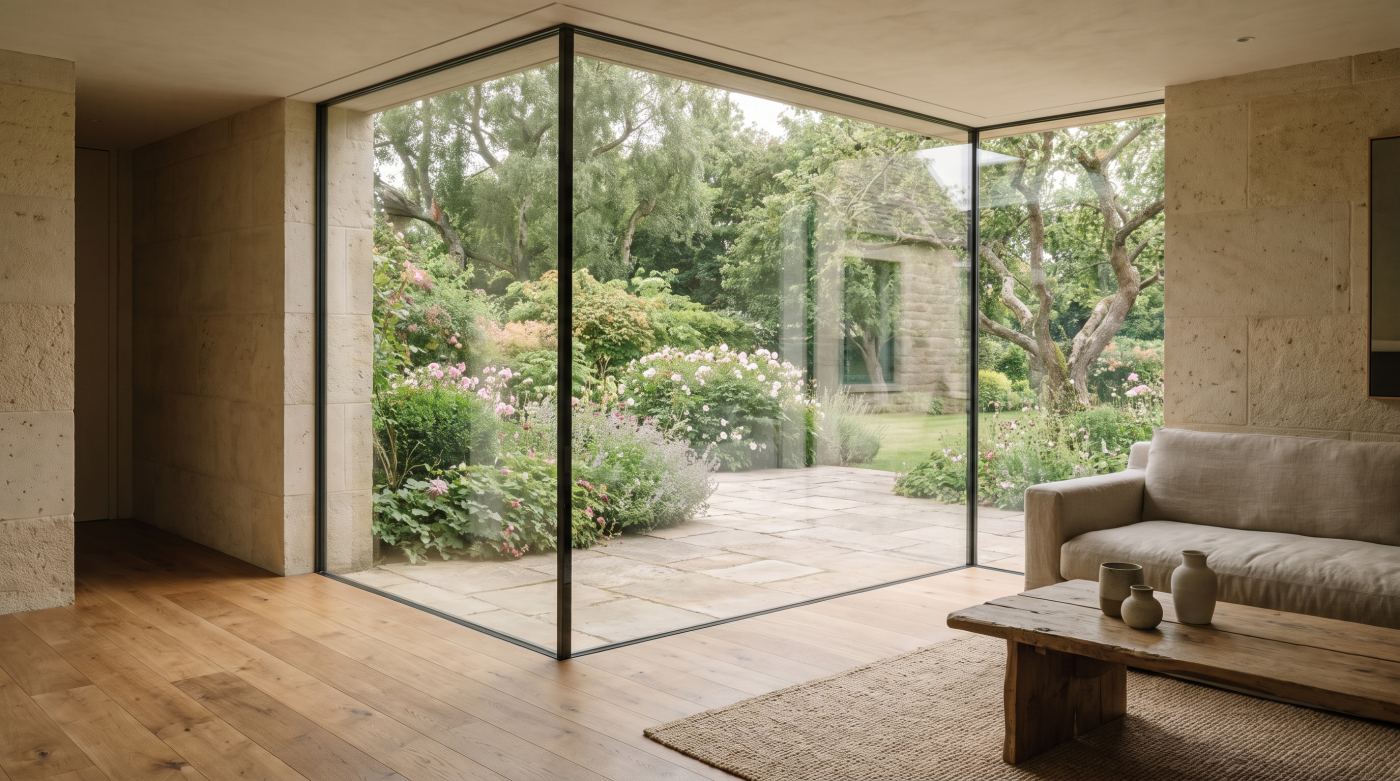
Large glazed panels are only one part of a complete window or door assembly. Around the glass sit frames, seals, opening mechanisms and, in the case of sliding systems, tracks and thresholds that have their own materials and functional requirements. Cleaning the transparent surface while treating everything around it in exactly the same way can overlook these differences.
Frames and accessible threshold areas can collect dust, leaves and other debris, particularly where large doors connect internal living spaces directly with terraces or gardens. Keeping these areas reasonably clean makes it easier to observe their condition and prevents accumulated material from obscuring components that contribute to the operation of the system. Care is still required, however. A cleaning product considered suitable for glass should not automatically be assumed appropriate for a powder-coated, anodised, timber or other finished frame, nor should products be applied indiscriminately to seals or hardware.
Tracks and thresholds require similar restraint. Their apparent simplicity can encourage homeowners to probe openings, dismantle components or apply lubricants in an attempt to improve operation. Yet drainage arrangements, running mechanisms and maintenance requirements differ considerably between systems. Where anything beyond straightforward removal of accessible debris appears necessary, the relevant manufacturer’s guidance should determine the appropriate method.
This distinction matters because the least visually prominent parts of architectural glazing often perform important work. Frames provide structure, seals contribute to weather protection and thresholds accommodate movement, drainage and transitions between inside and outside. Good maintenance therefore recognises that a glazed elevation is an assembly of different materials and components. The glass may dominate what we see, but caring properly for the system means giving its surrounding elements the appropriate attention as well.
Dealing With Persistent Marks Without Damaging the Surface
Some marks on architectural glazing require more consideration than routine dirt. Mineral deposits, adhesive residue, construction contamination and other persistent material may remain after ordinary cleaning, but resistance to a gentle method should not automatically be interpreted as a reason to apply greater force. The priority is to understand what is on the surface before deciding how it should be removed.
This is particularly important after building or renovation work. Large glazed panels can be exposed to dust and residues while surrounding construction is completed, and different contaminants may require different approaches. Scrapers, blades, abrasive pads, strong chemicals or improvised solvents should not be treated as universal solutions. A method that removes one type of residue successfully may be inappropriate for a particular glass surface, coating or applied treatment.
Where a mark cannot be removed through the routine method recommended for the glazing, the next step should be identification rather than escalation. If the glass specification is known, the relevant manufacturer’s cleaning guidance can establish whether a particular treatment is permitted. Where the surface or contaminant is uncertain, professional advice may be more appropriate than experimenting on an expensive architectural panel.
There is an important sense of proportion here. A stubborn mark can be frustrating, particularly on a large pane designed to provide an uninterrupted view, but permanent surface damage is a considerably greater problem. Architectural glazing is intended to perform for many years, so maintenance decisions should reflect that timescale. Removing contamination matters, but preserving the surface matters more. When routine cleaning is no longer sufficient, a cautious, informed response is preferable to simply increasing the intensity of the cleaning method.
When Professional Cleaning Is the Better Decision
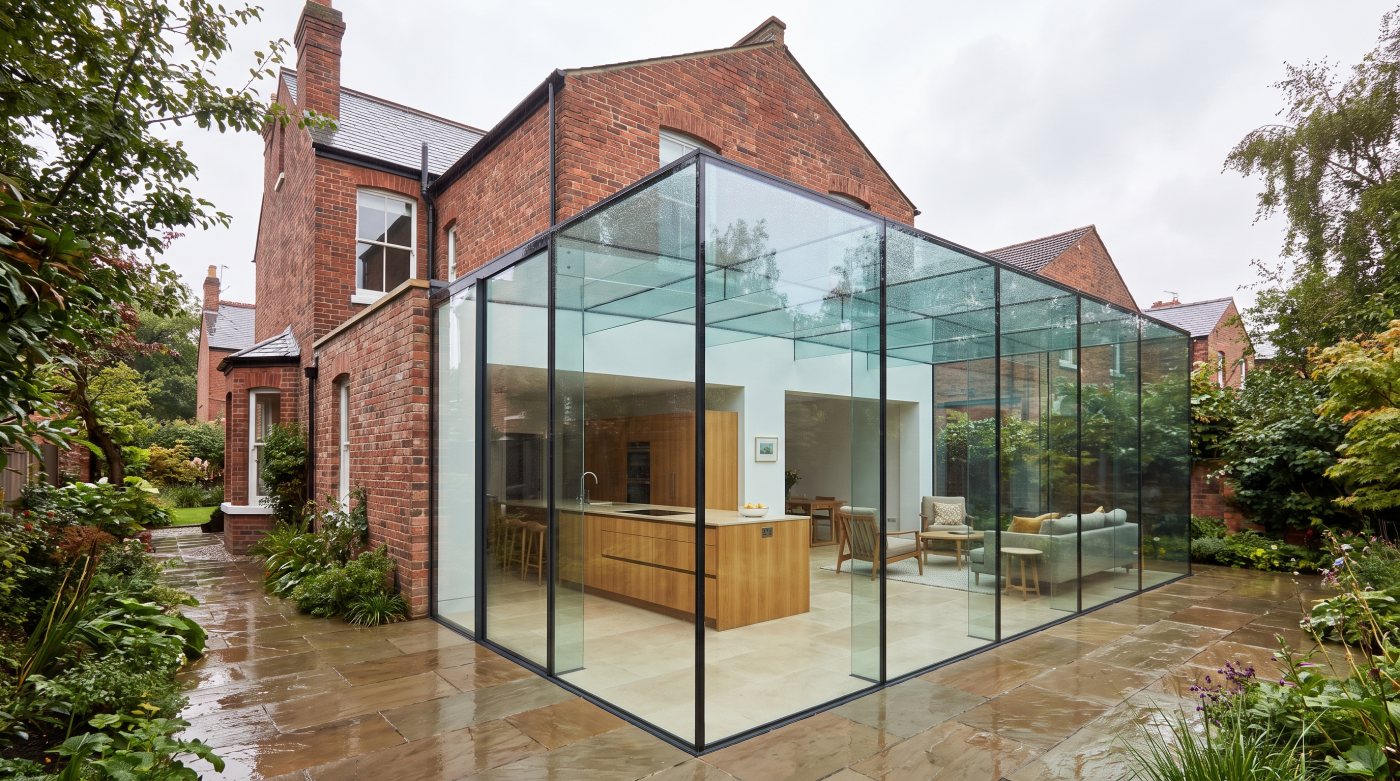
There is a point at which cleaning large architectural glazing stops being a routine household task and becomes an access problem. Tall fixed panes, glazing above lower roofs, extensive elevations on sloping ground and external surfaces positioned beyond a terrace or other obstacle may all be difficult to reach safely. In these situations, the sensible response is not to extend a domestic cleaning method beyond its practical limits, but to use an appropriately equipped professional.
This is not simply a question of convenience. The scale and position of contemporary glazing can create access conditions that were never intended to be managed from a household ladder or by leaning through an opening window. Professional cleaners can assess the particular elevation and determine an appropriate means of reaching it without requiring the homeowner to improvise around height or difficult terrain.
The glazing itself should also be considered. Where specialist glass, surface treatments or unusual systems are involved, any cleaning method still needs to be compatible with the relevant manufacturer’s requirements. Providing the cleaner with available information about the glazing can therefore be useful, particularly where the installation differs from conventional domestic windows.
For homes with substantial or repeatedly inaccessible glazed elevations, professional cleaning may be better considered as part of planned property maintenance rather than arranged only when the glass becomes noticeably dirty. Architecture determines maintenance requirements as surely as it determines appearance. A large pane positioned to capture an exceptional view may justify its complexity, but that does not make unsafe access acceptable. Where reaching the glass safely is uncertain, professional cleaning is not an excessive response; it is the appropriate consequence of maintaining glazing at that scale.
Designing Future Glazing With Maintenance in Mind
The easiest time to think about cleaning large areas of glass is before they are installed. Maintenance access may feel secondary when a project is being designed around daylight, views and architectural proportions, yet the position and scale of glazing will influence how easily it can be cared for throughout the life of the building. A spectacular elevation still needs to function as part of a home long after the construction team has left.
Fixed panels deserve particular consideration because their external surfaces cannot be accessed by simply opening the window. Very tall panes, glazing positioned above lower roofs and elevations overlooking changes in ground level can create further challenges. Landscaping can alter access too: planting, retaining walls and terraces that complement the finished architecture may also determine whether someone can safely reach the glass. These relationships are easier to resolve on drawings than retrospectively.
This does not mean ambitious glazing should be avoided. It means maintenance should become one of the practical considerations alongside structure, thermal performance, solar control and operation. Architects, homeowners and glazing specialists can consider how external surfaces will be reached, whether opening elements change the maintenance strategy and where professional cleaning is likely to become part of normal ownership.
The principle becomes particularly important when designing a forever home, where ease of maintenance may matter more over time. Good architecture considers not only the appearance of glazing on completion but the experience of living with it for decades. A large pane can frame a landscape beautifully and transform the character of a room; ensuring that it can also be maintained safely is simply another part of specifying it well.