
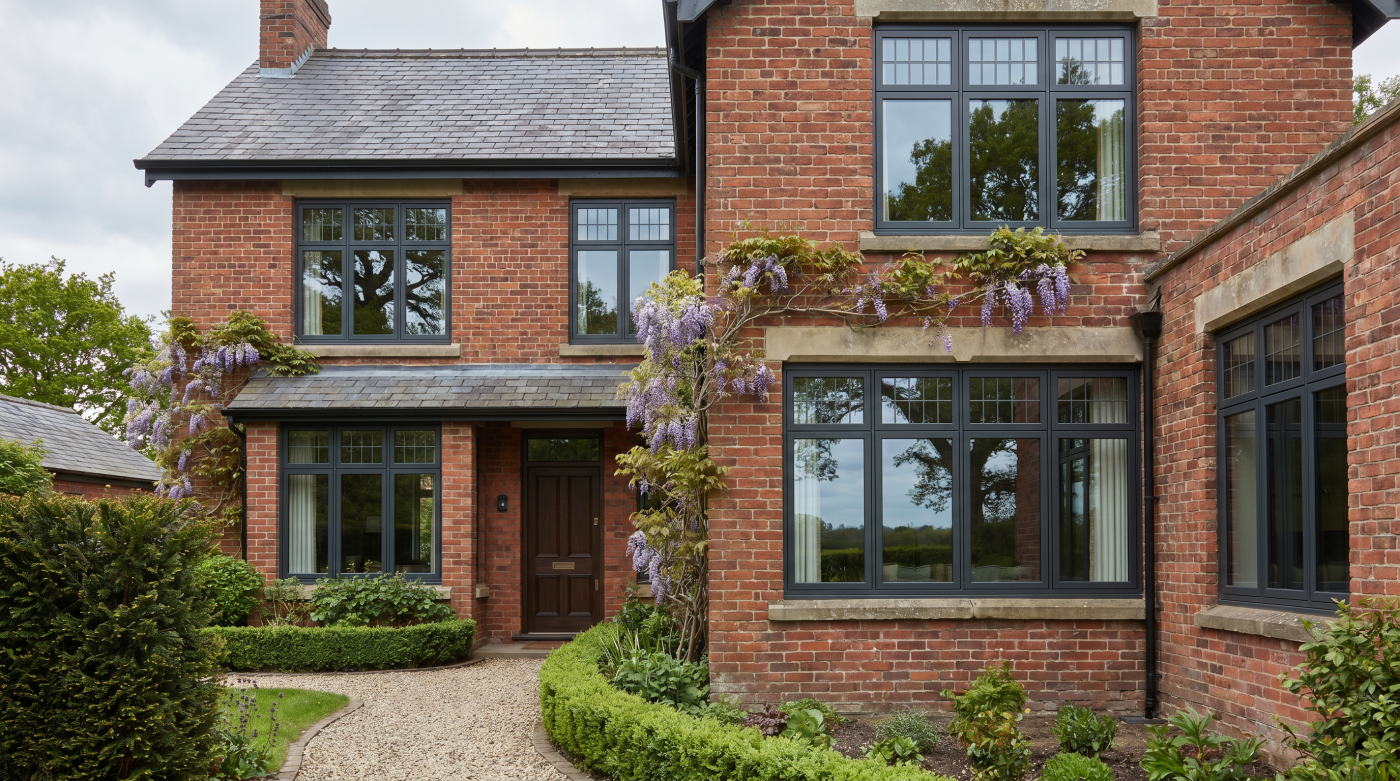
There Is No Such Thing as a Universally Essential Upgrade
Window upgrades are usually presented as a progression. Better glass, lower U-values, slimmer frames or more specialised finishes can all appear to move the specification in the right direction. Technically, they may do exactly that. Architecturally, however, an improvement only has value when the building can make meaningful use of it.
A highly insulated self-build with substantial areas of glazing has different requirements from a traditional renovation with modest window openings. A house beside a busy road presents different priorities from one in a quiet rural setting. Orientation, exposure, room use and the importance of particular views can all change what deserves investment. The same upgrade might therefore be essential in one opening, useful in another and largely unnecessary elsewhere.
This matters because apparently modest enhancements accumulate. An additional cost that seems reasonable on a single window can become significant when repeated across an entire house. Applying every available upgrade indiscriminately can consume budget that might have produced a much greater architectural benefit if concentrated elsewhere.
The useful question is not whether an upgraded specification is technically better. It is what problem the additional specification solves. Does it improve comfort, protect an important view, address a genuine environmental condition or enable the architecture to work as intended? If the answer is unclear, the upgrade deserves scrutiny.
Premium specification is not maximum specification. It is the deliberate allocation of performance and refinement according to the needs of the building. Every upgrade should therefore earn its place.
The Upgrade Worth Paying For: Protect the Glazing That Defines the Architecture
If there is one place where additional expenditure is often easiest to justify, it is the glazing that materially shapes the experience of the house. This may be a large opening connecting a kitchen to the garden, a picture window framing a landscape or a glazed elevation bringing daylight into the principal living space. These elements do more than satisfy a technical requirement. They become part of how the architecture is experienced every day.
What constitutes the worthwhile upgrade will vary. In one project, it may be reducing an unnecessary frame division across an important view. In another, it could mean choosing a sliding configuration that allows larger areas of uninterrupted glass, or protecting the performance of an opening beside a frequently occupied seating area. The important point is that the additional expenditure produces a consequence that can actually be seen, felt or used.
This is different from upgrading every window simply because a higher specification is available. A refinement that transforms a principal opening may have almost no meaningful effect on a small secondary window elsewhere in the house. Architecture has hierarchy, and the glazing budget can acknowledge it.
The most worthwhile upgrade is therefore not a particular material, glass type or performance figure. It is the improvement that protects what the architecture is trying to achieve in the places that matter most. When additional expenditure strengthens an important view, proportion, connection or everyday experience, its value extends beyond the specification sheet and becomes part of the building itself.
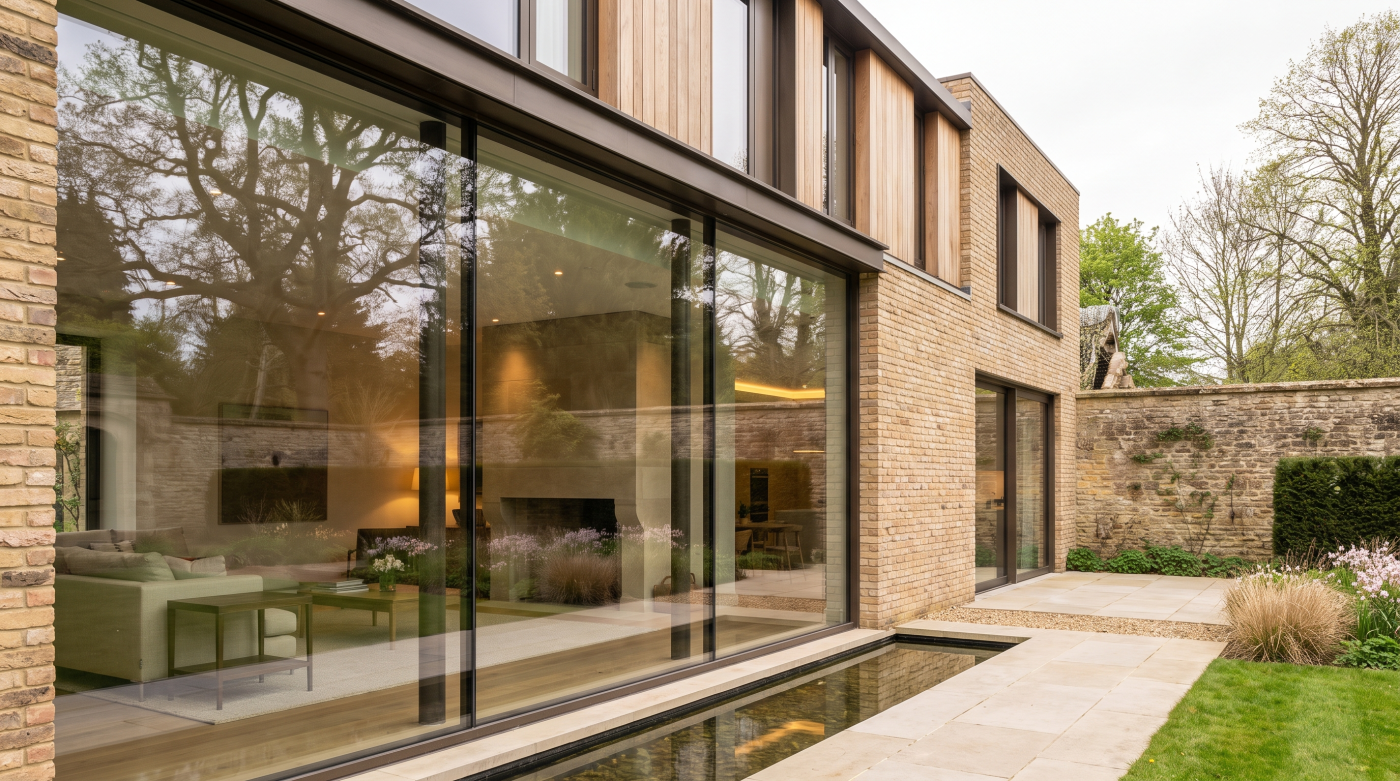
Why Selective Upgrading Usually Beats Upgrading Every Window
There is an appealing logic to specifying every window in a house to the same level. It feels consistent, simplifies decision-making and avoids the sense that some parts of the project have received less attention than others. Yet architectural consistency does not require every opening to carry exactly the same specification or proportion of the budget.
A principal living space may contain glazing that is experienced continuously: a large window beside a dining table, sliding doors connecting the kitchen with the garden or an opening positioned specifically to capture a view. Here, improvements to glass dimensions, frame proportions or operation can have a noticeable effect. The same enhancement applied to a small cloakroom or secondary bedroom window may be technically identical but architecturally far less significant.
Selective upgrading recognises this difference. Materials, colours and the overall visual language can remain coherent across the building while expenditure is concentrated on the openings where additional refinement produces the greatest benefit. Secondary windows can still be appropriately specified and well integrated without automatically receiving every enhancement chosen for the principal glazing.
This approach is particularly useful when budgets are finite. Money spent upgrading an inconsequential opening is money unavailable for a decision that might materially improve an important room or elevation. The objective is not to create a hierarchy of good and bad windows, but to recognise the hierarchy already present within the architecture.
A premium house does not require every component to be maximised. More often, it requires disciplined decisions about where additional quality will actually be experienced.
Upgrade to Question: Maximum Thermal Performance Everywhere
Thermal performance is one of the easiest areas in which an upgrade can appear unquestionably worthwhile. If one window has a lower U-value than another, it is natural to assume that choosing the better-performing option must result in a better building. Yet windows do not operate independently. Their contribution depends on the performance of the house around them.
In a highly insulated self-build, demanding window performance may be entirely appropriate. The walls, roof, floor, airtightness strategy and glazing can all form part of the same approach to reducing heat loss and maintaining comfortable internal conditions. Where large areas of glass are incorporated into the architecture, the performance of those openings can become particularly significant.
An existing building may present a different calculation. If other parts of the building fabric perform relatively modestly, pursuing the lowest available window U-value everywhere may not represent the most effective use of a finite budget. The technically superior window remains technically superior, but the additional expenditure needs to be considered in the context of the whole building.
This is why thermal performance should be established as part of the design strategy rather than selected from an upgrade list. Triple glazing or a higher-performing frame can be valuable where the project genuinely benefits from it, but maximum performance should not become an objective in itself.
The worthwhile specification is the one that supports the building’s intended performance and comfort. Beyond that point, improving a number on a specification sheet does not automatically mean improving the house by the same degree.
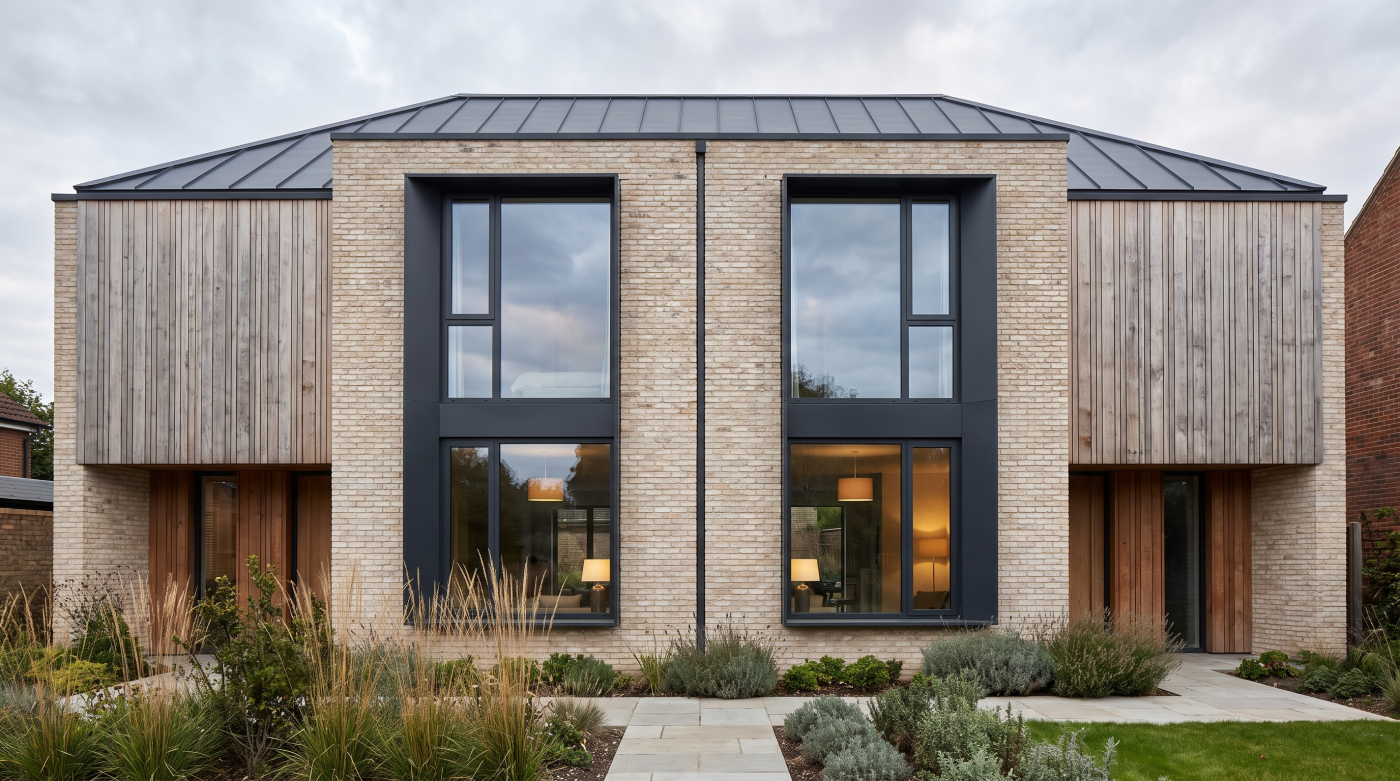
Upgrade to Question: Specialist Glass Without a Specialist Problem
Specialist glass can solve important problems, but its value depends on those problems actually existing. Acoustic glazing, solar-control coatings and other enhanced specifications are most useful when they respond to identifiable conditions created by the location or architecture. Added simply because they appear further up an options list, they can increase expenditure without necessarily improving the experience of the house.
Acoustic performance is a good example. For a property exposed to persistent road traffic, aircraft or another significant source of external noise, the glass specification may deserve careful attention. In a quiet rural setting, the same enhancement could offer considerably less practical benefit. The technically improved specification remains real; its relevance has changed.
Solar-control glass requires similar judgement. Large areas of glazing exposed to significant solar gain can contribute to uncomfortable internal temperatures, making solar performance an important part of the wider design strategy. But orientation, glazing area, external shading, building form and how individual rooms are used all influence that requirement. Applying the same solution indiscriminately to every elevation overlooks those differences.
Specialist glass should therefore begin with diagnosis rather than selection. Identify the environmental or architectural problem first, then determine whether the glazing specification needs to respond to it. This avoids both under-specification and unnecessary expenditure.
An upgrade earns its value when it solves something tangible. If there is no meaningful acoustic, solar or other project-specific requirement to address, paying for specialist glass simply because it represents a higher specification may improve the window on paper without materially improving the building.
Upgrade to Question: Bespoke Finishes Nobody Will Really Notice
Bespoke finishes can be an important part of architectural glazing. Frame colour may need to relate carefully to stone, brick, render or cladding, while the internal finish can influence how prominently the window sits within an interior. Where those relationships have been deliberately considered, paying for a particular finish can contribute meaningfully to the coherence of the building.
The difficulty arises when customisation spreads beyond the places where it has a clear architectural purpose. Special colours, different internal and external finishes, upgraded handles or other cosmetic refinements can appear relatively modest when considered individually. Applied across an entire house, however, they can become a significant part of the specification without necessarily producing an equivalent improvement in the finished result.
This is particularly worth considering on secondary openings. A carefully selected finish may be important across a principal elevation or within a highly resolved living space, yet the same level of refinement may contribute very little to a utility room or less prominent part of the house. Standardisation in these areas need not diminish the architecture if the overall palette remains coherent.
The question is not whether bespoke finishes are worth paying for in principle, but whether they will actually be noticed in context. Customisation has value when it strengthens a deliberate relationship between the glazing and the building around it. Where it does not, it can become specification for its own sake.
Premium detailing should be selective. Spend on finishes where they contribute visibly to the architecture; elsewhere, simplicity may be both more economical and more disciplined.
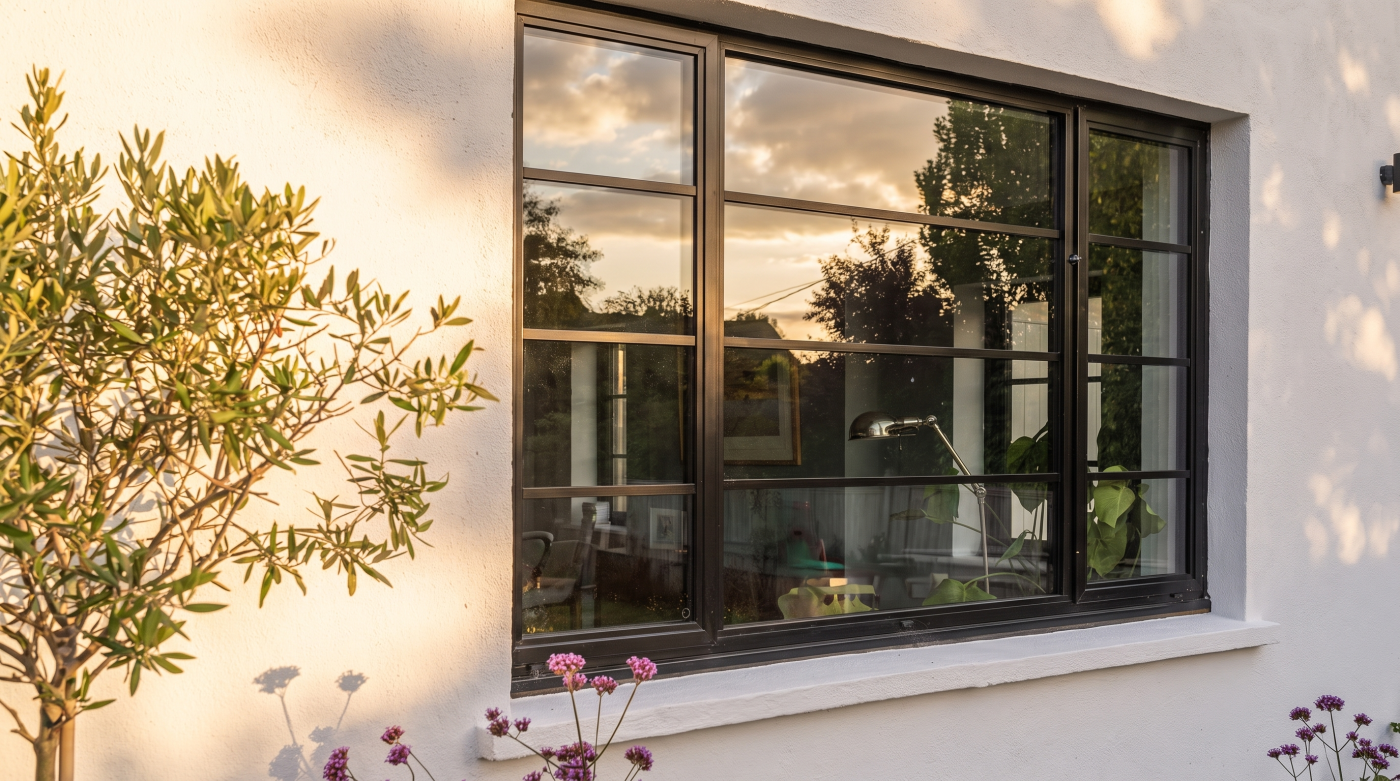
The Upgrade Homeowners Often Forget: Better Coordination
Not every worthwhile upgrade belongs to the window itself. On complex projects, one of the most valuable improvements can be better coordination between the glazing and the building that surrounds it. A sophisticated frame, specialist glass or premium finish can contribute relatively little if important relationships with the structure, floor levels and external construction remain unresolved.
These decisions are particularly significant around large openings. Thresholds need to relate to internal floors and external surfaces, structural openings need to accommodate the intended glazing, and surrounding finishes need to meet the frames cleanly. Installation also has to work with the wider approach to insulation, airtightness and weather protection. None of this is especially visible when windows are being compared in isolation, yet it can have a considerable influence on the quality of the finished result.
Earlier coordination creates more opportunity to resolve these relationships intelligently. An architect can consider proportions and junctions while the design remains flexible, the builder can understand what the surrounding construction needs to provide, and the glazing specialist can identify requirements that may affect the opening or installation. The objective is not to introduce unnecessary complexity, but to prevent avoidable conflicts from being discovered once decisions elsewhere have already been fixed.
Before spending more on another product enhancement, it is therefore worth asking whether the glazing itself has been properly integrated into the project. Better coordination may never appear as an impressive line on a specification sheet, but it can protect the performance, appearance and usability of everything that does.
A Simple Test for Every Window Upgrade
When a glazing specification presents several opportunities to spend more, the most useful question is not whether an upgrade is better. In technical terms, it often will be. The more important question is whether that improvement will make a meaningful difference to this particular building.
Start with the problem the upgrade is intended to solve. Better thermal performance should contribute to the energy and comfort strategy of the house. Specialist glass should respond to a genuine acoustic or solar condition. Slimmer sightlines should materially improve an important view or architectural composition. A bespoke finish should strengthen the relationship between the glazing and the surrounding architecture. Without a clear purpose, additional specification can become difficult to justify.
It is also worth considering where the difference will actually be experienced. An enhancement to the principal glazing in a kitchen or living space may influence daily life for years. The same expenditure repeated across secondary openings could be almost imperceptible. In a finite budget, that distinction matters because every upgrade competes with another potential use of the money.
Finally, consider whether the project would benefit more from improving the product or resolving the glazing more carefully within the building. Better coordination, appropriate installation and well-considered details can matter more than another incremental enhancement on a specification sheet.
The upgrade worth paying for is therefore not a universal feature. It is the one that solves a real problem or materially improves the architecture. The upgrades worth questioning are those that make the window technically more impressive while leaving the experience of the finished house largely unchanged.