

“They’re All Basically the Same”
From a distance, many windows do look broadly similar. There is glass, a surrounding frame and, perhaps, an opening section. That superficial similarity can make it tempting to treat competing systems as interchangeable. Yet saying that windows are “all basically the same” avoids the more useful question: which differences actually matter to this particular building?
Those differences need not be dramatic. Frame proportions can alter how much structure is visible around an important view. Opening arrangements influence ventilation and everyday use. Glass specifications may respond differently to thermal, acoustic or solar requirements, while hardware and construction become increasingly relevant as opening elements grow larger and heavier. None of these characteristics automatically makes one window better than another.
A good glazing conversation should therefore distinguish between meaningful specification and unnecessary specification. There are circumstances where two alternatives will perform similar roles and paying substantially more may achieve very little. There are others where an apparently modest difference can materially affect the architecture, comfort or operation of the finished home. The important thing is being able to explain which situation applies.
That is why dismissing all differences deserves caution. It may prevent a homeowner from understanding what they are actually comparing.
A knowledgeable installer does not need to argue that the most expensive option is superior. Quite the opposite. They should be capable of explaining where two windows are genuinely comparable, where they differ, and whether those differences are relevant to the project. If everything is described as essentially the same, an important part of the specification conversation has been lost.
“You Don’t Need to Worry About the Drawings”
Architectural drawings are not infallible. Dimensions change, construction develops and details that appear straightforward on an elevation may need reconsideration once the glazing is examined more closely. A good glazing specialist should be prepared to question a drawing when there is a practical reason to do so. What deserves caution is the suggestion that the drawings do not matter.
Windows form part of the architecture. Their proportions, frame divisions and opening arrangements can influence the character of an elevation and the experience of a room. A mullion moved for convenience may interrupt a carefully framed view. An opening section changed without discussion may alter the balance of a façade. On a design-led project, apparently minor substitutions can therefore have consequences beyond the window itself.
There will also be occasions when the intended design cannot, or should not, be followed exactly. The proposed dimensions may create practical constraints, a particular configuration may require reconsideration, or information elsewhere in the project may conflict. In those circumstances, the appropriate response is not simply to ignore the drawing. It is to identify the issue, explain the implication and, where necessary, resolve it with the architect or wider project team.
That distinction matters. Constructive challenge can improve a project; casual disregard can quietly change it.
A capable glazing specialist should understand that drawings represent architectural intent as well as dimensions. They may recommend departing from them, but they should be able to explain why. The warning sign is not an installer questioning the design. It is an installer suggesting that the design is not worth understanding in the first place.

“That Performance Figure Is All You Need to Know”
Performance figures are useful because they make complicated characteristics easier to compare. A thermal value, for example, can help distinguish between different glazing specifications and provide important information about how a window contributes to the building envelope. The difficulty begins when a single number is presented as though it describes everything that matters.
Windows operate within buildings, not laboratory tables. Their significance depends on the size and orientation of the glazing, the performance of the surrounding walls, roof and floors, the airtightness strategy and the way individual rooms are occupied. A technically impressive figure may be highly relevant to one project and considerably less influential in another.
The same principle applies beyond thermal performance. Acoustic characteristics matter where noise presents a genuine problem. Solar performance becomes important where orientation and substantial areas of glass create particular conditions. None of these considerations can be understood fully by isolating one headline number from the architecture around it.
This does not make performance data unimportant. It makes interpretation important. A knowledgeable glazing specialist should be able to explain what a figure represents, why it matters and how relevant it is to the particular project rather than simply presenting the lowest or highest number as proof of superiority.
Be cautious when a complex specification is reduced to a single metric. Good building performance rarely comes from maximising one component in isolation. It emerges from a series of considered decisions working together, with each element specified according to the role it actually needs to perform.
“Installation Is Included—Don’t Worry About the Details”
“Installation included” sounds reassuring because it appears to close an important question. The windows will be supplied, they will be fitted, and the homeowner can assume that everything between those two points has been accounted for. On a straightforward project, the scope may indeed be relatively simple. On an architectural renovation or self-build, however, installation often sits within a more complicated relationship between the glazing and the surrounding construction.
A window does not arrive into an architectural vacuum. Openings need to be ready to receive it, surrounding materials eventually have to meet the frame, and large doors may need to relate carefully to internal floors and external surfaces. Some of those responsibilities may properly belong to the glazing contractor; others may sit with the builder or another trade. There is nothing unusual about that division.
The warning sign is an unwillingness to explain it.
A glazing specialist does not need to undertake every piece of work surrounding an opening, nor should a homeowner expect the quotation to encompass responsibilities that logically belong elsewhere. But the project team should be able to establish what the installation allowance covers and what needs to happen before or after it.
This becomes increasingly important as glazing grows larger and architectural details become more ambitious. The phrase “installation included” should begin a useful conversation about scope, not end one.
The reassuring installer is not necessarily the person who promises to take care of everything. It is the person who can explain what they will take care of—and help make clear where the remaining responsibilities sit.
“The Builder Will Sort That”
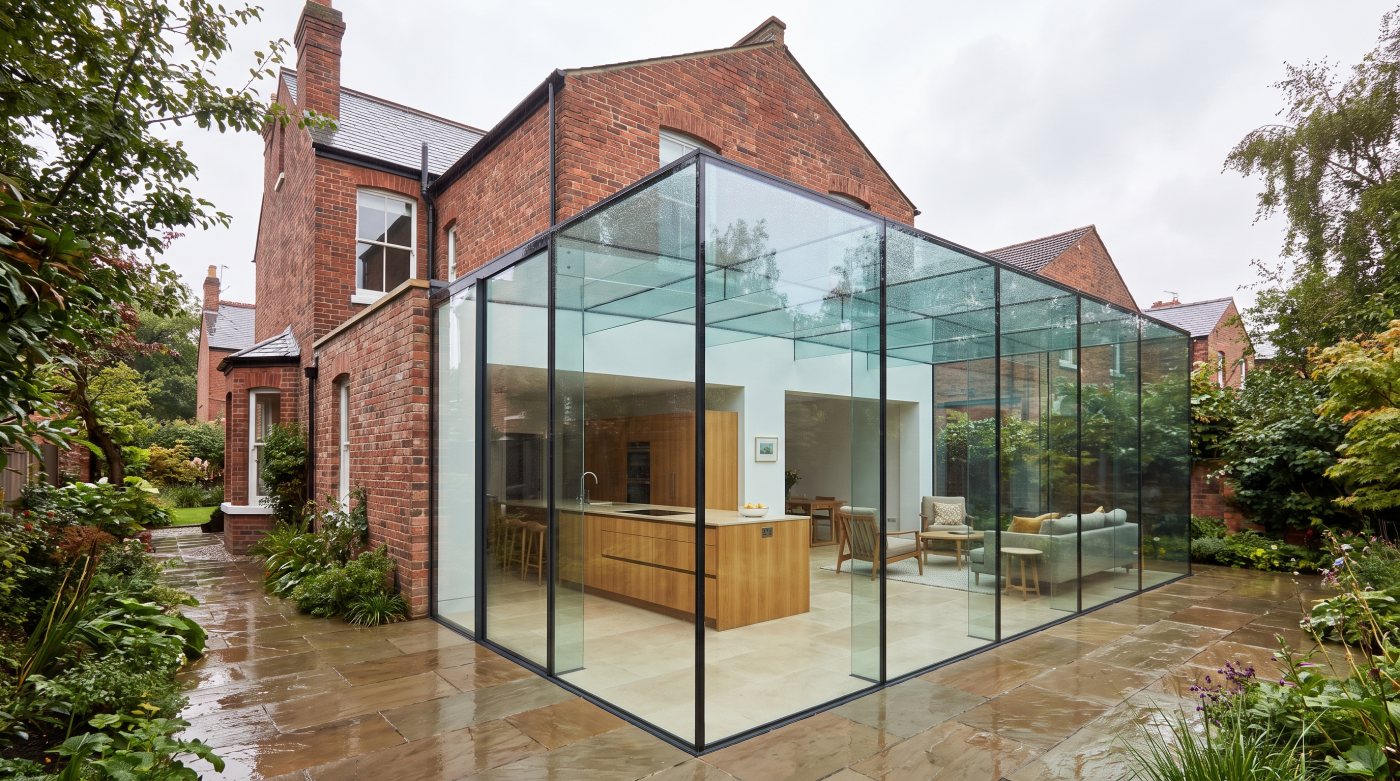
There are many parts of a glazing installation that quite reasonably belong with the builder. Openings need to be prepared, surrounding construction completed and finishes coordinated with the frames. On a well-organised project, responsibilities will naturally pass between trades. The phrase “the builder will sort that” is therefore not concerning in itself. The question is whether the builder knows that they are expected to.
This distinction becomes important at the interfaces around glazing. Thresholds, external surfaces, internal floor levels and surrounding finishes can involve work from several parties. A glazing specialist may understand exactly where their own scope ends, but that does not automatically mean the next contractor understands where theirs begins.
Problems develop in the space between those assumptions. The installer expects an opening to arrive in a particular condition; the builder expects the glazing team to complete part of it. Each position may be reasonable in isolation, yet the gap between them remains unresolved until work reaches that point.
Good coordination makes those boundaries explicit. If something belongs with the builder, the useful conversation is what needs to be provided, when it is required and whether that expectation has been understood by the wider project team. On more complex projects, this may require discussion between the glazing specialist, builder and architect rather than leaving the homeowner to interpret competing assumptions.
“The builder will sort it” is reassuring when it describes an agreed responsibility. Used simply to move an unresolved question elsewhere, it deserves more scrutiny. In architectural glazing, knowing who owns the detail can matter almost as much as knowing how the detail will eventually be resolved.
“You Need to Decide Today”
Glazing decisions sometimes do have deadlines. Manufacturing schedules, construction programmes and other project constraints can create genuine points at which information has to be confirmed. An installer explaining that reality is not applying unreasonable pressure. The important question is whether the urgency has a clear and understandable reason.
A different situation arises when a significant decision is tied to an unexplained deadline. A homeowner may be encouraged to commit immediately to secure a particular price, upgrade or commercial incentive before they have properly understood the specification. On a project involving substantial expenditure and architectural consequences, that deserves caution.
Windows are unusually difficult things to reconsider once the building has been designed around them. Frame divisions can affect views, opening arrangements influence how rooms function, and performance choices become part of the wider building strategy. Large doors and feature glazing may shape entire elevations. These are decisions that can remain visible and in use for decades, so it is reasonable to give them proportionate consideration.
This does not mean delaying decisions unnecessarily. Construction depends upon information being provided at the right time, and indecision can create its own problems. A credible deadline should simply be capable of explanation: what needs to be confirmed, why it needs to be confirmed now, and what happens if the decision is made later.
Urgency is therefore not the red flag. Unexplained urgency is. A glazing specialist should help the homeowner understand the consequences of waiting or proceeding, rather than using the existence of a deadline to prevent them from understanding the decision itself.
The Most Important Phrase May Be: “I Need to Check”
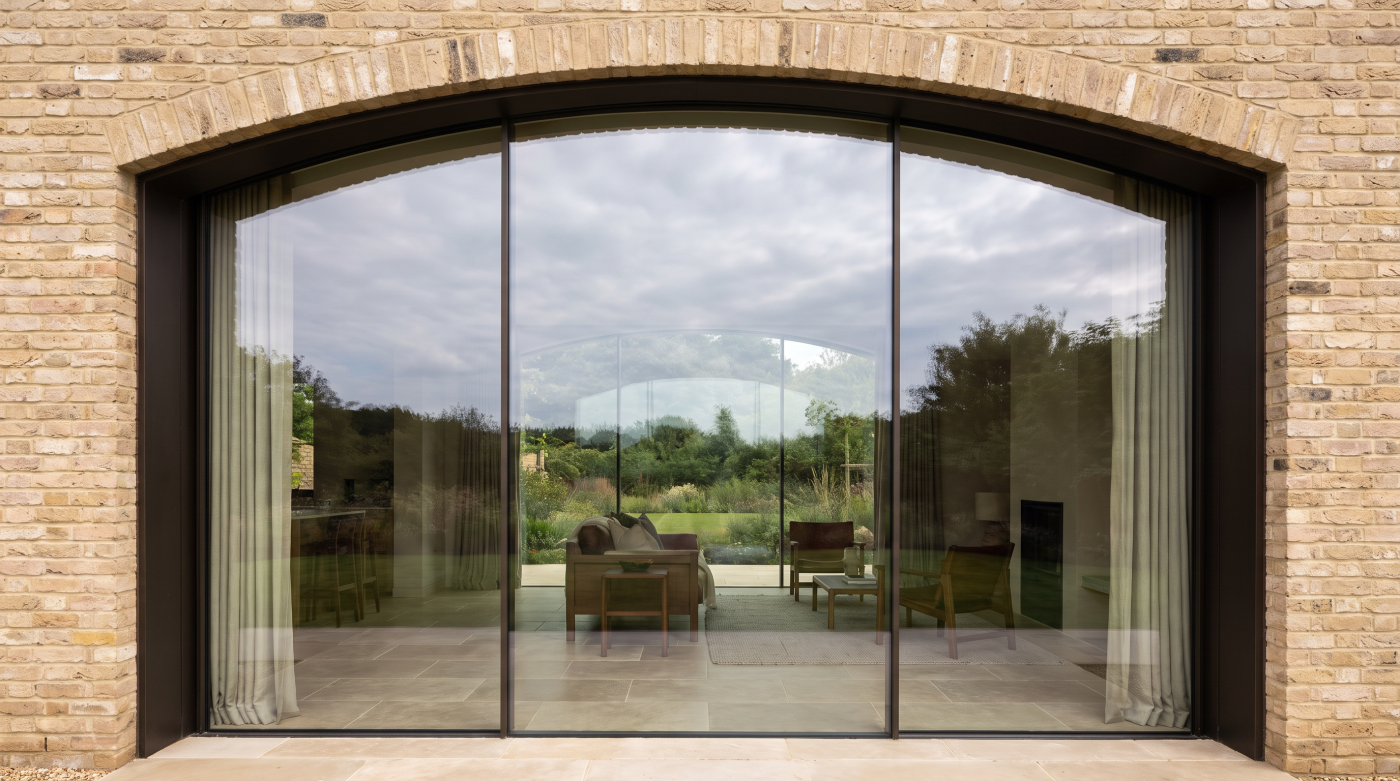
Confidence can be reassuring when choosing a glazing specialist, but certainty is not always evidence of competence. Architectural projects contain too many variables for every question to have an immediate answer. Dimensions develop, structural details change, manufacturers have particular requirements and decisions made elsewhere in the building can affect the glazing. Sometimes the most professional response is simply: “I need to check.”
That answer recognises the difference between general experience and project-specific information. A glazing specialist may need to revisit the drawings, confirm a detail with a manufacturer, speak to the architect or establish what the builder is proposing before giving a reliable response. Taking time to verify something is very different from not understanding it.
Other qualified answers can be equally reassuring. “That depends on the project” may be entirely appropriate when discussing thermal performance, glass specification or installation details. “We need to understand the opening first” can be more useful than applying a standard solution to an unusual piece of architecture.
The alternative is false certainty. An immediate answer may sound decisive while being based on assumptions that have never been tested against the building. Those assumptions can become increasingly difficult to correct as drawings, orders and construction progress.
Professional judgement includes knowing when experience provides the answer and when further information is required. The person who checks is not necessarily less knowledgeable than the person who answers immediately. On a complex glazing project, they may simply understand more clearly how much the right answer depends on getting the details right.
Choose the Installer Who Helps You Understand the Decision
Choosing a glazing installer is not simply a matter of finding the person who sounds most certain. Architectural projects contain legitimate complexity, and the more useful measure of professionalism is often how clearly that complexity is explained. A good conversation should leave the homeowner understanding more about the decision, not merely feeling reassured that somebody else will deal with it.
That means being able to discuss meaningful differences between specifications without insisting that the most expensive option must be best. It means respecting the architectural drawings while being prepared to challenge them where necessary. It means explaining performance in the context of the building, defining installation responsibilities and recognising when coordination with the architect or builder is required.
None of the phrases discussed here should be treated as an automatic reason to reject an installer. Context matters. “The builder will sort that” may describe a perfectly sensible division of responsibility. “You need to decide today” may reflect a genuine programme constraint. The concern is a repeated pattern in which reasonable questions are met with dismissal, unexplained certainty or pressure rather than explanation.
The strongest glazing relationships tend to work differently. Questions are encouraged, assumptions are identified and uncertainties are checked before they become decisions. The homeowner does not need to understand every technical detail, but they should understand the implications of the choices they are making.
Ultimately, the reason to walk away is not one unfortunate sentence. It is discovering that the person asking for your trust is consistently unwilling to help you understand what that trust is being placed in.