
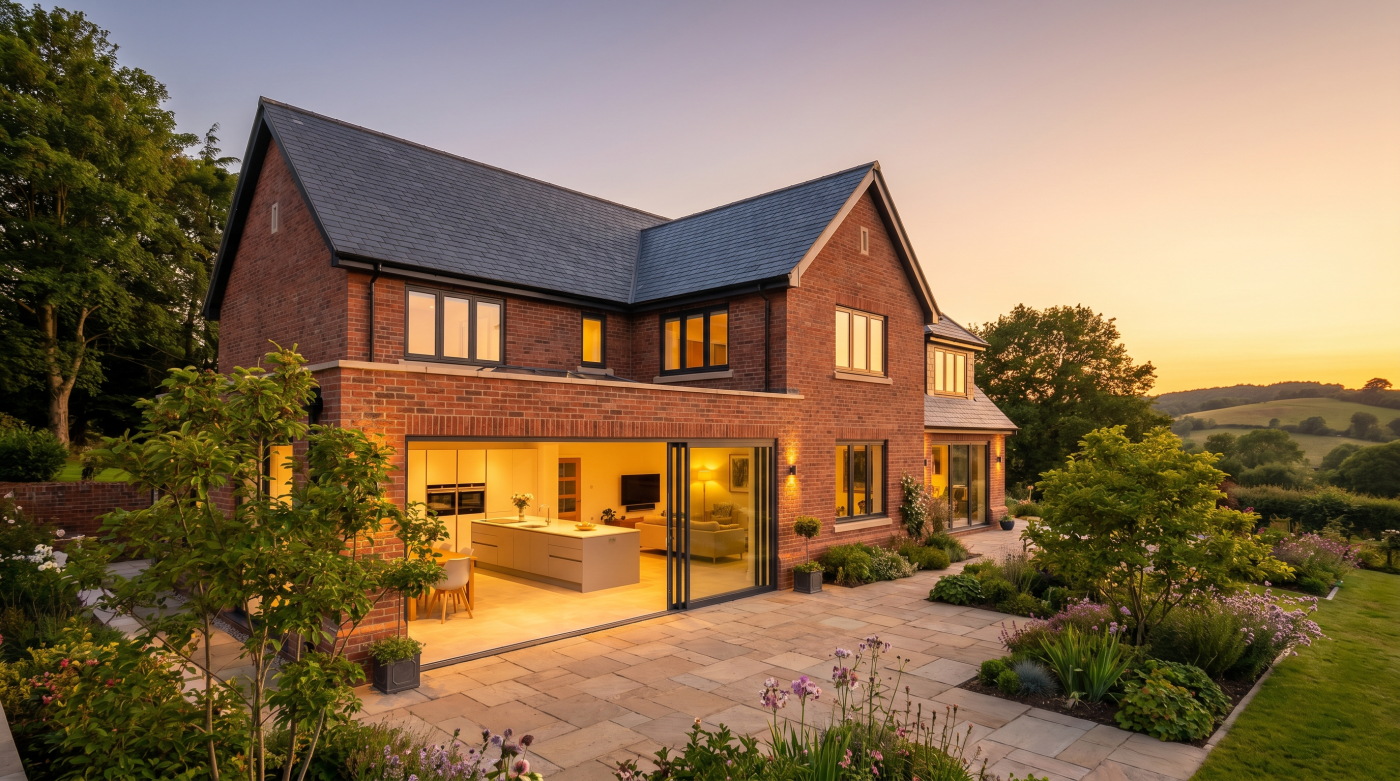
The Most Common Regret Is Following Trends Instead Of Architecture
The window colour homeowners most often regret is not anthracite grey.
It is not black.
It is not white.
It is the colour they chose because everyone else was choosing it.
This may sound surprising, particularly given how much attention is given to identifying the “best” window colour. Homeowners frequently ask whether anthracite grey is going out of fashion, whether black frames are too bold or whether white windows look dated. The assumption is that regret is linked to a particular shade.
In reality, regret is usually linked to the reason the colour was chosen.
Many window colour decisions are influenced by trends rather than architecture.
A homeowner sees a colour repeatedly on social media, in magazines, on neighbouring properties or in showroom displays. The colour becomes familiar. Familiarity creates confidence. Eventually, the choice feels obvious because it appears to be what everyone else is doing.
The problem is that popularity and suitability are not the same thing.
A colour that works beautifully on one property may feel entirely out of place on another. The architecture may be different. The surrounding materials may be different. The setting, scale and character of the building may be different.
Architects understand this instinctively.
When evaluating window colours, they rarely ask which finish is currently most fashionable. Instead, they ask how the glazing should relate to the building itself.
Should the windows stand out or recede?
Should they emphasise the geometry of the architecture or blend quietly into the façade?
How do they interact with brick, stone, render, timber or landscaping?
What role should they play within the overall composition?
These questions often lead to very different decisions from those driven purely by trends.
This is why some homeowners experience colour regret despite choosing the most popular finish available at the time.
The colour itself may not be the issue.
The issue is that the colour belonged to the trend rather than the building.
For a few years, that distinction may not be obvious.
The project feels contemporary.
The choice feels current.
Everything appears successful.
Then the trend begins to move on.
At that point, homeowners are left with a colour that was selected for a moment rather than for the architecture.
Architects avoid this problem by reversing the decision-making process.
They begin with the building.
The colour follows.
This approach tends to produce choices that age more successfully because they are rooted in context rather than fashion.
The most common colour regret is not choosing grey.
Or black.
Or white.
It is choosing a colour because it felt popular instead of choosing a colour because it felt right.
The best window colours rarely look fashionable.
They look inevitable.
As though they were always meant to belong to the building.
Why Anthracite Grey Became So Popular
If the most common colour regret is not actually about anthracite grey, it raises an obvious question.
Why did anthracite grey become so dominant in the first place?
The answer is not that homeowners suddenly developed a universal preference for dark grey windows.
The answer is that several design trends converged at exactly the same time.
Over the past two decades, contemporary architecture has become increasingly influential in residential design. Modern extensions, open-plan living spaces and large glazed openings have become common features of renovation and self-build projects. Aluminium windows also grew rapidly in popularity, bringing slimmer sightlines and a more contemporary aesthetic into the mainstream.
Anthracite grey happened to align perfectly with these changes.
It looked modern.
It complemented aluminium frames.
It worked well alongside many of the material palettes becoming popular at the time, including brick, render, natural stone and timber cladding.
As a result, it became the safe choice.
This is often how design trends spread.
A colour performs well in a handful of successful projects. Those projects are featured in magazines, social media and architectural publications. Homeowners see the results and begin associating the colour with good design. Manufacturers increase availability. Showrooms display it more prominently. Eventually, the colour becomes the default option.
The popularity of anthracite grey was also reinforced by wider interior design trends.
Grey kitchens became common.
Grey flooring became common.
Grey furniture became common.
The colour felt contemporary both inside and outside the home, making it an easy decision for homeowners seeking a cohesive aesthetic.
There is another reason anthracite grey became so widespread.
It removes uncertainty.
Colour selection can feel intimidating because it carries long-term consequences. Homeowners know they will live with the decision for many years, which naturally creates anxiety about making the wrong choice.
Choosing the most popular option feels reassuring.
If thousands of other homeowners have selected the same colour, it must be a safe decision.
In many situations, that logic is understandable.
The problem is that safety and suitability are not necessarily the same thing.
Architects recognise this distinction.
They understand why anthracite grey became popular, but they do not automatically assume that popularity makes it appropriate for every project. Instead, they evaluate whether the colour supports the architecture, the materials and the character of the building.
Sometimes it does.
Sometimes it does not.
This is why anthracite grey should not be viewed as a mistake.
It became popular for legitimate reasons.
It remains an excellent choice for many contemporary homes and extensions.
The issue arises when popularity replaces architectural thinking.
A colour should never be chosen simply because it became the industry standard.
It should be chosen because it helps the building become the best version of itself.
Anthracite grey became popular because it worked exceptionally well in many projects.
The mistake is assuming that means it will work equally well in every project.
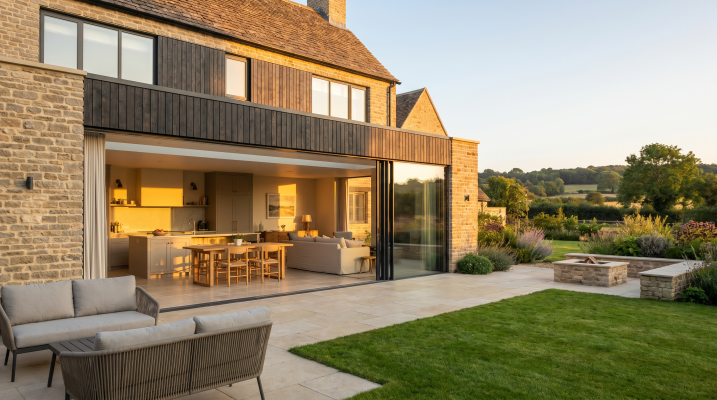
Why Colour Regret Usually Appears Years Later
One of the interesting things about window colour regret is that it rarely happens immediately.
In fact, most homeowners are delighted with their choice when the project is completed.
The windows look fresh.
The house feels transformed.
The colour appears contemporary.
Friends and family compliment the result.
Everything seems successful.
This is why colour decisions can be deceptive.
Unlike thermal performance, security or installation quality, colour is judged emotionally. The initial reaction is often positive because the decision reflects what felt desirable at the time. The regret tends to emerge much later.
Architects understand this because they view colour through a longer-term lens.
They know that buildings typically remain in place for decades.
Design trends do not.
A colour that feels modern today may feel ordinary in five years and dated in ten. This does not necessarily mean the colour itself has become unattractive. More often, it means the cultural context around the colour has changed.
Anthracite grey provides a useful example.
Many homeowners who chose anthracite grey are still entirely happy with their decision. However, some now feel their property looks less distinctive than it once did because the colour became so widespread. What originally felt individual gradually became commonplace.
The regret is not usually:
“I dislike this colour.”
It is often:
“I wish I had chosen something more appropriate for the building.”
This distinction is important.
Colour regret is rarely about aesthetics alone.
It is about context.
When a colour has been selected primarily because it was fashionable, its appeal is often tied to the trend itself. As the trend loses influence, the justification for the choice becomes weaker. The homeowner begins evaluating the colour through a different lens and may start noticing aspects of the architecture that the chosen finish does not fully support.
Neighbourhood saturation can accelerate this process.
When a colour first appears, it may feel distinctive. As more properties adopt the same finish, the sense of individuality often diminishes. Homeowners who originally selected a colour because it felt modern sometimes find themselves living in a street where the same choice has been repeated multiple times.
Architects tend to avoid this problem because they focus less on current popularity and more on architectural longevity.
They ask how a colour will relate to the building in ten or twenty years.
Will it still feel appropriate if design fashions change?
Will it continue supporting the character of the property?
Will it age gracefully alongside the architecture?
These questions often produce more resilient decisions because they are rooted in permanence rather than popularity.
The reason colour regret usually appears years later is simple.
Trends change faster than buildings.
A fashionable choice may look successful for a season.
An architecturally appropriate choice can look successful for decades.
That is why the best colour decisions are rarely the ones that feel most current.
They are the ones that still feel right long after the trend has disappeared.
The Hidden Cost Of Choosing A Colour That Dominates The Architecture
When homeowners choose window colours, the decision is often viewed as a simple aesthetic preference.
Dark or light.
Bold or subtle.
Contemporary or traditional.
What is less frequently considered is how much influence the colour will have over the architecture itself.
This is where many long-term regrets begin.
A window colour does not exist in isolation.
It sits alongside brickwork, stone, render, timber, roofing materials, landscaping and countless other architectural elements. The colour of the frames influences how these materials are perceived and which parts of the building attract attention first.
Architects refer to this as visual hierarchy.
Every building has elements that should lead and elements that should support.
The challenge arises when the window colour becomes so visually dominant that it begins competing with the architecture rather than complementing it.
This is particularly common when strong frame colours are applied to buildings that were never designed to emphasise the glazing.
A beautiful stone façade may suddenly feel secondary to dark window frames.
Traditional detailing may become less noticeable.
Architectural character can become overshadowed by a colour choice that draws attention away from the building itself.
The homeowner may not recognise this immediately.
The project can still look impressive.
In fact, bold window colours often create a strong visual impact when first installed.
The issue tends to emerge gradually.
Over time, some homeowners begin feeling that the windows attract more attention than they intended. The colour feels louder than the architecture. Instead of supporting the building, it becomes one of the dominant features of the façade.
Architects often try to avoid this outcome.
Their objective is not necessarily to make windows invisible, but to ensure that the glazing contributes to the overall composition rather than overwhelming it.
In many successful projects, the windows appear remarkably effortless.
Not because they are unimportant.
But because they sit comfortably within the architecture.
The eye experiences the building as a whole rather than being pulled immediately towards a single element.
This is why architects frequently evaluate colour alongside material relationships.
How does the frame interact with natural stone?
How does it respond to brick tones?
How does it sit against render, timber or metal detailing?
These relationships often determine whether a colour feels integrated or intrusive.
The most successful glazing colours are rarely selected because they stand out.
They are selected because they belong.
Sometimes that means a darker finish.
Sometimes it means a lighter one.
Sometimes it means a colour that barely attracts attention at all.
The hidden cost of choosing a colour that dominates the architecture is not that it looks bad.
It is that it changes the balance of the building.
And once that balance is altered, homeowners often discover that what they really wanted was not for the windows to stand out.
They wanted the architecture to shine.
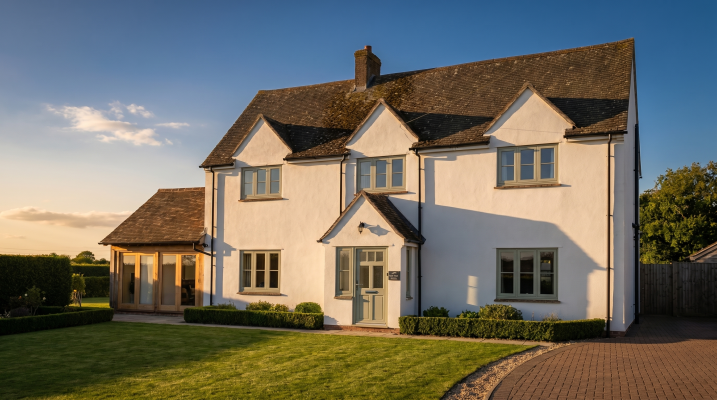
Why Architects Often Choose Different Colours To Homeowners
When homeowners choose window colours, they are often making a product decision.
When architects choose window colours, they are usually making an architectural decision.
At first glance, this may sound like a distinction without a difference.
In reality, it often leads to completely different outcomes.
Homeowners naturally focus on the windows themselves. They compare colour samples, browse inspiration images and imagine how different finishes will look once installed. The decision is frequently influenced by personal preference, current trends and what appears attractive in isolation.
Architects rarely evaluate colour in isolation.
They evaluate colour in context.
This means looking beyond the window frame and considering how the finish interacts with the entire building.
The architecture.
The materials.
The landscape.
The scale.
The proportions.
The surrounding environment.
All of these factors influence the final decision.
A colour that looks exceptional on a contemporary zinc-clad extension may feel entirely out of place on a Georgian stone property. Equally, a finish that appears understated in a showroom may become highly effective once viewed within the context of the building for which it was intended.
This broader perspective changes the nature of the question.
Homeowners often ask:
“Which colour do I like most?”
Architects are more likely to ask:
“Which colour best supports the architecture?”
The answers are not always the same.
This is why architects sometimes recommend colours that initially surprise homeowners.
The recommendation is not based on fashion.
It is based on composition.
Architects understand that colour influences how a building is perceived from a distance. It can alter visual proportions, emphasise certain features and reduce the prominence of others. A carefully selected finish can strengthen the architectural intent of a project without drawing attention to itself.
Landscape also plays an important role.
A house surrounded by mature trees may require a different approach to one located within a dense urban setting. Light conditions, seasonal changes and the wider environment all affect how colours are experienced over time.
Building character matters too.
A contemporary self-build may benefit from strong visual contrast and clearly defined glazing elements. A traditional property may achieve a more harmonious result when the windows integrate more subtly with existing materials.
Architects recognise that colour is not simply decorative.
It is one of the tools used to shape how a building is understood.
This is why their colour choices sometimes feel more restrained than those homeowners initially expect.
They are not trying to make the windows more noticeable.
They are trying to make the architecture stronger.
The difference is subtle.
But it is often the difference between a colour that feels fashionable and a colour that feels timeless.
And timelessness is usually what homeowners appreciate most once the excitement of current trends has faded.
When Anthracite Grey Is Absolutely The Right Choice
After discussing colour regret, it is important to avoid a common misunderstanding.
Anthracite grey is not the problem.
In fact, there are many projects where anthracite grey is not only appropriate but arguably one of the best choices available.
The purpose of this article is not to discourage homeowners from choosing grey.
It is to encourage homeowners to choose grey for the right reasons.
The popularity of anthracite grey did not happen by accident.
The colour became widespread because it works exceptionally well in many architectural settings.
Contemporary homes are a good example.
Properties with clean lines, large glazed openings and minimalist detailing often benefit from darker frame colours that reinforce the geometry of the design. Anthracite grey can help define openings, create visual contrast and complement the modern character of the building.
Many aluminium window systems also suit darker finishes particularly well.
The combination of slim sightlines and dark frames can create a refined appearance that aligns naturally with contemporary architectural language. In these situations, anthracite grey feels intentional rather than fashionable.
Material palettes matter too.
Grey often works effectively alongside modern brickwork, zinc roofing, timber cladding, natural stone and contemporary render systems. When these relationships are considered carefully, the colour can help unify the composition of the building rather than dominate it.
This is one reason architects continue specifying anthracite grey on many projects despite its popularity.
They are not choosing it because it is fashionable.
They are choosing it because it supports the architecture.
That distinction is crucial.
A colour does not become inappropriate simply because it is common.
Nor does it become appropriate simply because it is popular.
The question is always whether the colour belongs to the building.
Some of the most successful contemporary homes completed over the past decade feature anthracite grey glazing. The colour enhances the architecture, reinforces the design intent and feels entirely natural within its setting.
In these projects, there is rarely any sense that the colour was chosen because it happened to be trending.
Instead, it feels inevitable.
As though the building could never have worn anything else.
This is ultimately what architects are trying to achieve with any colour decision.
Not originality for its own sake.
Not trend avoidance for its own sake.
Simply the most appropriate response to the architecture.
Anthracite grey is an excellent choice when it supports the building.
The mistake is not choosing grey.
The mistake is choosing grey before deciding whether grey is actually right for the architecture.
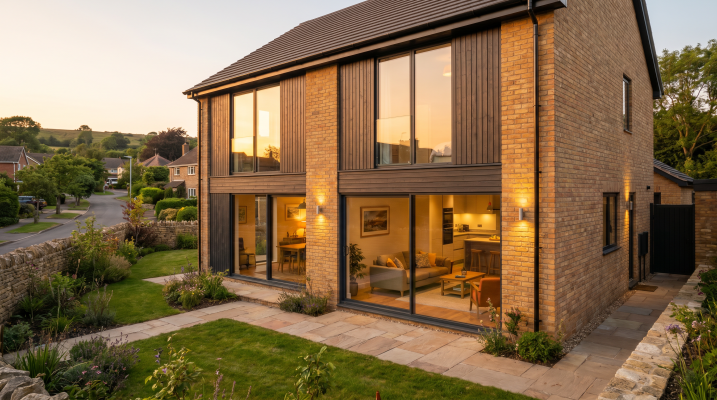
The Colour Question Most Homeowners Never Ask
Most homeowners ask:
“Which colour should I choose?”
It seems like the obvious question.
After all, once the decision has been made to install new windows or doors, selecting the colour feels like a matter of narrowing down preferences. Samples are compared, photographs are reviewed and the shortlist gradually becomes smaller.
The problem is that this question often encourages homeowners to think about colour in isolation.
Architects tend to ask something different.
They ask:
“What should the building be saying?”
This may sound abstract, but it changes the entire decision-making process.
Every building communicates something through its architecture.
Some homes are designed to feel bold and contemporary.
Others are intended to feel timeless and understated.
Some projects celebrate contrast and visual definition.
Others seek harmony and subtlety.
The colour of the glazing contributes to that message whether the homeowner realises it or not.
This is why architects frequently think in terms of emphasis.
What should stand out?
What should disappear?
What should attract attention first?
What should quietly support the rest of the composition?
These questions often reveal that the ideal colour is not necessarily the one the homeowner was initially considering.
For example, a homeowner may assume they want dark frames because they appear modern and striking. Yet when viewed in the context of the building, a more subtle finish may allow the architecture itself to become the focal point.
Equally, a contemporary project may benefit enormously from stronger contrast because the glazing forms an important part of the overall design language.
The answer depends on the building.
Not the trend.
Not the showroom.
Not the latest social media post.
Another question architects frequently consider is:
“How will this look in ten years?”
This is perhaps the most important colour question of all.
A colour choice should survive changing fashions.
It should continue feeling appropriate even when the surrounding design landscape evolves. The homeowner should not need a trend to justify the decision.
This long-term perspective often changes priorities.
Instead of asking which colour feels most exciting today, attention shifts towards which colour will still feel appropriate years from now.
The result is usually a more resilient decision.
One that is rooted in architecture rather than popularity.
The homeowners who remain happiest with their glazing choices are rarely those who selected the most fashionable colour.
They are the ones who selected the colour that belonged most naturally to the building.
The colour question most homeowners never ask is not:
“Which colour should I choose?”
It is:
“What colour helps this building become the best version of itself?”
That single question often leads to a very different answer.
The Better Way To Choose Window Colours
By the time homeowners reach the colour selection stage, they have often spent considerable time researching products, comparing specifications and refining design ideas.
Ironically, one of the most visible decisions in the entire project is frequently reduced to personal preference.
The colour looks nice.
The sample appears attractive.
The showroom display feels convincing.
Decision made.
Architects tend to follow a different process.
Rather than starting with colour, they start with context.
This approach can be summarised in a simple hierarchy:
Architecture first.
Materials second.
Context third.
Trends last.
The architecture should always lead.
Before evaluating individual colours, it is worth understanding what the building is trying to achieve. Is the design contemporary or traditional? Should the glazing feel prominent or understated? What role do the windows play within the overall composition?
Once these questions have been answered, the materials become important.
Brick, stone, render, timber and roofing elements all influence how a colour will be perceived. A finish that feels elegant against natural stone may feel harsh against a different material palette. Successful colour selection often depends on understanding these relationships.
Context comes next.
The surrounding environment matters more than many homeowners realise.
Neighbouring buildings.
Landscape.
Light conditions.
Seasonal changes.
All of these factors influence how colours are experienced over time. A finish that appears balanced in one location may feel entirely different somewhere else.
Only after these considerations have been addressed should trends enter the conversation.
This does not mean trends should be ignored.
Popular colours often become popular because they work well in many situations.
The problem arises when trend becomes the primary justification.
A trend can support a good decision.
It should not be the reason for the decision.
Architects understand that colour choices tend to age most successfully when they are rooted in the building itself. These decisions often feel less dramatic at the time because they are not driven by fashion. Yet years later, they continue looking appropriate because they belong to the architecture rather than to a particular moment in design history.
This is ultimately the difference between a fashionable colour choice and a timeless one.
Fashion belongs to a period.
Architecture belongs to a place.
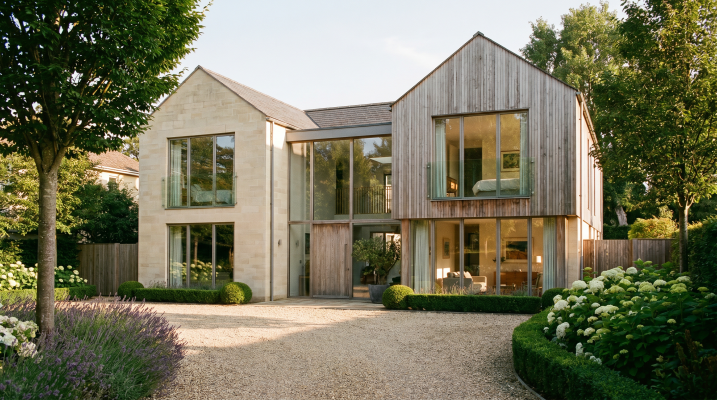
The best window colours are rarely chosen because they are popular.
They are chosen because they feel inevitable.
As though they could never have been anything else.
That is usually the strongest indication that the right decision has been made.
Conclusion
The window colour homeowners most often regret is not anthracite grey.
It is not black.
It is not white.
It is any colour chosen because it was fashionable rather than appropriate.
This is why colour regret can be so difficult to predict.
The decision often feels successful at the time. The colour is popular, widely recommended and visible on countless other projects. Everything suggests it is the safe choice.
Then the trend changes.
The context shifts.
The homeowner begins seeing the building differently.
What once felt contemporary may start feeling generic. What once felt distinctive may begin blending into a wider pattern of design decisions made for similar reasons.
Architects avoid this trap by approaching colour through the lens of architecture rather than fashion.
They ask how the glazing relates to the building.
How it interacts with materials.
How it contributes to visual hierarchy.
How it will age over time.
Most importantly, they ask whether the colour belongs to the architecture itself.
This is why many architect-led colour choices continue looking successful decades after they were specified.
The decision was never dependent on a trend.
It was dependent on the building.
Anthracite grey remains an excellent choice for many projects.
Black can be exceptionally effective.
White can be entirely appropriate.
The question is never whether a colour is inherently right or wrong.
The question is whether it supports the architecture.
Ultimately, the best window colour is not the most fashionable one.
It is not the one appearing most often on social media.
It is not the one chosen by the majority of homeowners.
It is the one that feels as though it was always meant to be there.
Because colours that belong to the building tend to outlast colours that belong to the moment.