
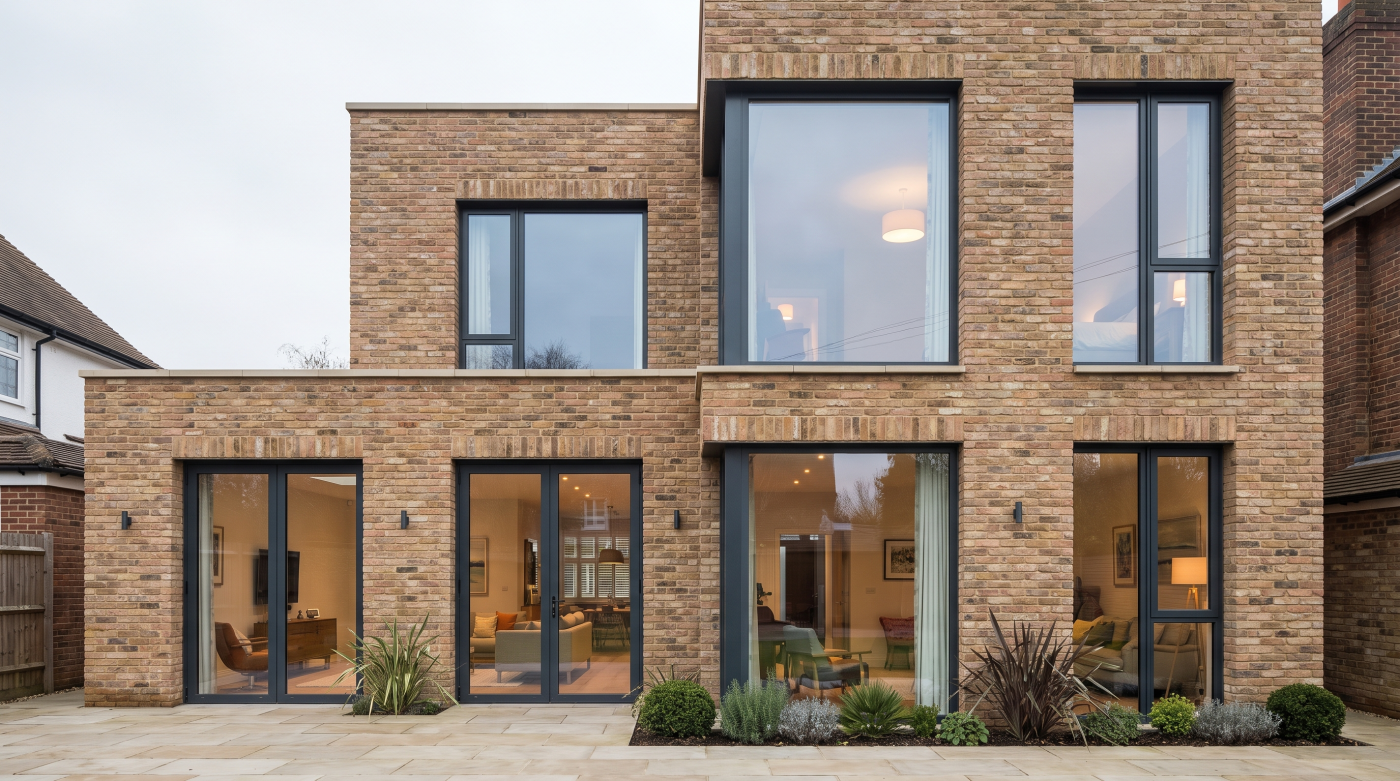
What Exactly Are Alu-Clad Windows?
One of the most common misconceptions about alu-clad windows is that they are simply timber windows with a thin layer of aluminium added for appearance. In reality, they are carefully engineered systems that combine two materials chosen for their different strengths. Rather than asking one material to do everything, alu-clad windows use each where it performs best.
Inside the home, the frame is constructed from timber, bringing warmth, natural character and excellent thermal insulation. Timber also creates a more tactile and inviting interior, making it particularly popular in architect-designed homes, high-quality renovations and heritage properties where natural materials contribute to the overall design. On the exterior, the timber is protected by a precision-fitted aluminium shell. This durable outer layer shields the window from rain, wind and ultraviolet exposure, significantly reducing the ongoing maintenance traditionally associated with exposed timber frames.
This combination allows homeowners to enjoy the aesthetic qualities of timber without the regular cycle of sanding, repainting and refinishing that conventional timber windows often require. At the same time, the aluminium cladding retains its appearance for many years with little more than routine cleaning, making it well suited to the UK’s varied climate.
It is also important to distinguish alu-clad windows from all-aluminium and all-timber alternatives. Fully aluminium windows prioritise slim sightlines and durability but can lack the warmth and character many homeowners seek indoors. Traditional timber windows offer timeless appeal but demand greater long-term maintenance. Alu-clad systems aim to bridge that gap, combining the visual richness of timber with the resilience of aluminium.
Understanding this construction is the first step towards answering whether the premium is worthwhile. Once you appreciate what an alu-clad window is designed to achieve, it becomes easier to evaluate whether its long-term benefits justify its higher initial investment.
Where Does the Extra Cost Actually Go?
When homeowners first compare quotations, the price difference between alu-clad windows and more conventional alternatives can seem significant. It is natural to wonder whether the premium simply reflects branding or whether there is genuine additional value built into the product. In reality, much of the extra cost lies in the complexity of design, manufacturing and engineering rather than the materials alone.
Unlike a standard window frame, an alu-clad system combines two high-quality materials that must work together seamlessly. The timber frame is precision engineered to provide structural stability and excellent thermal performance, while the external aluminium cladding is manufactured to fit accurately around the timber without restricting its natural movement. Achieving this balance requires sophisticated production techniques, tight manufacturing tolerances and rigorous quality control, all of which contribute to a higher production cost.
Premium alu-clad windows are also frequently supplied with higher specification glazing, advanced weather seals and durable hardware designed for decades of reliable operation. Factory-applied finishes offer a consistency and longevity that are difficult to replicate with site-applied coatings, while the aluminium exterior is engineered to resist corrosion, fading and weathering over many years. These details may not be immediately visible, but they play an important role in the long-term performance of the window.
Installation also deserves consideration. High-performance windows rely on careful fitting to achieve their intended levels of airtightness, weather resistance and thermal efficiency. For this reason, manufacturers and specialist installers often place greater emphasis on installation quality than is typical with more basic window systems.
Ultimately, the premium attached to alu-clad windows reflects far more than appearance. It represents the additional engineering, manufacturing precision and long-term durability that allow the windows to continue performing long after the initial installation has been completed.
Looking Beyond the Purchase Price: The True Cost of Ownership
It is easy to compare windows based on the figure at the bottom of a quotation, but architects and experienced self-builders often take a different approach. Rather than focusing solely on the initial purchase price, they consider the total cost of ownership over the lifetime of the building. This broader perspective can significantly change how the value of an alu-clad window is assessed.
For many homeowners, maintenance is one of the largest hidden costs. Traditional timber windows may require periodic sanding, repainting or refinishing to protect them from the elements, while lower-quality systems can demand repairs or replacement parts much sooner than expected. Alu-clad windows are designed to minimise these ongoing commitments. The aluminium exterior provides long-term protection against weathering, helping to preserve both appearance and performance with relatively little maintenance beyond routine cleaning.
There are also less obvious factors that contribute to long-term value. High-quality glazing and well-engineered frames can improve thermal efficiency, reduce draughts and create more stable indoor temperatures throughout the year. While energy savings alone may not offset the initial premium, improved comfort, fewer maintenance demands and greater durability all contribute to a better ownership experience. For homeowners planning to remain in their property for many years, these benefits often become more significant than the original purchase cost.
Resale value should also be considered. Buyers of architect-designed and premium homes increasingly recognise the value of durable, low-maintenance materials and quality specification. Well-chosen windows can reinforce the overall quality of a property, supporting its long-term appeal in the market.
Viewed over thirty or forty years rather than the day of installation, the conversation shifts from cost to value. The question is no longer which window is cheapest to buy, but which one is likely to deliver the greatest return in comfort, durability and satisfaction throughout the life of the home.
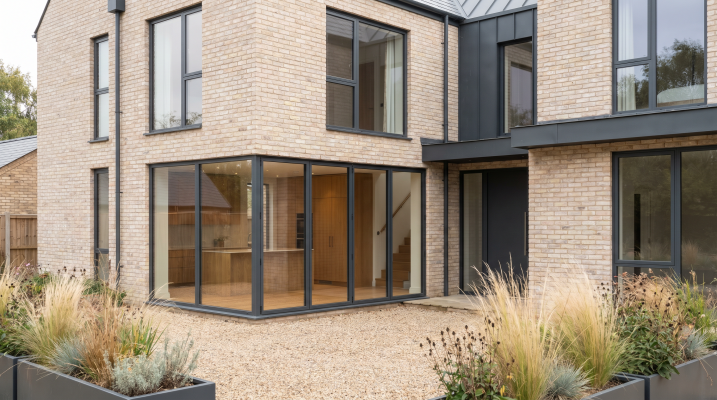
Performance: Comfort, Efficiency and Everyday Living
When discussing premium windows, energy ratings and technical specifications often dominate the conversation. While these figures are important, they only tell part of the story. The real measure of performance is how a home feels to live in every day. A well-specified window contributes to comfort in ways that are often noticed long before any reduction appears on an energy bill.
One of the key advantages of alu-clad windows is their ability to combine the natural insulating properties of timber with modern glazing technology. This helps maintain more consistent internal temperatures throughout the seasons, reducing cold spots near windows during winter and limiting excessive heat gain during warmer months. High-quality seals and precise manufacturing also improve airtightness, helping to minimise draughts without compromising ventilation when the building is designed correctly.
Comfort extends beyond temperature alone. Better-performing window systems can reduce external noise, making them particularly valuable in urban environments or homes close to busy roads. They can also lower the likelihood of internal condensation by maintaining warmer internal glass and frame surfaces, contributing to a healthier indoor environment and reducing the risk of moisture-related issues over time.
Architects also consider how windows influence daylight, solar gain and the relationship between the interior and the surrounding landscape. The best-performing systems are those that balance thermal efficiency with generous glazing areas, allowing natural light to enhance the living experience without sacrificing comfort. Achieving that balance requires careful specification that considers the orientation of the building, glazing type and overall architectural design.
Ultimately, performance should not be viewed as a collection of technical numbers but as the quality of everyday living. When a home remains comfortable throughout the year, feels quieter, admits abundant natural light and performs consistently for decades, the value of investing in a well-engineered window system becomes much easier to appreciate.
Design, Longevity and Architectural Value
A window is one of the few elements of a home that influences both its appearance and its performance every day. It frames views, shapes natural light, defines the character of the façade and contributes to the atmosphere of every interior space. For architects, this is why window selection is rarely based on technical performance alone. Equally important is how the product complements the architecture and how it will age over the coming decades.
Alu-clad windows are often specified because they combine the warmth and authenticity of natural timber inside the home with the durability of aluminium on the exterior. Internally, timber adds texture and depth that painted or powder-coated materials struggle to replicate, helping to create interiors that feel welcoming and timeless. Externally, the aluminium cladding provides a crisp, durable finish that withstands prolonged exposure to the weather while requiring very little ongoing maintenance. The result is a window that is designed to retain both its appearance and its performance for many years.
Longevity is another important consideration. Buildings evolve over time, but the best architectural materials continue to look appropriate as styles change and landscapes mature. A well-designed alu-clad window is intended to age gracefully, preserving clean lines, consistent finishes and reliable operation long after installation. This can be particularly valuable for homeowners planning to remain in their property for decades, where durability becomes as important as initial appearance.
For this reason, architects often view premium windows as an investment in the long-term quality of the building rather than simply another construction cost. When materials continue to perform well, require minimal intervention and enhance the overall architectural character of a home year after year, they contribute lasting value that extends far beyond the day the project is completed.
When Alu-Clad Windows Make Sense—And When They Don’t
One of the clearest signs of good architectural advice is a willingness to acknowledge that no single solution is right for every project. Alu-clad windows offer a compelling combination of performance, durability and design flexibility, but that does not automatically make them the best choice in every circumstance. The value of the investment depends on the ambitions of the project, the expected lifespan of the property and the priorities of the people who will live there.
They are often an excellent fit for architect-designed homes, premium renovations and self-build projects where long-term ownership is part of the plan. Homeowners investing in a forever home are more likely to appreciate the reduced maintenance, consistent performance and enduring appearance that alu-clad systems provide over several decades. They can also be well suited to exposed coastal or rural locations, where the weather resistance of an aluminium exterior offers practical advantages without sacrificing the warmth of timber indoors.
In heritage settings, alu-clad windows may also have a role, although the suitability of any system depends on planning requirements and the specific character of the building. Where contemporary performance needs must be balanced with architectural sensitivity, carefully specified timber-aluminium systems can sometimes provide an effective compromise. Early discussions with architects, conservation professionals and local planning authorities remain essential for listed buildings and conservation areas.
However, there are projects where alternative window systems may represent better value. If a property is likely to be sold within a few years, or the budget is particularly constrained, it may be difficult to justify paying for benefits that will only be realised over the long term. Likewise, where maintenance requirements are less of a concern or architectural aspirations are more modest, a high-quality timber or aluminium window may provide an entirely appropriate solution.
Ultimately, the best specification is the one that aligns with the purpose of the project. Alu-clad windows are not worthwhile simply because they cost more; they are worthwhile when their long-term strengths match the expectations, lifestyle and ambitions of the people investing in the home.
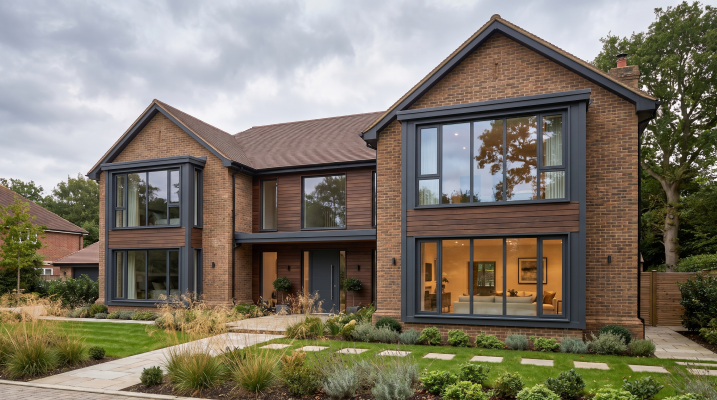
How Architects Evaluate Value Before Choosing a Window System
Homeowners often approach window selection by comparing prices, materials or product brochures. Architects, however, tend to begin somewhere entirely different. Before discussing manufacturers or frame designs, they consider the wider objectives of the project and the role the windows need to play within the overall building. This broader perspective helps ensure that the chosen system supports the architecture rather than simply filling an opening in the wall.
The evaluation typically starts with the fundamentals of the building itself. How will the property be used? Is it intended as a family home for the next thirty years, a carefully restored period property or a contemporary self-build focused on energy performance? The answers influence every subsequent decision, from glazing specification and frame material to opening configurations and maintenance expectations. A window that is ideal for a minimalist new-build may not be the most appropriate choice for a heritage renovation, even if both occupy the premium end of the market.
Architects also consider how windows contribute to the quality of daily life. Natural light, views, ventilation, thermal comfort and acoustic performance all influence the experience of living within a space. At the same time, practical considerations such as longevity, ease of maintenance and future running costs are weighed against the client’s priorities and budget. The objective is not to maximise specification for its own sake, but to achieve the best balance between performance, aesthetics and long-term value.
This is why premium window systems are often specified as part of a holistic design strategy rather than an isolated purchase. The most successful projects result from thoughtful decisions made early in the design process, where every element contributes to the building’s overall character and performance. By adopting the same mindset, homeowners can move beyond comparing products on price alone and begin evaluating them in terms of the lasting value they bring to the home.
So, Are Alu-Clad Windows Worth the Premium?
The honest answer is that it depends on what you expect from your home and how long you intend to enjoy it. If the goal is simply to replace existing windows at the lowest possible cost, then the premium associated with alu-clad systems may be difficult to justify. However, if the objective is to create a home that combines architectural quality, long-term durability and everyday comfort, the calculation becomes very different.
Throughout this guide, one theme has remained consistent: value should be measured over the lifetime of the building rather than at the point of purchase. Alu-clad windows offer a combination of natural timber interiors, weather-resistant aluminium exteriors, reduced maintenance and high levels of thermal performance that can continue to deliver benefits for decades. While they require a greater initial investment, they are designed to provide lasting comfort, reliability and visual appeal long after less durable alternatives may require significant maintenance or replacement.
This does not mean they are the right solution for every project. Every home has its own priorities, budget and architectural context, and good specification is always about choosing the most appropriate solution rather than the most expensive one. For some renovations, high-quality timber or aluminium windows may be entirely suitable. For others—particularly architect-designed homes, premium renovations and long-term family properties—the advantages of an alu-clad system often align closely with the ambitions of the project.
Ultimately, the question is not whether alu-clad windows are worth more than other window types, but whether their strengths match the future you are creating for your home. For homeowners planning to invest in quality, longevity and everyday living, they frequently represent a thoughtful investment rather than an unnecessary luxury. When viewed through that lens, the premium is less about paying more today and more about making a decision that continues to reward you for many years to come.