
Why the Lock Is Only Part of the Story
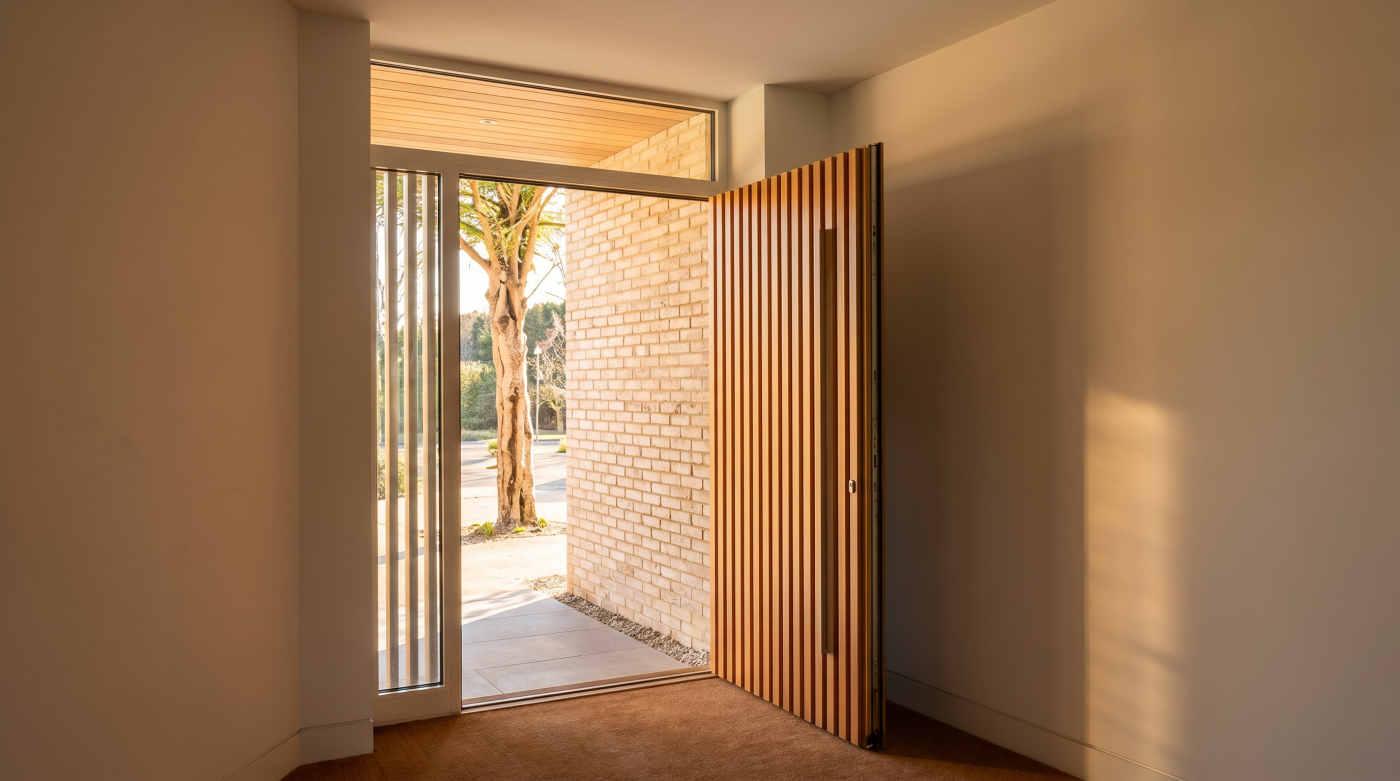
When homeowners compare entrance doors, security discussions often revolve around the lock. Multi-point locking systems, anti-snap cylinders and high-security hardware are frequently promoted as the defining features of a secure door. While these components are undoubtedly important, they represent only one part of a much larger picture. Architects and glazing specialists rarely evaluate security by looking at the lock alone. Instead, they assess how every element of the entrance works together as a complete system.
A front door is made up of several interconnected components, including the door leaf, the frame, hinges, glazing, locking mechanisms and fixings. Each part contributes to the overall performance of the entrance, and the strength of the system depends on how effectively those components have been designed to work together. Even the most advanced locking system cannot compensate for a poorly engineered frame, incorrectly specified glazing or inadequate installation. Security is only as strong as the weakest part of the assembly.
This systems-based approach is why premium entrance doors are developed as integrated products rather than collections of individual components. Manufacturers engineer the frame, hardware, seals and locking systems to function together under real-world conditions, helping ensure the door performs consistently throughout years of daily use. The objective is not simply to make forced entry more difficult, but to create an entrance that combines structural integrity, durability and reliable operation without compromising comfort or appearance.
Installation also forms part of this equation. A well-engineered entrance door can only perform as intended when it is correctly fitted and aligned within the building. Precise installation allows the locking system, hinges and seals to operate as designed, reinforcing the overall integrity of the entrance.
For this reason, architects rarely ask, “Which door has the best lock?” Instead, they ask, “How well has the entire entrance system been engineered?” That shift in thinking is fundamental. Genuine security is not created by one impressive feature but by the careful integration of every component working together as a single, dependable system.
Understanding Modern Security Standards
Terms such as PAS 24, security tested and certified appear frequently in the marketing of premium entrance doors. While these standards are valuable, they are also widely misunderstood. Many homeowners assume that a particular certification automatically identifies the most secure door available. In reality, security standards provide an important benchmark, but they are only one part of assessing how well an entrance door is designed and specified.
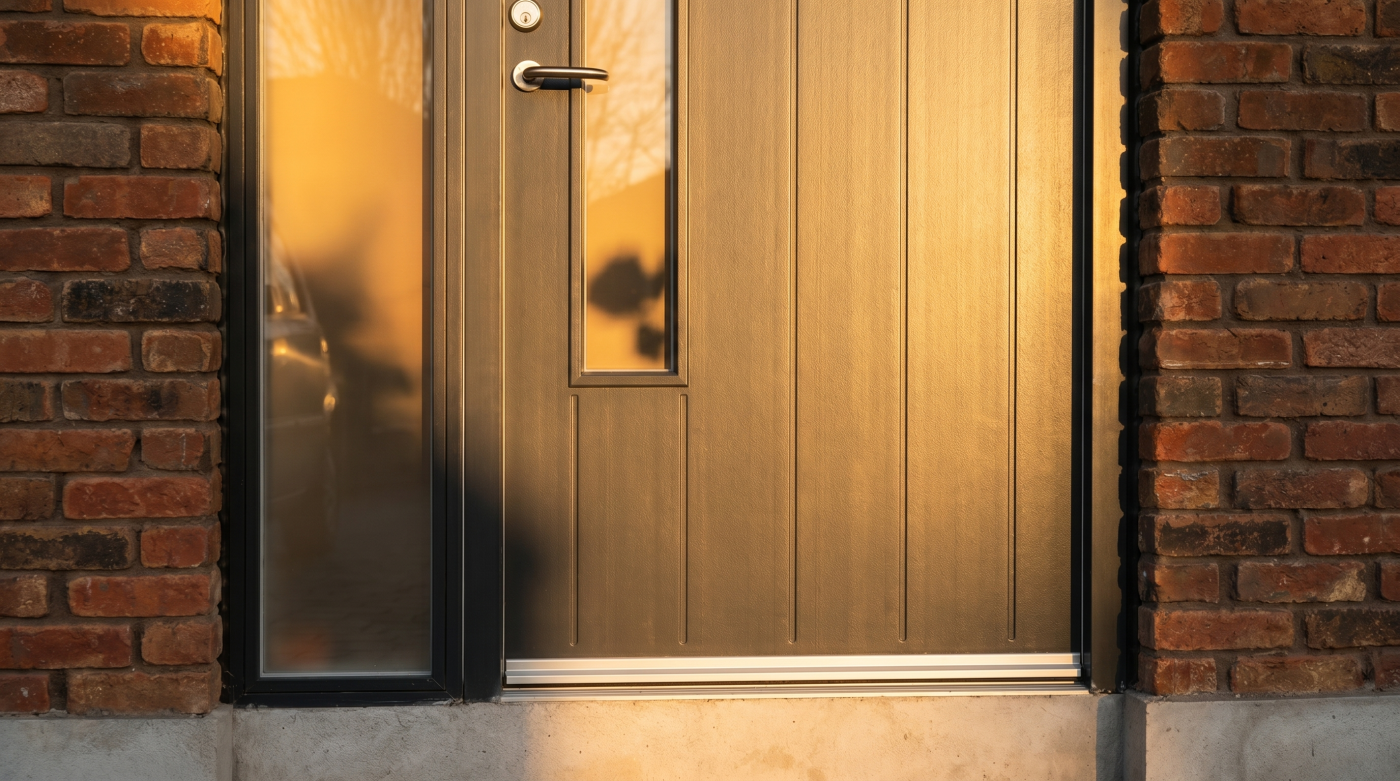
Standards such as PAS 24 are intended to evaluate the performance of complete door assemblies under a series of recognised test conditions. Rather than examining a single component, they assess how the door, frame, glazing, hardware and locking system perform together when subjected to various forms of attack and operational testing. This systems-based approach reflects the way architects think about security, recognising that every part of the entrance contributes to its overall performance.
Certification also provides reassurance that independent testing has been carried out against recognised criteria. For homeowners, this offers greater confidence than relying solely on manufacturer claims or marketing language. However, it is important to understand what these standards are—and what they are not. Certification demonstrates that a particular product has met defined performance requirements under controlled testing conditions, but it does not automatically make one door the best choice for every property or project.
Architects therefore use standards as one piece of a much broader specification process. Alongside certified performance, they also consider build quality, engineering, installation, thermal efficiency, durability and how the entrance complements the wider architecture of the home. A door that achieves recognised security standards while also delivering excellent long-term performance is generally a stronger investment than one selected purely because of a particular certification badge.
For homeowners, the most useful approach is to see security standards as evidence rather than marketing. They provide confidence that a door has been independently assessed, but they should always be considered alongside the quality of the overall system, professional installation and the suitability of the product for the specific home. Genuine security comes from thoughtful specification, not from certifications viewed in isolation.
Materials Don’t Determine Security on Their Own
One of the most persistent myths surrounding entrance doors is that the material alone determines how secure the door will be. Aluminium is often described as stronger than timber, steel is assumed to be the safest option and composite doors are frequently marketed as offering superior protection. While each material has its own characteristics, architects rarely base security decisions on material alone. Instead, they consider how that material has been engineered into a complete entrance system.
Aluminium, for example, is valued for its excellent strength-to-weight ratio, allowing robust construction with slim, contemporary profiles. Timber offers natural strength alongside warmth and character, while composite doors combine multiple materials to balance insulation, durability and structural performance. Steel remains associated with exceptional robustness in certain applications. However, none of these materials automatically creates a more secure entrance simply because of what it is made from.
The quality of the engineering is far more significant. The way the door leaf is constructed, how the frame supports it, the specification of the glazing, the integration of locking systems and the precision of the manufacturing process all influence how the entrance performs under real-world conditions. A well-engineered aluminium door will generally outperform a poorly designed alternative made from any material, just as a carefully manufactured timber system can provide excellent security when correctly specified and installed.
This is one reason architects avoid asking, “Which material is the most secure?” Instead, they ask whether the entire entrance system has been designed to work together effectively. Material selection is considered alongside structural design, testing, long-term durability and the quality of installation, ensuring every component contributes to the overall performance of the entrance.
For homeowners, this means looking beyond simple marketing claims. The safest investment is rarely the material with the strongest reputation—it is the entrance door that combines thoughtful engineering, recognised testing, professional installation and high-quality manufacturing into a complete, integrated system. In modern architecture, security is achieved through design and engineering rather than material alone.
The Role of Installation
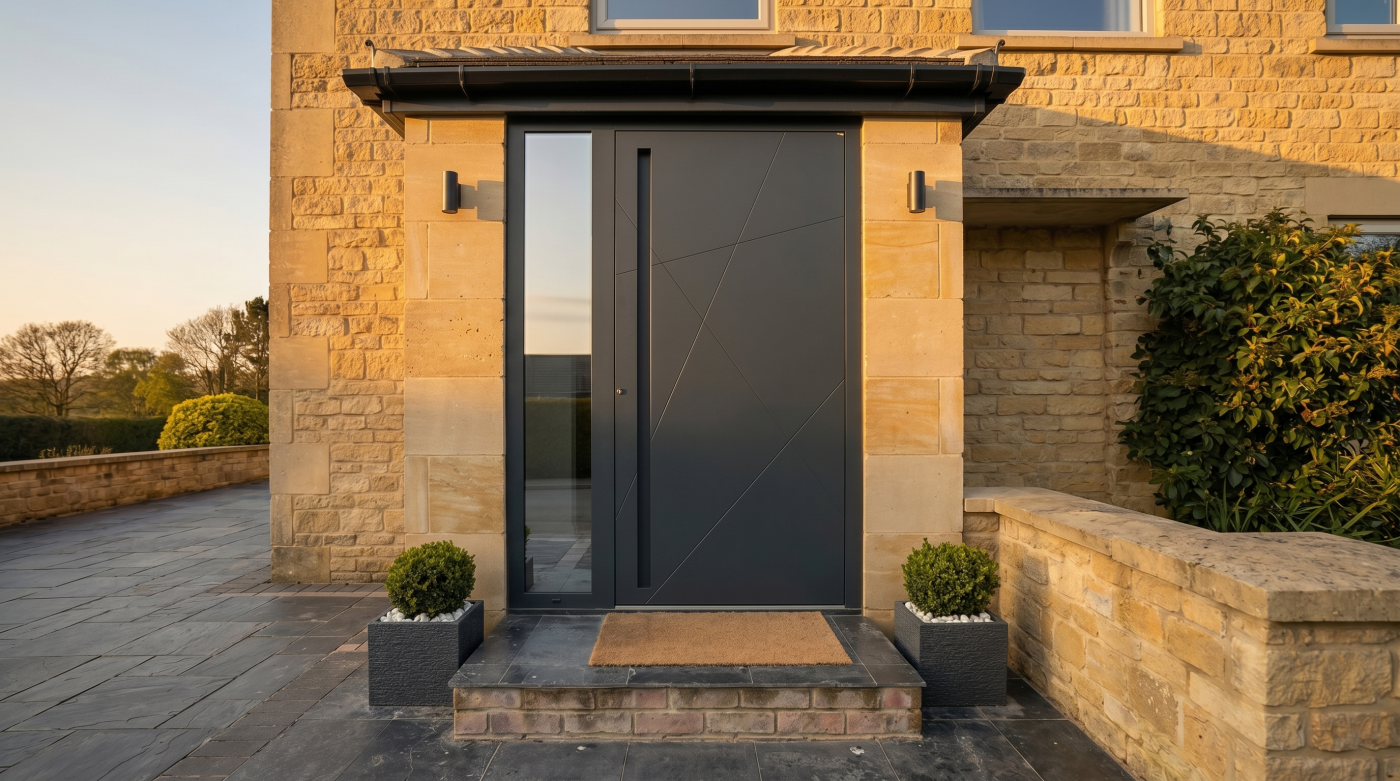
Even the most carefully engineered entrance door can only perform as intended if it is installed correctly. This is one of the most overlooked aspects of door security. Homeowners often compare products in detail—looking at locks, materials and certifications—while assuming installation is simply the final step. In reality, installation is an integral part of the security system itself. A premium door cannot compensate for poor fitting, inaccurate alignment or inadequate fixing methods.
Architects understand that an entrance door functions as a complete assembly. The frame must be securely fixed to the structure of the building, the door leaf must be precisely aligned and the locking mechanisms must engage exactly as designed. Even small installation errors can affect how smoothly the door operates, how effectively it seals against the weather and how reliably the locking system performs over time. Precision during installation is therefore just as important as precision during manufacturing.
Correct installation also contributes to long-term durability. A door that is properly supported and aligned is less likely to suffer unnecessary strain on hinges, locks and moving components. This helps maintain smooth operation over many years while preserving the integrity of both the security features and the weather seals. Conversely, poor installation can lead to premature wear, making routine operation more difficult and potentially reducing the overall performance of the entrance.
Professional installers also understand the importance of integrating the door with the surrounding building fabric. Appropriate fixings, sealing methods and careful attention to structural openings all help ensure the entrance performs as a single, cohesive system rather than as an isolated product fitted into an unsuitable opening.
For this reason, architects do not separate the product from the installation process. They view both as equally important parts of the specification. A genuinely secure entrance depends not only on high-quality engineering but also on the skill and care with which that engineering is brought to life on site. Security is achieved through the combination of product and installation—not either one in isolation.
Everyday Habits Matter Too
A secure entrance door is only part of a secure home. While manufacturers invest significant effort in engineering robust frames, advanced locking systems and durable hardware, the way homeowners use those features every day has an equally important influence on overall security. Architects recognise that even the most sophisticated entrance system relies on consistent, practical habits to perform as intended over the long term.
One of the simplest examples is ensuring the door is fully locked whenever the property is left unattended or during the night. Many modern entrance doors incorporate multi-point locking systems designed to secure the door evenly across its height, but these systems can only provide their intended level of protection when they are properly engaged. A well-designed security system is most effective when it becomes part of an effortless daily routine rather than something homeowners need to consciously remember.
Routine maintenance also contributes to long-term performance. Locks, hinges and moving components should be inspected periodically to ensure they continue operating smoothly, while seals and hardware benefit from occasional cleaning in accordance with the manufacturer’s guidance. These simple checks help preserve both security and everyday usability, allowing the entrance to perform consistently throughout years of regular use.
The wider design of the entrance also influences how secure a home feels. Good external lighting improves visibility when arriving home after dark while helping create a welcoming approach. Clear sightlines to the entrance, thoughtful landscaping and appropriate positioning of external features all contribute to an environment that feels well cared for and naturally integrated into the architecture. Increasingly, some homeowners also choose to complement their entrance door with smart technology such as video doorbells or integrated access systems, adding convenience alongside traditional security measures.
Ultimately, security is not achieved through hardware alone. It is supported by the everyday habits that accompany a well-designed entrance. When thoughtful engineering is combined with sensible daily use, homeowners gain something more valuable than individual security features—they gain lasting confidence in the place they call home.
Why Architects Think Beyond Security Alone
Security is an essential part of any entrance door specification, but it is rarely the starting point for architects. Instead, they consider security alongside a much broader set of requirements, recognising that the front door has to perform in many different ways every day. It should protect the home, certainly, but it should also contribute to comfort, energy efficiency, accessibility, durability and the overall architectural character of the building. A truly successful entrance balances all of these priorities rather than excelling in just one.
Thermal performance is a good example. A highly secure entrance that allows heat to escape or creates uncomfortable draughts is unlikely to provide long-term satisfaction. Modern premium entrance doors are therefore engineered to combine robust construction with excellent insulation and effective weather sealing, helping to maintain a comfortable internal environment throughout the year. In the same way, acoustic performance can significantly improve the experience of living in busy urban areas by reducing external noise without compromising security.
Ease of use is equally important. An entrance door should feel substantial and reassuring while remaining effortless to operate for every member of the household. Smooth opening, reliable locking mechanisms and well-designed hardware all contribute to the daily experience of using the home. Accessibility is also considered, ensuring thresholds, handles and operation support homeowners throughout different stages of life rather than only meeting immediate needs.
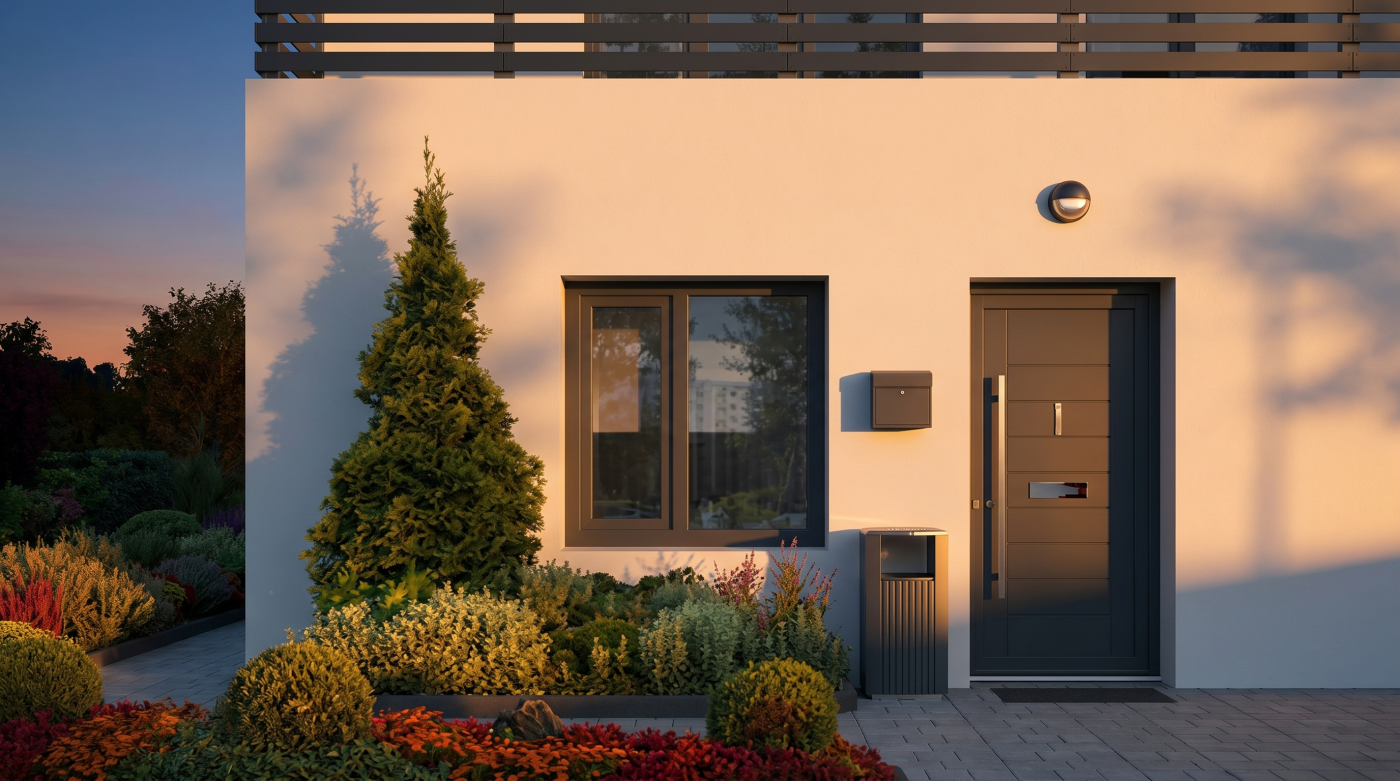
Appearance is another factor that architects never ignore. The entrance is one of the defining features of a home, shaping first impressions while reinforcing the overall architectural language of the building. Security features should therefore be integrated discreetly into the design instead of dominating it. The best entrance doors feel elegant because the engineering works quietly in the background.
This holistic approach explains why architects avoid choosing products based on a single headline feature. Security remains fundamental, but it forms part of a much wider specification process focused on creating homes that are comfortable, durable, beautiful and enjoyable to live in for many years. In the end, the strongest entrance doors are those that succeed in every aspect—not just one.
Choosing a Door That Provides Confidence for Years to Come
When homeowners begin researching entrance doors, it is easy to become distracted by individual features. One manufacturer highlights a particular lock, another promotes a specific certification, while others focus on materials or hardware. Although each of these elements has value, none of them alone defines a genuinely secure entrance. As this guide has explored, lasting confidence comes from understanding how the entire system has been designed, engineered and installed to work together.
This systems-based approach is the reason architects rarely specify doors based on a single feature. They consider the quality of the frame, the construction of the door leaf, the performance of the glazing, the reliability of the hardware, the accuracy of the installation and the long-term durability of every component. Security is viewed alongside thermal performance, weather resistance, ease of use and architectural character because each of these factors contributes to the experience of living with the door over many years.
Equally important is choosing products from manufacturers with a proven reputation for quality engineering and consistent performance. Independent testing and recognised certifications provide useful reassurance, but they are most valuable when supported by thoughtful design, careful manufacturing and professional installation. Together, these create an entrance that delivers confidence every day rather than relying on marketing claims or isolated technical specifications.
For homeowners, this means approaching security with a broader perspective. Rather than asking which lock is strongest or which material is toughest, it is worth asking whether the entrance has been specified as a complete solution that supports the home both today and well into the future. That shift in thinking often leads to better long-term decisions and greater satisfaction with the finished result.
Ultimately, the most secure entrance door is not the one with the longest list of features. It is the one that combines intelligent engineering, expert installation and dependable everyday performance into a cohesive whole. When every element works together, homeowners gain something far more valuable than impressive specifications—they gain lasting confidence every time they close the door behind them.